













PRP Hair Therapy: Benefits, Results, and What to Expect

Updated on: 2026-06-22
PRP hair therapy is an evidence-informed option used to support hair growth processes and improve scalp conditions.
This guide explains what PRP therapy typically involves, who may benefit, and how to evaluate quality and safety.
You will also find a practical preparation checklist and aftercare principles to support consistent results.
Use the recommendations to have more focused discussions with a qualified clinician.
What PRP Hair Therapy Is
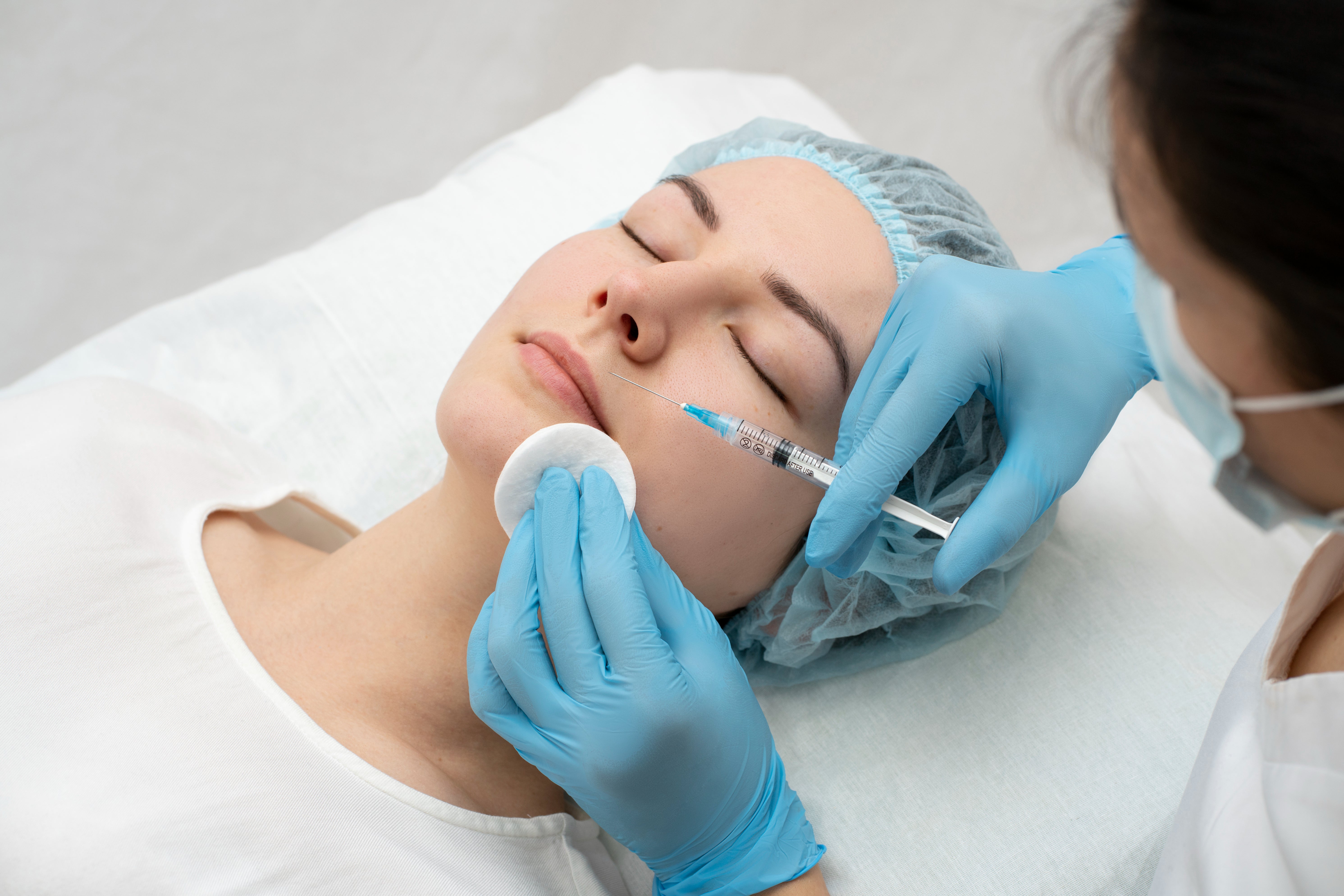
PRP hair therapy uses platelet-rich plasma derived from a patient’s own blood. The clinician processes a blood sample so that a concentrated portion of platelets is collected. These platelets contain growth factors and signaling proteins that can interact with scalp tissues. In a structured treatment plan, the prepared PRP is delivered into the scalp using sterile techniques and targeted administration patterns.
Because PRP hair therapy is procedure-based, outcomes depend on more than the product concept. The key variables typically include baseline scalp health, the cause of hair thinning, the quality of centrifugation, injection technique, session spacing, and appropriate aftercare.
It is also essential to distinguish PRP hair therapy from unrelated “growth” supplements or devices. PRP is a clinical, in-office approach. It is commonly considered as part of a broader hair management strategy rather than a standalone solution.

Scalp map icons and sterile injection pathway
Who Considers PRP for Hair Support
People consider PRP hair therapy when they notice progressive thinning, reduced density, or changes in hair texture. The therapy is often discussed for androgen-related pattern hair loss, early to moderate thinning, or scalp inflammation that coexists with hair loss patterns. Many clinics also evaluate PRP for certain telogen effluvium cases after triggers are addressed, though suitability depends on the patient’s history and findings.
Clinicians may recommend PRP after confirming that hair shedding is not caused by an active, untreated medical condition. They also consider hair pull tests, scalp inspection, and, when indicated, laboratory assessments. A careful baseline evaluation helps set realistic goals such as improved thickness, reduced shedding, and better scalp environment.
When discussing PRP, it helps to be clear about your main concern. Some patients prioritize visible density. Others focus on strengthening existing strands or improving scalp comfort. A clinician who aligns technique and follow-up with your primary goal generally supports better decision-making.
Essential Tips for Safer, More Effective Sessions
- Choose a qualified clinic with documented sterile protocols, trained injectors, and clear patient screening practices.
- Request an explanation of the workflow including blood handling, preparation method, and how PRP is administered.
- Plan around your health by disclosing medications, supplements, and prior procedures so the clinician can adjust protocols.
- Use consistent scalp care before and after sessions to avoid irritation that can confound progress.
- Track photos and shedding trends using the same lighting and angles to support objective review.
- Manage expectations by asking about typical time to first changes and the role of maintenance.
- Avoid self-initiated “PRP-like” products that are marketed without clinical oversight.
Detailed Process From Evaluation to Aftercare
A structured PRP hair therapy plan typically follows a repeatable sequence. While exact steps vary by clinic, the framework below reflects common clinical practice.
1) Initial consultation and scalp assessment
The clinician evaluates hair density, part width, and scalp condition. You may also discuss family history, onset timing, and any recent stressors, illness, diet changes, or medication adjustments. This stage determines whether PRP is appropriate and whether other treatments should be addressed first.
2) Screening and preparation instructions
Before the session, you should follow clinic guidance regarding topical products, blood-thinning medications, and skincare routines. Do not change prescriptions without clinician approval. If you have a history of bleeding disorders, infection risk, or recent scalp procedures, disclose details early.
3) Blood collection and platelet concentration
A small blood sample is collected under sterile conditions. The sample is processed using centrifugation to concentrate platelets into PRP. The method is an important quality factor because the concentration and activation approach can influence the clinical consistency of the preparation.
4) Targeted scalp delivery
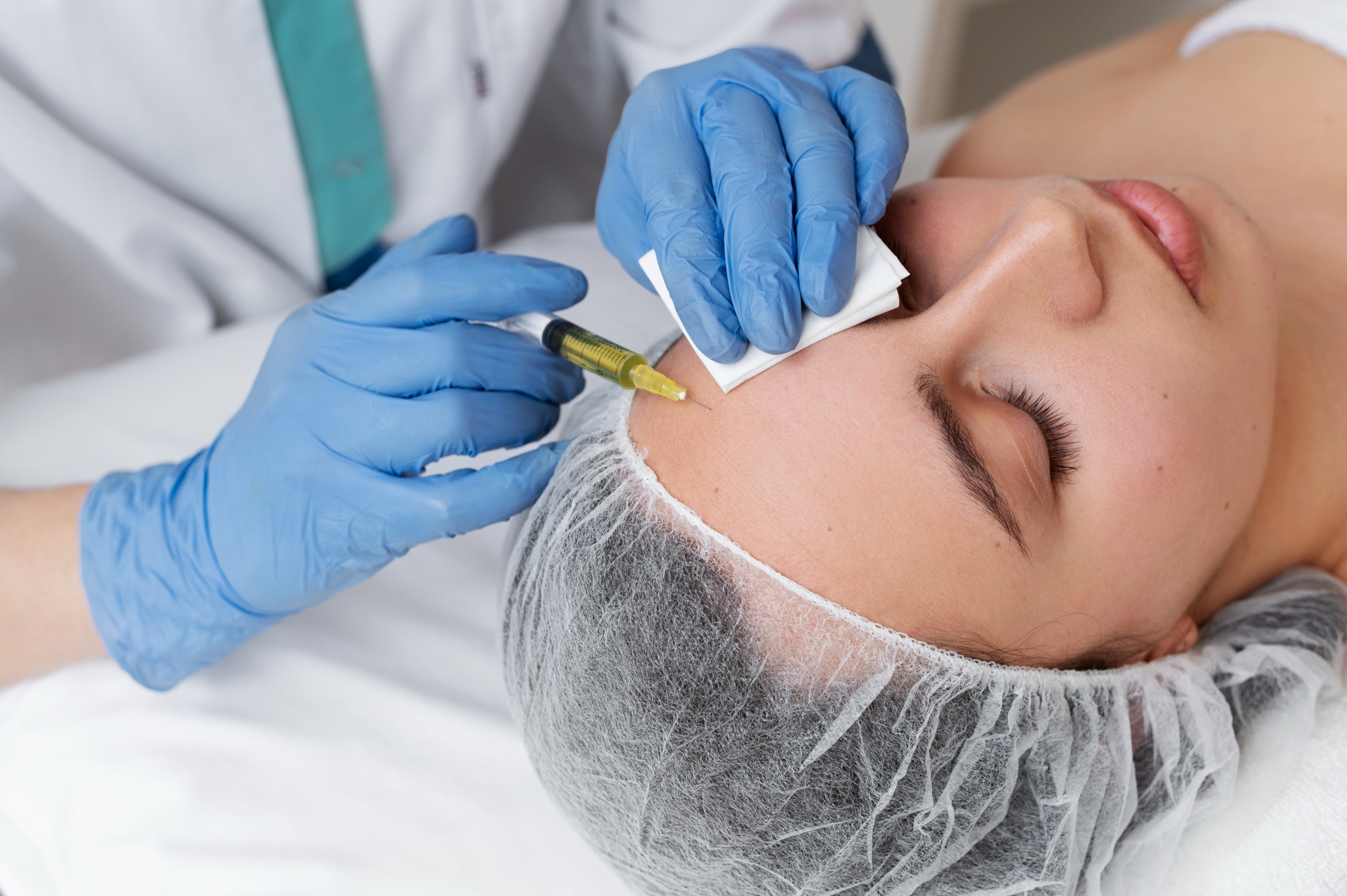
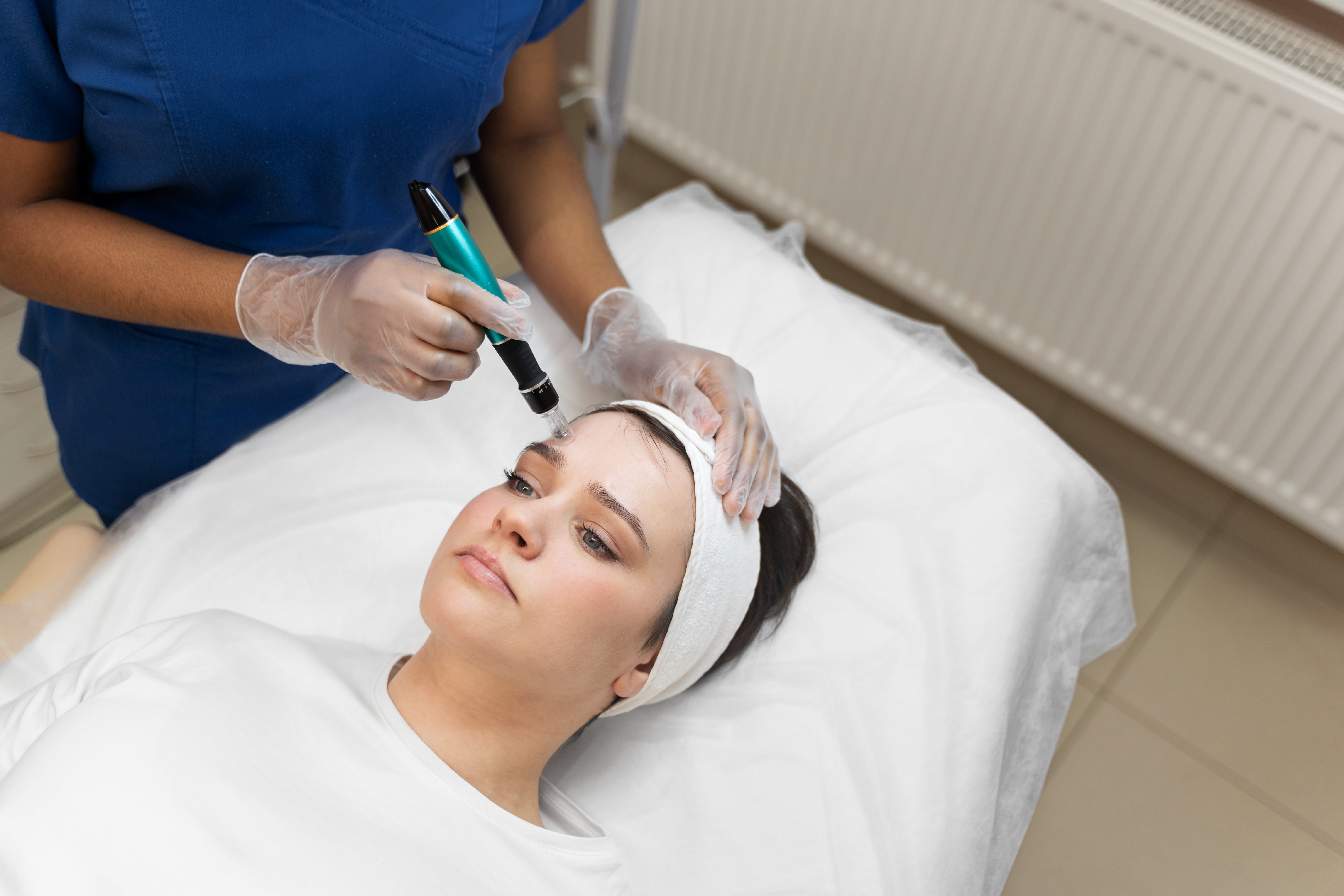
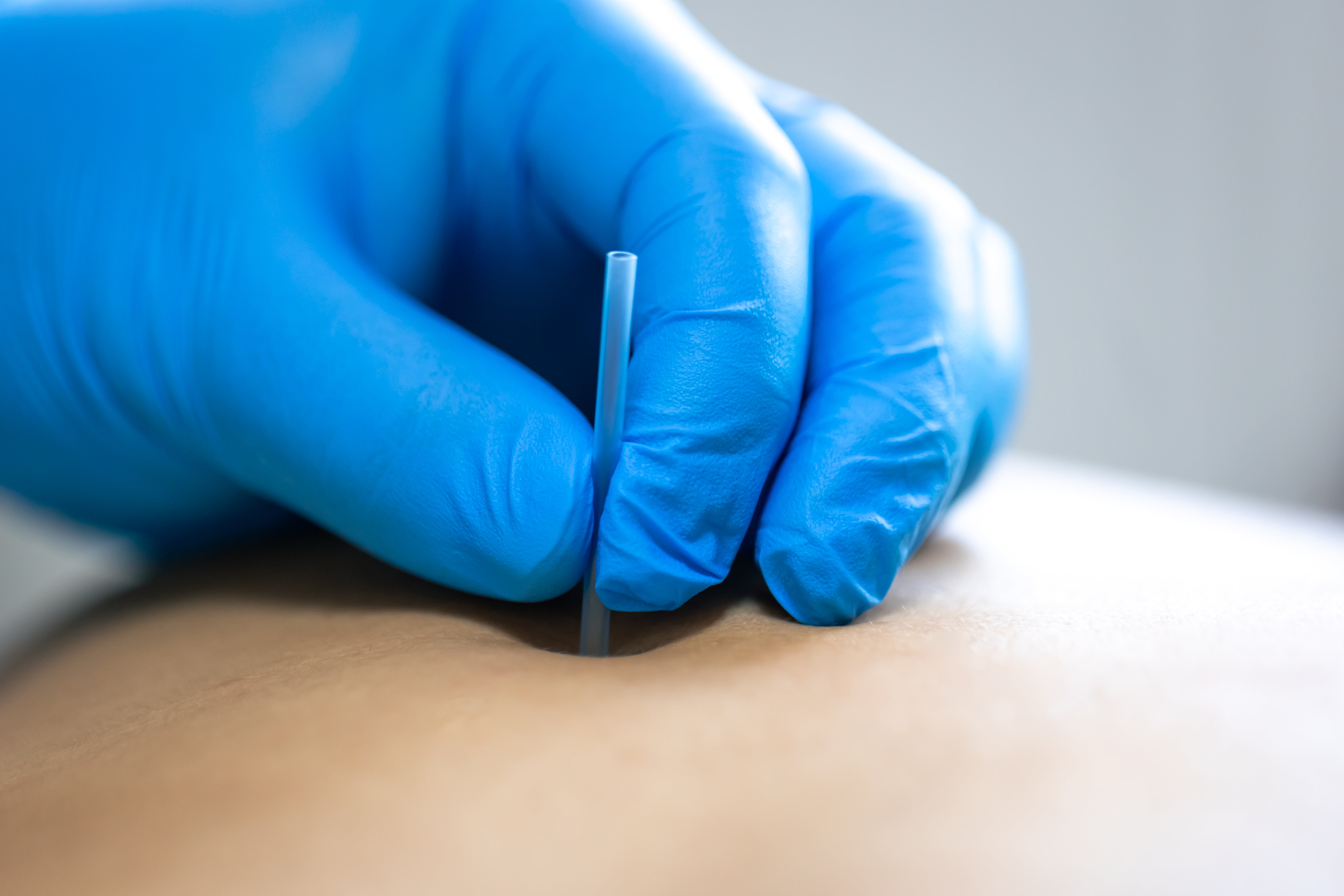
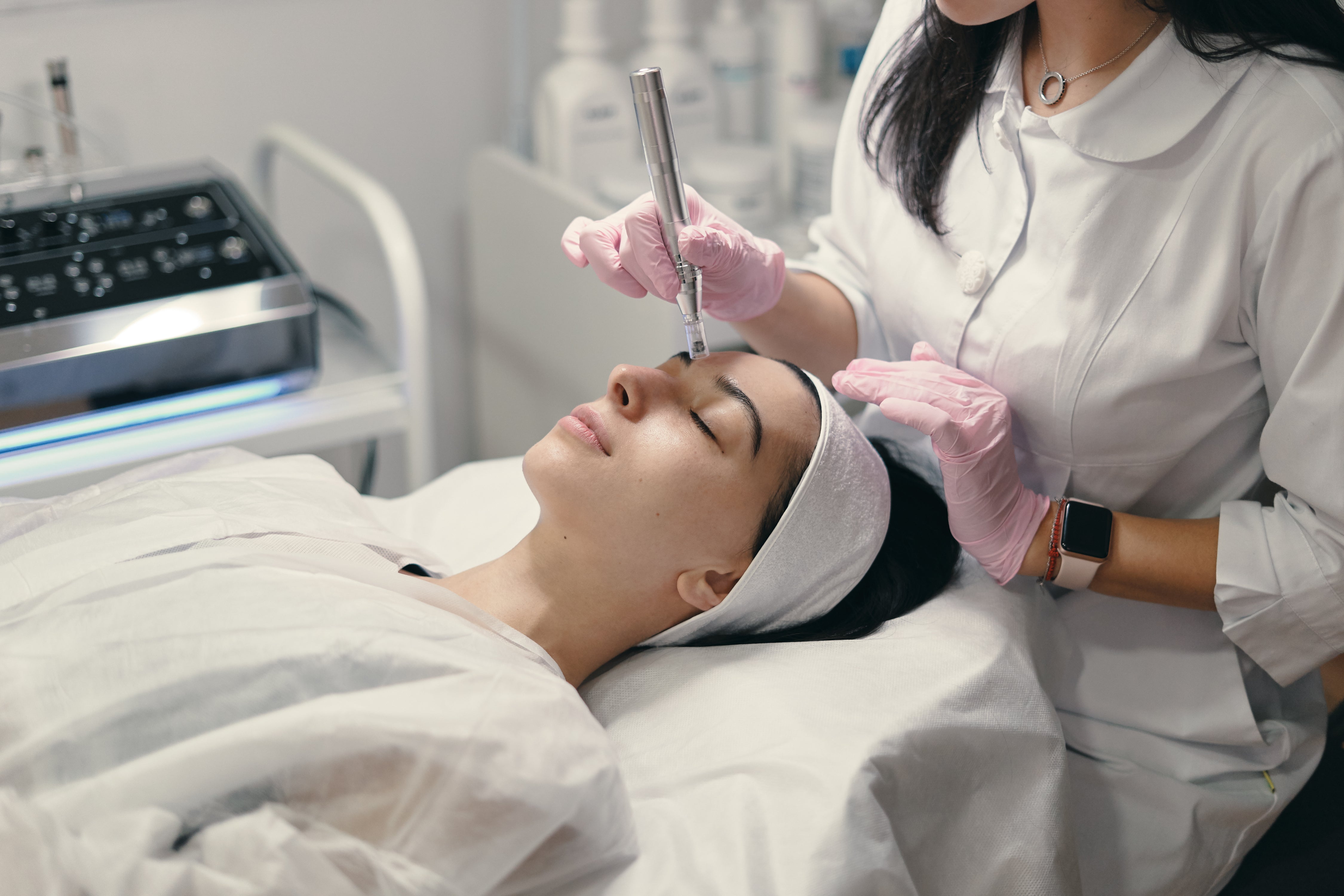
After PRP preparation, the clinician performs scalp administration using controlled injection techniques. Some protocols emphasize micro-needle delivery in a pattern aligned to thinning zones, while others include broader coverage depending on the assessed condition. Local comfort measures may be used according to clinic protocol and your sensitivity.
5) Immediate post-session care
After the injections, you may experience temporary redness, mild swelling, or pinpoint marks. Most protocols recommend gentle scalp handling for a short period. Avoid scratching and avoid harsh cleansing routines until the clinic clears you.
6) Follow-up schedule and maintenance strategy
Many treatment plans use multiple sessions separated by defined intervals. Some patients later transition to maintenance sessions based on response. A clinician should document baseline photos and track progress across visits so the plan can be adjusted when needed.
To complement your clinical sessions, focus on scalp hygiene and barrier support. If your scalp tends toward dryness or sensitivity, consider choosing gentle cleansing and non-irritating hydration practices. A stable scalp environment helps you monitor PRP response without additional flare-ups.

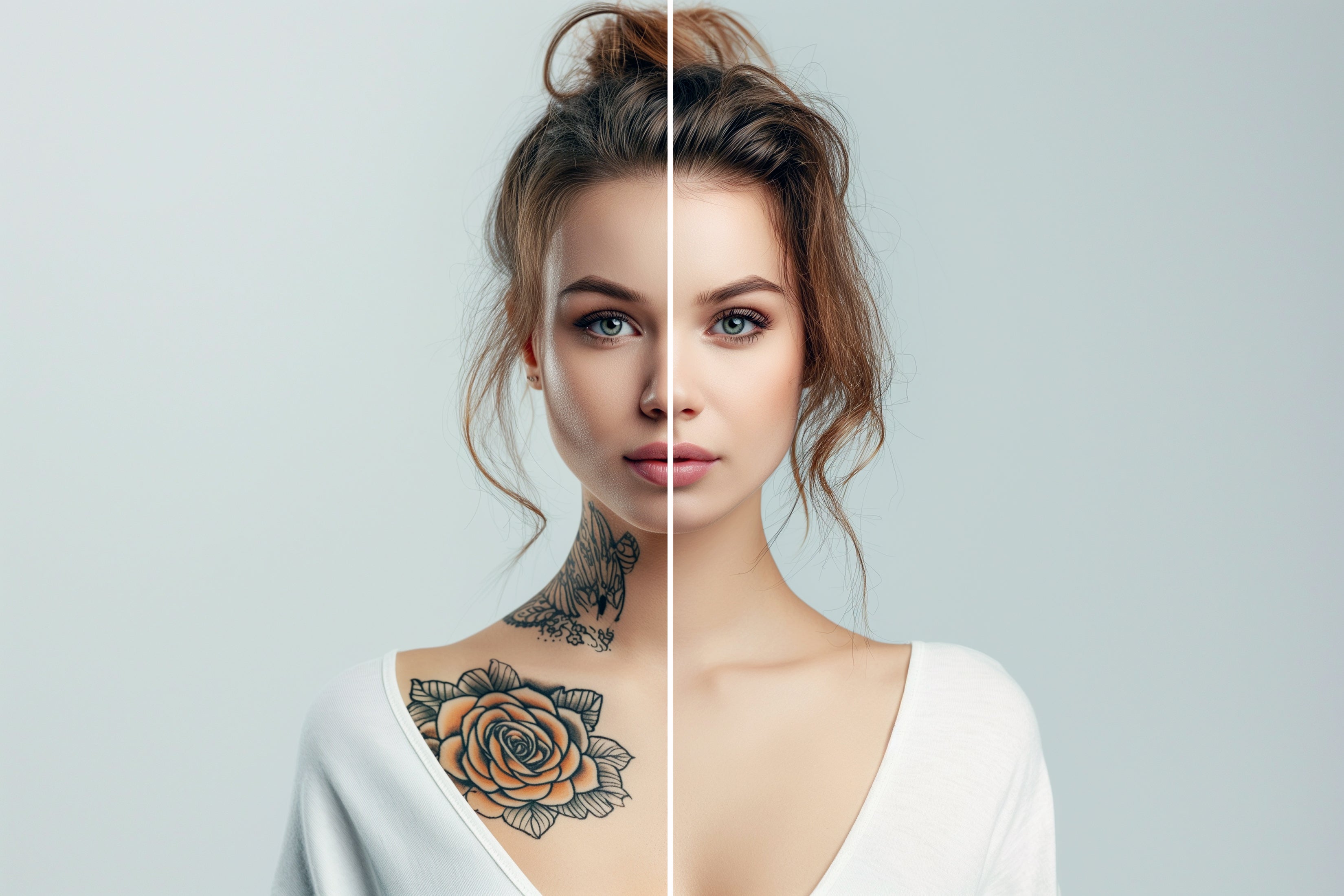
Before-and-after photo frame with consistent lighting
Cost, Expectations, and How to Measure Progress
PRP hair therapy pricing varies widely based on clinic location, number of sessions, and the technologies used for PRP preparation. Instead of focusing only on the per-session fee, evaluate the complete care package. A transparent clinic should clearly state the session count expectations and whether follow-up assessments are included.
Measuring results requires a disciplined approach. Hair biology is slow. Improvements usually show up as changes in shedding patterns, reduced thinning in targeted regions, and later gains in density or thickness. Clinicians often recommend consistent photo documentation and objective measures such as hair counts in standardized areas.
Ask your clinician how they define a positive response. For example, is success measured by reduced shedding, visible density, or improved scalp comfort? When endpoints are defined, it becomes easier to decide whether to continue, adjust, or combine therapies.
Visualizing the Approach
Understanding the procedure helps reduce anxiety and improves adherence. A helpful way to visualize PRP hair therapy is to think in three layers: assessment, targeted delivery, and follow-up support. Each session builds on the last through a planned pattern, and each follow-up visit verifies whether the scalp environment is responding.
If you prefer a more data-driven approach, request to see documentation practices the clinic uses. This may include standardized photo angles, consent forms detailing sterile handling, and a written aftercare summary. Quality clinics often provide these materials proactively.
Supportive Scalp Routines That Complement PRP
PRP hair therapy may be more effective when combined with a supportive scalp routine. The goal is not to “replace” PRP. The goal is to reduce friction, dryness, and inflammation that can obscure the therapy’s impact. Select products that match your scalp needs and avoid aggressive ingredients if your scalp is reactive.
Consider gentle cleansing and consistent conditioning practices. If you use actives for scalp or hair, introduce them carefully and only under clinician guidance when you are in an active PRP schedule.
For readers seeking everyday scalp-friendly options, the following categories can help maintain balance during treatment cycles:
- Gentle cleansers that remove buildup without stripping.
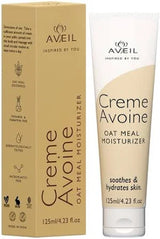
- Barrier-supportive moisturizers that reduce dryness and tightness.
- Sun protection for scalps that are exposed, particularly in summer or outdoor settings.
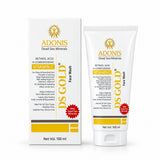
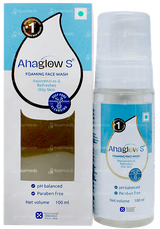
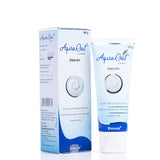
If you want product options from a trusted range, you can review these internal links for related skin and scalp care guidance: gentle cleanser option and oil control foam wash.
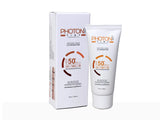
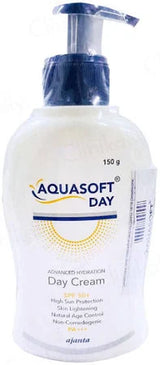
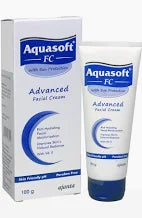
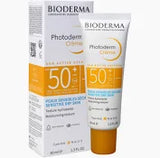
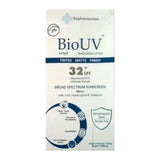
For those who also manage scalp visibility, consider a daily protective approach. A well-formulated sunscreen can reduce irritation related to sun exposure for exposed scalp areas. You may explore high-SPF scalp-friendly protection to support consistent comfort.
Risks and When to Avoid PRP
PRP hair therapy is often described as low risk because it uses your own blood. However, “low risk” does not mean risk-free. Side effects can include temporary redness, soreness, swelling, bruising, or minor bleeding from injection sites. Rare complications can include infection or inflammatory flare if sterile practices are not rigorous.
Most risk concerns relate to patient screening and procedural quality. You may need to postpone PRP if you have active infections, certain inflammatory scalp conditions, or uncontrolled medical issues that increase infection risk. You should also discuss any history of abnormal bleeding or clotting disorders with the clinic.
Be cautious with clinics that do not provide clear screening criteria or that do not explain how they maintain sterile handling. Ask how they dispose of biohazard waste, how they clean the treatment area, and what follow-up support they provide if you develop prolonged side effects.
It is equally important to avoid unrealistic timelines. PRP is not an immediate cosmetic change. If you expect instant results, you may judge the treatment prematurely. Objective tracking helps prevent that error.
Summary and Takeaway
PRP hair therapy uses platelet-rich plasma delivered through a clinical scalp injection process. The most important drivers of success are not only the concept of PRP, but also baseline assessment, sterile protocol quality, targeted delivery technique, and consistent follow-up.
Choose an experienced provider, define what “progress” means for your situation, and support sessions with a stable scalp routine. When combined with realistic expectations and objective tracking, PRP hair therapy can be a structured option for people seeking to improve hair thickness and scalp health.
If you are considering PRP, schedule a consultation and ask for a clear treatment plan, aftercare steps, and documentation approach.
Q&A Section
How many sessions are commonly needed for PRP hair therapy?
Most treatment plans involve multiple sessions to support a gradual scalp response. The exact number depends on hair loss pattern, baseline density, scalp condition, and how you respond over time. A qualified clinician should provide a personalized schedule and explain whether maintenance sessions are likely.
What does recovery typically feel like after a PRP session?
Temporary redness, mild tenderness, and small injection marks are common. These effects generally resolve within a short period, but the timeline varies by individual sensitivity and injection technique. Following the clinic’s aftercare guidance reduces irritation and supports steady monitoring.
Can PRP hair therapy be combined with other hair loss treatments?
In many care plans, PRP may be used alongside other hair management strategies, depending on the diagnosis. Combination therapy can improve overall outcomes when each component addresses a different mechanism. The clinician should review your current regimen before adding PRP to ensure safe timing and avoid conflicting schedules.
How soon should I expect visible changes?
Changes are typically gradual. Some patients notice reduced shedding earlier, while density improvements often take longer. Objective photos and consistent scalp notes help you assess progress at the right intervals rather than judging based on day-to-day variation.
What signs suggest PRP is not working for my scalp?
If there is no meaningful reduction in shedding trends, no improvement in scalp comfort, or no objective changes on standardized photos after an appropriate evaluation period, the plan may need revision. A clinic should reassess the diagnosis and consider alternative or combined approaches.
Is PRP hair therapy suitable for everyone with hair thinning?
Suitability depends on the underlying cause of thinning and your medical history. Conditions such as active infection, untreated scalp disease, or certain bleeding risks may affect eligibility. A thorough consultation and screening help determine whether PRP is appropriate and safe.
Author Bio
About the Author
Allodermis specializes in dermatology-focused product education and practical skin and scalp care guidance. With expertise in barrier support, scalp comfort, and evidence-minded routines, the team helps readers make informed decisions that align with clinical best practices. Thank you for reading and for taking a careful, safety-first approach to hair care.
Disclaimer: This article is for educational purposes only and does not constitute medical advice, diagnosis, or treatment. Individual results vary. Consult a qualified healthcare professional before undergoing PRP hair therapy or any medical procedure, especially if you have a medical condition, scalp infection, or concerns related to bleeding risk.
Authors & medical review
Swaraj Dhar is a sociopreneur, technologist, and the co-founder of Allodermis.
Every article is fact-checked against current peer-reviewed dermatology literature and Allodermis clinical protocols.
This article was last reviewed and updated on . Published .
Have a skin or hair concern?
Book a free consultation with our AIIMS MD dermatologists. Clinics in Bhubaneswar, Gurgaon, and Delhi NCR.