










PRP Therapy for Hair Loss: What to Expect & Results

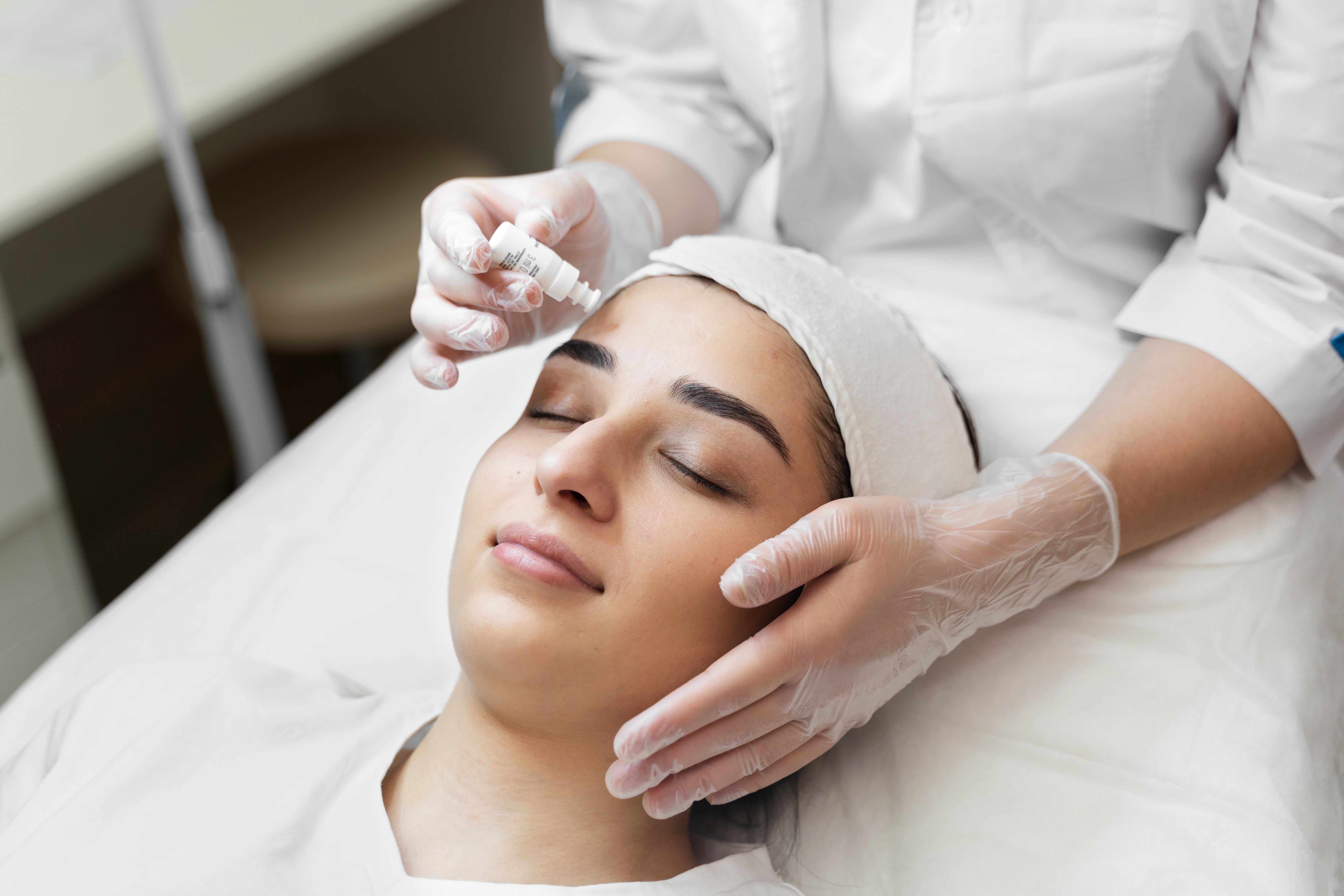
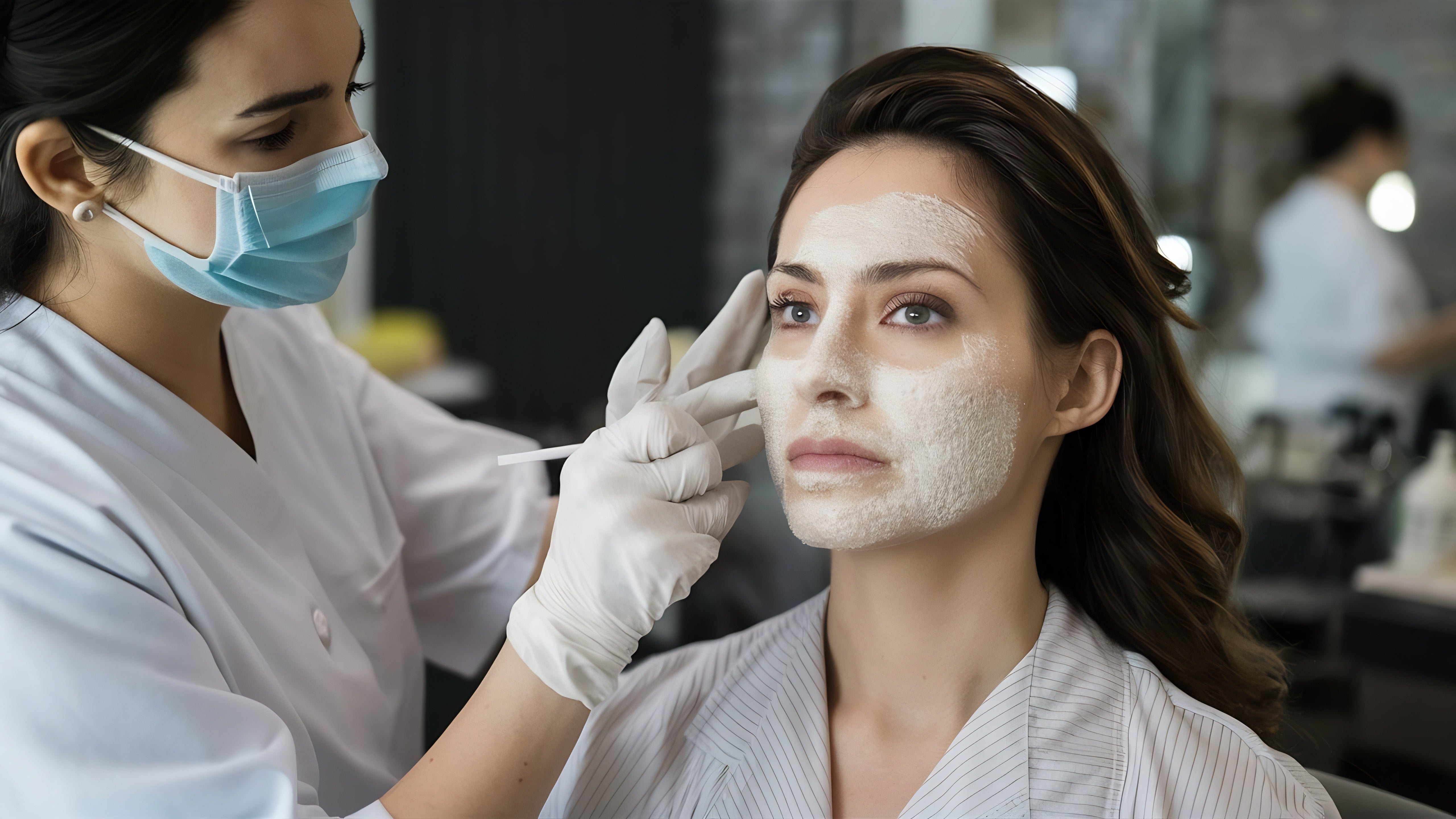
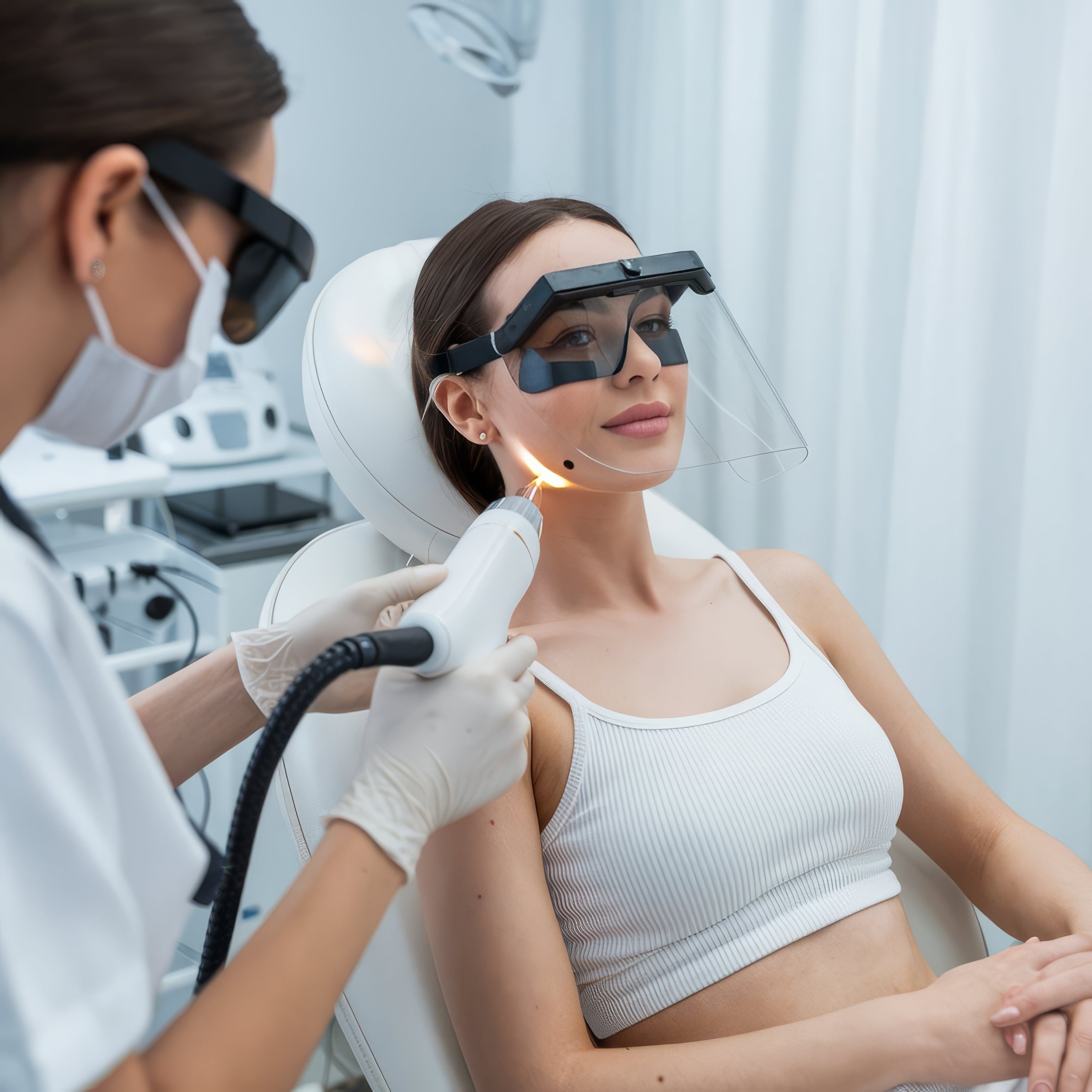
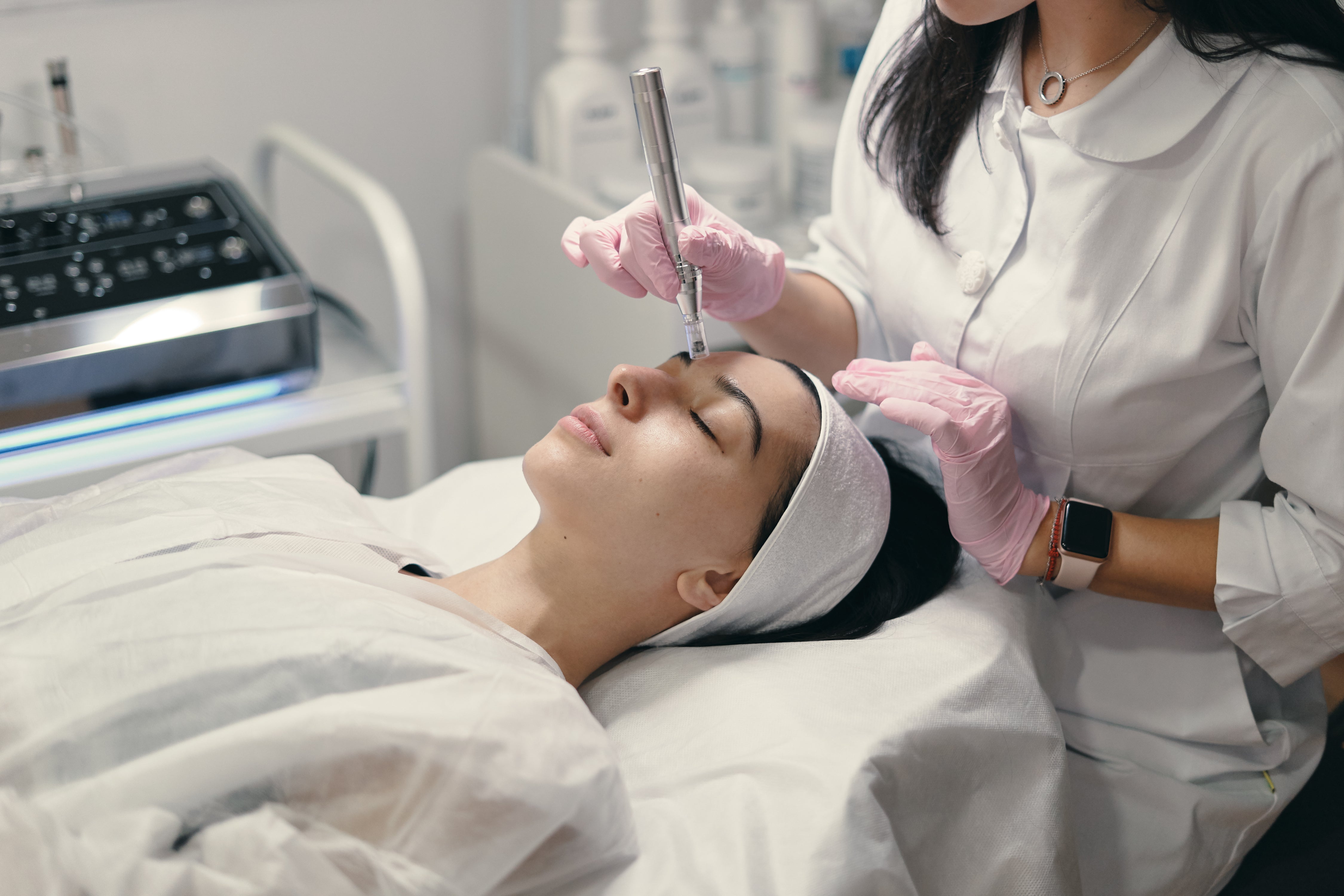
PRP therapy for hair loss is a procedure that uses concentrated plasma to support scalp biology and the hair growth cycle.
It is often considered for pattern hair loss and hair thinning, especially when paired with an evidence-based hair care plan.
Results depend on diagnosis, baseline hair density, and consistent follow-up.
Knowing the benefits, limits, and preparation steps can help you make a safer and more informed decision.
Updated on: 2026-06-11
Table of Contents
2. Product Spotlight: Scalp-Friendly Support
5. FAQ Section
What You Should Know About PRP Therapy for Hair Loss
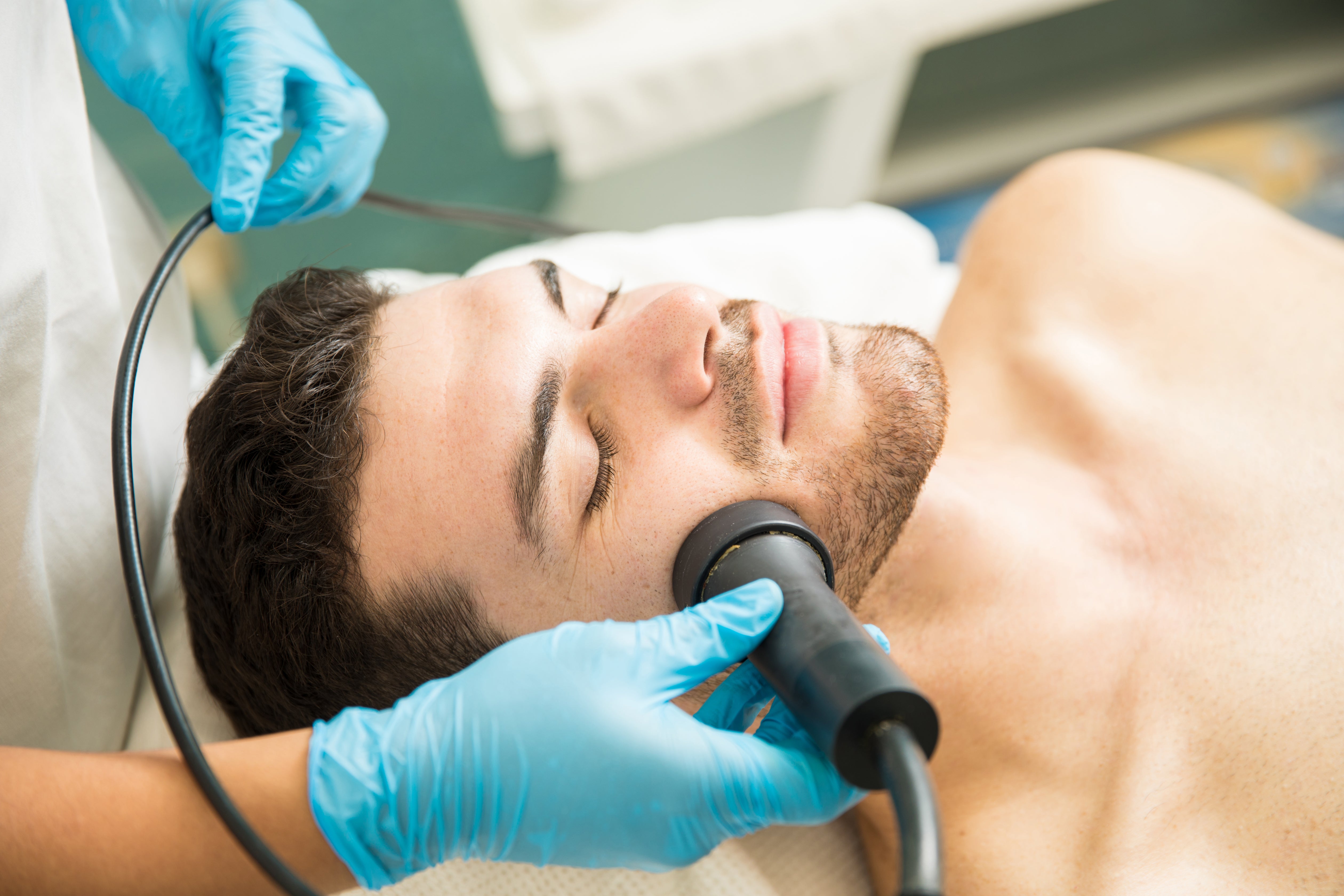
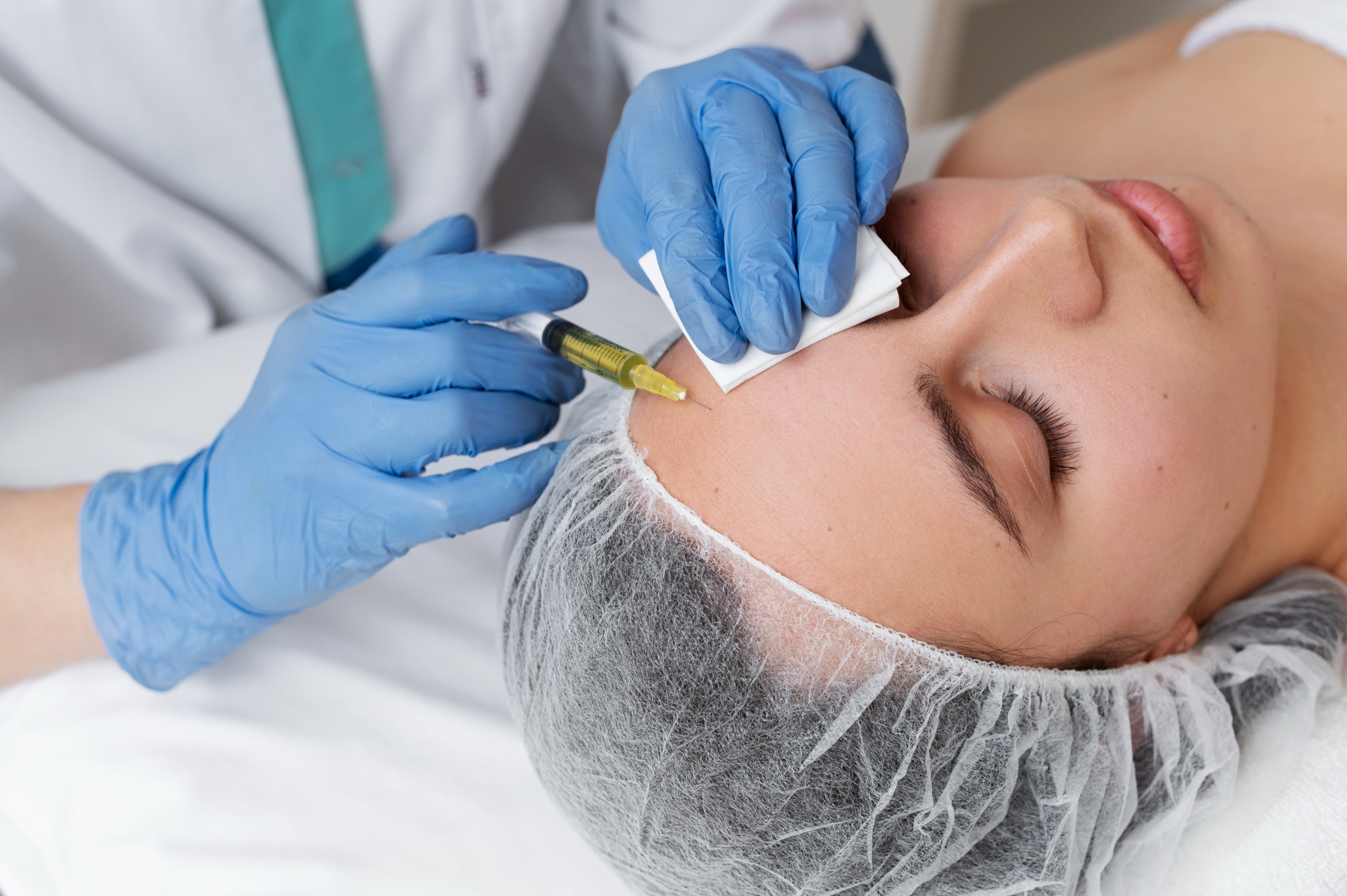
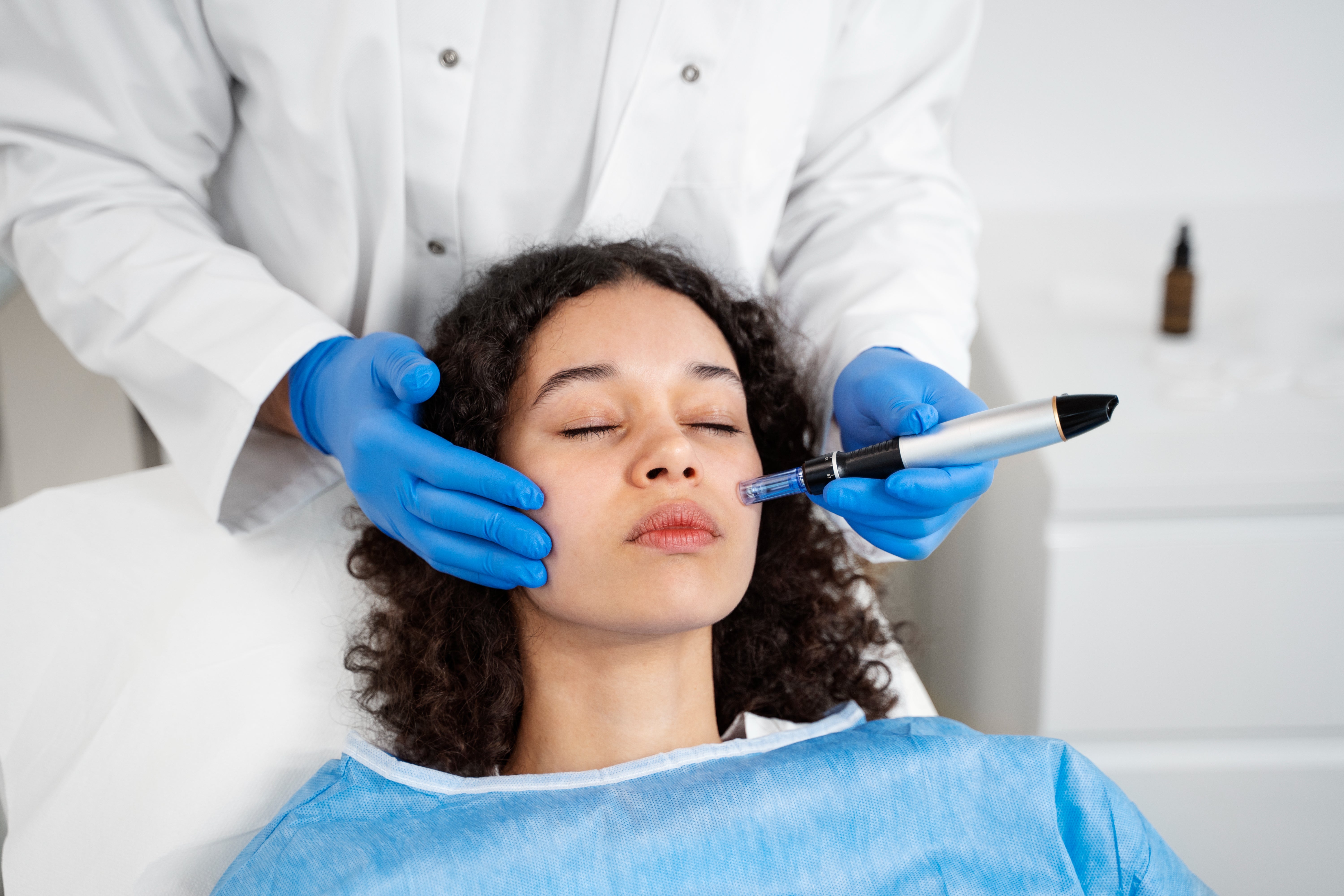
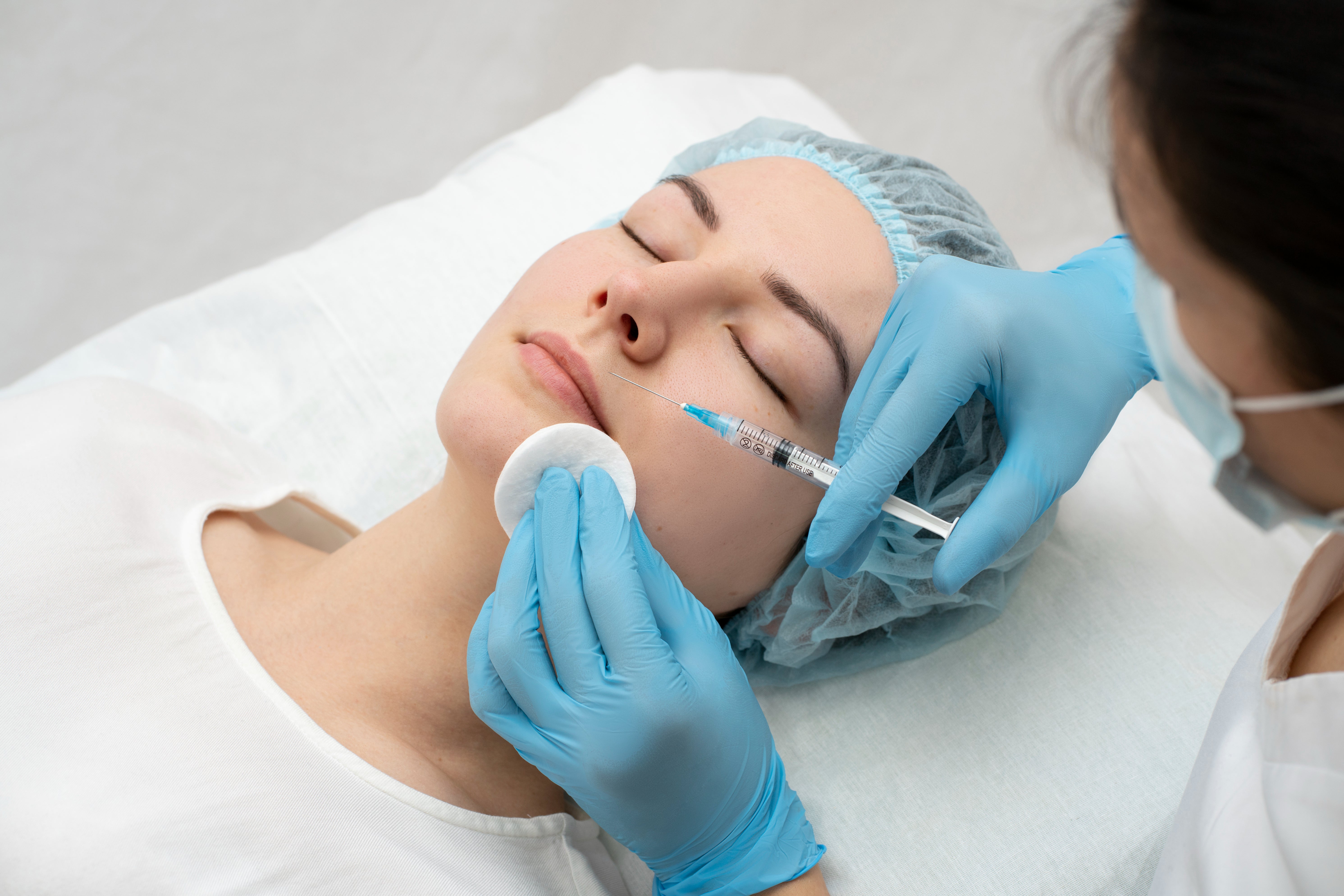
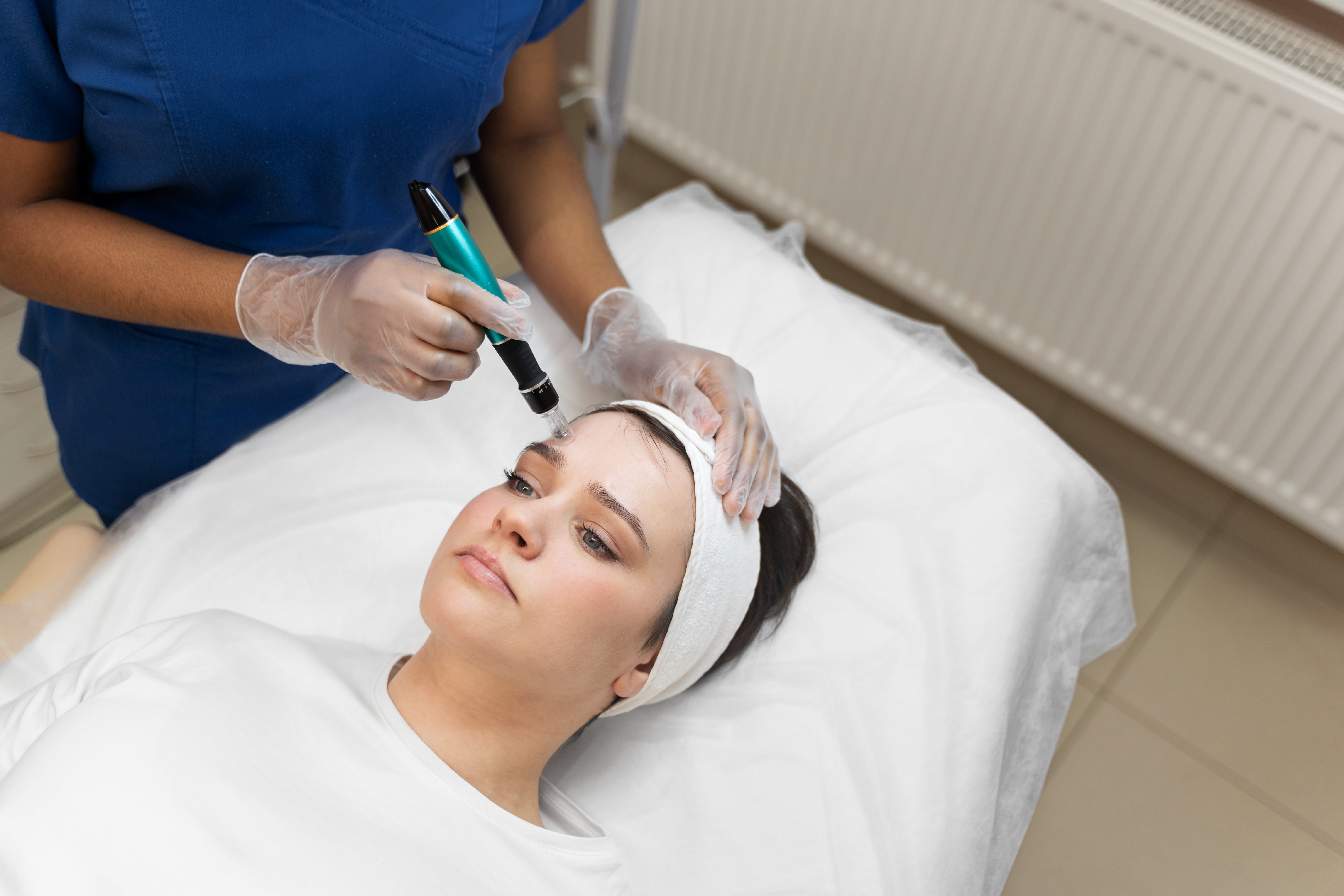
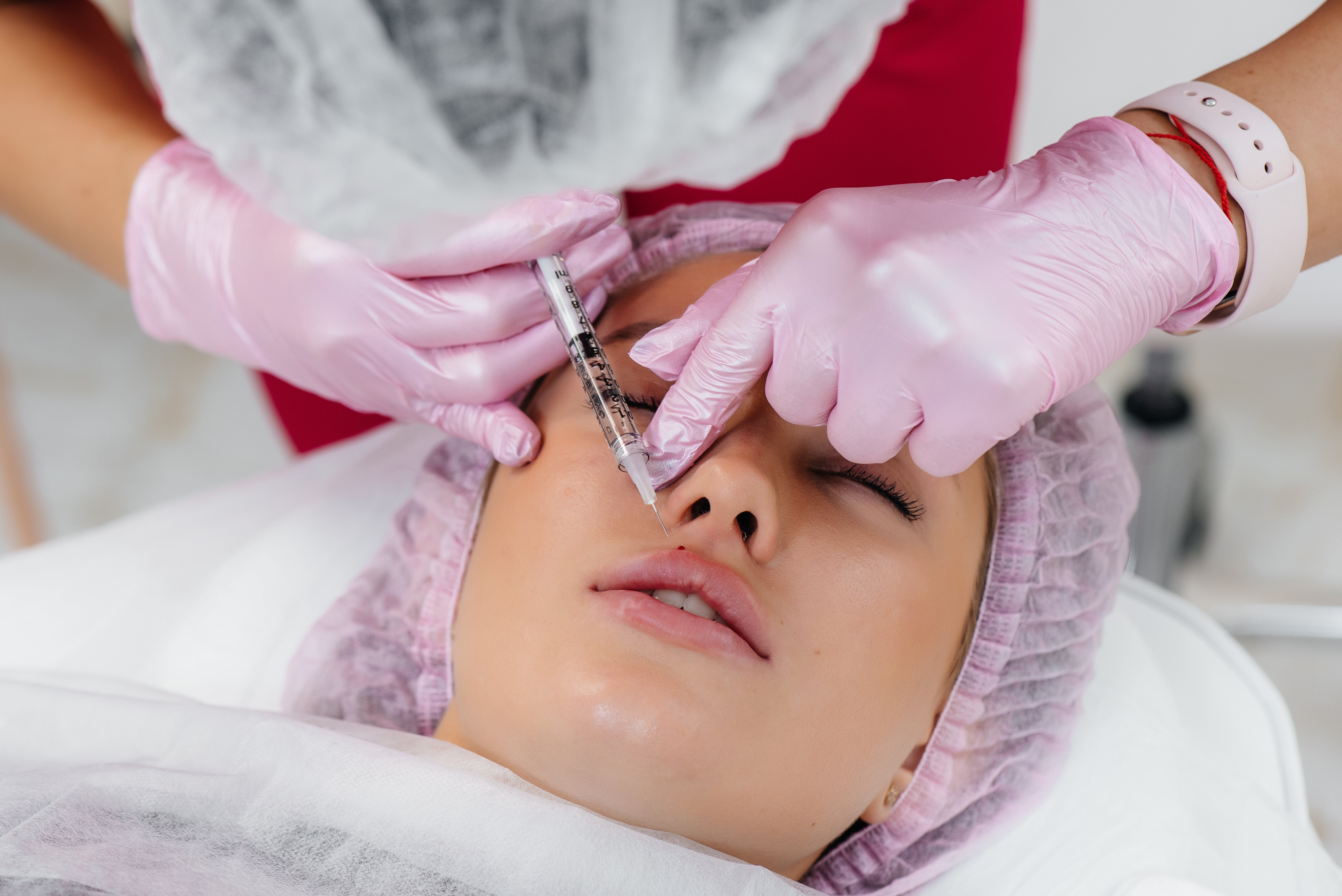
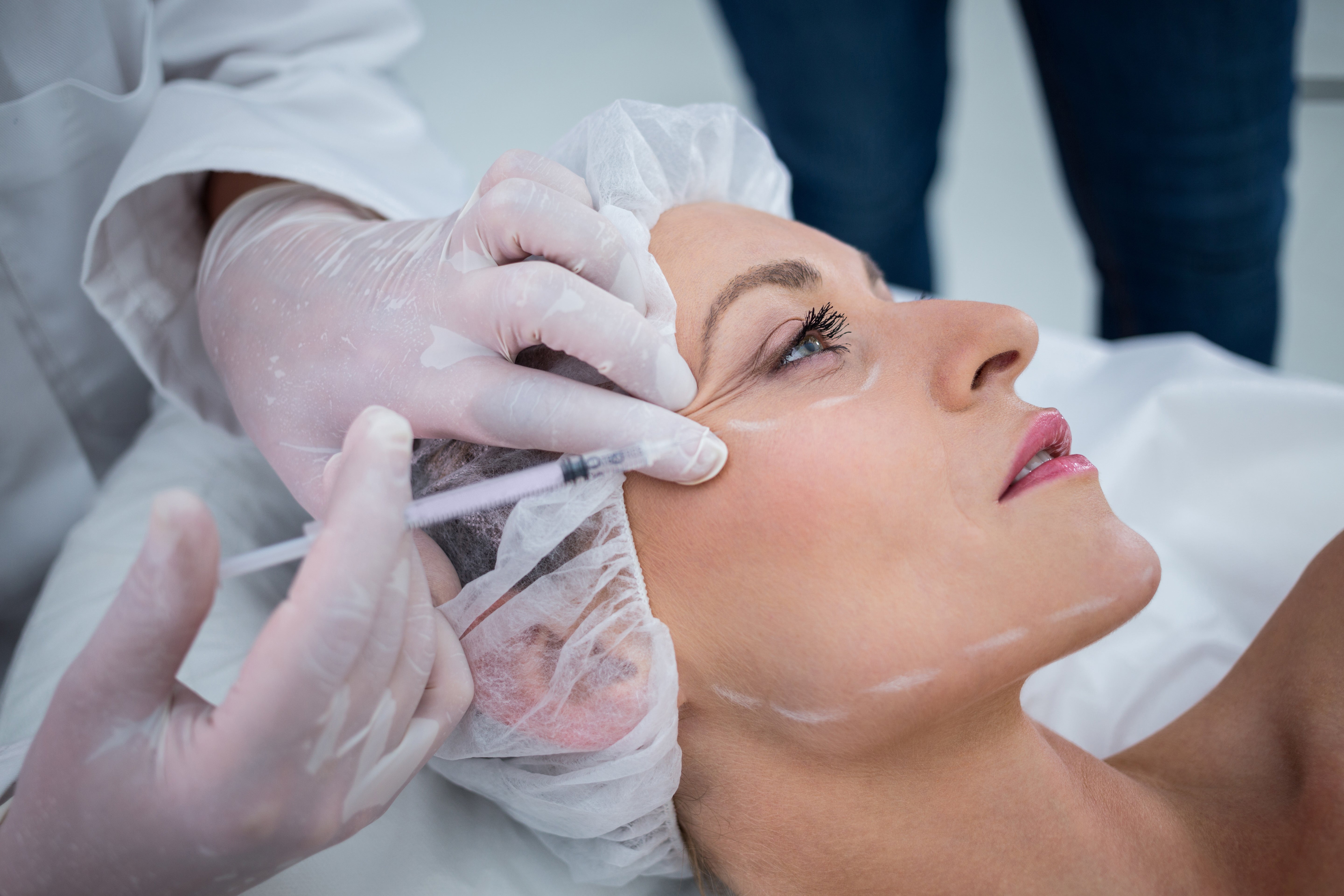
PRP therapy for hair loss is commonly discussed as a way to improve scalp environment and potentially strengthen hair follicles. The core idea is to use your own blood components, process them into a platelet-rich form, and place them into the scalp. This approach aims to influence signaling pathways that guide the hair growth cycle.
When people face thinning hair or see early signs of pattern hair loss, they often want a treatment that is focused on the scalp rather than only the hair strand. PRP is frequently positioned as a scalp-targeted option, and many clinical protocols include a series of sessions followed by maintenance. However, the best plan depends on the cause of hair shedding, baseline density, and how your skin and follicles respond to stimulation.
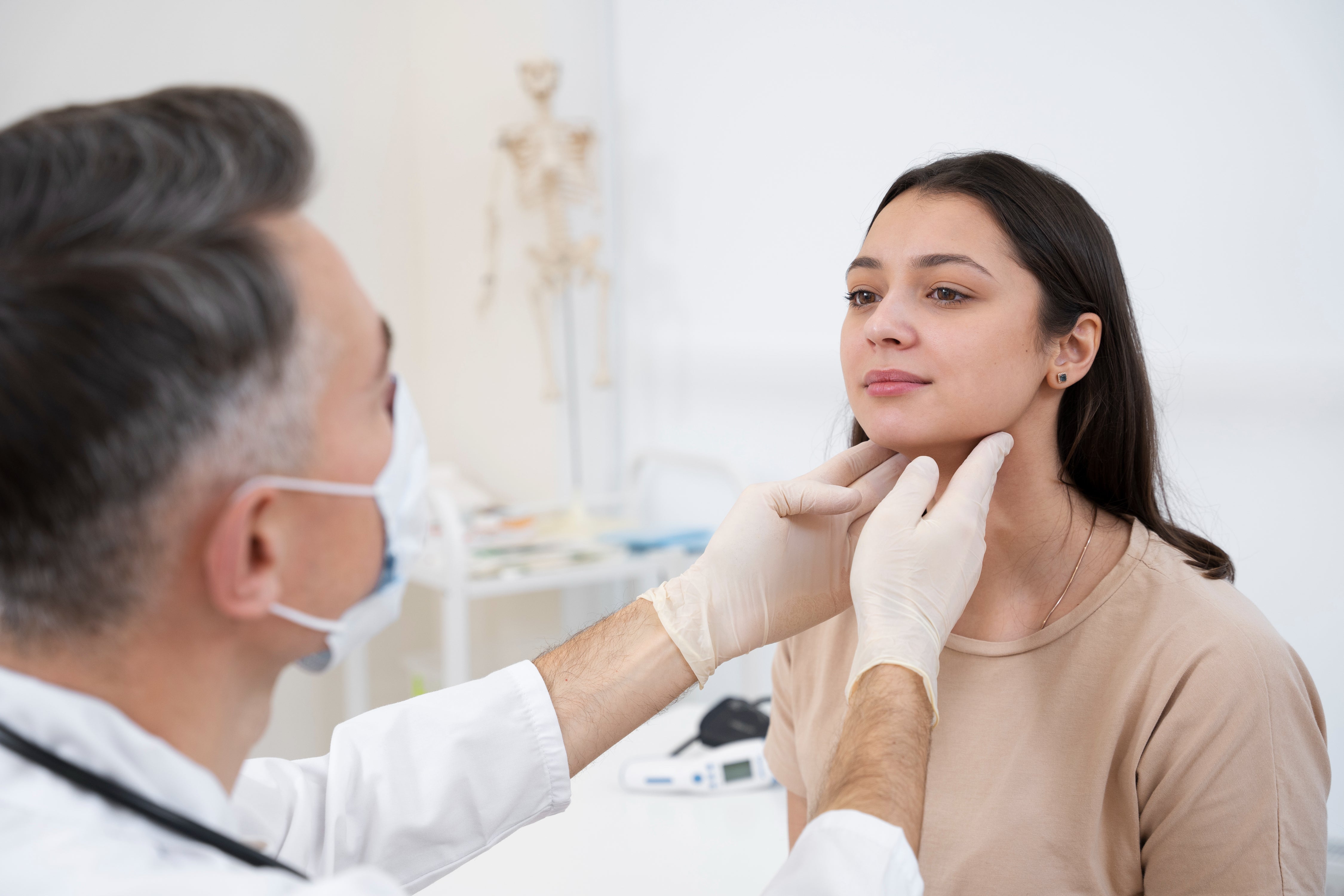
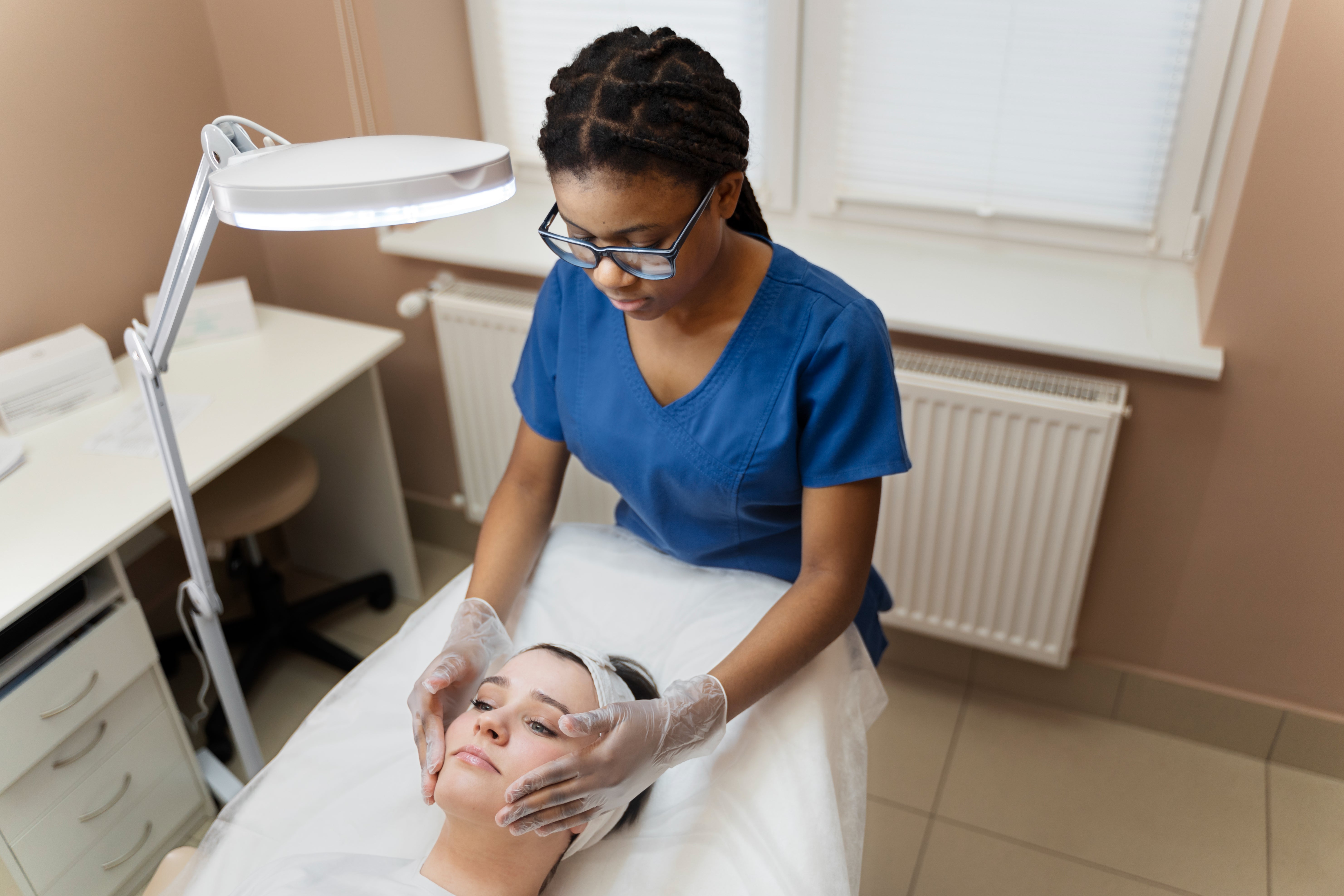
Because hair loss has multiple drivers, a careful assessment is essential. Dermatologists may evaluate hair pull tests, scalp inflammation, family history, and sometimes blood work when nutritional or hormonal factors are suspected. This helps align expectations with what a scalp procedure can reasonably do, and it reduces the risk of choosing a treatment that does not match the root cause.
In practical terms, a strong hair loss strategy usually combines in-office options with everyday scalp care. The goal is to maintain a clean, balanced scalp environment so that any follicle-focused therapy can work with less interference from irritation or product buildup.
Product Spotlight: Scalp-Friendly Support
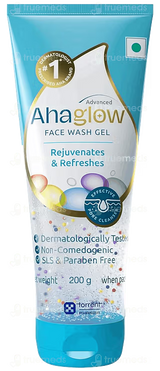
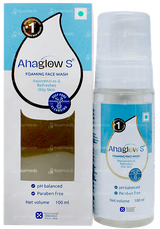
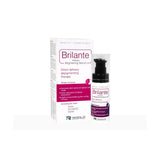
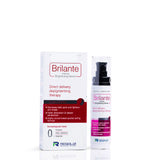
While PRP therapy involves in-office treatment, daily scalp care supports comfort and helps you stay consistent with your plan. Many people benefit from gentle cleansing and barrier-friendly hydration, particularly when scalp conditions such as dryness or sensitivity coexist with hair shedding.
For example, a mild cleanser and a soothing routine can reduce friction, limit harsh stripping, and support scalp comfort. You should choose products that do not aggressively dry the scalp, especially when you are pursuing any follicle-focused therapy.
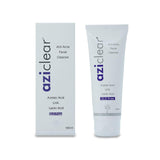
If you want an example of gentle cleansing in a hair-friendly routine, consider this internal resource: Cetaphil Gentle Cleanser. Gentle formulas can help you wash without over-drying, which may be relevant for some users who notice scalp tightness when their hair loss regimen becomes more complex.

Illustration of scalp comfort with gentle cleansing cues
For those who use additional scalp products, it is also important to avoid heavy buildup. A routine that balances cleansing and light conditioning can support a stable scalp environment. If your scalp is reactive, prioritize fragrance-free or low-irritant approaches and introduce changes one at a time.
Some users also explore topical actives as part of a broader plan, but selection should match your skin profile and tolerance. If you are unsure, it is best to discuss product choices with a qualified clinician who can consider your scalp condition, history, and therapy schedule.
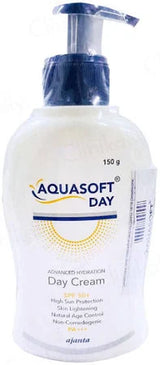
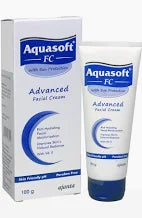
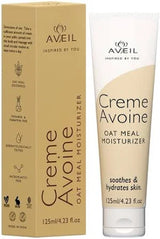
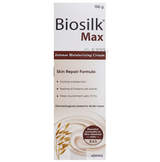
Additional dermal support and barrier maintenance may be helpful as well. For moisturization support, you may review hydration support options, choosing only what is appropriate for your scalp or surrounding hair-bearing areas.
Did You Know?
- PRP stands for platelet-rich plasma, which is created by concentrating platelets from your own blood.
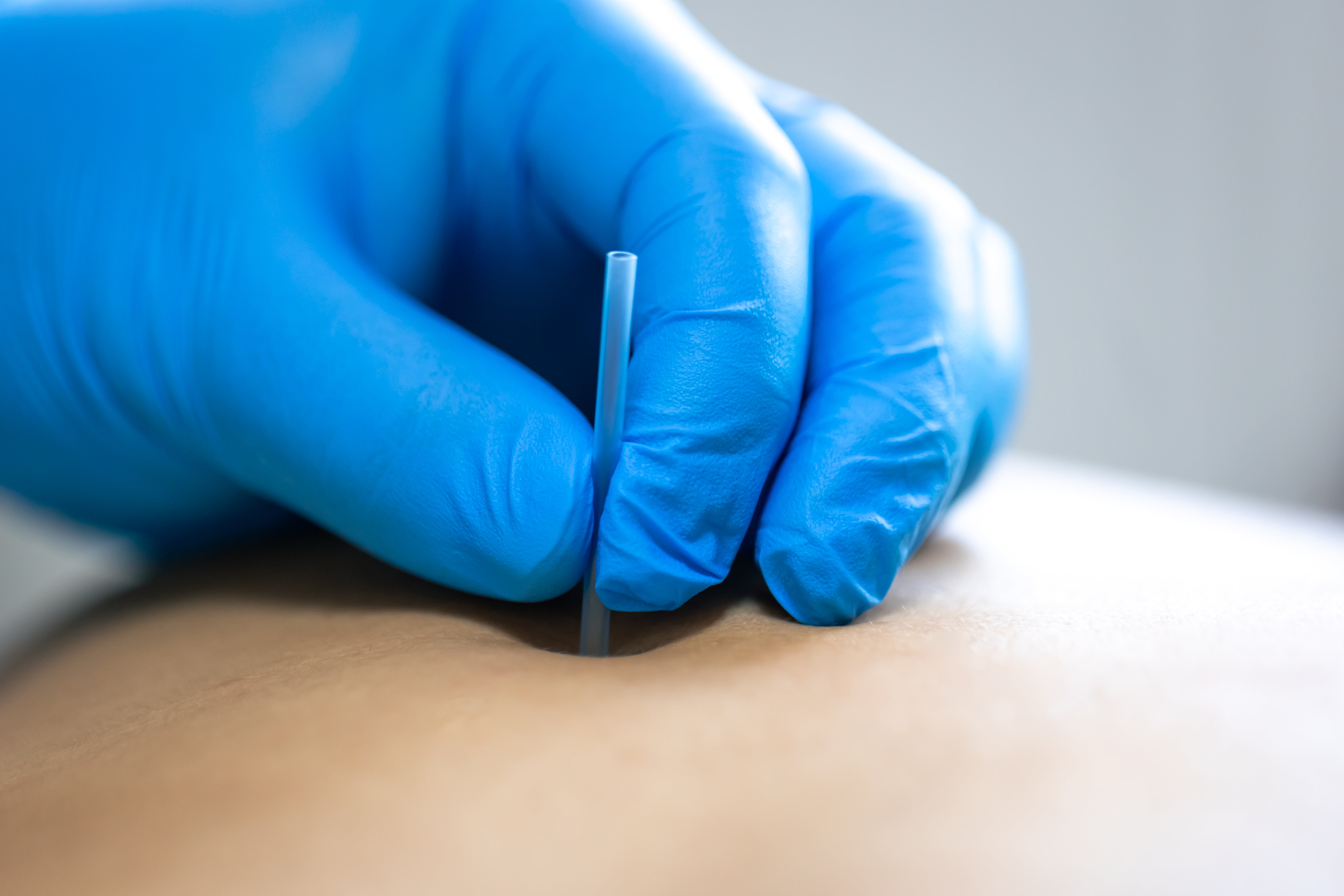
- Preparation quality and injection technique matter, because consistent delivery into target scalp layers is central to protocol design.
- Some patients notice scalp redness or mild tenderness after sessions, which typically resolves as healing progresses.
- Hair growth is cyclical, so changes, if they occur, often become more visible after multiple growth cycles rather than immediately.
Pros & Cons Analysis
Below is a practical overview of benefits and limitations commonly discussed with PRP approaches for hair thinning. This section is designed to help you weigh options logically, without assuming universal outcomes.
| Category | Potential Benefits | Potential Limitations |
|---|---|---|
| Biologic mechanism | Uses your own platelets to deliver concentrated growth-factor signals to the scalp environment. | The degree of effect varies by diagnosis, baseline follicle activity, and individual biology. |
| Safety profile | Since it uses autologous components, risks related to foreign substances may be reduced. | As with any procedure involving skin penetration, risks include irritation, temporary swelling, and post-procedure discomfort. |
| Consistency and schedule | Structured series protocols may be paired with maintenance visits for longer-term management. | You may need time and commitment; stopping early may reduce the chance of meaningful improvements. |
| Expectation management | Can be integrated with established hair-loss strategies to support overall treatment goals. | PRP is not a universal fix. Some causes of hair loss require different or additional treatment. |
If you consider PRP therapy for hair loss, focus on a comprehensive assessment first. If your hair shedding is driven by inflammation, low iron or other nutritional factors, thyroid imbalance, or androgen-related mechanisms, the most effective plan may involve targeted therapies beyond scalp injections.

Timeline map of clinic sessions and follow-up checkpoints
Another practical point is to treat scalp health as part of the same system. If your scalp barrier is compromised, harsh washing, strong fragrances, or irritant actives can worsen comfort and adherence. A consistent, gentle routine supports a stable baseline while you evaluate response to in-office procedures.
FAQ Section
Who is a candidate for PRP therapy for hair loss?
Most candidates are people with patterned thinning, early-to-moderate hair density reduction, or other scalp-focused causes identified by a qualified clinician. Eligibility depends on the underlying diagnosis, scalp condition, and realistic expectations. A professional evaluation is important to confirm that PRP aligns with your specific hair loss pattern and severity.
What should I do before and after a PRP session?
Before a session, follow the clinic instructions for scalp preparation, which may include avoiding certain topical products for a short window. After the procedure, you should follow the same guidance for washing, hair styling, and sun protection. If you experience unusual pain, prolonged swelling, or signs of infection, contact your clinic promptly.
How many sessions are typically needed, and when do results appear?
Protocols vary by provider and individual factors, but many plans use multiple sessions to support a sustained follicle-stimulation period. Because hair growth cycles take time, noticeable improvement is usually gradual. Clinicians often assess response over several months while tracking scalp comfort, shedding, and density changes.
Are there side effects or risks?
Common short-term effects include redness, mild tenderness, and temporary scalp sensitivity. Risks increase when sterile technique is inconsistent or when a patient has uncontrolled scalp conditions. Selecting an experienced, properly equipped provider can reduce avoidable risks.
Can PRP therapy be combined with other hair loss treatments?
Often, yes, when clinically appropriate. A combined plan may include evidence-based topical or oral therapies, along with gentle scalp care. Combination strategies require clinician oversight to avoid conflicting schedules, irritation from multiple topicals, and unrealistic expectation stacking.
Conclusion & Call to Action
PRP therapy for hair loss is best understood as a scalp-focused stimulation approach that may support hair growth biology in selected patients. The strongest outcomes tend to come from an individualized diagnosis, a consistent protocol, and a supportive daily routine that protects scalp comfort and reduces irritation.
If you are exploring PRP, begin with a formal hair and scalp assessment and discuss how your specific hair loss cause influences expected results. Then, build a gentle, consistent scalp care routine to help you stay comfortable throughout the process.
To support your routine with thoughtful skincare choices, you may browse internal options such as gentle cleansing and consider complementary care guided by your clinician’s recommendations.
Disclaimer: This article is for educational purposes and does not replace medical advice, diagnosis, or treatment. Individual results vary, and you should consult a qualified healthcare professional for guidance tailored to your condition.
About the Author
The author is a skincare and dermatology-focused content specialist at Allodermis with expertise in hair and scalp care education, evidence-based routine building, and consumer-safe product guidance. The editorial approach prioritizes clarity, safety, and practical decision support for readers exploring scalp therapies and supportive skincare. For personalized recommendations, consult a qualified clinician or dermatologist. Thank you for reading.
Authors & medical review
Swaraj Dhar is a sociopreneur, technologist, and the co-founder of Allodermis.
Every article is fact-checked against current peer-reviewed dermatology literature and Allodermis clinical protocols.
This article was last reviewed and updated on . Published .
Have a skin or hair concern?
Book a free consultation with our AIIMS MD dermatologists. Clinics in Bhubaneswar, Gurgaon, and Delhi NCR.