



























Root Cause Dermatology: Fix Skin at the Source

Updated on: 2026-06-28
Root cause dermatology focuses on identifying the underlying reasons skin conditions persist, rather than only treating surface symptoms. A targeted approach can improve treatment consistency, reduce flare cycles, and support healthier barrier function. You can map triggers, habits, and medical factors that contribute to redness, acne, irritation, or dryness. With the right diagnostic pathway, skin care becomes clearer, more measurable, and less frustrating.
Myths vs. Facts
- Myth: Skin problems always reflect poor hygiene.
- Fact: Many issues relate to barrier dysfunction, inflammation, hormones, stress, medication effects, or allergens. Cleansing alone rarely explains chronic patterns.
- Myth: A single ingredient can solve every flare.
- Fact: Skin conditions often have multiple drivers. A root cause dermatology approach evaluates patterns, context, and triggers before selecting targeted care.
- Myth: Harsh exfoliation speeds up healing.
- Fact: Over-exfoliation can worsen irritation, disrupt the skin barrier, and increase sensitivity. Healing usually requires stability and time.
- Myth: If symptoms look similar, causes are the same.
- Fact: Similar appearance can come from different pathways, including acneiform eruptions, contact dermatitis, rosacea-like inflammation, or fungal overgrowth. Correct classification matters.
Step-by-Step Guide
The core principle of root cause dermatology is structured identification. Use a repeatable process so that changes are based on evidence, not guesswork.
- Define the primary complaint: Describe the dominant issue (acne, redness, itching, dryness, dark spots, or rough texture). Note whether it is persistent or episodic.
- Map the timeline: Record when it started, what changed in that period, and how often it flares. Include events such as new products, travel, seasonal shifts, stress increases, or diet changes.
- Identify visible patterns: Note location (cheeks, jawline, forehead, scalp margin), symmetry, and whether it follows friction sites like masks, collars, or straps.
- Check for trigger clusters: Consider sweat exposure, shaving or waxing frequency, hair products contacting the face, detergents, fragrances, and workplace irritants.
- Review your routine objectively: List every cleanser, moisturizer, serum, sunscreen, and makeup item. Separate them into what you use daily and what you use when you flare.
- Assess barrier status: Evaluate whether the skin feels tight, stings with water, or looks shiny and inflamed. These signs suggest barrier stress.
- Consider internal contributors: Hormonal changes, sleep quality, stress load, medications, and nutrition can influence inflammation and healing.
- Decide on a test window: Choose a short, practical period to evaluate adjustments. Keep variables minimal so you can interpret results.
- Escalate to clinical evaluation when needed: If symptoms are severe, rapidly worsening, or not improving with a careful plan, consult a dermatologist for targeted diagnosis.
Root Cause Dermatology in Action
Root cause dermatology treats skin as a system. Instead of switching between multiple actives at once, you prioritize understanding the skin’s current state and the most likely driver. This method is particularly helpful when you have recurring breakouts, persistent redness, or dark marks that return after partial improvement.
1) Classify the pattern before choosing actives
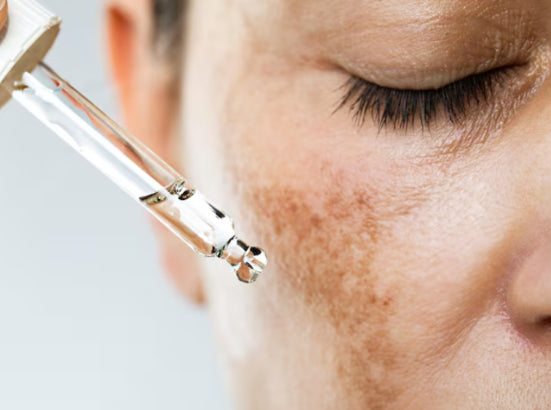
Classification can prevent ineffective routines. Acne-like bumps may be inflammatory acne, irritation from occlusive products, follicular inflammation, or a reaction to a cosmetic. Redness can stem from barrier compromise, rosacea-like inflammation, or contact triggers. Dark marks can involve pigment changes after inflammation or uneven healing. When classification is unclear, a clinician can use history and examination to narrow causes.
2) Reduce confounding variables
Many people unintentionally create confounding variables by changing cleanser, moisturizer, sunscreen, and multiple treatments simultaneously. A root cause approach controls for this by maintaining baseline items while testing one change at a time. The goal is to learn what improved the barrier, what reduced inflammation, and what may have triggered sensitivity.
3) Build a stable baseline
A stable baseline supports the skin barrier and improves treatment tolerance. Start with gentle cleansing and consistent moisturizing, then introduce targeted ingredients only when the skin is calm. A conservative baseline also helps determine whether symptoms come from the skin’s environment or from routine components.
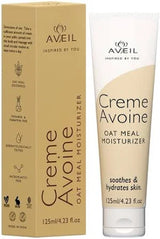
For those who need a gentle cleanser to support a low-irritation baseline, consider a formula designed for everyday use such as Cetaphil Gentle Cleanser. For acne-prone routines, cleansing selection can influence how reactive the skin becomes.
Supporting Barrier Health
Barrier health is the practical foundation of root cause dermatology. When the barrier is compromised, skin becomes reactive and inflammation rises. This can amplify itching, redness, and the appearance of texture. Barrier support does not replace medical treatment when it is needed, but it improves how skin responds to therapies.
Choose gentle cleansing
Use lukewarm water and avoid aggressive scrubbing. Cleansing should remove sunscreen and debris without stripping natural oils. If you are using multiple exfoliating or drying products, the cleanser should remain mild to prevent a cycle of irritation.
Moisturize with a purpose
A moisturizer should help maintain hydration and reduce transepidermal water loss. Look for formulas that support the skin barrier and avoid excessive fragrance. If your skin stings after moisturizing, that is a sign to simplify your routine.
If your routine includes hydration and protection steps, a rich but tolerable option may help. For example, Cipla Excela Rich Facial Hydrating Lotion is positioned as a hydrating step for daily use.
Protect with daily sunscreen
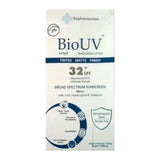
Ultraviolet exposure can worsen redness and pigment. Daily sunscreen also supports long-term improvement for post-inflammatory marks. For consistent daytime protection, consider a sunscreen option such as Ipca Acne UV Gel SPF 50 when acne sensitivity is part of your routine goals.

Layers diagram showing cleanser, moisturizer, and sunscreen
Treatment Plan and Follow-Up
Once you identify likely drivers, implement a disciplined treatment plan. The aim is not rapid transformation at any cost. The aim is reliable improvement through well-tolerated care, consistent monitoring, and timely escalation.
Use targeted adjustments, not constant overhauls
Start with the most foundational steps. If you suspect irritation, pause highly active products and focus on barrier support. If you suspect pigment changes after inflammation, evaluate whether sunscreen and after-flare care are consistent. If you suspect acne triggers, check whether occlusive textures or shaving frequency contribute to follicle irritation.
Set realistic outcome measures
Outcomes include fewer inflamed lesions, reduced sensitivity, smoother texture, and a decline in flare frequency. Track changes weekly using simple notes or photos taken under the same lighting. If you do not see any improvement after a reasonable period, the plan should be reassessed.
Understand when professional diagnosis is essential
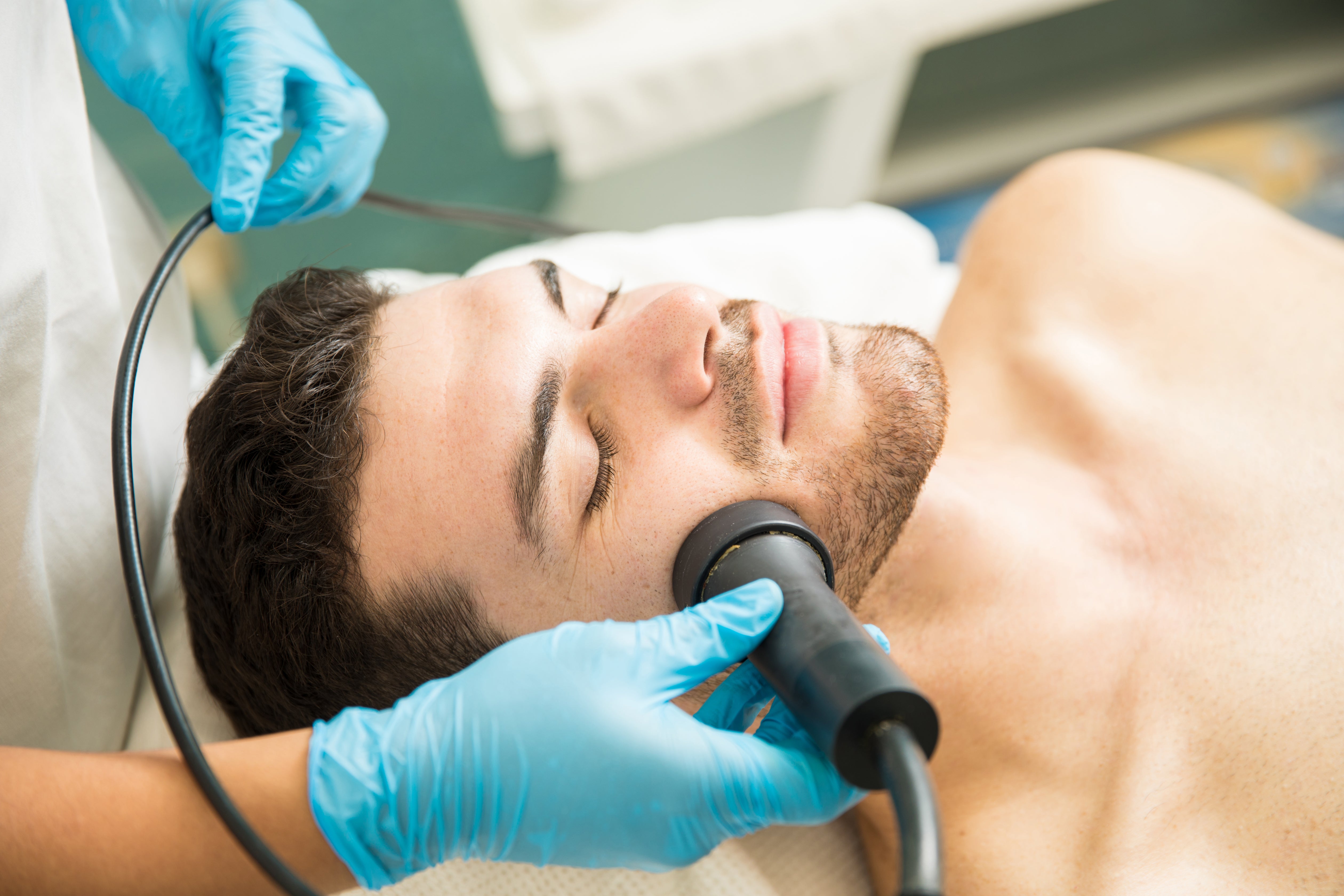
There are times when root cause dermatology requires clinical tools. Examples include persistent itching with scale, recurrent eruptions that mimic acne but do not respond to acne therapies, suspected fungal involvement, or signs of infection. If you experience severe pain, rapid swelling, or widespread rash, you should seek medical care promptly.
Complement skin care with lifestyle structure
While skin care matters, supporting factors can shift the entire inflammatory environment. Sleep stability reduces inflammatory signaling. Stress management can improve symptom tolerance. Dietary patterns that support overall nutrition can also influence healing. Sweat and friction control, such as changing sweaty clothing quickly and minimizing prolonged mask or strap contact, can reduce irritation in susceptible skin.
Frequently Asked Questions
How is root cause dermatology different from standard skincare?
Standard skincare often focuses on symptom relief through routine products. Root cause dermatology uses a structured evaluation of triggers, barrier status, and likely internal or environmental contributors so treatments match the underlying driver.
Can I apply root cause dermatology at home?
You can use the process: observe patterns, simplify your routine, and test one variable at a time. However, persistent or severe symptoms require professional assessment to avoid delays in accurate diagnosis.
What should I do if my skin gets worse after starting a new product?
Stop the new product and return to a stable baseline with gentle cleansing, supportive moisturizing, and consistent sunscreen. If worsening includes swelling, intense burning, or spreading rash, seek clinical care.
Q&A Section
What are the most common drivers behind recurring breakouts?
Recurring breakouts often involve more than one factor, including clogged pores from occlusive formulations, irritation from harsh actives, friction exposure, and hormone-related inflammation. Stress, sleep disruption, and inconsistent sunscreen use can also contribute indirectly by increasing inflammation and slowing healing. A root cause plan reduces confounders and evaluates routine components alongside trigger patterns.
How do I tell the difference between dryness and irritation?
Dryness typically involves tightness, flaking, and reduced comfort after cleansing. Irritation often includes burning, stinging, redness, and sudden sensitivity after introducing a new product or active ingredient. Both can coexist when the barrier is compromised, which is why simplifying the routine and re-stabilizing the barrier is a useful first step before reintroducing actives.
When should I suspect a contact-related issue?
You should suspect contact-related triggers when symptoms flare after a specific change, such as a new cleanser, sunscreen, hair product, detergent, fragrance, or facial tool. Contact patterns often follow consistent contact points, such as the jawline from masks or the hairline from leave-in products. A careful elimination of the suspected variable and clinician evaluation can confirm the cause when needed.
Summary & Key Takeaways
Root cause dermatology is a method for treating the reasons behind skin symptoms, not only the symptoms themselves. By mapping timelines, recognizing patterns, supporting barrier health, and testing carefully, you can build a routine that is more consistent and more responsive. If symptoms persist or worsen, professional diagnosis becomes a high-value next step. Make your next adjustment based on evidence, not repetition of guesses.
About the Author
Dr. Maya Reynolds is a licensed dermatologist specializing in inflammatory skin conditions and barrier-focused treatment planning. She helps patients translate complex clinical reasoning into practical, measurable routines that support long-term skin stability. Her work emphasizes careful classification, disciplined follow-up, and clear communication. For compassionate guidance, the team at Allodermis applies the same evidence-first mindset to everyday skincare choices.
Disclaimer: This article is for educational purposes only and does not replace diagnosis or medical advice. Skin responses vary, and persistent or severe symptoms should be evaluated by a qualified healthcare professional.
Authors & medical review
Swaraj Dhar is a sociopreneur, technologist, and the co-founder of Allodermis.
Every article is fact-checked against current peer-reviewed dermatology literature and Allodermis clinical protocols.
This article was last reviewed and updated on . Published .
Have a skin or hair concern?
Book a free consultation with our AIIMS MD dermatologists. Clinics in Bhubaneswar, Gurgaon, and Delhi NCR.