





























Scalp Health Treatments: How to Choose What Works

Updated on: 2026-06-17
Table of Contents
Why Scalp Health Treatments Matter
Scalp health treatments support the balance of your scalp barrier, reduce buildup, and improve comfort when the scalp feels inflamed or unstable. The scalp is an extension of facial skin, yet it often receives less consistent care. Oils, sweat, styling residue, environmental exposure, and hard water can all contribute to dryness, irritation, or an imbalance of the scalp microbiome. When this balance shifts, the scalp can become less tolerant of products, washing routines, and daily habits.
Effective scalp care is not only about washing. It is about choosing the right cleanser strength, using targeted actives when needed, and supporting the scalp environment with gentle, skin-compatible steps. In practice, scalp health treatments usually combine three goals: cleansing without stripping, soothing visible irritation, and maintaining a resilient barrier that supports healthier-looking hair roots.
For many people, a predictable routine is the difference between ongoing flare-ups and steady improvement. You can also build your routine around your scalp sensitivity and your hair styling habits. If your scalp reacts quickly to new products, treat your routine like a system and change one variable at a time.
Common Signals Your Scalp Needs Attention
Scalp issues rarely appear without clues. You do not need to diagnose yourself, but you can observe patterns that suggest what type of care your scalp may need. Common signals include persistent flaking, tightness after washing, unusual redness, itching, and a “weighed down” feel from product buildup.
Some people also notice that hair feels thinner at the roots even when overall hair shedding seems unchanged. This can happen when scalp inflammation increases friction or when hygiene routines are not removing residue effectively. Another frequent signal is sensitivity to otherwise mild products, such as a burning or stinging feeling soon after washing.
To reduce guesswork, track what changes when your routine shifts. If flaking improves after clarifying but returns after a few days, the cleanser strength may be mismatched. If itching worsens after heavy conditioners touch the scalp, the hair care workflow may require adjustment.

Scalp signals shown as icons: flake, itch, redness
How to Choose Scalp Health Treatments
Choosing scalp health treatments is easiest when you match the treatment type to the scalp pattern you observe. Start by separating cleansing needs from targeted needs. Cleansing is foundational. Targeted treatments address irritation drivers such as dryness, residue, or a compromised barrier.
Begin with your current wash routine. Ask whether your cleanser is gentle enough to use regularly. If your cleanser feels harsh, your scalp barrier may compensate by becoming drier or more reactive. If your cleanser is too mild for your buildup level, residue can accumulate and worsen the look and feel of the scalp.
Next, consider whether your scalp needs soothing support or active guidance. Soothing steps often include barrier-supporting ingredients and gentle hydration. When scalp discomfort is more prominent, some routines may include targeted actives designed to reduce visible flakes and calm the scalp environment.
Finally, confirm compatibility with your hair products. Styling gels, oils, and leave-in conditioners can contribute to buildup at the scalp. The best scalp health treatments work in harmony with your hair care workflow, not against it.
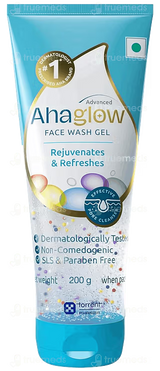
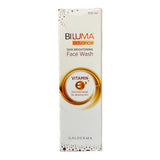
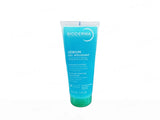
If you want a simple starting point, you can pair a gentle cleanser with a consistent washing schedule. For example, a gentle cleanser option can help reduce the chance of over-stripping while you adjust your scalp routine. You may consider gentle cleanser care as part of a baseline approach.
You can also evaluate your sunscreen and face product habits when they touch the hairline. If the hairline receives frequent product transfer, your scalp may react indirectly. Keeping the border areas clean can make scalp care more predictable.
How-To Steps
Use the following process to build a practical scalp routine. This approach is designed to improve consistency and reduce irritation from frequent product changes.
-
Assess your scalp pattern. Note flaking, itching, tightness, redness, and product buildup timing. Look for patterns after washing or styling.
-
Choose a cleansing base that matches your frequency. Use a cleanser that removes residue without leaving a tight, dry feeling. Consider gentle daily-use options when your scalp tolerance is low. For example, Cetaphil gentle cleanser can support a less aggressive start.
-
Clarify when buildup is high, but do not overdo it. If your scalp feels coated, schedule deeper cleansing occasionally rather than daily. Over-cleansing can worsen dryness and sensitivity.
-
Apply targeted treatments to the scalp area, not only the hair lengths. Focus on the root zone where flakes and irritation typically appear.
-
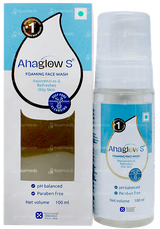
Support barrier comfort with gentle moisturization where needed. If dryness is prominent, look for scalp-friendly hydration and barrier-supporting textures. Consider oil control foam wash when your scalp feels oily and reactive, while still aiming to avoid a stripped sensation.
-
Keep styling products off the scalp. Use conditioners on lengths. Use lighter formulas near the roots. Wipe residue from the hairline.
-
Use a compatibility rule for new products. Introduce one change at a time and observe scalp comfort over multiple washes. If irritation increases, pause the new item.
-
Maintain consistency. Scalp health improvements often come from stable routines rather than rapid, frequent product switching.
Ingredient Checklist for Scalp Comfort
A strong ingredient strategy improves results because it reduces trial and error. When evaluating scalp health treatments, look for a combination of cleansing agents, soothing supporters, and targeted actives appropriate to your scalp needs.
For dryness and barrier instability, ingredients that support hydration and reduce irritation signals are often helpful. For residue and oil imbalance, cleansing systems that remove excess sebum and residue without harsh stripping matter. When flakes and itch are more noticeable, targeted approaches may include anti-inflammatory or scalp-calming components.
Because scalp skin can differ from facial skin, keep your approach scalp-specific. If you are also using facial serums or creams near the hairline, ensure they do not migrate onto the scalp in heavy amounts. Some people also benefit from separating facial routines from hair routines, especially for nighttime products.
If you are building a routine that includes barrier-supporting steps, you may also review skin compatibility for your overall skincare. For example, a calming serum approach may help when your skin and scalp appear similarly reactive. You may explore serum support options if you are creating a broader barrier routine, while still applying scalp products where they belong.
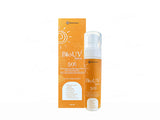
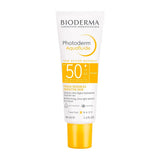
For acne-prone or oil-prone skin that can transfer to the hairline, you can also use sunscreen strategically to reduce irritation from product buildup at the boundary. Consider acne UV gel SPF when appropriate for your skin type.

Routine flow diagram: cleanse, treat, soothe, repeat
Mistakes to Avoid During Scalp Recovery
Several common errors slow down progress even when the selected scalp health treatments are high quality. First, switching too many products at once makes it impossible to identify what helps. If the scalp improves and then worsens, you may not know which change caused it.
Second, using heavy hair products near the scalp can negate the benefits of targeted treatments. Oils, thick leave-ins, and residue-building styling routines can create an environment where flakes return. Even when a treatment calms the scalp temporarily, buildup can reintroduce discomfort.
Third, over-cleansing can damage barrier function. A cleanser that feels effective in the moment can become problematic if it leaves the scalp tight or reactive. Barrier recovery often requires gentler handling and stable routines.
Fourth, ignoring the water and friction factor can be a hidden issue. Hard water can increase dryness for some people. Frequent scratching can worsen inflammation, even if itching feels urgent. Use fingertips instead of nails and focus on gentle scalp massage rather than aggressive scrubbing.
Fifth, skipping patch testing for new topical products can lead to unnecessary irritation. Apply a small amount to a discreet area and observe comfort before scaling up.
Finally, treating the scalp only during flare-ups often delays long-term progress. Scalp routines typically work best when you maintain a stable baseline and add targeted steps only as needed.
When to See a Dermatologist
Many scalp concerns improve with consistent routines and appropriate scalp health treatments. However, some patterns deserve professional evaluation. Consult a dermatologist if you experience severe redness, persistent pain, heavy crusting, bleeding, rapidly worsening flaking, or symptoms that do not respond to a structured routine.
Also seek guidance if you notice circular patches, marked hair loss, or scaling that spreads. If your scalp looks infected, feels hot, or you develop tender bumps that persist, professional care can reduce the risk of delayed treatment.
A dermatologist can determine whether the scalp problem is related to dermatitis, fungal or inflammatory drivers, product intolerance, or another condition. This prevents repeated trial-and-error and supports safer, more accurate product selection.
In the meantime, you can document your routine and symptoms. Note the cleanser, frequency, topical treatments used, and whether itching increases after certain hair products. This information helps the specialist give more targeted advice.
FAQ
What are the most effective scalp health treatments for an itchy scalp?
The most effective approach depends on the cause of itching. A consistent cleansing routine that removes residue without stripping is often the first step. If flakes and inflammation are present, adding targeted soothing or scalp-calming treatments may improve comfort. If symptoms are persistent or severe, a dermatologist can identify the driver and recommend a safe plan.
How often should I wash my hair when I start scalp health treatments?
Washing frequency should match your scalp comfort and buildup level. Many people benefit from a steady schedule that prevents residue from accumulating. If your scalp feels dry after washing, you may need a gentler cleanser or a modified routine. If your scalp feels oily and coated quickly, you may need cleansing that removes excess sebum more effectively.
Can hair conditioner contribute to scalp irritation?
Yes. Conditioners and leave-ins can migrate to the scalp, especially near the roots. When product touches the scalp, it can increase buildup and worsen flaking or itch for sensitive scalps. A practical strategy is to apply conditioners to hair lengths only and rinse thoroughly.
Are scalp health treatments the same as hair growth products?
No. Scalp health treatments focus on scalp barrier comfort, cleanliness, and irritation control. Hair growth products target hair follicles and growth signals. A complete routine can include both categories, but it is best to address scalp comfort first because inflammation and buildup can affect overall hair appearance.
Closing Thoughts
Scalp health treatments work best when you treat the scalp as a system rather than a reactive target. Start with a cleansing foundation, choose targeted steps aligned with your observed scalp pattern, and support barrier comfort while reducing residue from styling habits. Avoid frequent product changes, maintain consistency, and adjust based on how your scalp responds. If symptoms persist or worsen, seek professional assessment to ensure appropriate care.
If you are ready to refine your routine, begin with a baseline cleanser strategy and build from there. Consider pairing your routine with a gentle cleansing option such as gentle cleanser care and a balanced approach to product placement near the hairline.
About the Author Section
Allodermis is supported by a team of skincare and dermatology-informed content experts. Their expertise focuses on barrier science, ingredient selection, and practical routine building for sensitive skin and scalp concerns. The guidance in this article is intended to support informed skincare decisions and encourage consistent self-care habits. Thank you for reading, and take action toward a more stable scalp routine.
Disclaimer: This article is for general educational purposes only and does not provide medical advice. Scalp conditions can have multiple causes. If you experience severe symptoms or do not improve with routine changes, consult a qualified healthcare professional for diagnosis and individualized treatment.
Authors & medical review
Swaraj Dhar is a sociopreneur, technologist, and the co-founder of Allodermis.
Every article is fact-checked against current peer-reviewed dermatology literature and Allodermis clinical protocols.
This article was last reviewed and updated on . Published .
Have a skin or hair concern?
Book a free consultation with our AIIMS MD dermatologists. Clinics in Bhubaneswar, Gurgaon, and Delhi NCR.