























Scalp Health Treatments: What Really Helps Guide

Updated on: 2026-06-27
Healthy scalp skin supports healthier-looking hair and comfort throughout the day. Effective scalp health treatments focus on barrier support, gentle cleansing, and targeted care for inflammation, oil balance, and buildup. The right routine can reduce recurring irritation and help you maintain a stable scalp environment. A thoughtful plan also considers lifestyle triggers, product compatibility, and when to seek professional evaluation.
- Buyer’s Checklist
- Step-by-Step Guide
- How to Match Treatments to Your Scalp
- Common Mistakes to Avoid
- When to See a Dermatologist
- FAQ
Buyer’s Checklist
Choosing scalp health treatments becomes easier when you evaluate your scalp as skin, not only as a place where hair grows. Use this checklist to narrow down options that fit your needs.
-
Confirm your main scalp concern: oiliness, flaking, itch, tenderness, rough texture, or visible buildup. Pick one priority first. Many people improve faster when they address a single driver.
-
Assess your cleansing tolerance: if your scalp feels tight after washing, you may need a gentler cleanser and fewer active ingredients per routine.
-
Look for barrier-friendly formulas: the most effective plans reduce friction and support the scalp’s protective layer while still removing buildup.
-
Check ingredient purpose: anti-inflammatory soothing, keratolytic exfoliation, hydrating support, and oil-control strategies should be selected for your symptoms, not copied from another routine.
-
Plan for consistency: most scalp issues respond to steady routines. Evaluate outcomes over multiple wash cycles rather than day-to-day changes.
Step-by-Step Guide
A practical routine should start simple. You can build toward more targeted scalp health treatments once you understand how your scalp responds to cleansing and hydration.
-
Start with a reset wash: use a gentle cleanser to remove surface oils and product residue. Focus on thorough rinsing. Avoid aggressive scrubbing.
-
Use treatment strategically: apply scalp-targeted care to the areas that need it. Keep exposure controlled. This reduces the risk of irritation.
-
Support the scalp barrier: choose a lightweight hydrating step if your scalp feels dry or stings. Barrier support can improve tolerance to active ingredients.
-
Balance exfoliation with comfort: if you have flakes or thick buildup, introduce exfoliating care gradually. Over-exfoliation can worsen redness and itch.
-
Optimize your wash schedule: wash frequency should match oil production and sweat exposure. If your scalp is overly clean, adjust toward a schedule that feels comfortable.
-
Track results: note itch level, visible flaking, and scalp feel after each wash. Patterns help you decide whether to adjust actives or simplify.
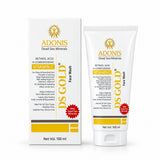
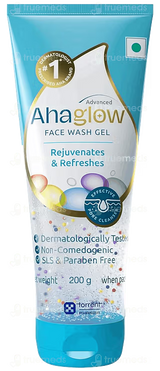
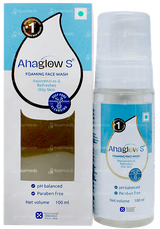
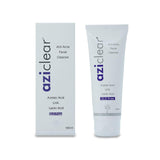
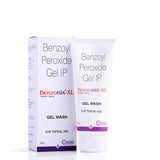
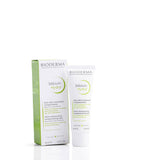
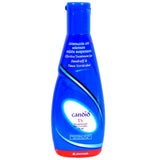
For gentle cleansing support, you may consider a mild cleanser that helps reduce the chance of stripping the scalp. For example, you can review a gentle cleanser option as a reference point when selecting a low-irritation washing base for your routine.
How to Match Treatments to Your Scalp
Different scalp conditions require different approaches. The most reliable method is to connect your symptoms to underlying skin needs: inflammation control, exfoliation, hydration, and microbial balance.
Oily scalp and product buildup
If your scalp looks shiny soon after washing or feels coated, focus on proper cleansing and oil-balancing care. Look for formulations that help lift residue without leaving the scalp feeling raw. A consistent rinse technique matters. If you style frequently, residue can accumulate under hair and worsen itch.
When choosing scalp health treatments for oiliness, prioritize products with a targeted cleansing or oil-management function, and avoid over-layering multiple leave-on products.
Flaking, dryness, and rough texture
Flaking may come from dryness, irritation, or disrupted scalp turnover. Start by reducing harsh friction. Then introduce exfoliation gradually. If you feel burning or tightness, scale back active steps and focus on barrier support.
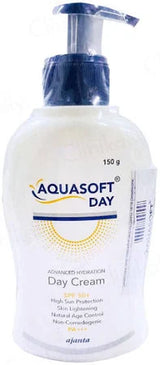
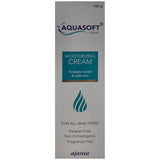
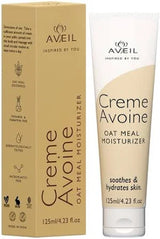
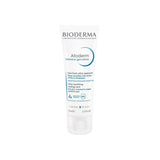
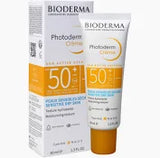
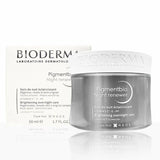
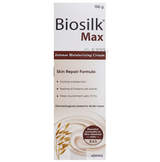
Hydrating care can improve comfort and tolerance. Consider referencing a hydrating product approach such as a rich hydrating lotion when evaluating barrier-support ingredients, even though scalp-specific formulations may differ.
Itch, redness, and sensitivity
For irritation-related symptoms, your goal is to calm the skin and prevent flare-ups. Reduce ingredient complexity. Keep routines short and predictable. If you suspect contact irritation, remove fragranced styling products and change only one variable at a time.
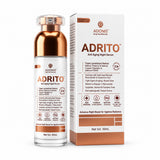
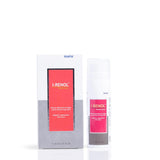
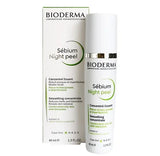
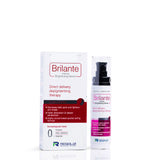
Some people benefit from calming serum-like steps designed for proactive skin management. You can explore a proactive serum option to understand how targeted calming strategies may be structured, then select a scalp-compatible version.
Hair thinning concerns related to scalp health
Scalp conditions can influence hair appearance and comfort. When thinning occurs with itch, scaling, or persistent irritation, addressing scalp inflammation and buildup often becomes foundational. This is not the same as promising results. Instead, it is a disciplined way to improve scalp environment so hair can look and feel healthier.
In cases of progressive thinning, you should treat scalp health as part of a broader evaluation that may include professional guidance.
Common Mistakes to Avoid
Even high-quality scalp health treatments may underperform if your routine structure is flawed. Review these frequent errors.
-
Switching products too quickly: changing multiple products in one week prevents clear cause-and-effect. Adjust one variable at a time.
-
Applying treatments to the entire scalp without a target: many formulas perform best when used where symptoms occur.
-
Overwashing to chase oil control: excessive cleansing can damage the barrier and trigger rebound oiliness or irritation.
-
Scrubbing the scalp: vigorous scrubbing increases inflammation and can worsen tenderness. Gentle finger pressure is usually sufficient.
-
Skipping patch testing for leave-on actives: a small test helps you identify sensitivity before full routine use.
-
Using too many active ingredients at once: exfoliants, oil-control agents, and soothing actives can conflict if layered too aggressively.
When to See a Dermatologist
You should seek professional evaluation if symptoms are persistent, severe, or accompanied by warning signs. A dermatologist can differentiate between common scalp conditions and conditions that require specific medical management.
-
Severe or painful scalp that does not calm with gentler routines.
-
Thick, persistent scaling with significant redness.
-
Oozing, bleeding, or crusting that suggests an inflammatory or infectious process.
-
Rapid hair loss or patchy loss that extends beyond typical shedding cycles.
-
Signs of allergic reaction such as swelling, widespread burning, or hives after product use.
Professional assessment is also appropriate when you have tried a careful routine for multiple wash cycles without meaningful improvement. Early evaluation can prevent prolonged irritation.
FAQ
What are scalp health treatments, and how do they differ from regular hair care?
Scalp health treatments are targeted approaches that focus on the skin of the scalp. They address factors such as buildup removal, itch and inflammation reduction, exfoliation control, and barrier support. Regular hair care primarily addresses hair fibers, while scalp-focused routines aim to stabilize the scalp environment that hair grows from.
How long should it take to see improvement with scalp-targeted products?
Most improvements show gradually as irritation settles and buildup reduces. Visible flaking may change after consistent cleansing and appropriate exfoliation, while itch and redness often improve with barrier-friendly routines. You should evaluate progress across multiple wash cycles and adjust only one variable at a time.
Can sensitive skin still benefit from scalp health treatments?
Yes, but the selection must be deliberate. Choose gentle cleansing bases, limit the number of active ingredients, and introduce targeted steps gradually. If your scalp stings, tighten, or becomes red, reduce intensity and prioritize barrier support until comfort returns.
Is it necessary to use exfoliating treatments on the scalp?
Exfoliation can help in cases where buildup or flakes are present, but it is not always necessary. Over-exfoliation can worsen dryness and inflammation. A balanced routine introduces exfoliation gradually and maintains comfort as a primary success measure.
Closing Thoughts & CTA
Strong results in scalp care come from structured routines: gentle cleansing, purposeful treatment placement, and barrier support that improves tolerance to actives. When you match scalp health treatments to your symptoms and avoid common routine errors, your scalp environment becomes easier to maintain. If you want to build your regimen with confidence, compare cleanser options and targeted care approaches on Allodermis and select products that align with your comfort level and scalp goals.
About the Author
The author is a skincare and dermatology education specialist with expertise in scalp care routines, ingredient selection, and barrier-first strategies for sensitive skin. Their work focuses on translating clinical principles into practical, repeatable routines that support long-term scalp comfort. A frequent theme is measured, symptom-driven adjustment rather than rapid product switching. For readers ready to refine their plan, the next step is to choose calm, consistent scalp health treatments and track your outcomes with patience.
Disclaimer: This article is for educational purposes only and does not provide medical advice, diagnosis, or treatment. If you have persistent scalp symptoms, severe discomfort, or concerning changes, consult a licensed healthcare professional for individualized guidance.
Authors & medical review
Swaraj Dhar is a sociopreneur, technologist, and the co-founder of Allodermis.
Every article is fact-checked against current peer-reviewed dermatology literature and Allodermis clinical protocols.
This article was last reviewed and updated on . Published .
Have a skin or hair concern?
Book a free consultation with our AIIMS MD dermatologists. Clinics in Bhubaneswar, Gurgaon, and Delhi NCR.