






































Sensitive Skin Products: What to Look For

Updated on: 2026-06-02
Choosing the right sensitive skin products can reduce discomfort and improve day-to-day skin comfort. The best approach is to focus on gentle cleansing, careful moisturization, and smart ingredient selection. This guide explains how to read labels, build a routine, and introduce new items safely. You will also find practical troubleshooting tips for common sensitivity triggers.
How to Choose Sensitive Skin Products Without Guesswork
Sensitive skin products are designed for skin that reacts easily to changes, friction, and harsh ingredients. If your skin stings, feels tight, or turns red after cleansing or moisturizing, a more careful routine can help you maintain comfort. The goal is not to eliminate every trigger at once, but to reduce irritation risk while keeping your barrier supported.
Start with the basics: gentle cleansing, consistent hydration, and sunscreen that feels comfortable. Then refine your product choices using clear label-reading rules. This systematic method helps you avoid random trial-and-error and supports smoother integration into your routine.
- Prefer fragrance-free options when you notice stinging or redness.
- Look for cleanser and moisturizer formulas that support the skin barrier.
- Choose sunscreen textures you can tolerate daily, not only on low-sensitivity days.
- Introduce one new product at a time and give your skin a fair test window.
- Patch test behind the ear or on the inner forearm before full-face use.
- Track triggers such as shaving, hot showers, rough towels, and over-exfoliation.
- Keep routines simple; multiple active ingredients at once increase risk.
- Replace products that cause repeated burning, itching, or swelling.

Detailed Step-by-Step Process to Build a Comfortable Routine
Building a sensitive-skin routine requires structure. Follow these steps to reduce irritation, improve consistency, and make product selection more predictable. Use this framework whether you are starting fresh or revising an existing routine.
Step 1: Assess your current irritation pattern
Before changing products, identify when irritation happens. Common patterns include stinging during cleansing, dryness after washing, or redness after sun exposure. Note whether reactions occur immediately or after repeated daily use. This observation guides which category needs the most attention: cleanser, moisturizer, or sunscreen.
Step 2: Choose a gentle cleanser first
A sensitive-skin routine usually begins with a cleanser that removes oil and impurities without stripping. Seek a mild, non-drying formula and avoid frequent cleansing throughout the day. If you experience tightness after washing, your cleanser may be too harsh or your water temperature may be too hot.
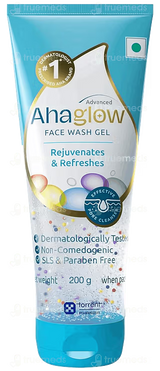
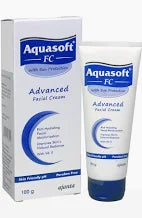
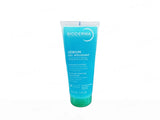
If you want a dependable baseline cleanser, consider options such as gentle facial cleanser for non-stripping washing. Another option is oil control foam wash if you also need light oil management. Select the cleanser that matches your skin comfort level, not only your skin type.
Step 3: Add a barrier-supporting moisturizer
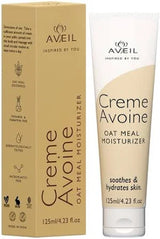
Moisturizers reduce water loss and help minimize the sensation of dryness-related irritation. For sensitive skin products, the most important factor is comfort. A suitable moisturizer should spread easily, absorb without burning, and leave skin feeling calm rather than coated or sticky.
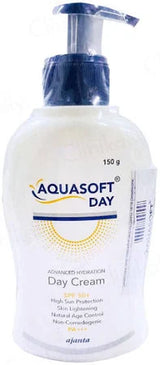
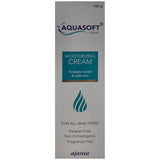
If you prefer a richer texture, evaluate a moisturizing cream option. If you want a hydrating approach suited for everyday use, consider hydrating lotion. Select based on how your skin feels after application, not on theoretical claims.
Step 4: Use sunscreen in a sensitivity-aware way
Sunscreen is essential for daily skin health, yet sensitivity can make it challenging. Choose a sunscreen that offers comfortable wear, does not sting on contact, and suits your skin’s needs. Reactions can also be linked to application technique or rubbing after application.
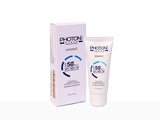
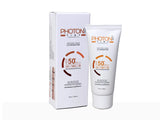
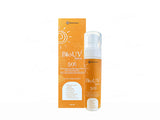
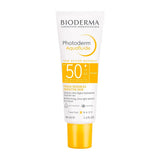
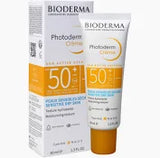
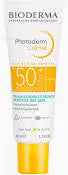
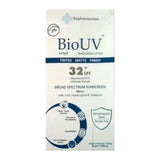
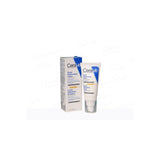
Start by applying sunscreen to dry skin and avoiding heavy rubbing. If you need a broad daily option, consider SPF lotion-style sunscreen for consistent protection. For texture preference, a cream or gel option may feel different on sensitive skin. If acne-prone or oilier skin is involved, you can also explore UV gel SPF to match your tolerance.
Step 5: Introduce treatments only after comfort is stable
Once cleansing, moisturizing, and sunscreen feel stable, you can add targeted products carefully. Treatments such as brightening serums or acne-focused formulas can improve uneven tone or breakouts. However, they also increase the chance of irritation if introduced too soon or used too often.
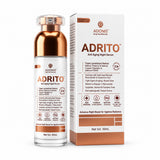
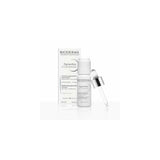
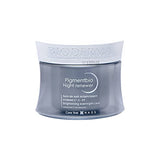
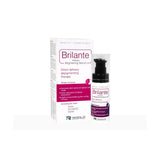
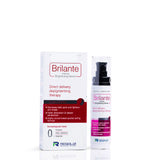
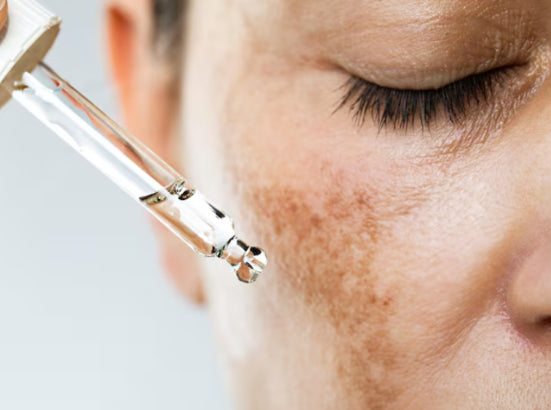
Use one treatment category at a time and evaluate results for comfort. If you are balancing sensitivity with pigmentation concerns, a brightening serum such as brightening serum can be considered after your routine feels calm. If your goal includes proactive anti-aging support, you may consider proactive serum support, applied with restraint at first.
Step 6: Adjust your exfoliation and active ingredient frequency
Exfoliation is a common sensitivity trigger. If you use exfoliating acids or retinoid-style products, reduce frequency and avoid stacking multiple actives. You can keep skin calm by using treatments on alternate days or using a single active at a time. When irritation occurs, pause active products until the skin returns to baseline comfort.
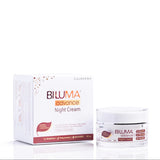
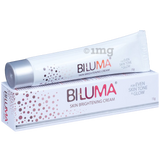
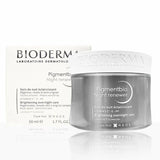
For gentle correction or targeted soothing, consider products that are designed to be compatible with sensitive routines. For example, for texture-focused brightening you can assess a rich cream for supportive hydration as part of barrier care, rather than relying on exfoliation to do all the work.
Step 7: Pay attention to application habits
Sensitive skin products perform better when applied correctly. Use clean hands, apply moisturizer with gentle pressure, and avoid aggressive rubbing. Pat skin dry after cleansing. Use a soft towel and avoid hot water that can worsen dryness. These small behavior adjustments often improve tolerance more than frequent product swaps.
Step 8: Use a simple rotation strategy for recurring triggers
If your skin reacts during specific seasons or under certain conditions, you can rotate products based on comfort. Keep your cleanser and moisturizer consistent, and only change one variable at a time. This allows you to identify which formula or texture causes changes in redness or itching.
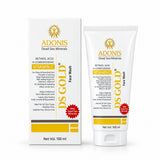
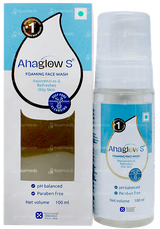
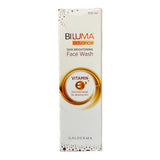
If you are using an exfoliating or brightening cleanser, consider using it less often and pairing it with strong moisturizer support. If you are exploring pigmentation-focused routines, you may research gentle wash options such as foaming face wash for pigment support and keep the rest of your routine minimal.
Step 9: Troubleshoot common sensitivity signals
Sensitivity can look similar across different causes. Use these troubleshooting guidelines to decide what to adjust.
- Stinging during cleansing: Switch to a milder cleanser, reduce cleansing frequency, and avoid hot water.
- Tightness after washing: Increase moisturizing consistency and ensure moisturizer is applied within minutes of cleansing.
- Redness after sunscreen: Try a different texture, confirm you apply without rubbing, and check whether the sunscreen is being layered with too many actives.
- Rash-like bumps after treatments: Pause the newest product and reintroduce slowly one variable at a time.
- Dry, flaky patches: Reduce exfoliation, increase hydration support, and ensure the moisturizer is sufficient.
Step 10: Build an evidence-based ingredient filter
Although every skin system is unique, you can reduce risk by using a predictable ingredient filter. Many people with sensitive skin respond best to formulas that avoid unnecessary fragrance and keep the ingredient list straightforward. It is also helpful to look for balanced hydration and barrier-supporting components.
When comparing sensitive skin products, evaluate tolerability signals such as whether the formula contains known irritants or strong fragrance. If you have a history of reactions, prioritize fragrance-free and simplified routines. If you use any additional topical treatments, use them sparingly and avoid multiple new products on the same day.
Summary & Takeaway
Sensitive skin products work best when your routine is consistent and your selection process is structured. Begin with a gentle cleanser, add a barrier-supporting moisturizer, and choose sunscreen with a texture you can tolerate daily. Introduce treatments one at a time after comfort is stable, and adjust exfoliation and active frequency if sensitivity appears.
Most importantly, focus on skin comfort and tolerance. When you treat sensitivity as a system rather than a single product problem, you create a routine that is easier to maintain and more likely to support long-term skin balance.
Q&A Section
What are the most important signs that sensitive skin products are not suitable for me?
The strongest indicators are burning, persistent stinging, itching that increases over time, swelling, or repeated redness after consistent use. If symptoms appear the same day and continue with continued application, stop the product and simplify your routine until comfort returns.
How should I introduce new sensitive skin products to reduce the risk of irritation?
Introduce only one new item at a time. Perform a patch test behind the ear or on the inner forearm, then use the product on a small area of the face for several days. If comfort remains stable, you can expand to full-face use while maintaining your core routine of gentle cleansing, moisturizing, and sunscreen.
Can I use brightening or acne-targeted treatments with sensitive skin?
Yes, but it requires deliberate pacing. Treatment products can be compatible when your barrier is stable and when you avoid stacking multiple actives. Start with a lower frequency and monitor comfort closely. If irritation occurs, pause treatments and rebuild stability before reintroducing them.
Is sunscreen still necessary when my skin is easily irritated?
Daily sunscreen remains important, because sun exposure can worsen redness and increase overall reactivity. The key is to choose a sunscreen that your skin tolerates and to apply it gently without rubbing. If a sunscreen causes stinging repeatedly, switch to a different texture or formula rather than abandoning sun protection entirely.
About the Author
Allodermis is a skincare-focused team with expertise in formulation guidance, routine design, and comfort-first product selection for sensitive skin products. We emphasize evidence-informed choices and practical label reading so customers can build dependable routines. The approach is rooted in real-world tolerance and barrier support. Thank you for reading and for prioritizing skin comfort.
Disclaimer: This article is for informational purposes only and does not provide medical advice. Individual skin conditions vary, and results depend on many factors. If irritation is severe, persistent, or accompanied by swelling, discontinue use and consult a qualified healthcare professional.
Authors & medical review
Swaraj Dhar is a sociopreneur, technologist, and the co-founder of Allodermis.
Every article is fact-checked against current peer-reviewed dermatology literature and Allodermis clinical protocols.
This article was last reviewed and updated on . Published .
Have a skin or hair concern?
Book a free consultation with our AIIMS MD dermatologists. Clinics in Bhubaneswar, Gurgaon, and Delhi NCR.