





































Sensitive Skin Treatments: Calm, Heal, and Prevent Irritation

Updated on: 2026-06-24
- Understanding Sensitive Skin and Why It Needs Care
- How to Choose Sensitive Skin Treatments
- How to Apply Products for Maximum Comfort
- Common Mistakes That Worsen Sensitivity
- When to Seek Professional Guidance
- A Simple Routine Framework
- Balancing Gentle Support With Skin-Targeting Actives
- Common Questions Answered
- Summary and Next Steps
- About the Author
Understanding Sensitive Skin and Why It Needs Care
Sensitive skin is not a single skin condition. It is a skin state where the barrier becomes less resilient and reacts more easily to routine changes, weather shifts, friction, and certain ingredients. People often notice tightness, redness, stinging, dryness, or a rough texture. The key to comfort is not using more products. The key is using the right type of care, in the right order, with consistent habits that support the skin barrier.
Strong cleansers, harsh exfoliants, and fragranced formulations can increase irritation. At the same time, sensitive skin does not mean you must avoid all skincare. Many sensitive skin treatments focus on gentle cleansing, hydration, barrier lipids, and anti-irritation strategies. For long-term improvement, the approach should be methodical: calm first, strengthen second, and target last. This sequencing reduces flare-ups and improves how well skin tolerates actives over time.
One practical way to structure your plan is to think in categories. Start with a low-irritation cleanser, follow with a hydrating layer that also helps skin hold water, and then seal in moisture with a barrier-supporting moisturizer. If you use treatment products such as serums or sunscreen, introduce them gradually so you can identify what your skin accepts. This is the foundation of well-tolerated, sensitive-skin-focused care.
How to Choose Sensitive Skin Treatments
Choosing sensitive skin treatments requires reading labels with purpose. You do not need to memorize every ingredient. You need to recognize patterns that commonly correlate with irritation and patterns that commonly support barrier comfort. The goal is to reduce triggers while keeping the routine effective.
1) Prioritize barrier-supporting ingredients
Look for moisturizers and treatments that contain ingredients designed to reduce water loss and support the outer barrier. Common examples include glycerin, hyaluronic acid, ceramides, squalane, and cholesterol-like barrier components. These ingredients tend to improve hydration and reduce the sensation of tightness.
2) Choose gentle cleansing over deep stripping
For sensitive skin, the cleanser should clean without leaving the skin feeling dry or squeaky. A cleanser with a mild surfactant system and no unnecessary fragrance can help reduce the risk of repeated irritation. If you cleanse too aggressively or too often, sensitivity may increase even if your moisturizers are excellent.
If you want a starting point, consider a gentle cleanser designed for daily use, such as Cetaphil Gentle Cleanser. A stable cleansing routine can make other steps more tolerable.
3) Check for common trigger categories
Some people react to fragrance, essential oils, and certain strong alcohols. Others notice sensitivity after using frequent exfoliants. Pay attention to your own pattern. If you already know you react to a category, avoid it. If you do not know yet, introduce products slowly and change only one variable at a time.
4) Select sunscreen that respects sensitive skin
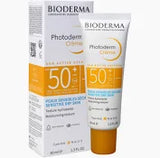
Daily sun protection is essential, but sunscreen choice matters for comfort. Some formulations can feel heavy, sting, or cause redness. Look for broad-spectrum protection, consider lighter textures, and introduce it on low-stress days. When sensitive skin is calmer, sunscreen becomes easier to tolerate.
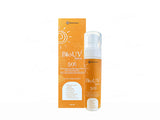
For a non-irritating approach, you can review options like I-Shield Sunscreen Cream SPF 50 PA and test with small applications before committing to full facial coverage.
How to Apply Products for Maximum Comfort
Even the best formula can irritate if applied incorrectly. Application technique matters because sensitive skin often reacts to friction, excessive rubbing, and over-layering. A calm routine uses small amounts, gentle movement, and predictable timing.
1) Cleanse briefly and with lukewarm water
Rinse with lukewarm water and cleanse for a short duration. Use fingertips rather than a cloth or brush. Do not scrub. After cleansing, pat the skin dry with a soft towel.
2) Apply hydrating layers while skin is slightly damp
When skin is mildly damp, hydrating ingredients can integrate more evenly. Apply moisturizer soon after cleansing to reduce the risk of water loss. This is a simple habit that often improves comfort quickly.
3) Introduce one new product at a time
When testing sensitive skin treatments, add only one new item and keep the rest of the routine stable for at least one or two product cycles. This approach helps you understand whether your skin responds positively or negatively to the specific change.
4) Use sunscreen last in your morning routine
Apply moisturizer first, then sunscreen. Allow a few minutes for absorption if your moisturizer has a richer texture. If sunscreen stings, stop rubbing and reassess the area of application. Some users benefit from using a thin first layer and building only if comfort allows.
5) Consider a short contact test
If you have a history of reactivity, perform a small patch test on an inconspicuous area. Observe for redness, burning, swelling, or itching. Avoid patch testing on irritated skin. If you experience strong reactions, do not continue use.
Common Mistakes That Worsen Sensitivity
Many people with sensitive skin are not doing the wrong thing. They are often doing too much. Sensitivity tends to worsen when routines change rapidly or when products are used more frequently than necessary.
Over-exfoliating or using multiple exfoliants together
Even if exfoliants are labeled “gentle,” they can still reduce barrier stability. If you want smoother texture, begin with infrequent use, and never combine chemical exfoliants with physical scrubs.
Layering many actives at the same time
Actives such as brightening serums, strong antioxidants, and acne-focused products can be effective. However, stacking too many new items can overwhelm a compromised barrier. When sensitivity is active, focus on calm and hydration first.
Skipping sunscreen due to discomfort
Some individuals avoid sunscreen because it feels irritating. Avoiding sun exposure entirely is not realistic. The better strategy is to find a formula that your skin tolerates and use it consistently.
Using hot water and frequent washing
Frequent cleansing can remove natural lipids and intensify dryness. Use cleansing frequency that matches your skin and climate. In many routines, morning water rinse and evening cleanser are sufficient.
When to Seek Professional Guidance
Most sensitive skin improves with barrier-focused routines and ingredient-aware product selection. However, sensitivity can overlap with conditions such as eczema, rosacea, contact dermatitis, or chronic irritation from persistent triggers. If redness is persistent, if burning is severe, or if swelling occurs, professional care is appropriate.
A dermatologist can confirm whether you have a treatable skin condition and recommend targeted sensitive skin treatments that align with your specific cause. You should also seek guidance if your routine changes do not improve symptoms over a reasonable adjustment period. This ensures you do not keep experimenting with formulas that may perpetuate irritation.
A Simple Routine Framework
A stable routine often works better than a complicated one. The goal is to reduce variables, support the barrier, and introduce targeted products only when skin comfort is reliable. Below is a framework that you can adjust based on your tolerance.
Morning
- Cleanse gently if needed, otherwise rinse with water.
- Apply a hydrating lotion or serum that focuses on moisture retention.
- Use a moisturizer for barrier support.
- Finish with broad-spectrum sunscreen for daily protection.
Evening
- Use a gentle cleanser.
- Apply a hydrating treatment or serum.
- Seal with moisturizer.
If you want hydration-focused support, a rich facial hydrating lotion may help some users maintain comfort. You can explore Cipla Excela Rich Facial Hydrating Lotion as an example of a moisturizer category designed for daily use. Always evaluate tolerance with careful introduction.
Balancing Gentle Support With Skin-Targeting Actives
Sensitive skin treatments are not only about avoiding irritation. They also aim to improve specific concerns such as uneven tone, dullness, or the appearance of blemishes. The challenge is choosing actives in a way that does not compromise barrier stability.
A balanced strategy follows a calm-first order. When skin is reactive, use hydrating and barrier-supporting steps as your primary focus. Once comfort improves, you can introduce a targeted product gradually. This can be done by using a treatment every other day, then increasing only if there is no burning, redness, or persistent dryness.
Choose actives with tolerance in mind
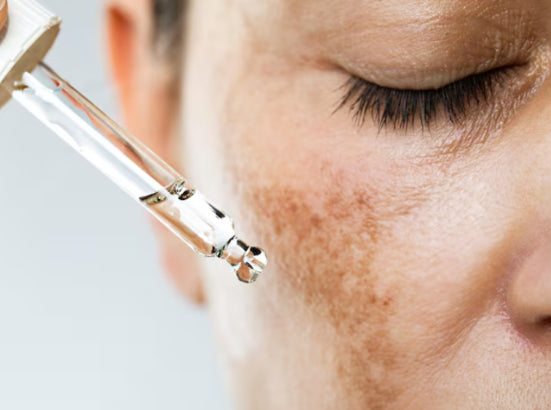
Different actives work for different concerns. If you target pigmentation or uneven tone, select a brightening serum that aligns with your skin. If you address acne-related sensitivity, select a formula designed for reactive skin and use it sparingly.
For example, if your goal includes acne support while keeping irritation low, you may consider reviewing IPCA Acne UV Gel SPF 50. If your concern is hyperpigmentation, a gentle brightening approach can be considered, but always validate skin response with gradual use.
Use anti-irritation habits alongside topical treatment
- Reduce friction by using soft fabrics and minimizing rubbing.
- Manage hand-to-face contact, especially during flare-ups.
- Avoid frequent temperature changes that worsen redness.
- Maintain consistent sleep and hydration, as general wellness can support skin resilience.
Understand what “tolerability” means
Good tolerability is not the same as immediate perfection. Some people experience mild temporary dryness when introducing an active. What matters is whether irritation escalates or lasts. If redness becomes more intense or if burning continues, discontinue the active and return to barrier-focused basics.
Common Questions Answered
What are sensitive skin treatments that are usually safe for daily use?
Most daily-safe options focus on gentle cleansing, consistent hydration, and barrier support. Look for mild cleansers, fragrance-aware moisturizers, and broad-spectrum sunscreen formulated for sensitive skin. If you introduce serums or treatment steps, do so gradually and keep the rest of your routine stable.
How can I tell whether a product is irritating my skin or simply drying it?
Irritation often shows up as burning, stinging, swelling, or rapid redness. Drying usually presents as tightness and flaking without marked inflammation. If you notice stinging on application or worsening redness after use, reduce frequency or discontinue and return to barrier support.
Is it better to use fewer products or more products for sensitive skin concerns?
Fewer, well-tolerated products usually outperform many layered formulas. Sensitive skin responds best to routine stability. Once comfort is established, targeted steps can be added carefully. The most effective approach is often a small set of products used consistently.
Can sunscreen still be part of sensitive skin routines?
Yes. Sunscreen is essential for protecting skin from UV-driven irritation and long-term damage. The right sunscreen depends on texture, finish, and individual tolerance. If one formula stings, you can switch to a different option and test using gradual application.
Summary and Next Steps
Sensitive skin treatments work best when they focus on barrier support, gentle cleansing, and consistent hydration. Start by choosing products designed to reduce irritation risk, and apply them with minimal friction and stable timing. Avoid common mistakes such as over-exfoliating and stacking multiple actives too quickly. If sensitivity is severe or persistent, professional guidance can clarify whether a related skin condition is present.
Your next step is to review your current routine and identify which step most often triggers discomfort. Then adjust only one element at a time: cleanser first, then hydration, then sunscreen, and finally targeted treatments. A predictable, calm approach improves tolerability and helps you build a routine that supports long-term skin comfort.
Disclaimer: This article is for general informational purposes only and does not provide medical advice. Results vary based on individual skin conditions and tolerances. If you have persistent redness, swelling, or worsening symptoms, consult a qualified healthcare professional.
About the Author
Allodermis contributes expertise in skincare education with a focus on barrier health, ingredient awareness, and practical routine design for sensitive skin. The team supports evidence-informed guidance and helps readers build consistent habits that prioritize comfort. If you want a simple next step, start by stabilizing cleansing and hydration, then introduce targeted treatments cautiously. Thank you for reading, and your skincare approach deserves thoughtful, patient refinement.
Authors & medical review
Swaraj Dhar is a sociopreneur, technologist, and the co-founder of Allodermis.
Every article is fact-checked against current peer-reviewed dermatology literature and Allodermis clinical protocols.
This article was last reviewed and updated on . Published .
Have a skin or hair concern?
Book a free consultation with our AIIMS MD dermatologists. Clinics in Bhubaneswar, Gurgaon, and Delhi NCR.