































Skin Analysis Services: What to Expect and Why It Helps

Updated on: 2026-06-11
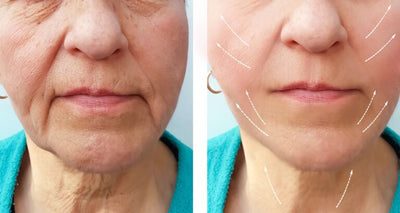
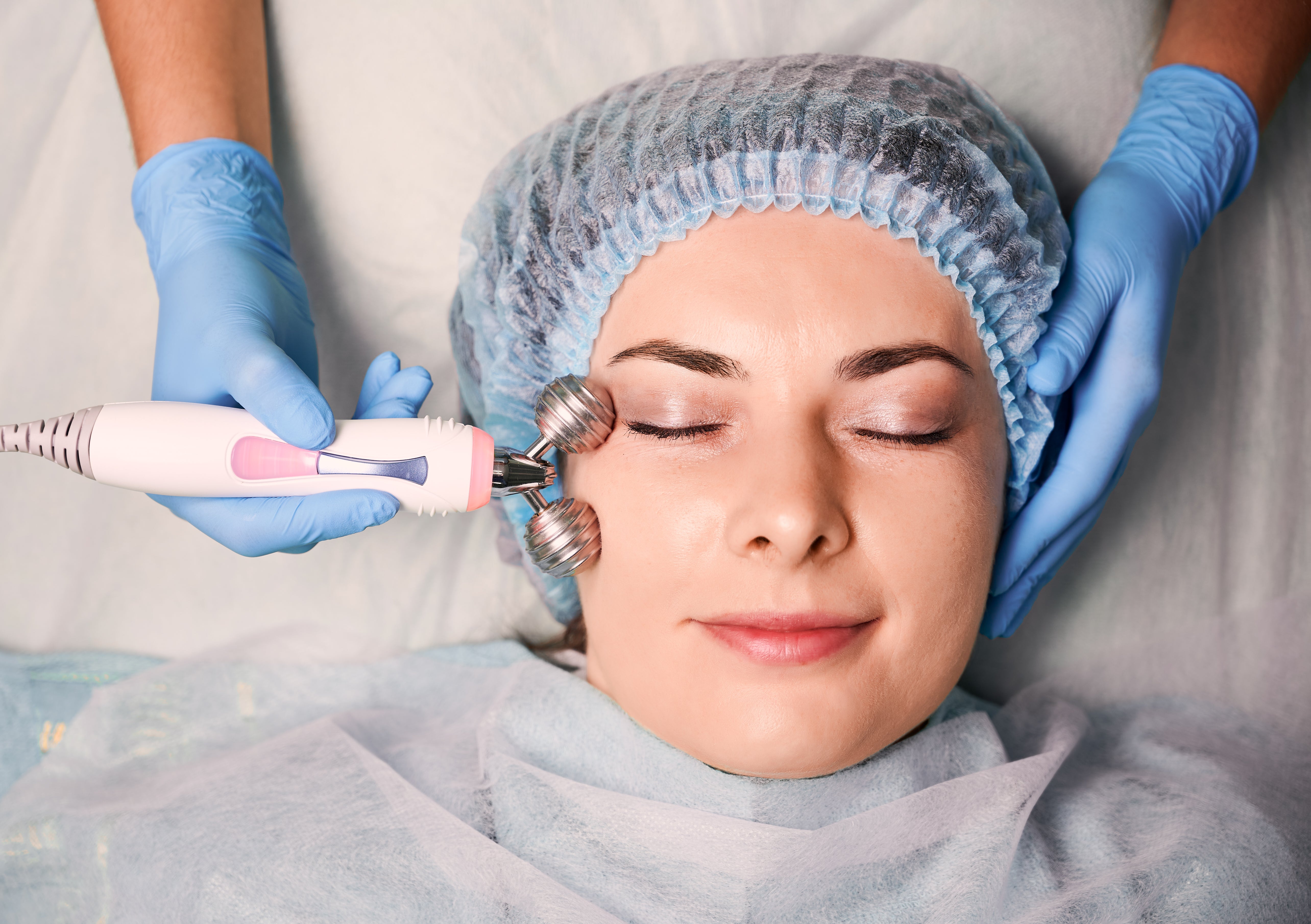
Skin analysis services help you understand your skin’s current needs, not just how it looks in daylight.
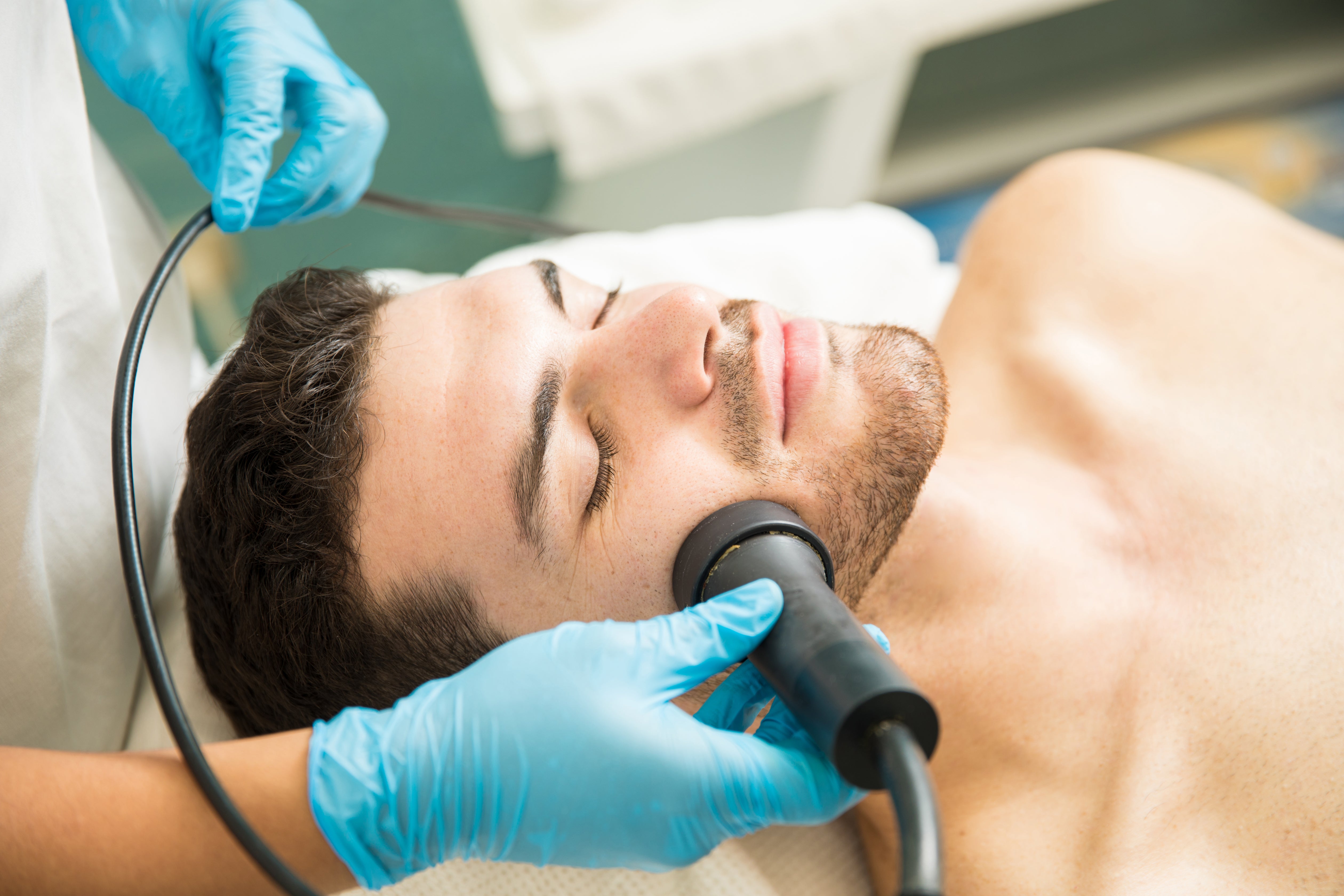
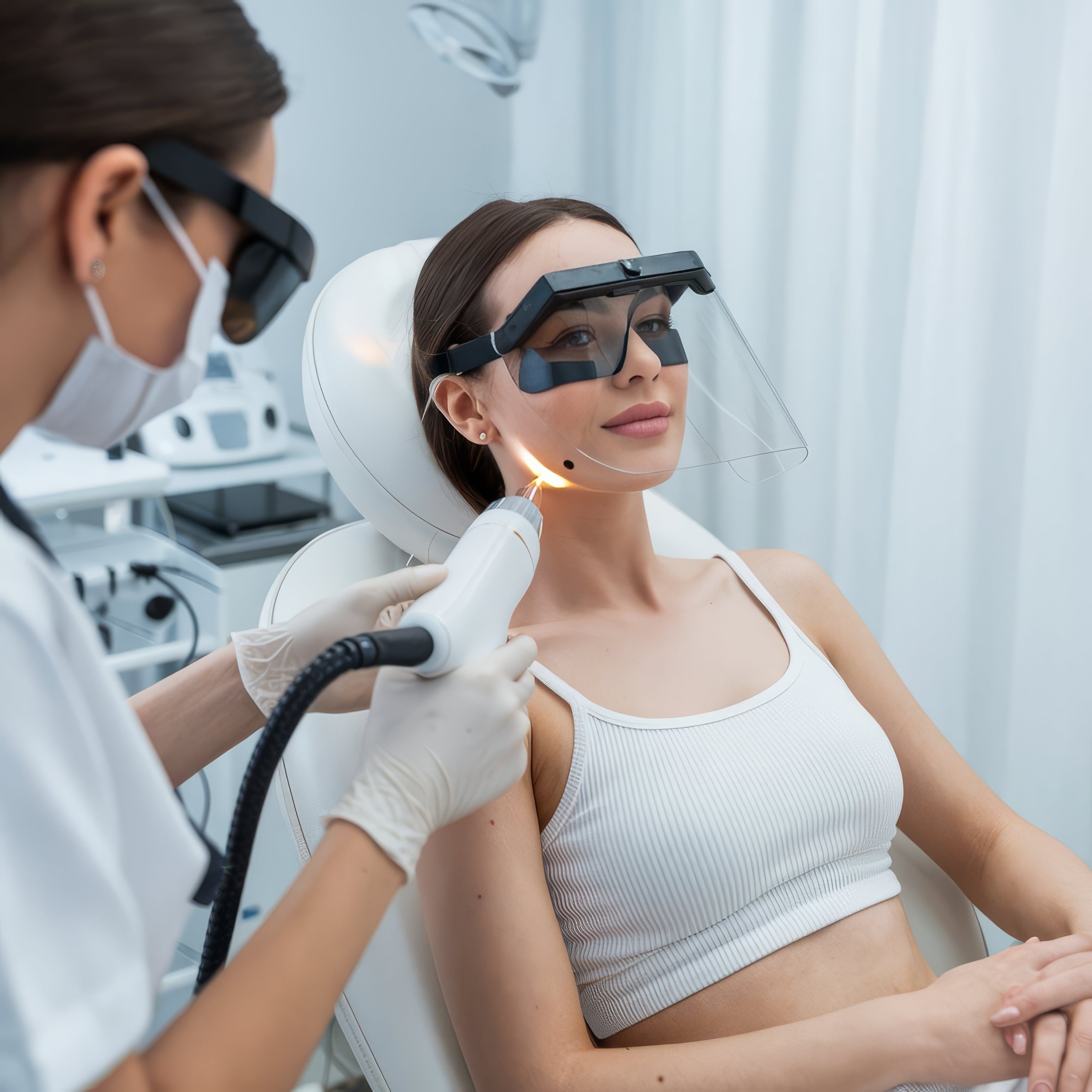
In a typical session, specialists review tone, texture, hydration, oil balance, and visible concerns using structured evaluation.
You receive a practical plan that aligns ingredients and routines with your skin profile.
This guide explains what to expect, how to interpret results, and how to avoid common myths.
Introduction
Skin analysis services are designed to make skincare decisions more precise. Many people buy products based on marketing, social media trends, or how skin feels on a single day. A structured skin evaluation shifts focus from guesswork to documented observations. You can learn what your skin needs in terms of moisture, barrier support, gentle cleansing, and targeted treatment strategies.
This article explains how skin analysis services are typically delivered, what information the assessment can provide, and how to turn results into a routine that is easier to maintain. You will also find myth corrections, practical guidance, and a short set of questions that address common concerns before your first session.
Product Spotlight
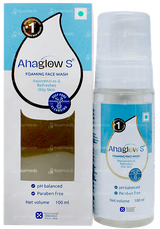
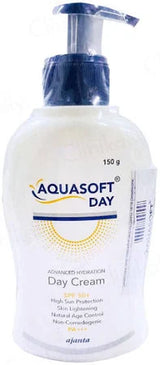
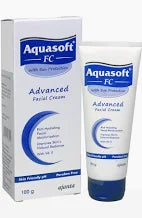
Skin planning improves when you pair the insights from an assessment with dependable everyday products. A simple, evidence-informed routine often includes a gentle cleanser, a sunscreen, and a well-formulated active product. For example, many skin plans benefit from a balanced approach to cleansing and hydration, followed by sun protection to reduce new damage. If you have acne-prone or congested skin, you may also be directed toward oil-control or targeted anti-acne formulas that complement your personal profile.
From a shop perspective, consider building around a consistent daily foundation. Start with a cleanser that does not strip the skin barrier. Then add a lightweight hydration step that supports comfort. Finally, apply a sunscreen with reliable broad-spectrum coverage to protect new improvements.
- Gentle cleansing to reduce friction and support barrier comfort
- Moisture and hydration support to improve tolerance for actives
- Sunscreen to help maintain results and support even-looking tone
- Targeted treatment choices based on your observed concerns
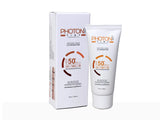
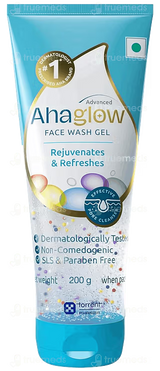
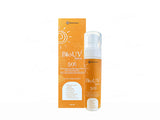
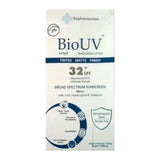
If you need a starting point for cleansing, review options such as Cetaphil Gentle Cleanser. For daily sun protection, you can explore products like Acne UV Gel SPF 50 when acne-prone skin requires a lighter feel.

Icons for hydration, oil balance, and sun protection
Skin Analysis Services: How the Process Works
Skin analysis services generally follow a repeatable workflow. This consistency matters because skincare concerns change over time with stress, weather, product usage, and hormonal cycles. A strong service does not just capture images; it interprets skin behavior and translates it into clear action steps.
1) Baseline observation and skin context
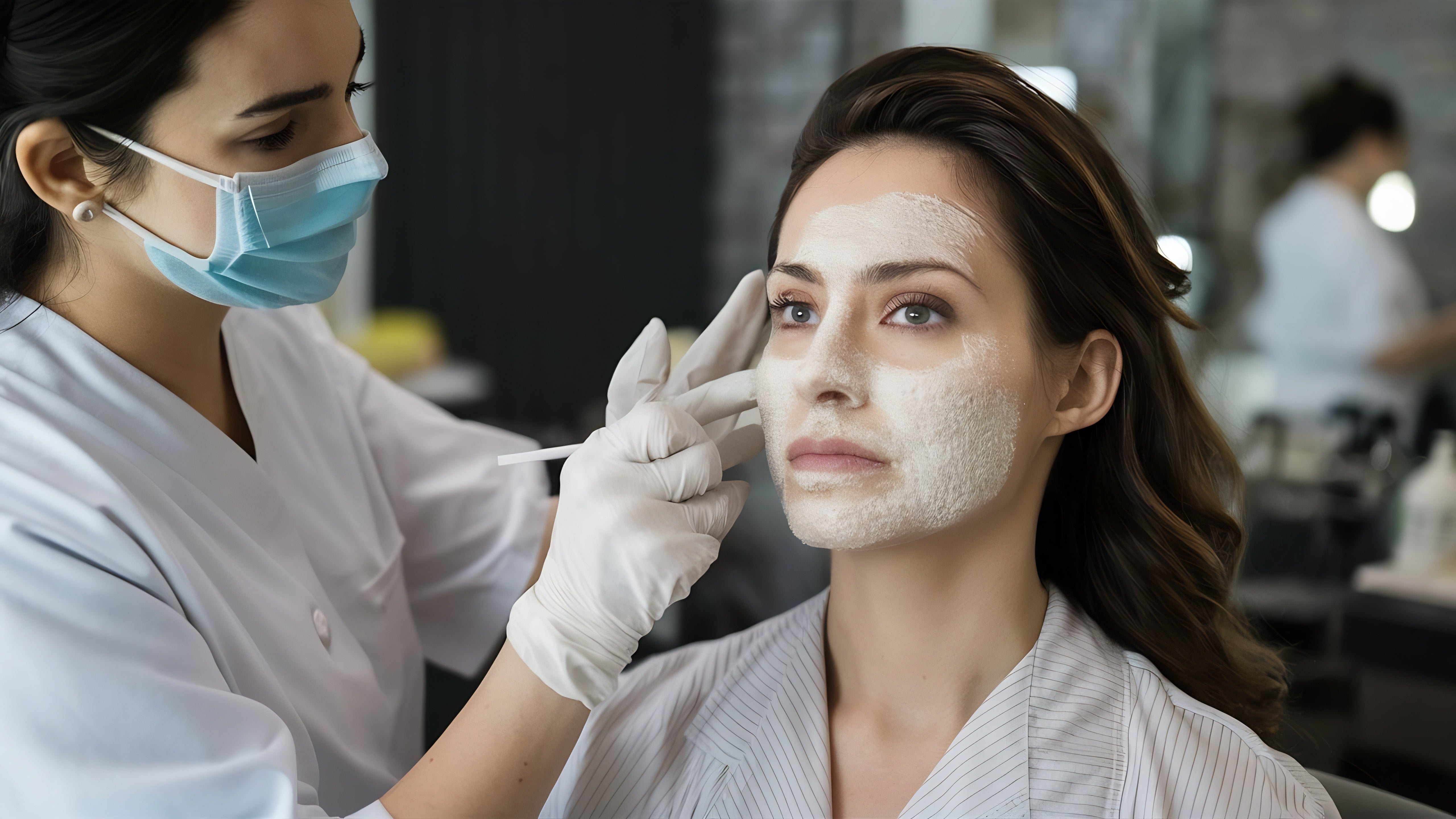
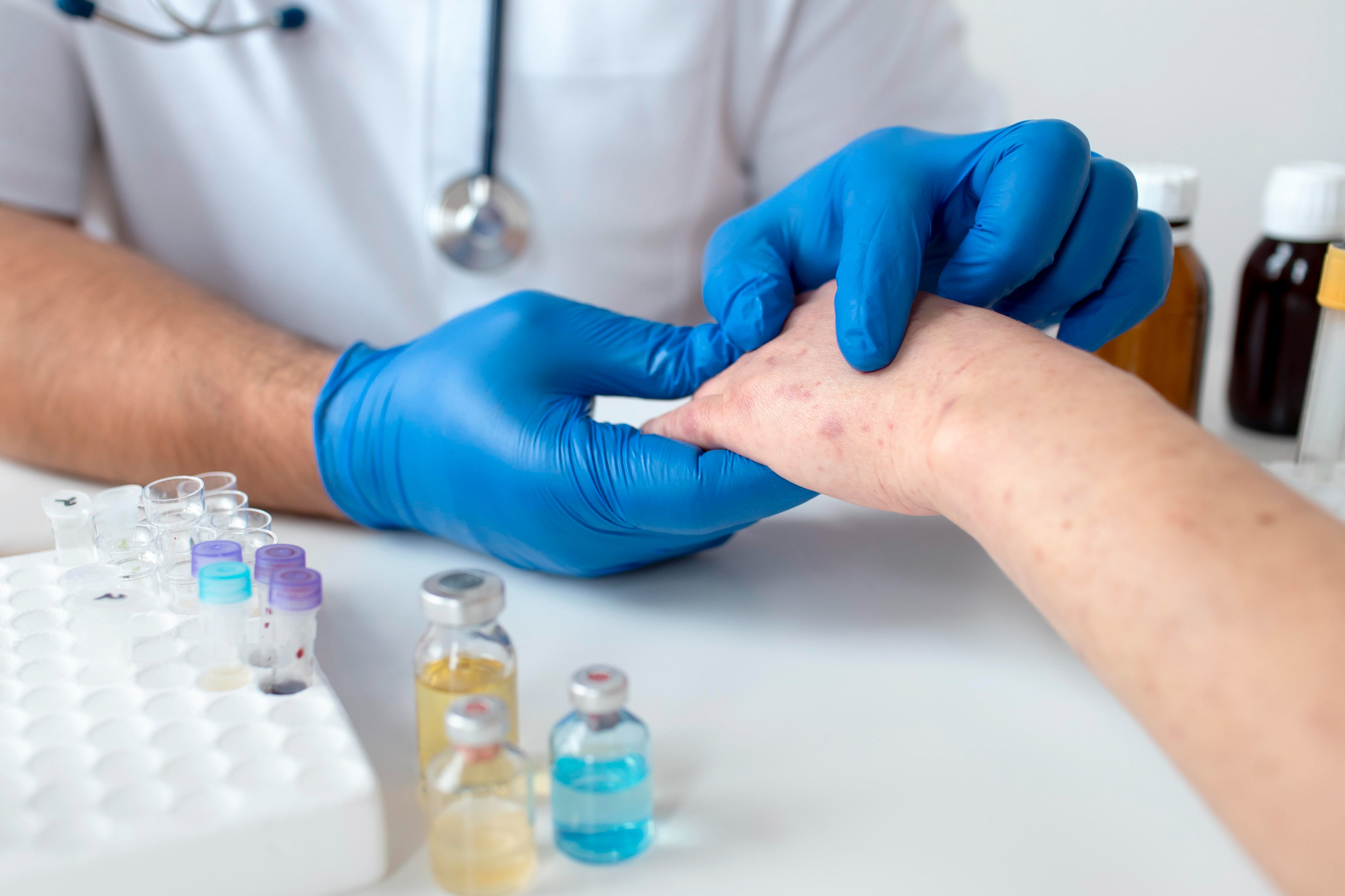
The first step is gathering skin context. Specialists usually ask about current products, frequency of cleansing, sunscreen habits, and changes in texture or sensitivity. They also review how your skin responds to heat, shaving, sweating, or seasonal shifts. This intake stage helps the evaluation avoid inaccurate assumptions, such as treating sensitivity as acne when it is actually irritation.
2) Structured evaluation of visible and measurable traits
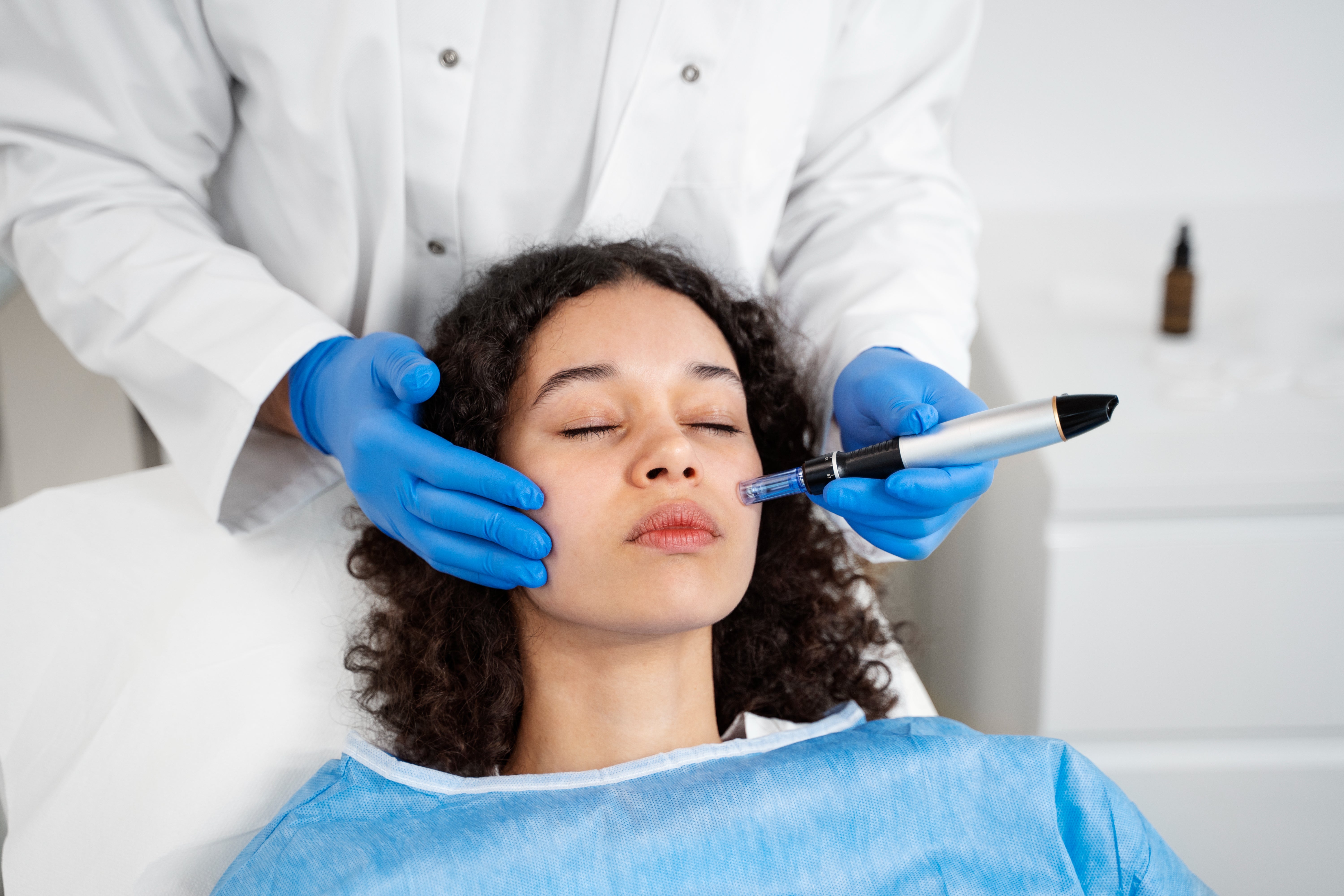
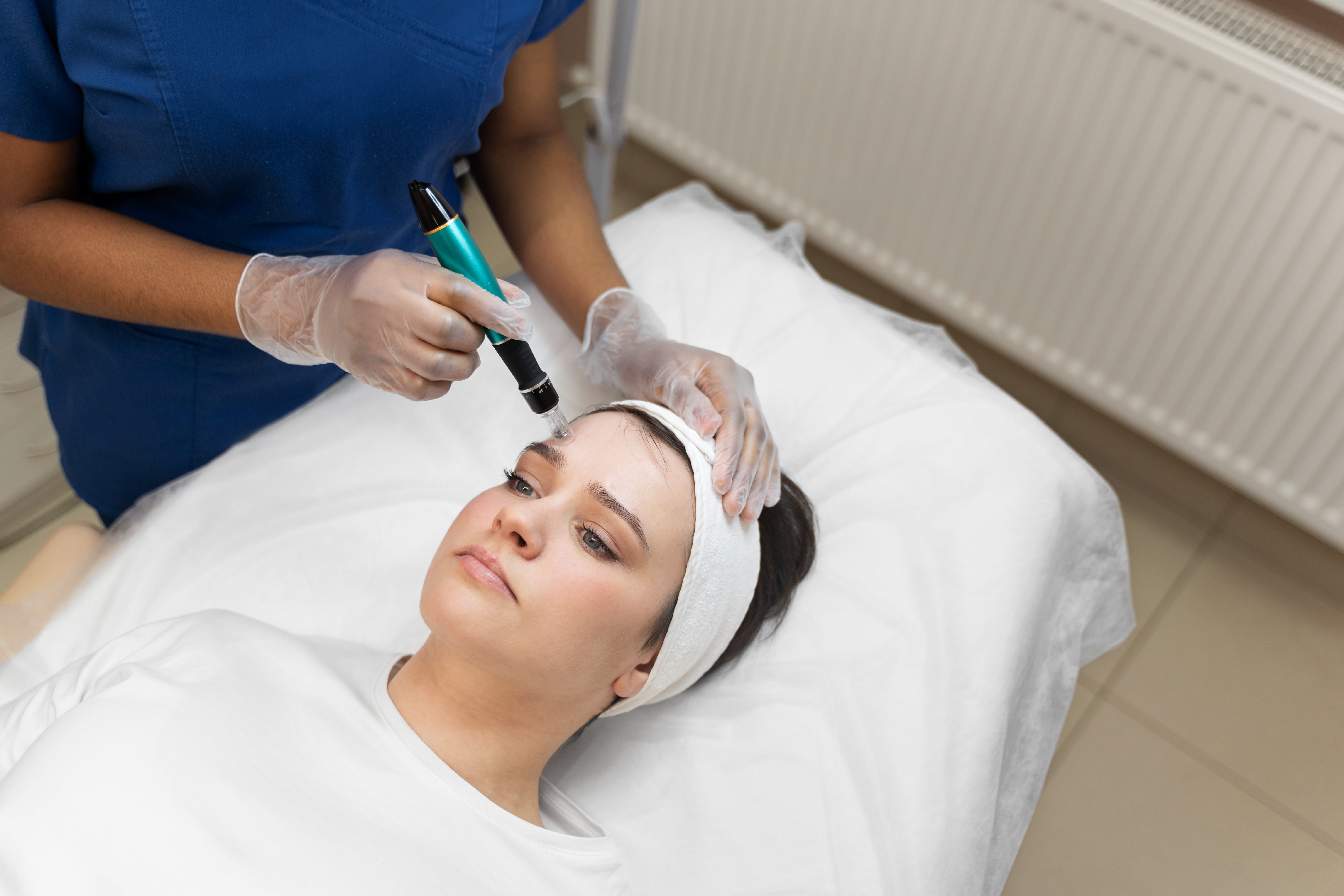
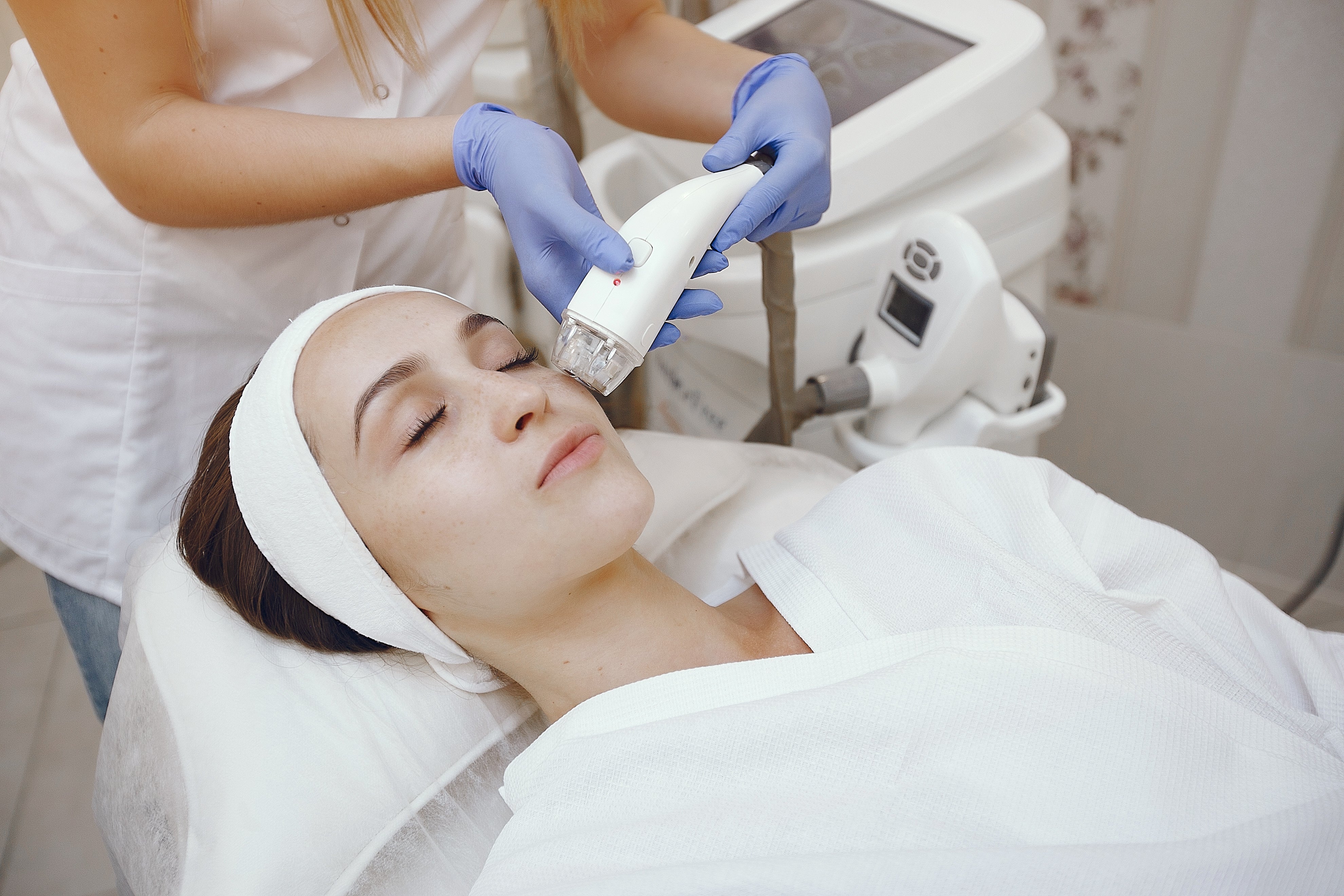
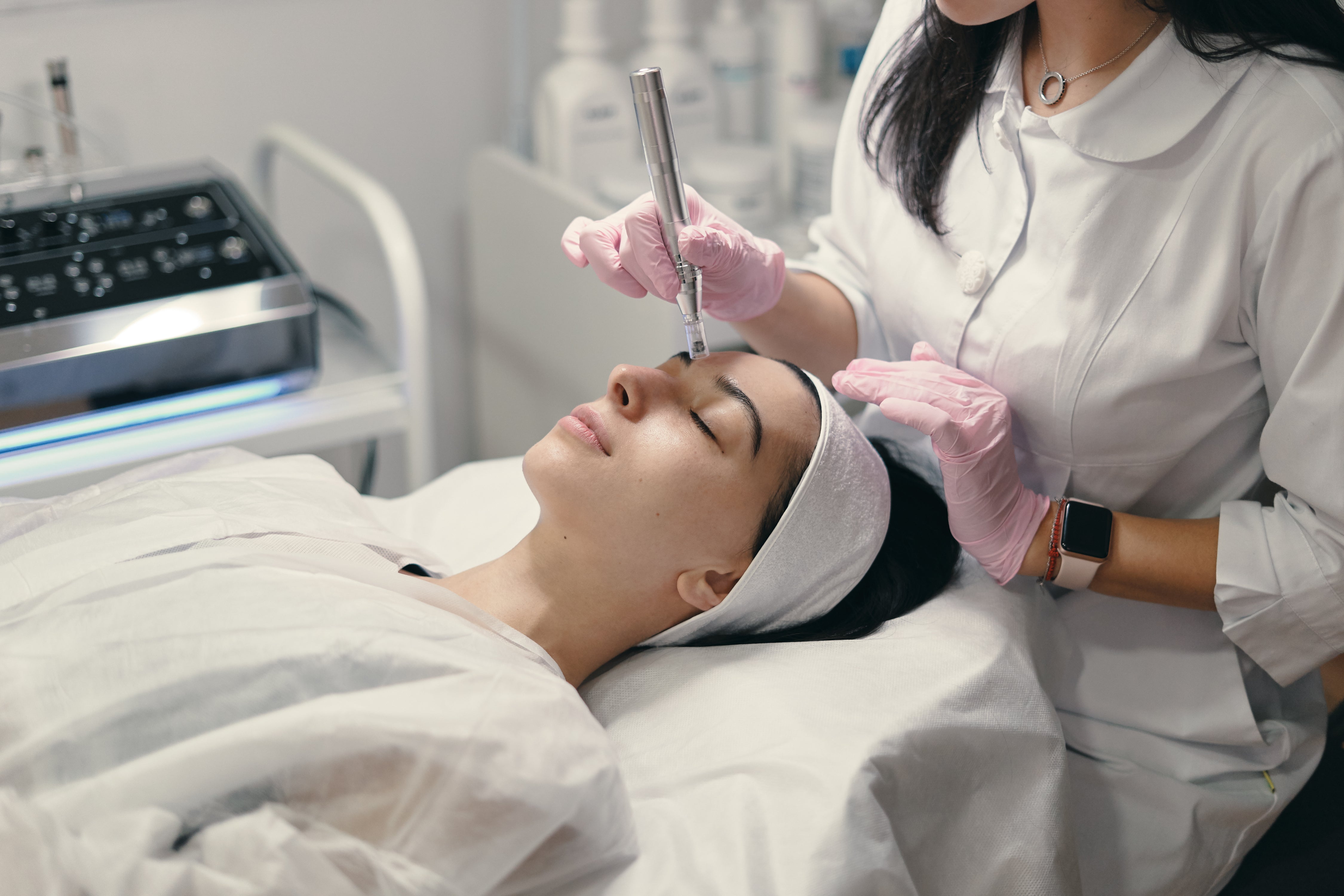
Most skin analysis services evaluate multiple aspects of skin. These commonly include tone evenness, visible texture, hydration level, oil balance, and the presence of marks. Depending on the service design, assessment tools may include standardized photography, imaging guidance, or observational scoring. The goal is to document the skin profile in a consistent manner, so improvements can be tracked over time.
3) Barrier and tolerance assessment
Barrier function is a core theme in professional skincare planning. Skin may appear oily yet still feel tight or reactive. That is why the evaluation typically focuses on tolerance and comfort signals, not only on surface appearance. Your plan should prioritize barrier support before layering multiple actives that can overwhelm the skin.
4) Personalized routine mapping
After evaluation, the specialist converts insights into a routine map. A routine map typically includes a morning step, an evening step, and targeted additions such as serums or treatment gels. The plan should also specify what to do if irritation occurs and how to introduce new actives in a controlled way.
When a service is well structured, it helps you decide what to keep, what to pause, and what to add. That reduces trial-and-error spending and improves consistency. Instead of changing multiple products at once, you can make changes one variable at a time.
5) Monitoring and adjustment
Skin does not improve instantly. A professional workflow includes follow-up adjustment, which may involve re-checking hydration, sensitivity, and visible concerns. The purpose is to confirm that the selected approach is compatible with your skin’s tolerance and goals. Adjustments also help you avoid plateauing due to incorrect ingredient selection.
Myths vs. Facts
Myth: Skin analysis services guarantee instant results
Fact: Skin improvements usually happen gradually. The evaluation supports smart sequencing and ingredient selection, but visible changes depend on consistent use, barrier readiness, and the nature of your specific concerns.
Myth: A single image can reveal the full story
Fact: Skin is dynamic. A responsible service uses structured observation over time and considers your routines, reactions, and lifestyle factors. Images can support the evaluation, but they are not the only input.
Myth: More active ingredients automatically means better results
Fact: Layering multiple actives can increase irritation and worsen tolerance. A personalized plan often emphasizes gentle cleansing, hydration support, and sun protection first, then adds targeted actives based on needs.
Myth: Skin analysis only benefits people with visible acne
Fact: Skin analysis services can help with uneven tone, early signs of dullness, sensitivity management, and preventive routines. Even relatively clear skin can show hydration or barrier issues that influence how products perform.

Flowchart of cleanse, hydrate, treat, protect steps
Frequently Asked Questions
What happens during a skin analysis appointment?
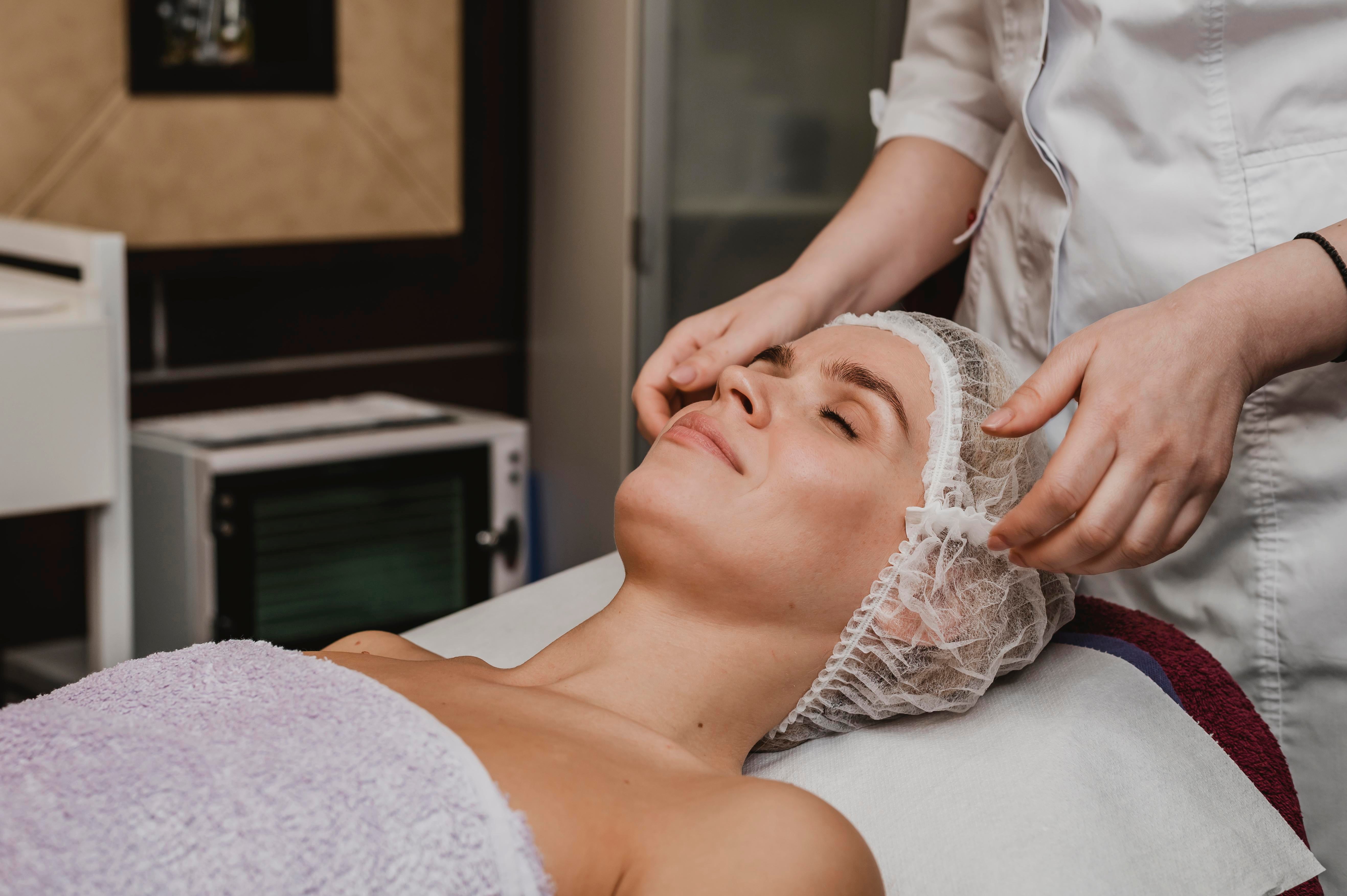
Most appointments include a short intake, structured skin observation, and a routine discussion. The specialist explains what they see and proposes an action plan for cleansing, hydration, sun protection, and targeted care.
How should I prepare for my skin analysis services session?
Arrive with your usual products if possible. Avoid introducing brand-new actives right before the visit. If you recently used strong exfoliants or treatments, inform the specialist so the plan can account for temporary sensitivity.
Will the recommendations require expensive products?
Not necessarily. Effective routines rely on compatibility and consistency. You may be guided toward a small set of products that match your skin profile, rather than purchasing many items at once.
Can I follow the plan alongside my current routine?
Yes, often with adjustments. A professional evaluation typically identifies what to keep, what to pause, and what to add. This approach helps you reduce disruption and improves tolerance.
How long does it take to see improvements?
Timelines vary by concern. Hydration and comfort may improve sooner, while visible marks and texture changes generally require consistent, barrier-friendly use over time. Your service provider should set realistic expectations based on your skin profile.
Final Recommendations
Choosing skin analysis services is most effective when you approach the process like a system, not a one-time purchase. Start by requesting a clear explanation of what the assessment found, how it affects your routine, and what you should do next. Avoid vague recommendations that do not specify products, usage order, and adjustment steps.
When you receive your plan, follow these practical principles:
- Keep your routine simple for the first phase, typically cleanse, hydrate, and protect.
- Introduce one change at a time to determine what your skin actually tolerates.
- Prioritize sun protection daily, because ultraviolet exposure can undermine progress.
- Focus on barrier comfort before adding multiple treatment actives.
- Track results with consistent lighting or scheduled follow-ups, if offered.
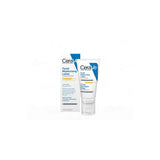
If your analysis indicates dryness or sensitivity, consider gentle foundational products. For example, a skin plan may include a soothing cleanser like Cetaphil Gentle Cleanser and a hydrating lotion such as Cipla Excela Rich Facial Hydrating Lotion. If your concerns involve acne and oil control, you may be directed toward options like Acne UV Gel SPF 50 and active support from a tailored serum.
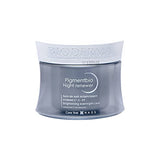
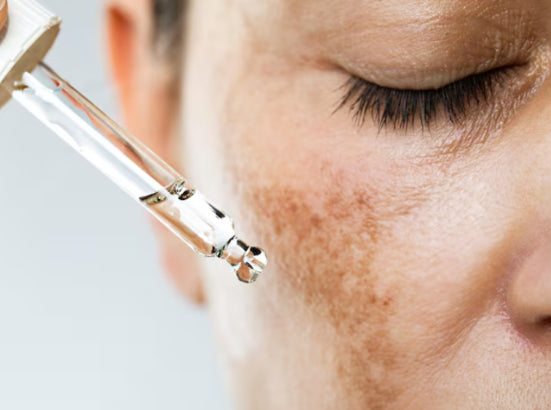
For pigmentation-related goals, a plan often includes both sun protection and targeted brightening ingredients. You may see recommendations that reference formulas such as Bioderma Pigmentbio Night Renewer when your assessment shows uneven tone and visible marks. For persistent dullness or uneven texture, the service may recommend a structured actives schedule paired with hydration.
In all cases, skin analysis services should help you select the right category of product, not simply increase product quantity. The outcome you want is better tolerance, steadier improvements, and fewer unnecessary changes.
Q&A Section
How do skin analysis services differ from using consumer skin apps?
Skin apps may offer general guidance, but professional services typically include individualized context, structured interpretation, and routine planning. A specialist can also help identify tolerance signals, review your product history, and recommend a sequence that fits your skin behavior.
Can skin analysis services help with sensitive skin?
Yes. Sensitivity is often linked to barrier function, irritation triggers, and overuse of strong actives. A professional evaluation can help you reduce friction, simplify your routine, and choose gentler ingredient profiles that support comfort.
What should I do if my skin reacts after starting a new product from the plan?
If irritation occurs, pause the new product and prioritize barrier support such as gentle cleansing and basic hydration. Inform the provider if follow-ups are available. Reintroduce products slowly only after comfort returns.
Is it necessary to repeat skin analysis services regularly?
Many people benefit from periodic reassessment, especially when seasons change or when routines are updated. Regular review can confirm that your plan remains compatible with your skin profile and can prevent unnecessary product switching.
About the Author Section
Allodermis
Allodermis is a skincare-focused brand with expertise in ingredient-aligned routines and product compatibility. The author team supports readers with practical guidance that connects skin education to everyday care choices. You can approach your routine with more confidence when each step is selected for your needs. Thank you for reading and investing in smarter skin planning.
Disclaimer: This article provides general skincare education and routine guidance. It is not medical advice. Individual results vary, and you should consult a qualified dermatologist or healthcare professional for conditions that require diagnosis or treatment.
Authors & medical review
Swaraj Dhar is a sociopreneur, technologist, and the co-founder of Allodermis.
Every article is fact-checked against current peer-reviewed dermatology literature and Allodermis clinical protocols.
This article was last reviewed and updated on . Published .
Have a skin or hair concern?
Book a free consultation with our AIIMS MD dermatologists. Clinics in Bhubaneswar, Gurgaon, and Delhi NCR.