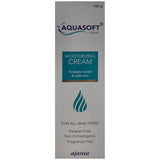
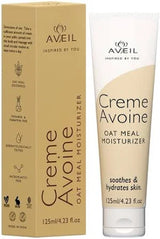



















Skin Barrier Restoration: Fix, Protect, and Heal

Skin barrier restoration is the foundation of comfortable, resilient skin. When the outer layer is weakened, skin can feel tight, look dull, and become more reactive to everyday factors. A focused routine can support the lipid barrier, improve tolerance, and reduce the need for constant correction. This guide explains what skin barrier restoration means, which habits help, and how to build a practical plan that fits daily life.
Updated on: 2026-06-05
Skin barrier restoration supports the skin’s natural outer defenses so it can hold moisture more effectively. A strong barrier can improve comfort, reduce irritation, and make other skincare steps easier to tolerate. The process typically includes gentle cleansing, consistent moisturizing, and targeted barrier lipids. This article provides a clear plan and answers common questions to help you choose an effective approach.
Table of Contents
Myths vs. Facts
Myth: Skin barrier restoration requires harsh exfoliation to “reset” skin.
Fact: Over-exfoliation can further disrupt the barrier. Gentle cleansing and hydration usually come first, followed by slow, careful introduction of active ingredients.
Myth: Any moisturizer will fix barrier problems.
Fact: Barrier-focused formulas often emphasize emollients, humectants, and skin-compatible lipids. Texture alone is not the deciding factor; ingredient function matters.
Myth: Barrier restoration is only for dry skin types.
Fact: Barrier disruption can also show up as redness, stinging, uneven comfort, or increased sensitivity in oily or combination skin. The goal is tolerance and resilience, not only hydration.
Myth: You can rush results in a few days.
Fact: Skin adapts gradually. Consistency is more important than speed, and the skin’s response guides pacing.
Step-by-Step Guide
Skin barrier restoration works best with a simple routine that protects the outer layer each day. Instead of adding many products at once, focus on the sequence: cleanse gently, replenish moisture, support lipids, and defend from environmental stress.
1) Assess the signals of barrier disruption
Common signs include tightness, dryness, visible flaking, rough texture, stinging after washing, or redness that appears quickly after routine changes. If irritation increases with typical products, treat your skin as sensitive and prioritize comfort.
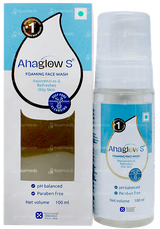
2) Choose a gentle cleanser and use correct technique
A cleanser should remove impurities without stripping natural oils. Use lukewarm water, massage lightly for a short time, and avoid frequent hot showers. When skin barrier restoration is the goal, cleansing should feel calm, not squeaky or tight.
You can consider a gentle, non-stripping option such as Cetaphil Gentle Cleanser to support daily cleansing comfort.
3) Apply moisture soon after cleansing
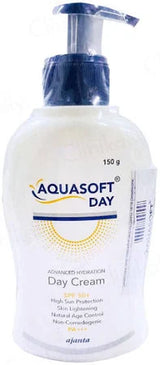
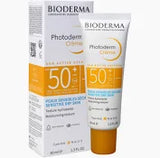
Moisturizing immediately after washing helps reduce transepidermal water loss. Humectants draw water toward the upper layers, while emollients soften surface texture. If your skin reacts easily, apply a thin layer first and increase coverage only if needed.
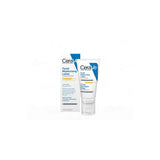
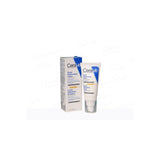
If you want a supportive hydrating step, consider Cetaphil-excella hydration lotion as an example of a comfort-first approach. Patch testing is essential when you introduce any new product.

Close-up icons: shield layer, water droplets, calm skin
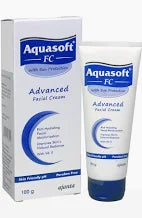
4) Support barrier lipids with a targeted moisturizer
Barrier lipids help reinforce the skin’s protective seal. Look for moisturizers that include ingredients known for skin-conditioning and emollient support, such as fatty alcohols, ceramide-like components, or other barrier-supporting emollients. The aim is to reduce dryness and improve resilience so your skin tolerates other steps later.
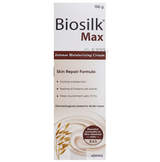
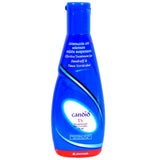
For an additional supportive option in a barrier-friendly routine, you may explore BiO Silk Max Cream to complement hydration and comfort-focused care.
5) Add sunscreen to prevent visible damage
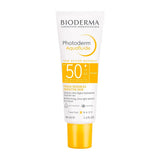
Daily sun protection helps prevent dryness and irritation that can worsen barrier weakness. Choose a sunscreen that feels comfortable and does not increase stinging for your skin type. Proper protection reduces the need to over-correct later.
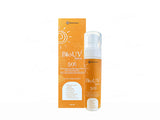
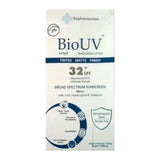
You can use Acne UV Gel SPF 50 as a reference point for a lightweight, daily defense approach. For anyone with heightened sensitivity, introduce sunscreen gradually and monitor comfort.
6) Introduce actives slowly, if needed
Once skin feels stable, you may incorporate actives for specific concerns such as uneven tone or clogged pores. Barrier restoration should be the base; actives are the optional layer. When skin is reactive, reduce frequency, avoid stacking too many new ingredients, and stop if stinging or redness persists.
If you use anti-acne or brightening products, apply them to fully moisturized skin and keep the rest of the routine simple. This sequencing helps reduce irritation and supports tolerance.
7) Keep routines consistent and reduce friction
Small changes can matter. Use a soft towel, avoid harsh scrubs, and remove makeup gently. If you change products frequently, your skin never gets time to rebuild comfort. Consistency supports skin barrier restoration and helps you identify what truly helps.
8) Manage triggers outside skincare
Barrier comfort is influenced by non-skincare factors. Dry indoor air can worsen dehydration. Frequent handwashing can irritate the skin around the face and neck area. Consider moisturizing after washing, using humidification when practical, and choosing fragrance-light products if you are sensitive.
Frequently Asked Questions
How long does skin barrier restoration take?
Barrier recovery varies by severity and consistency. Many people notice improved comfort within a few weeks when they maintain gentle cleansing, consistent moisturizing, and daily sun protection. If irritation continues, reassess triggers and consider simplifying the routine further.
Can I use exfoliants while restoring the barrier?
Exfoliation can increase dryness and sensitivity if the barrier is already compromised. If you choose to exfoliate, do it infrequently and only after skin feels stable. For most people, gentle cleansing and hydration should lead the routine.
Is skin barrier restoration the same as treating acne or eczema?
They are related but not identical. Skin barrier restoration focuses on improving tolerance and reducing irritation. Acne and eczema also require targeted approaches. If symptoms are persistent, it is wise to seek professional guidance.

Routine map: cleanser, moisturizer, sunscreen, calm progress arrows
Summary & Key Takeaways
Skin barrier restoration is a practical, evidence-aligned approach to strengthening the skin’s outer defenses. By cleansing gently, moisturizing promptly, supporting barrier lipids, and using daily sunscreen, you can improve comfort and resilience. Actives can be added later, but they should never replace the foundation. If your skin feels reactive, simplify your routine and allow consistent support.
For daily product choices that fit a barrier-first routine, explore options from Allodermis and select formulas that feel comfortable with your skin type.
Q&A Section
What should I change first if my skin feels tight after washing?
First, reassess cleansing. Switch to a gentler cleanser, use lukewarm water, and shorten wash time. Then apply moisturizer immediately after rinsing. Barrier restoration typically improves when the routine stops stripping oils and supports hydration consistently.
How do I layer products during skin barrier restoration?
Use a simple order: cleanse, moisturize, and apply sunscreen in the morning. If you use additional targeted products, introduce them one at a time and only after your skin feels calm. Keep layering minimal to avoid irritation and allow skin to adjust.
Can diet or stress affect skin barrier health?
Yes. Hydration, balanced nutrition, and adequate sleep support overall skin function. Stress can worsen inflammation signals, which may make barrier discomfort more noticeable. While skincare is essential, lifestyle factors can influence how quickly your skin stabilizes.
When should I stop and seek professional advice?
If you experience persistent burning, swelling, severe redness, or symptoms that do not improve after routine simplification, professional evaluation is appropriate. Barrier disruption can overlap with other skin conditions, and targeted care may be necessary.
Disclaimer
This article is for educational purposes only and does not provide medical advice, diagnosis, or treatment. Individual results vary, and skin reactions can occur with any ingredient or product. If you have a medical condition or severe symptoms, consult a qualified healthcare professional.
About the Author Section
Allodermis is guided by a team that focuses on skin comfort, formulation principles, and evidence-informed skincare education. The author has professional expertise in skincare routines and ingredient literacy, with a practical approach to sensitivity and barrier support. If you are building a barrier-first routine, prioritize consistency and choose products that feel calm on your skin. Thank you for reading, and best wishes for stable, comfortable skin.
Authors & medical review
Swaraj Dhar is a sociopreneur, technologist, and the co-founder of Allodermis.
Every article is fact-checked against current peer-reviewed dermatology literature and Allodermis clinical protocols.
This article was last reviewed and updated on . Published .
Have a skin or hair concern?
Book a free consultation with our AIIMS MD dermatologists. Clinics in Bhubaneswar, Gurgaon, and Delhi NCR.