








































Updated on: 2026-05-14
Professional skin treatments can improve skin clarity, texture, and comfort when they are matched to your skin type and goals. The safest programs use a structured intake, a conservative plan, and realistic expectations. Choosing providers and procedures based on evidence, hygiene standards, and follow-up care reduces risk. A thoughtful at-home routine supports results and helps protect the skin barrier between visits.
Table of Contents
Summary
Professional skin treatments can be effective, but only when the plan is personalized. Start by identifying skin concerns, current triggers, and your sensitivity level. Avoid rushing into aggressive protocols or mixing incompatible actives. Ask for clear aftercare steps, and protect your barrier with gentle cleansing and daily sun protection. With consistent follow-through, most people can build safer, more stable results over time.
Professional skin treatments: how to choose safely and effectively
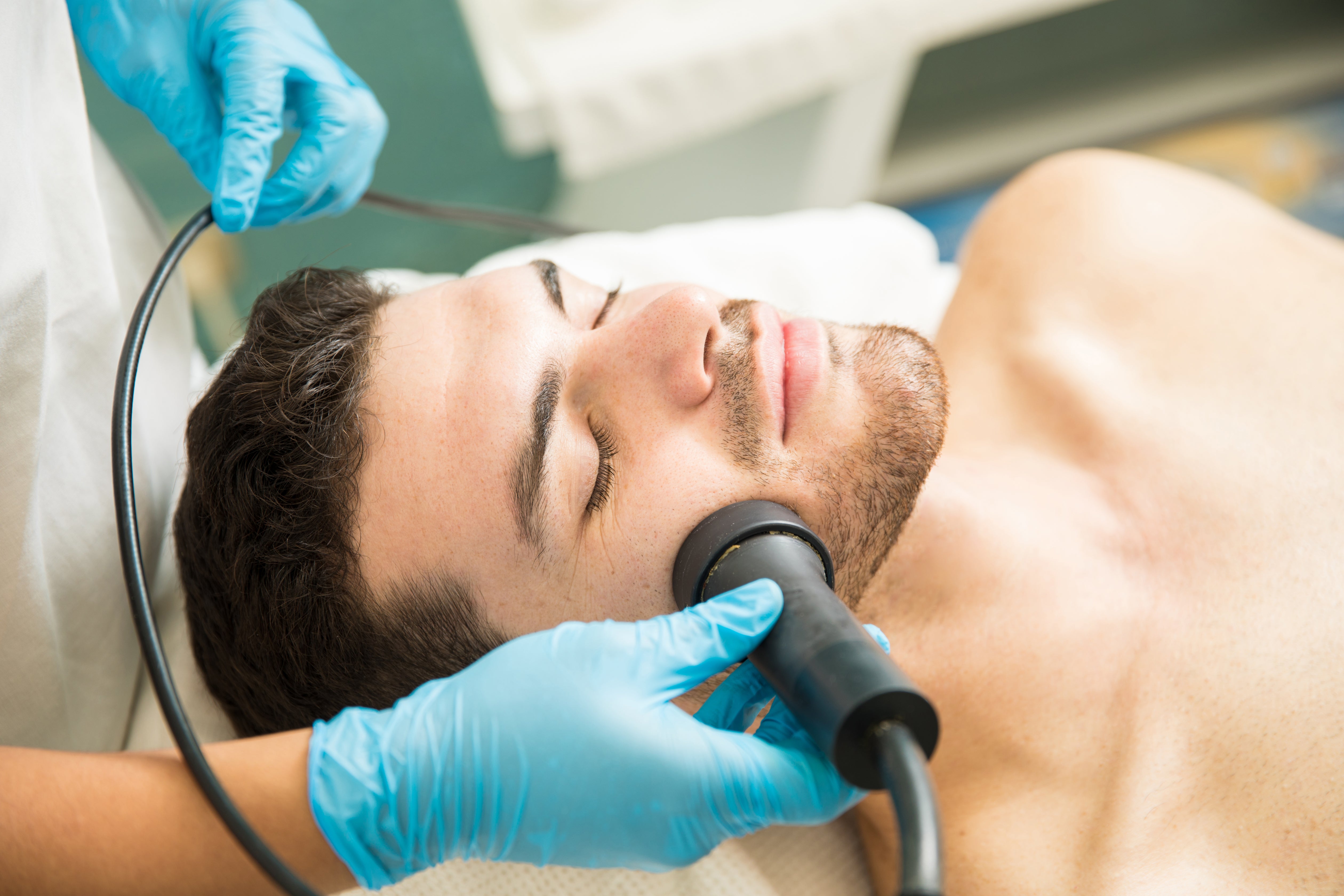
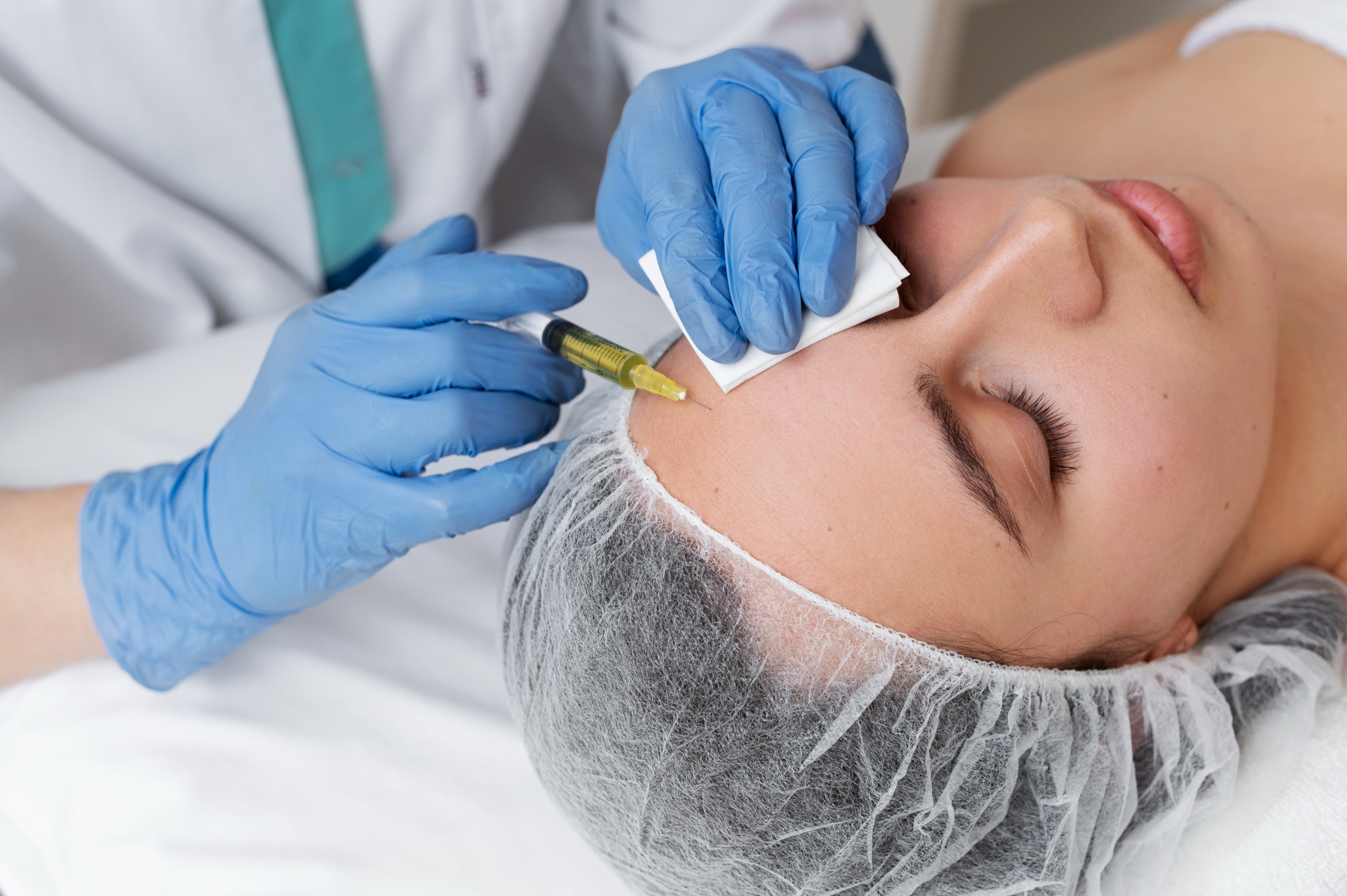
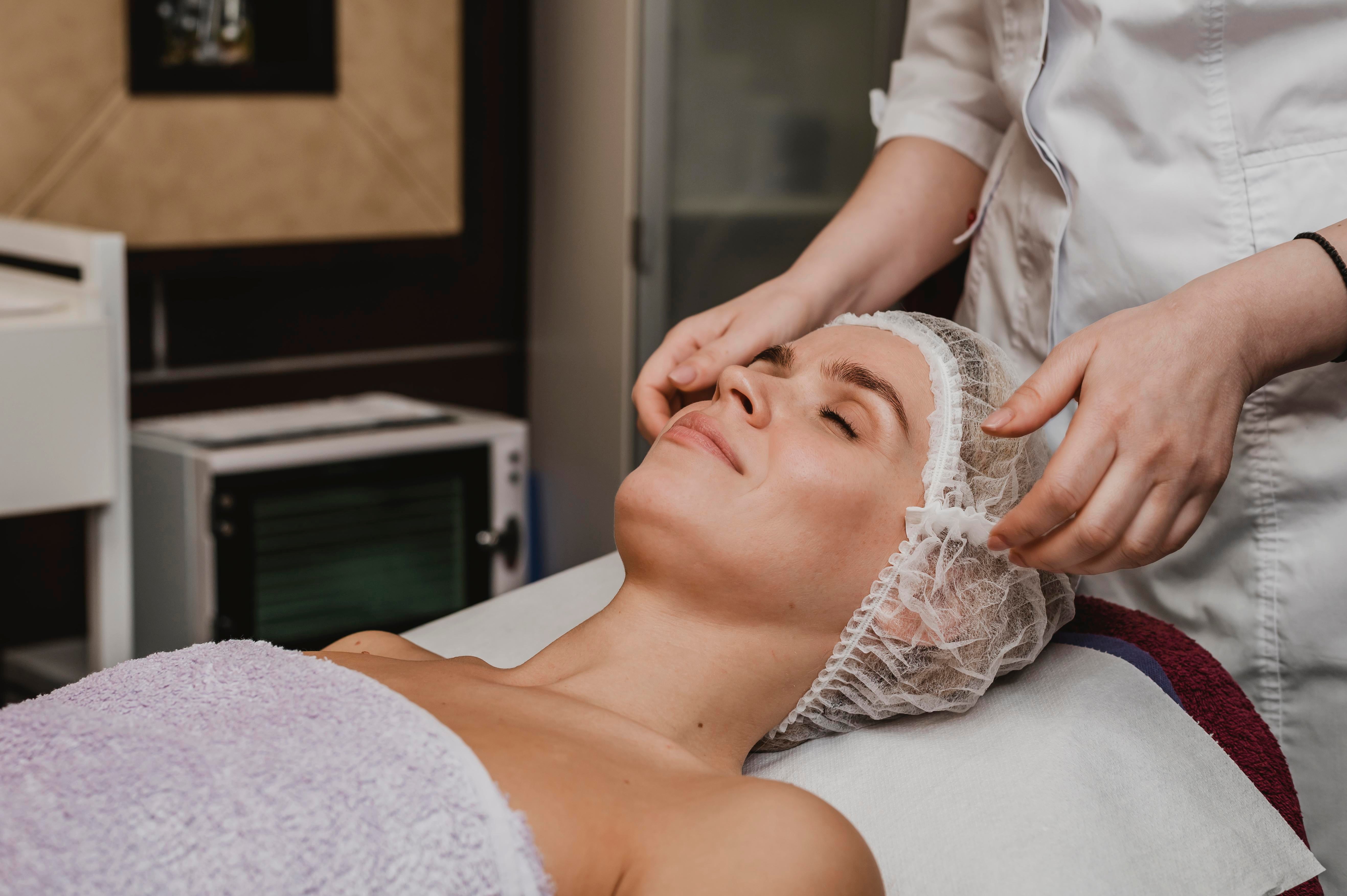
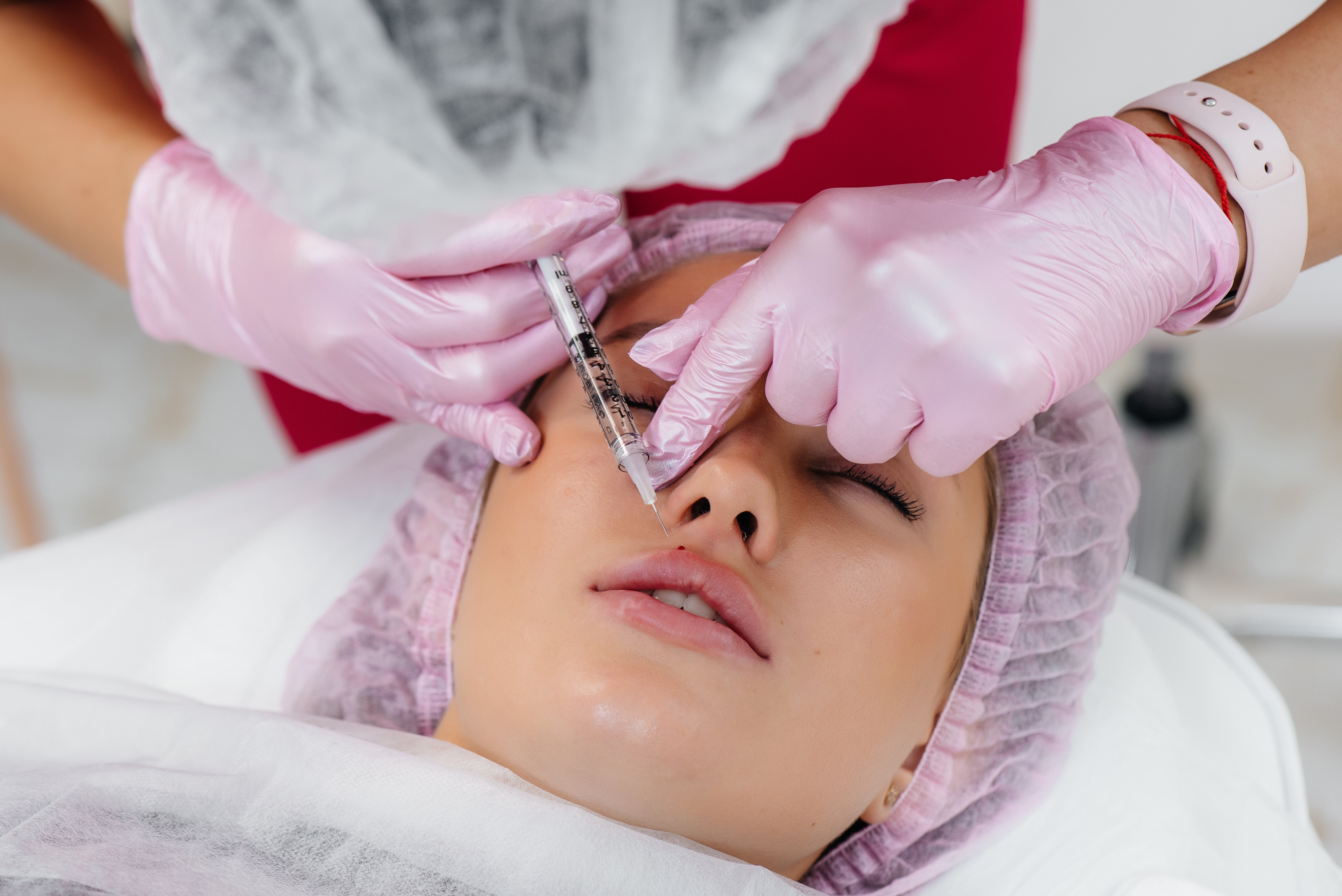
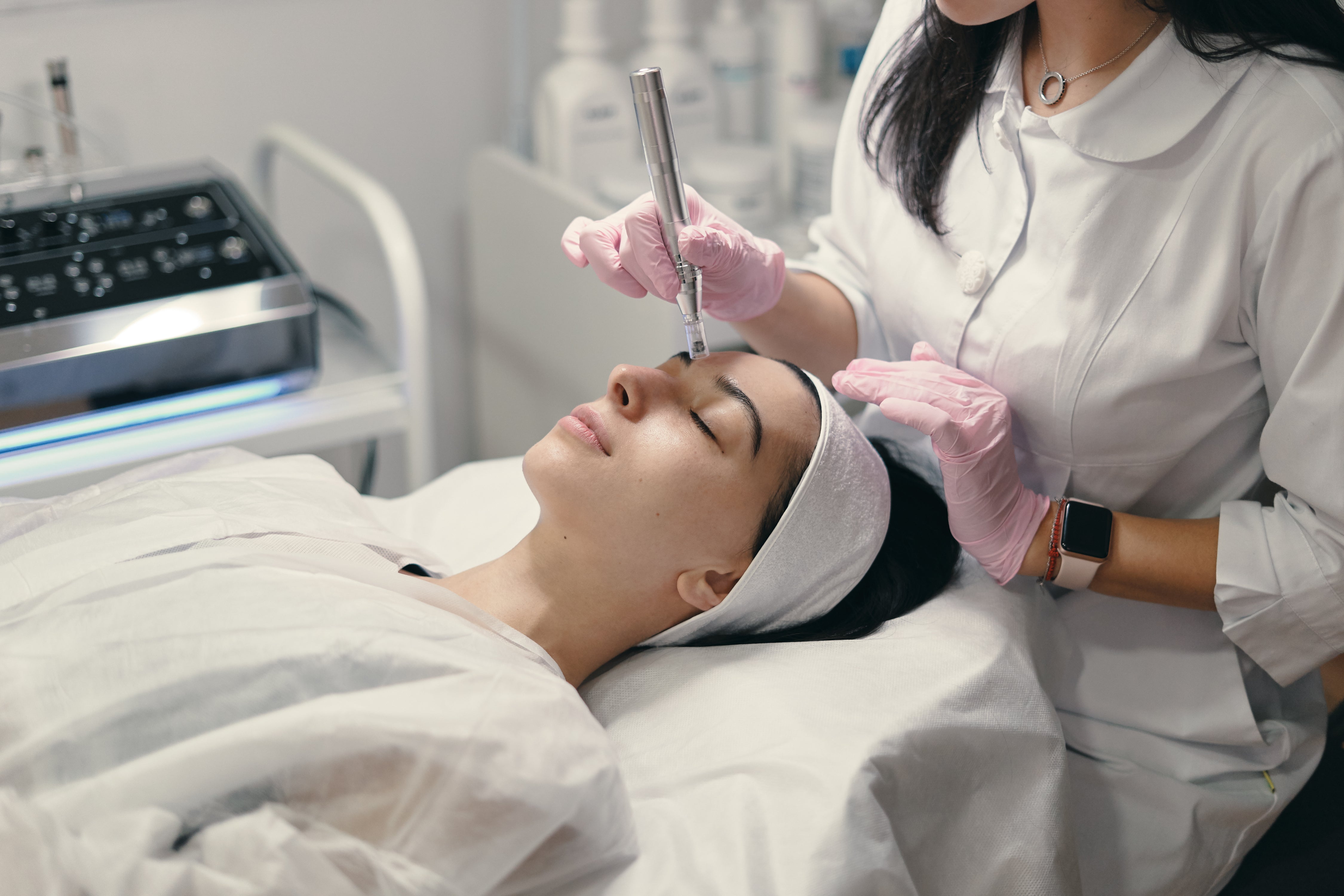
Professional skin treatments are structured services delivered by qualified clinicians or trained skincare professionals. They may include professional facials, medical-grade modalities, or supervised skincare programs designed to address visible concerns such as uneven tone, acne marks, dryness, and sensitivity. In this guide, you will learn how to evaluate options, avoid preventable problems, and support results between appointments. You will also see a practical approach to questions worth asking before you commit.
While every skin goal is different, the fundamentals are consistent: assessment first, appropriate product selection, careful technique, and diligent aftercare. When these elements align, professional skin treatments can help you improve comfort and appearance while reducing the chance of irritation or setback.

Care plan icons: skin map, checklist, timeline
Common Mistakes to Avoid
Many people treat professional skin treatments as a one-time solution. Skin is reactive and adaptive. Without a plan that considers your routine, lifestyle, and barrier condition, treatment effects can become short-lived. Look for programs that explain how the treatment fits into a wider schedule.
- Skipping a proper intake: A credible provider evaluates skin history, current routine, and sensitivity. If the consultation is brief or superficial, the plan may not be safe for your skin.
- Overdoing intensity: Strong protocols may feel productive, but they can damage the skin barrier. Barrier disruption often leads to redness, stinging, and slower improvement.
- Ignoring compatibility: Mixing multiple exfoliants, strong acids, or retinoids at once can overwhelm skin. Professional care should guide what to use, what to pause, and what to introduce gradually.
- Neglecting sun protection: Without consistent daily sunscreen, many concerns such as uneven tone and post-breakout marks can worsen. A treatment plan is incomplete without ultraviolet protection.
- Changing products too frequently: Frequent swaps prevent you from learning what actually helps. It also increases the chance of irritation due to transition periods.
Another common error is focusing only on the in-clinic session while underestimating at-home consistency. Cleansing, moisturizing, and targeted active use build the foundation. Professional skin treatments are strongest when your routine is supportive and not conflicting.
Pros & Cons Analysis
Professional skin treatments can offer meaningful benefits, but each approach has trade-offs. The goal is not to assume every treatment is ideal. Instead, match the strengths of a modality to your priorities and constraints.
Pros
- Personalization: Professional assessments help tailor the plan to your skin type, tolerance, and goals.
- Technique and hygiene: Trained providers use controlled methods and standard sanitation practices.
- Structured progression: Many programs include a phased approach that reduces the likelihood of over-irritation.
- Better monitoring: Follow-up visits can identify early signs of sensitivity and allow adjustments.
- Support for complex goals: Concerns like dullness, texture irregularity, or post-acne changes often require multi-step strategies.
Cons
- Cost and time: Appointments and follow-ups require budget and scheduling.
- Variable outcomes: Skin responses differ. Some improvements are gradual rather than immediate.
- Potential for irritation: Even well-chosen treatments can cause temporary redness or dryness.
- Need for aftercare: Without correct daily routine and sun protection, results can be limited.
- Risk of mismatch: If the provider does not evaluate your routine and sensitivity, the plan may be too aggressive.
To reduce uncertainty, evaluate professional skin treatments using evidence-based criteria: careful intake, conservative sequencing, clear aftercare, and realistic timelines. You should also receive guidance on what to expect after each visit.
Quick Tips
Use this checklist to choose more confidently. The goal is to create a safe path that improves skin quality while minimizing irritation.
- Ask for a skin barrier plan: Confirm that the program begins with barrier support and adjusts intensity based on tolerance.
- Request a routine map: Ask what to use before and after visits, including cleanser, moisturizer, and sunscreen.
- Choose gentle cleansing: If your skin is reactive, prefer a mild cleanser and avoid harsh foaming that strips comfort.
- Use sunscreen daily: Look for reliable broad-spectrum options, and apply consistently even when indoors for extended periods.
- Introduce actives slowly: If your program includes exfoliation or targeted ingredients, ask which days to use them.
- Track trigger patterns: Note breakouts, redness, or dryness that correlate with new products, stress, or schedule changes.
- Do not stack strong treatments: Avoid scheduling multiple aggressive procedures back-to-back unless the provider indicates it is appropriate.
- Validate sanitation and consent: A reputable clinic explains procedures clearly and maintains hygienic standards.
For daily support, consider pairing professional sessions with barrier-friendly cleansing and hydration. For acne-prone routines, a cleanser designed for oil control can help reduce excess sebum without over-stripping. For brightening goals, you may consider a hydrating lotion or a product that supports uneven tone management.
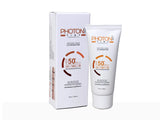
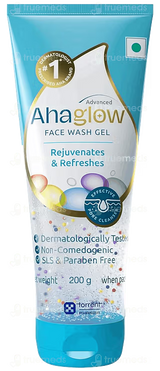
Here are a few examples of categories you can explore on the Allodermis website to align with your goals: a gentle cleanser option like Cetaphil Gentle Cleanser, an oil-control wash such as Cetaphil Pro Oil Control Foam Wash, and targeted sun protection like Acne UV Gel SPF 50. If you also prioritize hydration and comfort, a facial hydrating lotion like Excela Rich Facial Hydrating Lotion can support a stable routine.
If you are evaluating ingredient-based options for uneven tone or acne marks, focus on consistency and tolerance. Your provider should connect the in-clinic approach with your home care steps so that you are not working against your own skin barrier.

Aftercare flow: sunscreen shield, moisturizer drop, calm check
How to coordinate clinic care with home care
The most effective programs align your home routine with what happens during the professional session. For example, if the provider focuses on exfoliation or resurfacing, your aftercare plan typically emphasizes hydration, gentle cleansing, and daily ultraviolet protection. If the focus is calming and hydration, your routine should avoid unnecessary strong actives right after treatment.
In practice, coordination means you do not guess. You follow an aftercare plan with clear steps and timing. When your skin feels stable, you can add targeted products more confidently. This approach reduces the likelihood of setbacks and helps you maintain steady progress.
Wrap-Up & Key Insights
Professional skin treatments can improve skin clarity, tone, and comfort when they are matched to your skin type and supported by consistent at-home care. The safest path includes a thorough intake, a conservative progression, and clear aftercare instructions. Avoid the most common mistakes: rushing intensity, ignoring sun protection, and stacking incompatible actives.
If you want to build results that last, treat your skincare routine as part of the treatment itself. Start with barrier support, use sunscreen daily, and introduce new products slowly. For additional wellness perspectives that may complement skin self-care habits, you can explore IrvMikaTheBody&HairChef as a general lifestyle resource.
Next step: Review your current routine, list your top skin concerns, and choose a professional skin treatment plan that includes a personalized schedule and aftercare guidance.
Q&A Section
Are professional skin treatments safe for sensitive skin?
They can be safe when the provider conducts a proper intake and selects conservative steps based on your sensitivity. A reliable plan includes barrier support, gradual progression, and clear instructions for aftercare. If you have a history of irritation, you should ask which elements will be adjusted first and how your skin will be monitored between sessions.
How long does it take to see results from professional skin treatments?
Results often develop gradually, especially when the goal involves texture, tone, or post-acne changes. Providers typically design a phased schedule rather than a single-session expectation. If improvements are not visible after an appropriate period, the plan should be reassessed to confirm compatibility with your skin and routine.
What should I do immediately after a professional appointment?
Follow the aftercare instructions provided by your clinic. In many cases, the safest approach includes gentle cleansing, consistent moisturizing, and strict sunscreen use. You should also avoid introducing new strong actives immediately after treatment unless your provider specifically instructs it. If you experience persistent burning, unusual swelling, or worsening irritation, contact the provider for guidance.
Can I use active ingredients at home while receiving professional skin treatments?
Yes, but compatibility is essential. Your provider should guide which actives to use, how often, and which ones to pause temporarily. When you coordinate home care with in-clinic work, your routine supports the treatment rather than increasing irritation. When in doubt, prioritize hydration and sun protection and introduce actives gradually.
Disclaimer: This article is for educational purposes only and does not replace medical advice, diagnosis, or treatment from a qualified healthcare professional. Individual results vary. If you have a skin condition, persistent symptoms, or a history of adverse reactions, consult a qualified clinician before starting any professional skin treatments or skincare protocol.
About the Author
Allodermis is supported by skincare education expertise focused on evidence-aligned routines and responsible ingredient guidance. The author team emphasizes safety, barrier care, and practical planning for professional skin treatments that fit real lifestyles. We aim to help you make informed choices with confidence and clarity. Thank you for reading, and we wish you consistent, comfortable progress in your skincare journey.


