











Skin Rejuvenation Procedures: Complete Guide and Tips

Updated on: 2026-06-01
Skin rejuvenation procedures can improve the look of texture, tone, and glow when they are matched to your skin needs. The most effective plan usually combines the right in-clinic treatment with consistent daily care. Myths about instant results often lead people to choose options that do not fit their concerns. This guide explains how to evaluate common skin rejuvenation choices, what to expect, and how to build a safe routine that supports long-term results.
3. How to Choose the Right Skin Rejuvenation Procedures
4. What to Expect Before, During, and After
5. Aftercare That Supports Rejuvenation
Myths vs. Facts
-
Myth: Skin rejuvenation procedures always deliver dramatic change in a single visit.
Fact: Many rejuvenation outcomes build gradually as skin cycles progress and inflammation settles.
-
Myth: One treatment type fits every skin concern.
Fact: Treatment selection depends on goals such as fine lines, uneven tone, acne scarring, or visible pores.
-
Myth: Stronger energy or deeper treatment is automatically better.
Fact: The safest approach is appropriate intensity with careful patient screening and risk mitigation.
-
Myth: Aftercare matters only after the procedure ends.
Fact: Daily protection and barrier support often influence how well the skin tolerates treatments.
-
Myth: At-home skincare can replace professional treatment for all concerns.
Fact: At-home products can support results, but certain issues may require in-clinic modalities.
Personal Experience
I have observed that the biggest shift happens when people stop chasing one “magic” option and start treating skin as a system. In consultations, many clients arrive focused on a single word such as “brightening” or “tightening.” After a careful assessment of texture, sensitivity, and day-to-day habits, their plans become more grounded. When the routine includes sun protection, gentle cleansing, and targeted actives, the skin often looks calmer and more even over time. That experience reinforced a simple principle: skin rejuvenation procedures are most successful when they are paired with consistent, realistic care.
How to Choose the Right Skin Rejuvenation Procedures
Choosing skin rejuvenation procedures begins with clear goals. Ask what you want to improve: fine lines, uneven tone, dullness, enlarged pores, acne marks, or overall texture. Then assess skin behavior such as sensitivity, dryness, oiliness, and how your skin reacts to active ingredients. This creates a practical direction for discussion with a qualified clinician.
1) Align the procedure with your primary concern
Different modalities address different targets. Some options are designed to improve surface texture and promote a smoother appearance. Others focus on color irregularities. If you select based on marketing rather than goals, you may invest in a procedure that does not match the underlying issue.
2) Consider your skin tolerance and barrier status
A healthy skin barrier reduces irritation and supports recovery. If your skin is frequently reactive, you may need a short preparation phase that emphasizes gentle cleansing, moisturizing, and sun protection. This does not mean you cannot pursue rejuvenation. It means you may need a more supportive plan first.
3) Evaluate downtime, comfort, and timing
Many people choose around major events, but a better approach is to choose based on recovery needs and your routine flexibility. Even when downtime is limited, your skin may require extra care afterward. Planning reduces stress and helps you follow aftercare guidance.
4) Ask about risk management and screening
Reputable providers screen for conditions that can affect safety and outcomes. These include a history of abnormal scarring, active skin infections, and other factors that influence healing. You should also discuss patch testing for topical regimens if you plan to use stronger actives before or after procedures.
5) Build a plan that includes supportive skincare
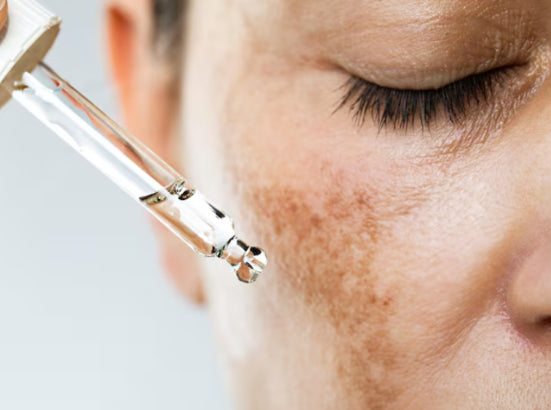
Professional treatments work best when you keep the rest of the routine stable. Consistent sunscreen use, gentle cleansing, and barrier support create a foundation. Targeted serums can support pigmentation control and texture goals when used responsibly.
If you want to strengthen your baseline routine, consider a gentle cleanser such as Cetaphil Gentle Cleanser for daily use. Pairing a stable cleanse with a moisturizer and broad-spectrum sun protection often helps many skin types maintain comfort while pursuing rejuvenation goals.
What to Expect Before, During, and After
Understanding the workflow of skin rejuvenation procedures can help you feel prepared. While exact steps vary by provider and modality, most evidence-informed experiences share common themes: pre-procedure evaluation, an appropriate treatment plan, and structured aftercare.
Before the procedure
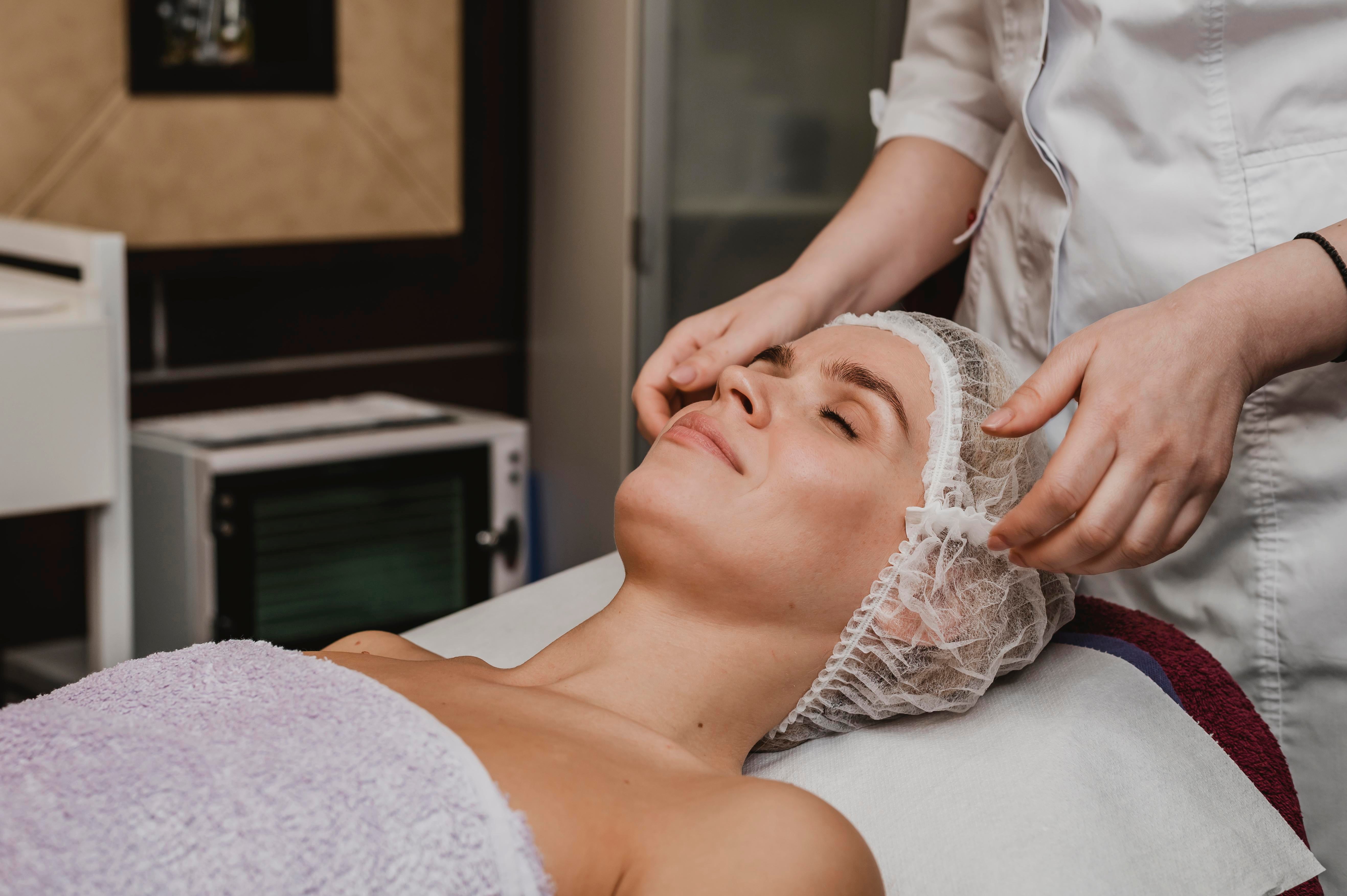
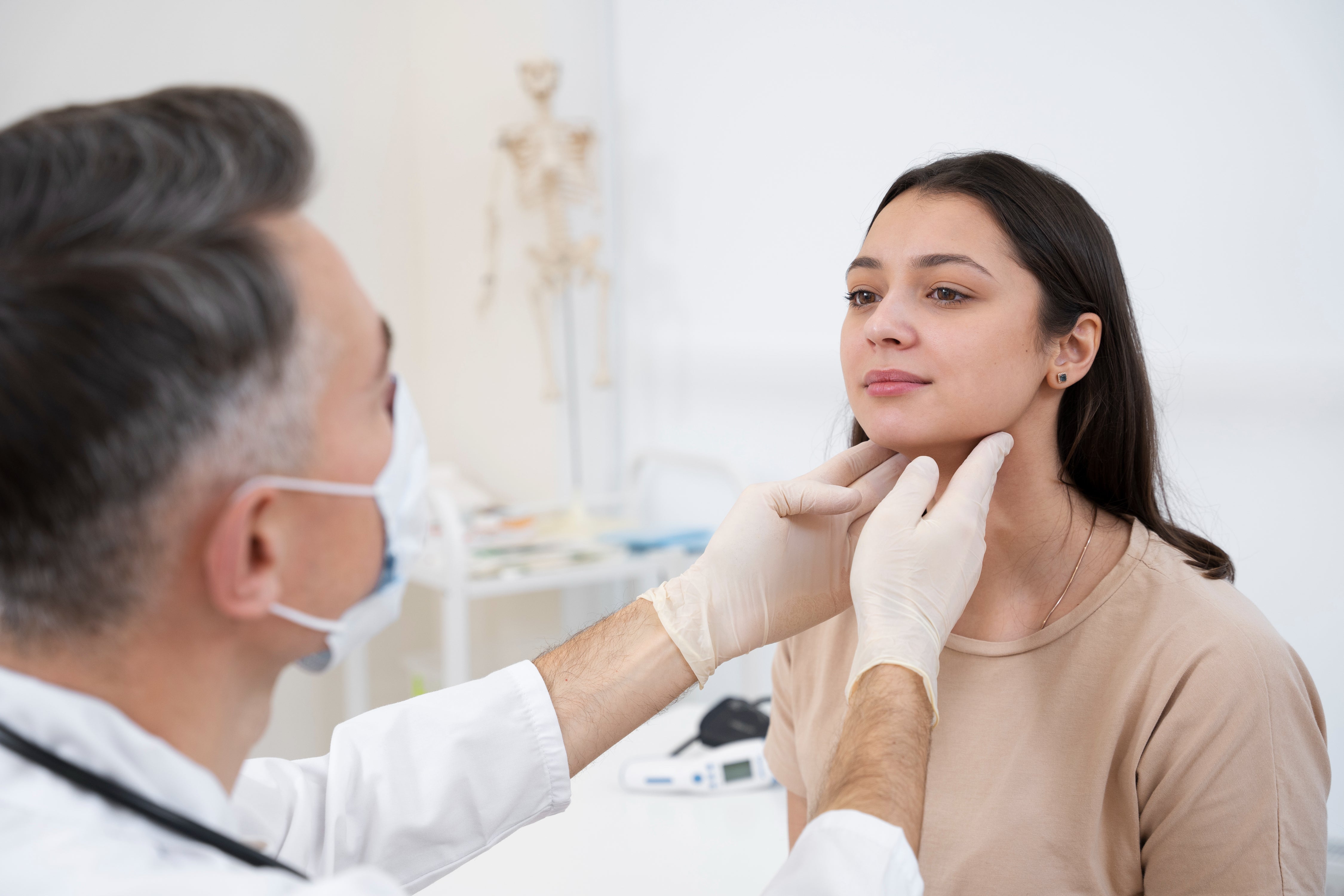
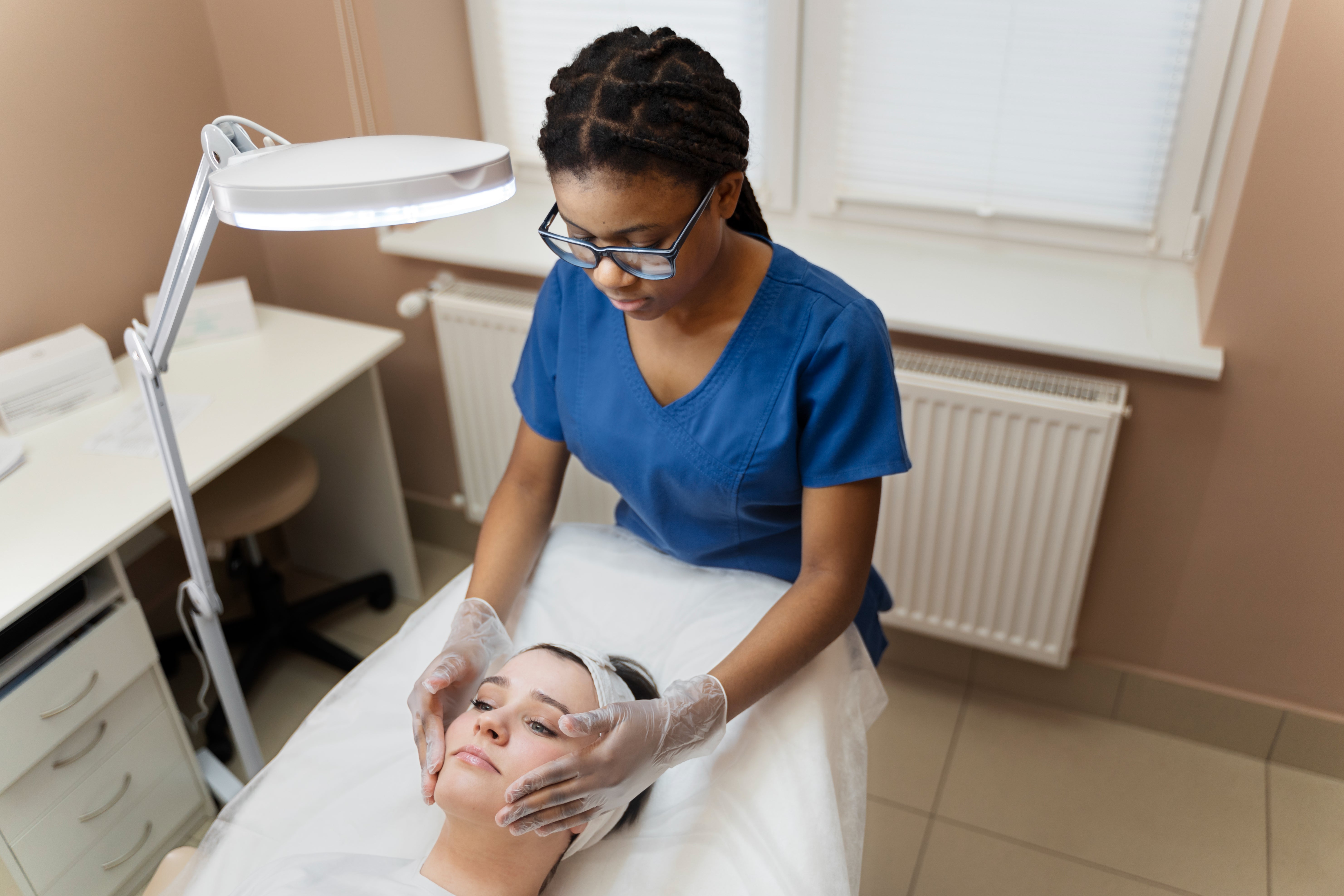
A qualified assessment usually reviews your history, current skincare, and visible concerns. Providers may ask about recent product changes, sensitivity, and sun exposure. In many plans, clinicians recommend minimizing new or harsh products shortly before treatment to reduce irritation risks.
During the procedure
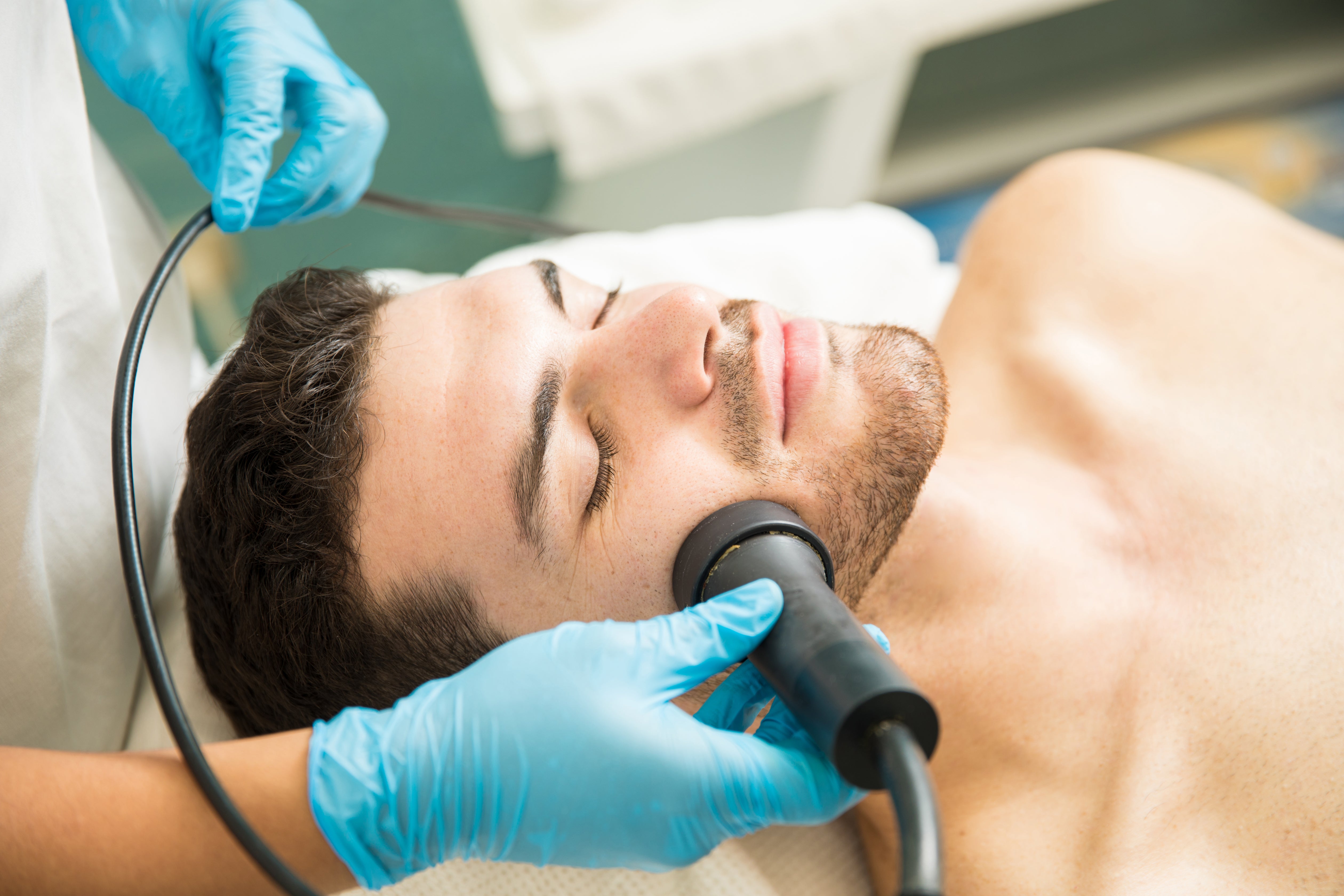
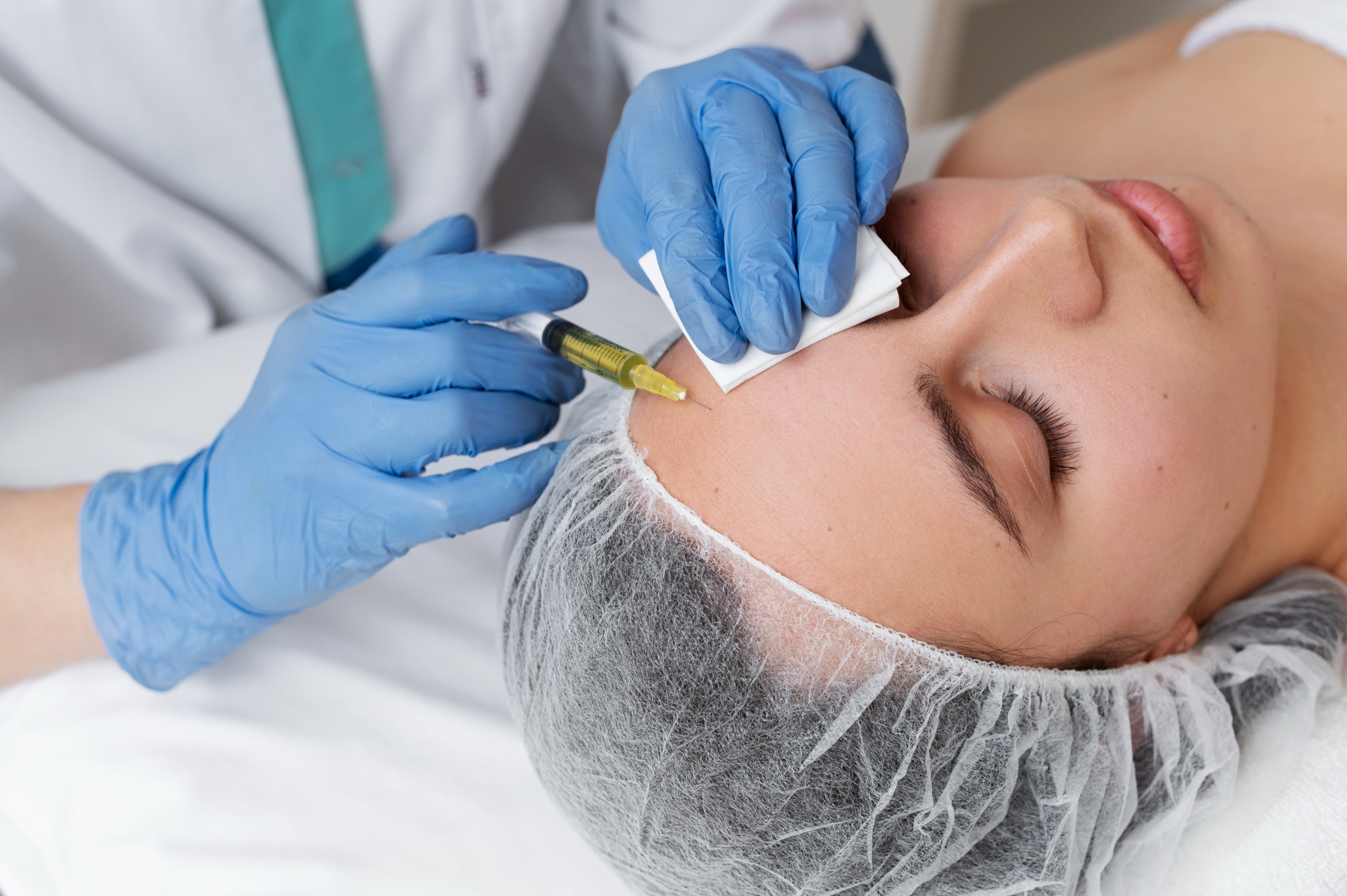
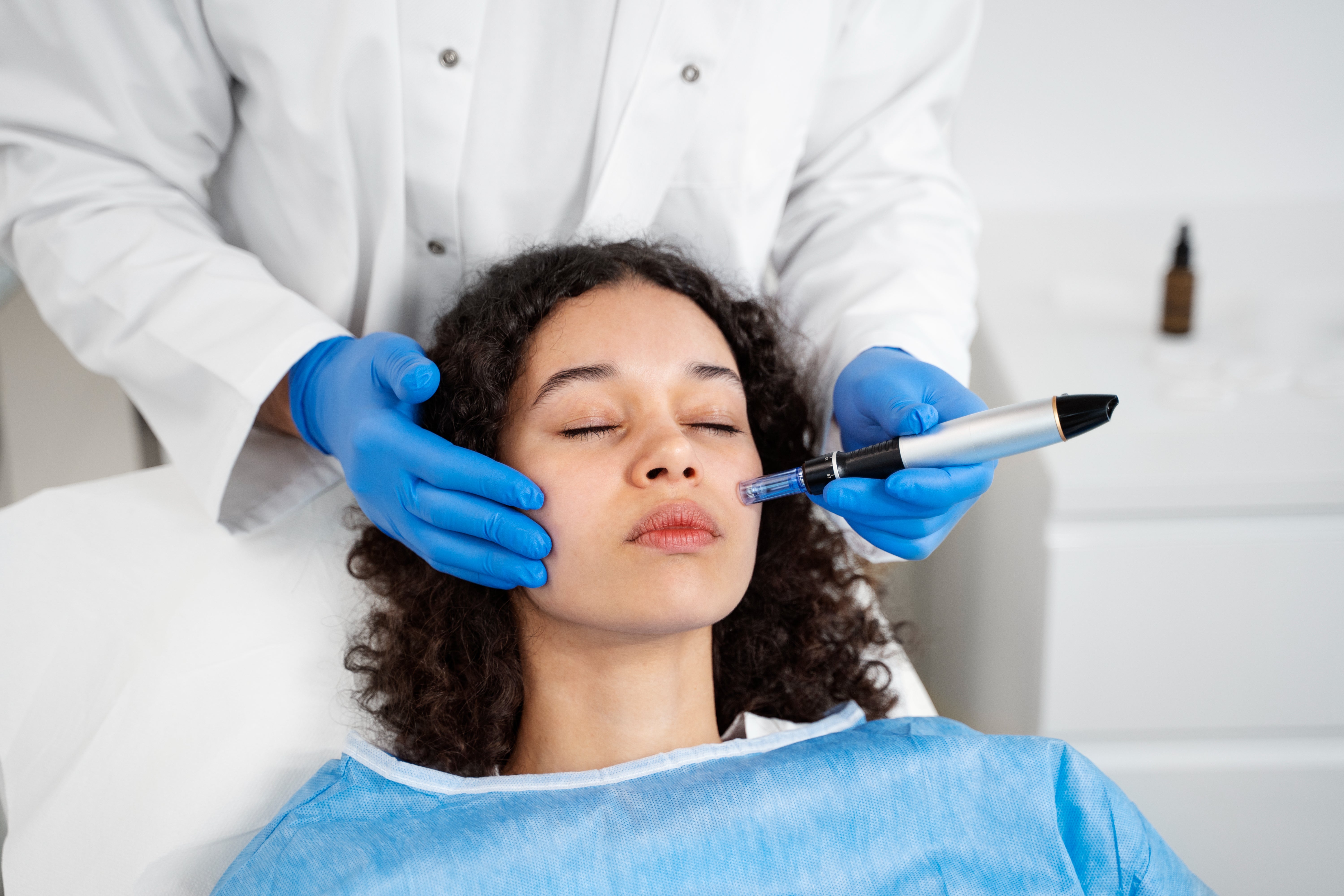
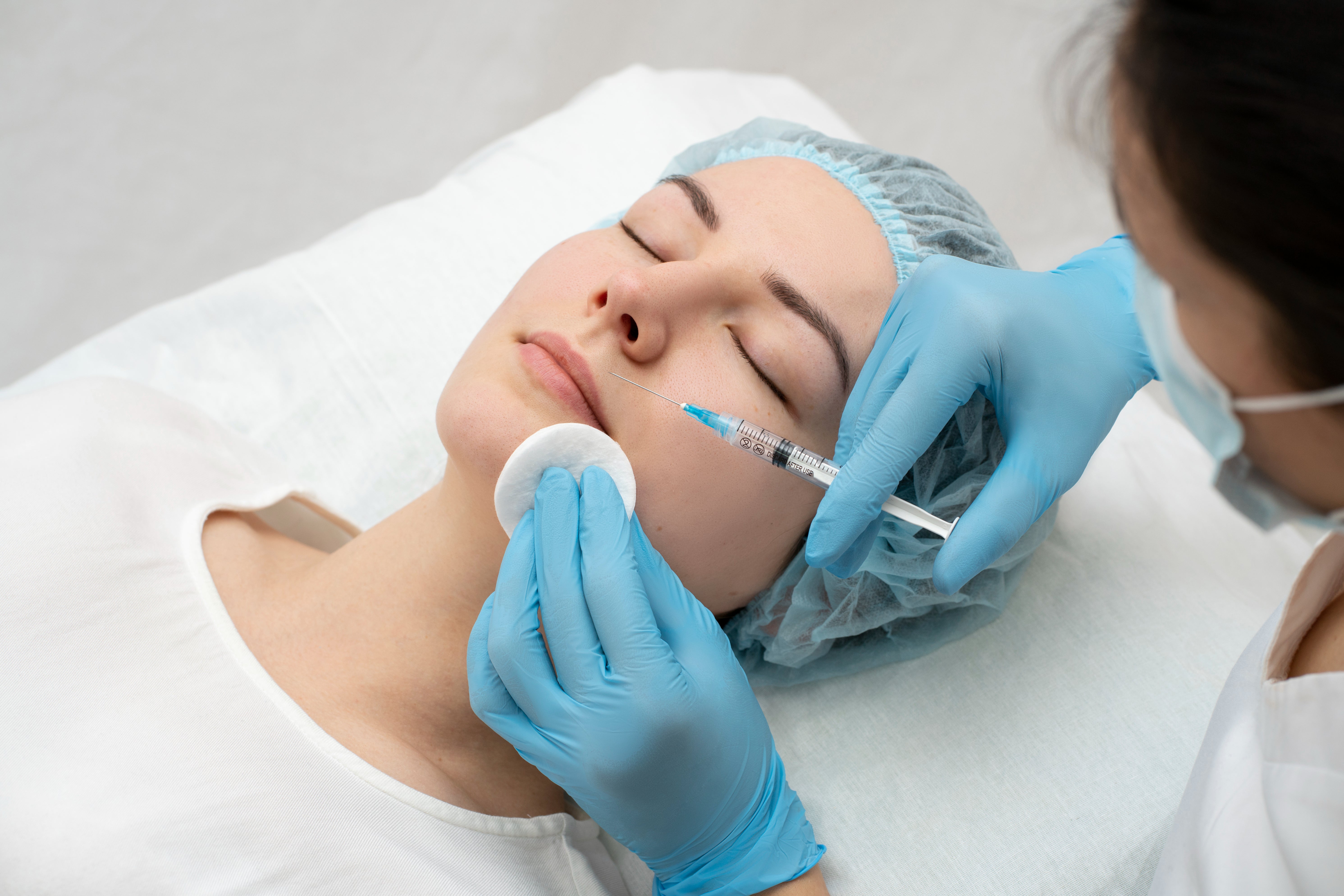
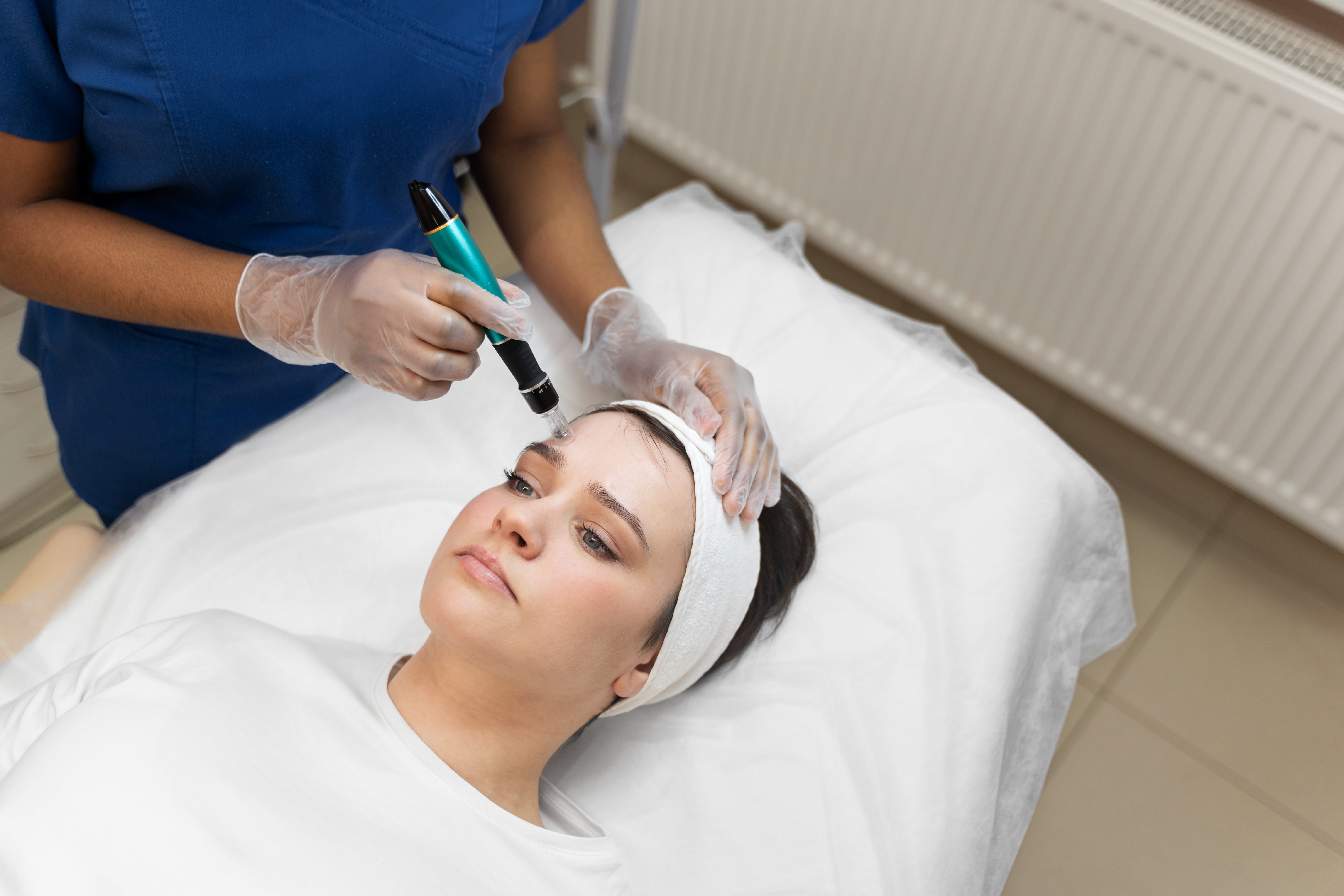
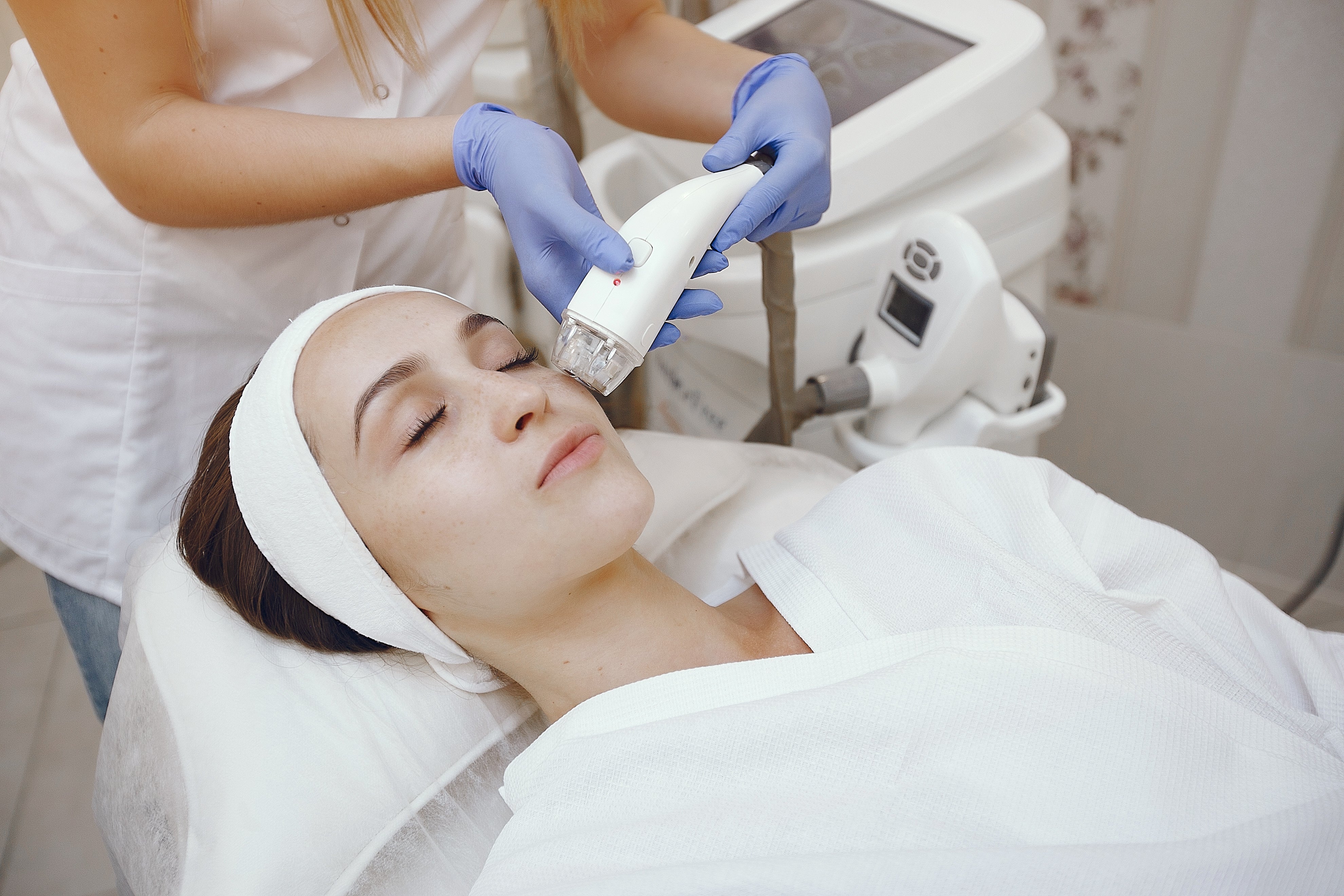
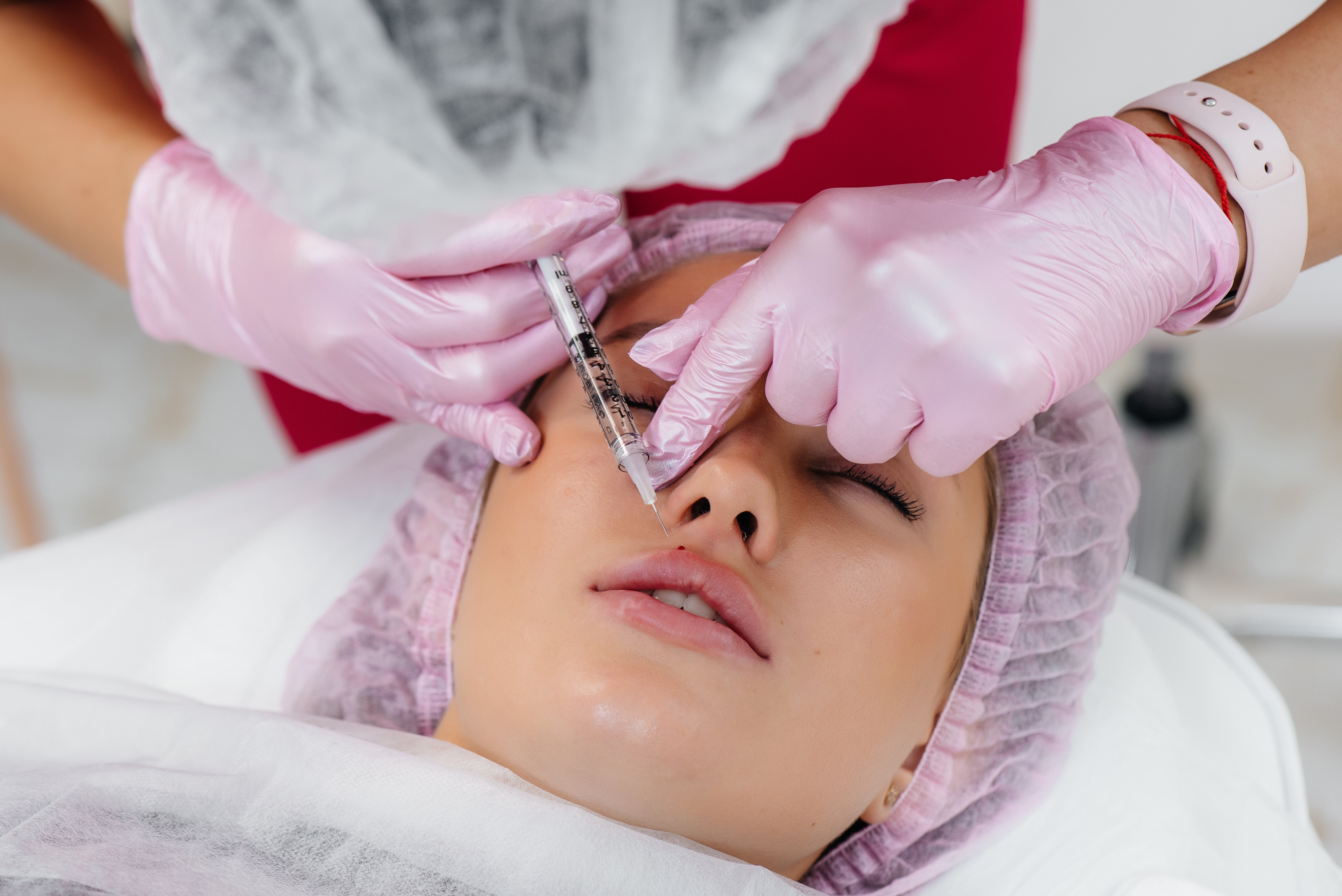
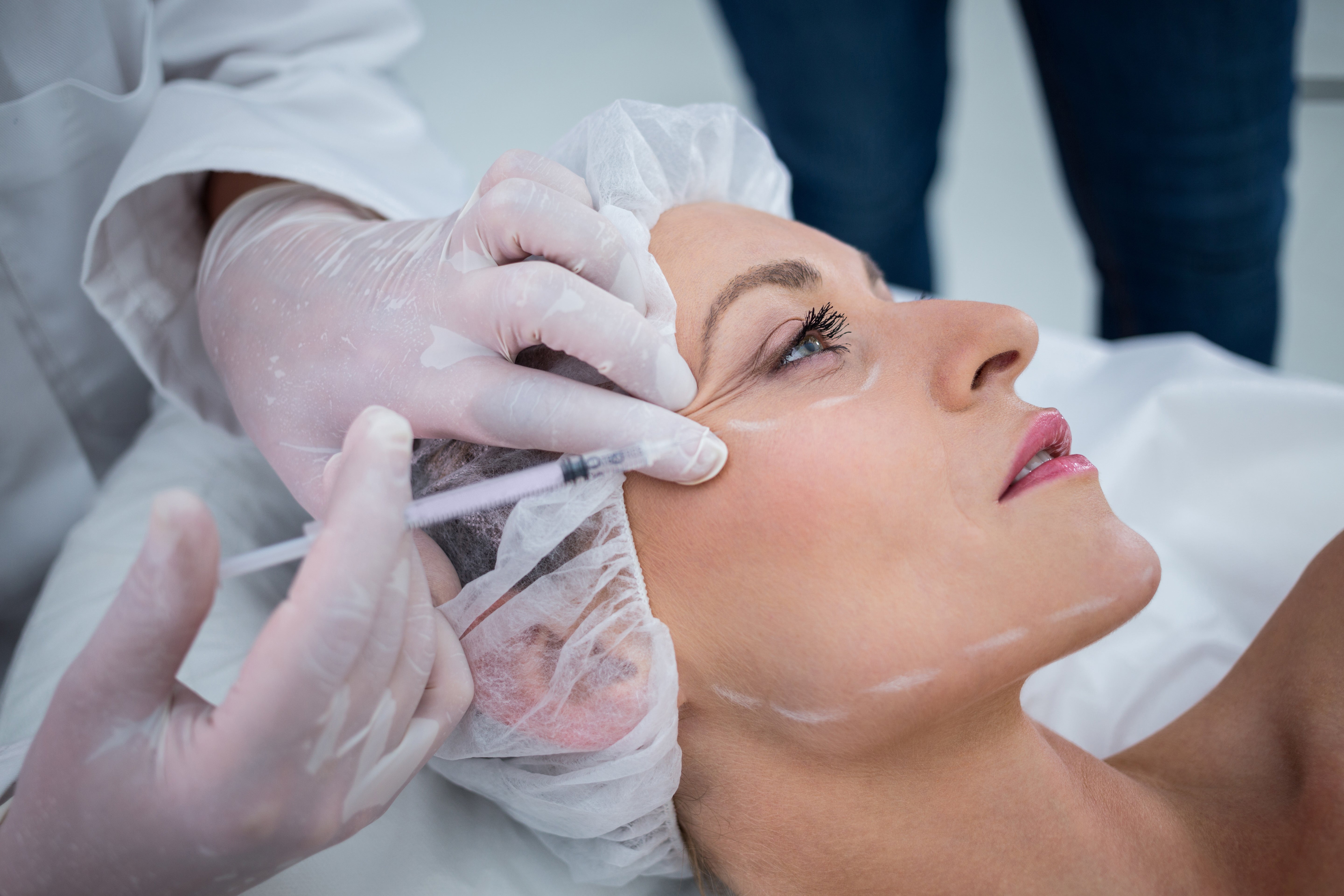
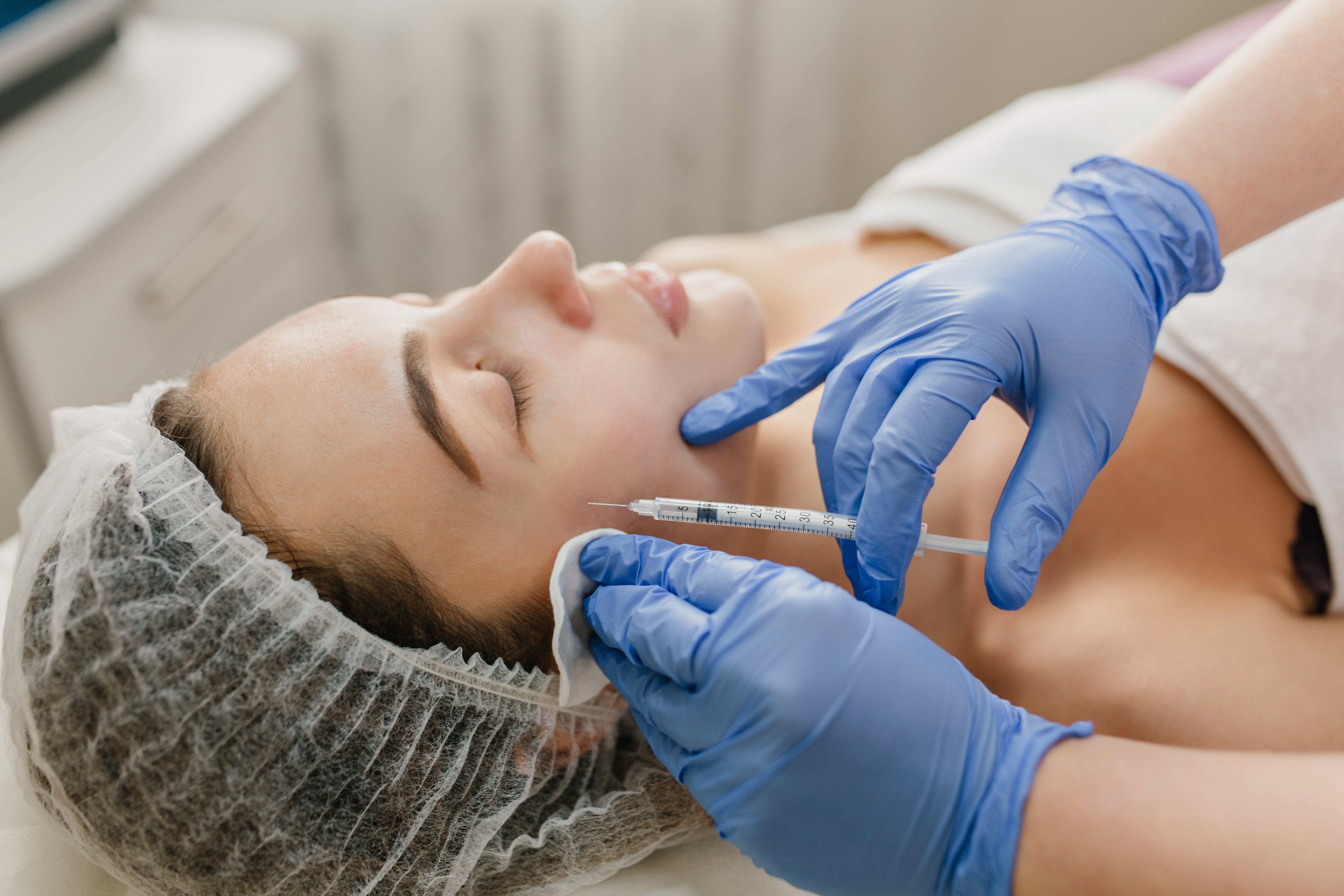
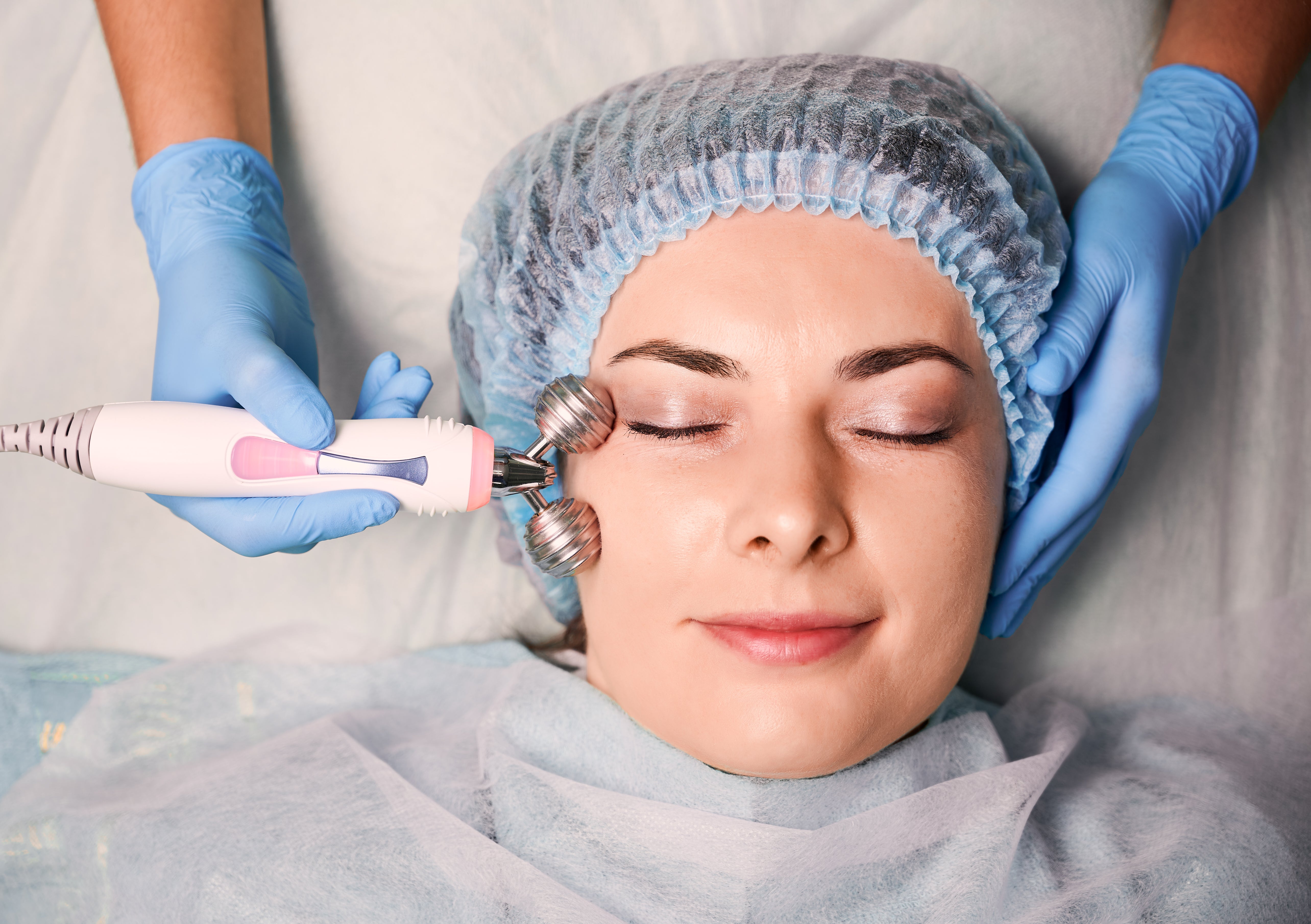
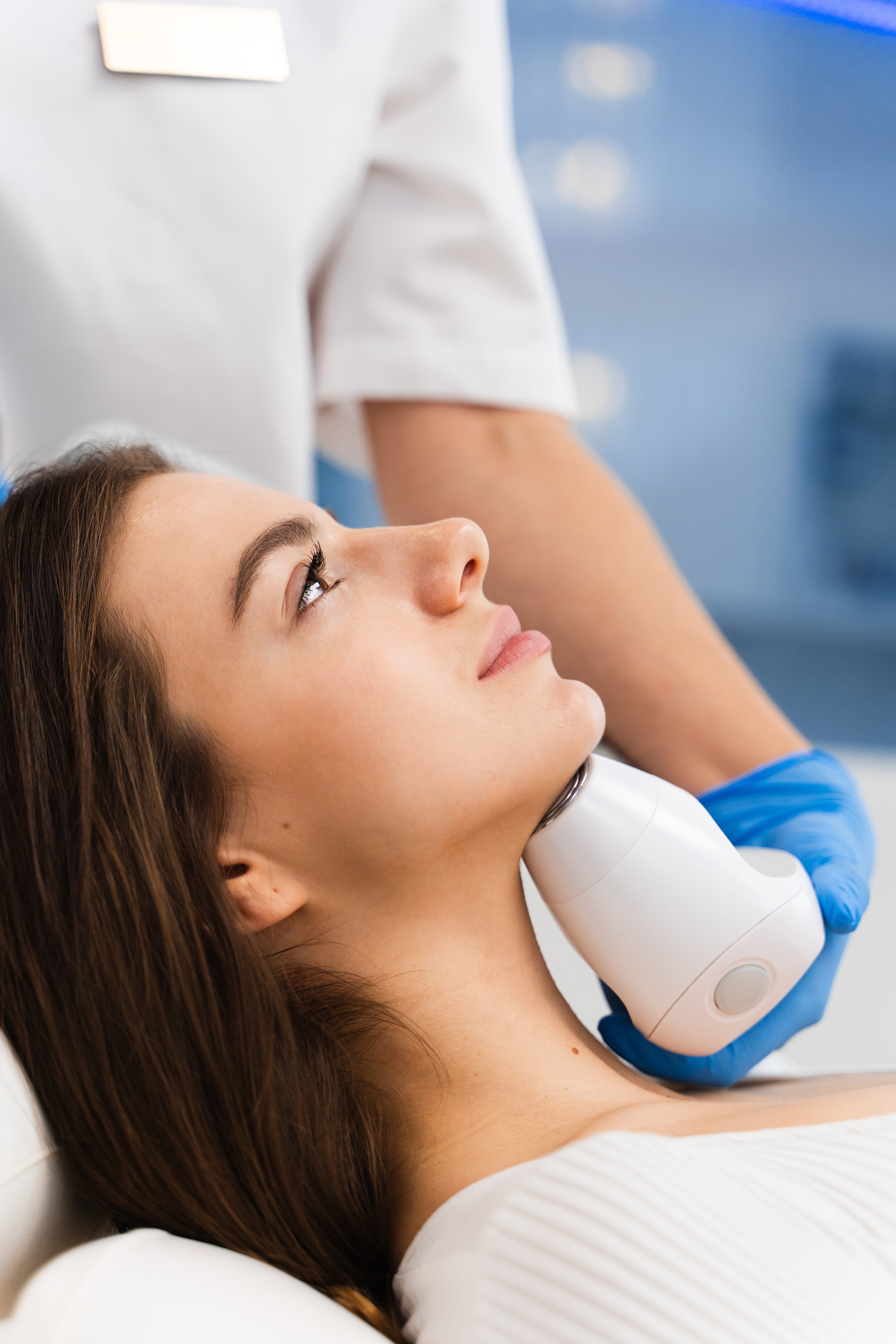
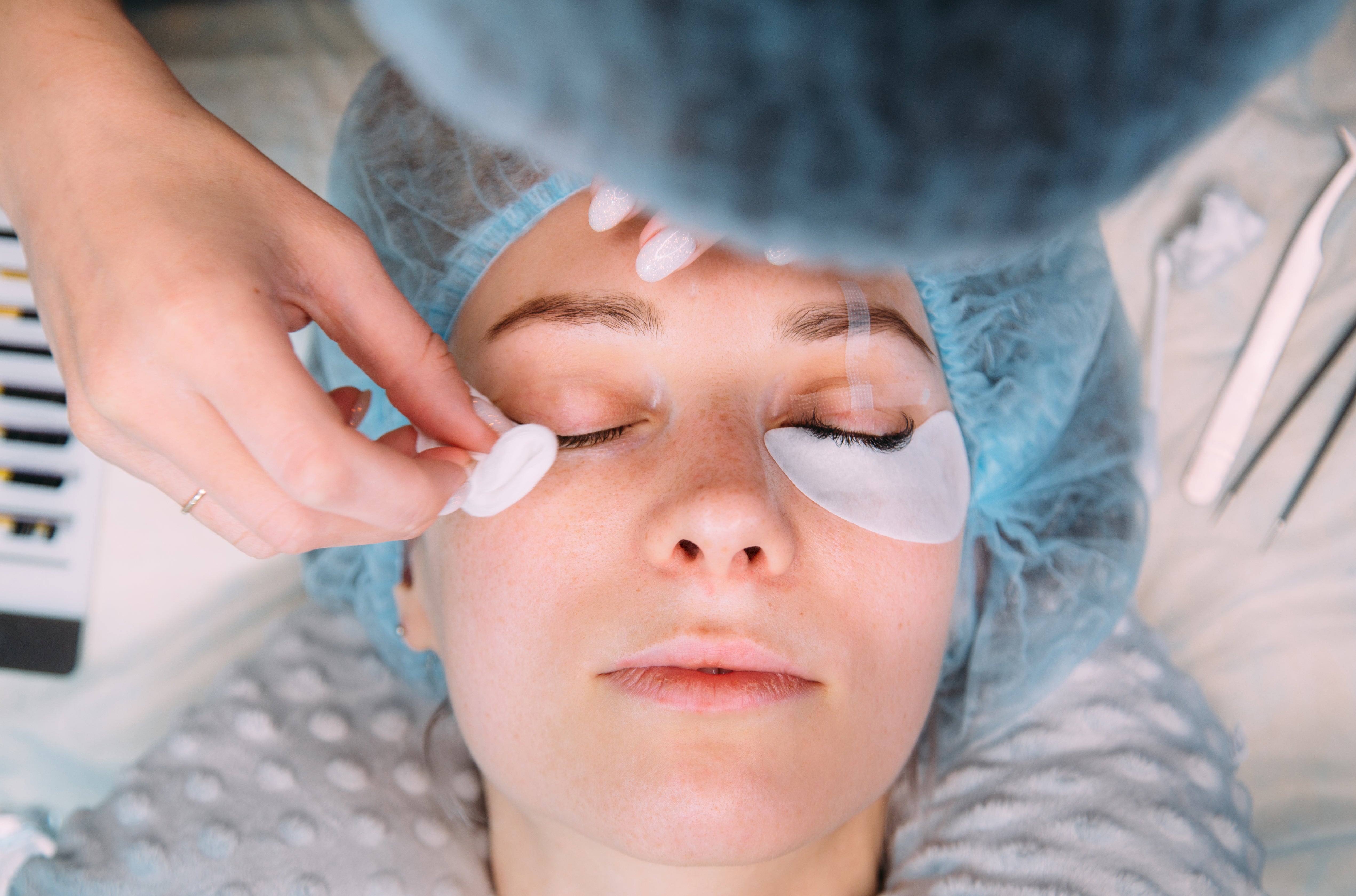
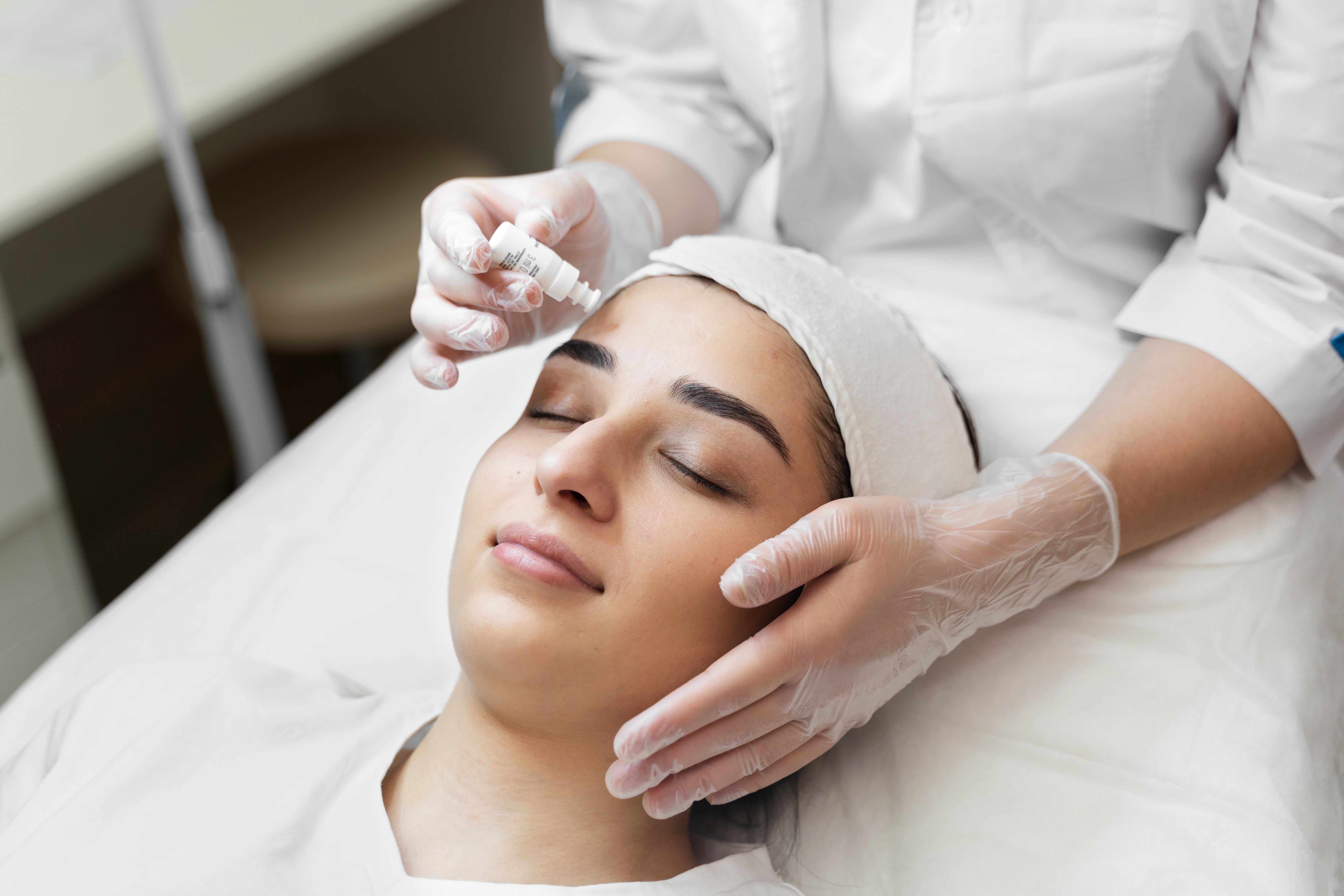
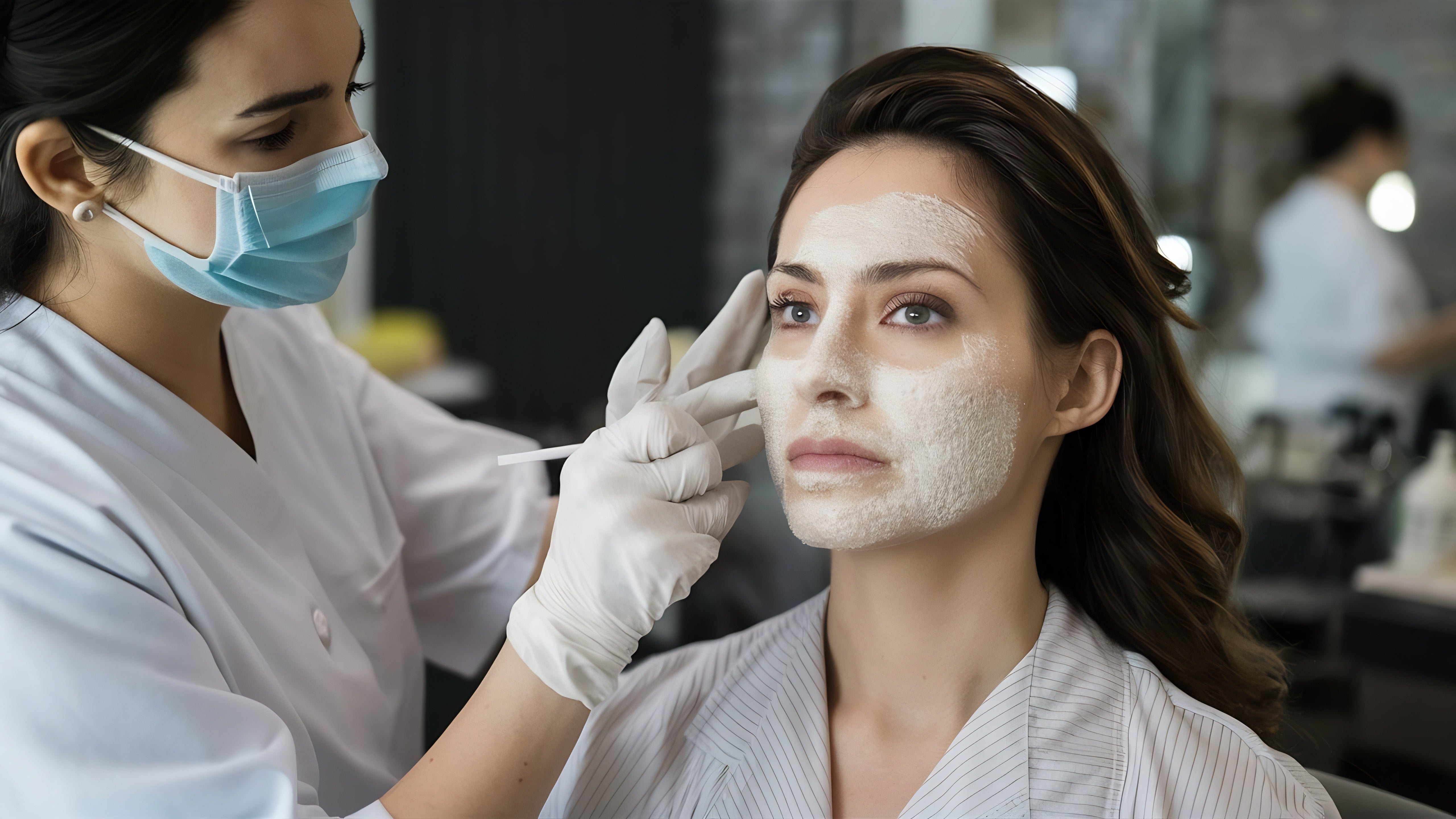
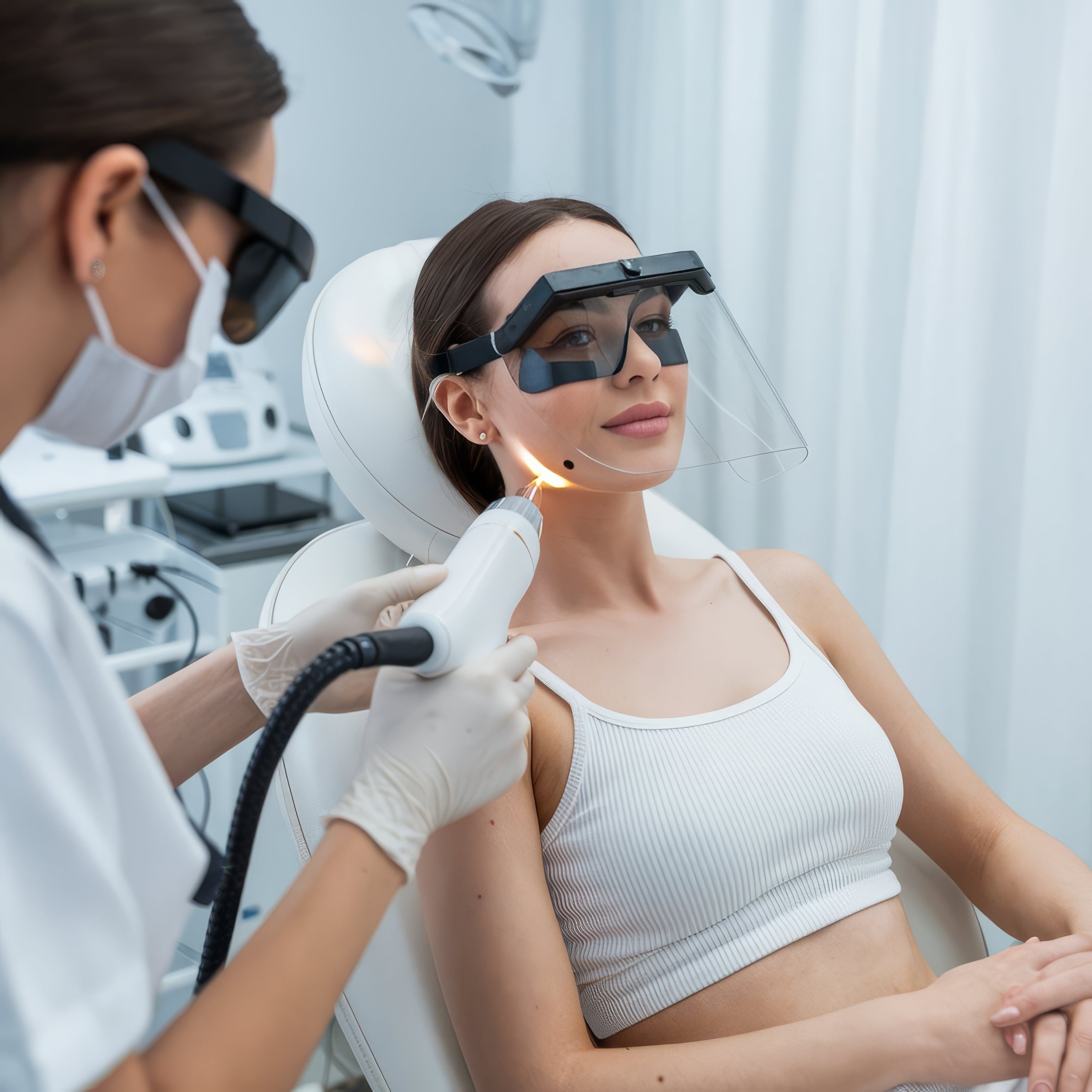
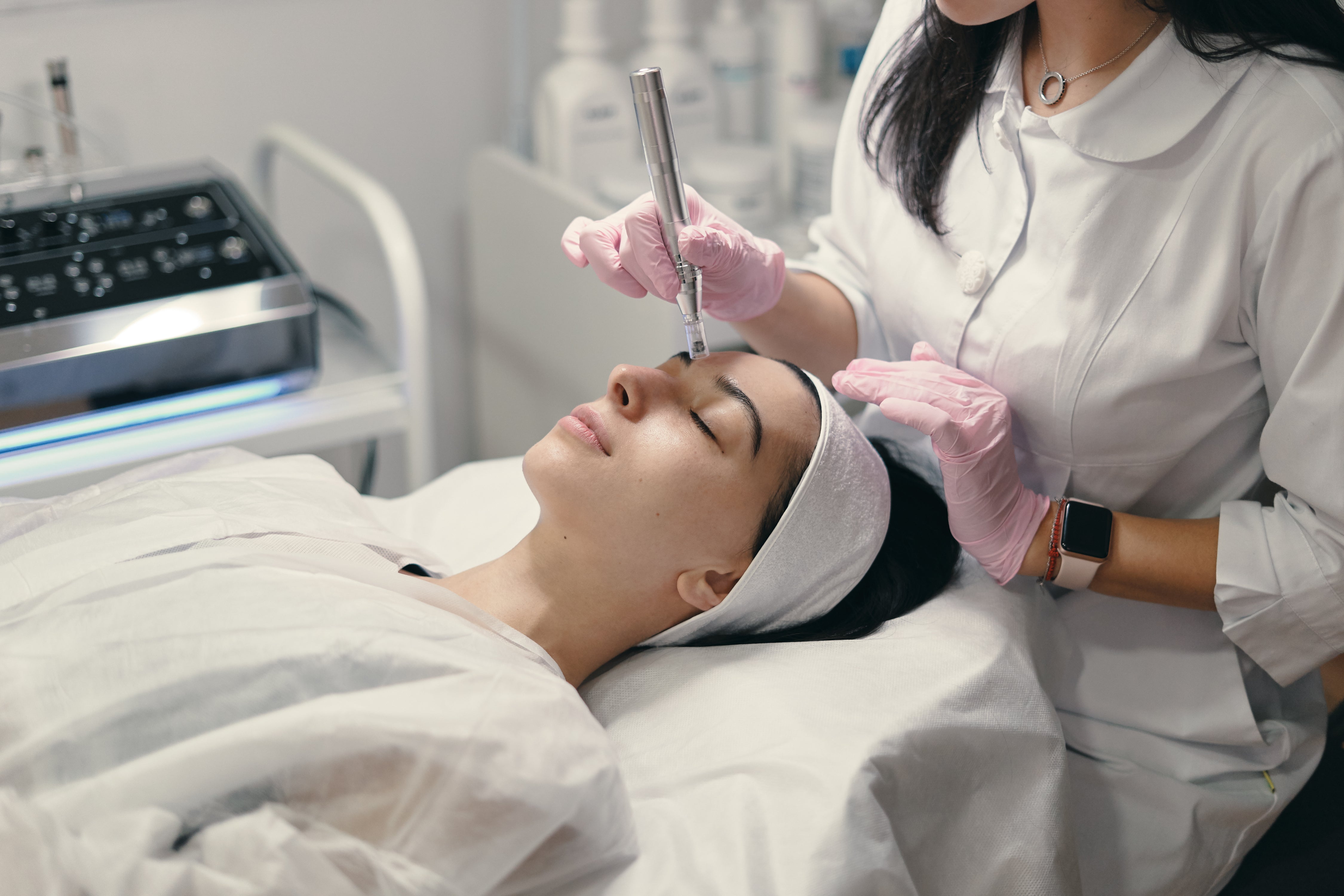
During treatment, the clinician manages comfort and applies the chosen modality with care. Clear communication is important. You should feel able to ask questions about sensations, expected appearance changes, and protective steps. Professional standards often include hygiene protocols and post-treatment instructions.
After the procedure
Aftercare commonly includes barrier-friendly care, sun avoidance strategies when appropriate, and temporary simplification of the routine. Many people notice changes such as improved tone or texture over time, but the most realistic goal is progress rather than perfection. Skin may appear different during healing phases, and consistent care helps it stabilize.
For sun protection support, many dermatology-aligned routines include a reliable daily SPF. If you use a targeted product, choose it carefully based on your skin type. For example, IPCA Acne UV Gel SPF 50 is an option designed for acne-prone routines, which can be relevant when planning around rejuvenation outcomes.
Aftercare That Supports Rejuvenation
Aftercare is not a formality. It is a key part of how skin responds to treatment. Your primary responsibilities are protecting from ultraviolet exposure, maintaining hydration, and using gentle products that reduce irritation.
Prioritize sun protection
Ultraviolet exposure can worsen uneven tone and slow recovery. A broad-spectrum sunscreen helps protect your skin from daily environmental stress. In addition, consider physical shade strategies such as hats and avoiding prolonged peak sun when practical. Consistency matters more than occasional heavy application.
Support the barrier with moisturizing care
Moisture reduces discomfort and helps skin tolerate routine changes. Look for formulas that are compatible with sensitive skin. If your skin is dry, a simple moisturizer can prevent tightness and visible flaking that may interfere with comfortable healing.
When planning actives, use a conservative approach. If you are unsure whether a serum is suitable after treatment, follow the provider guidance. A slow reintroduction often reduces the chance of irritation.
Use targeted ingredients with care
Some clients benefit from pigmentation support and soothing actives after rejuvenation. However, tolerance should guide selection. Ingredients such as vitamin C, niacinamide, and gentle exfoliation agents can support tone and brightness for many people, but overuse can create redness and dryness.
For example, Dermatica AZE Proactive Serum may be considered in routines that require proactive skin management. Integrating any active after a procedure should be done with care and ideally with clinician-approved timing.
Avoid unnecessary irritation
For a period after treatment, avoid aggressive scrubs and harsh cleansing strategies. Do not layer multiple strong actives at once. If irritation increases, pause additional actives and focus on basic barrier support until the skin stabilizes.
Building an Evidence-Informed Routine
A practical routine is one that you can maintain. Many people fail because their routine becomes inconsistent, overly complex, or full of products that conflict with each other. Build your skin support plan in layers: cleanse gently, moisturize, protect with sunscreen, and then add targeted treatment steps based on your concerns.
Step 1: Cleanse gently
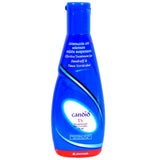
Use a gentle cleanser to remove daily debris without stripping your skin. Over-cleansing can increase dryness and sensitivity. For daily use, consider Cetaphil PRO Oil Control Foam Wash if you experience excess oil. If your skin is not oily, gentler options may be more comfortable.
Step 2: Treat with targeted support
Targeted serums can support tone and texture goals. Vitamin C products are commonly used for brightness and antioxidant support, while other formulas support smoother skin appearance and overall radiance.
If pigmentation is a key concern, options such as Sesderma C-Vit Liposomal Serum can be considered as part of a well-tolerated regimen. Always introduce actives gradually and stop if irritation occurs.
Step 3: Moisturize to reduce friction
Moisturizers help support comfort and reduce the risk of micro-irritation. When your skin feels stable, you may tolerate targeted ingredients more easily.
If you are exploring brightening-oriented moisturizers, consider Melaglow Rich Cream as an option within a broader plan. Compatibility depends on skin type and sensitivity, so patch testing and slow integration are prudent.
Step 4: Protect every day
Daily SPF is essential. Rejuvenation work often aims to improve clarity and tone. Without sun protection, progress can be limited and new unevenness can appear. Choose a sunscreen that you can apply consistently and comfortably.
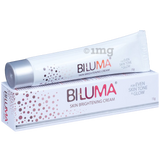
For individuals who prefer a brightening sunscreen approach, Fixderma Shadow Sunscreen Cream can be considered as part of a daily protective routine. Select the formula that matches your skin preference and tolerability.
Step 5: Track outcomes with realistic expectations
Skin changes can be subtle at first. A consistent routine makes it easier to notice improvements in texture, clarity, and comfort. Instead of comparing yourself to others, track your own progress using clear photos in consistent lighting. This helps you understand what is working and what needs adjustment.
Final Thoughts & Takeaways
Skin rejuvenation procedures can be a powerful option when they are chosen for the correct concern and paired with consistent aftercare. The best outcomes typically come from a plan that prioritizes barrier health, sun protection, and responsible reintroduction of targeted ingredients. Avoid quick-fix thinking, because skin improvement often reflects gradual healing and steady support. If you approach rejuvenation as a long-term skin strategy rather than a one-time event, your results are more likely to feel stable and natural.
Q&A Section
What are the most common skin rejuvenation procedure goals?
People usually seek improved texture, smoother skin appearance, more even tone, and a refreshed glow. Some aim to reduce the look of fine lines, while others want support for acne marks or overall radiance. A clinician can help align the modality selection with your primary concern and skin tolerance.
How soon can I expect visible results from skin rejuvenation procedures?
Visible changes often develop over time as the skin settles and rebuilds. The exact timing depends on the procedure type, your skin response, and how consistently you follow aftercare. Instead of expecting immediate perfection, focus on gradual progress and provide your skin with stable daily support.
Can I use skincare actives after a rejuvenation procedure?
In many cases, actives can support results, but timing and tolerance are critical. After treatment, your clinician may recommend simplifying the routine first, then reintroducing specific ingredients slowly. If irritation occurs, reduce frequency and prioritize barrier support until the skin stabilizes.
How do I know if a procedure is appropriate for my skin type?
Appropriateness depends on more than skin type. It also depends on your sensitivity level, current barrier status, history of reactions, and the exact concern you want to address. A qualified provider will assess these factors and propose a plan that manages risk while supporting your goals.
About the Author
Allodermis is represented by a team of skincare and content specialists focused on evidence-aligned education and practical routine design. The author brings expertise in dermatology-inspired skincare frameworks, barrier care principles, and ingredient-informed guidance for daily use. This content is intended to help readers make informed decisions about skin rejuvenation procedures with a focus on safety and realistic outcomes. Thank you for reading, and you are encouraged to consult a qualified professional for personalized guidance.
Disclaimer: This article is for educational purposes only and does not provide medical advice. Individual results vary, and procedures and skincare regimens should be discussed with a qualified healthcare professional or licensed clinician. If you have a skin condition, allergies, or a history of adverse reactions, seek personalized guidance before making decisions about skin rejuvenation procedures.
Authors & medical review
Swaraj Dhar is a sociopreneur, technologist, and the co-founder of Allodermis.
Every article is fact-checked against current peer-reviewed dermatology literature and Allodermis clinical protocols.
This article was last reviewed and updated on . Published .
Have a skin or hair concern?
Book a free consultation with our AIIMS MD dermatologists. Clinics in Bhubaneswar, Gurgaon, and Delhi NCR.