













Skin Rejuvenation Services: Benefits by Skin Type

Updated on: 2026-06-21
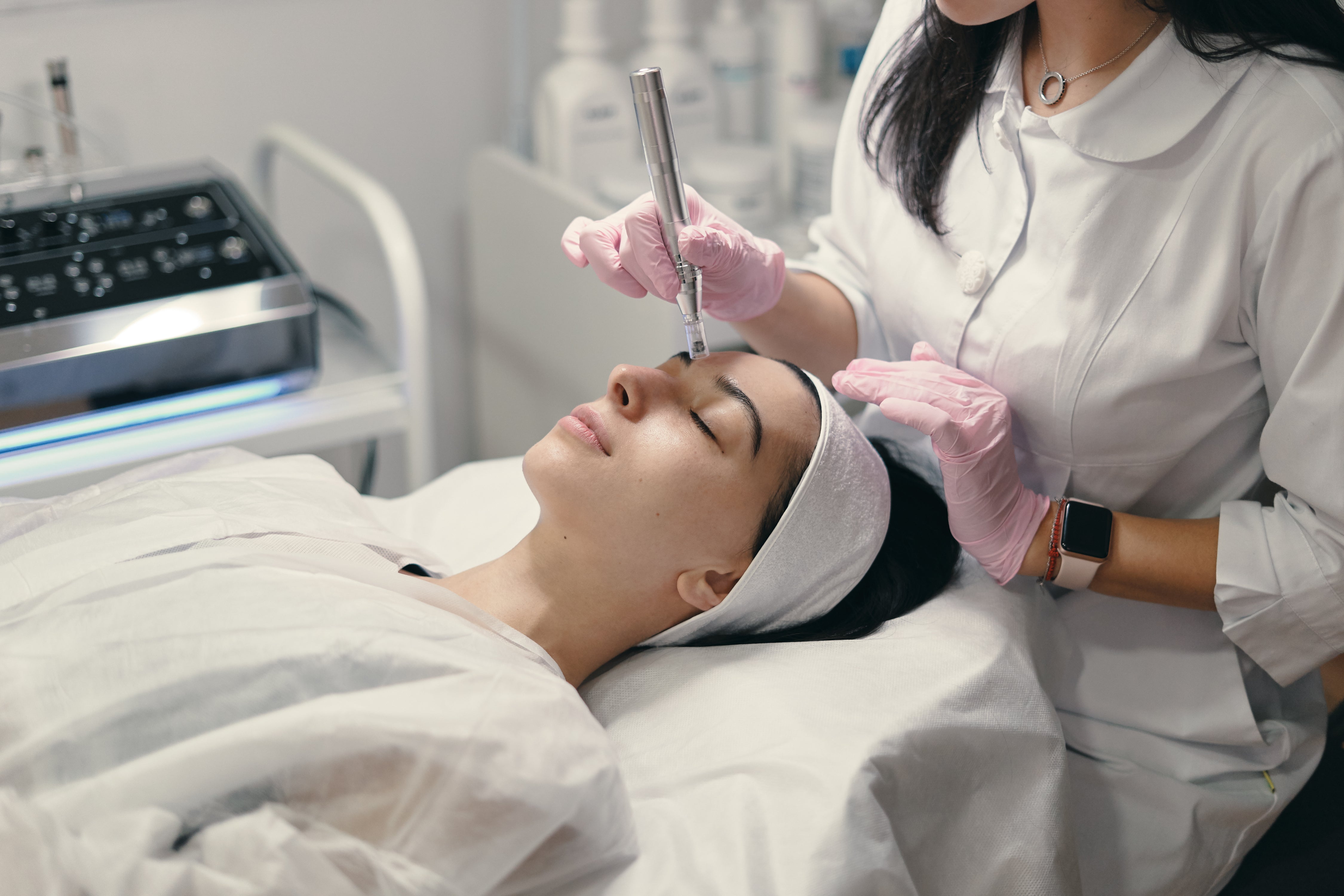
Skin rejuvenation services can help improve the look and feel of the skin across multiple concerns, such as dullness, uneven tone, and texture. The right plan combines professional treatments with careful at-home support and realistic expectations. In this guide, you will learn how to evaluate options, prepare for a session, and maintain results safely. You will also find expert tips, a relatable scenario, and practical answers to common questions.
Table of Contents
1. Introduction
2. Did You Know?
3. Expert Tips
4. Personal Anecdote
5. How Skin Rejuvenation Services Work
6. Choosing the Right Services for Your Skin
7. Preparation and What to Expect
8. Aftercare That Protects Results
9. Myth-Busting for Safer Expectations
10. Visual Guidance
11. Summary & Takeaways
12. Q&A Section
13. About the Author
Skin Rejuvenation Services: A Practical Guide to Smoother-Looking Skin
Skin rejuvenation services have become a key part of modern skincare routines because they address visible concerns in a structured way. Many people want skin that appears brighter, feels smoother, and looks more even. The challenge is choosing services that match your skin needs, lifestyle, and tolerance for downtime. This article explains how professional options typically function, what to consider before committing, and how to maintain results with consistent skin care.
When you approach skin rejuvenation services with a thoughtful plan, you can improve your overall skincare outcomes. You also reduce the risk of disappointment that comes from mismatched expectations. Below, you will find an objective framework you can use to evaluate providers, select appropriate modalities, and support your skin between sessions.
Did You Know?
- Skin rejuvenation services often target multiple layers of skin, not only the surface.
- Consistency and photoprotection are frequently as important as the treatment itself.
- Different skin concerns can share similar root causes, such as inflammation and sun exposure.
- Many plans include both in-clinic work and at-home routines for better stability of results.
- Micro- and macro-texture improvements may take several weeks to look fully integrated.
Expert Tips
- Start with a clear goal statement, such as improving glow, reducing dullness, or refining texture.
- Ask how the plan is customized for your skin type, sensitivity level, and current regimen.
- Request a simple timeline for preparation, session expectations, and maintenance intervals.
- Choose products that support barrier health, especially if your skin is easily reactive.
- Use sunscreen daily and reapply when you spend time outdoors, because light exposure drives ongoing change.
Personal Anecdote
I once evaluated a skincare plan for a client who felt frustrated after using multiple new products at the same time. The goal was “faster results,” but the skin barrier became unstable. Once we paused unnecessary changes, stabilized hydration, and focused on a targeted in-clinic approach, the skin began to look more uniform. The turning point was not one dramatic step; it was a coordinated strategy that balanced treatment and aftercare.
This experience reflects a common pattern: skin rejuvenation services work best when they are integrated into a coherent routine rather than treated as an isolated event.
How Skin Rejuvenation Services Work
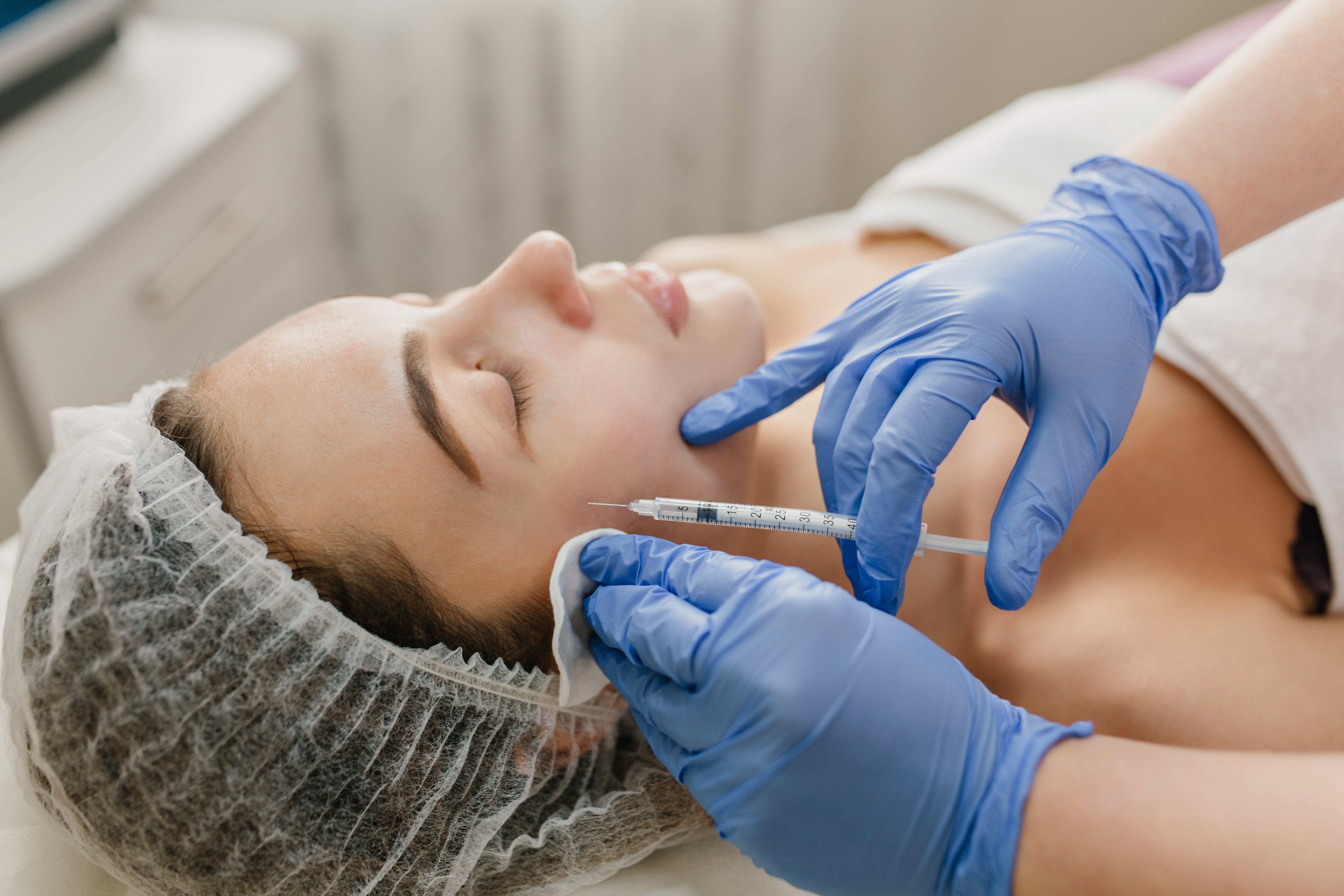
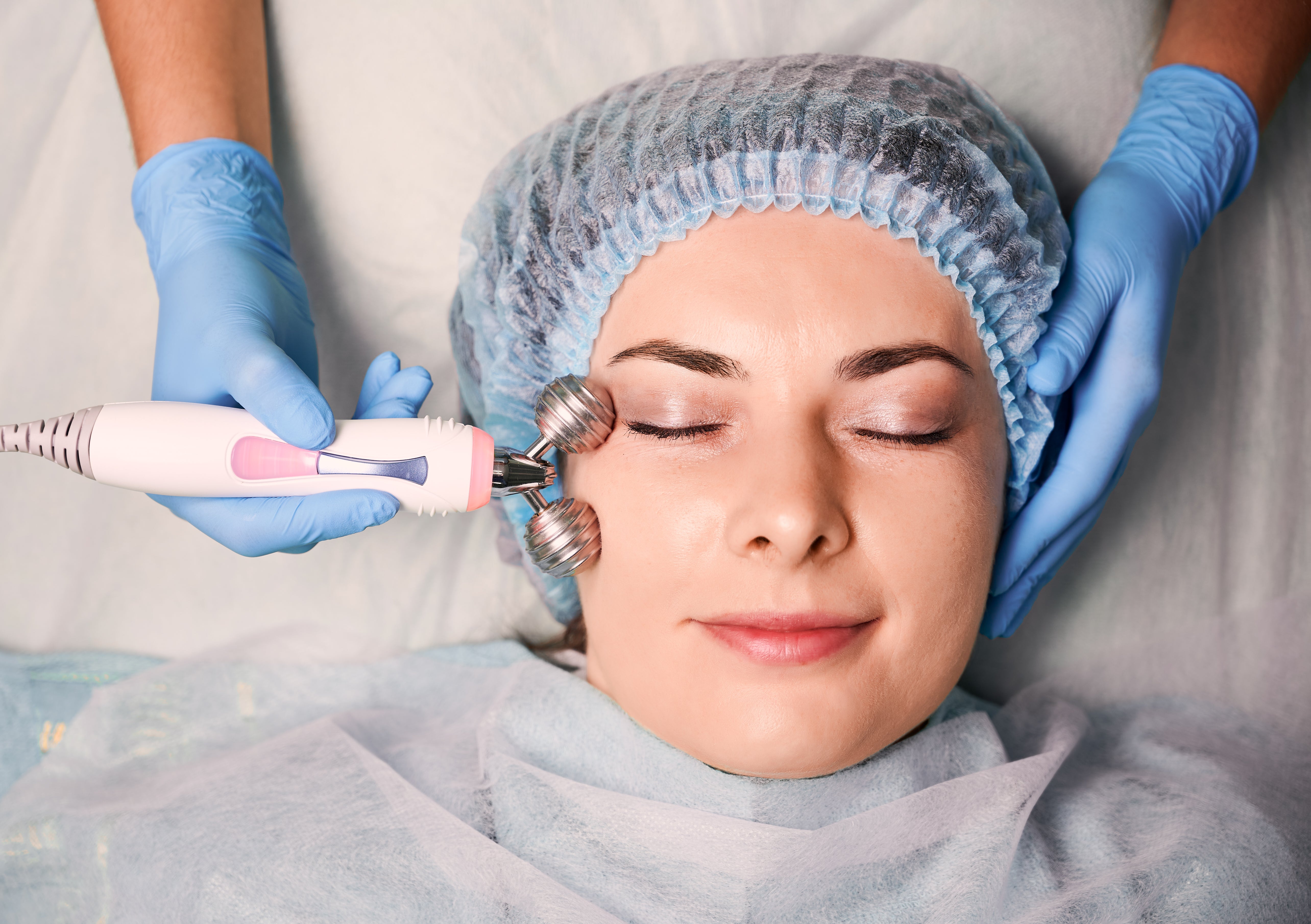
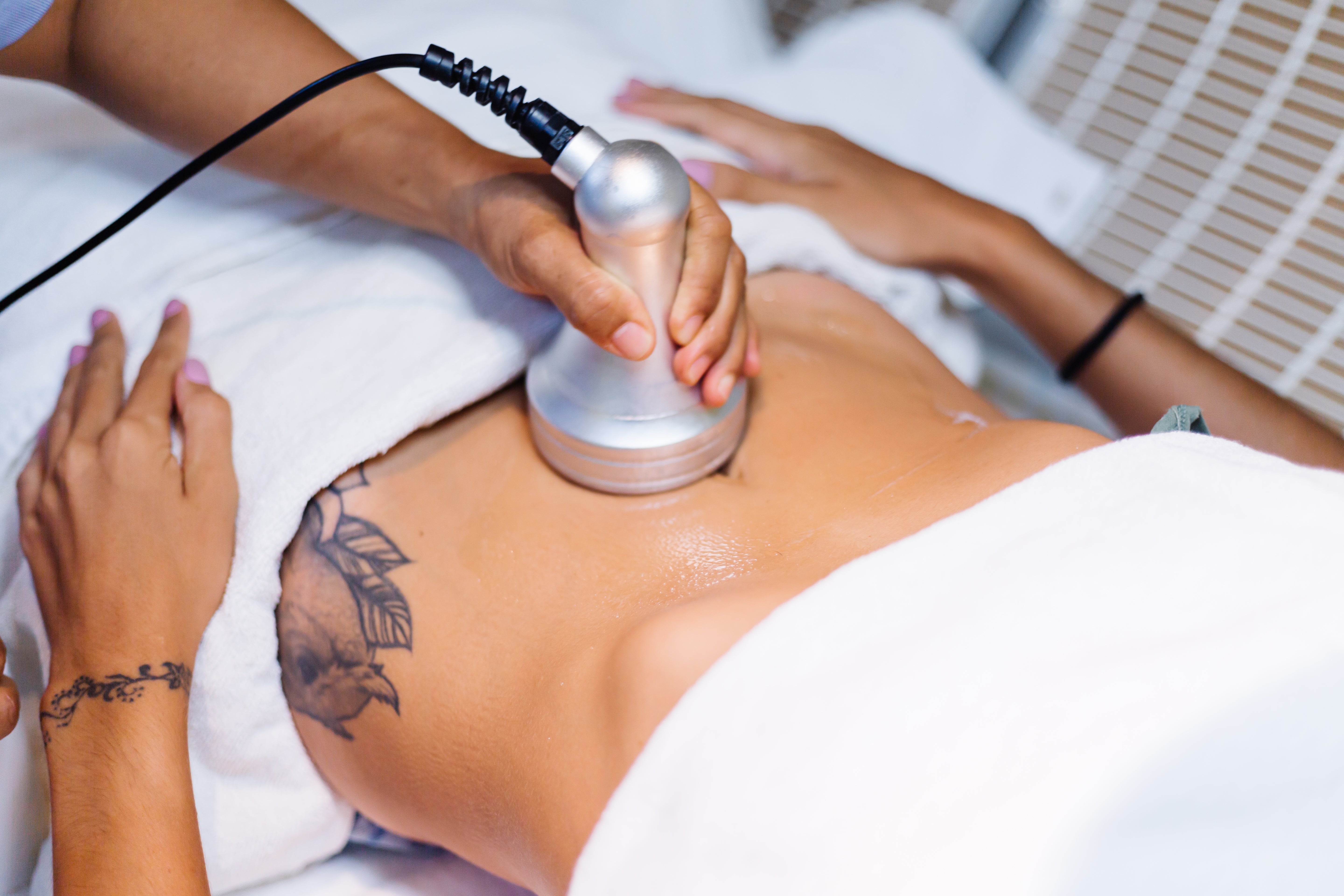
Skin rejuvenation services are not a single technique. They are a category of professional approaches designed to improve visible skin quality. The most suitable options depend on your primary concerns, such as uneven tone, fine lines, rough texture, post-acne marks, enlarged pores, or early sagging.
In general, professional modalities aim to influence one or more of the following pathways:
- Surface renewal to support smoother texture and more even appearance.
- Collagen support to enhance firmness and the look of fine lines over time.
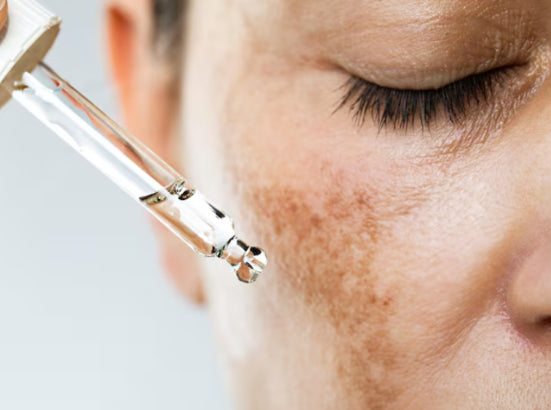
- Targeted pigment management to reduce the contrast of discoloration.
- Inflammation balance to calm reactive skin and support consistent tone.
- Hydration optimization to improve comfort and the look of “healthy glow.”
Many plans are designed in stages. A provider may suggest initial sessions for visible change and later maintenance sessions to help the improvements remain stable. Even when a modality is highly effective, at-home care often determines whether results look consistent day to day.

Layered skin diagram with light, texture, tone symbols
Choosing the Right Services for Your Skin
Choosing the right services begins with specificity. A strong provider does not offer a one-size-fits-all solution. Instead, they evaluate skin type, sensitivity, medical history, and the likelihood that your current routine supports the intended outcome.
Use the following criteria as a checklist:
Match the service to the main concern
If your priority is dullness, you may need options focused on surface renewal and hydration. If the focus is uneven tone or marks, the plan may emphasize pigment-targeting strategies and careful sun management. If the main concern is texture and firmness, collagen-support approaches may be discussed.
Confirm compatibility with your skin barrier
Barrier-friendly skincare helps reduce irritation and supports recovery. If you have sensitive or easily inflamed skin, you may benefit from a plan that prioritizes gentle preparation, short recovery windows, and supportive moisturization.
Ask about safety screening and contraindications
Reputable providers clarify eligibility and avoid oversimplified promises. They should explain who may need to postpone or modify certain services and how they adjust protocols for different skin tones and sensitivity levels.
Request a realistic expectation statement
Visible improvements typically develop gradually. A provider should provide a clear description of what changes you can expect, how long they may take, and what maintenance looks like.
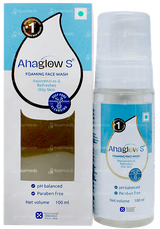
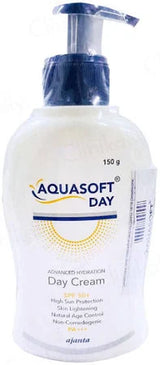
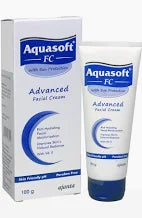
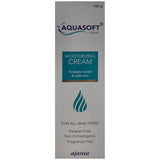
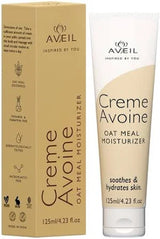
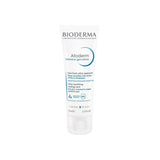
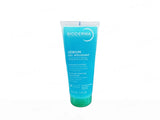
If you also want structured at-home support, you can consider category-appropriate cleansers and moisturizers. For example, a gentle cleanser can help maintain comfort before and after sessions, such as Gentle Cleanser. For day-to-day hydration and calming support, you may also evaluate Rich Hydrating Lotion.
Preparation and What to Expect
Preparation should be practical, not complicated. A provider may recommend routine adjustments to reduce irritation and improve consistency. Many plans include guidance on cleansing, moisturizing, and sun protection for several days before the appointment.
What you can generally expect during a consultation:
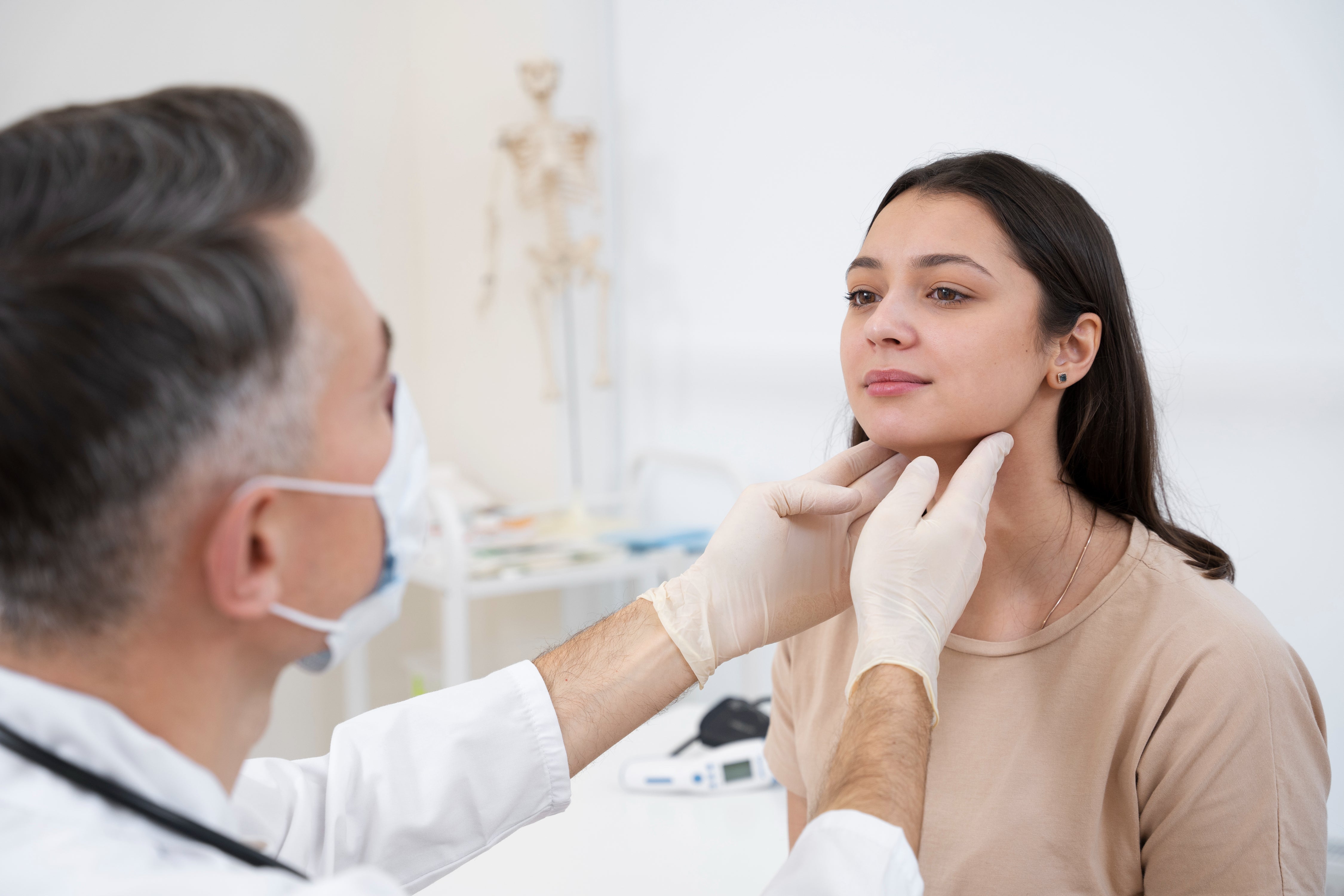
- A skin assessment under consistent lighting to identify texture, tone, and sensitivity.
- A review of your current products and recent changes.
- A discussion of goals, timelines, and realistic improvement ranges.
- An explanation of session steps and typical aftercare.
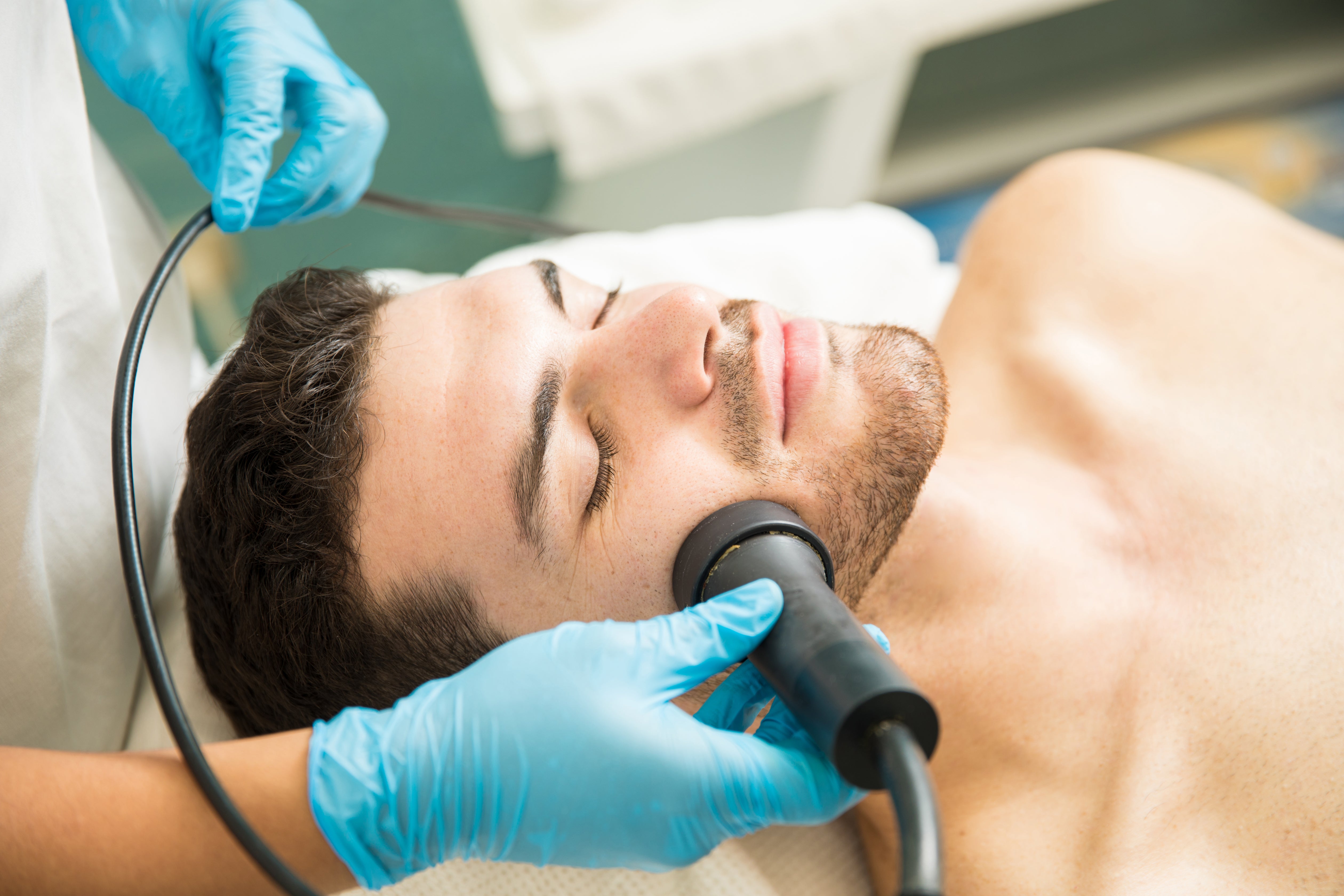
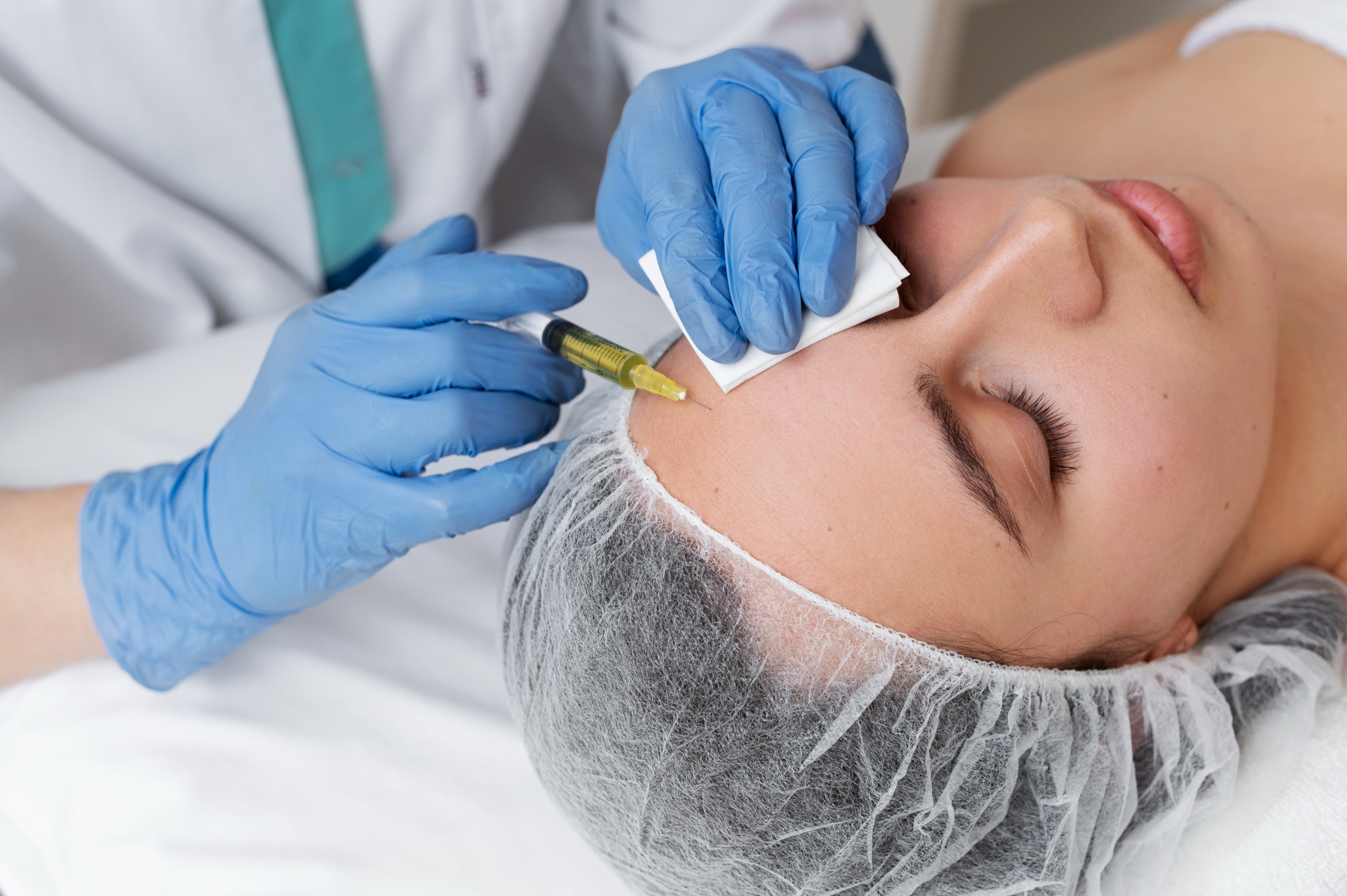
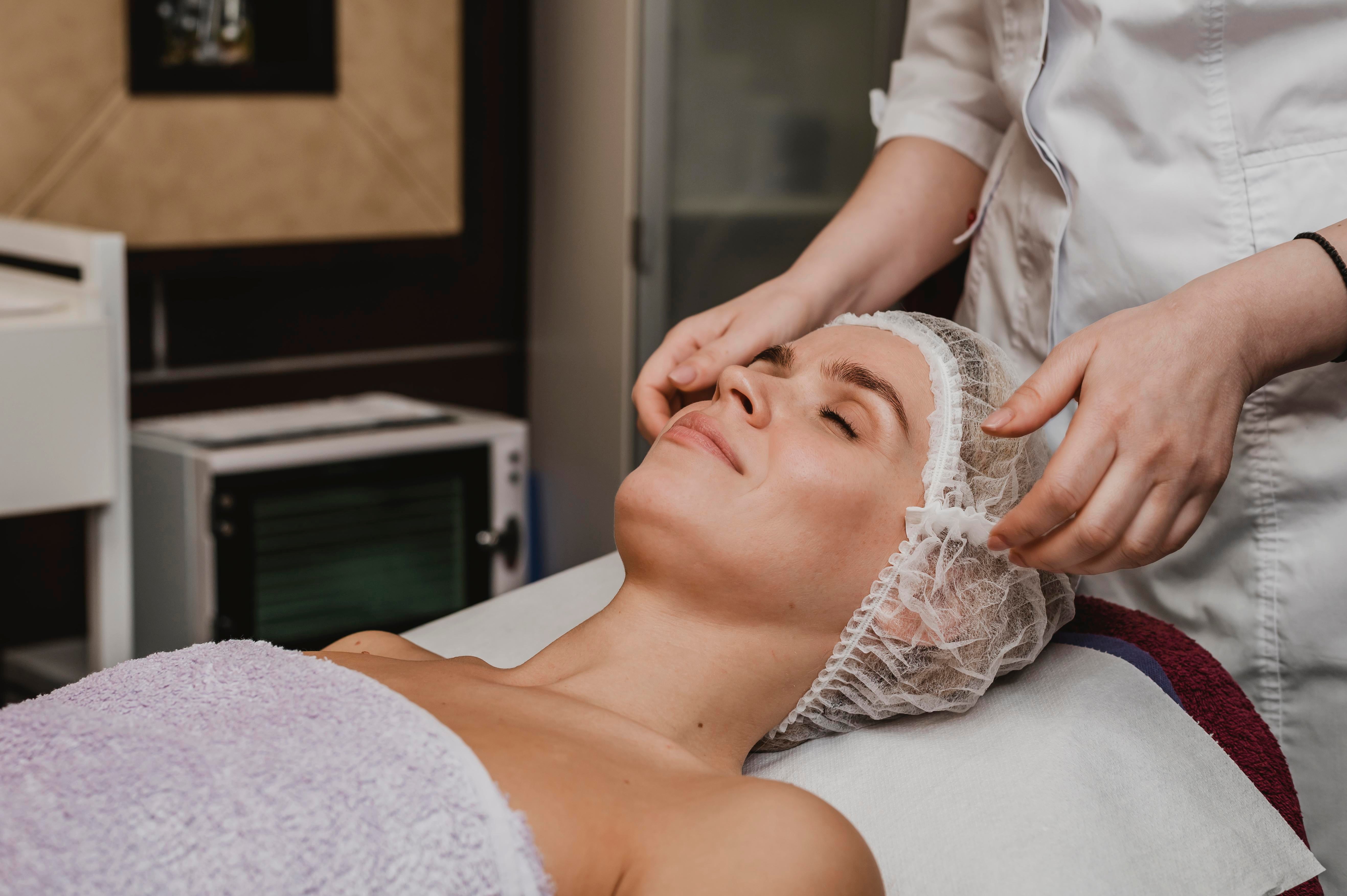
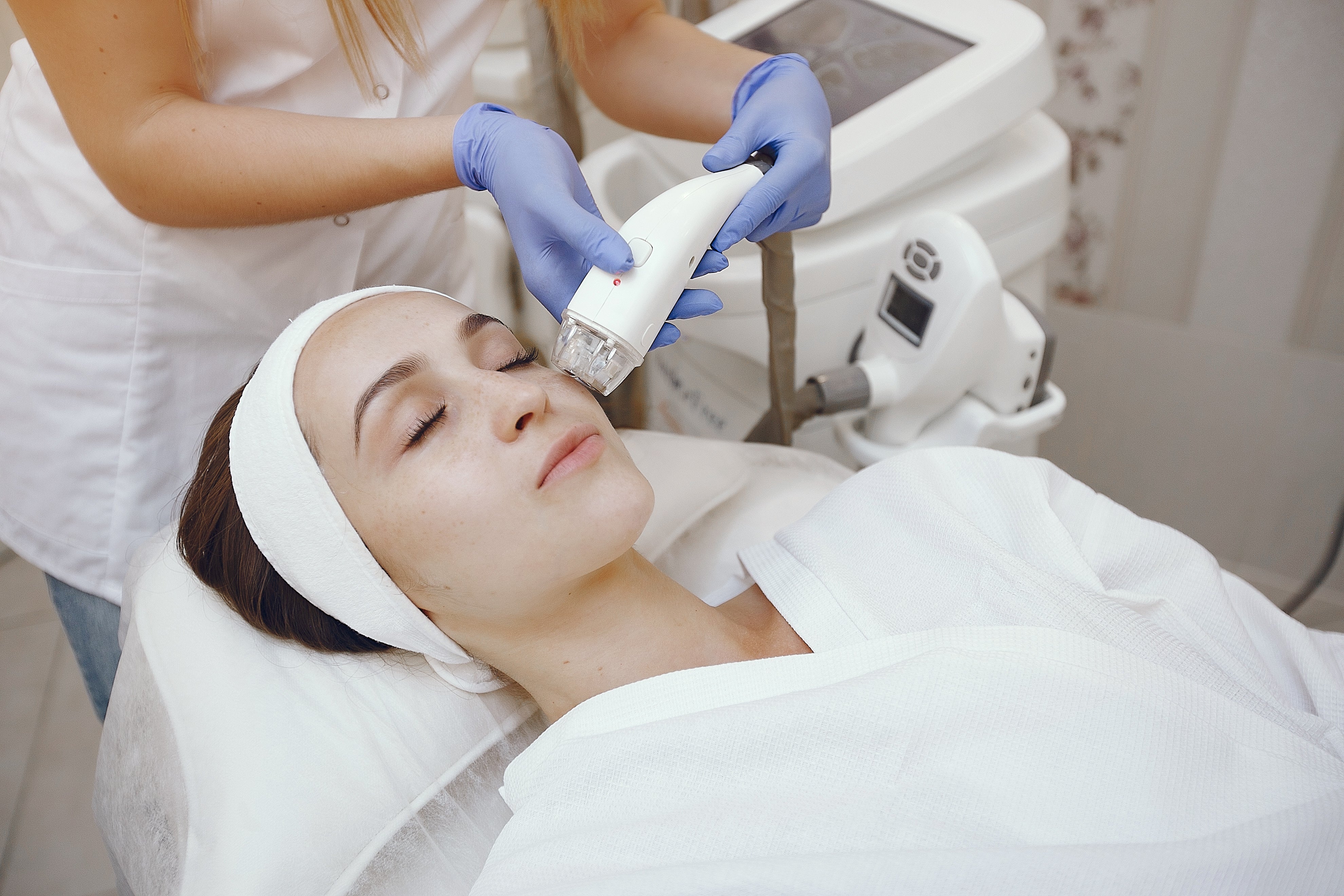
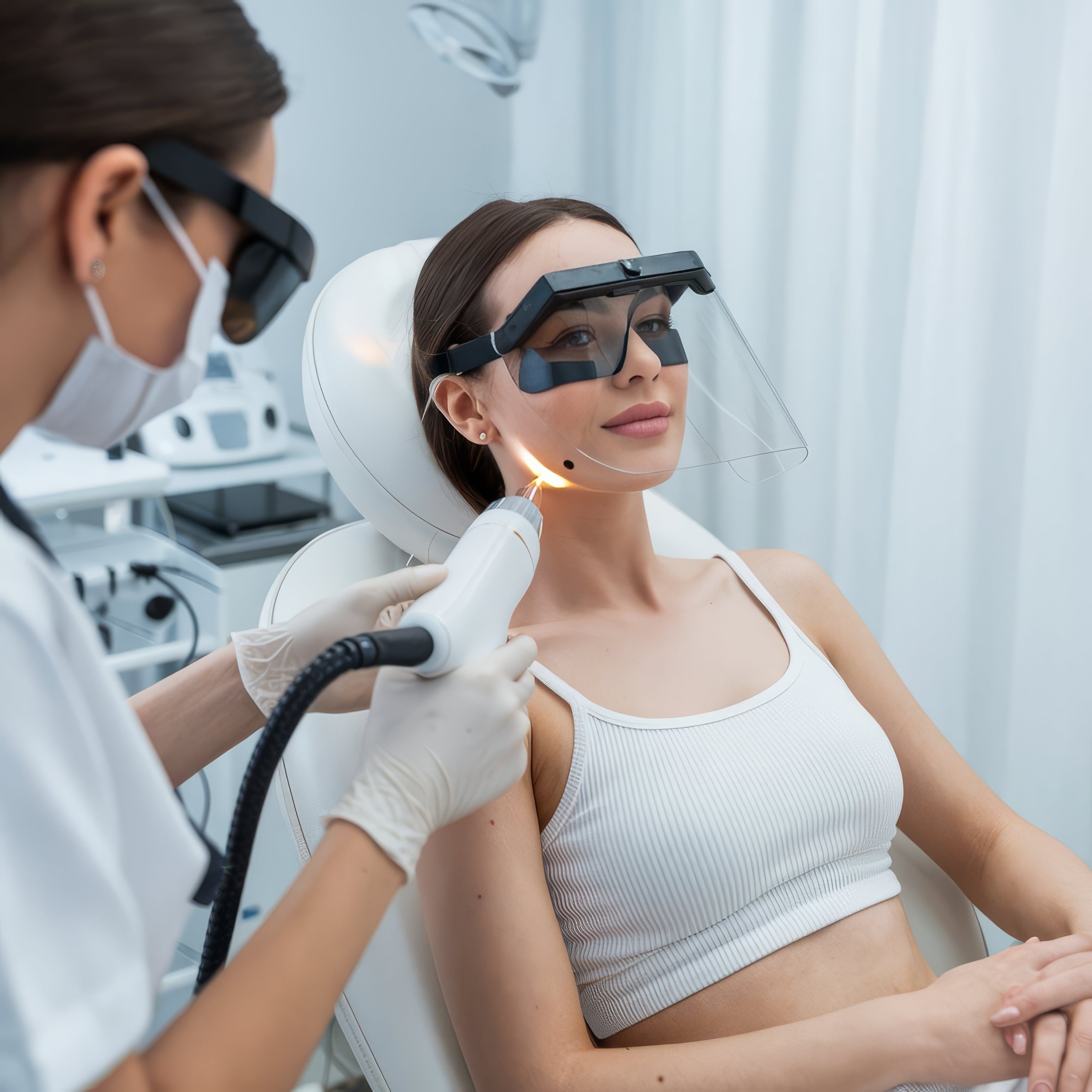
What you can generally expect during the session depends on the chosen modality. Some services include a cooling phase or a calming step after treatment. If your skin is prone to redness, ask in advance about comfort measures and recovery support.
Aftercare That Protects Results
Aftercare is the portion of the process you control most directly. It can influence whether your skin looks smoother faster or instead appears irritated. A high-quality aftercare plan usually includes gentle cleansing, targeted moisturization, and strict photoprotection.
Key aftercare priorities:
- Keep cleansing simple so the skin barrier remains stable.
- Use moisturizers that support the barrier and reduce dryness-related dullness.
- Avoid unnecessary actives temporarily if your skin is sensitive during recovery.
- Maintain daily sunscreen to prevent pigment contrast and support consistent tone.
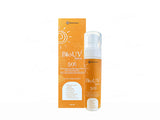
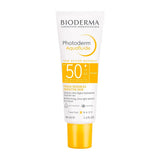
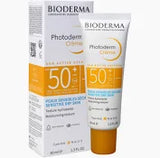
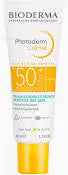
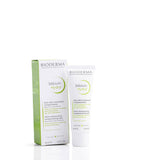
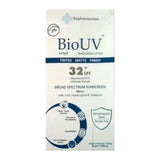
Sunscreen is a cornerstone for results. If you need a reliable daily option, you may consider Acne UV Gel SPF 50 or Sunscreen Cream SPF 50 PA. These categories support the goal of preventing light-related worsening of marks and uneven tone.
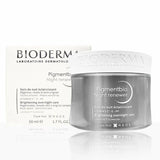
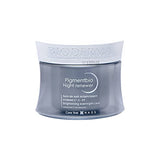
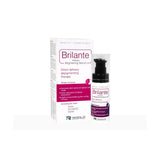
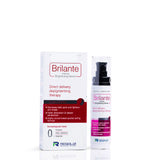
Some people also benefit from targeted serum support. For example, a brightening-focused serum may complement a pigment-oriented plan, such as Brightening Serum. The best choice depends on how your skin responds during recovery.

Moisturizer dropper, gentle sun shield, soothing icons
Myth-Busting for Safer Expectations
Skin rejuvenation services are surrounded by assumptions. Clarifying these myths can improve decision-making and reduce unnecessary product changes.
Myth: One service is enough for long-term change
Many improvements are cumulative. The skin remodels over time, and maintenance supports stability. A plan that includes follow-up sessions often looks more consistent than a single appointment.
Myth: Strong actives always speed up results
Overuse of strong actives can destabilize the barrier and cause redness. When the barrier is compromised, skin may look uneven and feel uncomfortable, which can undermine the visible impact of professional work.
Myth: Results look identical for everyone
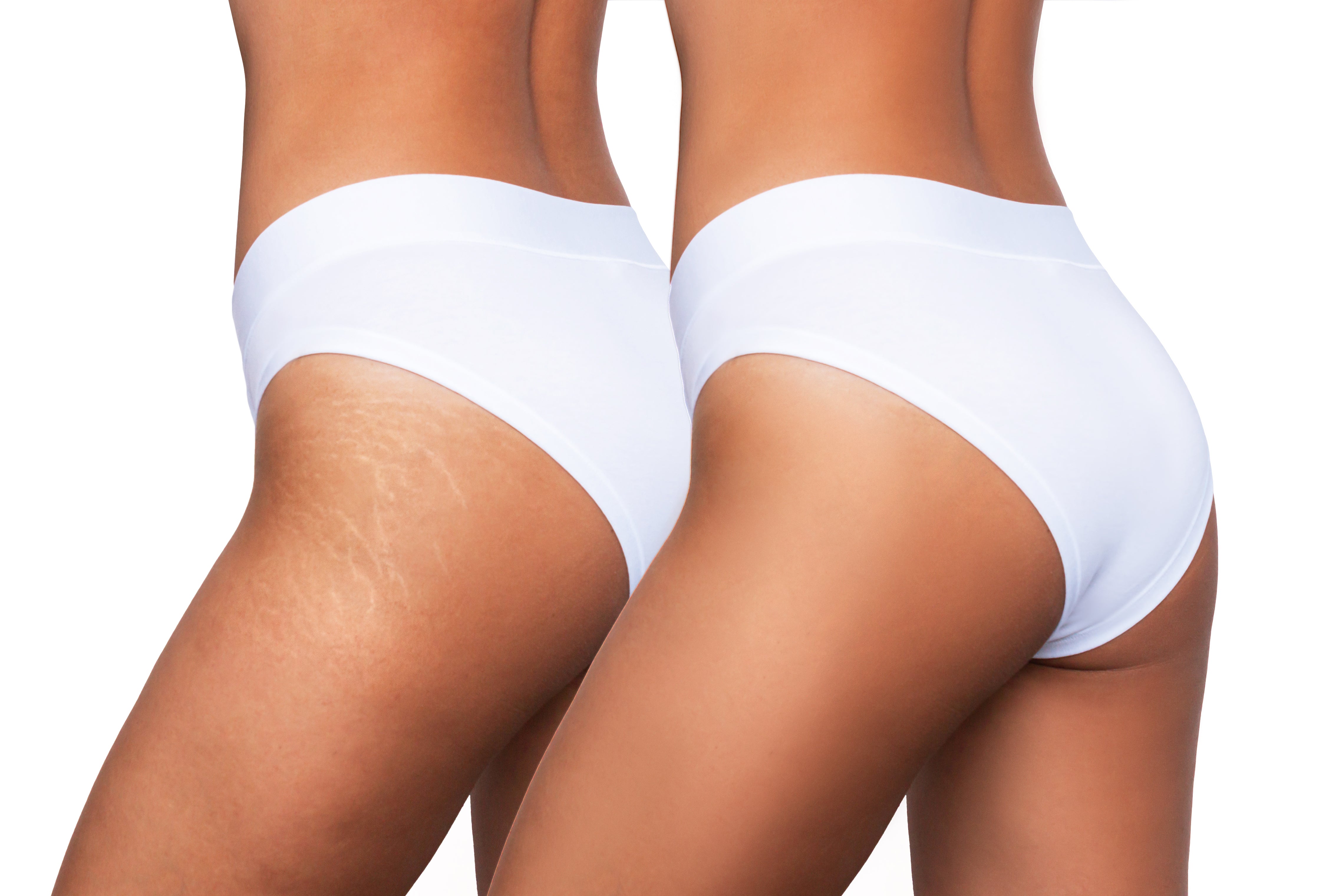
Skin biology, lifestyle, and baseline concerns differ. Some clients see visible changes quickly, while others notice improvement gradually. The most reliable approach is to track skin appearance over time rather than judging in the first few days.
Myth: Sunscreen is optional
Sunscreen helps protect investments. Without consistent photoprotection, tone-related concerns can appear more pronounced. This is especially important when you are addressing pigment variability or post-acne marks.
Visual Guidance
When you compare providers or modalities, look for clarity in how the plan is explained. A strong consultation includes a simple rationale and a roadmap. Visual learning can help you connect treatment intent with expected outcomes.
Use your appointment notes to document three items: your primary concern, the chosen service pathway, and the aftercare routine recommended. This makes it easier to evaluate improvement honestly at later follow-ups.
Summary & Takeaways
Skin rejuvenation services can support visible improvements in texture, tone, and overall skin appearance when you choose wisely and maintain a consistent routine. The most effective approach aligns the service with your primary concern, prioritizes barrier stability, and includes dependable photoprotection. Aftercare is not an add-on; it is a key part of whether the results look smooth and integrated.
Actionable takeaways:
- Define your main goal and discuss it clearly during your consultation.
- Select a plan that considers your skin sensitivity and current regimen.
- Follow aftercare guidance closely, especially moisturization and sunscreen use.
- Track changes gradually and avoid frequent product switching during recovery.
If you want additional at-home support, consider pairing gentle cleansing and consistent hydration with sun protection. For tailored routine-building, you may explore skincare essentials on the Allodermis storefront.
Q&A Section
Are skin rejuvenation services suitable for all skin types?
Many individuals can benefit, but suitability depends on your skin type, sensitivity, and the chosen modality. A professional consultation should include skin assessment and safety screening. If your skin is reactive, the provider should adjust the plan and recovery approach to reduce irritation.
How should I prepare for my first appointment?
Preparation typically includes reviewing your current skincare routine and avoiding unnecessary changes shortly before the session. Follow the provider’s instructions for cleansing and moisturization. If you use active ingredients, ask whether you should pause them temporarily and for what duration.
What aftercare steps matter most for maintaining results?
Aftercare usually prioritizes gentle cleansing, consistent moisturization, and daily sunscreen. These steps help protect the skin barrier and reduce the risk of tone-related worsening. If your provider recommends temporary pauses of certain actives, follow that guidance closely.
Will results appear immediately?
Some visible effects may occur early, such as improved comfort or glow. However, many texture and firmness changes develop gradually as the skin stabilizes and remodels. A realistic expectation includes a multi-week horizon for integrated results.
About the Author
Allodermis is a skincare-focused brand with expertise in evidence-informed routines and barrier-first support. The author writes from a perspective rooted in professional skincare education, helping readers translate treatment concepts into practical day-to-day habits. The goal is to support informed decisions and consistent care that respects individual skin needs. Thank you for reading and for investing in a thoughtful approach to skin rejuvenation services.
Authors & medical review
Swaraj Dhar is a sociopreneur, technologist, and the co-founder of Allodermis.
Every article is fact-checked against current peer-reviewed dermatology literature and Allodermis clinical protocols.
This article was last reviewed and updated on . Published .
Have a skin or hair concern?
Book a free consultation with our AIIMS MD dermatologists. Clinics in Bhubaneswar, Gurgaon, and Delhi NCR.