






































Skin Type Analysis: How to Identify Your True Needs

Updated on: 2026-05-23
Skin type analysis helps you choose skincare that fits how your skin behaves day to day. It clarifies whether your skin is oily, dry, combination, or sensitive, and it reveals patterns that products alone cannot explain. When you match routines to your skin’s needs, you reduce guesswork and improve consistency. The result is a simpler regimen, better comfort, and more reliable outcomes over time.
1. What Skin Type Analysis Means
2. Why Skin Type Analysis Matters for Your Routine
3. How-To Guide: Skin Type Analysis in Practice
4. Common Factors That Change Results
5. Turning Results Into a Targeted Routine
Skin Type Analysis: A Clear Framework for Better Skincare
Skin type analysis is a practical way to observe how your skin produces oil, holds moisture, and reacts to products. Many people assume their skin type is fixed, yet real skin behavior shifts with seasons, sleep, stress, hormones, and cleanser habits. A thoughtful analysis helps you stop using products that fight your skin and start using ingredients that support it.
In this guide, skin type analysis focuses on visible signs and consistent patterns. You can use simple at-home observations, then refine the results with patch testing and routine tracking. The goal is not a single label. The goal is a decision tool that guides cleansing, hydration, sun protection, and targeted care.
Why Skin Type Analysis Matters for Your Routine
Most skincare decisions fail for one reason: the routine does not match the skin’s current needs. When oil production is high, heavy textures can worsen shine and clog the look of pores. When the skin barrier is weakened, even gentle products can feel tight or sting. Skin type analysis reduces this mismatch.
There is also a cost and time benefit. A clearer skin profile helps you choose fewer, better-aligned products. It also helps you avoid cycling through multiple cleansers, toners, and serums without a plan. Over time, you improve comfort and tolerance, which supports long-term adherence.
Using Observation to Separate Oil From Barrier Issues
Oiliness and dryness can appear together. For example, some people have visible shine but also feel roughness or tightness after washing. This often indicates barrier stress rather than true dryness alone. Skin type analysis should therefore include both oil level and hydration comfort, not oil level alone.

How-To Guide: Skin Type Analysis in Practice
This method uses simple steps you can repeat. Use consistent conditions to get reliable results. Choose a day when your skin is not freshly exfoliated, sunburned, or irritated from new products.
Step 1: Cleanse and wait for baseline behavior
Wash with a gentle cleanser and avoid actives afterward. Wait until your skin returns to its normal feel. Observe how your face looks and feels over the next few hours. Focus on shine, dryness, and sensitivity sensations such as tightness.
Step 2: Evaluate oil and shine distribution
Look in natural light. Notice where shine appears first. Common patterns include oily in the T-zone, dryness in cheeks, or overall balanced comfort. If shine comes quickly and feels thick, your skin may be oily. If shine is minimal and the skin feels smooth, your skin may be normal.
Step 3: Check for dryness signals
After a few hours, evaluate texture and comfort. Dry signals include flaking, roughness, and a tight feeling. If your skin feels uncomfortable but still shows some shine, it may be combination with barrier stress.
Step 4: Assess sensitivity and reaction speed
Consider how your skin reacts to routine changes. If new products regularly cause redness, stinging, or itching, your skin may be sensitive. Track whether the reaction happens quickly or only after repeated use.
Step 5: Confirm with a two-week routine test
Use a stable, simple regimen and track changes. Record: comfort level, visible shine, and any irritation. If your skin improves with gentle cleansing and consistent hydration, your analysis is likely accurate. If irritation increases, adjust carefully and consider professional guidance.
Common Factors That Change Results
Skin behavior can vary, so interpret your findings with context. Some variables change oil and sensitivity more than you expect.
-
Season and humidity: Cold weather often increases tightness. Humid weather can increase oil and sweat-related irritation.
-
Water temperature and cleanser strength: Hot water and harsh foaming cleansers can increase dryness and rebound oil.
-
Over-exfoliation: Frequent scrubs and strong acids can damage the barrier and mimic sensitivity.
-
Hormonal shifts: Breakouts and increased oil may occur during hormonal changes.
-
Sun exposure: Sun can worsen visible texture and cause ongoing irritation that influences perceived sensitivity.
If your analysis results feel inconsistent, repeat the steps when conditions are stable. Many improvements come from removing the strongest irritants before adding active ingredients.
Turning Results Into a Targeted Routine
After skin type analysis, build your routine around three priorities: cleansing, hydration and barrier support, and sun protection. Then add targeted care based on concerns such as breakouts, uneven tone, dullness, or redness.
1) Cleansing choices by skin type
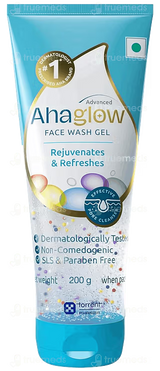
If you identify oily or combination skin, choose a cleanser that removes excess oil without leaving tightness. For daily use, a gentle cleanser helps maintain comfort and supports a stable barrier. Consider a product such as Gentle Cleansing when you need reliable, non-stripping cleansing.
If you identify dry or sensitive skin, prioritize comfort. A gentle, low-foam cleanser often reduces post-wash tightness. If you have acne concerns, cleanse consistently and avoid aggressive cleansing that can intensify dryness.
2) Hydration and barrier support
Hydration is not only for dry skin. Many oily and sensitive skin types also need barrier support. Look for lightweight moisturizers with hydrating components and a texture that your skin tolerates.
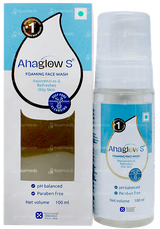
When your skin is sensitive, avoid frequent switching. Consistency helps the barrier recover. For acne-prone skin, consider oil-control support such as Oil Control Foam Wash if it suits your comfort level. For those who want targeted acne care and sun protection in the same routine, use a sunscreen strategy that does not increase greasiness.
3) Sun protection based on comfort and coverage
Sun protection is essential regardless of skin type analysis results. The right formula should feel compatible with your skin. If your skin becomes shiny quickly, choose a sunscreen that balances comfort and finish. If your skin stings, you may need a gentler option and careful application.
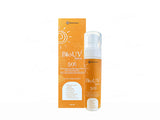
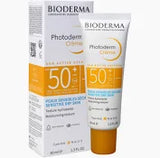
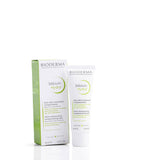
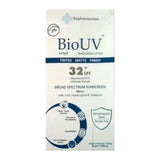
You can also use different products for day and outdoor exposure. For example, Acne UV Gel SPF can be considered for people seeking a lightweight feel. If you prefer proactive daily protection, SPF 50 PA Sunscreen may support consistent wear when comfort is a key factor.
4) Targeted care for common concerns
Skin type analysis gives a baseline, but concerns require targeted ingredients. Use one targeted product at a time so you can track cause and effect.
-
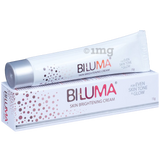
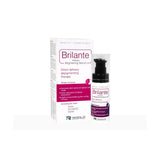
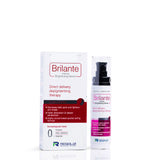
Uneven tone and dullness: Consider brightening support using a gentle approach. A product such as Brightening Serum may support a more even look when your skin tolerates it.
-
Moisture and soft hydration: A hydrating lotion like Rich Facial Hydration can help you maintain comfort.
-
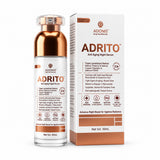
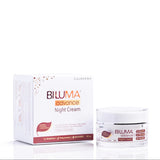
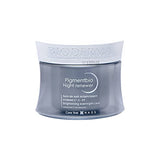
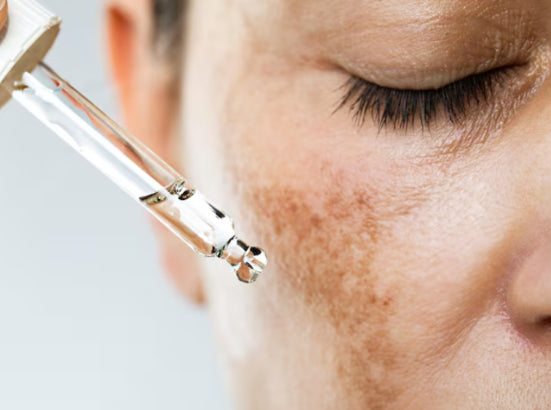
Dark spots and visible post-breakout marks: A focused routine using a suitable night renewer can be considered. For example, Night Renewing Care may align with this goal.
-
General antioxidant support: Vitamin C options can be used when tolerated, such as Vitamin C Liposomal Serum.
5) Adjusting when results do not match your label
If your skin type analysis suggests oily skin but your face feels tight and looks dull, consider barrier stress rather than changing only cleanser or moisturizer. Start by reducing actives and using a gentler routine for a short period. Then reintroduce targeted products gradually.
If your skin type analysis suggests dryness but you still experience breakouts, use a plan that manages both hydration and pore appearance. In such cases, a balance of cleansing and lightweight hydration can help prevent both over-drying and congestion.
For any regimen, patch testing is a conservative and responsible step when trying new ingredients. Stop use if irritation persists.
Common Questions Answered
How often should I repeat skin type analysis?
Repeat skin type analysis whenever seasonal changes occur, when you change your cleanser, or when your routine starts causing new discomfort. A practical approach is to re-check after major weather shifts or after two to four weeks of routine adjustments.
Can my skin type analysis results change over time?
Yes. Skin type analysis results can shift due to hormones, stress, sleep quality, sun exposure, and product tolerance. Barrier condition also changes. A well-designed routine can improve comfort and reduce the effects of sensitivity, which can make skin appear different than before.
What is the best first routine if I am not sure about my skin type?
Start with a gentle cleanser, a compatible moisturizer, and daily sun protection. Keep the routine stable for two weeks. Once your skin comfort is stable, add one targeted product based on your main concern such as dullness or uneven tone.
How do I tell the difference between oily skin and dehydration?
Oily skin often shows shine while still feeling comfortable. Dehydration can cause tightness, rough texture, or flaking even when some shine is present. If you notice discomfort soon after cleansing, dehydration and barrier stress may be involved.
Summary & Next Steps
Skin type analysis is a reliable method for choosing skincare that fits your skin’s behavior rather than relying on assumptions. By observing oil distribution, hydration comfort, and sensitivity patterns, you can build a routine that is simpler and more consistent. Then you can add targeted care once your baseline comfort improves. With stable habits and careful product selection, your skincare decisions become easier and more effective.
Next, repeat the analysis under steady conditions, refine your cleanser choice, and select sun protection that you can tolerate daily. If you want to support your routine with consistent daily care, consider reviewing your current cleanser and hydration options and choose formulas that match your observed needs.
For readers who want practical guidance on daily cleansing and product compatibility, explore available options on Allodermis and compare textures and finish across routines.
About the Author
Allodermis is supported by skincare specialists and informed by evidence-based ingredient education. Expertise focuses on helping customers interpret skin behavior, build balanced routines, and maintain daily sun protection with consistent comfort. The team encourages careful observations, conservative patch testing, and gradual upgrades to targeted care. Thank you for reading, and best wishes for a routine that supports your skin with clarity and confidence.
Disclaimer: This article is for general educational purposes and does not replace professional medical or dermatological advice. Results vary by individual skin conditions, product tolerance, and environmental factors. If you experience persistent irritation, worsening symptoms, or severe adverse reactions, discontinue use and seek guidance from a qualified healthcare professional.
Authors & medical review
Swaraj Dhar is a sociopreneur, technologist, and the co-founder of Allodermis.
Every article is fact-checked against current peer-reviewed dermatology literature and Allodermis clinical protocols.
This article was last reviewed and updated on . Published .
Have a skin or hair concern?
Book a free consultation with our AIIMS MD dermatologists. Clinics in Bhubaneswar, Gurgaon, and Delhi NCR.