

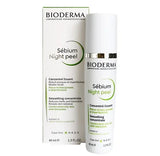
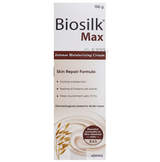





























Skincare Treatments: Choose the Right Plan for Your Skin

Updated on: 2026-06-29
Skincare treatments can improve texture, tone, and comfort when chosen for the skin you have today. The most effective routines combine gentle cleansing, evidence-based actives, and professional therapies when needed. A good plan protects the skin barrier, manages sensitivity, and matches the goal to the right product format. This guide explains how to select, prepare for, and evaluate results without overcomplicating your regimen.
How to Choose Skincare Treatments for Your Goals
Skincare treatments should not be selected by trend or appearance alone. The right choice begins with a clear goal, such as smoother texture, brighter tone, fewer visible pores, or improved hydration. It also depends on your skin type, current sensitivity, and how your skin reacts to active ingredients. When your selection aligns with your skin’s needs, you reduce trial-and-error and improve consistency.
Most routines succeed for one reason: they respect the barrier. Your skin barrier controls water loss and helps limit irritation from environmental stress. If your barrier is compromised, many actives can feel harsh. In that situation, the smartest approach is to prioritize hydration, gentle cleansing, and gradual reintroduction of treatment steps.
Consider also the difference between daily care and targeted therapies. Daily care usually includes cleansing and moisturization, plus sun protection. Targeted skincare treatments may include exfoliation, brightening, soothing, or prescription-strength support guided by a professional. In both cases, your plan should include a protective baseline to keep results stable.

Diagram of goals, barrier, and treatment compatibility
Match the treatment to the skin concern
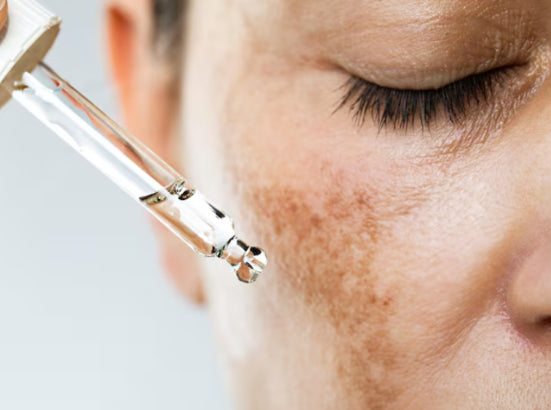
Use your main concern as the starting point, then narrow down the categories that can support it. For uneven tone and dullness, look for products designed for gentle brightening and improved cellular turnover. For rough texture, consider exfoliating ingredients that soften dead skin cells and support a smoother surface. For acne-prone skin, focus on non-comedogenic moisturization and active ingredients that help reduce congestion.
For sensitive skin, prioritize calming and barrier-supporting steps first. Then evaluate whether a mild active can be layered without redness or dryness. The goal is progress, not intensity.
Evaluate your current routine before adding actives
Before you buy or add a new treatment, review the rest of your routine. If you already use multiple exfoliants, introducing another active can increase irritation. If your cleanser is too stripping, your skin may respond poorly to even gentle serums. If your moisturizer is missing humectants or occlusives, your skin may feel tight and flake.
When you evaluate your baseline, you can choose the correct format. Some people do better with a lotion for hydration, while others prefer a lightweight serum. The best format is the one your skin tolerates consistently.
Plan for sun protection as part of treatment
Many targeted skincare treatments work best when sun exposure is managed. Ultraviolet light can worsen uneven tone and slow down the visible benefits of brightening and corrective steps. A reliable daily sunscreen helps protect new improvements and supports an even appearance over time.
Step-by-Step Guide to Build a Safe Plan
A simple structure improves results because it clarifies what is working. Use this step-by-step guide to select skincare treatments with intention and reduce irritation risk.
-
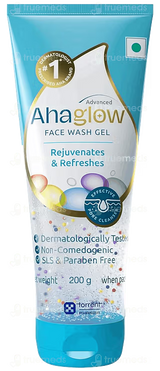
Start with cleansing that feels comfortable. Choose a gentle cleanser that does not leave the skin tight or squeaky. If you need a baseline option, consider gentle cleanser to support daily use.
-
Use a moisturizer that supports hydration. Look for barrier-friendly ingredients and a texture that fits your climate. Hydrated skin is more resilient, especially when you begin treatment steps.
-
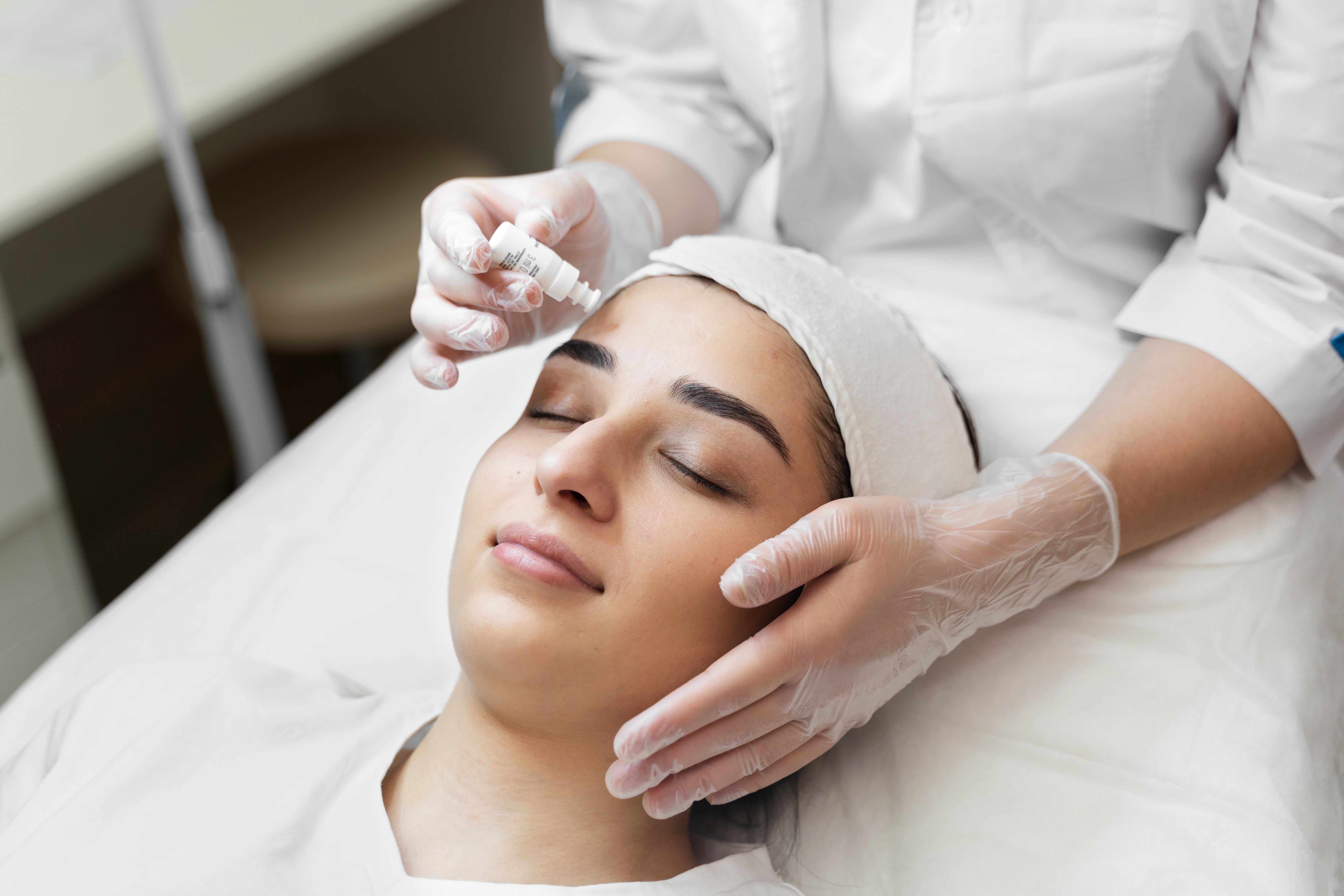
Add one active treatment category at a time. Select only one primary goal at first. Examples include gentle exfoliation for texture, brightening support for dullness, or acne-focused care for congestion.
-
Introduce new treatments slowly. A gradual schedule helps your skin adapt. For many people, using a treatment every few days at first prevents sudden irritation.
-
Layer by thickness and function. Apply lighter steps first, then thicker moisturizers. If you use multiple products, keep the sequence consistent to avoid confusion.
-
Use sunscreen every morning. This step protects your investment. It is also essential when you use exfoliating or brightening treatments.
-
Track changes over weeks, not days. Skin improves in stages. Note what changes you see, and whether any step triggers dryness or redness. Adjust based on tolerance, not impatience.
Where to place key treatment categories
Many routines benefit from a morning and evening structure. In the morning, cleanse if needed, apply hydration support, then finish with sunscreen. In the evening, cleanse, apply treatment, and moisturize. If a treatment is drying, it may be better to use it at night or to buffer it with a moisturizer.
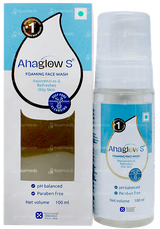
If you are targeting oil control and shine, you can benefit from a consistent cleanser and an appropriate hydrating base. For daily cleansing that supports oily skin without over-stripping, you may consider oil control foam wash.

Split routine showing morning sunscreen and night actives
Tips for Better Results and Lower Irritation Risk
Even high-quality skincare treatments can fail if your routine is inconsistent or your skin is overworked. The following tips help you keep results steady.
- Patch-test new products. Apply a small amount to a less visible area and watch for irritation before full use.
- Avoid stacking similar actives. If two products both exfoliate aggressively, irritation risk increases.
- Keep the barrier supported. Use moisturizer regularly. If the skin feels dry, simplify and restore comfort before adding another treatment.
- Choose textures you will use daily. If a serum feels too sticky or a lotion feels too heavy, adherence will drop.
- Do not change everything at once. When adjustments are needed, change one variable at a time.
- Watch for signs of overuse. Persistent burning, swelling, or significant peeling indicates you should pause and reassess.
Ingredient literacy improves decision quality
Understanding common ingredient roles helps you select responsibly. Humectants support hydration by drawing water into the upper layers. Emollients soften and improve comfort. Occlusives reduce water loss. Exfoliating ingredients help refine surface texture by supporting the shedding of dead skin cells. Brightening agents work over time by reducing the appearance of uneven tone.
Rather than chasing high-strength formulations, many users achieve better comfort and better outcomes with balanced concentrations and consistent use.
Simple pairing rules for layering
To prevent conflicting routines, use a few pairing rules. If you apply a treatment at night, keep the morning routine gentle. If you use a brightening step, protect the skin with sunscreen daily. If you use an exfoliant, avoid combining it with multiple other strong actives at the same time. Consistency plus sensible layering typically outperforms aggressive experimentation.
What to Expect from Professional Therapies
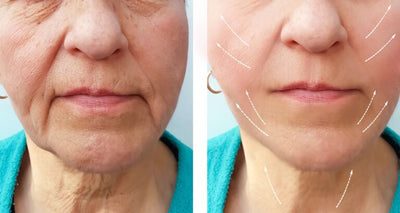
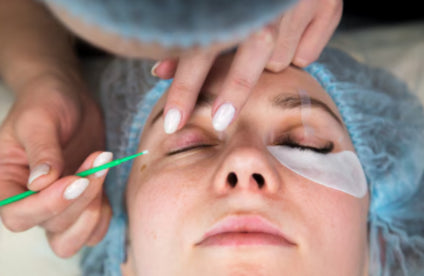
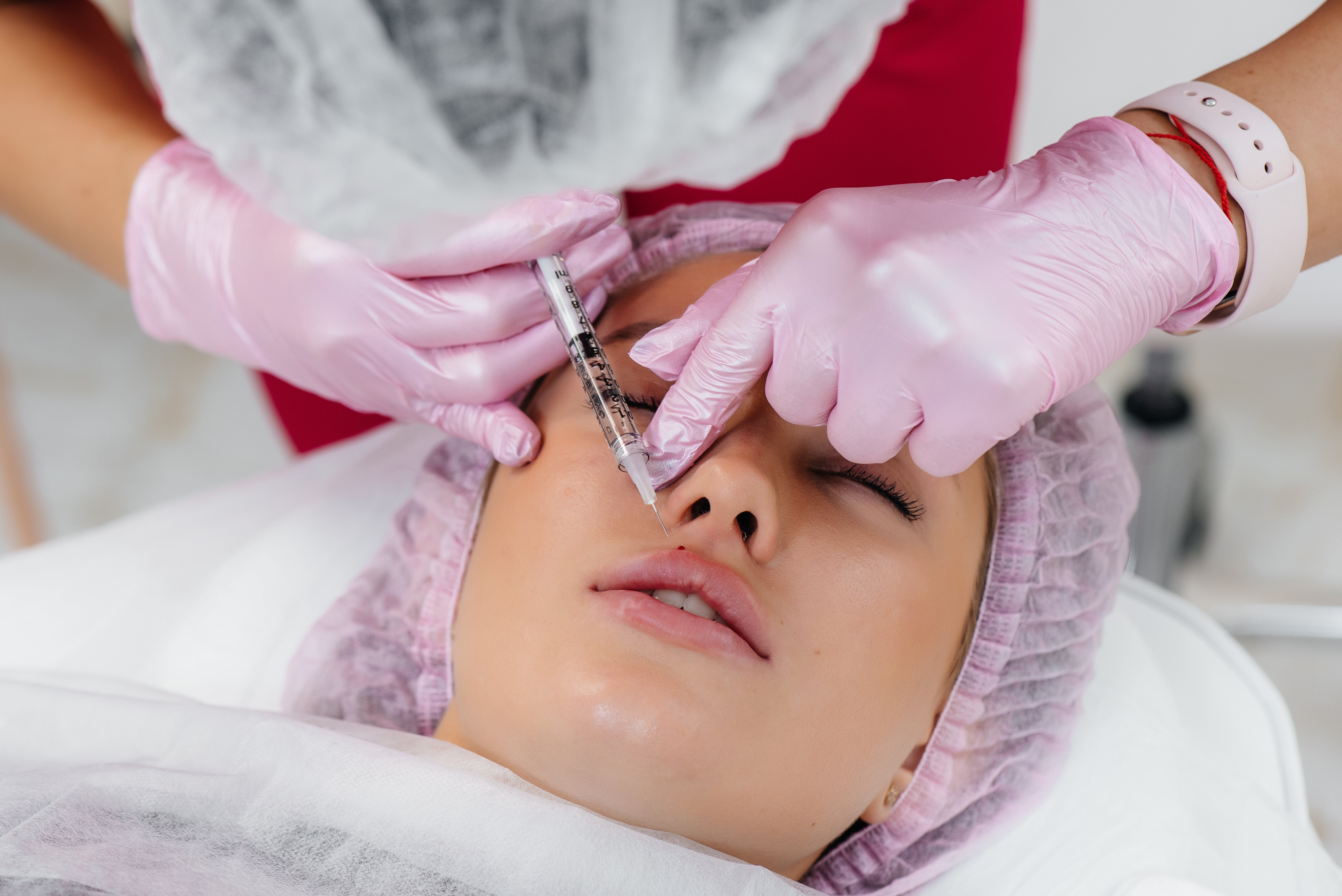
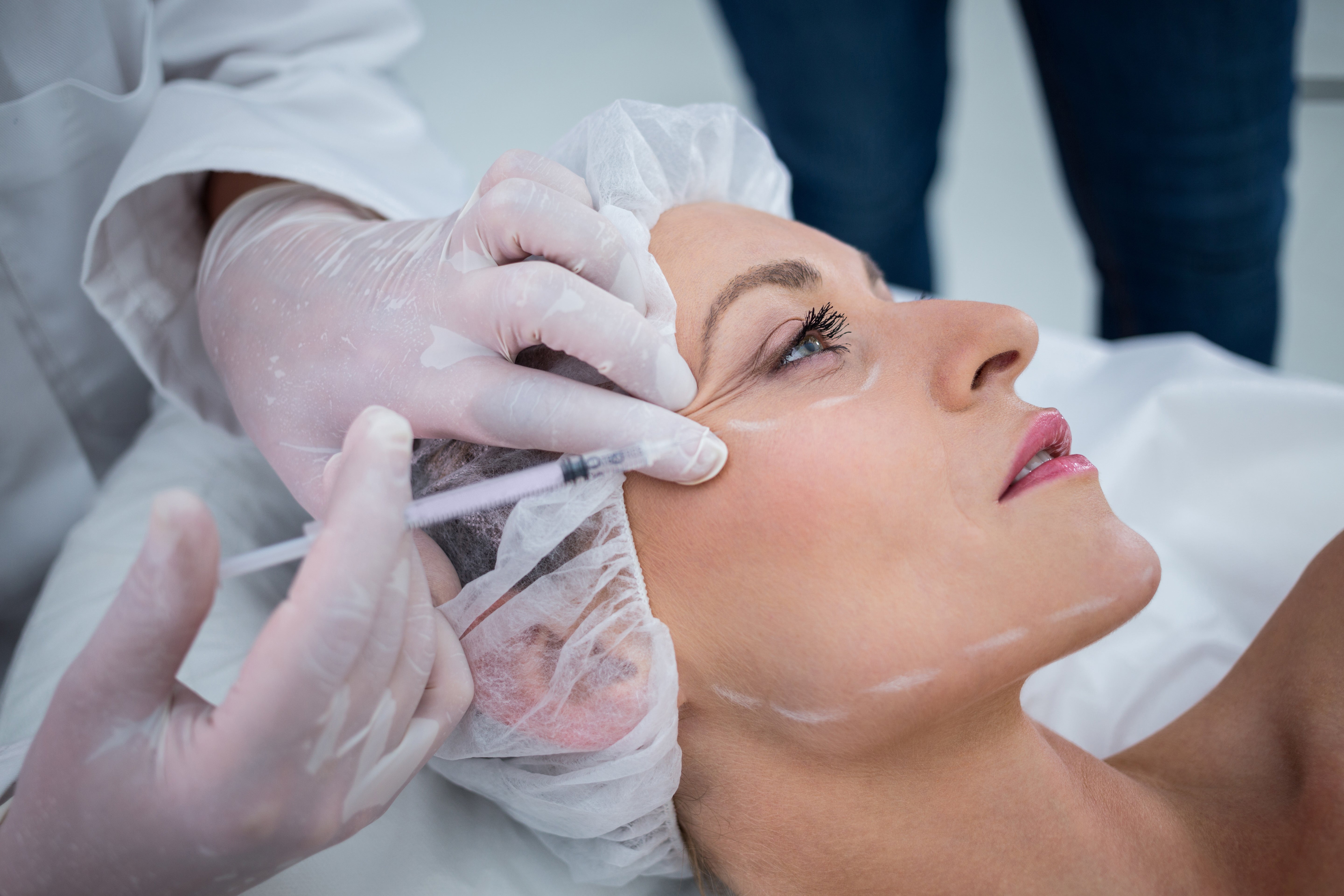
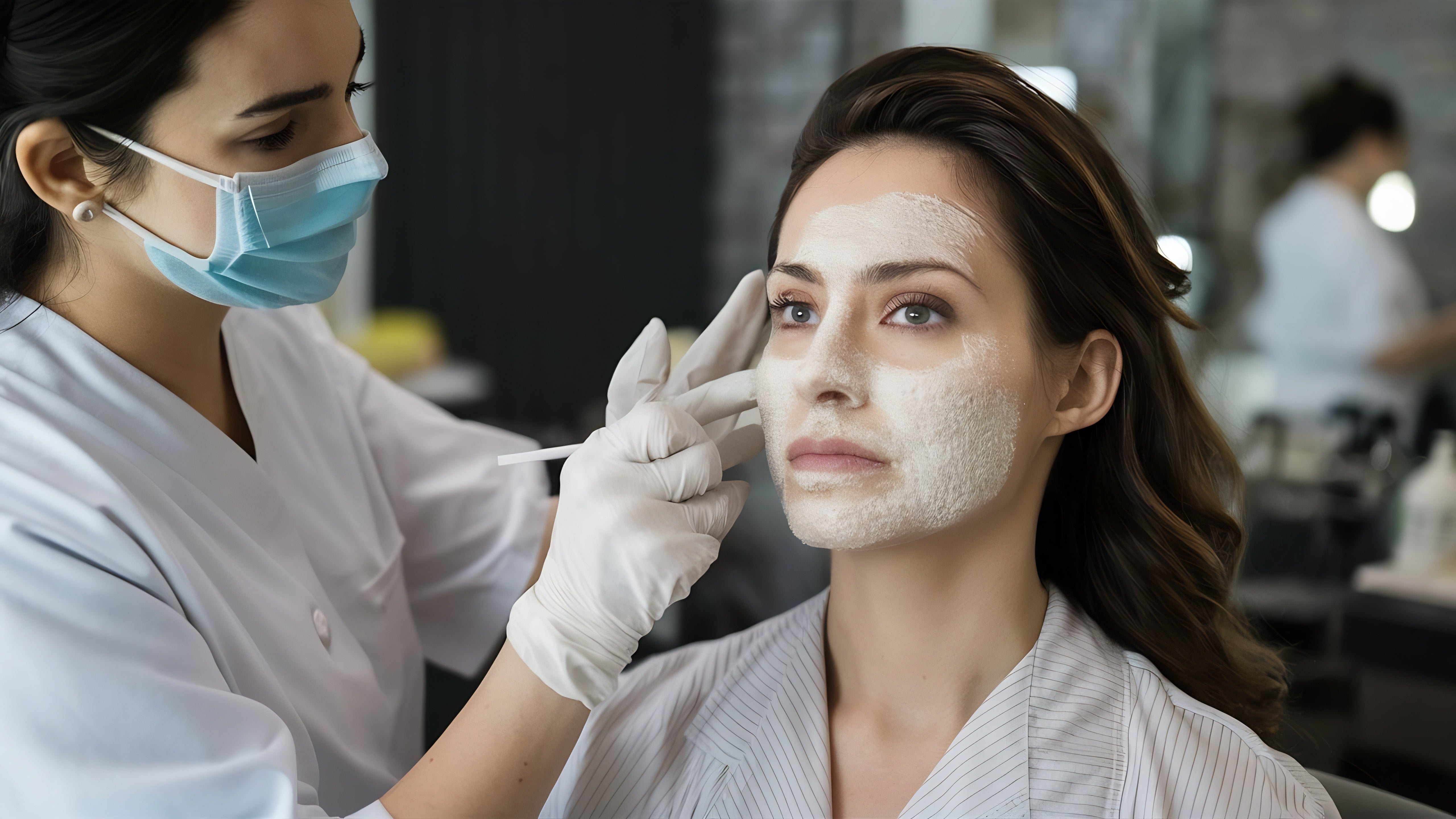
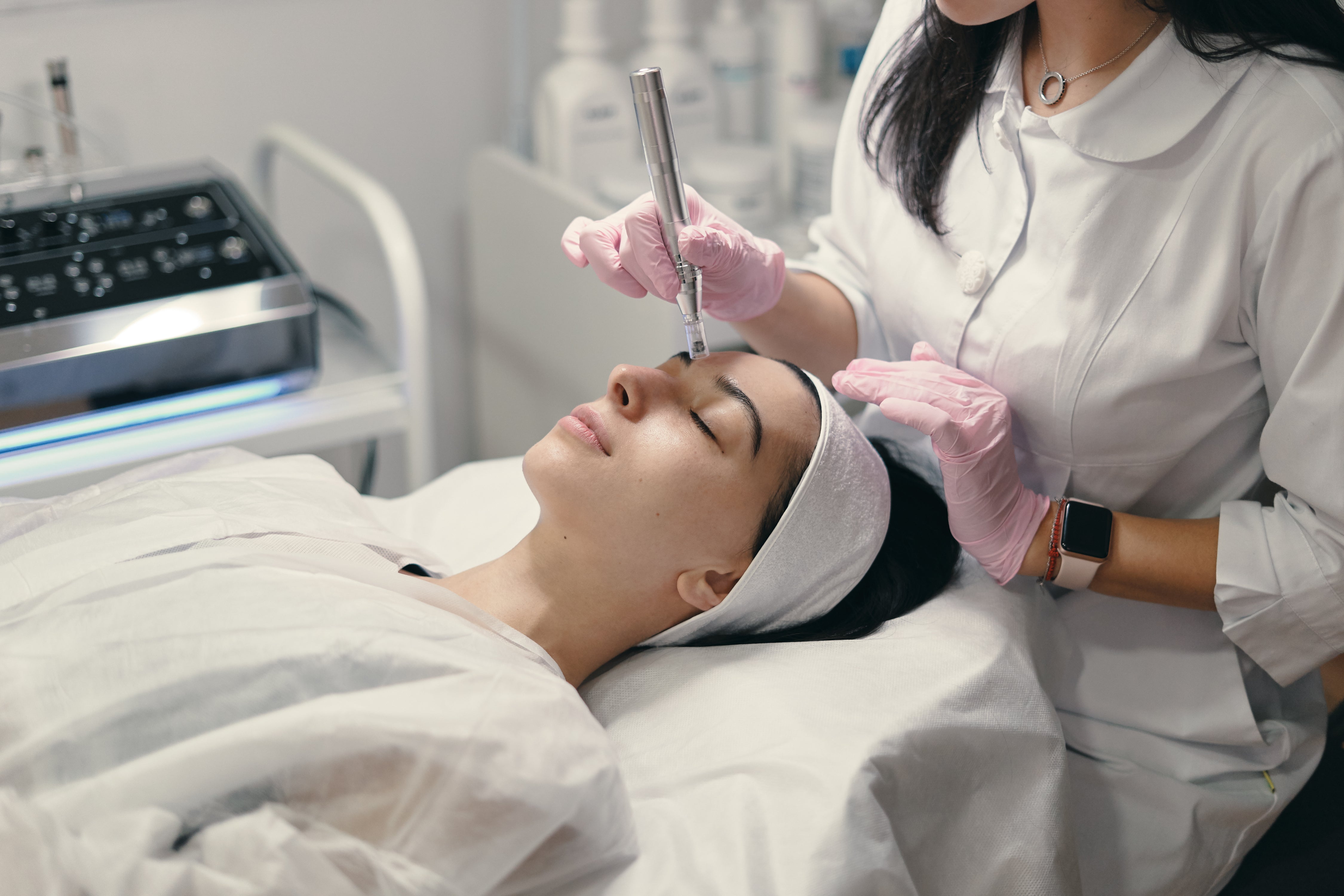
Professional skincare treatments can add capabilities beyond home routines. They may support deeper exfoliation, targeted resurfacing, or more controlled addressing of specific concerns. Expectations should remain realistic: most therapies require multiple sessions and careful aftercare to protect the skin barrier.
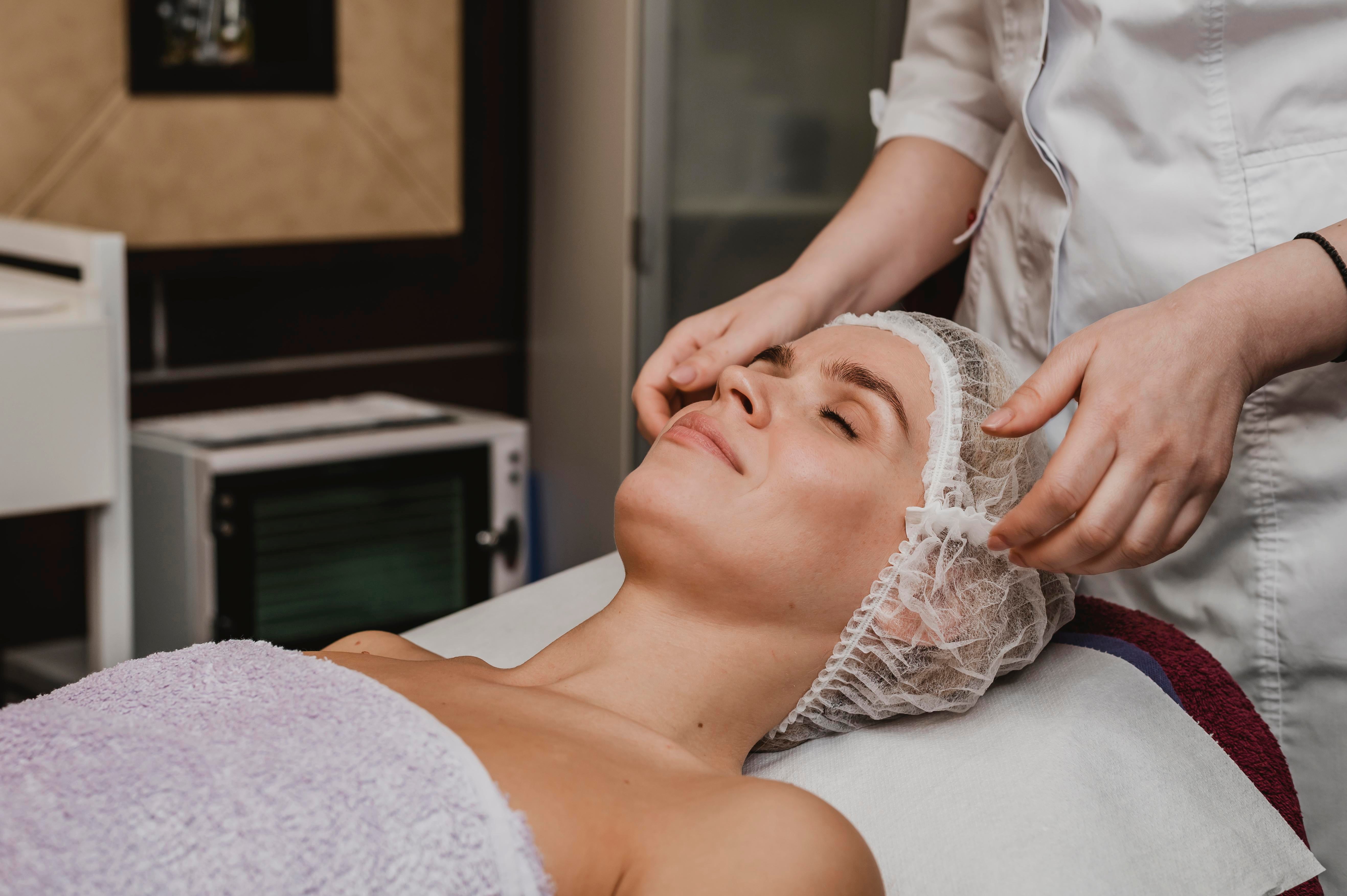
Prior to an in-clinic treatment, a clinician should assess skin type, history of irritation, and current regimen. They may also review recent product use, especially if you have used exfoliating or strong active ingredients. This evaluation helps reduce downtime risk and improves safety.
Aftercare is part of the treatment
After professional therapies, the skin can be more reactive. A successful aftercare plan often focuses on gentle cleansing, barrier repair, and sun protection. Skipping aftercare can result in prolonged sensitivity or uneven healing.
If you are considering a professional approach, select a clinic that provides clear guidance on how to restart home routines. Ask about which skincare treatments to pause temporarily and when to resume daily actives. This reduces confusion and protects progress.
How to measure whether a treatment is working
Define success before you start. For example, success may be fewer flaking episodes, more stable tone, reduced visible congestion, or smoother makeup application. Track your skin response with notes. If you see no improvement after a reasonable adjustment period and there is no irritation, you may need to revisit ingredient fit or frequency.
FAQs on Skincare Treatments
How long does it take to see results from skincare treatments?
Visible changes often require consistent use. Many skincare treatments show early comfort improvements first, followed by gradual changes in texture and tone. If you change multiple variables at the same time, it becomes harder to identify which step caused the change.
Can I combine several skincare treatments in one routine?
Yes, but you should combine them thoughtfully. Layer by purpose, avoid stacking similar active categories, and prioritize barrier support. When you introduce new products, add them one at a time so you can monitor tolerance.
What should I do if my skin becomes irritated?
If irritation appears, pause the newest or strongest step and simplify your routine to gentle cleansing and moisturizing. Focus on barrier comfort for several days before reintroducing actives at a lower frequency. If irritation is severe or persistent, consult a qualified skincare professional.
Is sunscreen mandatory when using targeted skincare treatments?
For most people, sunscreen is a core treatment step. Many targeted therapies aim to improve tone and surface quality, and ultraviolet exposure can counteract those benefits. A daily sunscreen also helps maintain longer-lasting results.
Wrap-up and Final Thoughts
Skincare treatments work best when your plan is coherent, gentle on the barrier, and aligned with a specific goal. Start with comfortable cleansing and consistent moisturization, then introduce targeted actives slowly and one at a time. Protect your results with daily sunscreen and assess progress using notes rather than guesswork.
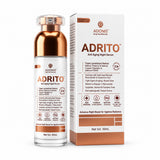
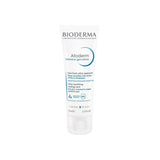
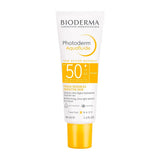
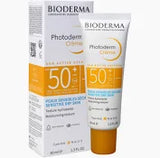
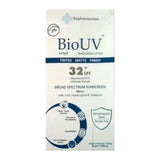
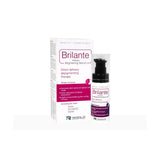
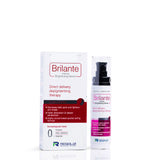
If you want a dependable daily foundation, consider pairing a gentle cleanser with a consistent hydrating moisturizer and reliable sun protection. For additional support, you can explore options like acne-focused sunscreen or targeted care such as serum support to complement your chosen treatment path.
Disclaimer: This article is for general educational purposes and does not provide medical advice. Individual skin needs vary. If you have a medical condition, severe sensitivity, or persistent reactions, consult a qualified healthcare professional or dermatologist before beginning new skincare treatments.
About the Author
Allodermis contributes expertise in skin health education and evidence-aware routine planning. The author focuses on helping readers build practical skincare treatments that support comfort, barrier function, and long-term consistency. You are encouraged to approach your regimen with patience and clarity, and to adjust based on your skin’s tolerance. Thank you for reading and taking a measured approach to skin improvement.
Authors & medical review
Swaraj Dhar is a sociopreneur, technologist, and the co-founder of Allodermis.
Every article is fact-checked against current peer-reviewed dermatology literature and Allodermis clinical protocols.
This article was last reviewed and updated on . Published .
Have a skin or hair concern?
Book a free consultation with our AIIMS MD dermatologists. Clinics in Bhubaneswar, Gurgaon, and Delhi NCR.