






















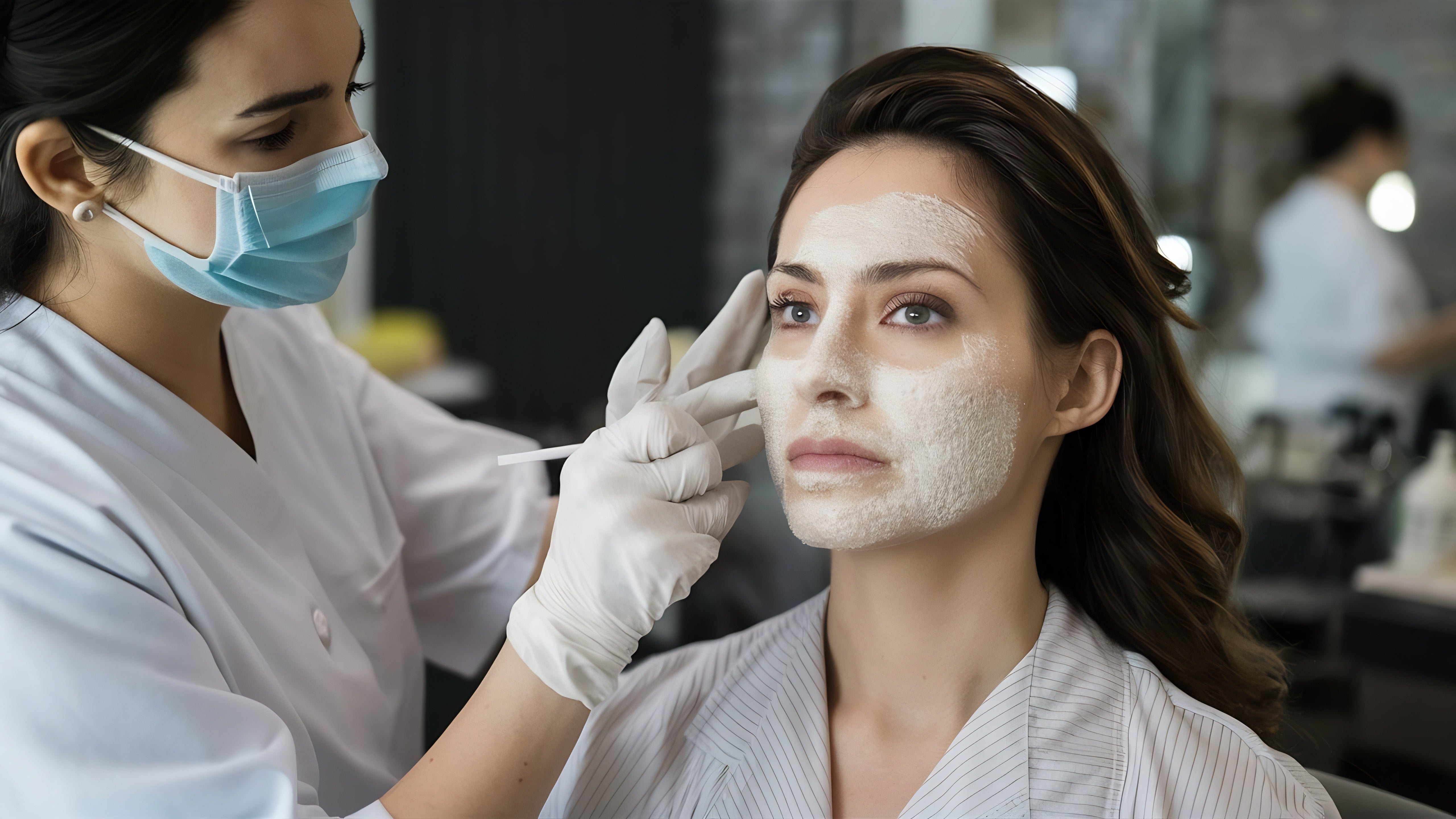















Sun Protection Cream Guide for Everyday Use

Updated on: 2026-06-26
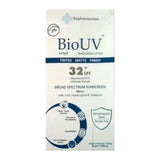
Choosing a reliable sun protection cream is a foundation of daily skin care. The right formula helps reduce the visible signs of sun exposure while supporting the look of even, healthy skin. Application timing and technique often matter as much as the label on the tube. This guide explains how to select, apply, and troubleshoot your sunscreen routine with practical, skin-friendly steps.
1. Why Sun Protection Cream Is a Daily Necessity
2. How to Choose the Right Sun Protection Cream
Why Sun Protection Cream Is a Daily Necessity
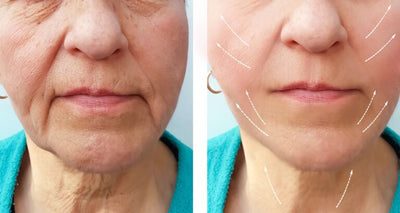
Daily sun care supports skin that looks more balanced over time. Sunlight contains ultraviolet radiation that can contribute to rough texture, uneven tone, and loss of firmness. While no sunscreen can stop every effect of sun exposure, consistent protection helps reduce cumulative damage. A well-chosen sun protection cream also acts as a barrier that supports the skin’s comfort level, especially when combined with moisturizers and gentle cleansers.
Many people focus on beach days, but everyday settings matter. Commute routes, window light, and short outdoor errands all add up. The most effective routine is the one you can repeat. That is why selecting a formula that feels good on your skin is essential. When a sunscreen texture blends easily and stays comfortable, you are more likely to apply it often and reapply it when needed.
Consider your skin type and daily needs. Oily skin often benefits from lightweight, non-greasy formulas. Dry skin usually needs a cream texture that prevents tightness. Sensitive skin requires fragrance-free, gentle options and a careful patch test. If you use other skincare products such as serums or actives, choose a sunscreen that layers well and does not pill.
How to Choose the Right Sun Protection Cream
Selection should be guided by coverage needs, finish preference, and compatibility with your skincare routine. Start with broad-spectrum protection. Broad-spectrum products are designed to help protect against both UVA and UVB radiation. UVA protection is often linked with longer-term skin aging, while UVB protection is commonly associated with sunburn.
Next, evaluate the SPF and your typical environment. A higher SPF generally offers stronger UVB defense. However, application amount and reapplication habits strongly influence real-world performance. Even a high SPF product will not work as intended if applied too thinly or if it is not refreshed during extended outdoor exposure.
Then, match the formula to your skin type:
- Oily or acne-prone skin: look for a non-comedogenic approach and a finish that controls shine. Lightweight creams or gel-leaning textures are often easier to layer under makeup.
- Dry or flaky skin: choose a moisturizing cream base. A product that includes skin-conditioning ingredients can reduce the feeling of dryness after sun exposure.
- Sensitive skin: select formulas with fewer potential irritants. A patch test helps confirm comfort before full-face use.
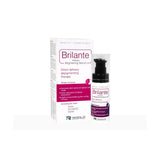
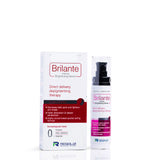
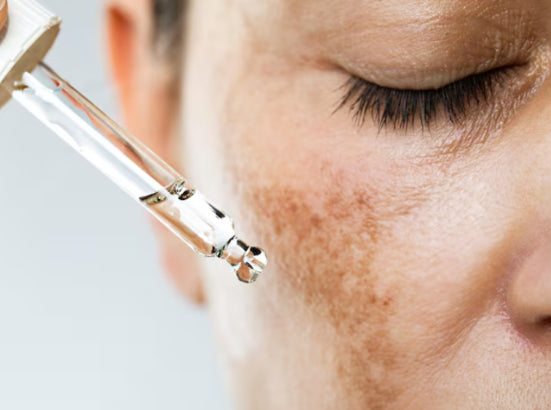
- Hyperpigmentation concerns: consider a sunscreen that supports consistent, daily use. Even tone often benefits from steady protection paired with gentle brightening steps.
Texture matters because it determines how smoothly the cream spreads. If your sunscreen pills when combined with other products, you may need to adjust the order. Many routines work best when you apply skincare products, allow them to settle, and then apply sunscreen as the final step for daytime.
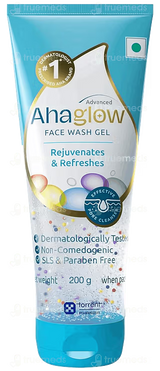
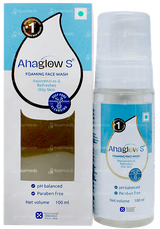
To support overall skin care, pair your sunscreen with a consistent cleansing routine. If you need a gentle cleanser that helps maintain comfort, consider Cetaphil Gentle Cleanser. Cleansing is the second half of daily sun care because it allows you to remove sunscreen properly at night.
How-To Guide: Apply Sun Protection Cream Correctly
Correct application is a skill. Use this process to maximize coverage and reduce the risk of missed areas. The goal is even distribution, comfortable wear, and timely refresh.
Step 1: Apply early and use a sufficient amount
Apply sunscreen before sun exposure. Use enough product to cover the areas you will expose, including the face, neck, ears, and hairline. Pay special attention to zones that people often overlook: the sides of the face, the upper lip area, and the neck. If you apply makeup, sunscreen should sit under it as your protective layer.
Step 2: Layer with skincare in the right order
After cleansing and moisturizing, apply your treatment products first, then sunscreen. Allow serums and creams to absorb for a short moment before applying the sun cream. This can reduce pilling and improve adherence to the skin.
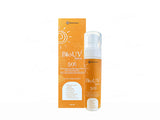
If you also use acne-focused or targeted formulas, choose products that layer without conflict. For example, acne UV gel SPF 50 can be a practical option for daytime wear due to its sunscreen-forward focus. Always confirm ingredient compatibility with your skin goals.
Step 3: Use technique for even coverage
Apply in gentle layers. Spread using upward and outward motions to avoid dragging the skin. Do not rush the process. Rough rubbing can reduce comfort and may disturb other skincare layers beneath.
Step 4: Reapply based on activity, not on guesswork
Reapplication supports protection when conditions change. Refresh after swimming, sweating heavily, towel-drying, or extended time outdoors. If your day includes outdoor movement, reapply in the same general coverage areas. For convenience, consider reapplication methods that fit your lifestyle, such as creams that blend easily.
Step 5: Do not forget everyday exposure points
For many routines, the neck and ears are the most frequently missed. If you wear glasses, include the area where frames rest. If you are in an office environment near windows, consistent application still helps support your baseline protection.
Step 6: Remove sunscreen thoroughly at night
At the end of the day, cleanse to remove sunscreen and other residue. This helps keep pores clear and supports the next day’s skin barrier. A gentle cleanser is often a good match for daily use. If you experience dryness after cleansing, reintroduce moisturizer and consider adjusting the cleanser frequency to your skin’s needs.
For targeted daytime skin support beyond sunscreen, consider pairing with a hydrating step. For instance, Cipla Excela Rich Facial Hydrating Lotion can support comfort under a sunscreen routine, especially in colder or drier climates.
Common Questions Answered
How much sun protection cream should I apply?
Apply enough to form an even protective layer across the skin areas that will be exposed. For the face and neck, use a generous amount rather than a thin smear. Uneven coverage is a common reason people do not receive the expected protection. If you wear makeup, keep sunscreen as your base layer so the protective film remains intact.
Can I rely on sunscreen that feels lightweight or matte?
Lightweight finishes can be effective when they provide broad-spectrum coverage and are applied sufficiently. Comfort is important, but it does not replace correct application. If a formula feels comfortable and blends well, it is generally easier to apply consistently, which supports better real-world results.
What should I do if my sun protection cream pills or separates?
Pilling can happen when layers are incompatible or not given time to settle. Apply skincare products and allow them to absorb before applying sunscreen. Use fewer layers if needed, and avoid overly thick creams directly under sunscreen if your skin is prone to texture issues. If separation continues, consider switching to a sunscreen designed for smoother layering.
Do I need to reapply sunscreen indoors or near windows?
If your environment includes consistent window light exposure, daily sunscreen can still be beneficial. For frequent or prolonged exposure, reapplication should follow your comfort and activity level. Even when outdoor sun is limited, consistent baseline protection can help maintain an overall skincare routine.
Summary & Next Steps
A strong sunscreen routine is built on three fundamentals: choosing broad-spectrum protection, applying with sufficient coverage, and refreshing when conditions change. A sun protection cream that matches your skin type improves adherence and reduces the chance of missed areas. When sunscreen is paired with gentle cleansing and supportive moisturization, skin often looks and feels more consistent.
Next steps are simple. Review your current sunscreen finish and feel. Confirm broad-spectrum coverage and SPF. Then refine your technique by applying earlier, layering in the correct order, and reapplying during extended outdoor exposure. If you want to streamline your routine, choose products that layer well and remove easily at night.
For more guidance on daytime skin care, explore the sun sunscreen options available on Allodermis. Your ideal choice is the one that you will apply every day with confidence.
About the Author
Allodermis focuses on practical skincare education and product selection guidance. The author behind this article has expertise in dermatology-informed routines, ingredient-aware skincare planning, and the everyday application details that influence real-world results. The goal is to help you build a consistent sun protection routine that supports comfort and skin appearance. Thank you for reading and for prioritizing informed, everyday care.
Disclaimer: This article provides general educational information about sun protection and skincare routines. It does not replace professional medical advice, diagnosis, or treatment. If you have skin conditions or sensitivity concerns, consult a qualified healthcare professional or dermatologist before changing your routine.
Authors & medical review
Swaraj Dhar is a sociopreneur, technologist, and the co-founder of Allodermis.
Every article is fact-checked against current peer-reviewed dermatology literature and Allodermis clinical protocols.
This article was last reviewed and updated on . Published .
Have a skin or hair concern?
Book a free consultation with our AIIMS MD dermatologists. Clinics in Bhubaneswar, Gurgaon, and Delhi NCR.