






























Skin Acacdemy

Hydrating Facial Lotions: How to Choose the Right One
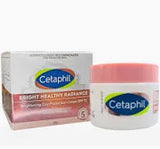
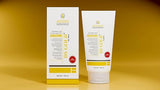
Hydrating facial lotions are a practical step for improving comfort, softness, and the look of skin across seasons. A well-formulated lotion helps skin hold water, supports a healthier skin barrier, and reduces the feeling of tightness after cleansing. In this guide, you will learn what to look for, how to apply hydrating facial lotions correctly, and how to match a lotion to your skin type. You will also find answers to common questions, plus a clear routine you can follow with confidence. Updated on: 2026-06-02 1. Buyer’s Checklist 2. Step-by-Step Guide 3. FAQ 4. Closing Thoughts & CTA 5. About the Author Buyer’s Checklist Choosing hydrating facial lotions becomes easier when you evaluate ingredients and fit. Use the checklist below to refine your selection and avoid mismatches that lead to irritation or poor layering. Look for humectants: Ingredients such as glycerin, hyaluronic acid, panthenol, or betaine attract and retain water in the skin. Support the skin barrier: Ceramides, cholesterol, and fatty acids can help reduce dryness-related sensitivity. Choose emollients for softness: Squalane, shea derivatives, or plant oils help smooth texture and improve comfort. Check for soothing agents: Allantoin, centella, oat-derived ingredients, or niacinamide can calm visible redness or reactive skin. Mind your fragrance and alcohol level: If you have easily irritated skin, prefer fragrance-free or low-irritant formulas. Match the texture to your routine: A lighter lotion works under sunscreen and makeup; a richer cream-like lotion suits nighttime. Verify compatibility with your cleanser: If your cleanser feels tight after washing, a more barrier-supporting lotion may be needed. Assess your climate and season: Cooler, drier weather usually requires stronger water-binding and emollient support. If you are selecting a cleanser as well, a gentle, non-stripping wash can improve how well your hydrating facial lotion performs. Consider pairing your routine with a gentle cleanser such as Cetaphil Gentle Cleanser for a smoother transition from cleansing to hydration. Step-by-Step Guide A consistent application method is essential for achieving the expected benefits of hydrating facial lotions. Follow this structured approach to maximize moisture retention and layering compatibility. Cleanse with care: Wash with a gentle facial cleanser. Pat the skin dry without rubbing, leaving a slight level of residual moisture to support hydration. Apply to damp or freshly dry skin: For many formulations, applying on lightly damp skin improves spreadability and water-binding performance. Use the right amount: Spread a thin, even layer across the face and neck. Use a light touch around the eye area and adjust to your comfort. Focus on dryness zones: Pay attention to cheeks, along the jawline, and areas that feel tight after cleansing. Let it absorb: Wait briefly before applying sunscreen or makeup. This reduces pilling and helps the lotion settle. Layer strategically: If you use serums, apply them first. Then apply your hydrating lotion as the moisture seal. In some routines, a lotion can also act as the base layer for active products. Keep the routine stable: Skin responds to consistent hydration over time. Avoid frequent changes unless you notice irritation, burning, or breakouts that feel linked to a specific product. For readers who want to build a complete hydration routine, it can help to coordinate the texture and goals of each step. For example, a rich, facial hydration product can work well after a targeted wash. If you prefer a classic hydration option, explore Cipla Excela Rich Facial Hydrating Lotion for a straightforward approach to comfort and softness. How to Choose by Skin Type Hydration should feel supportive, not heavy. The best hydrating facial lotion for you depends on how your skin behaves through the day. Dry skin: Prioritize barrier support and richer emollients. Choose a more cushiony texture and apply in the morning and at night. Oily or acne-prone skin: Select a lightweight lotion that absorbs quickly. Focus on humectants and soothing agents rather than heavy oils. Combination skin: Use a balanced lotion that covers the whole face, then concentrate slightly more on dry areas. Sensitive skin: Favor gentle formulas with minimal potential irritants. Perform a patch test on a small area before full use. Morning vs. Night Application Hydrating facial lotions are versatile because they can fit into both daytime and nighttime routines. In the morning, hydration prepares skin for sunscreen and makeup. In the evening, hydration supports overnight recovery and comfort. Daytime routine guidance: Use a hydrating facial lotion as your comfort layer. Apply sunscreen as the final step for daytime protection. If you experience shininess, use a thinner layer and reassess the texture next time. Night routine guidance: Apply a slightly more generous amount where dryness is most noticeable. Allow absorption before bed to reduce residue transfer. If you use acne care or brightening products, layer them first, then add hydration. For those who want to build a full morning routine, sunscreen selection should align with your skin needs. If you want a daily SPF option, consider I Shield Sunscreen Cream SPF 50 PA. A compatible hydration layer can also support smoother sunscreen application. FAQ How often should I use hydrating facial lotions? Most people benefit from using a facial lotion at least once daily. If your skin feels tight, flaky, or reactive, applying twice daily, such as morning and night, is often more comfortable. The goal is consistent hydration without over-layering that leads to heaviness. Can hydrating facial lotions be used with other skincare products? Yes. Hydrating facial lotions usually integrate well with cleansers, serums, and sunscreen. In a typical routine, apply water-based or treatment serums first, then apply the lotion to seal in moisture. If you notice pilling, reduce the amount of lotion and allow brief absorption time. What ingredients indicate a lotion is likely to be well-hydrating? Look for humectants such as glycerin and hyaluronic acid, plus barrier-supporting components like ceramides or fatty acid blends. Soothing agents like panthenol and allantoin can improve comfort, especially on sensitive or dryness-prone skin. Reading the full ingredient list helps you understand how a formula balances water-binding and skin comfort. Why does my face feel dry again soon after applying lotion? Several factors can contribute to dryness returning. A cleanser that removes too much natural oil can cause tightness. Also, using a lotion that lacks emollients or barrier support may not reduce moisture loss. Climate changes and frequent washing can also affect hydration needs, so adjusting texture and application amount can help. Closing Thoughts & CTA Hydrating facial lotions are a practical way to support comfort, softness, and the look of well-cared-for skin. When you choose a formula that includes humectants and barrier-supporting ingredients, you can create a routine that fits your skin type and daily habits. Select a texture that layers cleanly with your sunscreen and any serums you already use. If you want a simple next step, review your current cleanser and lotion match, then consider a targeted hydration option such as Cipla Excela Rich Facial Hydrating Lotion. For readers who prefer a lightweight approach, explore additional hydration-focused items on the site and choose based on your skin comfort goals. Disclaimer: This article is for educational purposes only and does not replace professional medical advice. Individual skin reactions can vary. If you experience persistent irritation, consult a qualified healthcare professional or dermatologist. About the Author Section Allodermis contributes to skin-focused education with a practical, ingredient-aware approach. The team behind these guides emphasizes hydration, barrier support, and routine compatibility for different skin types. Expertise highlights include ingredient analysis, skincare layering strategy, and selection guidance for everyday use. For personalized assistance, consider reaching out to a qualified professional before making significant changes to your skincare routine.
Learn more