









Skip to content
Up to 30% Off on all Treatments

Skin Acacdemy

Anti-Aging Skincare Routine: Steps That Really Help

Anti-Aging Skincare Routine: Steps That Really Help

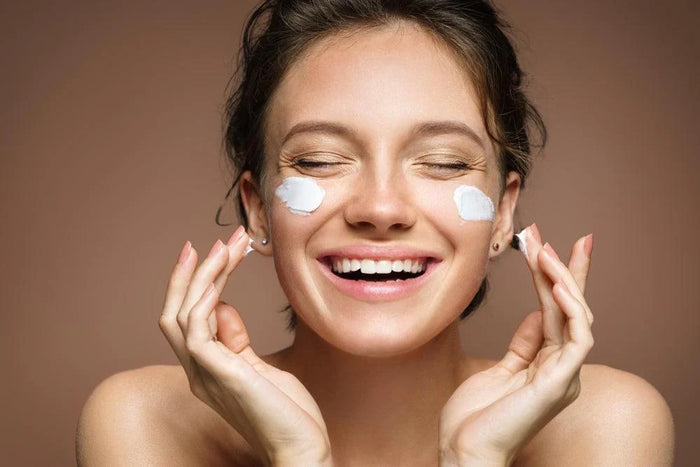
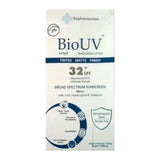
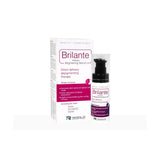
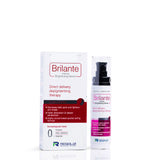
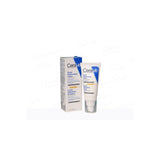
Updated on: 2026-06-01 Anti-aging skincare is not a single product or one-time solution. It is a routine that supports skin barrier health, hydration, and consistent protection. The most effective approaches focus on gentle cleansing, targeted active ingredients, and daily sun protection. When you combine evidence-based care with realistic expectations, you can improve the look of fine lines and uneven tone over time. Quick Recap Table of Contents Anti-Aging Skincare Essentials How to Build an Anti-Aging Skincare Routine Common Questions Answered Summary & Next Steps About the Author Quick Recap Anti-aging skincare works best when you use a structured routine and prioritize daily UV defense. Start with a cleanser that does not overstrip. Then add hydrators and carefully selected actives for texture, firmness, and visible signs of aging. Review your routine periodically to match your skin’s current needs. Anti-Aging Skincare Essentials Anti-aging skincare remains a relevant topic because skin changes gradually and visible signs often reflect long-term exposure and daily stressors. These include ultraviolet radiation, environmental dryness, friction, and oxidative stress. The goal is not to “erase” time, but to support skin that looks more even, smoother, and resilient. Effective routines generally share a few fundamentals. First, they protect the skin barrier to reduce dryness and sensitivity. Second, they include hydration to improve comfort and the look of fine lines. Third, they use proven categories of active ingredients that address texture and uneven tone. Finally, they use consistent sun protection because UV exposure is one of the most influential drivers of premature aging. 1) Barrier health is the foundation A strong barrier helps skin retain moisture and respond better to active ingredients. For many people, early frustration comes from using harsh cleansers or over-exfoliating. A barrier-friendly approach supports smoother makeup application, fewer rough patches, and better tolerance of targeted formulas. Look for gentle cleansing and non-stripping hydration. When skin feels tight after washing, it often signals that the cleanser or frequency is not aligned with your skin. In a routine built for anti-aging, comfort matters because it supports consistency. 2) Hydration improves the look of fine lines Fine lines can become more visible when skin is dehydrated. Even when you use actives, hydration helps maintain a supple appearance. Hydration also supports skin elasticity and can reduce the look of crepey texture. For hydration, focus on moisturizers that support long-lasting comfort. If you experience dryness after cleansing, consider a moisturizer that can be used daily and, when needed, a lightweight serum for additional water-binding effects. 3) Daily sun protection drives real results Daily sun protection is central to any anti-aging plan. UV exposure contributes to photoaging, uneven pigmentation, and rough texture. Even on cloudy days, ultraviolet rays can reach the skin. A consistent sunscreen routine is not just an addition; it is the core behavior that reduces new damage. Choose a formula appropriate for your skin type and apply it reliably as the last step of your morning routine. How to Build an Anti-Aging Skincare Routine A practical routine should be simple enough to maintain and flexible enough to adapt. Below is an evidence-informed step-by-step guide that supports anti-aging skincare without relying on extreme or overly complex regimens. Step 1: Cleanse gently Use a gentle cleanser suited to your skin type. Morning cleansing can be minimal; evening cleansing is more important because it removes sunscreen, impurities, and pollutant residue. Avoid very hot water and cleansing that leaves skin feeling dry. If you need a reference point, consider starting with a gentle facial cleanser such as Cetaphil Gentle Cleanser for a non-stripping approach. Step 2: Add targeted actives Actives should match your primary goal. Many people focus on visible lines, uneven tone, dullness, and loss of firmness. For day and night, rotate or combine actives carefully so the skin can tolerate the routine. For hydration and smooth texture: include a daily hydrating lotion or serum layer. For brightening and uneven tone: consider gentle brightening categories such as vitamin C derivatives or pigmentation-targeted actives. For proactive treatment: some serums are designed for daily use that supports a smoother look over time. As examples for guidance on formulation styles, you may explore hydrating lotion options for moisture support, and daily serum concepts aimed at visible tone and texture improvements. Product selection should always be based on your skin sensitivity and ingredient tolerance. Step 3: Moisturize consistently Moisturizers help lock in hydration and reduce the appearance of dryness-related texture. A good moisturizer can also improve how skin handles actives by supporting barrier function. If you have oily skin, you still need moisture. Choose lightweight formats that do not feel greasy and can be applied consistently. If you have dry or sensitive skin, choose a richer texture that reduces tightness. Step 4: Apply sunscreen every morning Sunscreen is the most important step for long-term visible improvement. Apply it every morning as the last step of your skincare routine. Use enough product to cover the face and extend to the neck where appropriate. For oily or acne-prone skin, a non-comedogenic feel is often preferred. You may find suitable options on acne-focused UV gel listings. For daily coverage, another approach is to use broad protection formulas such as sunscreen cream options. Step 5: Plan a night routine and adjust frequency At night, you can focus on replenishment and active support. Start with your core steps, then adjust the frequency of stronger actives if your skin becomes reactive. For many people, gradual introduction prevents irritation. For example, brightening and antioxidant support can be layered in a night routine, while other active categories can be used less frequently if needed. The key is to observe your skin response and keep the routine sustainable. Step 6: Exfoliate only as needed Exfoliation can improve surface texture, but overuse can damage the barrier and worsen sensitivity. Choose a mild frequency and stop if you notice redness, burning, or increased flaking. If you already use strong active ingredients, keep exfoliation minimal. A gentle brightening or mild exfoliation plan can complement hydration and sunscreen. Always allow recovery time after stronger treatments. Common Questions Answered When should I start anti-aging skincare? You can begin once you notice early changes such as dryness, uneven tone, or the first appearance of fine lines. Many people start in their early adulthood because prevention is easier than correction. The best approach is to build a routine that supports barrier health and UV protection first, then add actives that fit your skin goals. How long does it take to see results from anti-aging skincare? Visible improvements depend on your baseline skin condition, the consistency of sun protection, and how your skin responds to actives. Instead of focusing on short timelines, evaluate your routine over multiple skincare cycles. If irritation occurs, the timeline will be longer because the priority shifts to restoring comfort and barrier function. Can I use every active in one routine? Using too many actives at once often increases the risk of redness, dryness, and reduced tolerance. A more reliable strategy is to select one primary active goal at a time, introduce new ingredients gradually, and adjust frequency based on your skin’s response. Consistency with cleanser, moisturizer, and sunscreen typically provides the baseline structure for all other improvements. What if I wear makeup and need sunscreen daily? You can still maintain daily UV defense by applying sunscreen as the first step under makeup and reapplying when necessary using methods that suit your routine. Choose a formula that works with your skin type and does not cause pilling. If you need additional coverage during the day, consider products that are designed for reapplication comfort. Summary & Next Steps Anti-aging skincare is most effective when it is systematic and consistent. Begin with gentle cleansing to protect the skin barrier, add hydration to improve comfort and the look of fine lines, and prioritize daily sunscreen to reduce new UV damage. When you select actives, match them to your primary concerns and introduce them gradually to support skin tolerance. Next steps should focus on routine design and evaluation. Choose a cleanser, moisturizer, and sunscreen that you can use every day. Then add one targeted active category aligned with your goals, and adjust frequency based on how your skin responds. If you would like guidance on ingredient-friendly options, review the curated product pages on Allodermis and select formulas that align with your skin profile. Disclaimer: This article is for educational purposes only and does not provide medical advice. Individual results vary based on skin type, lifestyle, and consistency of use. If you have a skin condition, sensitivity, or ongoing treatment, consult a qualified healthcare professional before changing your skincare routine. About the Author Allodermis is dedicated to evidence-informed skincare guidance with a focus on formulation quality and practical routines. The author team includes professionals with experience in dermatology-adjacent education, ingredient research, and consumer skincare support. This expertise helps translate skincare concepts into clear, actionable steps. For readers who want a structured routine, Allodermis aims to make anti-aging skincare decisions more confident and consistent.

Learn more
Skin Pigmentation Treatment at Allodermis: Causes, Symptoms; Advanced Treatment Options

Skin Pigmentation Treatment at Allodermis: Causes, Symptoms; Advanced Treatment Options

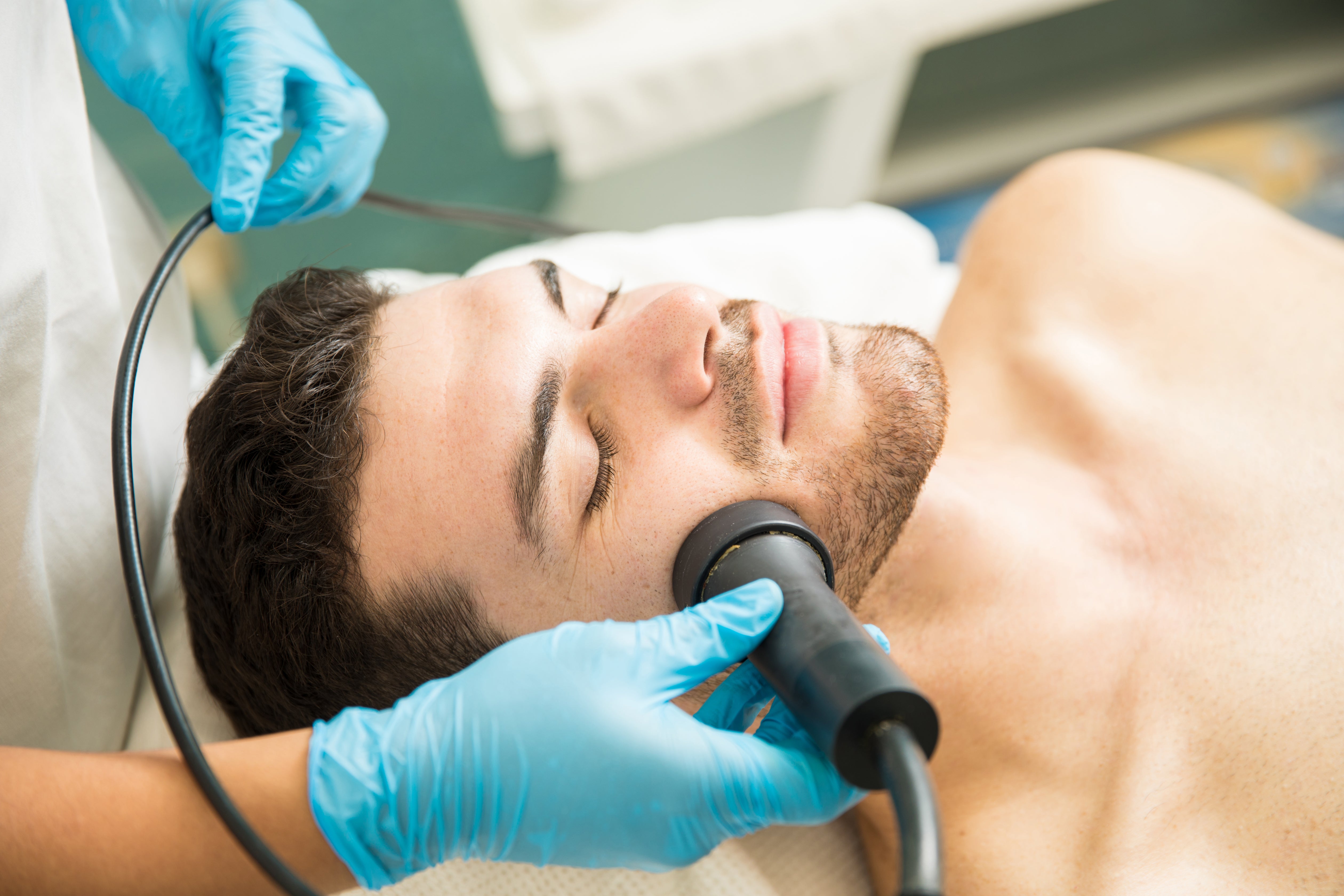
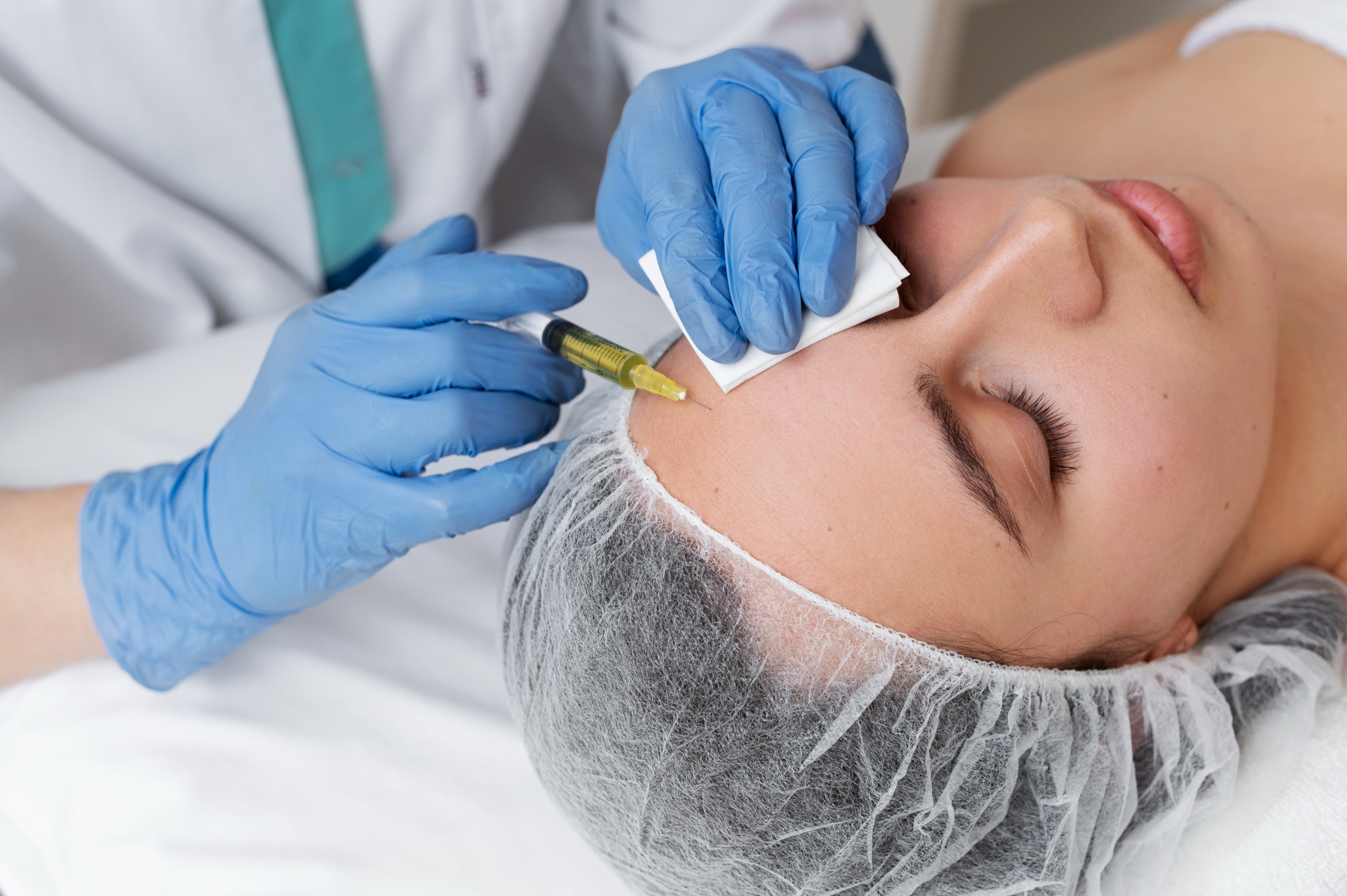
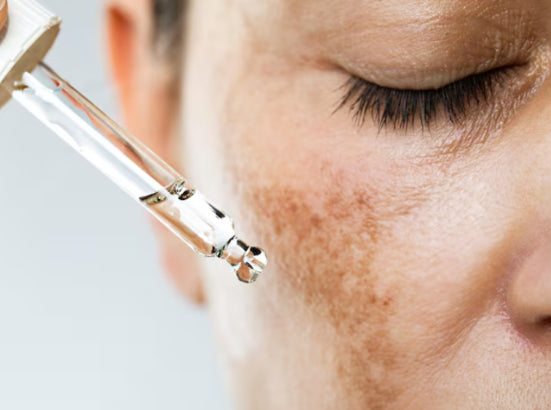
Allodermis – Where Skin Reflects Health. Care Begins at the Root📞 9717503031 | 🌐 www.allodermis.comAIIMS MD Dermatologists | Root Cause Dermatology | USFDA Approved Technology | Minimal, ScienceFirst Care What is Skin Pigmentation? Skin pigmentation occurs when certain areas of the skin become darker due to excess melanin production. While it’s common and often harmless, pigmentation can affect appearance, confidence, and overall skin uniformity. At Allodermis, our AIIMStrained dermatologists provide root cause diagnosis and offer USFDA-approved treatments to safely and scientifically address pigmentation concerns, ensuring clear, even-toned skin. Causes of Skin Pigmentation Skin pigmentation develops when melanocytes (cells producing melanin) become overstimulated. The main triggers are: External Factors: Sun Exposure (UV Rays)UV exposure is the leading cause of pigmentation. It stimulates melanin production, darkening the skin and worsening existing pigmentation. Skin Injury or InflammationInjuries such as cuts, burns, acne scars, waxing burns, or friction can cause PostInflammatory Hyperpigmentation (PIH). Allergies & Contact DermatitisCosmetics, hair dyes, deodorants, or fragrances can irritate the skin and trigger pigmentation. MedicationInduced PigmentationCertain drugs like chemotherapy, tetracyclines, antimalarials, and some hormonal medications may cause pigmentation changes. Internal Factors: Genetics & Skin TypePeople with darker skin tones (Fitzpatrick IV–VI) are more prone to pigmentation. Hormonal FluctuationsPregnancy, use of oral contraceptives, and thyroid disorders can trigger melasma, a form of pigmentation. Medical ConditionsConditions like vitamin deficiencies and metabolic imbalances can contribute to pigmentation. AgingAs we age, skin turnover slows, making pigmentation more visible. Types of Skin Pigmentation Skin pigmentation can present in various forms, including: FrecklesSmall brown spots that appear due to repeated sun exposure are more common in lighter skin tones. PostInflammatory Hyperpigmentation (PIH)This occurs after skin injury, acne, burns, or irritation, often leaving darker spots in the affected area. MelasmaBrown or gray-brown patches are typically found on the cheeks, forehead, or upper lip. It’s more common in women and aggravated by sunlight and hormones. Sunspots (Solar Lentigines)Well-defined dark spots caused by chronic UV damage. Diagnosis at Allodermis: Our Root Cause Approach At Allodermis, we take a root cause approach to diagnosing pigmentation. Our dermatologists perform: Visible clinical evaluation to determine pigmentation depth (epidermal vs dermal vs mixed). Dermoscopy & Skin Scanner analysis to map melanin distribution. Comprehensive lifestyle and medical assessments to understand triggers like hormones, stress, sleep, and sunscreen habits. Targeted lab tests (if needed) for thyroid levels, vitamin deficiencies, or hormone imbalances. This thorough process ensures that your treatment is customized, safe, and effective. Are You at Risk of Skin Pigmentation? You may be more prone to pigmentation if you: Spend prolonged hours in the sun Have darker Indian skin types (Fitzpatrick IV–VI) Have a family history of pigmentation Experience frequent acne or skin inflammation Are you pregnant or on hormonal therapy Use fragranced or irritating cosmetics Have thyroid or vitamin disorders Prevention & Daily Care Preventing and managing pigmentation requires consistent care and protection. Here’s what you can do: Use BroadSpectrum Sunscreen (SPF 30–50)Apply generously on your face and neck. Reapply every 2–3 hours if you’re outdoors. Follow a Consistent Skincare RoutineA gentle cleanser, barrier-strengthening moisturizer, and targeted treatments can help maintain skin health. Protect Your Skin from the SunWear sun protection clothing like hats, scarves, and sunglasses to minimize UV exposure. Avoid Harsh Scrubs & Irritating ProductsStay away from products with lemon or toothpaste, as well as fragrance-heavy items. Advanced Treatment Options at Allodermis At Allodermis, we provide advanced treatment options for skin pigmentation: 1. Chemical Peels (USFDA Approved) Controlled exfoliation removes pigmented skin layers, promoting skin renewal. Best for PIH, freckles, and superficial pigmentation.Sessions: 3–6 sessions, spaced 2–4 weeks apart. 2. Laser Toning (Q-Switched Nd: YAG) Targets deeper melanin deposits, brightens skin, and improves texture without damaging surrounding tissue. Safe for Indian skin when done by experts.Sessions: 6–8 sessions recommended for melasma, sunspots, and deep pigmentation. 3. Medical Topicals Topical treatments include Hydroquinone, Azelaic acid, Kojic acid, Vitamin C, Retinoids, and Tranexamic acid. These formulations help reduce pigmentation when used under a dermatologist's supervision. 4. Root Cause Corrective Plans Tailored based on your unique profile, which may include hormonal correction, anti-inflammatory care, and stress management. Why Choose Allodermis? Right Products, Only When Needed: We focus on evidence-backed essentials, avoiding overprescription. Root Cause Diagnosis: We identify why pigmentation happens—whether due to hormones, UV exposure, inflammation, or lifestyle. AIIMS MD Dermatologists: Trust our precision and expertise for safe, effective treatments.USFDA-Approved Technology: Our treatments are proven safe for Indian skin. InsideOut Wellness Approach: Longterm clear skin comes from balancing internal health and external care. Prognosis Mild pigmentation improves within 4–6 weeks. Deeper melasma requires longterm maintenance. Laser results build gradually. Combining treatments yields optimal results. Strict sunscreen and lifestyle correction help prevent recurrence. Frequently Asked Questions 1. Which treatment is best for pigmentation?It depends on the type: melasma responds well to lasers + topicals, PIH responds to peels, and sunspots often require laser toning. 2. Is pigmentation permanent?Most pigmentation can be significantly reduced with proper treatment. However, melasma requires longterm maintenance. 3. How many laser sessions are required?Typically 6–8 sessions, depending on the severity and depth of pigmentation. 4. Can pigmentation worsen if untreated?Yes, sun exposure, inflammation, and hormonal triggers can deepen pigmentation. 5. Are topical creams safe?Yes, when prescribed and monitored by a dermatologist. Scientific References Bolognia J. Dermatology. Hyperpigmentation disorders. Sarkar R, et al. Melasma & PIH treatment guidelines. Indian Dermatol Online J. Grimes PE. Melasma and pigmentary disorders in darker skin types. Dermatol Clin. Manuskiatti W. Laser toning for melanin correction. J Cosmet Laser Ther. Davis EC. Postinflammatory hyperpigmentation review. J Clin Aesthet Dermatol. ✍  Written by: Swaraj Dhar Co Founder Allodermis || Sociopreneur || Technologist  LinkedIn ID: https://www.linkedin.com/in/swarajdhar/ Reviewed by: Dr Alok Sahoo MBBS, MD Dermatology and Venereology, AIIMS Delhi LinkedIn ID: https://www.linkedin.com/in/dralokderma/ Updated On: 12 Dec 2025 Clinic entity: Allodermis Skin ClinicLocal context: Delhi NCR | Gurgaon | Bhubaneswar  

Learn more
AI Skin Analysis