









































Updated on: 2026-06-17
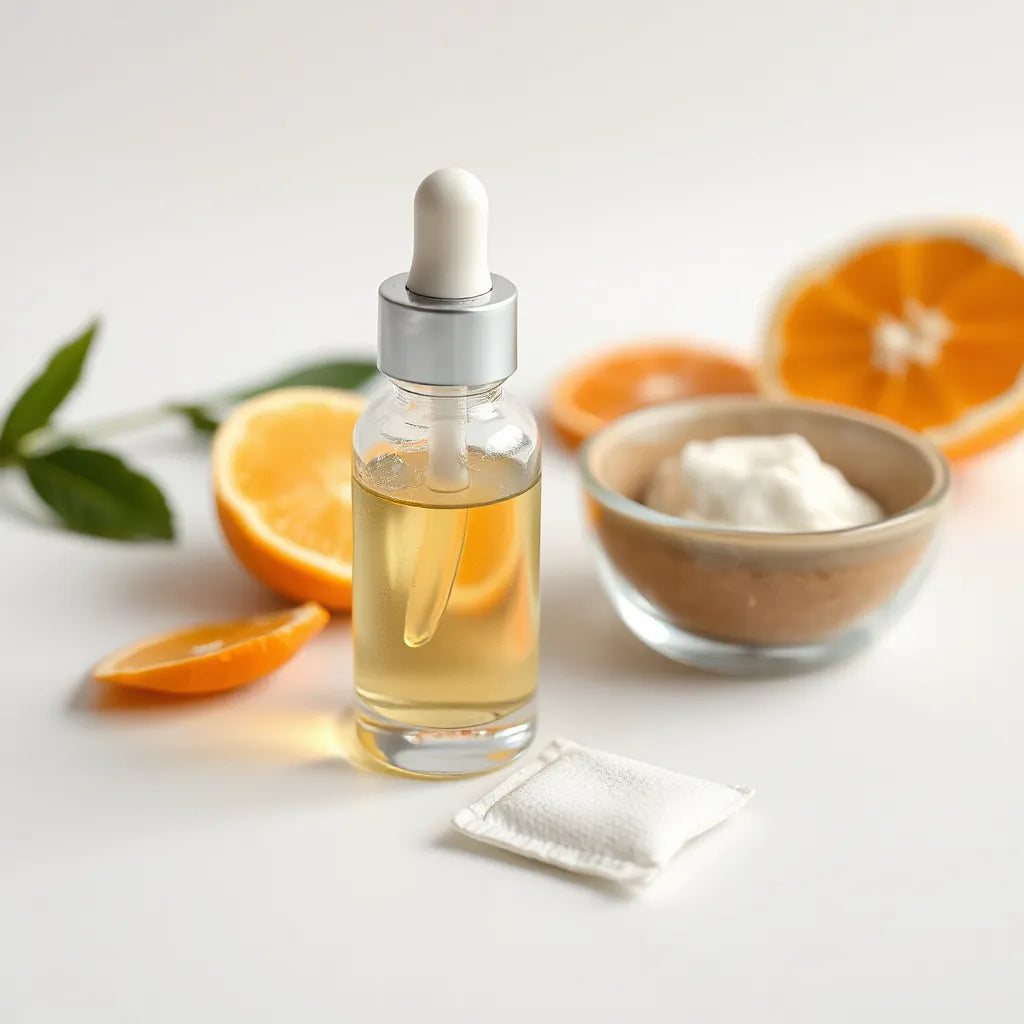
Vitamin C serum for skin is widely used to support a brighter, more even-looking complexion. It is often selected for its role in skin antioxidant defense and for the way it can complement daily skincare routines. The best results come from consistent application and careful pairing with sunscreen and gentle hydration. This guide explains common myths, practical usage steps, and how to choose a serum that fits your skin needs.
Myths vs. Facts
- Myth: A vitamin C serum for skin works instantly. Fact: Consistent use over time is usually more realistic than expecting overnight changes.
- Myth: Higher percentage always means better results. Fact: Stability, formulation type, and skin compatibility matter as much as concentration.
- Myth: You do not need sunscreen if you use vitamin C. Fact: Daily sun protection is a foundational step for improving and maintaining overall skin tone and appearance.
- Myth: Any serum will suit every skin type. Fact: Sensitive skin may prefer gentler formats or lower irritation potential.
- Myth: Using more layers improves outcomes. Fact: Over-application can increase irritation and may reduce comfort.
Personal Experience
In routine testing of skincare habits, one pattern kept returning: the most noticeable improvement came from discipline, not from switching products every week. When vitamin C was introduced slowly, with a consistent morning routine and daily sunscreen, my skin looked more even in tone and felt more balanced. The change was gradual. It was also more comfortable because I avoided stacking too many active ingredients at once. That approach made the routine easier to follow and easier to evaluate.

Illustration of steady daily routine, not instant results
Why Vitamin C Serum for Skin Is Popular
Many people choose a vitamin C serum for skin because vitamin C is an antioxidant associated with supporting the skin barrier environment and helping reduce the look of dullness. When formulated well and used correctly, it can be a helpful step for daily skincare goals such as brightness, a more even-looking complexion, and an improved appearance of skin texture.
Another reason it remains popular is its compatibility with mainstream routines. A well-tolerated serum can fit between cleansing and moisturizing, and it can be used alongside other non-irritating products. Even when results are subtle, the everyday feel of hydration and the look of fresh skin can be motivating.
To keep expectations grounded, it is useful to view a serum as a supportive tool. It may help the skin look more radiant over time, but it does not replace sun care, gentle cleansing, or consistent moisturizing.
How to Choose a Vitamin C Serum
Selecting the right vitamin C serum is often more about formulation details than marketing language. Consider the points below when you compare options.
1) Look for stability and packaging choices
Vitamin C can be sensitive to light and air exposure. Many effective formulations use protective packaging to help maintain ingredient stability. If a product is designed to reduce oxidation, it is more likely to perform reliably over time.
2) Choose a form that matches your skin tolerance
Different vitamin C derivatives and antioxidant systems may feel different on the skin. If you have sensitive skin, you may prefer a gentler delivery system or a formula designed to reduce sting. If you are new to vitamin C, starting with a product that is designed for daily use can support better adherence.
3) Pay attention to the pH balance
Some serums are formulated with a pH range that supports ingredient performance while maintaining skin comfort. A well-balanced formula can reduce the chance of excessive dryness or stinging.
4) Evaluate the supporting ingredients
Many vitamin C serums include hydrators, soothing agents, or other antioxidants. These additions can improve the overall feel and reduce the likelihood of dryness. If your skin is prone to irritation, look for calming and barrier-friendly ingredients in the full label.
5) Match your skincare goal with your routine
People often use vitamin C serum for skin as part of a broader plan: cleanse, treat, protect, and maintain. If your routine already includes strong exfoliants, you may need to adjust frequency so your skin remains comfortable.
If you want to refine your routine with compatible basics, consider a gentle cleanser such as Cetaphil Gentle Cleanser to keep friction low. For hydration and daily support, pairing with a well-designed moisturizer can improve comfort when you add a new active.

Label comparison with icons for stability, comfort, and pH
How to Use a Vitamin C Serum
The most effective method is usually the simplest: clean skin, a small amount of serum, and consistent follow-through with sunscreen in the daytime. Use the steps below as an evergreen framework.
Step 1: Cleanse with a gentle routine
Start with a mild cleanser. Avoid harsh scrubbing. If your skin feels tight after cleansing, reduce frequency of aggressive treatments and focus on comfort.
Step 2: Apply to dry skin
For many serums, dry skin helps reduce pilling and improves spread. Apply a small amount and press it in with clean fingertips rather than rubbing.
Step 3: Use the correct frequency
For newcomers, introducing vitamin C gradually can reduce irritation risk. Many people start a few times per week, then increase as tolerated. If your skin is stable, you may progress to daily use.
Step 4: Moisturize after treatment
Moisturizer helps support skin comfort and can reduce the feeling of dryness. It also helps the routine feel consistent, which is important for long-term results.
Step 5: Apply sunscreen during the day
Morning use is usually paired with sun protection. Choose a broad-spectrum sunscreen that you can apply consistently. If you need a daily option, consider IPCA Acne UV Gel SPF 50 or a matte-friendly alternative from your preferred category.
Important: Sun protection is not optional if your aim includes an even-looking complexion and protection against daily UV exposure.
What to Pair With Your Serum
Pairing is where routines succeed or fail. The goal is to maintain comfort while covering your skincare fundamentals: hydration, gentle exfoliation when needed, and sun protection.
Hydration support
If your skin feels dry, add a hydrating moisturizer. If you are experimenting with vitamin C, it may be helpful to keep your moisturizing step steady rather than changing multiple products at once.
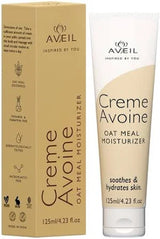
For facial hydration support, you may consider Excela Rich Facial Hydrating Lotion as an option within a barrier-friendly routine.
Antioxidant synergy
Vitamin C works best when paired with other antioxidant support and protective habits. This is not about layering many strong actives. It is about choosing products that remain compatible for your skin type.
Targeted pairing with exfoliants
If your routine includes acids or retinoids, introduce vitamin C separately and monitor irritation. A common strategy is to rotate days. This reduces the chance of dryness and redness while still supporting multiple goals.
Acne-prone and oily skin considerations
For oilier skin, a lightweight moisturizer can be more comfortable than a heavy cream. If you also need sunscreen coverage, select textures that do not feel greasy and that remain comfortable through the day.
Common Reactions and What to Do
Vitamin C serums may cause temporary discomfort in some users. Understanding the pattern helps you respond appropriately without abandoning a routine prematurely.
Stinging or mild redness
Occasional stinging can occur, especially during early use or if the skin barrier is not fully settled. Reduce frequency, ensure the skin is fully dry before application, and check whether you are using other irritating products at the same time.
Dryness or flaking
If dryness appears, support the routine with moisturizer and consider lowering application frequency. It may also help to avoid strong exfoliation on the same days.
Breakouts
Breakouts can happen due to formula texture, compatibility, or routine changes. If breakouts occur, pause vitamin C, evaluate cleanser and moisturizer consistency, and resume with a gentler approach. Always be cautious about rapidly switching multiple products.
Oxidation concerns
If a serum appears significantly darker than when first opened or smells unusual, ingredient oxidation may have occurred. Using a stabilized, well-stored product can reduce this risk.
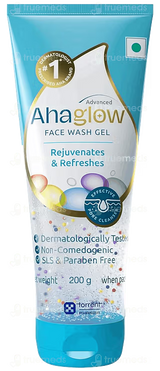
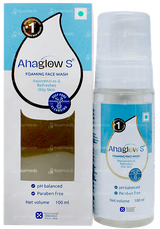
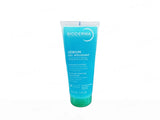
If you are managing acne while adding brightening steps, a routine that includes a consistent cleanser can help. For targeted support, you might review PigmentBio Foaming Face Wash for a gentle cleansing approach in a broader plan.
Final Thoughts & Takeaways
A vitamin C serum for skin can be a valuable part of a daily routine when it is chosen carefully and used consistently. The most important factors are skin comfort, stable formulation, and pairing with sunscreen. Avoid the assumption that concentration alone determines results. Instead, focus on compatibility, gradual introduction, and a steady routine you can maintain.
When your routine is calm and predictable, you can evaluate outcomes more accurately. That approach usually leads to better adherence and more consistent skin appearance over time.
Simple routine summary
- Cleansing: keep it gentle and consistent.
- Treatment: apply a small amount to dry skin.
- Moisturizing: support barrier comfort.
- Sun protection: prioritize daily sunscreen.
- Adjustment: change one variable at a time.
Q&A Section
How often should I use a vitamin C serum for skin?
For many users, starting two to three times per week and increasing gradually as tolerated is a practical approach. The goal is to maintain comfort while allowing your skin to adapt to the active. If you notice stinging or excessive dryness, reduce frequency and support with moisturizer.
Can vitamin C serum be used with other skincare actives?
Yes, but compatibility matters. If you use exfoliating acids, strong retinoids, or multiple actives, consider alternating days rather than applying everything at once. Keep your routine stable for at least a couple of weeks before changing additional products, so you can identify what works best for your skin.
Why is sunscreen still necessary when using a vitamin C serum?
Sunscreen supports daily protection from ultraviolet exposure, which influences skin tone and the overall appearance of aging. Vitamin C may support antioxidant defense, but it does not replace the protective role of broad-spectrum sunscreen. Consistent sun protection is usually the clearest way to maintain and enhance results.
What should I do if my skin reacts to a new vitamin C serum?
Pause the serum, simplify your routine, and focus on gentle cleansing and moisturization. When you restart, use a smaller amount and lower frequency. If discomfort continues, consider choosing a gentler formula or consulting a qualified dermatologist for personalized guidance.
Does the concentration of vitamin C determine effectiveness?
Concentration can influence performance, but it is not the only factor. Stability, formulation type, pH balance, and how your skin tolerates the product also affect results. A well-formulated serum that you can use consistently often outperforms a higher-strength option that causes irritation.
About the Author Section
Allodermis is committed to evidence-informed skincare education and practical routine design. This post was guided by expertise in dermatology-adjacent skincare concepts, ingredient compatibility, and consumer-friendly application strategies. The team emphasizes comfort-first approaches and consistent protection habits. Thank you for reading and for building a routine that supports long-term skin health.
Disclaimer: This article is for general educational purposes and does not provide medical advice. Individual results vary, and you should discontinue use if irritation occurs. For personalized guidance, consult a qualified dermatologist.


