


































































What to Expect From Dermatologist Consultations

Dermatologist consultations are a practical way to understand skin concerns and build a safe, targeted routine. In this guide, you will learn what to expect, how to prepare, and how professional guidance can reduce guesswork. You will also find clear answers to common questions and evidence-based myths. By the end, you will have a structured plan for discussing symptoms, choosing next steps, and tracking results over time.
Updated on: 2026-05-31
Dermatologist consultations help translate skin symptoms into a clear care plan. You can review triggers, evaluate product habits, and discuss options that match your skin type and goals. Preparation improves communication and helps clinicians assess patterns more accurately. When you leave with a plan, your routine becomes more consistent and easier to evaluate.
1. What are dermatologist consultations?
4. How to prepare for your visit
What are dermatologist consultations?
Dermatologist consultations are appointments with a licensed skin specialist who evaluates skin, hair, and sometimes nail conditions. The goal is to identify likely causes, assess severity, and recommend a plan that fits your lifestyle and sensitivities. A consultation also supports safer product use because skin concerns are often more complex than they appear on the surface.
During an evaluation, the clinician typically reviews your history, examines the affected areas, and asks targeted questions. These questions may include when symptoms began, what changed before symptoms started, and what products you use daily. Many clinicians also discuss environmental factors such as sun exposure, friction, humidity, and stress-related skin reactivity.
Dermatologist consultations can be especially useful when you have persistent issues, unclear triggers, or multiple products that have not produced consistent improvement. They also help you rule out conditions that resemble common acne, irritation, or eczema.
Product Spotlight
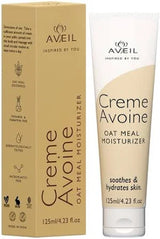
A clinician-guided routine often includes gentle, consistent base products and carefully chosen actives. While a dermatologist can prescribe medications when needed, everyday skincare frequently starts with barrier-supporting cleansing and hydration. In many routines, an appropriate cleanser reduces excess oil and debris without stripping the skin, while a lightweight moisturizer helps maintain comfort between active treatments.
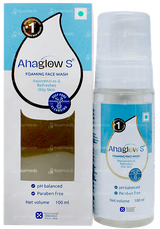
For those who want a practical approach that aligns with professional recommendations, consider starting with a gentle cleanser. For example, you can explore a daily option such as Cetaphil Gentle Cleanser to support a calmer baseline. If you have oil-control goals, you can compare with Cetaphil Pro Oil Control Foam Wash and evaluate how your skin responds. A dermatologist can help you choose the right fit based on your texture, sensitivity, and climate.
When skin is prone to breakouts or visible congestion, clinicians may also advise targeted formulas that address multiple pathways, such as inflammation and clogged pores. For sun protection, which is a common requirement across many dermatologic plans, a broad-spectrum sunscreen with consistent daily use often plays a central role. You may find an example option at IPCA Acne UV Gel SPF 50, which can be useful for acne-prone users when selected appropriately.

Myths vs. Facts
Myth: “A dermatologist consultation is only for severe skin disease.”
Fact: Many people seek dermatologist consultations for persistent irritation, slow-to-improve acne, uneven texture, or concerns about dark marks. Early, accurate guidance can prevent unnecessary trial and error.
Myth: “If a product is popular, it will work for any skin type.”
Fact: Skin conditions depend on barrier status, sensitivity, and underlying causes. A clinician often considers how your skin reacts to ingredients, how you layer products, and how you respond over time.
Myth: “You should change products every few days to see results.”
Fact: Many skincare adjustments require consistent use to assess response. Frequent changes can confuse cause-and-effect and increase irritation risk, which is why a structured plan matters.
Myth: “Professional advice replaces sunscreen and basic care.”
Fact: Sunscreen and gentle baseline care are common foundations. Dermatologists often emphasize consistency because sun exposure and barrier disruption can undermine improvement from treatments.
How to prepare for your visit
Preparation helps dermatologist consultations run more smoothly and supports better decision-making. Start by documenting your concern in neutral terms. Include the main issue, when it began, and how it has changed. If you can, note the locations and whether symptoms spread, improve, or flare with time.
Next, gather product details. Clinicians often ask about cleansers, moisturizers, serums, spot treatments, exfoliants, and sunscreens. Bring packaging or write down ingredient and brand names, along with how often you use each item. If you recently changed a routine, mention the exact timing. This information can clarify whether symptoms relate to irritation, product layering, or a trigger.
Also consider your medical context. Share any known allergies, chronic conditions, or ongoing medications. If you have tried previous treatments, describe what improved symptoms and what made them worse. Dermatologists can interpret past outcomes and adjust next steps accordingly.
Finally, prepare questions. People often focus on “what should I use,” but dermatologist consultations also benefit from questions about “how to use it” and “how to track progress.” Ask how to introduce new products safely, what to expect from gradual changes, and when to schedule follow-up if progress is slow.
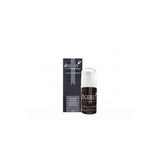
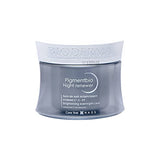
If you want a practical discussion about brightening or uneven tone, clinicians may evaluate whether your marks are related to inflammation, sun exposure, or recurring irritation. In such cases, they might recommend structured options. For example, you can review daytime and nighttime needs, and explore product categories that align with guidance such as Bioderma Pigmentbio Night Renewer for nighttime support, as appropriate.
How to interpret treatment and routine changes
One reason dermatologist consultations are valuable is that they provide a framework for evaluating what works. Dermatologic plans often include a baseline routine and one or two targeted adjustments. When you change multiple items at once, it becomes harder to know which change caused improvement or irritation. A clear plan reduces confusion and protects the skin barrier.
To interpret progress, focus on patterns rather than daily fluctuations. Many conditions have cycles related to weather, sleep, stress, friction, and hormonal changes. A dermatologist will often discuss realistic timelines for improvement and emphasize that steady use matters.
At the same time, it is important to monitor adverse reactions. If you experience burning, swelling, severe dryness, or worsening rash, stop the suspected product and contact your clinician. Safe skincare is not about pushing through discomfort.
When active ingredients are included, layering strategy becomes more important. Dermatologists may recommend introducing one active at a time, using a consistent schedule, and prioritizing moisturizer and sunscreen. For people concerned about acne, barrier sensitivity, or sun-related marks, clinician-guided steps can reduce the risk of over-exfoliation.
For sun management, sunscreen is not merely a finishing step. It is often a key part of a comprehensive plan, especially when pigmentation concerns exist. If you want a product example for daytime coverage, consider reviewing Fixderma Shadow Sunscreen Cream with your clinician’s advice, particularly if you have sensitive skin and need consistent daily protection.
Frequently Asked Questions
1) How often should I schedule follow-up after dermatology advice?
Follow-up frequency depends on the condition and the plan. Many routine skincare improvements are assessed after several weeks, while new or changing symptoms may require earlier review. Your dermatologist will set a realistic follow-up schedule based on severity.
2) What should I bring to my appointment?
Bring a list of current skincare products, any prior treatments, and details about when symptoms began. If possible, bring photos from earlier stages and packaging to support accurate identification.
3) Can dermatologist consultations help with acne scars and dark marks?
Yes. A clinician can distinguish between active inflammation and residual pigmentation, then recommend an appropriate combination of barrier support, sun protection, and targeted actives or procedures when indicated.
4) Will I need prescriptions every time?
Not necessarily. Many dermatology plans start with routine optimization and ingredient selection. Prescriptions are used when necessary for specific conditions.
Final Recommendations
To get the best results from dermatologist consultations, approach your appointment as a planning session, not only an answer session. Document your symptoms and routine, ask specific questions about product use and monitoring, and request a clear baseline plan that you can follow consistently.
Choose changes that are practical and measurable. Keep cleansing gentle, moisturize appropriately, and use sunscreen daily when your clinician recommends it. If you add actives, introduce them one at a time so that you can identify what supports improvement and what increases sensitivity.
After the consultation, create a simple tracking method. Note improvements in texture, redness, oiliness, flaking, or irritation. Also note any setbacks, including timing and triggers. This information helps your dermatologist refine the plan at follow-up.
If you want to explore a well-structured routine, you can review category options on Allodermis and select products that match your skin needs. However, product choice should remain aligned with professional guidance and your personal tolerance.
Q&A Section
What is the difference between a skincare consultation and dermatologist consultations?
Skincare consults often focus on product selection and general routines. Dermatologist consultations evaluate medical and dermatologic causes, examine skin closely, and can recommend prescription treatment or procedural care when needed. Dermatology visits are also more appropriate when symptoms persist, worsen, or resemble a condition beyond simple irritation.
How can I explain my skin concern clearly during a dermatologist consultation?
Describe what you notice in simple terms: appearance, location, and changes over time. Mention triggers such as new products, sun exposure, friction, shaving, or heat. Include what you have already tried and how your skin responded. This structure helps the clinician connect symptoms with probable causes.
What should I do if my skin gets worse after starting a new routine?
Stop the most recently introduced product or active ingredient and return to a gentle baseline. If worsening includes severe burning, swelling, or rapidly spreading rash, seek urgent clinical guidance. In most routine cases, barrier disruption and irritation can be reduced by simplifying the regimen and reintroducing actives more slowly after expert review.
Can dermatologist consultations help with sensitive skin and recurring flares?
Yes. Dermatologists often assess barrier integrity, identify irritant patterns, and recommend a stable routine that limits triggers. They may also advise how to adjust frequency, product types, and hydration support so that your skin can recover between flares.
How do I know whether a product is suitable after my appointment?
Use the appointment plan as the reference point. If your clinician recommended a product category, verify that the product fits your routine schedule and does not conflict with other actives. Introduce changes gradually and monitor comfort for several weeks. If your skin becomes painful, very red, or intensely itchy, discuss alternatives with your dermatologist.
About the Author Section
Allodermis is known for supporting evidence-informed skincare decisions with practical product guidance. This article was written by a content specialist with expertise in dermatology-adjacent education, skincare routine planning, and clarity-focused consumer communication. The aim is to help readers approach dermatologist consultations with confidence and structure. Thank you for reading, and for taking thoughtful steps toward healthier skin.
Disclaimer: This article is for informational purposes only and does not replace medical advice, diagnosis, or treatment. Always consult a licensed dermatologist or qualified healthcare professional for guidance tailored to your condition. Product suitability varies by skin type and tolerance, and individual results may differ.
Authors & medical review
Swaraj Dhar is a sociopreneur, technologist, and the co-founder of Allodermis.
Every article is fact-checked against current peer-reviewed dermatology literature and Allodermis clinical protocols.
This article was last reviewed and updated on . Published .
Have a skin or hair concern?
Book a free consultation with our AIIMS MD dermatologists. Clinics in Bhubaneswar, Gurgaon, and Delhi NCR.