


















































What to Expect in Dermatology Consultations

Updated on: 2026-06-23
Dermatology consultations help you translate visible skin concerns into a clear plan. A professional visit supports accurate assessment, personalized routine guidance, and safer product selection. You also gain structured next steps for prevention, follow-up, and monitoring. When you prepare effectively, the appointment becomes more efficient and more valuable.
What Dermatology Consultations Cover | Pros & Cons of Dermatology Consultations | Step-by-Step Practical Guide | Wrap-Up | Q&A Section | About the Author
What Dermatology Consultations Cover
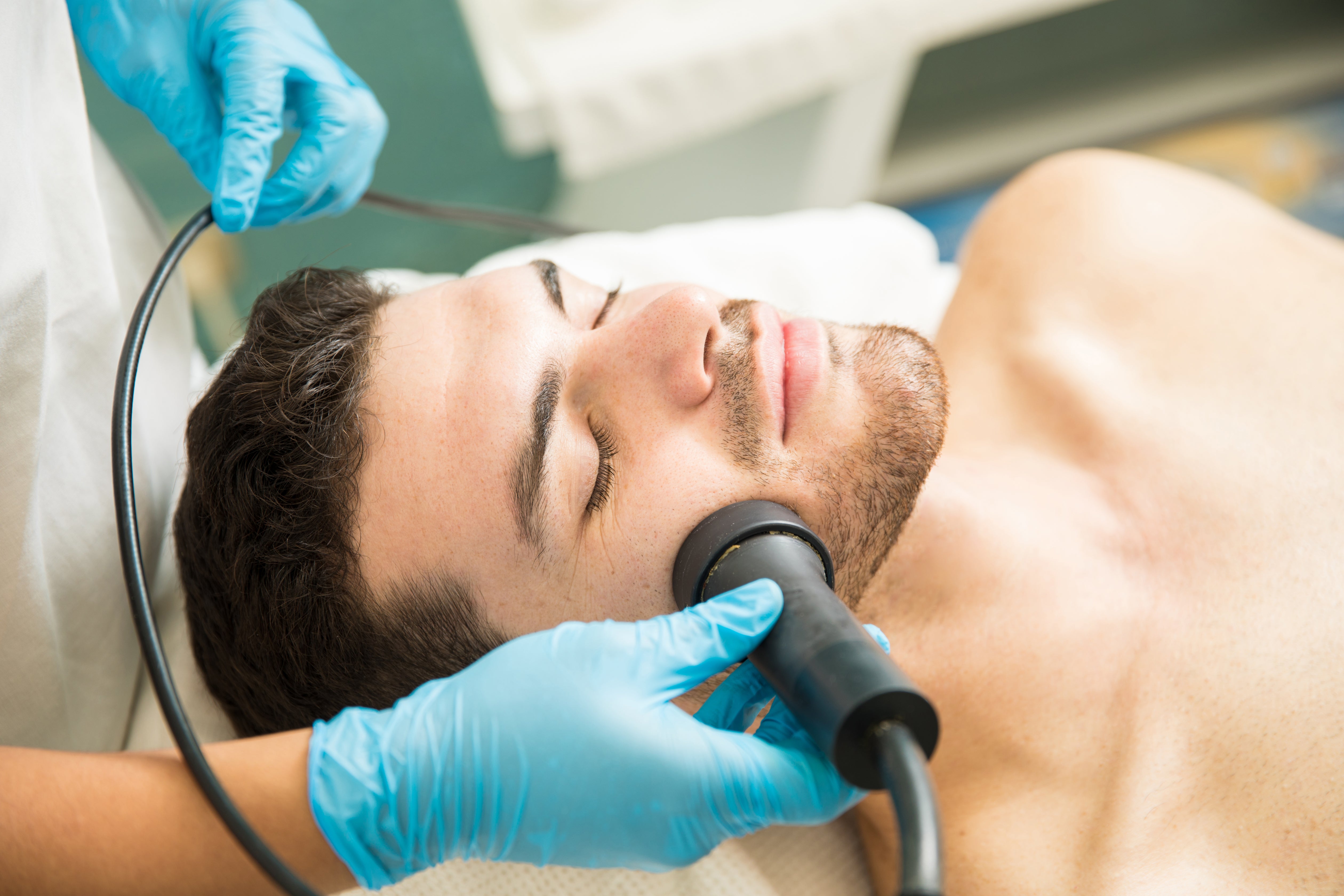
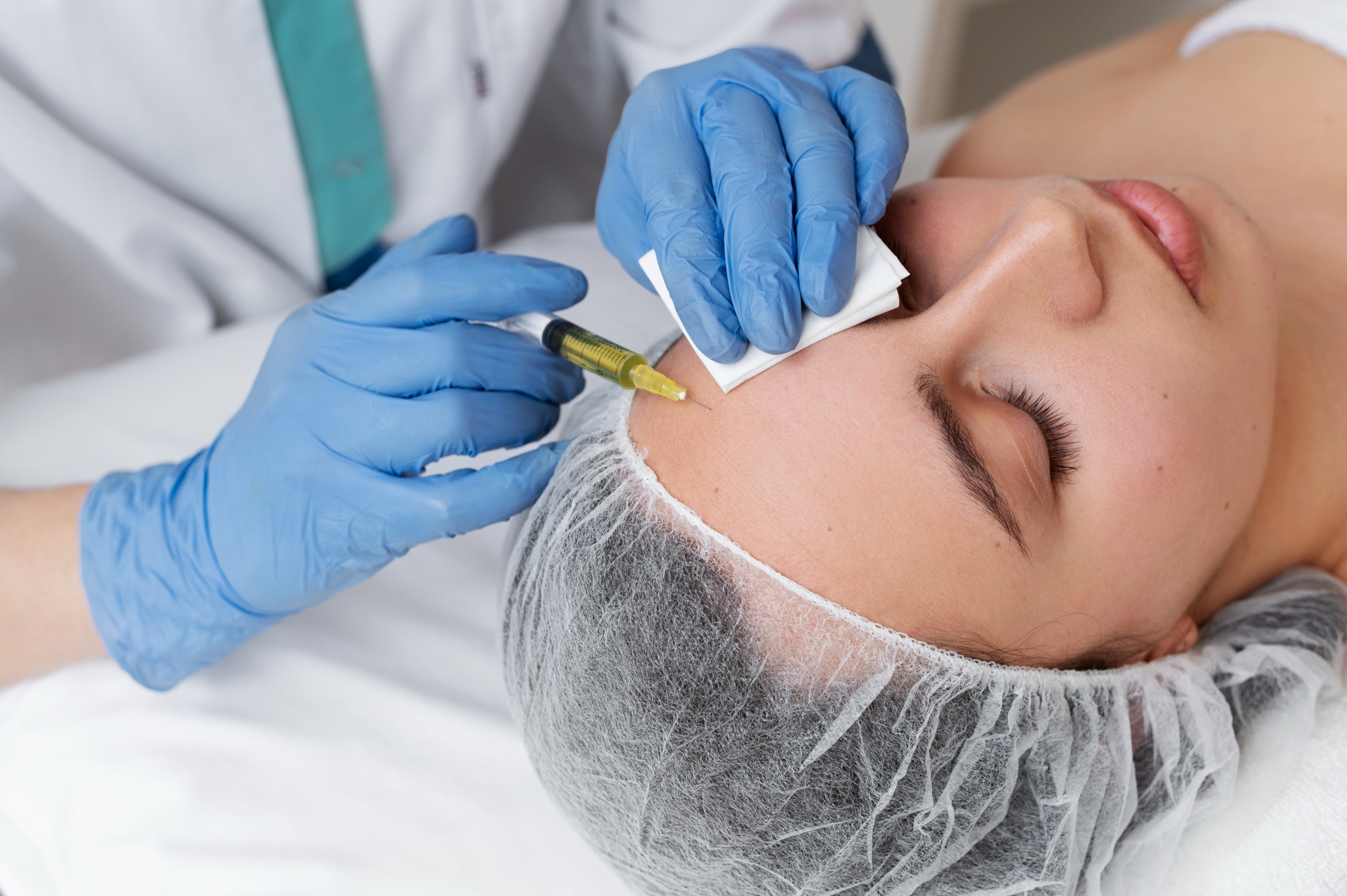
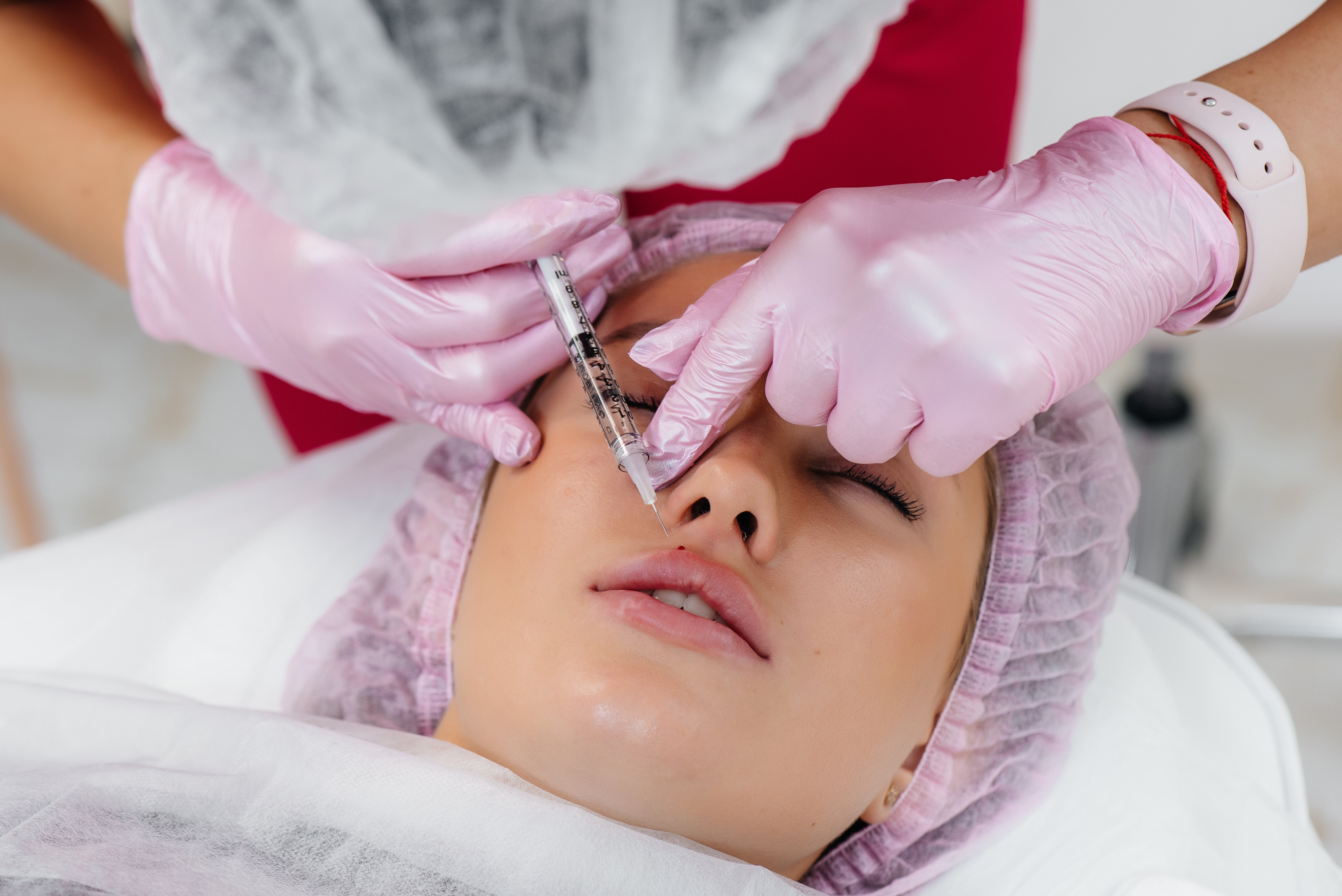
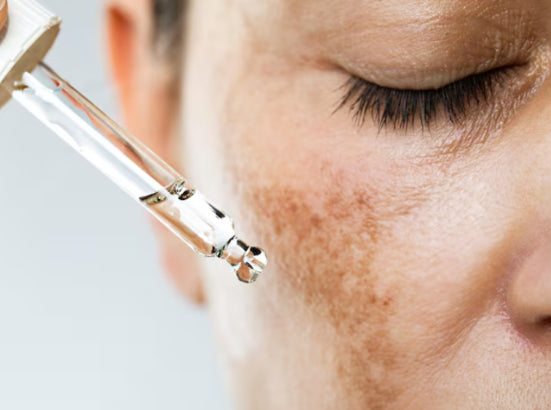
Dermatology consultations are clinical evaluations of skin, hair, and nails. They connect symptoms you can see with likely causes such as irritation, inflammation, infection, hormonal changes, or barrier dysfunction. The goal is not only to describe what you are experiencing, but also to define what to do next with a plan you can follow.
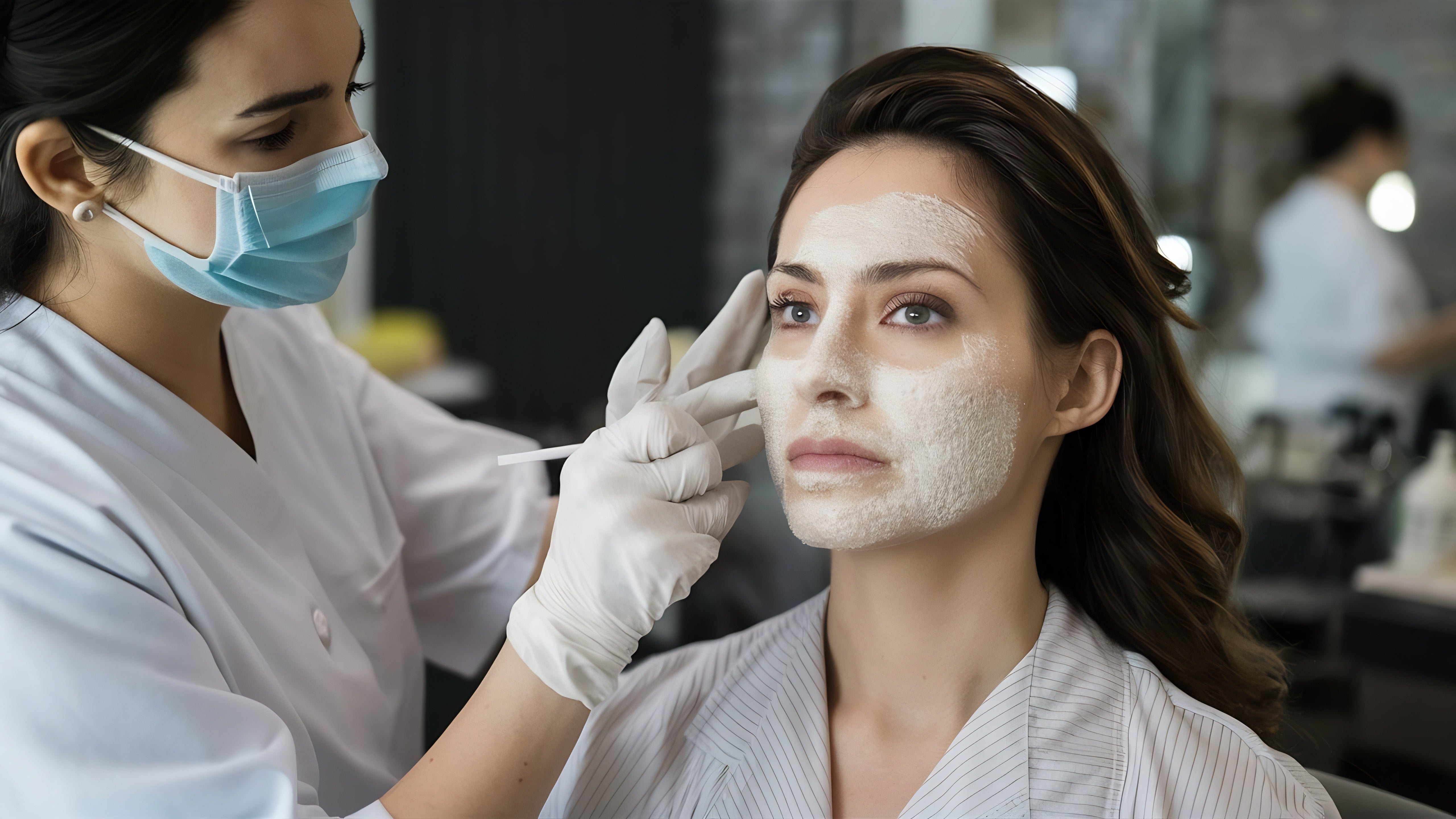
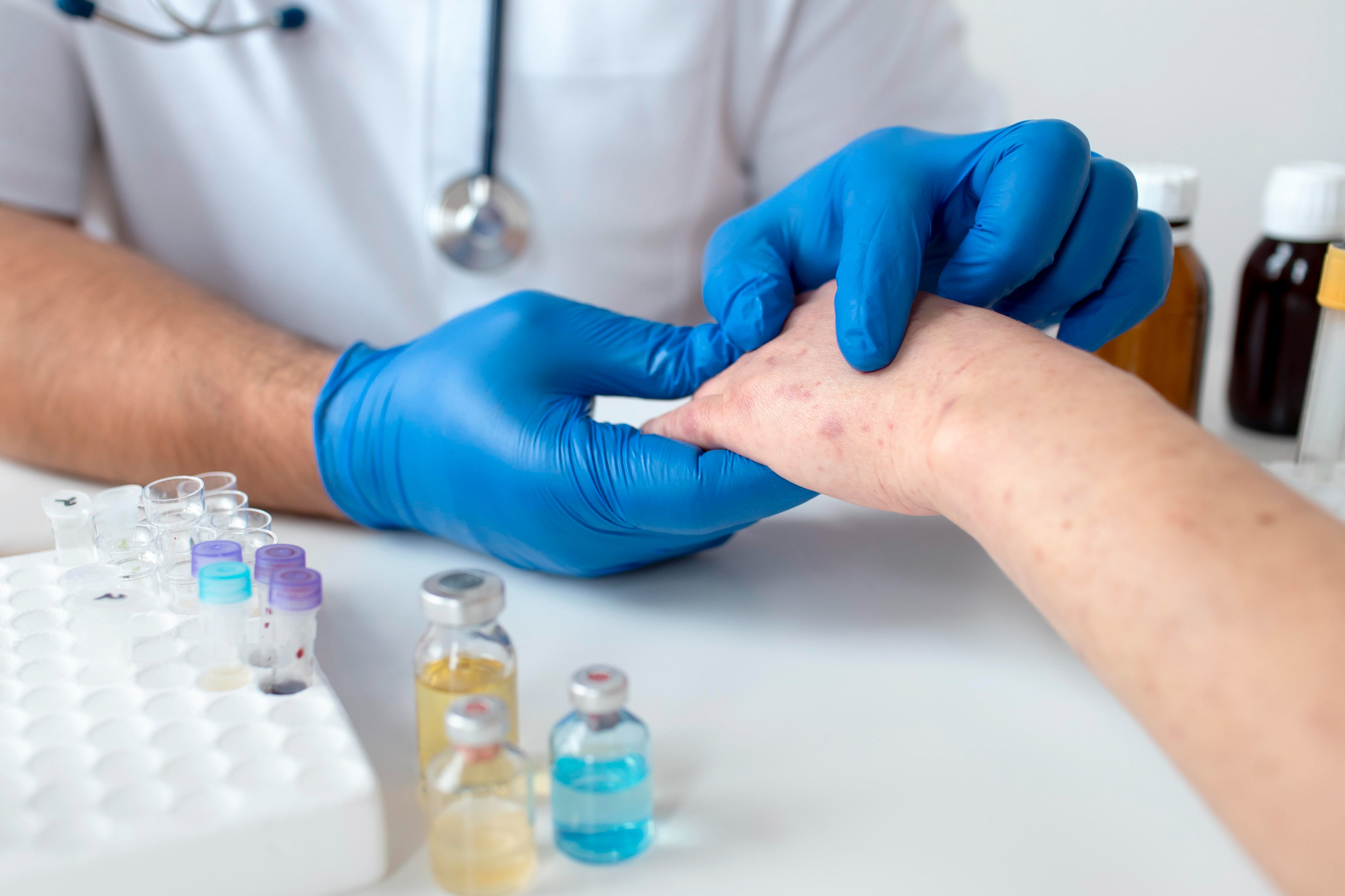
In a typical visit, a clinician reviews your medical and skin history, evaluates the affected area, and discusses potential triggers. You may also receive guidance on skincare structure, treatment timing, and realistic outcomes. For chronic conditions, the consultation often focuses on control and maintenance, including prevention strategies for flare-ups.
Pros & Cons of Dermatology Consultations
Key advantages
-
Better diagnostic clarity: Visual findings are interpreted in context of your history, habits, and exposures.
-
Personalized skincare direction: You receive routine-level recommendations based on your skin type and concerns.
-
Safer product integration: Guidance can reduce the risk of compounding irritation from overlapping actives.
-
Follow-up structure: You learn when to reassess and what changes to expect over time.
-
Support for decision-making: You can prioritize which issues to address first and how to sequence steps.
Considerations to plan for
-
Time and effort: Preparation improves the visit, yet it still requires attention to details.
-
Adjustment period: Some regimens require gradual changes to minimize irritation and improve tolerance.
-
Cost considerations: If you are balancing budgets, ask for a stepwise plan you can implement gradually.
-
Individual response variation: Outcomes differ by person, so reassessment may be necessary.

Step-by-Step Practical Guide
A strong dermatology consultation begins before you arrive. Use this practical workflow to help the clinician understand your concerns quickly and to help you leave with actionable guidance you can execute.
1) Document your skin story in one page
Bring a concise summary of when the problem started, how it changed, and what you tried already. Include photos taken in similar lighting and note any new products, exposures, or routine changes. If you have a history of eczema, acne, rosacea, psoriasis, allergies, or sensitivities, write it down. This reduces guesswork and helps the assessment move faster.
2) Identify your top priorities
Skin concerns often overlap. Choose the primary goal for the visit, such as reducing redness, improving texture, controlling breakouts, calming itch, or addressing discoloration. If you have multiple goals, rank them. This helps the clinician propose a focused plan rather than an overloaded routine.
3) Prepare for a detailed skin and health review
The clinician may ask about medications, family history, diet patterns, stress levels, sleep, hair care habits, shaving practices, or workplace exposures. Prepare to answer clearly. Do not omit relevant information; even small details can indicate the most likely causes or irritation pathways.
4) Bring your current routine and packaging details
Bring product names, ideally the exact formulations and approximate purchase dates. If you cannot bring bottles, write them down. Include any prescription treatments and over-the-counter supplements. If you use sunscreen daily or frequently apply actives, mention it. Barrier-supporting steps and sun protection often influence results, particularly for discoloration and irritation.
If your clinician reviews your regimen and suggests simplification, treat it as a strategy. Fewer steps can improve tolerance and make it easier to identify what is helping.
5) Ask structured questions during the visit
Use a brief question list. Examples include: What is the most likely explanation for my symptoms? What signs would suggest improvement? What signs would suggest I should contact you sooner? What should I avoid while I stabilize my skin barrier? How should I sequence gentle cleanser, moisturizer, and sun protection with any actives?
In addition, ask how to evaluate progress. Clear milestones reduce confusion and help you stay consistent.
6) Translate the plan into a routine you can maintain
After the assessment, request a routine structure that matches your lifestyle. Many people struggle not because they lack products, but because they cannot sustain the schedule. Ask for a morning and evening framework, including which steps are optional during the adjustment phase.
For example, a calm baseline often includes a gentle cleanser, a moisturizer designed to support the skin barrier, and daily sun protection. If your clinician recommends targeted actives, confirm where they fit in the sequence and how often you should introduce them. This approach can reduce irritation and support more consistent progress.
7) Consider integration with evidence-based skincare basics
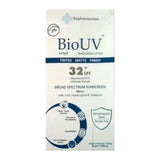
While the consultation provides clinical direction, you can improve execution through reliable skincare fundamentals. If you need to reset routine basics, look for formulations that align with your clinician’s tolerance guidance. For acne-prone or oily skin, a balanced cleanser can support hygiene without aggressive stripping. For hydration and barrier support, a lightweight moisturizer can reduce dryness-related irritation. For discoloration or post-breakout marks, sun protection is often central to preventing worsening.
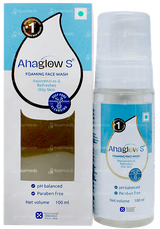
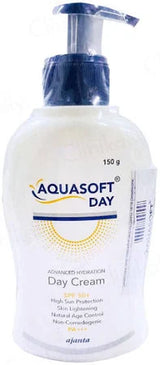
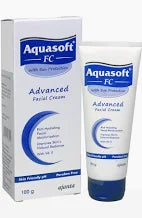
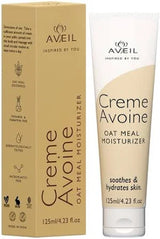
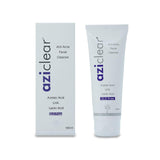
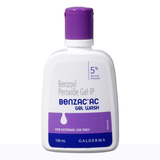
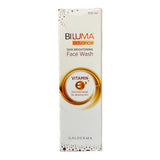
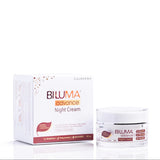
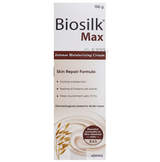
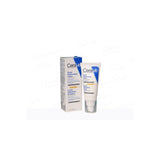
To streamline your product choices, you may explore options such as a gentle daily cleanser and a targeted facial lotion for hydration. For example, you can reference:
8) Plan follow-up and keep a minimal monitoring system
Do not treat the consultation as a single event. Follow-up may be necessary to confirm diagnosis, review response, and adjust treatment intensity. Create a simple monitoring system: note itching, redness, breakouts, flaking, and overall comfort. If your clinician provided guidance on what to expect, track it. If you experience worsening irritation, stop and contact the clinician rather than pushing through.
9) Manage expectations with practical timelines
Many skin improvements require time because the skin barrier, inflammation levels, and cell turnover all need recovery. Instead of focusing on a single short window, focus on trend signals: reduced sensitivity, fewer new lesions, less dryness, and more stable texture. If there is no change after the clinician’s suggested reassessment period, discuss whether the diagnosis or routine sequence needs refinement.
Wrap-Up
Dermatology consultations are a structured way to convert visible skin concerns into a clear plan. The biggest gains come from preparation: document your history, bring your routine details, prioritize your goals, and ask targeted questions. After the visit, translate recommendations into a manageable skincare framework, and monitor progress with simple, consistent notes. If you follow this approach, you increase your chance of faster clarity and safer routine integration.
If you want to improve how your plan is executed, ensure your baseline includes gentle cleansing, barrier support, and daily sun protection. Then introduce any targeted steps according to the clinician’s sequence and tolerance guidance.
Review an oil-control cleanser option and use it as a baseline reference when aligning with your clinician’s routine structure.
Q&A Section
How should I prepare for dermatology consultations if I have sensitive skin?
Prepare by documenting triggers and sensitivities, listing products you tolerate well, and noting any burning or stinging episodes. Bring your current regimen in full, including sunscreen and any exfoliating products. During the visit, ask for a phased plan that prioritizes barrier comfort before adding targeted actives.
What information helps a dermatologist diagnose skin concerns faster?
The most useful details include the start date, how symptoms progressed, any clear triggers, and what treatments you already tried. High-quality photos taken in consistent lighting can support assessment. A concise list of medications, allergies, and relevant family history also improves clinical accuracy.
Should I bring product packaging or ingredient lists to my appointment?
Yes. Product names, ingredient lists, and approximate frequency of use help the clinician evaluate irritation potential and overlaps between active ingredients. If you do not have packaging, write down product names and application frequency so the clinician can map your routine accurately.
How long does it usually take to see improvement after starting a plan?
Improvement timing varies by condition and the intensity of treatment. Many routines require a stabilization period first, followed by gradual improvements in inflammation, texture, or discoloration. Ask your clinician for practical milestones and when to schedule follow-up if results do not align with expectations.
About the Author
Allodermis supports evidence-informed skincare guidance and patient-friendly education. The author team focuses on dermatology-adjacent expertise, including how to interpret routines, reduce irritation risks, and choose supportive skincare fundamentals. A consultation can be more effective when you approach it with clarity, organization, and a plan you can maintain. Thank you for reading, and we encourage you to use your next appointment as a structured step toward healthier skin.
Authors & medical review
Swaraj Dhar is a sociopreneur, technologist, and the co-founder of Allodermis.
Every article is fact-checked against current peer-reviewed dermatology literature and Allodermis clinical protocols.
This article was last reviewed and updated on . Published .
Have a skin or hair concern?
Book a free consultation with our AIIMS MD dermatologists. Clinics in Bhubaneswar, Gurgaon, and Delhi NCR.