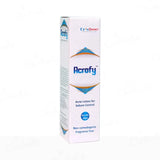
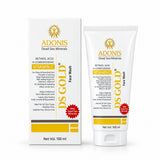

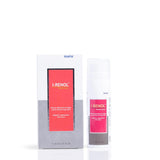
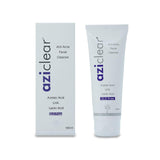




















Quick Answer: Tiny, stubborn white bumps on the forehead are usually closed comedones (whiteheads) — a form of comedonal acne caused by oil and dead skin clogging the pores. The standard first-line treatment is a salicylic acid face wash for gentle exfoliation combined with a night-time retinoid such as adapalene, along with treating dandruff if present.
What Are These Bumps, Really?
These are typically whiteheads, medically called closed comedones — the earliest, non-inflamed stage of acne. A comedone forms when sebum (natural skin oil) mixes with dead skin cells and blocks the opening of a hair follicle. Because the pore opening remains closed, the trapped material appears as a small white or skin-coloured bump rather than a blackhead. The forehead is a classic location because it sits in the oily "T-zone" and is constantly exposed to hair products and scalp conditions.
Common Triggers
- Naturally oily skin with excess sebum production
- Heavy hair oils and comedogenic skincare products that migrate onto the forehead
- Poor or absent exfoliation, allowing dead cells to accumulate
- Hormonal factors, especially in teens and young adults
- Untreated dandruff — a frequently missed driver of forehead comedones, as scalp flaking and Malassezia yeast irritate the hairline skin
How Dermatologists Approach It
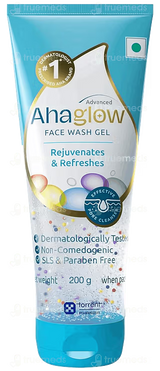
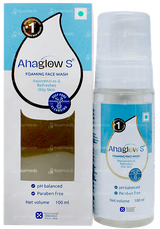
- Salicylic acid face wash: a beta-hydroxy acid that is oil-soluble, meaning it penetrates into greasy pores and dissolves the plug from within. Used once or twice daily, it provides gentle chemical exfoliation without the trauma of physical scrubs.
- Night-time retinoid (adapalene): the cornerstone of comedonal acne treatment. Retinoids normalise the way skin cells shed inside the follicle, keeping pores clear and preventing new comedones from forming. Start with a pea-sized amount on alternate nights and build up.
- Treat dandruff aggressively with an anti-dandruff shampoo — clearing the scalp often clears the forehead.
- Audit your products: switch to non-comedogenic, oil-free moisturisers and avoid applying hair serums or oils near the hairline.
Why Patience Matters
Retinoids work on the pore's biology, not just its surface, so visible results typically take 8–12 weeks. Stopping early is the most common reason treatment "fails." Some people experience mild dryness or purging initially — this settles with moisturiser support and gradual frequency.
When to See a Dermatologist
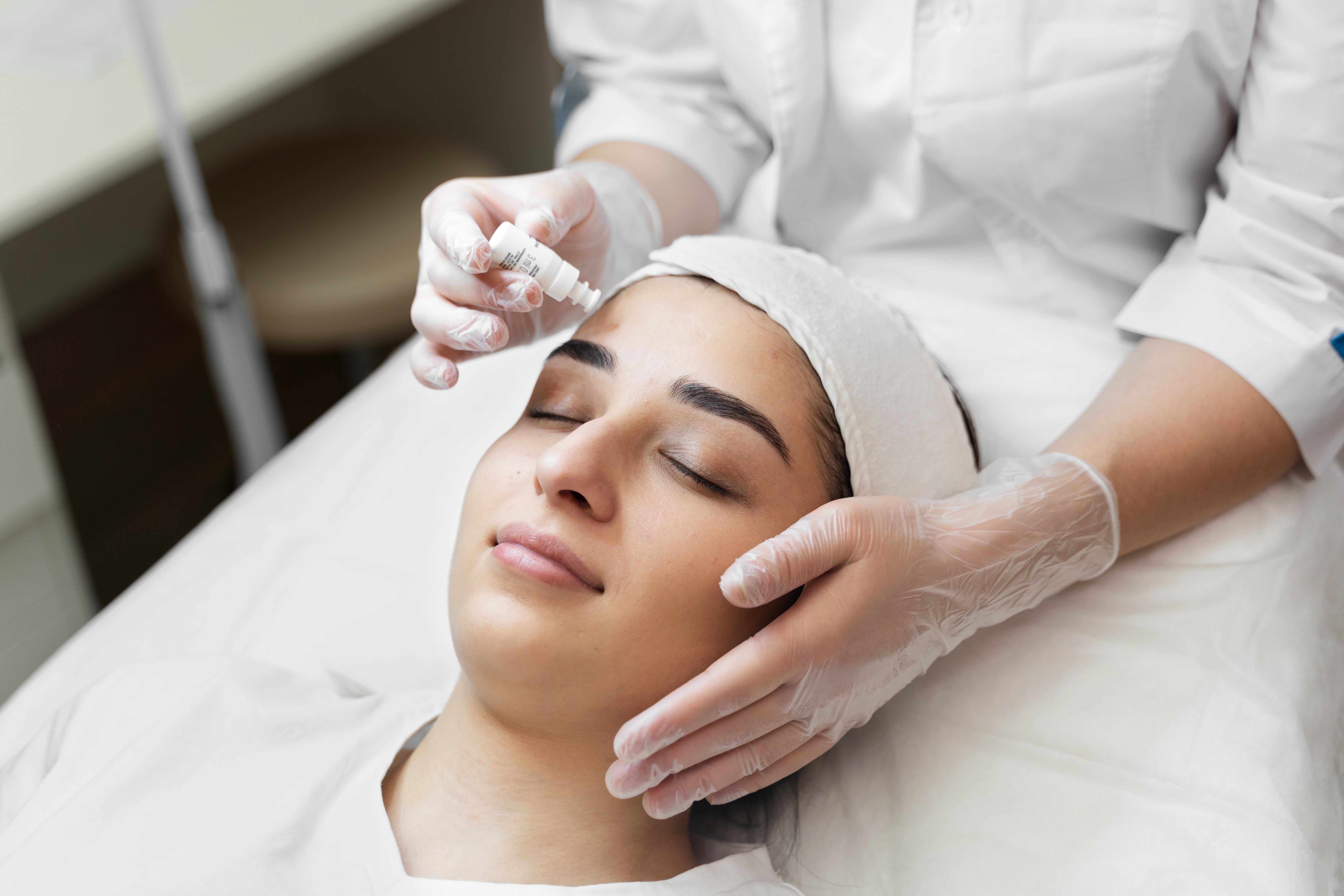
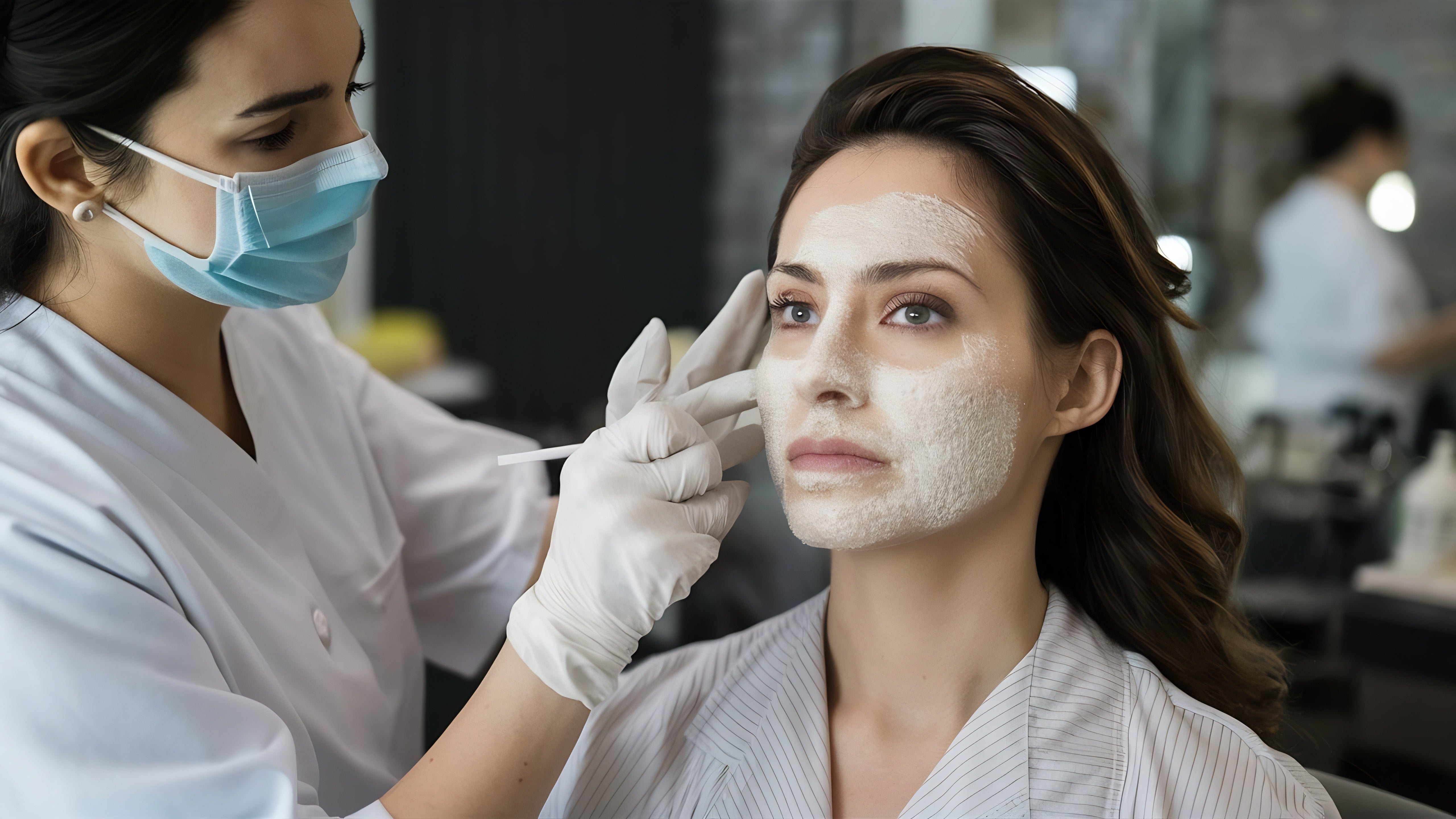
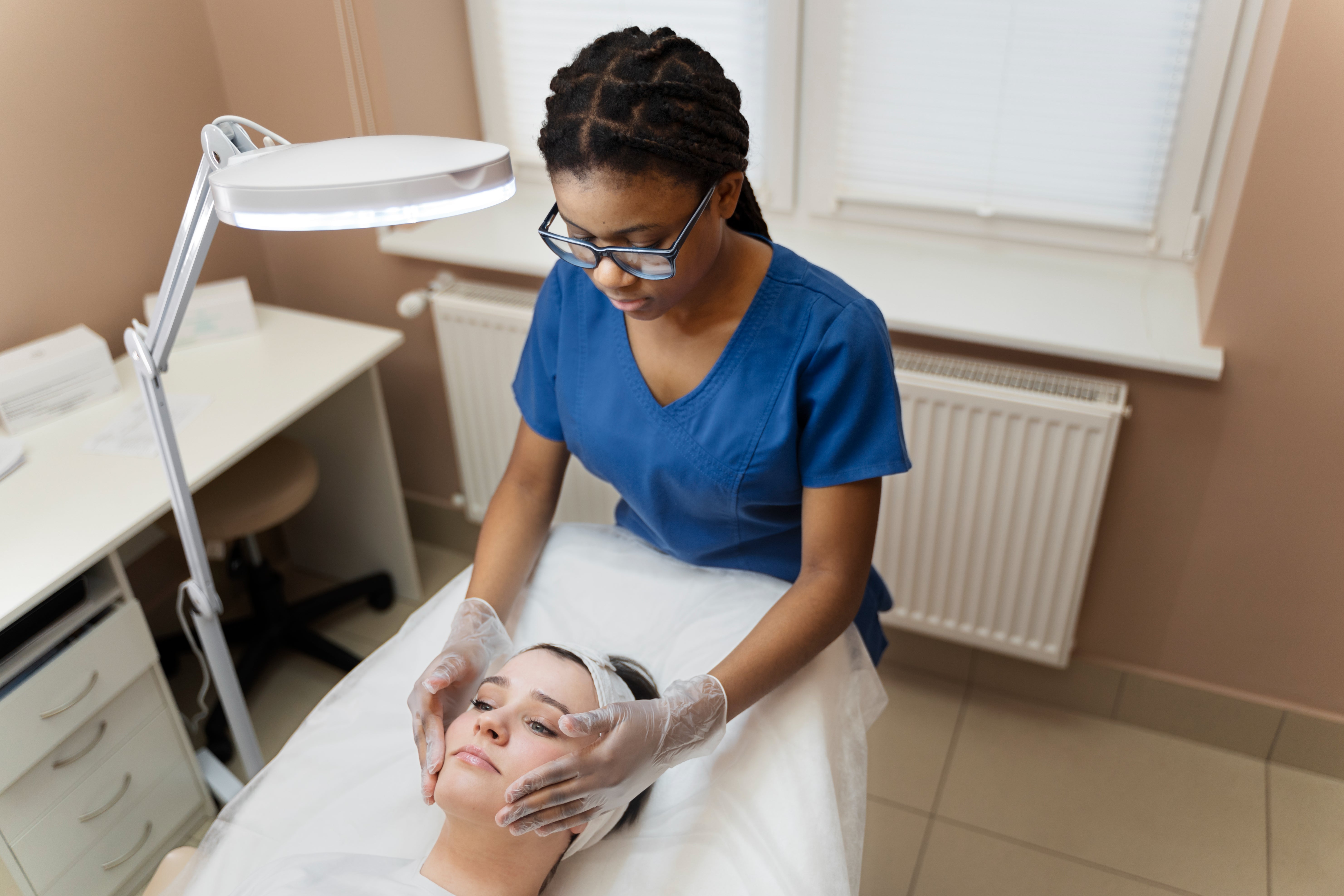
Not every white bump is acne. Milia, keratosis pilaris of the face, flat warts, and fungal folliculitis can all mimic closed comedones, and each needs a different treatment. If bumps persist despite 8–12 weeks of consistent care, or if they spread or become inflamed, book a professional evaluation. Allodermis offers dedicated acne and pimple treatment, and stubborn comedones can be safely extracted in-clinic or accelerated with a chemical peel. For a complete understanding of how acne develops and how long treatment takes, read our guide: Acne Treatment Explained — Causes, Types, Options and Timelines.
FAQs
Q: How long does adapalene take to clear whiteheads? Most patients notice visible improvement within 8–12 weeks of consistent night-time use. Full results can take up to 4–6 months.
Q: Can I squeeze whiteheads out at home? No. Squeezing pushes the contents deeper, triggering inflammation, dark marks, and potential acne scarring. In-clinic comedone extraction by a dermatologist is the safe alternative.
Q: Will drinking more water cure comedonal acne? Hydration supports overall skin health but does not unclog pores. Comedonal acne needs keratolytic and retinoid therapy.
Q: Is comedonal acne a hygiene problem? No. Washing more often — or harder — does not remove comedones and frequently irritates the skin. Comedones form inside the follicle, below the reach of any cleanser; only keratolytics and retinoids address the plug itself.
Common Myths About Forehead Bumps
- "Scrubbing daily will clear them." Physical scrubs cannot dislodge a plug seated inside the follicle; they only inflame the surface and can convert quiet comedones into angry, red pimples.
- "Toothpaste dries them out." Toothpaste is an irritant, not a treatment, and commonly leaves post-inflammatory dark marks — a particular problem in Indian skin tones.
- "They'll disappear once I'm older." Comedonal acne can persist well into adulthood, especially when triggers such as hair oils and dandruff continue unaddressed.
A Simple Daily Routine for Comedonal Acne
- Morning: salicylic acid face wash → light non-comedogenic moisturiser → broad-spectrum sunscreen
- Night: gentle cleanser → pea-sized adapalene over the affected area → moisturiser
- Weekly: anti-dandruff shampoo if the scalp flakes; keep hair oils away from the forehead
- Ongoing: avoid touching the forehead, clean anything that rests against it (helmet linings, caps, pillowcases)
The routine looks unglamorous, but this consistency — not product-hopping — is what clears comedonal acne. If irritation appears, buffer the retinoid with moisturiser or reduce frequency rather than quitting; your dermatologist can also adjust strengths or add in-clinic extraction for stubborn lesions.
📌 Case Study Reference: Publicly shared patient image and query, r/IndianSkincareAddicts community, Reddit — https://www.reddit.com/r/IndianSkincareAddicts/. Educational discussion only; not a final diagnosis. Clinical commentary by the Allodermis dermatology team.
Written By: Dr Pranomita
