










Acne is a chronic inflammatory skin condition caused by excess oil production, blocked pores, bacterial overgrowth (Cutibacterium acnes), and inflammation. Acne is not caused by poor hygiene. Effective acne treatment works by addressing these biological factors together and continuing maintenance care to reduce relapse.
What Is Acne?
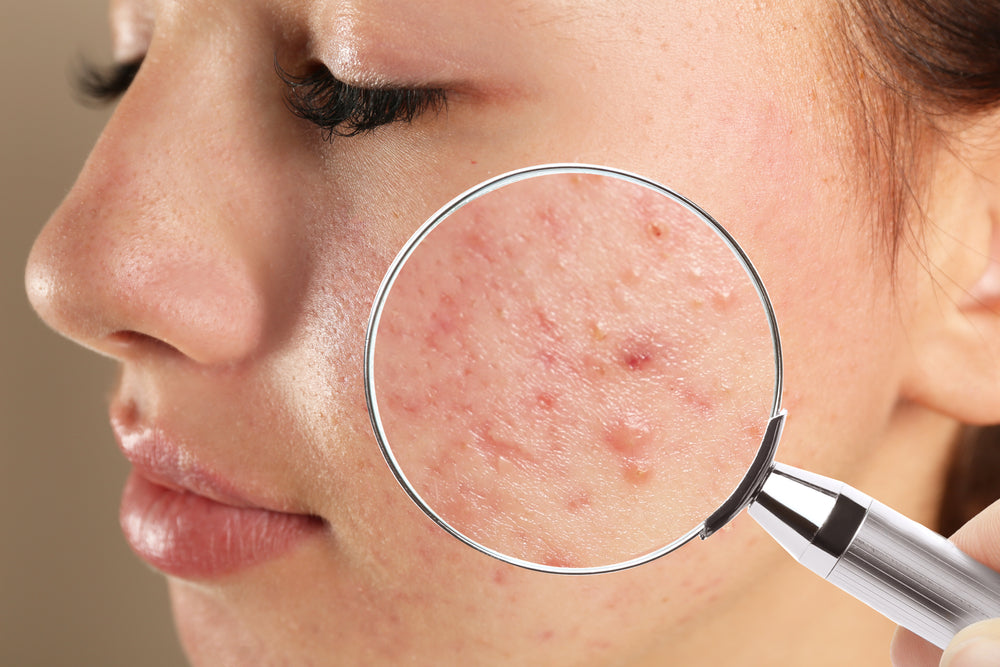
Acne, medically known as acne vulgaris, occurs when hair follicles become blocked with oil and dead skin cells. This blockage allows bacteria to multiply, triggering inflammation.
Acne can appear as:
- Whiteheads and blackheads
-
Papules and pustules
-
Nodules and cysts
-
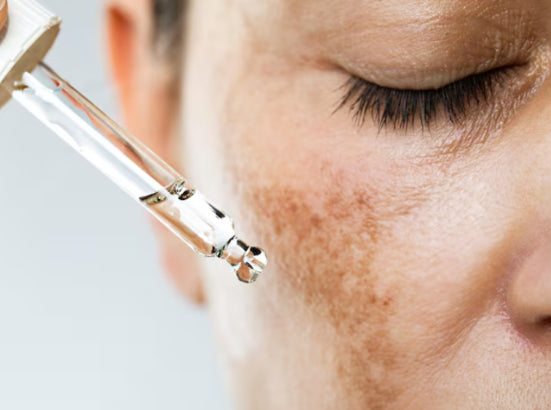
Red or brown postacne marks
-
Permanent acne scars
Important: Acne is a medical condition, not a cleanliness issue. Overwashing, harsh scrubs, and frequent exfoliation often worsen acne by damaging the skin barrier.
Why Acne Happens
Acne is influenced by multiple internal and external factors, which vary between individuals:
-
Hormonal changes (puberty, menstrual cycles, PCOS, adult acne)
-
Stress and sleep disruption
-
Skin barrier damage
-
Genetic predisposition
-
Lifestyle and environmental factors (heat, humidity, pollution, friction from masks or helmets, occlusive skincare or makeup)
Because acne has multiple causes, single products or short-term solutions usually fail.
The Four Core Biological Mechanisms Behind Acne
Most evidence-based acne treatments target these four processes:
1. Follicular hyperkeratinization
Dead skin cells accumulate and block pores.
2. Excess sebum production
Hormones and genetics increase oil output.
3. Bacterial overgrowth
Cutibacterium acnes multiply inside clogged follicles.
4. Inflammation and skin barrier disruption
Leads to redness, pain, pigmentation, and scarring.
Long term acne control requires addressing all four mechanisms together, not just suppressing visible pimples.
Types of Acne
NonInflammatory Acne
-
Whiteheads
-
Blackheads
Inflammatory Acne
-
Papules
-
Pustules
Severe Acne
-
Nodules
-
Cysts (deep, painful lesions)
Hormonal Pattern Acne
-
Commonly affects the jawline, chin, and neck.
-
Often recurrent
-
Frequently associated with PCOS, menstrual cycles, postpartum changes, or chronic stress.
Correct classification is essential because treatments vary by acne type and depth.
Best Acne Treatment Options by Severity
Mild Acne
Usually includes:
-
Topical retinoids to prevent pore blockage
-
Benzoyl peroxide to reduce bacteria and inflammation.
-
Gentle cleanser and noncomedogenic moisturizer
Maintaining the skin barrier is essential to prevent irritation and treatment dropout.
Moderate Acne
Often requires combination therapy:
-
Topical retinoid + benzoyl peroxide
-
Short-course oral antibiotics may be used in selected cases.
-
Combination therapy is preferred to reduce relapse and antibiotic resistance.
Safety note: Oral antibiotics should never be self-started or used long-term without medical supervision.
Severe Acne
May require specialist care:
-
Escalation to stronger systemic treatment
-
Oral isotretinoin may be considered for severe, scarring, or treatment-resistant acne under strict dermatologist supervision.
Delaying treatment in severe acne significantly increases the risk of permanent scarring.
Procedures That Support Acne Control
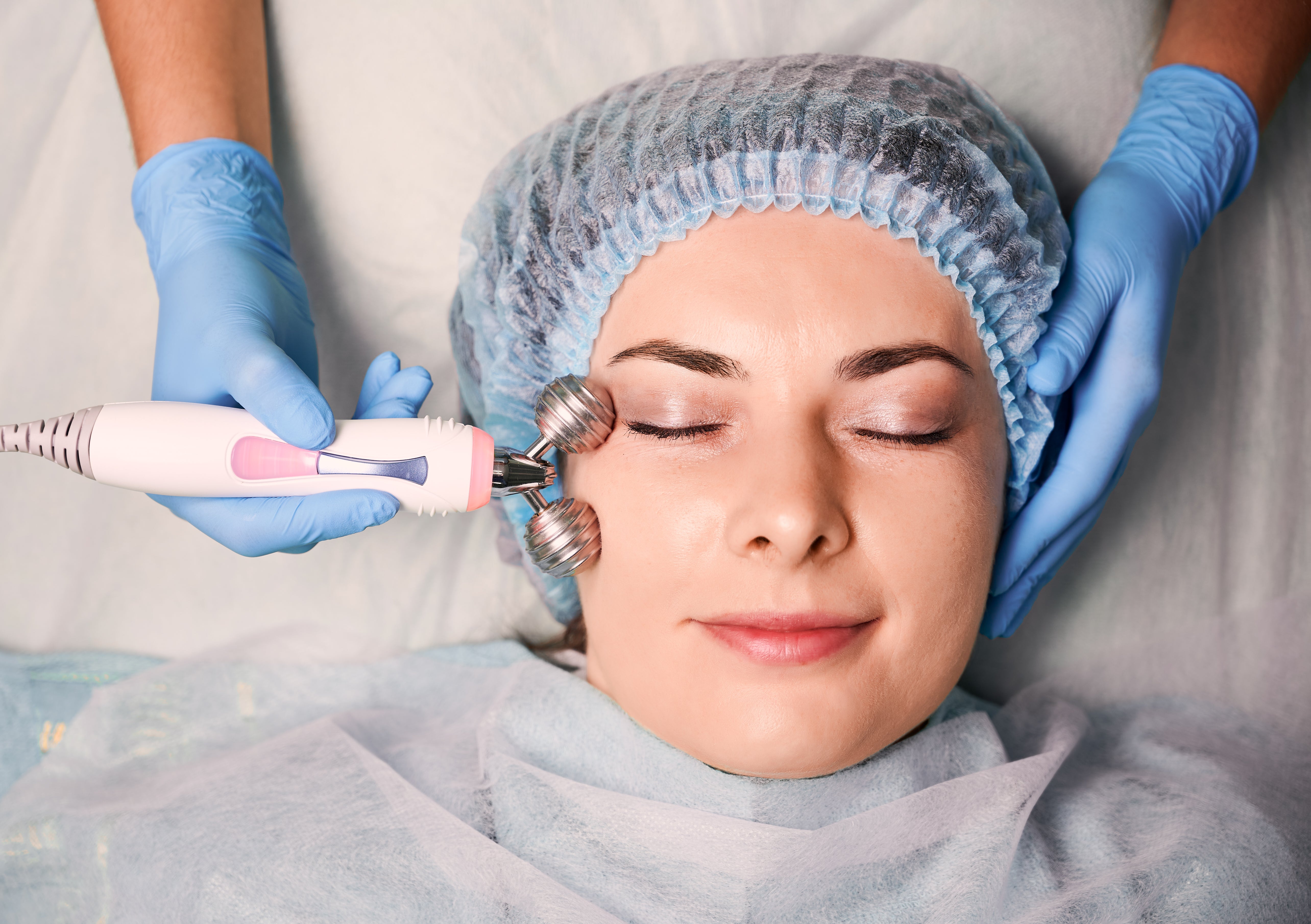
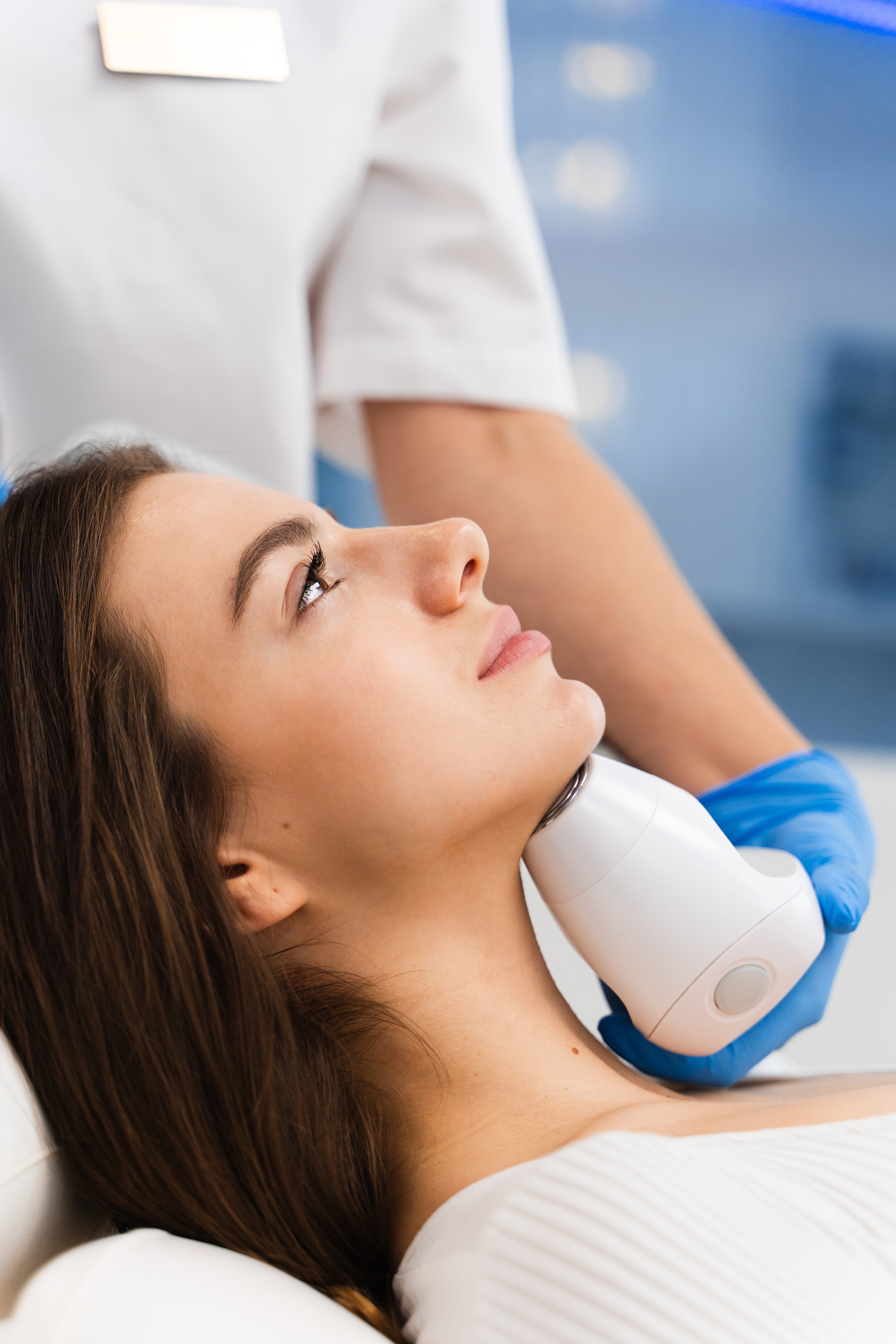
Procedures are used alongside medical therapy, especially when inflammation, marks, or scars are present:
-
Chemical peels for acne and pigmentation
-
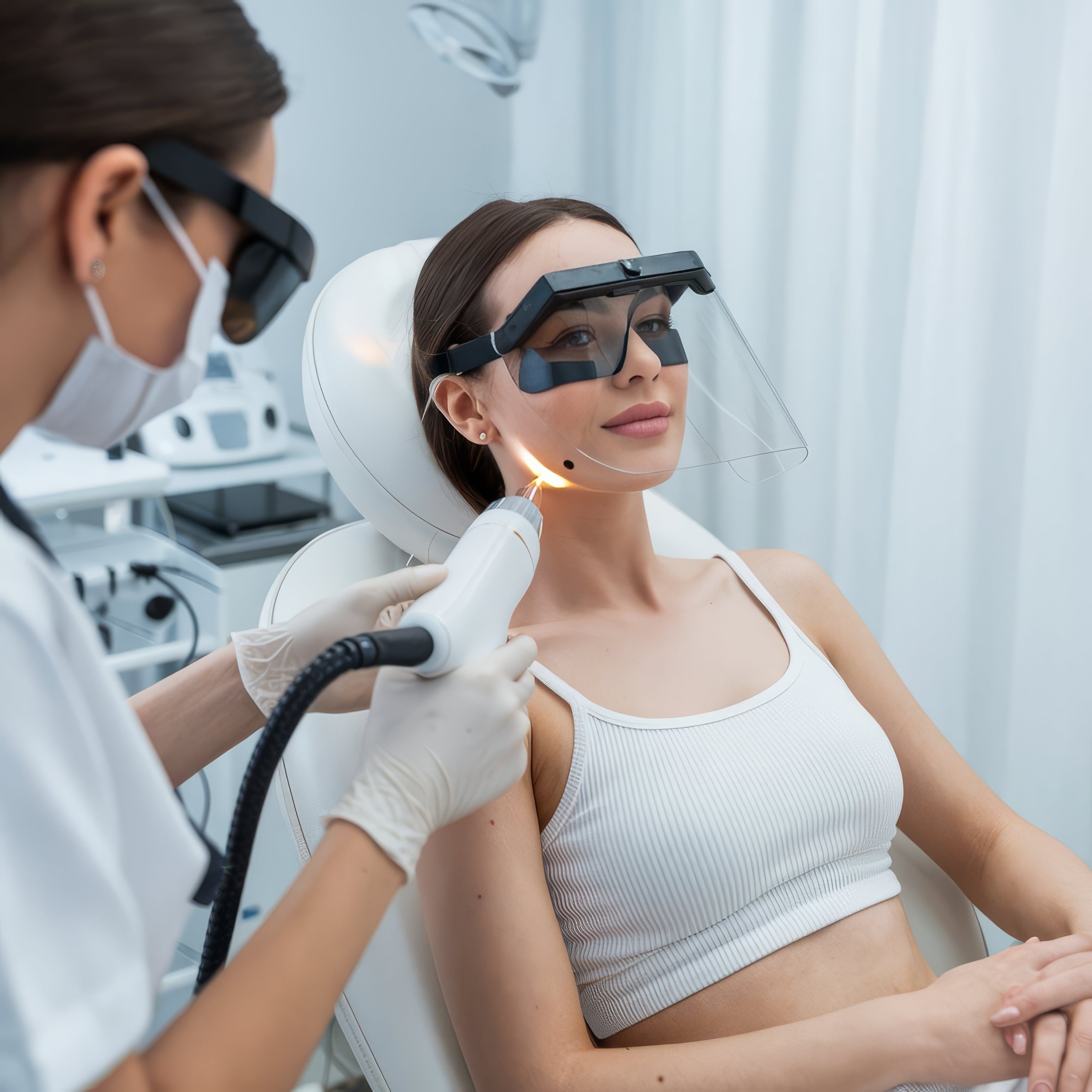
Laser or light-based treatments in selected cases
-
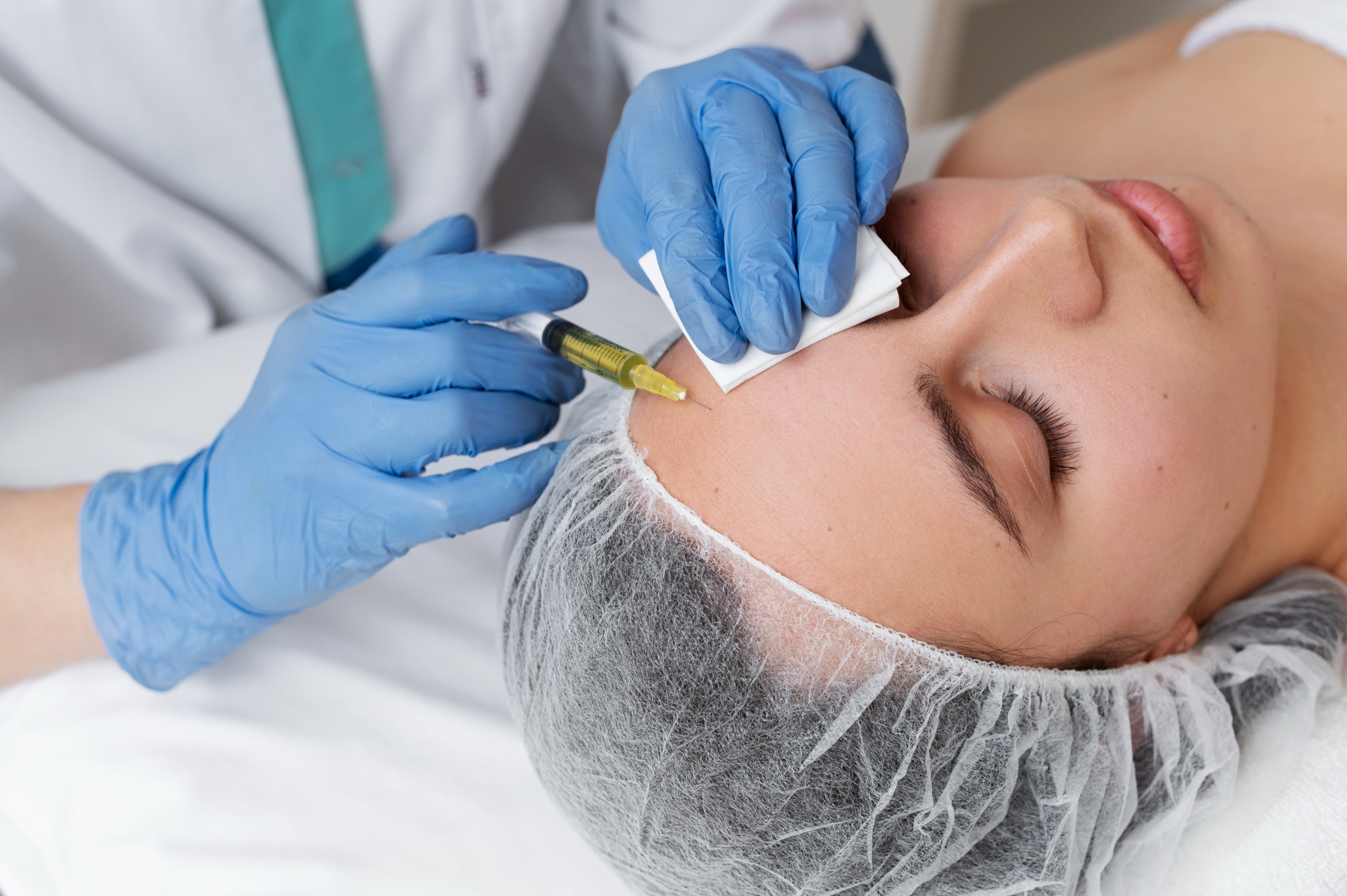
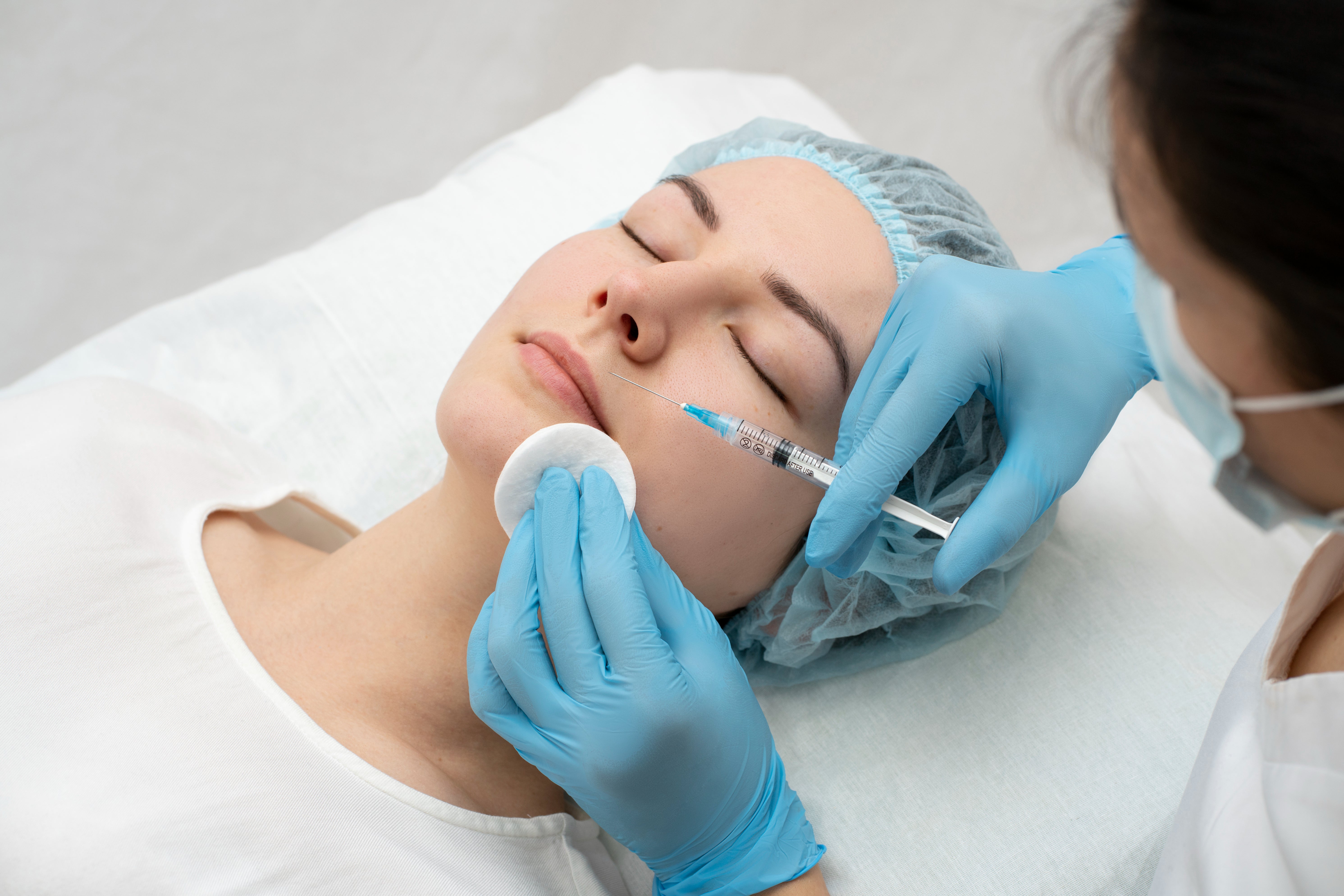
Intralesional injections for large, painful nodules
-
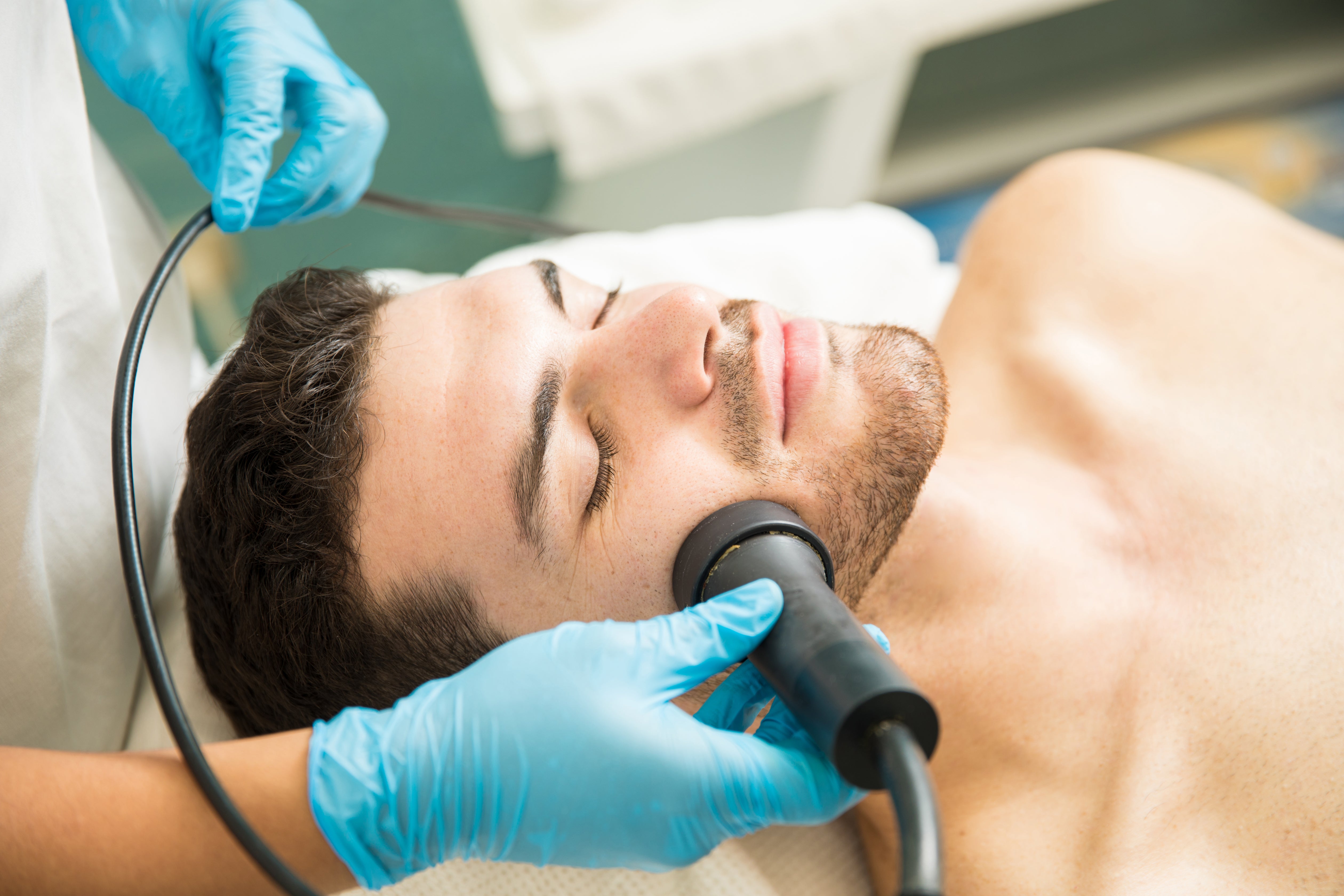
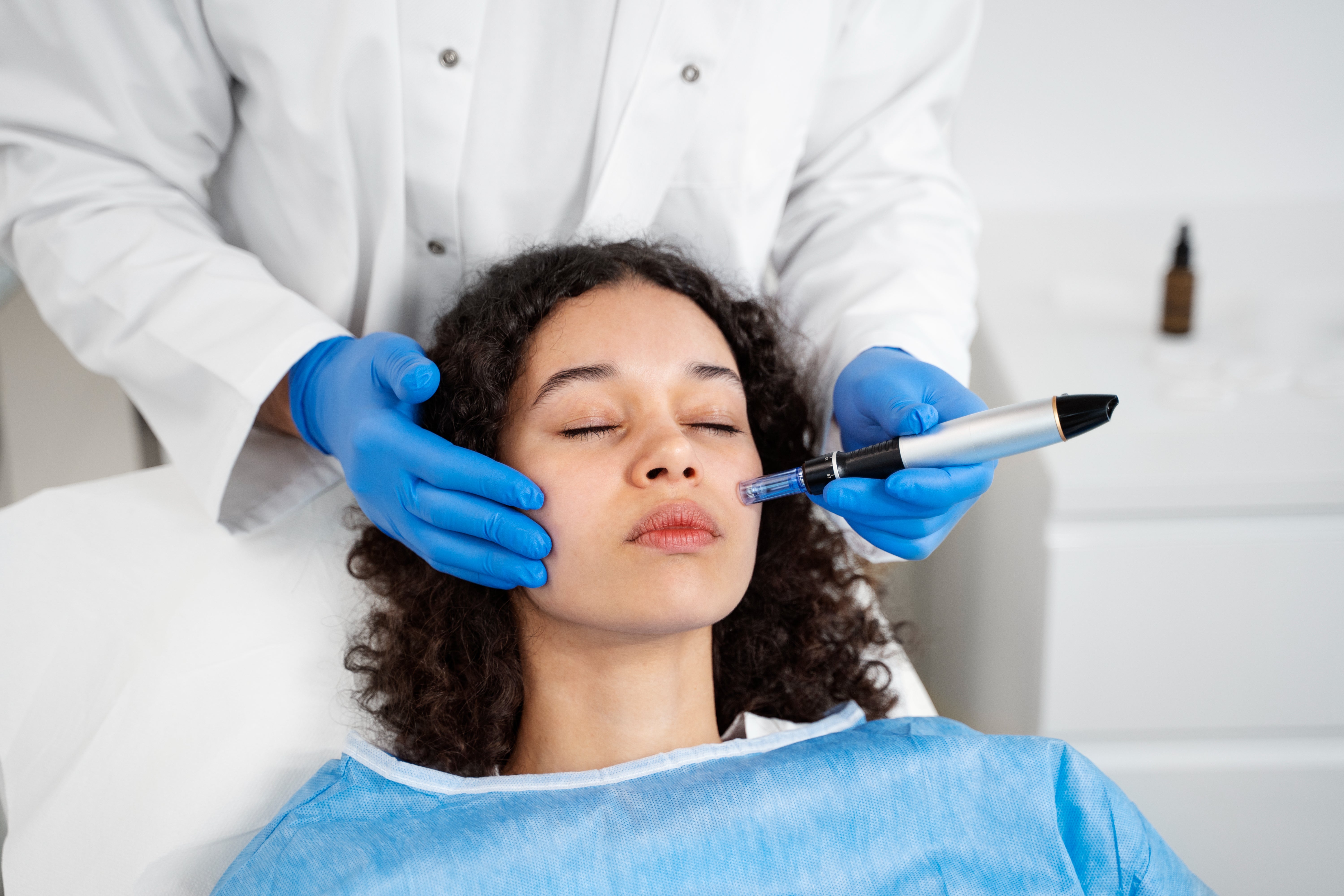
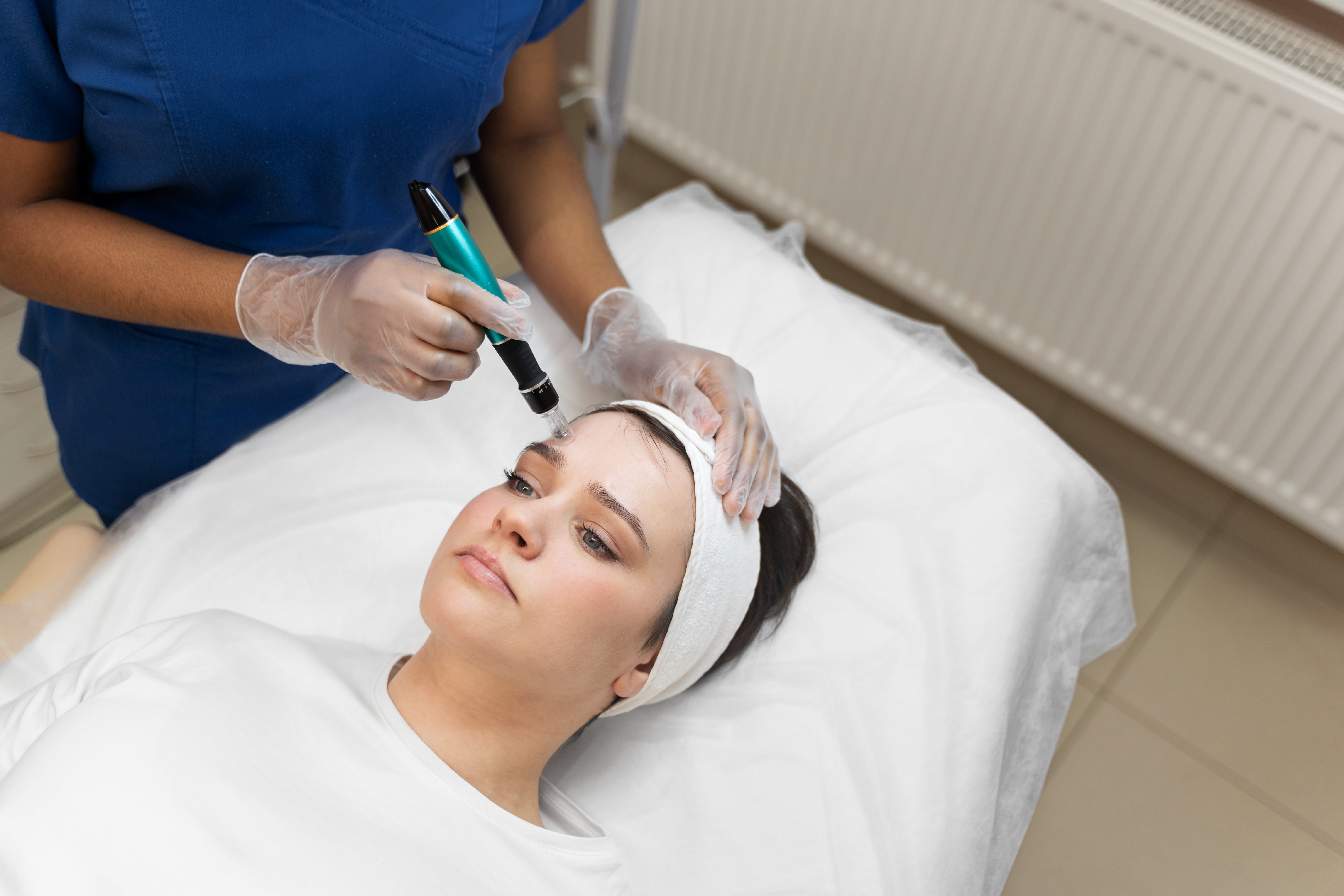
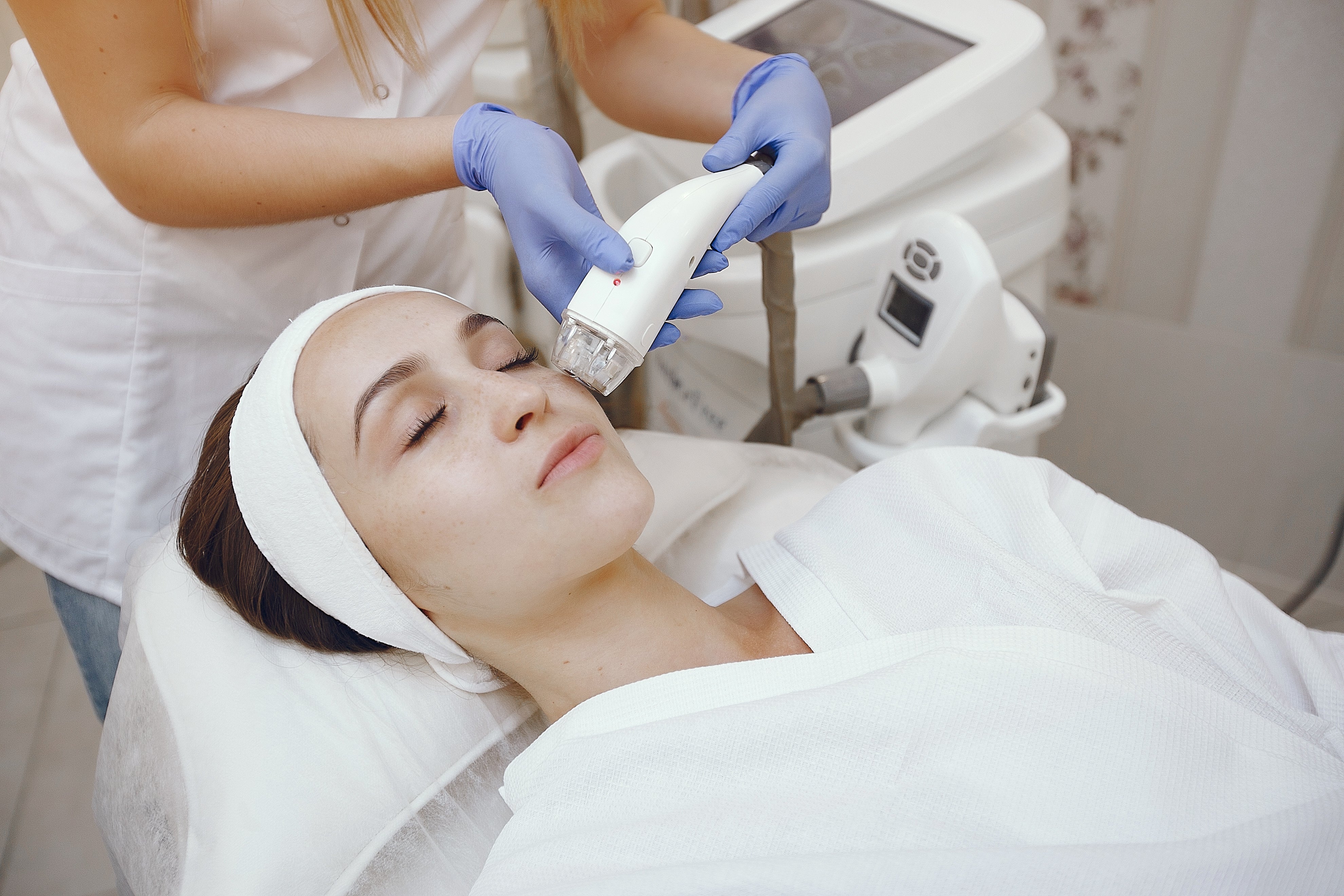
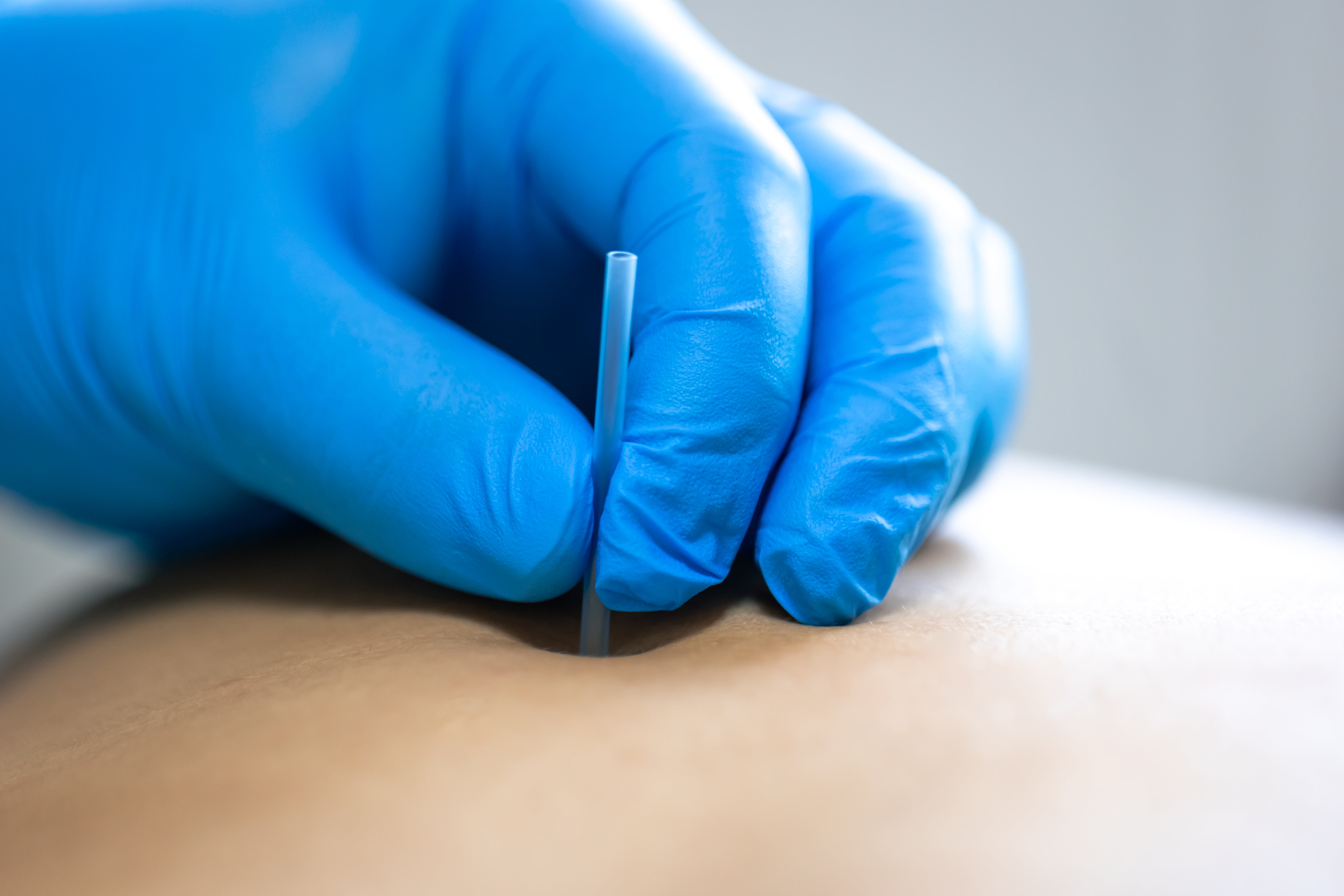
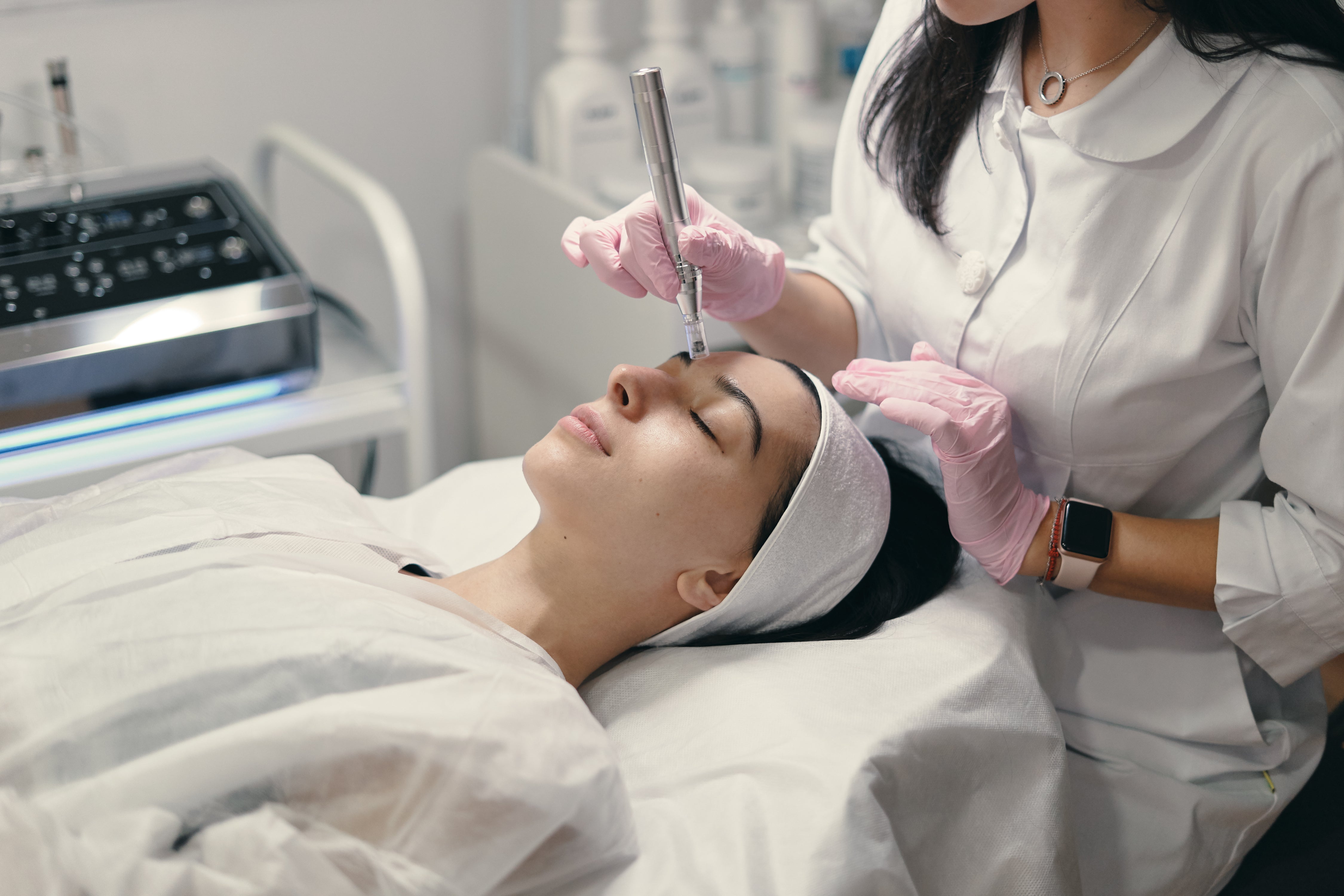
Microneedling radiofrequency (MNRF) and subcision for acne scars
Procedures should always be chosen based on acne type, scar pattern, and skin sensitivity, not device availability.
How Long Does Acne Treatment Take?
Acne treatment works gradually.
Typical timelines:
-
Mild acne: 4–6 weeks
-
Moderate acne: 8–12 weeks
-
Hormonal or severe acne: 3–6 months
Most treatments should be evaluated only after 8–12 weeks of consistent use.
Maintenance Treatment and Relapse Prevention
Many acne relapses occur because treatment is stopped too early.
Maintenance care may include:
-
Continued use of nonirritating topical therapy
-
Avoiding overexfoliation
-
Using noncomedogenic skincare and makeup
-
Treating new lesions early to prevent deep inflammation
Maintenance is especially important for people with recurrent or hormonal acne.
Acne Marks vs Acne Scars
Acne Marks
-
Red marks (postinflammatory erythema)
-
Brown marks (postinflammatory hyperpigmentation)
Acne Scars
- Ice pick scars
-
Rolling scars
-
Boxcar scars
-
Hypertrophic or keloid scars
Marks often improve over time with proper care. Scars usually require targeted procedures selected according to scar type.
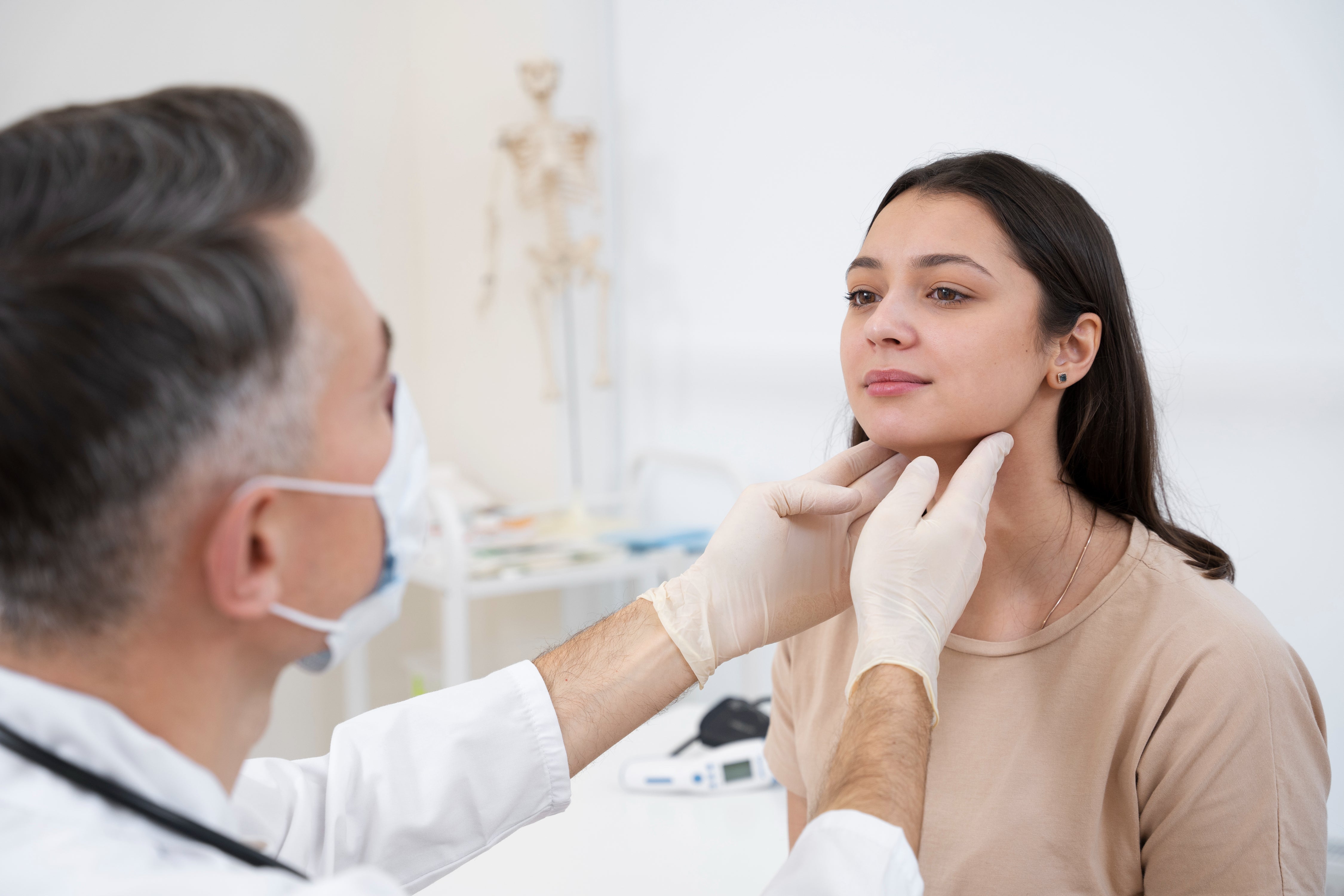
When Should You See a Dermatologist?
Consult a dermatologist if acne is:
-
Painful or cystic
-
Recurrent despite regular treatment
-
Leaving marks or scars
-
Affecting confidence or mental well-being
Early medical care significantly reduces longterm skin damage.
Frequently Asked Questions
How long does acne treatment take to work?
Most acne treatments need 8–12 weeks to show clear improvement. Hormonal or severe acne may require several months for stable control.
Why does acne keep coming back?
Acne often returns when underlying triggers such as hormones, excess oil production, or pore blockage remain active, or when maintenance treatment is stopped too early.
Is acne caused by dirty skin?
No. Acne is not caused by dirt. Excessive washing and scrubbing damage the skin barrier and worsen inflammation.
Can diet affect acne?
Diet may influence acne in some individuals, especially diets high in refined sugars or high-glycemic foods. However, diet alone is rarely the sole cause of acne.
Should you pop pimples?
No. Popping pimples increases inflammation and significantly raises the risk of marks and permanent scars.
Are antibiotics used for acne?
Oral antibiotics may be used for moderate inflammatory acne for limited durations and usually in combination with topical treatments to reduce resistance.
When is isotretinoin used?
Isotretinoin is considered for severe, scarring, or treatment-resistant acne under dermatologist's supervision due to important safety requirements.
Is sunscreen necessary for acne?
Yes. Daily sunscreen use helps prevent darkening of acne marks and protects the skin barrier, especially when using active acne treatments.
Acne is a chronic inflammatory medical condition, not a cosmetic or hygiene issue.
The most effective acne treatment targets oil production, pore blockage, bacteria, inflammation, and skin barrier health together, followed by maintenance to prevent relapse.
✍
Written by: Swaraj Dhar
Co Founder Allodermis || Sociopreneur || Technologist
LinkedIn ID: https://www.linkedin.com/in/swarajdhar/
Reviewed by: Dr Alok Sahoo
MBBS, MD Dermatology and Venereology, AIIMS Delhi
LinkedIn ID: https://www.linkedin.com/in/dralokderma/


