





















































Quick Answer: Not all dark circles are caused by pigmentation. In many patients, under-eye darkness is actually a shadow created by hollowness (volume loss) in the tear trough area. A simple clue: if the darkness improves when the skin is gently stretched, the cause is structural — and tear trough fillers, not lightening creams, are the most effective treatment.
Why Under-Eyes Look Dark: A Multifactorial Problem
Under-eye darkening rarely has a single cause. Dermatologists evaluate several contributors:
- Lifestyle factors: inadequate sleep, chronic stress, excessive screen time, smoking, and alcohol use, all of which worsen vascular congestion and dullness
- Allergies and habitual eye rubbing, which thicken and darken the skin
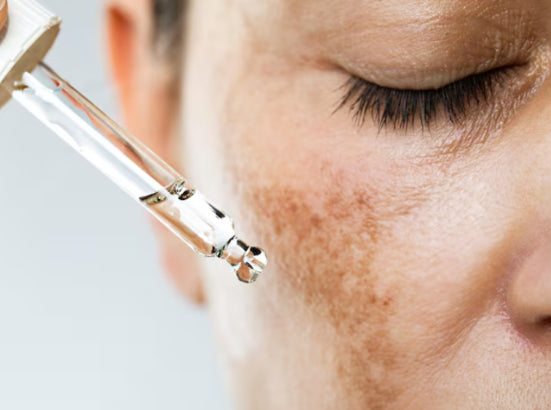
- True dermal pigmentation — genetic in many Indian skin types, or post-inflammatory after eczema and rubbing
- Structural hollowness — age-related or genetic volume loss in the tear trough, which casts a shadow that reads as "darkness"
- Thin skin revealing underlying blood vessels
The Stretch Test: A Simple Home Clue
Stand in front of a mirror and gently stretch the under-eye skin downward. If the dark area fades or disappears on stretching, the darkness is largely a shadow from hollowness. If the colour stays the same, true pigmentation is the dominant cause. Many patients have a mix of both, which is why professional assessment matters.
Treatment Depends Entirely on the Cause
For pigment-based dark circles:
- Lightening creams containing kojic acid, arbutin, or azelaic acid
- Gentle chemical peels such as lactic acid, performed carefully in the delicate eye area
- Strict daily sunscreen, since UV deepens pigment
For structural (shadow-type) dark circles:
- Tear trough fillers — hyaluronic acid dermal fillers placed precisely to restore lost volume and eliminate the shadow. Results are immediate and typically last 9–18 months.
- Supporting options such as PRP and skin boosters to improve skin quality
Explore the full range of under-eye treatments and our dedicated dark circle treatment page to understand which option matches your cause.
Why Creams "Fail" So Often
Most over-the-counter eye creams target pigment. If your darkness is a shadow, no amount of brightening cream can fill a hollow. This mismatch between cause and treatment is the single biggest reason patients feel dark circle products "don't work." A correct diagnosis saves months of frustration and money.
When to See a Dermatologist
If dark circles persist despite good sleep, sun protection, and topical care — or if you're considering fillers — get a proper evaluation. Injectable treatment near the eye demands anatomical expertise and should only be done by qualified doctors. Book a consultation with our AIIMS-trained dermatologists for a personalised plan.
FAQs
Q: Do dark circle creams work for everyone? No. Creams only address pigment-based darkness. Shadow-type circles from hollowness need volume restoration with fillers.
Q: Are under-eye fillers safe? In qualified hands, tear trough fillers are safe and deliver natural results. Technique and product selection are critical, so choose a certified dermatologist.
Q: Can lack of sleep alone cause permanent dark circles? Poor sleep worsens the appearance temporarily, but persistent circles usually involve pigment, vessels, or structure that need targeted treatment.
Q: How is the type of dark circle diagnosed in clinic? Dermatologists combine the stretch test, examination under good lighting and magnification, assessment of skin thickness and vessel show-through, and your history of allergies, rubbing, and sun exposure. Mixed-type circles are common and often need a combined plan.
Lifestyle Corrections That Genuinely Help
Whatever the dominant cause, a few habits improve every type of dark circle:
- Sleep 7–8 hours on a consistent schedule; elevate the head slightly if morning puffiness is an issue
- Manage allergies and stop rubbing the eyes — chronic rubbing is one of the most underrated causes of under-eye darkening in Indian skin
- Reduce screen strain with regular breaks; late-night screen time compounds both fatigue and rubbing
- Limit smoking and alcohol, both of which worsen vascular congestion and dull the under-eye skin
- Wear sunglasses and sunscreen — UV exposure deepens pigment and accelerates collagen loss in this thin-skinned zone
What a Combined Treatment Plan Can Look Like
For a patient with mixed hollowness and mild pigment, a typical Allodermis plan might sequence: a tear trough filler session to erase the shadow, a course of gentle under-eye peels or laser toning for residual pigment, and a maintenance routine of sunscreen plus a dermatologist-selected lightening cream. Treating the components in the right order — structure first, pigment second — produces results no single product could achieve.
📌 Case Study Reference: Publicly shared patient image and query, r/IndianSkincareAddicts community, Reddit — https://www.reddit.com/r/IndianSkincareAddicts/. Educational discussion only; not a final diagnosis. Clinical commentary by the Allodermis dermatology team.
Written By: Dr. Pranomita
