












Quick Answer: Redness, peeling, and a flare-up of acne in the first month of retinoid use is common and usually temporary. It happens because the skin's surface initially over-responds to retinoids and because deep-seated acne is pushed to the surface as follicles loosen. It is managed by temporarily reducing the frequency, amount, or duration of application and supporting the skin with moisturisers — not by quitting. Uncontrolled or severe reactions need a dermatologist's review.
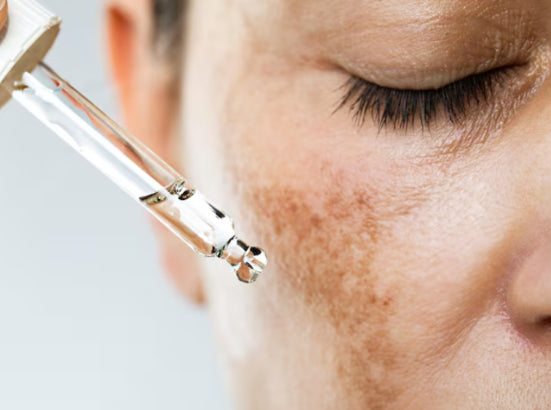
Case Snapshot: An Indian female patient complained of significant redness and a sudden flare of acne after starting a retinoid, sharing photos captioned "retinol is doing shit" — a frustration dermatologists hear weekly, and one with a clear biological explanation.
Why Retinoids Get Worse Before Better
Two separate processes drive the rocky first month:
- Retinoid dermatitis — a hyperproliferative response of the epidermis: the surface skin initially turns over too fast, producing visible redness, dryness, and peeling before it adapts.
- The purge — retinoids loosen the follicular lining, causing externalisation of deep-seated acne: microcomedones that were already forming beneath the surface erupt earlier than they otherwise would. This looks like the retinoid "causing" acne; in reality it is fast-forwarding lesions that were coming anyway.
Both phenomena peak in the first 2–6 weeks and settle as the skin retinises (adapts).
How Dermatologists Bring It Under Control
- Temporarily reduce the frequency — from nightly to alternate nights or twice weekly
- Reduce the amount — a pea-sized quantity covers the whole face; more is not better
- Reduce the duration — short-contact application (apply for 30–60 minutes, then wash off) allows sensitive skin to adapt gradually
- Moisturise generously — before and after the retinoid ("sandwiching") buffers irritation without meaningfully reducing efficacy
- Simplify everything else — pause acids, scrubs, and other actives while the skin adapts; keep only a gentle cleanser, moisturiser, and morning sunscreen
Once tolerance builds, frequency and strength are stepped back up — the destination is unchanged, only the pace changes.
Purge vs True Reaction: How to Tell
- A purge occurs in your usual acne-prone zones, consists of typical pimples, and steadily improves after weeks.
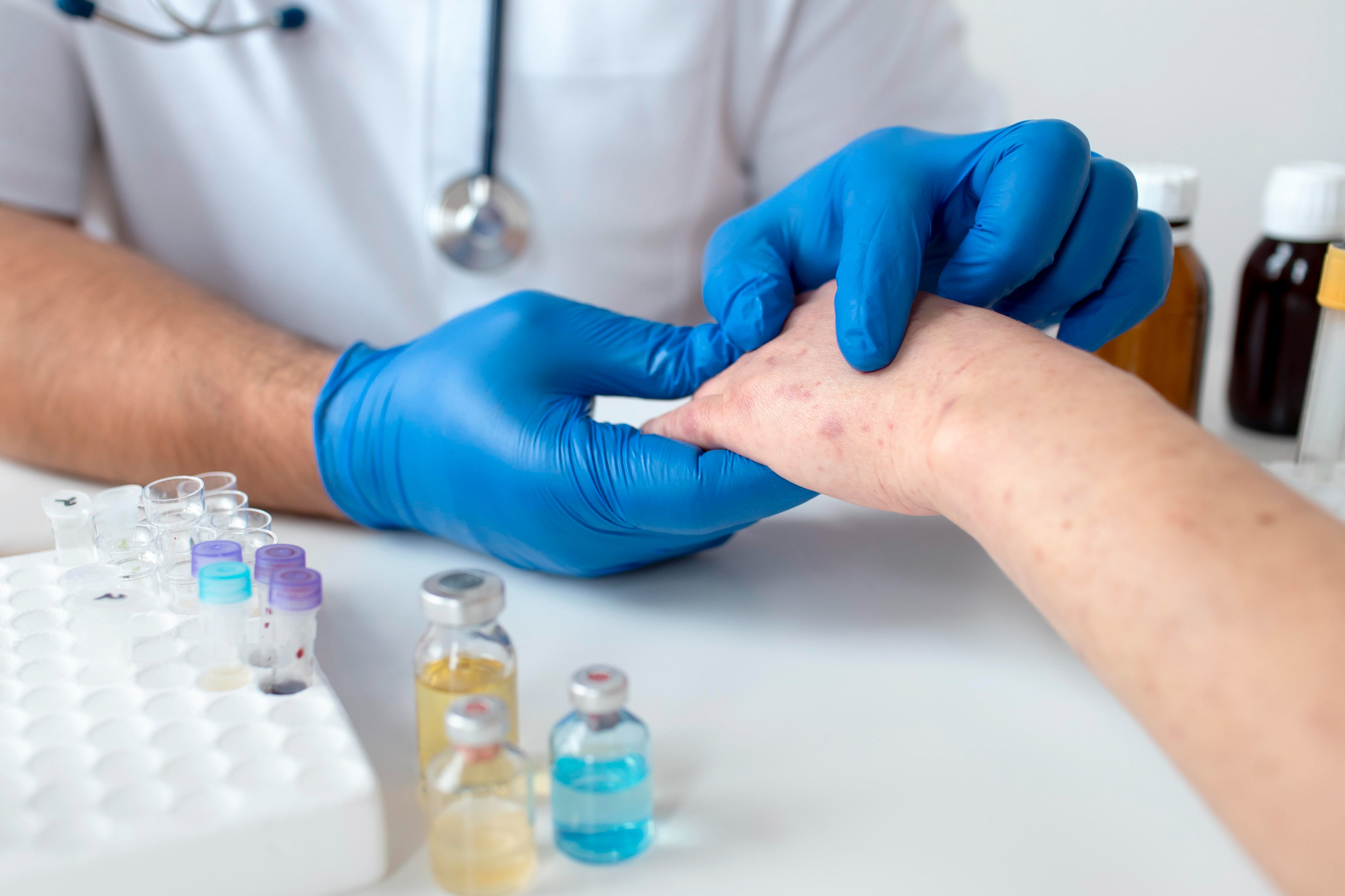
- A true irritant or allergic reaction brings burning, intense itching, swelling, or rash in new areas — including places you never break out. This warrants stopping and seeing a dermatologist promptly, sometimes with patch testing to identify the culprit.
What Not to Do
Do not scrub the peeling skin, do not layer multiple new products to "fix" the irritation, and do not abandon retinoids permanently after one rough fortnight — they remain the most evidence-backed molecules in dermatology for acne, texture, and ageing. Equally, do not push through severe, uncontrolled reactions out of stubbornness; escalating redness and pain is a medical signal, not a rite of passage.
When to See a Dermatologist
Visit a dermatologist if irritation is severe, spreading, or not settling with reduced frequency and moisturiser support — or if the "purge" continues beyond 8–10 weeks, which suggests the regimen needs restructuring. Supervised titration (as in our clinic protocols) gets patients through adaptation with far less misery. Book a review here, and read our full guide to acne treatment timelines.
FAQs
Q: How long does the retinoid purge last? Typically 2–6 weeks, occasionally up to 8. Beyond that, the regimen should be reviewed.
Q: Should I stop retinol completely if my face peels? Usually no — reduce frequency and buffer with moisturiser. Stop and seek review only for severe burning, swelling, or rash.
Q: Can I use retinoids in Indian summers? Yes — retinoids are night products. The non-negotiable partner is diligent morning sunscreen, season regardless.
Q: Is prescription tretinoin harsher than cosmetic retinol? Generally yes, and also more effective. Dermatologist-guided titration makes even tretinoin tolerable for most skin.
A Week-by-Week Map of Retinisation
Knowing what "normal" looks like keeps patients on course:
- Weeks 1–2: mild tightness, dryness, and fine flaking; possibly the first purge pimples in usual breakout zones
- Weeks 3–5: the trough — peak purging and peak irritation for many; this is where most people wrongly quit
- Weeks 6–8: irritation subsides; purging thins out; early smoothness appears
- Weeks 9–12: visibly clearer, more even skin; frequency and strength can now be advanced under guidance
- Months 4–6+: the compounding phase — texture, marks, and pore appearance keep improving
If your trajectory diverges sharply from this map — worsening after week 8, burning that intensifies rather than fades, or rash in non-acne zones — that is the signal to book a review rather than push through. And two practical safeguards throughout: apply retinoids to fully dry skin (damp skin absorbs more and stings more), and keep the product away from the eyelids, nostril creases, and lip corners, where irritation concentrates first.
📌 Case Study Reference: Publicly shared patient images and query, Reddit — "Retinol is doing shit" (image post). Educational discussion only; not a final diagnosis. Clinical commentary by the Allodermis dermatology team.

