

















Quick Answer: When sun-exposed skin (forearms, lower arms, face) becomes visibly darker than covered skin, with a clear demarcation line at the sleeve, the diagnosis is usually phototanning — UV-stimulated melanin production. The most important treatment is strict photoprotection: full sleeves or UV arm sleeves plus broad-spectrum sunscreen reapplied outdoors. Tan reduction is then achieved gradually with glycolic, lactic, or kojic acid, with dermatologist-supervised body peels for faster results.
Case Snapshot: An Indian male presented with darkening of the sun-exposed skin of his forearms and lower arms, with a sharp line of demarcation where his half-sleeve shirt ended — the classic "driver's tan" pattern.
What Is Phototanning?
Phototanning is the skin's natural defence at work: UV exposure stimulates melanocytes to produce more melanin, darkening the exposed skin. The result is a two-tone appearance — photoexposed areas conspicuously darker than photoprotected ones — with a clear demarcation line that patients often find more distressing than overall darkness would be.
The Everyday Habits Behind It
- Driving with exposed arms — window-side arms tan asymmetrically
- Outdoor sports and commuting through peak sun hours
- Half-sleeve clothing creating the sharp sleeve line
- Inconsistent sunscreen use — applied some days, forgotten most
Because these exposures repeat daily, the tan deepens continuously; treatment without behaviour change is a bucket with a hole in it.
The Treatment Ladder
- Strict photoprotection — the foundation. Full-sleeve clothing or UV-protective arm sleeves, plus broad-spectrum sunscreen on all exposed skin, reapplied every 2–3 hours outdoors. No de-tanning plan works without this step.
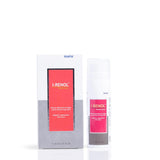
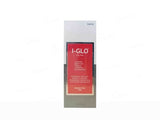
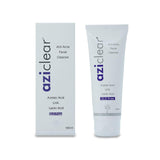
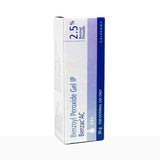
- Topical tan reduction: body lotions with glycolic acid, lactic acid, or kojic acid gently accelerate pigment turnover over weeks.
- Dermatologist-supervised body peels for faster, more uniform results — a series of controlled chemical peels designed for body skin.
- Oral photoprotective supplements — useful as an adjunct only, never a replacement for sunscreen.
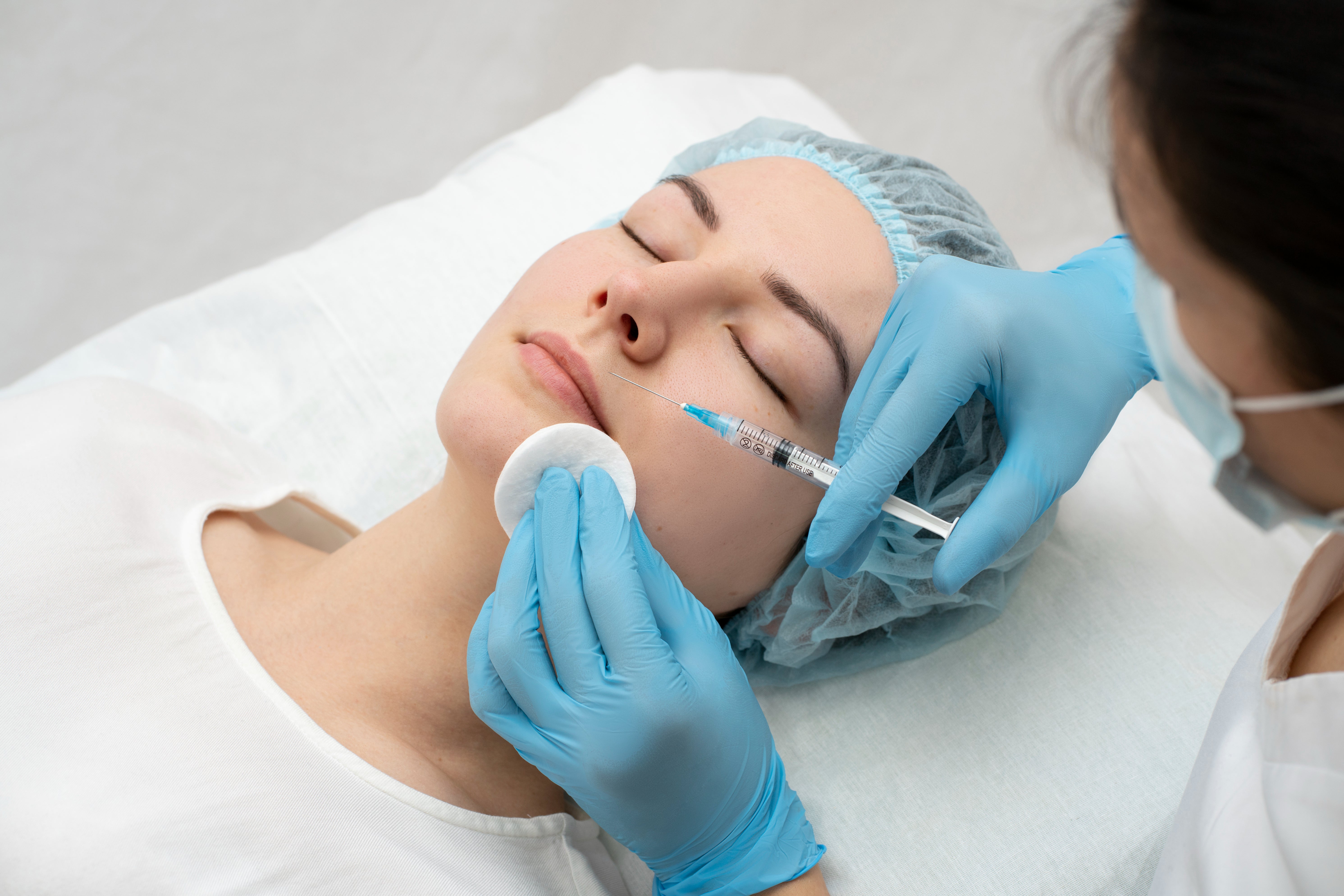
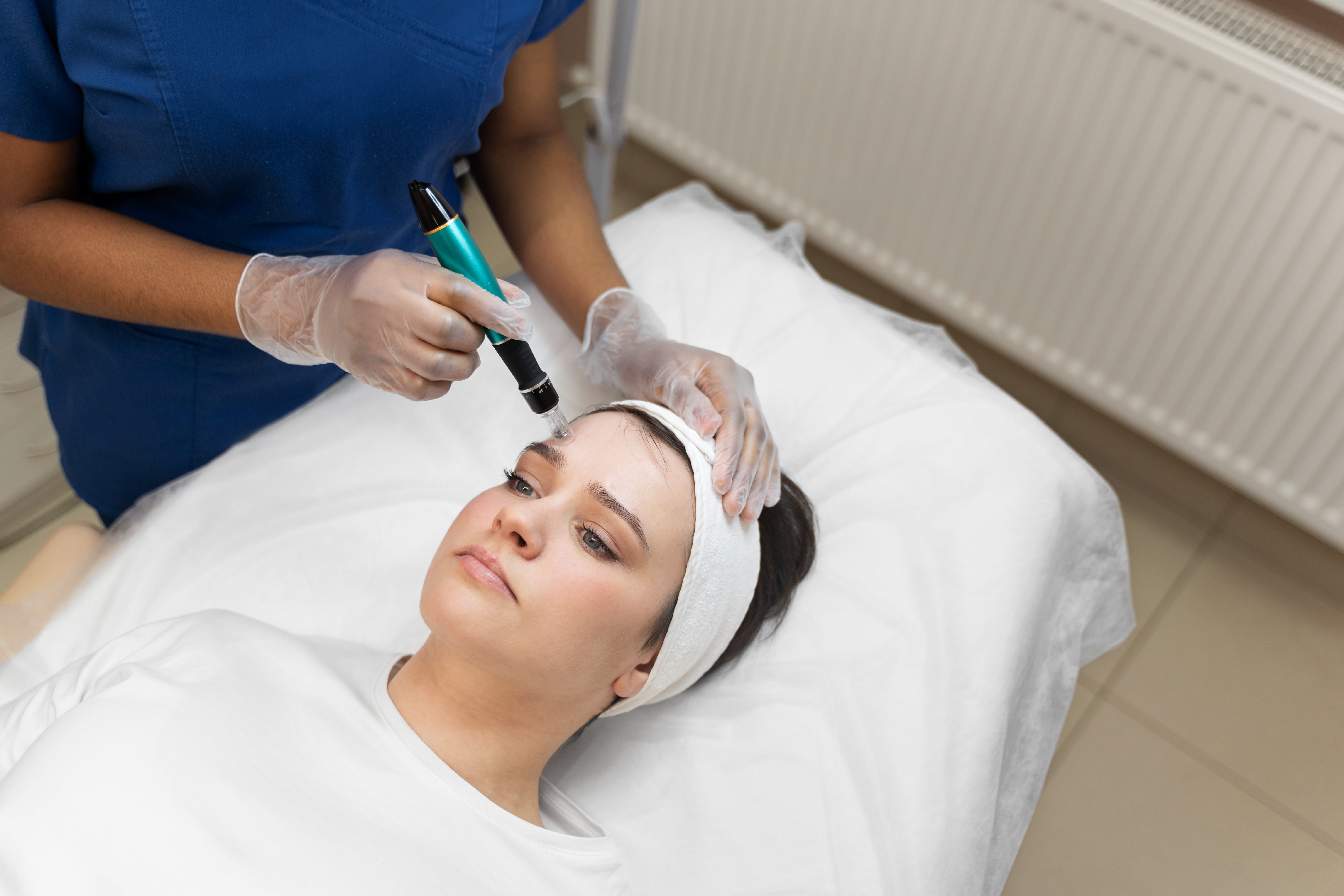
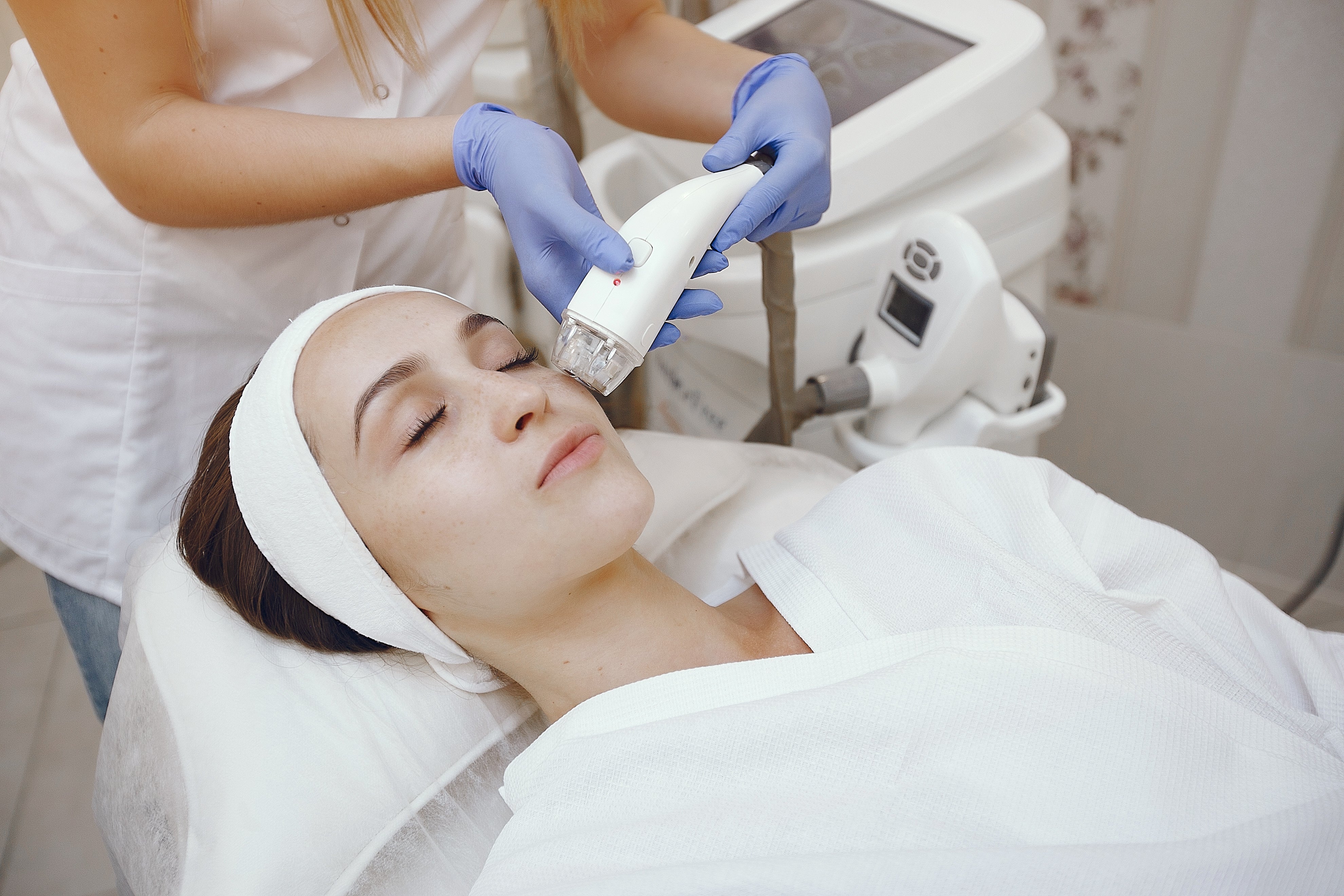
- Clinic-based de-tan programs: explore our dedicated tanned skin treatments and face & body tan removal services.
Realistic Timelines
A tan is living biology, not a stain. With airtight photoprotection, superficial tanning fades noticeably over 6–12 weeks as pigmented cells turn over; acids and peels shorten this. The demarcation line softens last. Patients who continue daily unprotected exposure, however, will out-tan any treatment — which is why we treat the habit first and the pigment second.
When a "Tan" Is Not a Tan
Persistent or patchy darkening on exposed skin can occasionally represent other photo-aggravated conditions — certain drug-induced pigmentations, melasma extending onto the arms, or dermatitis-related pigment. Clues that warrant evaluation: itching, scaling, patchy rather than uniform darkening, or pigmentation that ignores the sun-exposure pattern. Our hyperpigmentation team can differentiate these on examination.
When to See a Dermatologist
If tanning is persistent despite two months of genuine photoprotection, if pigmentation is uneven or symptomatic, or if you want a supervised body-peel program before an event, book a consultation.
FAQs
Q: Which SPF should I use for Indian sun? Broad-spectrum SPF 50 with PA+++ or higher, applied generously and reapplied outdoors. Quantity and reapplication matter more than the number on the tube.
Q: Do de-tan face packs and home remedies work? Mild exfoliating effects at best; lemon and similar acidic remedies often irritate and worsen pigmentation. Structured acids plus sunscreen outperform them safely.
Q: Will my original skin tone come back completely? Usually yes for recent tanning, over weeks to months of protection. Years of cumulative exposure may leave residual pigment that needs peels or laser-assisted treatment.
Q: Are glutathione drips a shortcut? They are not a substitute for photoprotection, and should only ever be considered after a dermatologist consultation about evidence, safety, and expectations.
Photoprotection That Survives Real Indian Life
Sunscreen advice fails when it ignores logistics, so here is the field-tested version. Quantity: roughly half a teaspoon for the face and neck, and a full teaspoon per forearm — most people apply a quarter of this. Timing: apply 15 minutes before leaving; keep a small tube in your bag or vehicle for the 2–3-hourly reapplication that outdoor days demand. For two-wheeler riders and drivers — the classic phototanning population — UV arm sleeves are transformative: they outperform sunscreen for arms because they cannot wear off, sweat off, or be forgotten, and they cost less than a month of sunscreen. Peak hours: where schedules allow, shift outdoor errands away from 11 am–3 pm. Don't forget the neglected zones that betray a de-tan effort: the back of the neck, the ears, the V of the chest, and the backs of the hands. Once this armour is in place, every rupee spent on de-tan actives and peels finally stays spent — the pigment you remove no longer gets replaced by tomorrow's commute.
📌 Case Study Reference: Publicly shared patient image and query, Reddit — "Solutions to this?" (forearm tanning image post). Educational discussion only; not a final diagnosis. Clinical commentary by the Allodermis dermatology team.

