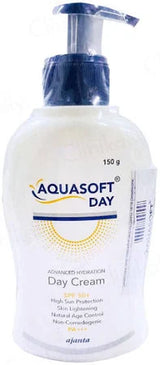
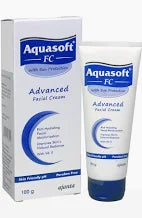
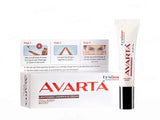

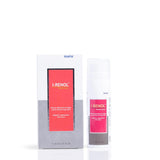
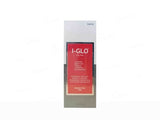
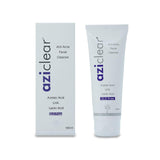












Quick Answer: Rough bumps with dotted pigmentation on the arms and shoulders — often called strawberry skin or chicken skin — are keratosis pilaris: a very common, harmless condition where dead skin blocks hair follicles. Treatment is consistent moisturisation plus keratolytic body lotions containing urea (10%+), lactic acid (~12%), glycolic acid (6–12%), or salicylic acid (2%+). Gentle chemical exfoliation and patience are the keys; harsh scrubbing makes it worse.
Case Snapshot: A user asked for product help with "chicken skin" on the arms and shoulders — tiny rough bumps studded with dark dots that gave the surface a strawberry-like, stippled appearance.
What Creates the 'Strawberry' Look?
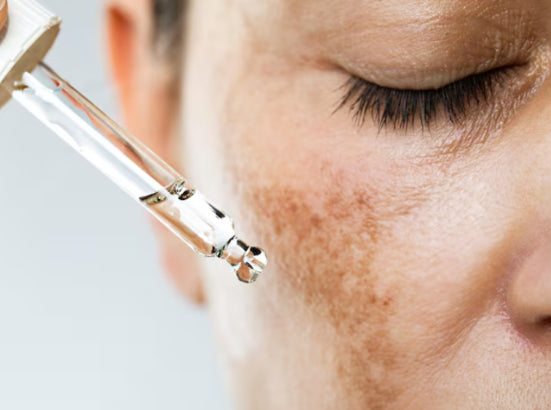
Keratosis pilaris (KP) begins when keratin — dead skin protein — plugs the hair follicle openings, raising tiny rough bumps. Around each plugged follicle, low-grade inflammation and friction leave a dot of post-inflammatory pigmentation. Hundreds of these pigmented follicular dots together create the dotted, strawberry-skin appearance — a combination of texture (the bumps) and colour (the dots), each needing its own timeline to resolve.
Why It Happens — and Flares
- Genetics: KP runs strongly in families as an inherited keratinisation tendency
- Dry skin and winter weather — the classic seasonal flare
- Harsh soaps stripping the barrier
- Friction from clothing, backpack straps, and tight sleeves
- Shaving/waxing trauma on affected areas, which adds ingrown hairs and more pigment
The Evidence-Based Routine
- Moisturise consistently — twice daily minimum; this alone softens a large share of cases
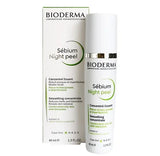
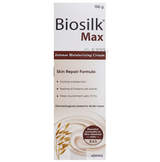
- Keratolytic body lotions with urea 10% or more, lactic acid ~12%, glycolic acid 6–12%, or salicylic acid 2%+ — these dissolve the plugs chemically and smooth texture over 4–8 weeks
- Gentle cleansing: lukewarm showers, soap-free wash, no loofahs on affected zones
- Apply actives right after bathing, when skin is most receptive
- Consistency over intensity — KP responds to steady chemistry, not aggressive campaigns
Clearing the Dots
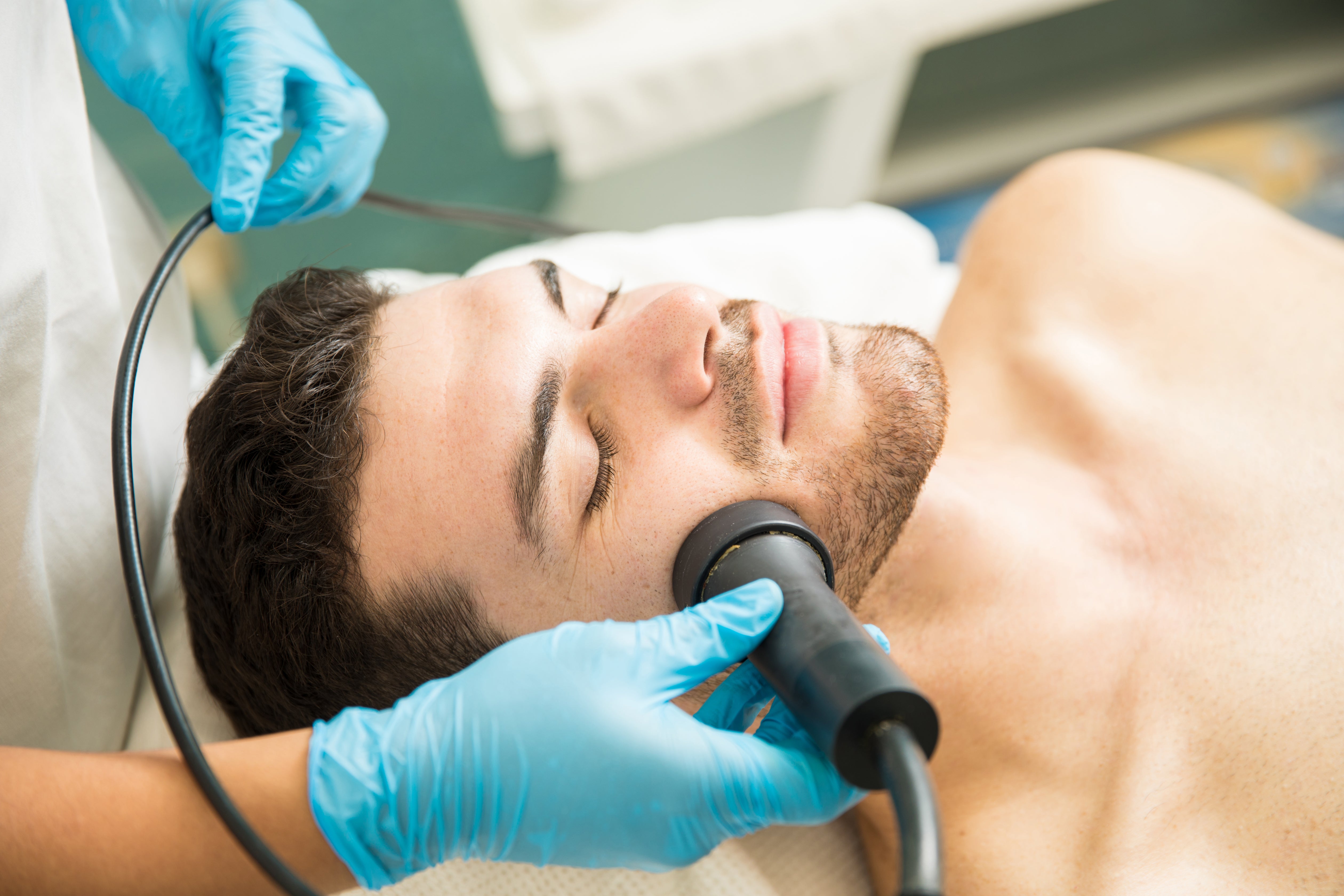
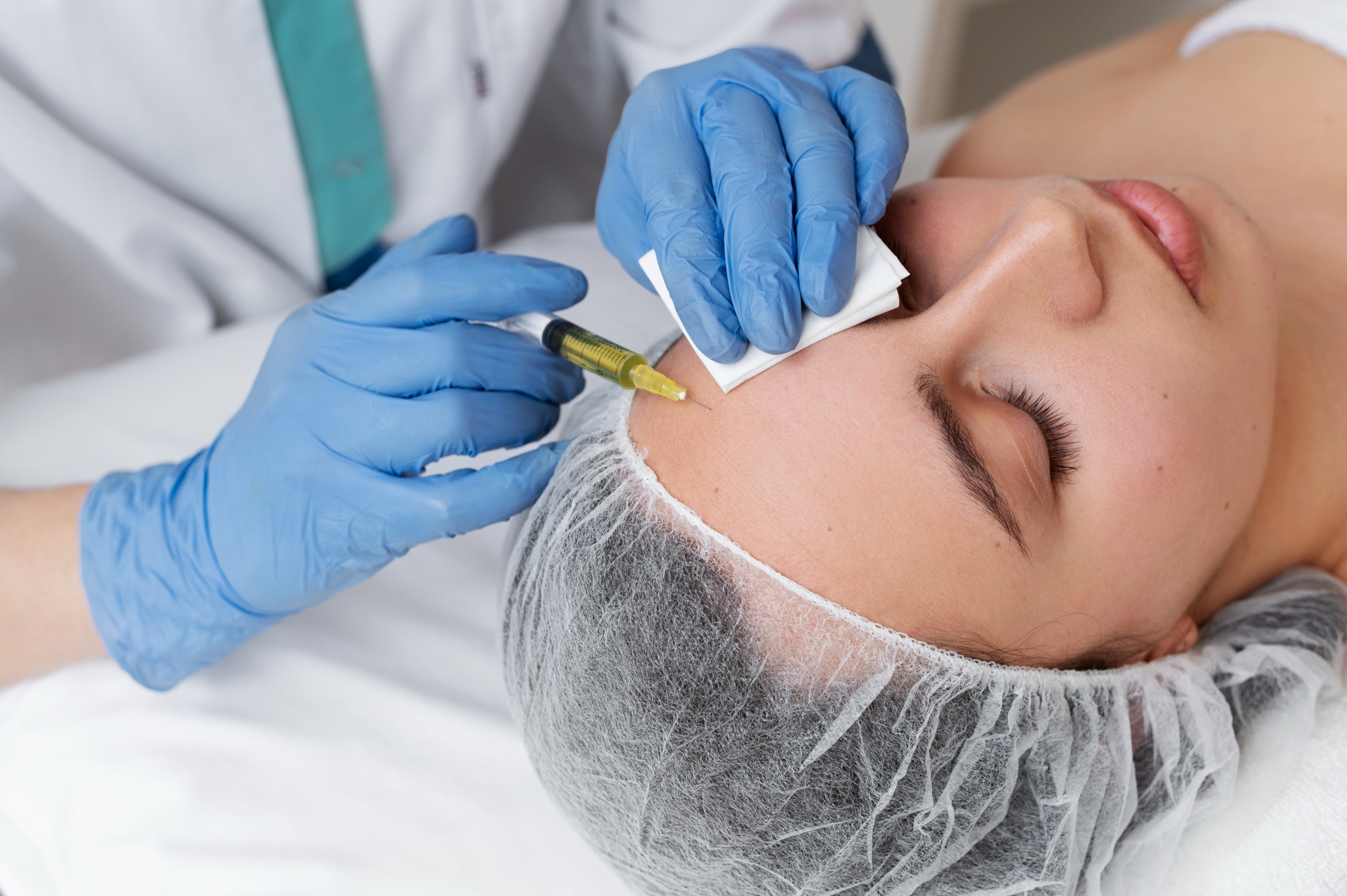
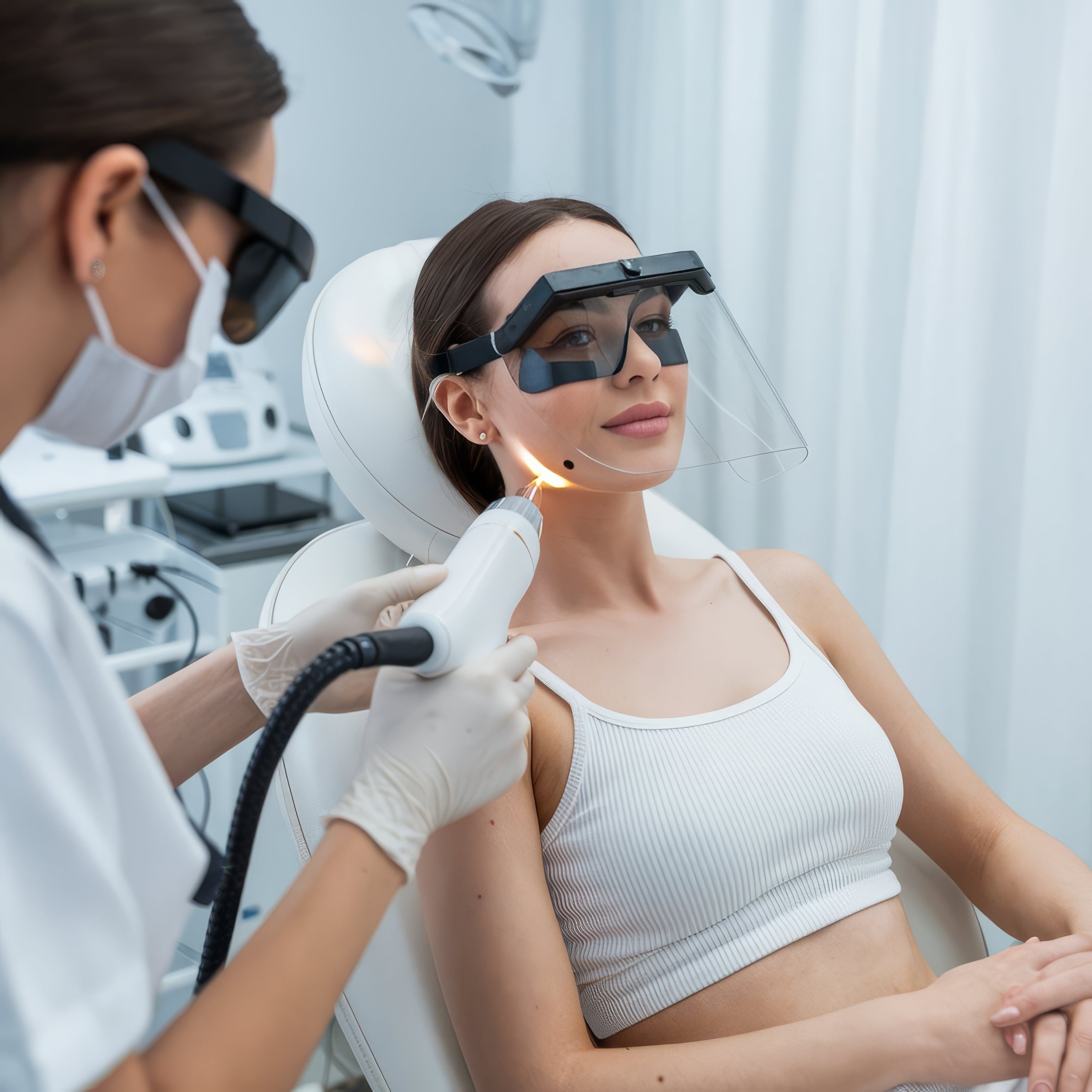
The pigmented dots fade after the bumps are controlled and friction stops — typically lagging the texture improvement by weeks to months. Where dots persist, dermatologist-supervised options help: gentle body chemical peels for pigment turnover, and where coarse hair and ingrowns contribute to the appearance, laser hair reduction removes both the shadowing and the shaving trauma in one stroke. Persistent redness-dominant KP may benefit from additional in-clinic measures after evaluation.
What Makes It Worse
- Vigorous scrubbing — inflames follicles, deepens the dots
- Hot showers — strip lipids and heighten dryness
- Picking at bumps — converts subtle dots into obvious marks
- Stopping treatment once smooth — KP is a tendency, not an infection; maintenance keeps it away
When to See a Dermatologist
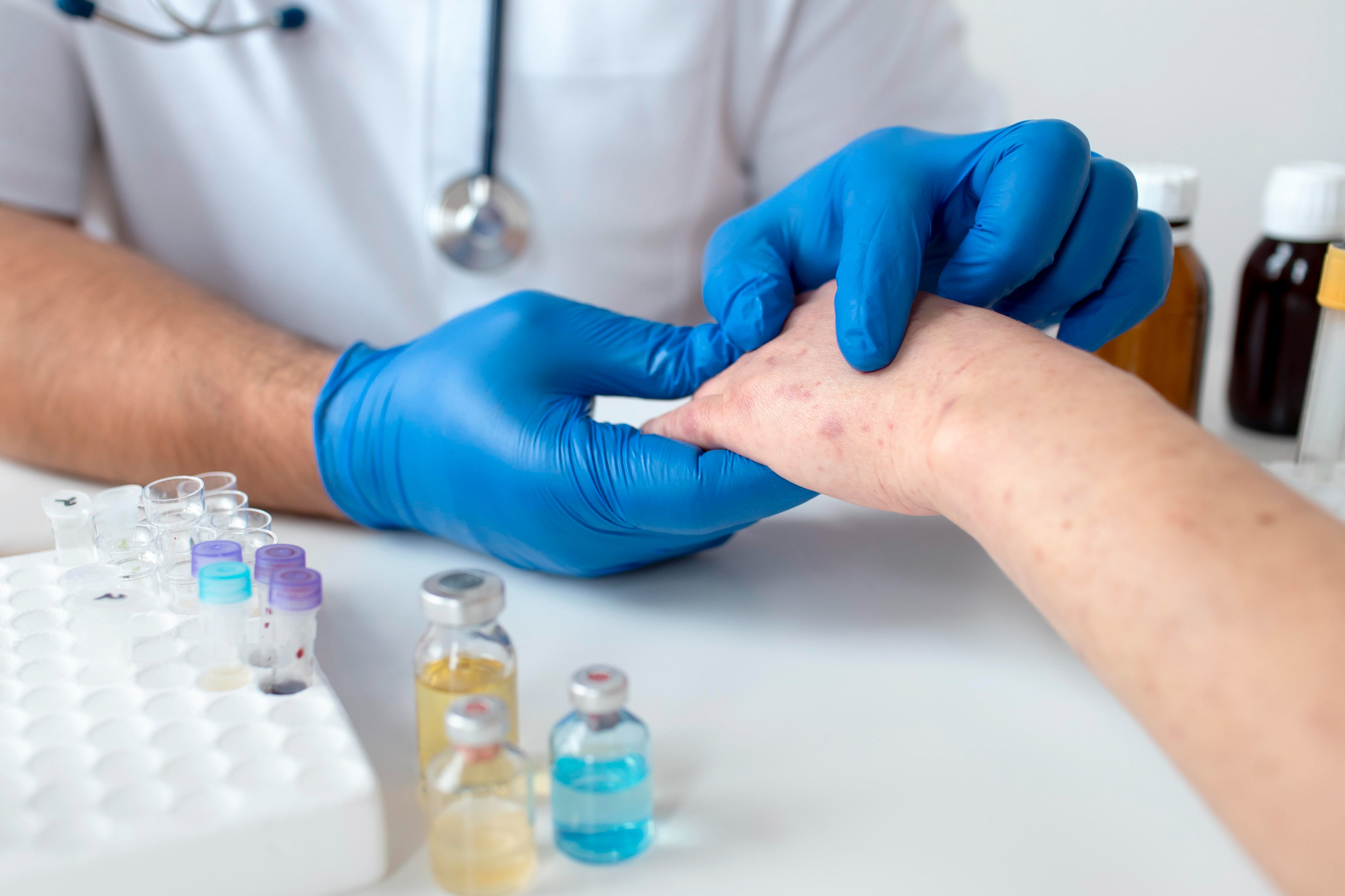
Consult a dermatologist if bumps are itchy, red, spreading, or unresponsive to 6–8 weeks of proper keratolytic care, or if you're unsure whether it is truly KP — folliculitis and eczema mimic it and need different treatment. Book a body-skin consultation for prescription-strength options and a maintenance plan.
FAQs
Q: Can strawberry skin be permanently cured? There's no permanent cure for the tendency, but the appearance can be controlled to near-invisibility with maintenance moisturisation and periodic keratolytics.
Q: How long until my arms look smooth? Texture typically improves within 4–8 weeks of consistent care; the pigmented dots fade over the following months.
Q: Does diet affect keratosis pilaris? No strong dietary link is established. Skin hydration and topical keratolytics remain the effective levers.
Q: Is it safe to shave over KP? Shaving adds friction and ingrowns. If hair removal matters to you, laser reduction is kinder to KP-prone skin than repeated razors or wax.
How to Read a Body-Lotion Label for KP
The pharmacy shelf becomes simple once you know what to scan for. First, the active and its percentage: urea at 10% or higher, lactic acid around 12%, glycolic acid 6–12%, or salicylic acid 2% or more — products that name an active but hide the percentage are usually under-dosed. Second, the base: a cream or rich lotion base suits KP better than a light gel, since hydration is half the treatment. Third, what to avoid: fragrance-heavy formulas (irritation), gritty "exfoliating" beads (friction — the enemy), and menthol/cooling agents that sting compromised follicles. One active is enough — stacking a urea lotion over a glycolic lotion over a salicylic wash multiplies irritation, not results. Pick one keratolytic product, pair it with a bland moisturiser, and give the combination its full 4–8 weeks before judging. If two well-chosen products at proper strengths have failed over two months, the next step isn't a third product — it's a dermatologist visit for prescription-strength keratolytics and a look at whether the diagnosis is truly KP.
📌 Case Study Reference: Publicly shared patient image and query, r/IndianSkincareAddicts, Reddit — "Chicken skin on my arms and shoulders — product?" (image post). Educational discussion only; not a final diagnosis. Clinical commentary by the Allodermis dermatology team.

