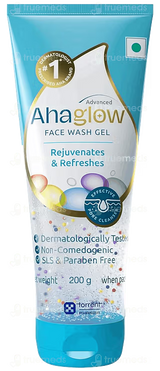
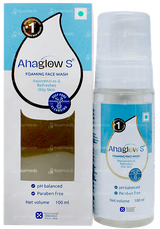













Quick Answer: Multiple red raised bumps with pus points on a rough, dry background — appearing after new products — usually indicates cosmetic acne or irritation from overusing actives and pore-clogging products. The best first step is to stop all actives (acids, scrubs, retinol, heavy creams) and strip the routine down to a gentle cleanser, non-comedogenic gel moisturiser, and sunscreen until the barrier calms. Recurring product-triggered breakouts may need dermatologist-guided patch testing or ingredient review.
Case Snapshot: A user on r/IndianSkincareAddicts shared images of their lower face showing multiple red raised bumps and a few pus-point lesions on a rough, dry-looking background, asking what had gone wrong with their skin — a picture that strongly suggested the skincare routine itself was the culprit.
When Skincare Becomes the Problem
Two overlapping mechanisms produce this presentation:
- Cosmetic acne: comedogenic (pore-clogging) ingredients in creams, oils, and makeup silently block follicles, which then inflame into red bumps and pustules — often concentrated on the lower face and jawline where products accumulate.
- Active overuse / barrier damage: stacking acids, scrubs, retinol, and strong actives — especially several new ones at once — strips the skin barrier. The result is the paradox in this image: skin that is simultaneously dry, rough, AND breaking out, because a damaged barrier is both dehydrated and inflamed.
The Rescue Protocol: Less Is the Treatment
- Stop all active products immediately — acids (AHA/BHA), scrubs, retinol, vitamin C, and heavy occlusive creams
- Keep only three things: a gentle cleanser, a non-comedogenic gel moisturiser, and sunscreen
- Hold this minimal routine for 2–4 weeks — the barrier repairs, inflammation subsides, and the true state of the skin reveals itself
- Reintroduce products one at a time, two weeks apart, so any culprit identifies itself
- Resist spot treatments and new purchases during rescue — every addition muddies the picture
The 'Non-Comedogenic' Fine Print
An important lesson from this case: even products labelled 'non-comedogenic' can irritate or break out certain skin types. The label reflects testing conventions, not a guarantee for your individual skin. The same is true of "natural," "dermatologist-tested," and "for sensitive skin." Your skin's response — not the label — is the final authority, which is why single-variable reintroduction matters.
Finding the Trigger When It Keeps Recurring
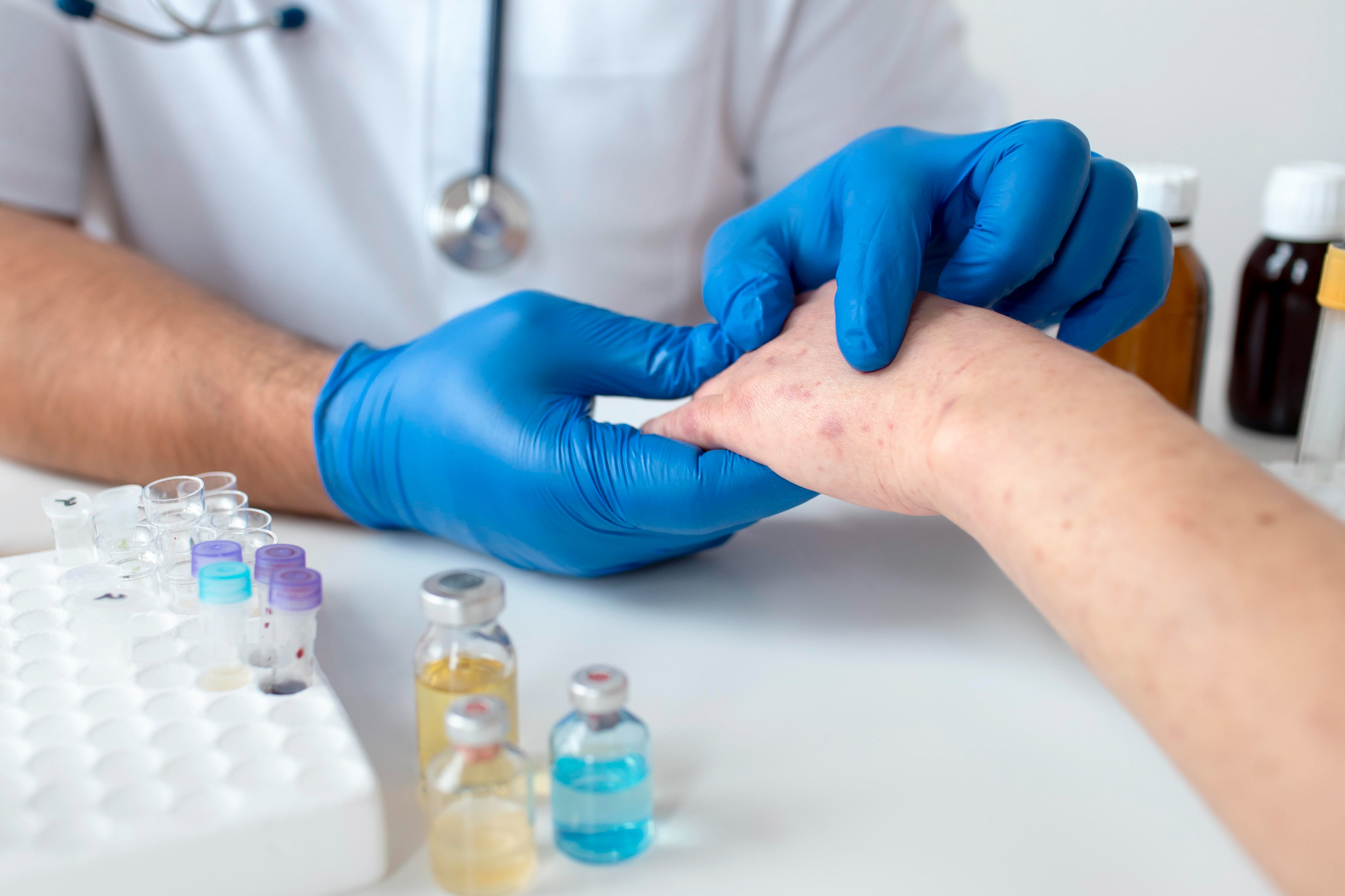
If breakouts return with specific products despite careful reintroduction, formal detective work helps: a dermatologist can perform patch testing to identify contact allergens, and conduct an ingredient review of everything touching your face — skincare, makeup, hair products, even pillowcase detergents. Identifying one culprit ingredient often explains years of "sensitive, breakout-prone skin."
Rebuilding a Routine That Works
Once calm, most skin thrives on remarkably little: cleanser, moisturiser, sunscreen, plus one targeted active introduced slowly — for acne-prone skin, typically a retinoid at night under guidance. Our clinic builds these stepwise plans routinely as part of acne and pimple treatment; the full logic is laid out in Acne Treatment Explained.
When to See a Dermatologist
See a dermatologist if the rescue routine hasn't calmed things within 3–4 weeks, if pustules are spreading or painful, or if every reintroduction attempt triggers a flare. Persistent "product reactions" sometimes turn out to be different conditions altogether — perioral dermatitis, fungal folliculitis, or rosacea — each needing specific treatment. Book an assessment.
FAQs
Q: How quickly does cosmetic acne appear after using a product? Comedogenic breakouts build over 2–8 weeks of use — which is why the culprit is rarely the newest product alone. Irritant reactions can appear within days.
Q: Should I exfoliate the rough texture away? No — the roughness is barrier damage, not dead-skin buildup. Exfoliating a damaged barrier deepens the problem. Moisture and time repair it.
Q: Can I wear makeup during the rescue phase? Minimise it; if needed, use non-comedogenic formulations and remove gently with the same bland cleanser.
Q: How do I know my barrier has recovered? The tell-tale signs reverse: tightness after washing fades, moisturiser stops stinging, the rough texture smooths, and redness settles. That stability — usually 2–4 weeks in — is your green light to reintroduce one product.
The Conditions That Masquerade as 'Product Breakouts'
Part of a dermatologist's value in cases like this is recognising when the picture isn't cosmetic acne at all. Perioral dermatitis — clustered small bumps around the mouth and chin — classically flares with heavy creams and steroid use, and worsens if treated like ordinary acne. Fungal (Malassezia) folliculitis produces uniform itchy bumps that actively worsen with anti-acne oils and some moisturisers, responding instead to antifungals. Rosacea brings background redness and sensitivity that actives inflame. Each of these is routinely mislabelled "sensitive, acne-prone skin reacting to products," and each has a specific, effective treatment once named. Clues that point away from simple cosmetic acne: itching more than pain, uniform same-sized bumps, dramatic flushing, or a distribution hugging the mouth. If your "product reactions" have persisted through multiple routine resets, the smart move is a diagnosis, not another minimalist restart — that examination is precisely what a clinic consultation provides.
📌 Case Study Reference: Publicly shared patient images and query, r/IndianSkincareAddicts, Reddit — "My face condition". Educational discussion only; not a final diagnosis. Clinical commentary by the Allodermis dermatology team.
