















Quick Answer: Enlarged pores are visible openings of hair follicles on relatively smooth skin, caused mainly by oiliness, sun damage, and loss of elasticity. Acne scars are pits and depressions caused by collagen damage in deeper skin layers — and unlike pores, they do not improve when oil is controlled. Correctly identifying which one you have completely changes the treatment plan.
Case Snapshot: A user shared close-up images of their cheeks asking whether the visible texture was "large open pores or acne scarring." They had been using pore-minimising products for over a year with no change — a strong hint that the diagnosis was wrong.
Understanding the Difference
Enlarged pores are simply the visible openings of hair follicles. They become more prominent due to:
- Excess oil production stretching the pore
- Past acne damage around the follicle
- Cumulative sun damage degrading supporting collagen
- Age-related loss of skin elasticity
- Genetics — some skin types naturally have larger, more visible pores
Crucially, skin with enlarged pores still feels relatively smooth when you run a finger over it.
Acne scars, in contrast, result from deep inflammation destroying dermal collagen. They appear as pits, depressions, or uneven, undulating texture — and they persist regardless of how well oil is controlled, because the damage lies in deeper structural layers.
A Quick Comparison
| Feature | Enlarged Pores | Acne Scars |
|---|---|---|
| Root cause | Oil, sun damage, elasticity loss, genetics | Deep inflammation damaging collagen |
| Surface feel | Relatively smooth | Pitted, depressed, uneven |
| Improves with oil control? | Yes, partially | No |
| First-line care | Salicylic acid, retinoids | Collagen-remodelling procedures |
Treatment for Enlarged Pores
- Daily salicylic acid or retinoid use keeps pores clear and gradually refines their appearance
- Chemical peels exfoliate and stimulate superficial collagen
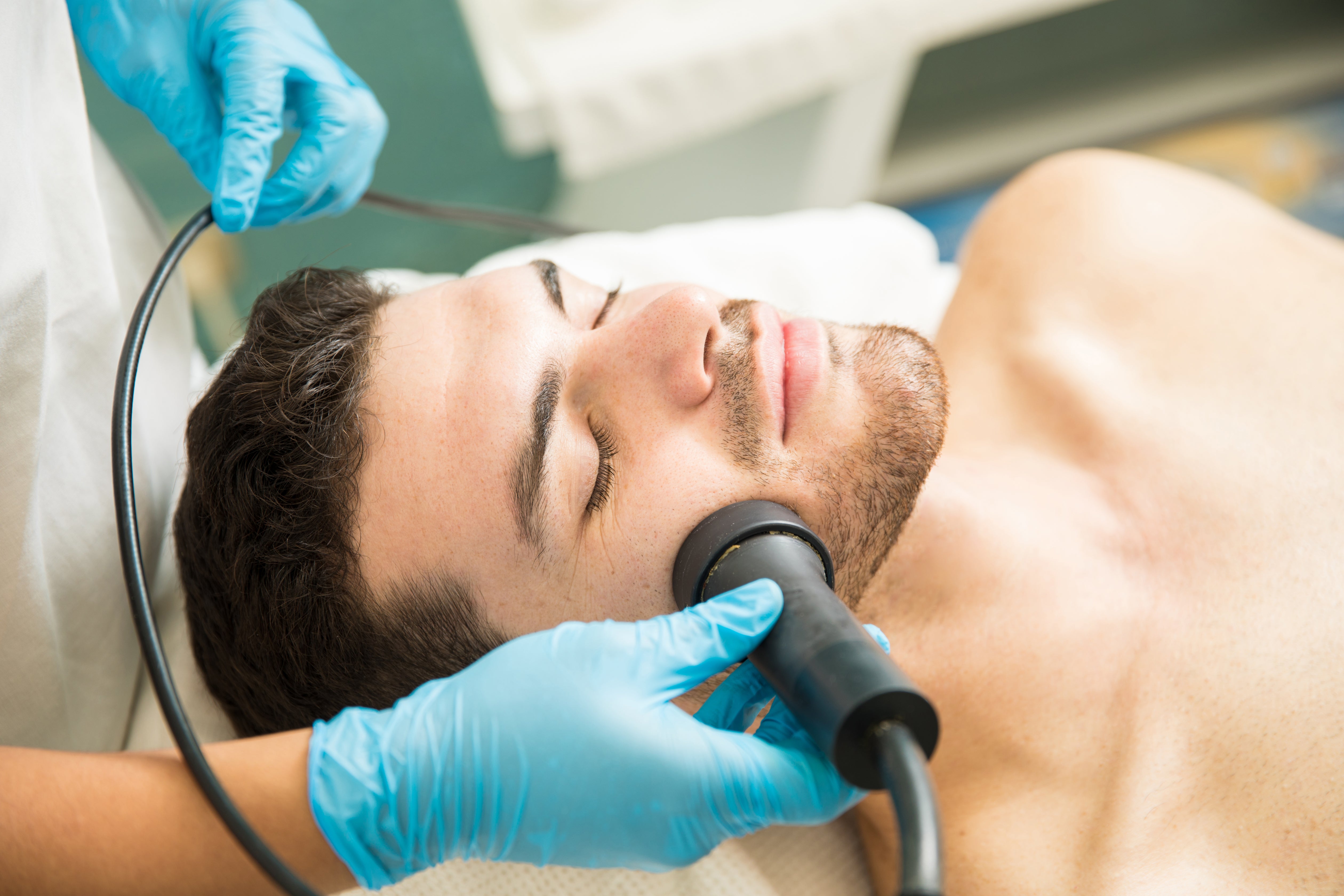
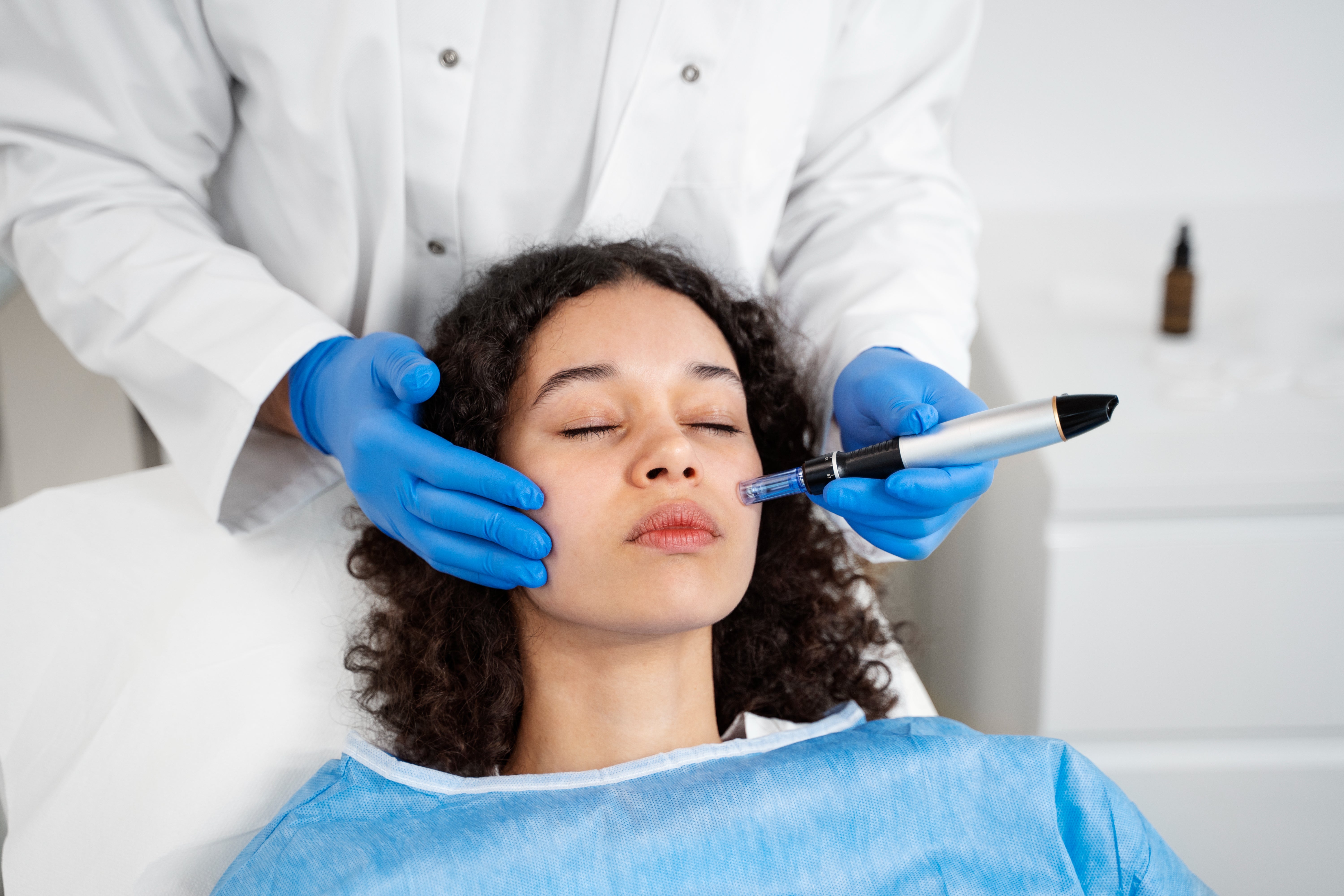
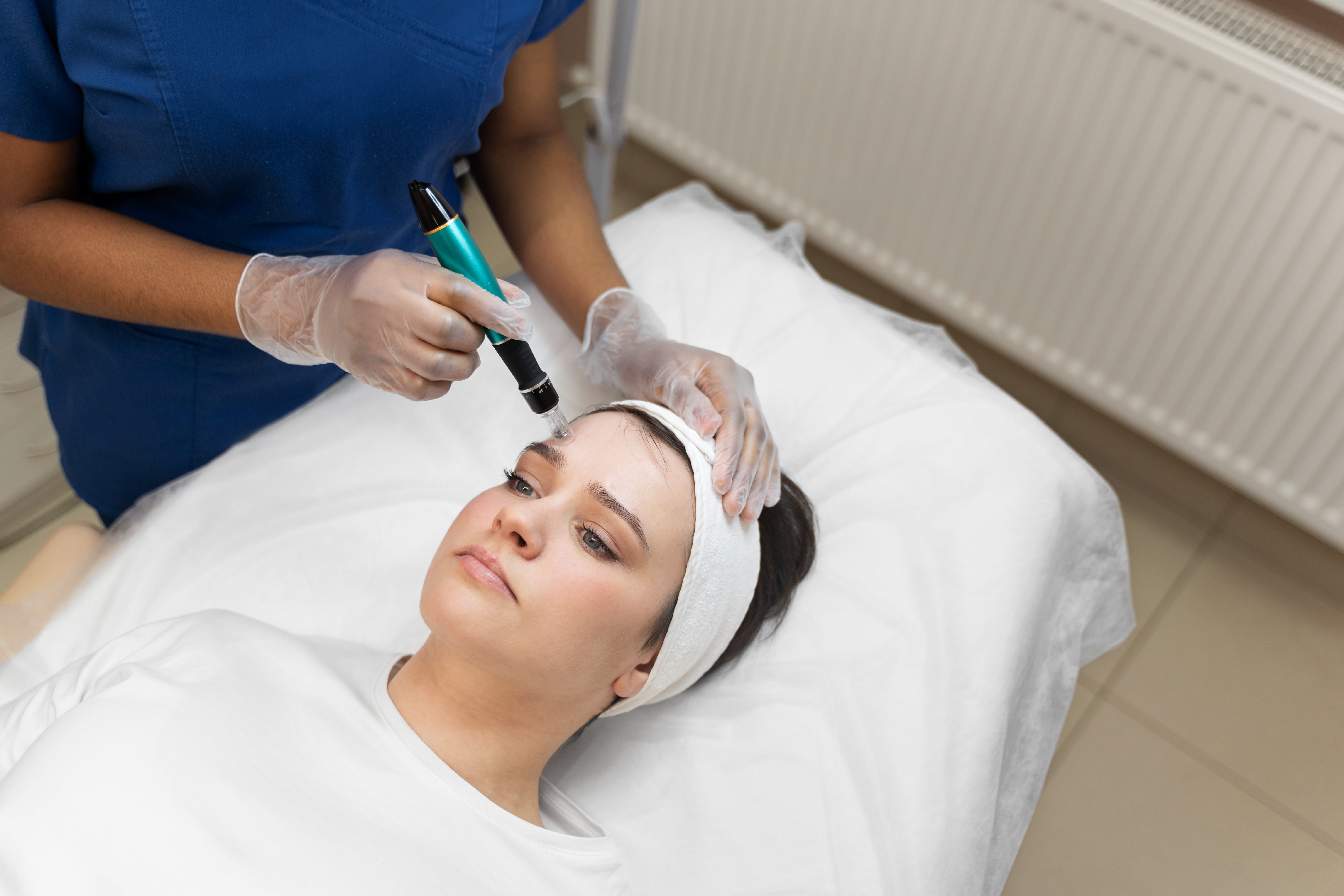
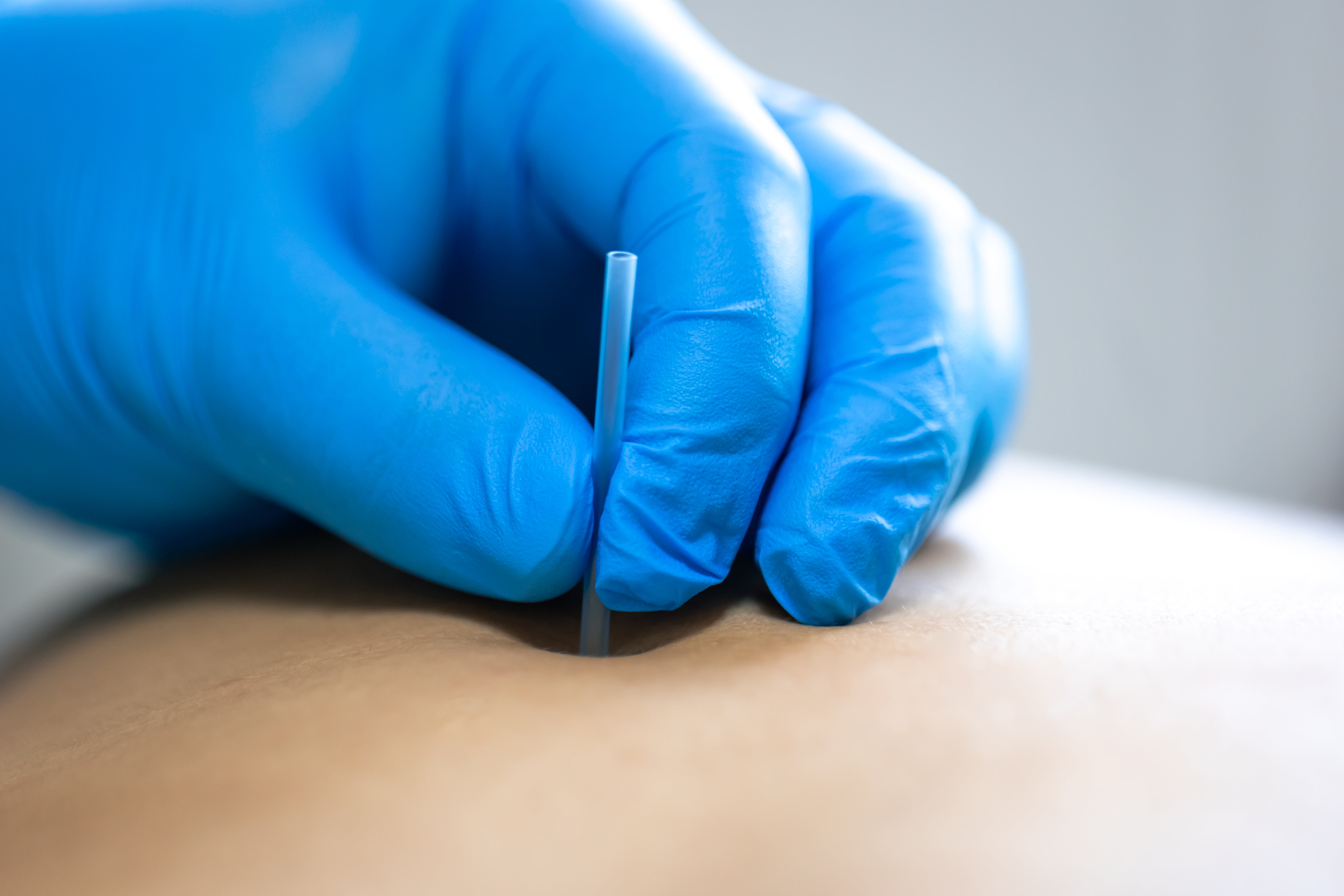
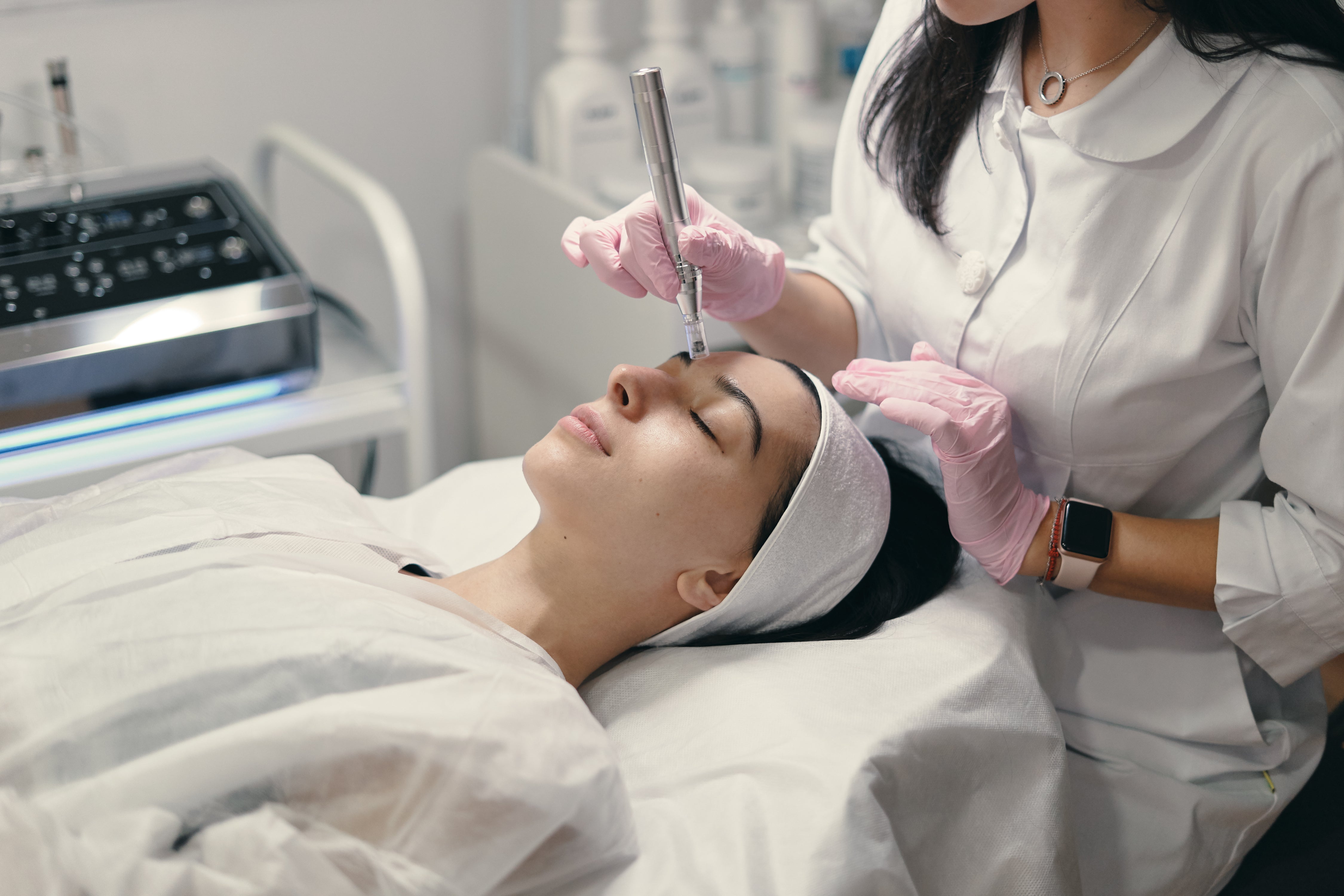
- Microneedling and laser treatments tighten pore walls over a series of sessions
- Oil-control skincare and sun protection prevent worsening
Visit our dedicated open pores treatment page for the complete protocol.
Treatment for Acne Scars
Scars need procedures that rebuild collagen at depth:
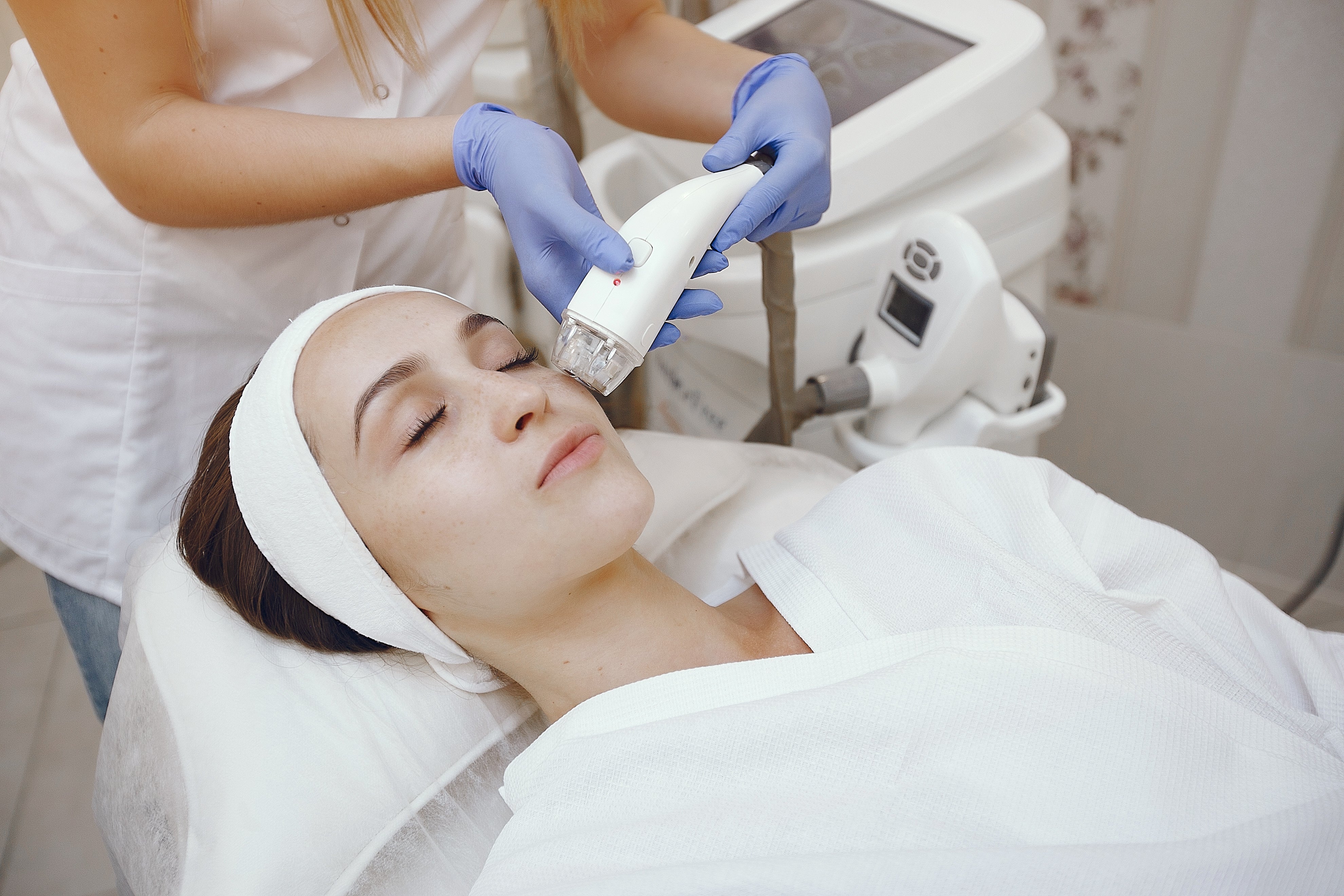
- MNRF (microneedling radiofrequency) for rolling and boxcar scars
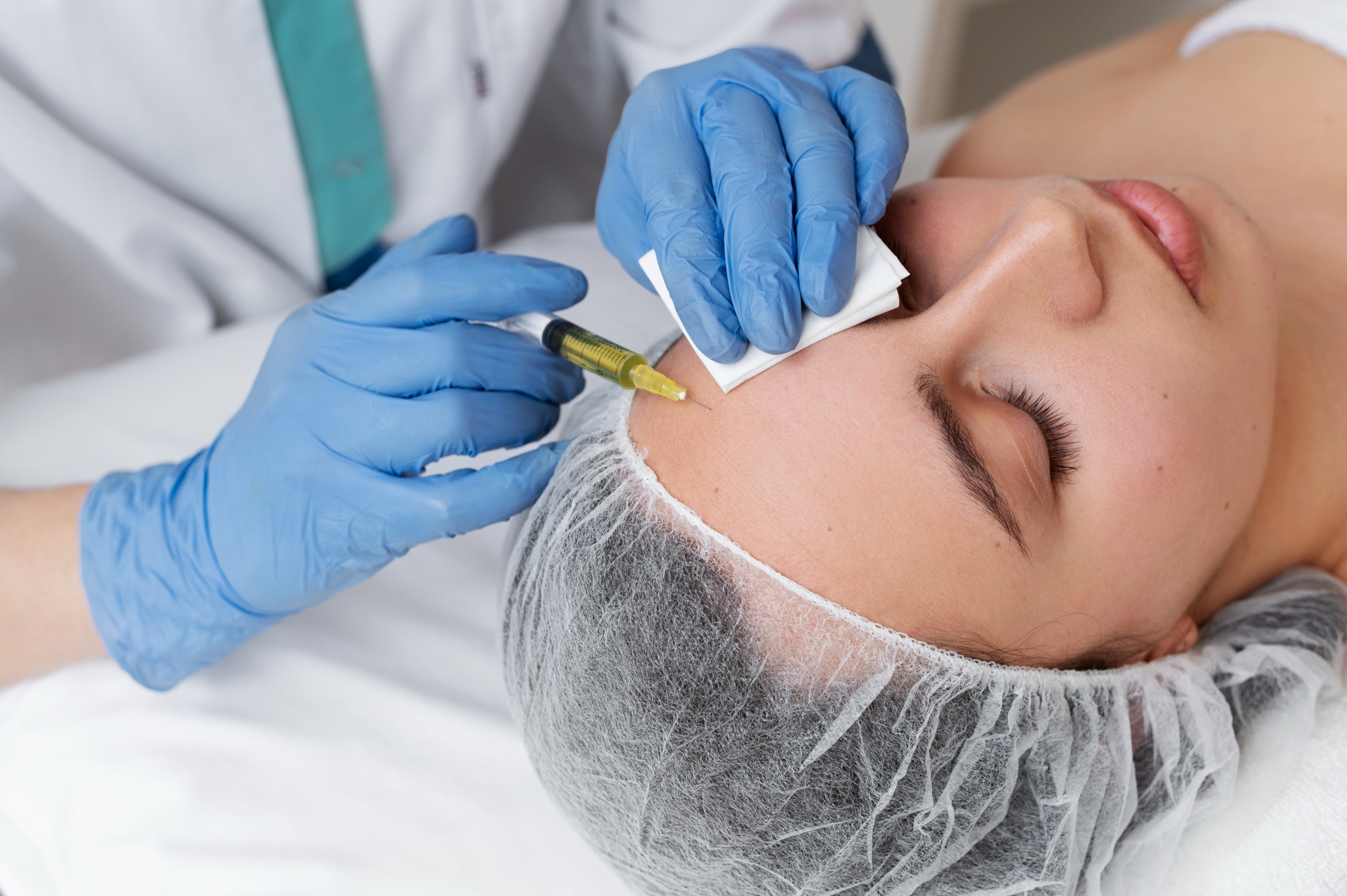
- Subcision to release tethered rolling scars
- TCA CROSS for deep ice-pick scars
- Fractional laser resurfacing for overall texture
See our full acne scar treatment options and detailed guide: Acne Scar Treatment Explained.
Why Getting the Diagnosis Right Matters
Treating scars with pore products wastes months; treating pores with aggressive scar procedures risks unnecessary downtime. Many patients have both conditions co-existing on the same cheek, which is why an in-person dermatological assessment — sometimes with dermoscopy — is the essential first step before spending on treatments.
When to See a Dermatologist
If texture concerns persist despite 3–6 months of consistent actives, or if you can feel dips and depressions, book a skin assessment. A tailored combination plan almost always outperforms any single product or procedure.
FAQs
Q: Can pores be permanently closed? No — pores are natural, necessary structures. They can only be minimised in appearance, not eliminated.
Q: Which single treatment helps both pores and mild scarring? Microneedling or MNRF, since both stimulate collagen. Your dermatologist will confirm suitability after examination.
Q: Do pore strips help enlarged pores? They remove surface debris temporarily but do nothing for pore size and can irritate skin with repeated use.
Q: Does sunscreen really matter for pores and scars? Yes, for both. UV degrades collagen — enlarging pores over time — and darkens scars and post-acne marks, making texture look worse. Daily broad-spectrum sunscreen is the cheapest texture treatment there is.
The Home Test Before Your Clinic Visit
Try this in front of a mirror with side-lighting (a lamp at eye level works well): side-lighting exaggerates true depressions, casting small shadows inside scars, while pores remain small dots without shadows. Then run a clean fingertip across the area. Smooth glide with visible dots suggests pores; a subtly bumpy, dipping ride suggests scarring. This doesn't replace a dermatologist's assessment, but it will make your consultation conversation far more precise.
What a Combined Treatment Journey Looks Like
Since most cheeks show both concerns, a typical staged plan at Allodermis might look like this:
- Foundation (weeks 0–8): salicylic acid wash, night retinoid, moisturiser, sunscreen — controlling oil and priming the skin
- Superficial phase: a series of chemical peels to refine pores and fade marks
- Remodelling phase: microneedling or MNRF sessions targeting scars, with subcision or TCA CROSS added for specific scar types
- Maintenance: retinoid nightly, sunscreen daily, periodic touch-up sessions
Improvement is cumulative — texture keeps refining for months after each session as new collagen matures. Photograph your skin monthly in the same lighting; the change is easy to miss day-to-day but obvious across a quarter.
📌 Case Study Reference: Publicly shared patient images and query, r/IndianSkincareAddicts community, Reddit — https://www.reddit.com/r/IndianSkincareAddicts/. Educational discussion only; not a final diagnosis. Clinical commentary by the Allodermis dermatology team.
Written By: Dr. Pranomita
