




































Updated on: 2026-05-19
Anti-aging serums are concentrated skincare formulas designed to support the look of smoother, more even skin. The most effective routines pair the right serum ingredients with consistent cleansing, moisturizing, and sun protection. This guide explains how to evaluate ingredients, choose a serum for your skin needs, and avoid common purchasing and usage errors. You will also find a practical application method and a checklist to reduce irritation while improving visible skin texture over time.
Understanding Anti-Aging Serums and What They Can Support
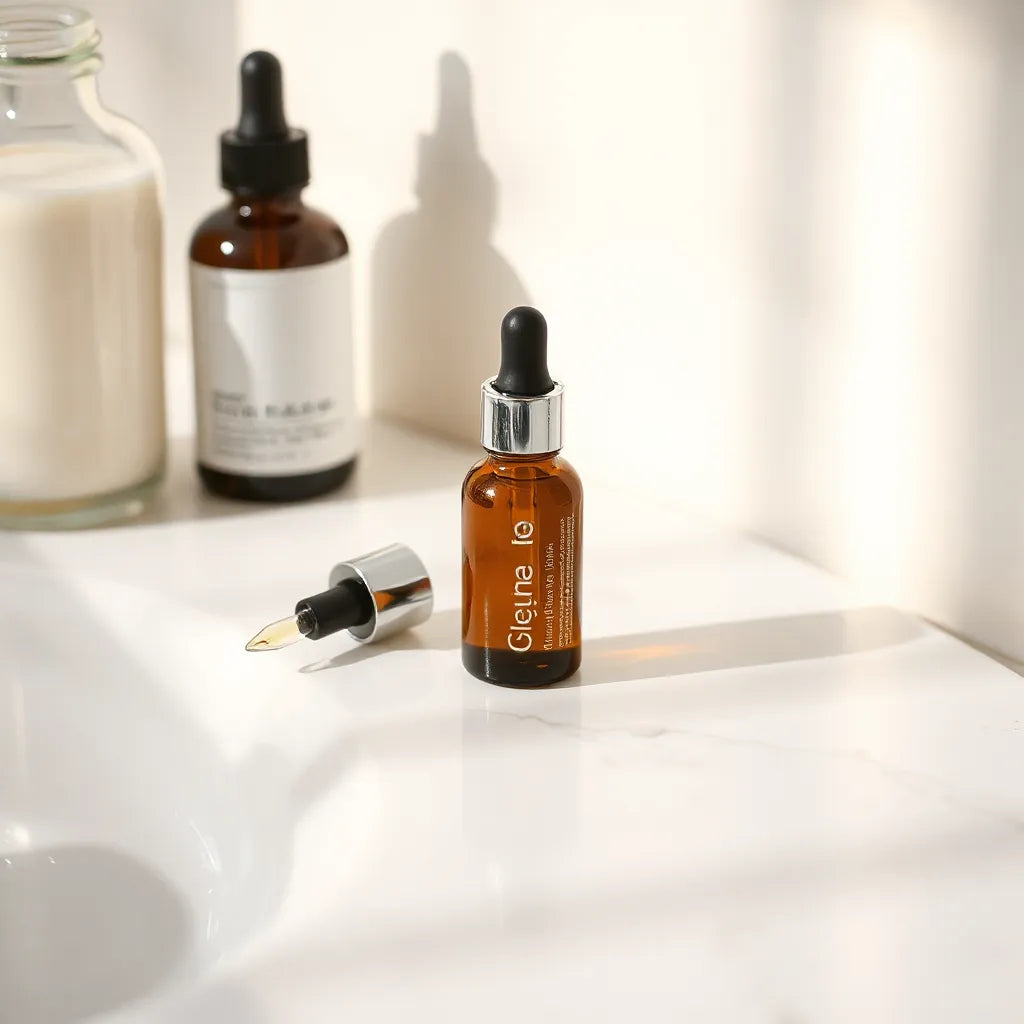
Anti-aging serums are purpose-built skincare products that deliver targeted ingredients to the skin. Many people begin with serums because they are lightweight, designed for face layering, and often formulated at higher concentrations than basic moisturizers. Instead of promising a single dramatic outcome, well-designed anti-aging serums aim to support multiple day-to-day needs, such as hydration, skin barrier strength, and the appearance of fine lines and uneven tone.
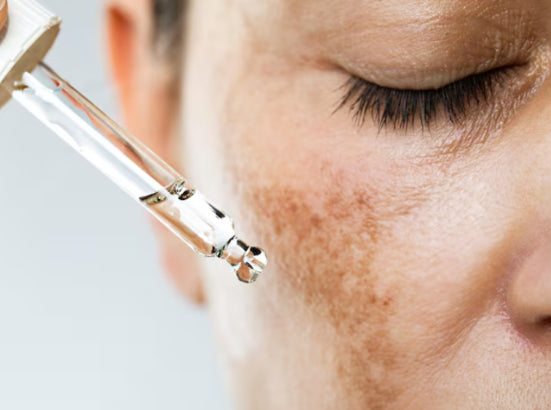
In practical terms, anti-aging skincare focuses on visible changes that tend to accumulate over time. These include dryness-driven texture, reduced radiance, and the look of aging-related variability in tone. A serum can help because it sits on the skin surface and provides a consistent delivery method when used correctly. Still, results depend on ingredient selection, application habits, and protection from ultraviolet exposure.
If your current routine feels inconsistent, a targeted serum can add structure. Start with a clear goal, such as improved hydration, smoother texture, or reduced visible discoloration. Then choose a serum whose ingredient profile matches that goal.

Hydration layers symbol and skin texture map
Common Mistakes to Avoid
Many people purchase anti-aging serums with high expectations but use them in ways that limit benefits or increase irritation. Avoiding these mistakes helps your routine stay steady and reduces the risk of redness, tightness, or breakouts.
Skipping sunscreen. Without daily sun protection, many anti-aging ingredient benefits are harder to maintain. Ultraviolet exposure can increase dryness and worsen the look of uneven tone.
Using too many actives at once. Stacking multiple strong ingredients can overwhelm the skin barrier. When irritation occurs, your routine becomes less consistent, and the skin may look worse.
Choosing by marketing terms only. Terms such as “anti-wrinkle” or “instant glow” do not replace ingredient logic. Focus on verified ingredient types and how they align with your skin needs.
Applying too much product. More serum is not always better. Excess product can feel heavy, increase friction, and reduce comfort, especially on combination or acne-prone skin.
Not matching the formula to your skin type. A serum that feels too rich may worsen congestion for oily skin. A serum that is too light may not support dryness for dry skin.
Over-exfoliating. When exfoliation is too frequent, the skin barrier can weaken. Barrier disruption often causes persistent tightness and visible roughness.
Another frequent error is poor consistency. Anti-aging routines work best when usage is predictable. If you apply a serum only when you remember, your skin may not receive steady support.
Pros & Cons Analysis
Anti-aging serums can be an effective part of a modern skincare routine. However, they are not a universal solution. Consider the trade-offs before you commit.
Pros
Targeted ingredient delivery. Serums are designed to concentrate specific actives and support focused skin goals.
Layering-friendly texture. Many formulations spread easily and integrate with moisturizer and sunscreen.
Routine customization. You can choose a serum based on hydration, radiance, texture, or tone.
Long-term support. Consistent use can help maintain skin comfort, especially when paired with barrier-supporting products.
Improved visibility of results. Because serums are applied directly to facial skin, many people notice changes in softness and evenness over time.
Cons
Higher irritation risk with strong blends. Some active ingredients can trigger redness if used too soon or too frequently.
Not a substitute for sunscreen. No serum replaces ultraviolet protection, which is central to anti-aging outcomes.
Complex ingredient education. Without ingredient literacy, it is easy to choose a product that does not match your skin needs.
Patch testing may be necessary. Skin sensitivity varies widely. Testing reduces the chance of a reaction.
Potential for routine overload. If your routine already includes multiple actives, adding another serum can disrupt balance.
Quick Tips
Use the checklist below to select and apply anti-aging serums with a practical approach. The goal is improved comfort, better tolerance, and steady skin support.
Start with one serum. Choose one primary goal, such as hydration or tone support, and keep other actives minimal at first.
Apply to clean, slightly damp skin. This supports even spreading and can improve comfort for many skin types.
Use a thin layer. A small amount is usually enough. Smooth it evenly over the face and neck.
Follow with moisturizer. Serum benefits often feel more stable when the barrier is supported with a compatible moisturizer.
Wear sunscreen every morning. Even on cloudy days, daily sun protection helps reduce the impact of ultraviolet exposure.
Introduce changes slowly. If your skin is sensitive, begin with a few applications per week and increase gradually.
Be consistent for at least one routine cycle. Skin benefits usually appear with regular use rather than sporadic application.
Watch for tolerance signals. Temporary mild tingling can occur with certain actives, but persistent burning, swelling, or intense redness is a sign to stop and reassess.
How to choose the right serum ingredient profile
Anti-aging serums are not interchangeable. Ingredient families can be selected based on your top priority. For hydration and barrier support, look for formulas that include moisturizing humectants and skin-conditioning agents. For smoother texture and a more refined look, choose actives designed for gradual surface renewal. For tone support, prioritize products that aim to reduce the appearance of uneven pigmentation and help skin look more uniform.
If you already use a facial cleanser and moisturizer, ensure the serum you select does not clash with those formulas. For example, if you use a hydrating lotion, your serum should complement it rather than overcomplicate the routine.

Routine timeline with cleansing, serum, moisturizer, sun
Suggested layering routine
A simple structure reduces confusion. The routine below is designed to remain practical across most skin types, with adjustments based on tolerance and ingredient strength.
Morning: cleanse, apply your anti-aging serum, moisturize, and finish with a broad-spectrum sunscreen.
Evening: cleanse, apply the serum, and moisturize. If you use exfoliating products, keep them separate from serum nights to reduce irritation.
Where skincare products fit in
While serums are the focus, your routine depends on foundational steps. A gentle cleanser supports barrier integrity, and a consistent moisturizer helps lock in hydration. If you seek acne-prone support, a cleanser and sunscreen that are compatible with oily skin can make anti-aging serums easier to tolerate.
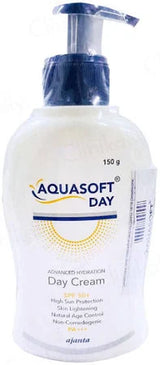
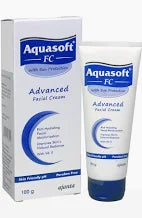
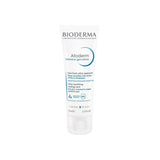
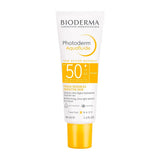
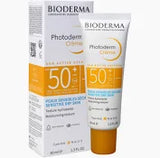
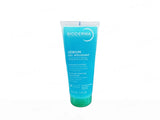
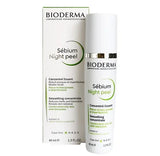
For an example of a gentle cleansing approach, you may consider gentle cleanser. If your routine needs a hydrating base, explore facial hydrating lotion. For day-time ultraviolet protection, review SPF 50 sunscreen. If you are also working on skin clarity, consider a proactive serum as a complementary option, depending on your ingredient strategy.
Wrap-Up & Key Insights
Anti-aging serums can be a high-value step when they are selected for your specific skin goals and used with a consistent routine. The most common errors involve skipping sunscreen, overloading the skin with too many strong actives, and applying products inconsistently. When you build a balanced routine that includes cleansing, moisturizing, and daily sun protection, anti-aging skincare becomes more predictable and more comfortable.
If you want to refine your approach, start with one serum, match its ingredient profile to your priority, and introduce it gradually. Make your daily sunscreen non-negotiable, and adjust based on skin tolerance.
Disclaimer: This article is for educational purposes only and does not provide medical advice. Individual results vary, and skincare products may not be suitable for everyone. If you have sensitive skin, allergies, or a dermatological condition, consult a qualified healthcare professional before starting a new skincare routine.
Q&A Section
How often should I use anti-aging serums?
Most people start with a conservative schedule, such as a few applications per week, then increase frequency as skin tolerance allows. If your serum contains strong actives, using it less often can reduce irritation. Once your skin feels comfortable, you may use it as directed to support your targeted goals.
Can I use anti-aging serums with acne-prone or sensitive skin?
Yes, but the selection matters. Choose a serum with an ingredient profile that aligns with your skin needs and prioritize barrier-friendly hydration. If your skin is reactive, patch testing and slow introduction are important. Also ensure your cleanser and moisturizer are compatible, because discomfort can increase when the routine is not well balanced.
What shouldn’t I mix with anti-aging serums?
Avoid stacking multiple strong exfoliants or several high-intensity actives on the same night if your skin becomes irritated easily. If you use exfoliation or retinoid-style products, consider spacing them apart. When in doubt, introduce one variable at a time so you can identify what your skin tolerates best.
Do anti-aging serums replace sunscreen?
No. Anti-aging serums can support skin appearance, but daily sunscreen remains a key part of any anti-aging plan. Ultraviolet exposure influences many visible signs of aging, including uneven tone and dryness-related texture.
About the Author Section
Allodermis
The author team at Allodermis focuses on skincare education and ingredient-aware routines designed for everyday consistency. With expertise in dermatology-informed product selection and customer needs, the goal is to help you build a practical anti-aging strategy that feels sustainable. Thank you for reading, and we encourage you to choose thoughtfully and stay consistent.


