






























Updated on: 2026-05-19
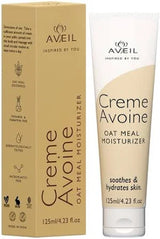
Hydrating lotions for dryness help restore comfort when skin feels tight, rough, or flaky. They work by supporting the skin barrier and reducing water loss. A good routine uses the right texture, correct timing, and consistent application. When you match ingredients to your skin needs, you can improve softness and reduce visible dryness over time.
Quick Takeaways
Hydrating lotions for dryness are designed to improve hydration, reduce roughness, and support the skin barrier. The right lotion can feel lighter than creams while still delivering long-lasting moisture. The most reliable results come from applying to slightly damp skin, using gentle cleansing, and layering properly. If you are consistent, dryness typically becomes less noticeable and skin feels more balanced.
Table of Contents
- Introduction
- Personal Experience or Anecdote
- Key Advantages
- Quick Tips
- Summary & Next Steps
- Q&A Section
- About the Author
Introduction
If your skin often feels tight after washing, looks dull, or flakes during cooler weather, a targeted moisturizing routine can make a measurable difference. Hydrating lotions for dryness are a practical solution because they are easy to spread, simple to layer, and designed for daily comfort. In this article, you will learn how these lotions work, how to choose one that fits your skin type, and how to apply it so dryness decreases rather than returns quickly.
You do not need a complex routine. You need the right formula, a gentle cleanse, and consistent hydration steps that protect your barrier. Over time, your skin can feel softer, look smoother, and maintain better balance.
Personal Experience or Anecdote
Not long ago, dryness became a recurring issue for me after a stretch of frequent hand washing and air-conditioned days. My skin was not only dry. It also felt uncomfortable, as if it was pulling during the day. I initially tried to “wait it out,” but the tightness returned each time I skipped moisturizer.
When I switched to a lotion-focused approach, the improvement was gradual but clear. I started using a hydrating lotion after cleansing, then applied again when my skin felt rough later in the day. I also reduced harsh cleansers and chose gentler care. Within a few weeks, my skin stopped looking flaky and felt less irritated. The biggest change was consistency combined with a barrier-supporting moisturizer.
Key Advantages
Hydrating lotions for dryness can support multiple aspects of dry-skin care. The benefits below are the reasons these products are widely used in everyday routines.
- Improved water retention: Many hydrating formulas include humectants that help draw water into the outer skin layer.
- Barrier support: A well-chosen lotion helps reduce transepidermal water loss, which is a common driver of ongoing dryness.
- Comfort and softness: Moisturized skin typically feels less tight and looks smoother because hydration improves texture.
- Lightweight daily wear: Lotions often absorb faster than thick creams, which makes regular use more realistic.
- Better layering: Lotions can work under sunscreen, serums, and other treatments without feeling overly heavy.
- Versatility for different areas: Many people use the same concept on hands, arms, and body while tailoring intensity by need.

Skin barrier layers with water-retention icons
What ingredients typically matter most
Dry skin is not a single problem. It is often a combination of dehydration, barrier weakness, and sensitivity. When you compare lotions, look for ingredients that address these drivers. Common categories include humectants such as glycerin and hyaluronic acid, barrier-supporting lipids, and calming agents that reduce the discomfort associated with dryness.
For face routines, it is also useful to consider whether the lotion is designed for facial use or body use. Facial skin often needs a more refined texture and compatibility with sunscreen. If you are also managing oiliness or breakouts, select a lotion that fits your skin goals and does not conflict with your other steps.
If you want a gentle approach to cleansing before hydration, consider pairing your lotion with a mild cleanser such as Cetaphil Gentle Cleanser. Gentle cleansing reduces friction and helps your moisturizer work more effectively.
Quick Tips
Using hydrating lotions for dryness is not only about product choice. Technique matters. The following tips are designed to be simple and repeatable.
- Apply after cleansing: Use the lotion within a short window after washing to help lock in moisture.
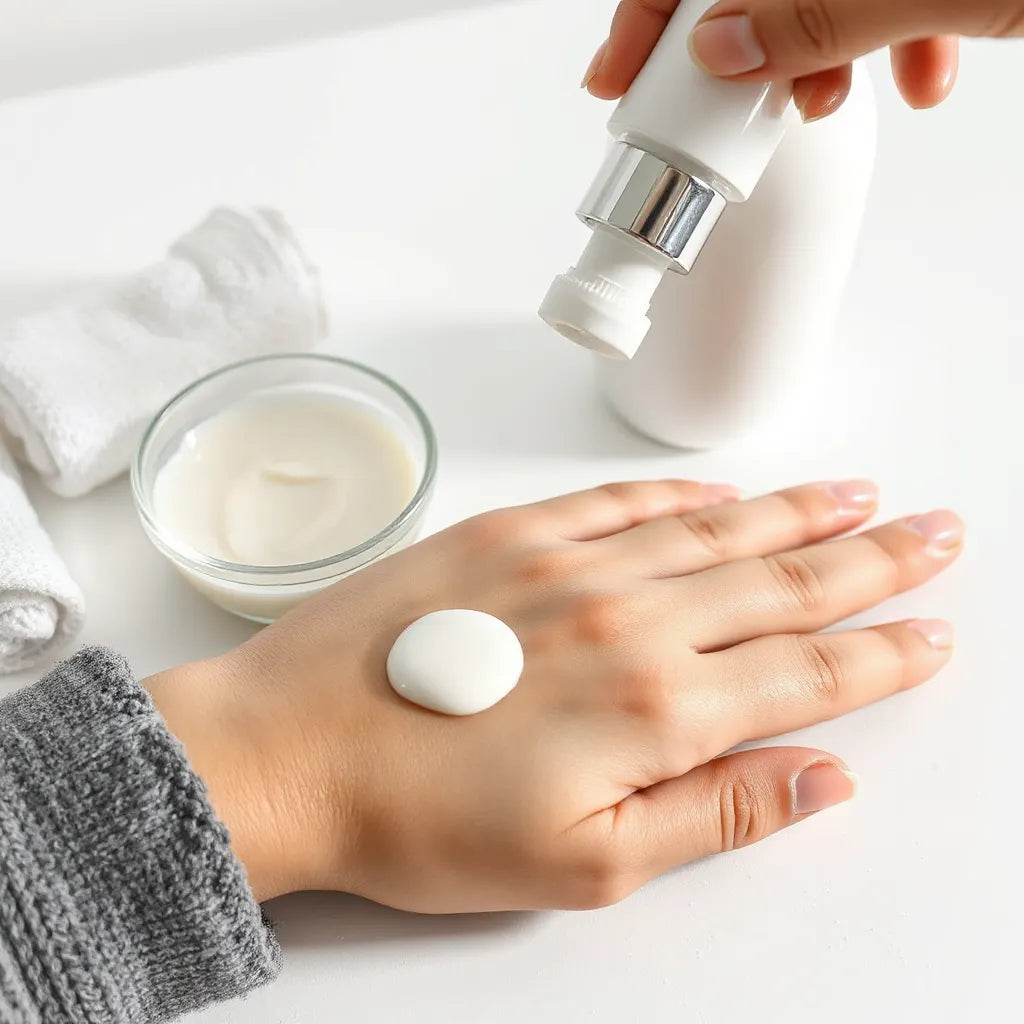
- Target slightly damp skin: Light moisture on the skin surface supports better spread and hydration.
- Use the right amount: Under-application often leads to patchy results that fade quickly.
- Layer intentionally: If you use a serum, apply it first, then moisturize to seal in hydration.
- Choose the correct finish: If you need daily comfort under sunscreen, look for a lotion that absorbs without pilling.
- Do not skip sunscreen: Dryness can worsen with sun exposure. Daily protection helps maintain barrier resilience.
- Reapply when needed: If your skin becomes tight during the day, a small amount can restore comfort.
Choose a lotion that matches your skin goals
Not all dryness is the same. Some people experience surface roughness. Others experience irritation or sensitivity. Some also feel dryness while managing acne or uneven texture. In those cases, selecting a formula that fits the broader routine is essential.
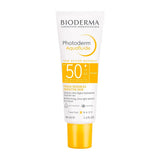
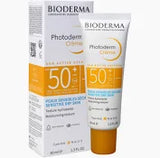
For facial hydration, you may prefer a lotion with a more refined texture. One option to explore is Cipla Excela Rich Facial Hydrating Lotion. For daytime dryness plus sun exposure concerns, a moisturizing sunscreen approach can help. You can review options such as I Shield Sunscreen Cream SPF 50 PA when building a complete daily routine.

Step-by-step routine icons: cleanse, lotion, seal
How to build a dependable routine
A routine that supports dryness typically has three phases: gentle cleanse, moisturizing layer, and protection. For many people, this structure reduces trial-and-error.
Morning: Cleanse gently, apply a facial hydrating lotion, then use sunscreen.
Evening: Cleanse gently, apply the hydrating lotion, and allow it to work overnight.
Optional mid-day support: Reapply if dryness becomes noticeable, especially on hands or exposed areas.
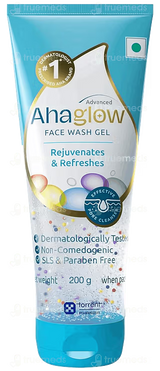
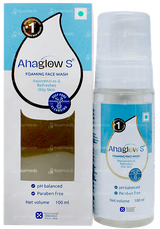
If you also treat acne or oiliness, be careful with over-cleansing. If you need a foaming option, consider a controlled approach such as Cetaphil Pro Oil Control Foam Wash as part of a balanced plan. The key is to avoid stripping moisture before moisturizing.
Summary & Next Steps
Hydrating lotions for dryness can improve comfort, soften rough texture, and support the skin barrier when used consistently. The most effective routines combine gentle cleansing, correct application timing, and daily protection. If dryness persists despite routine changes, it may be time to reassess skin triggers, cleansing habits, and whether your lotion is truly suited to your skin type.
Next steps: Choose a lotion that matches your facial or body needs, apply it after cleansing to slightly damp skin, and build a simple routine with sunscreen in the daytime. If your skin is sensitive, start with a steady, fragrance-aware approach and increase frequency only as needed.
For additional guidance on skin care choices, explore products on Allodermis and select items that align with your hydration and barrier goals.
Q&A Section
How do hydrating lotions for dryness differ from body creams?
Lotions often have a lighter texture and absorb faster, which supports daily use. Body creams can feel richer and may be more suitable for very dry zones or colder conditions. The best choice depends on your skin comfort, how quickly you need absorption, and whether you want a lighter finish under clothing or sunscreen.
How often should I apply a hydrating lotion for dryness?
For most routines, applying once in the morning and once in the evening is a strong baseline. If dryness increases due to weather changes, frequent washing, or air-conditioned environments, an additional application during the day can improve comfort. Consistency is usually more important than frequent switching between products.
Will using more lotion solve dryness faster?
More is not always better. Under-application can lead to patchy moisture, but excessive layering may not address the underlying barrier issue. A better approach is to use the right amount, apply after cleansing, and ensure your routine includes gentle cleaning and daytime sun protection when relevant. If dryness continues, evaluate your cleanser and whether your lotion is appropriate for your skin needs.
What should I look for in a lotion if my skin is sensitive?
For sensitive skin, prioritize formulas that support barrier comfort and minimize irritation risk. Look for moisturizing ingredients such as humectants and soothing agents, and consider choosing a lotion that performs well under sunscreen if you use it on the face. Patch testing on a small area before full use is also a practical step.
About the Author
Allodermis is a brand focused on skincare guidance and product expertise, with a clear emphasis on hydration, barrier support, and routine clarity. The author team reviews ingredient function, application techniques, and compatibility with daily essentials so readers can make informed choices. This post reflects professional, practical knowledge developed from ongoing dermatology-aligned education. Thank you for reading, and may your routine support lasting skin comfort.
Disclaimer: This article is for general educational purposes and does not provide medical advice, diagnosis, or treatment. Individual skin conditions vary, and persistent dryness may require professional guidance. Always review product labels and consider patch testing when introducing new skincare products.


