










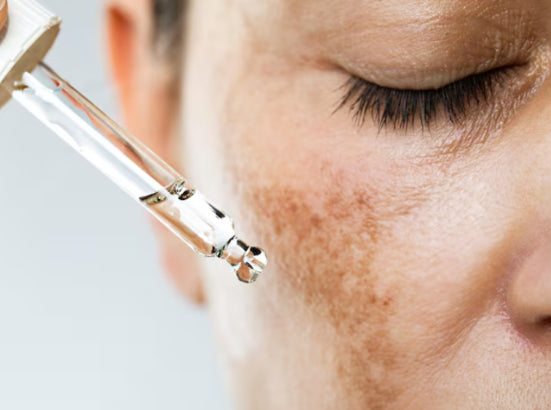
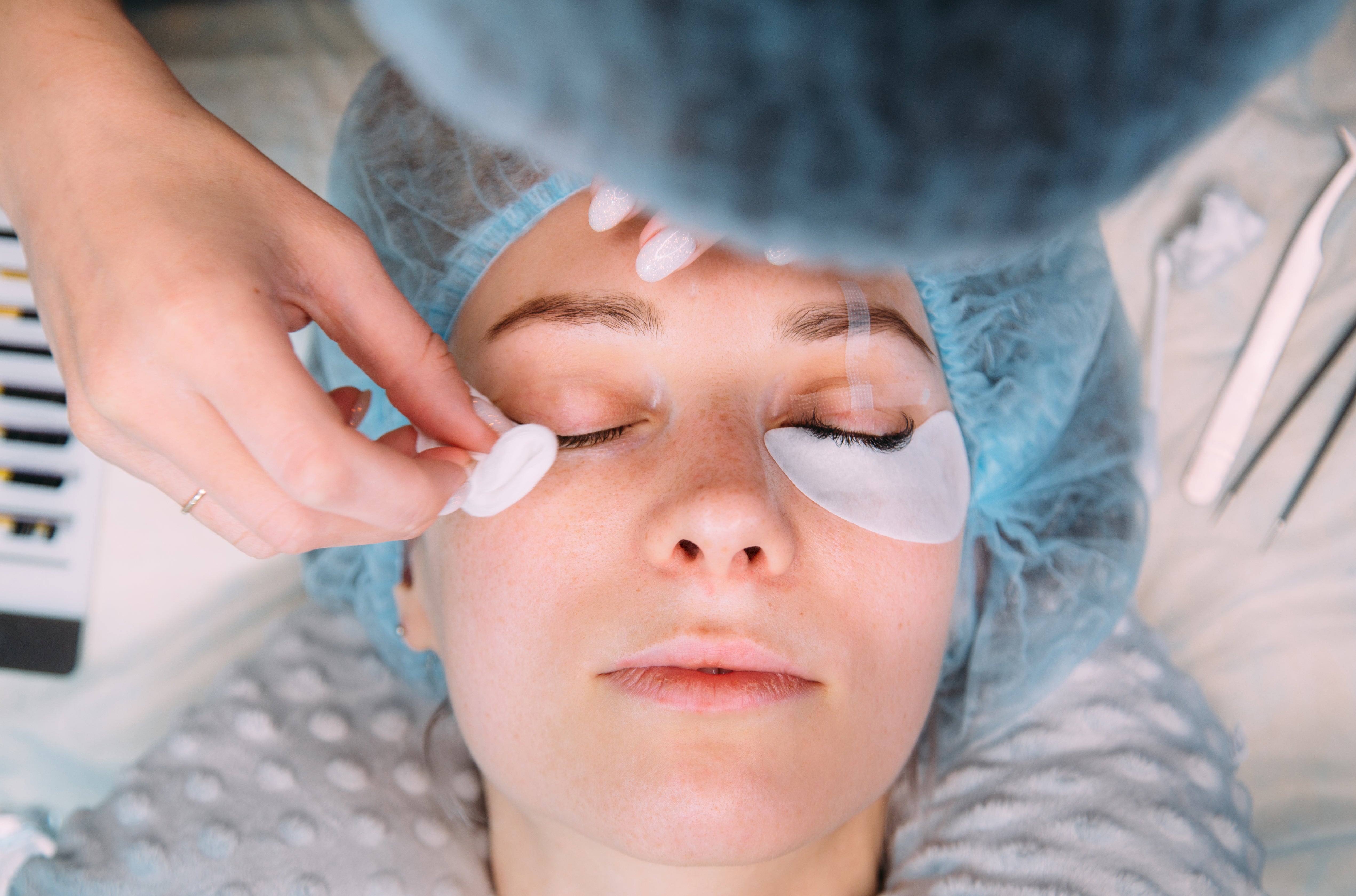
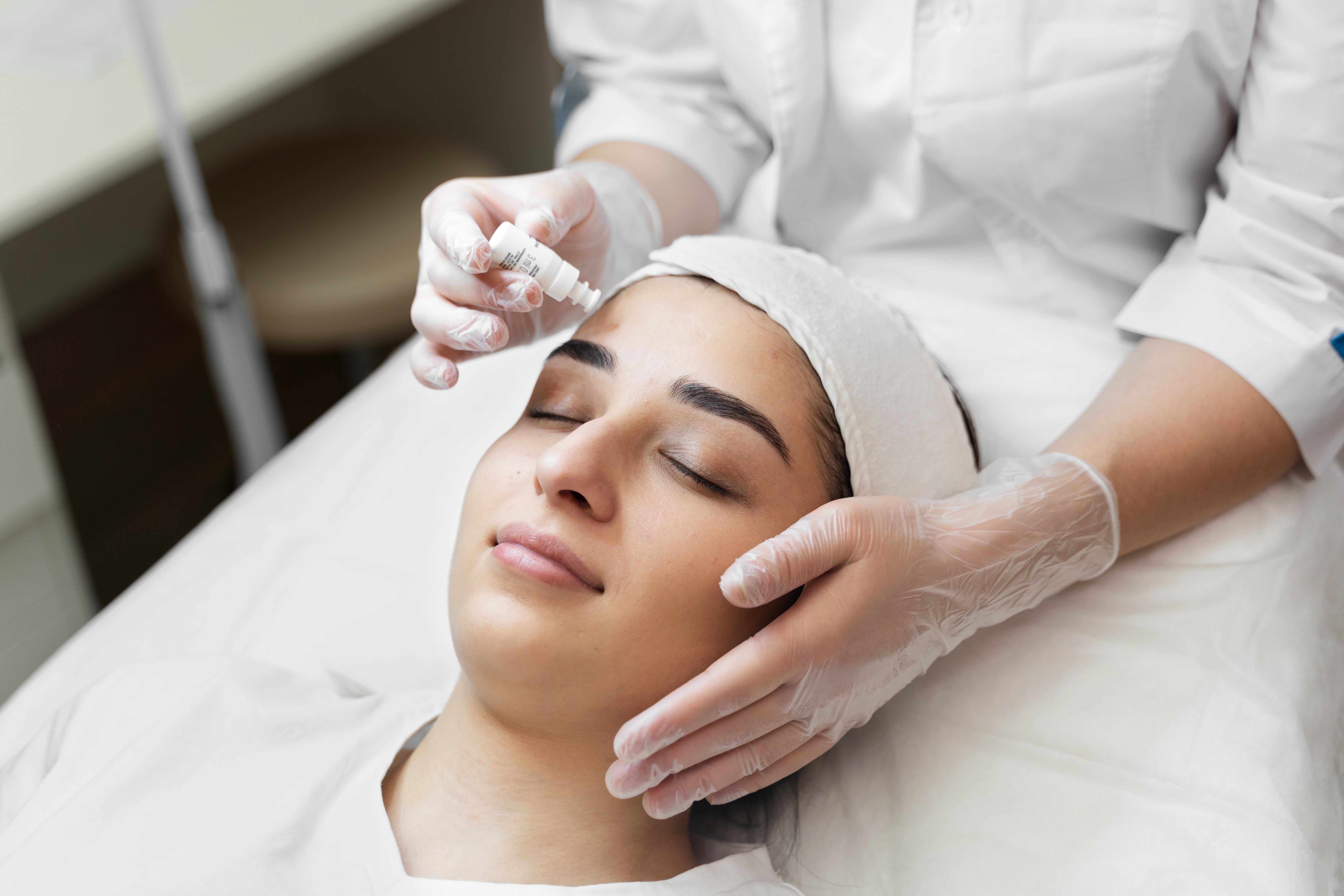
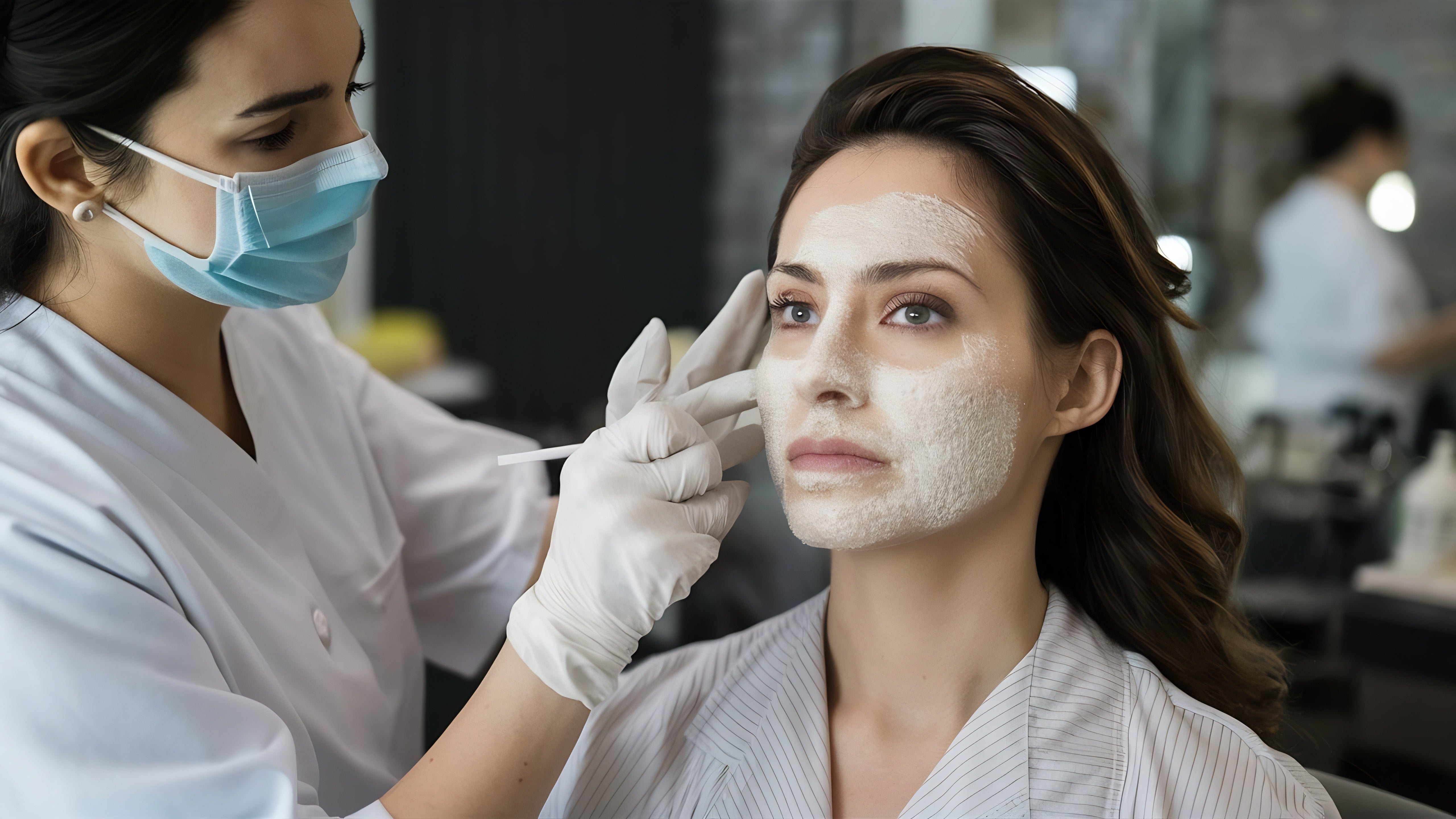




Managing Tanned Skin requires a clinical understanding of how melanin works. A tan (suntan) is the skin’s biological response to UV radiation. While many seek a certain look, the color change indicates UV stress and cellular damage. The skin increases melanin production to shield deeper layers. This change reveals that the body is reacting to excessive UV radiation.
Tanning can fade naturally over time. However, repeated exposure often leads to persistent pigmentation and uneven tone. It is a major driver of premature aging. Treatment is most effective when using combination therapy tailored to your specific dermatological needs. Consistent care help restore a natural glow. Dealing with Tanned Skin involves a structured clinical approach. Using combination therapy ensures all layers of the skin are treated.
What Underlies Tanned Skin?
This condition is caused by increased pigmentation following UV exposure. When light hits the surface, melanocytes produce more melanin. This pigment is distributed upward, making the skin look darker. This color is the visible result of this protective process. Proper care starts with reducing this pigment production.
It serves as a protective mechanism. Despite this, any change in tone signals that the skin has sustained a UV-related injury. Monitoring pigment changes is vital for long-term health. Professionals often classify this condition by its severity and depth.
Why Tanning Happens
Darkening of the skin is usually driven by several biological factors:
1) UV radiation and Tanned Skin
- UVA penetrates deeply, contributing to long-term pigment changes and structural aging.
- UVB causes acute sunburns and triggers the immediate production of new melanin.
2) Oxidation of existing melanin
Existing melanin can darken further immediately after sun exposure. This process of oxidation deepens the visible tan. It makes the surface look more prominent even without new pigment.
3) Skin barrier and inflammation
A weak or inflamed skin barrier makes pigment pathways more reactive. This increases the risk of PIH (post-inflammatory hyperpigmentation) and persistent blotchiness. PIH can complicate the recovery of your natural skin tone. Experts often link PIH to aggressive scrubbing or burns.
Common Areas Where Tanning Shows Up
- Forehead and temples
- Nose and cheeks
- Neck and décolletage
- Outer arms and hands
Causes and Triggers of Tanning
Direct sun exposure is the primary culprit. Environmental heat and humidity can also exacerbate the skin's inflammatory response. Pollution increases oxidative stress, worsening skin tone over time. The surface looks darker when the barrier is dry.
Hormonal fluctuations can sensitize pigment cells as well. Certain medications increase photosensitivity. Behavioral triggers, like skipping sunscreen, play a massive role in creating dark patches. Intense bursts of exposure during travel cause rapid darkening.
Why Skin Type Matters
Your tanning response depends on the Fitzpatrick skin type (I to VI). This classification determines how easily you burn or pigment. Fitzpatrick skin type (I to VI) helps experts choose the safest treatments.
It also dictates the risk of PIH. Dermatologists use this scale to choose the correct laser wavelength and peel strength. Identifying the right laser wavelength is crucial for darker skin. Choosing the appropriate peel strength ensures effective results without irritation.
How Tanning Is Diagnosed Clinically
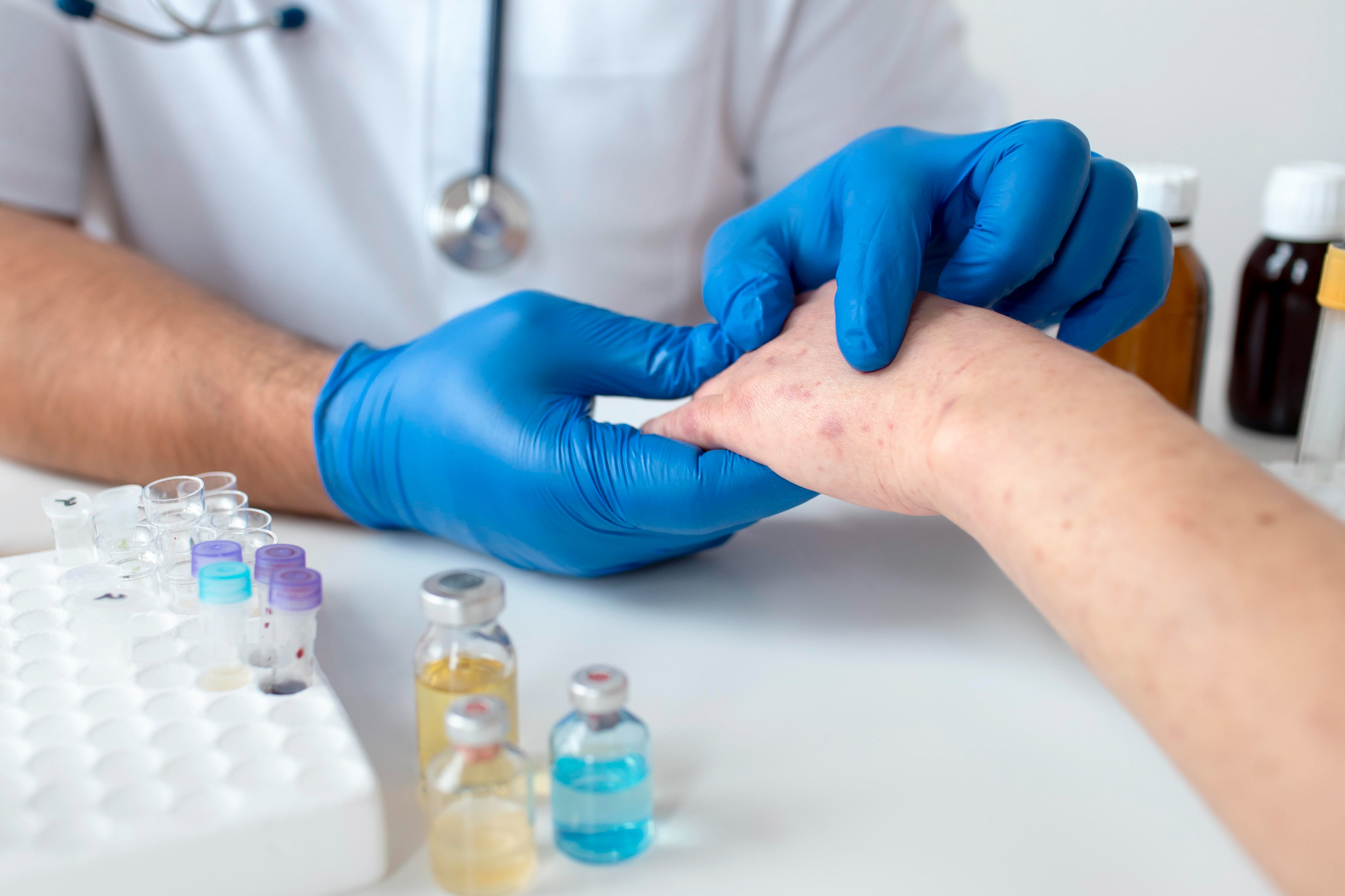
A professional diagnosis is necessary to distinguish tanning from melasma or photoaging. Doctors check for pigment distribution and depth. Melasma often requires very different care than standard sun damage. Proper diagnosis of melasma prevents using the wrong light therapy. Chronic photoaging involves deeper structural changes to the skin. Addressing photoaging requires long-term topical and procedural support.
Prevention That Actually Works
Prevention is the most important step for maintaining Tanned Skin treatment results. Without it, clinical treatments provide only temporary benefits. Consistent protection prevents darkening from returning.
Sunscreen rules that matter most
- Use broad-spectrum SPF 30 or higher.
- Apply 20 to 30 minutes before leaving home.
- Reapply every 2 hours when outdoors.
- Reapply immediately after swimming or sweating.
Keep the skin barrier healthy. Strengthening the skin with antioxidants provides an extra layer of defense. This protects your health from further damage.
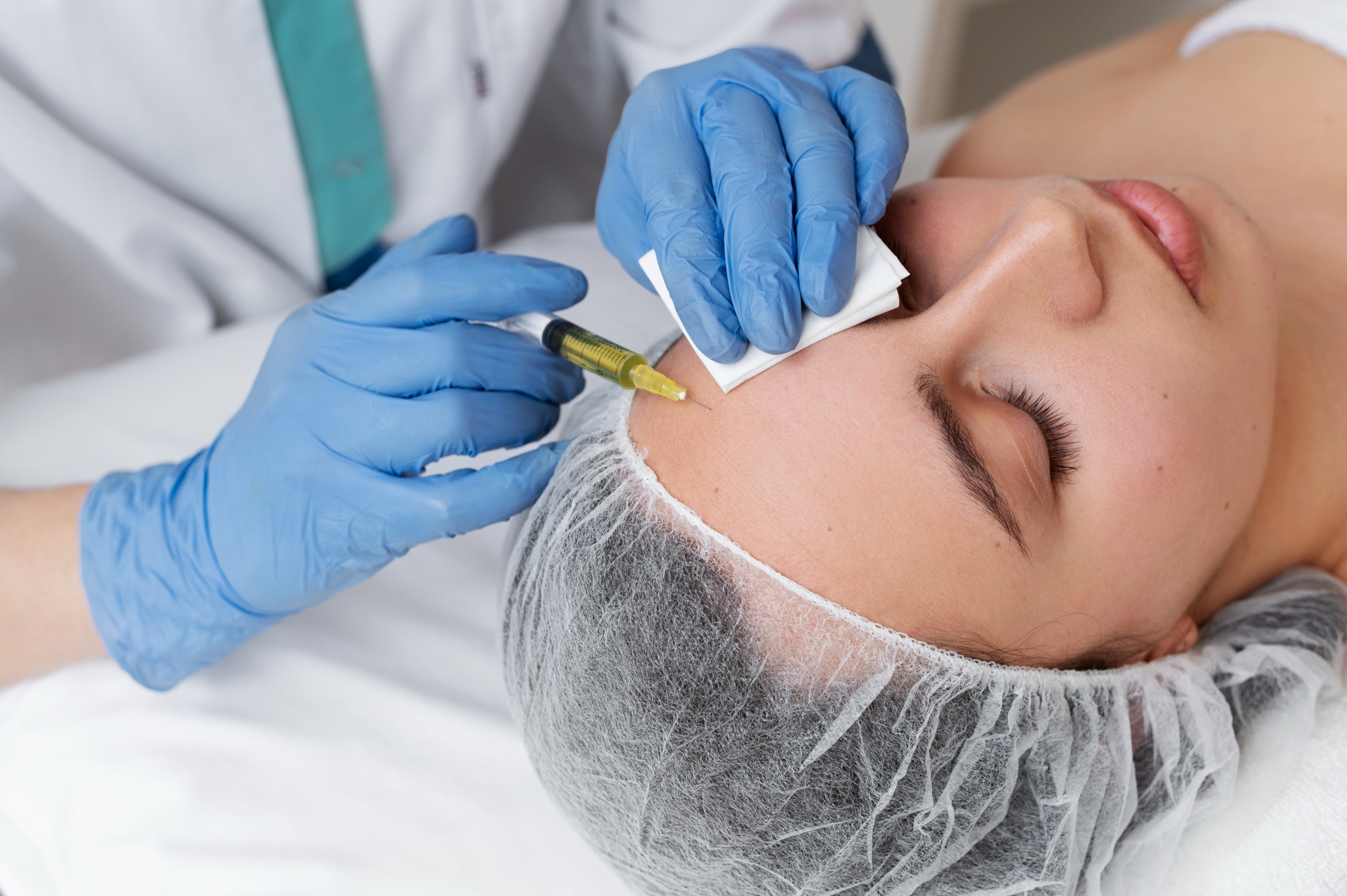
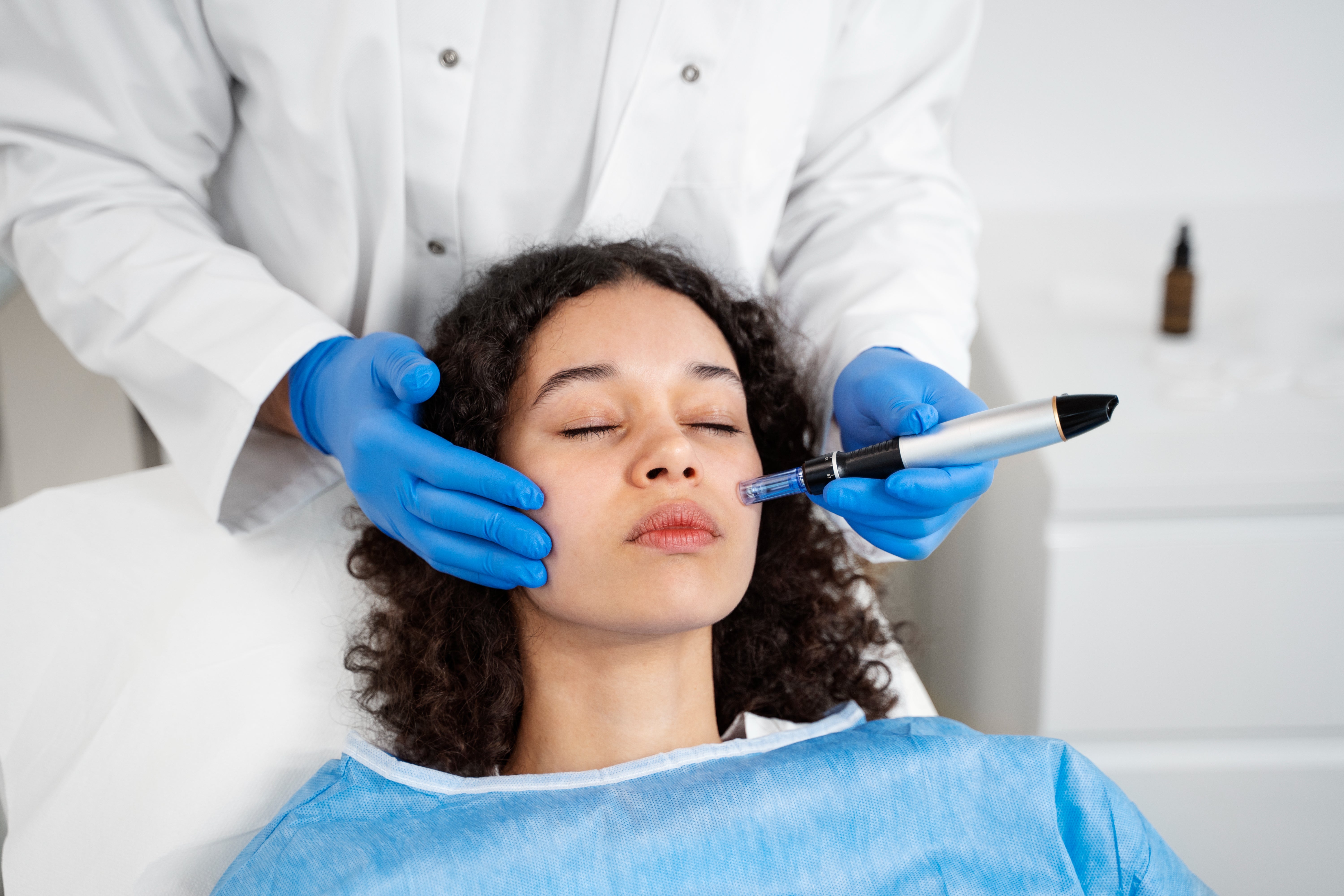
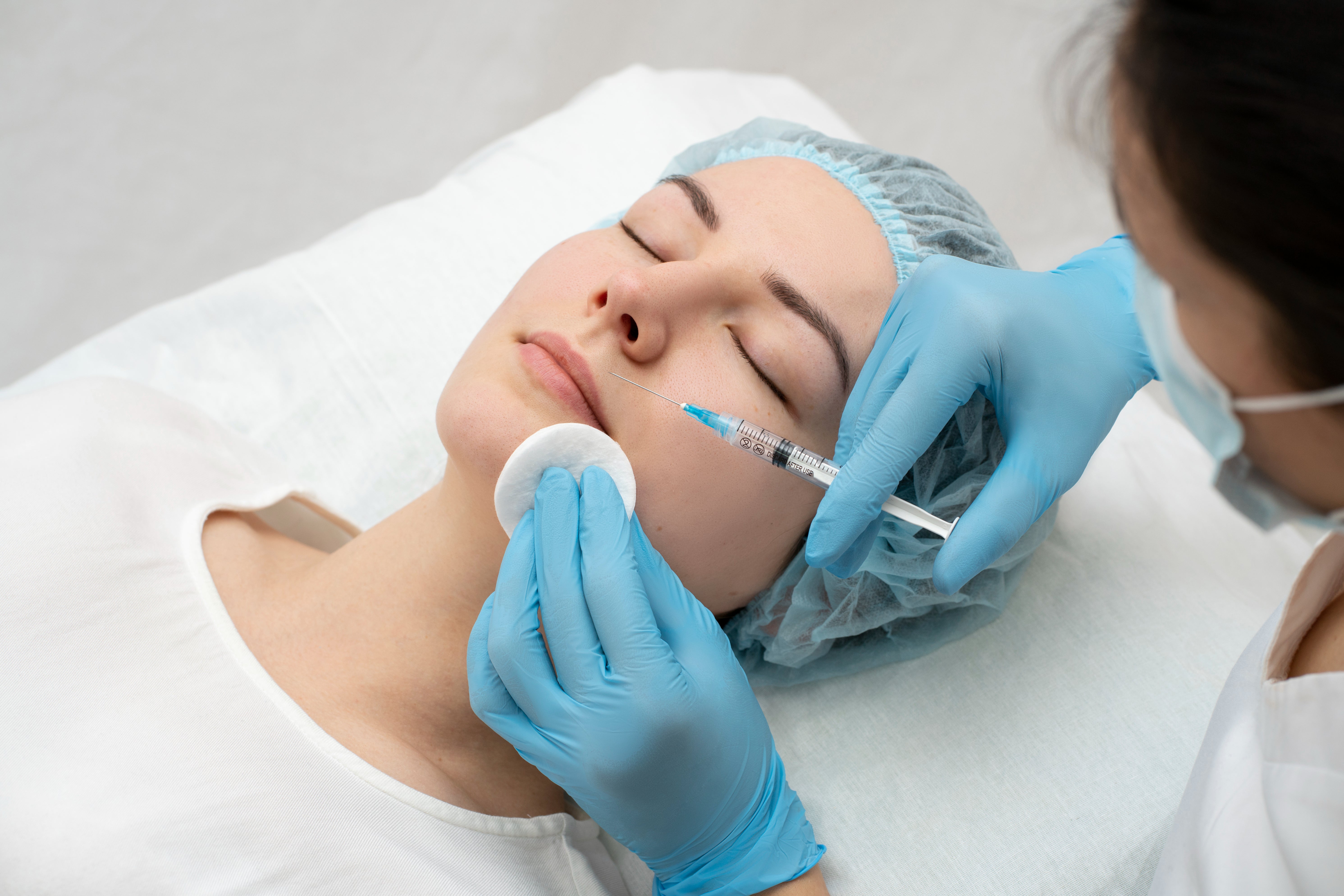
Best Treatments for Tanned Skin
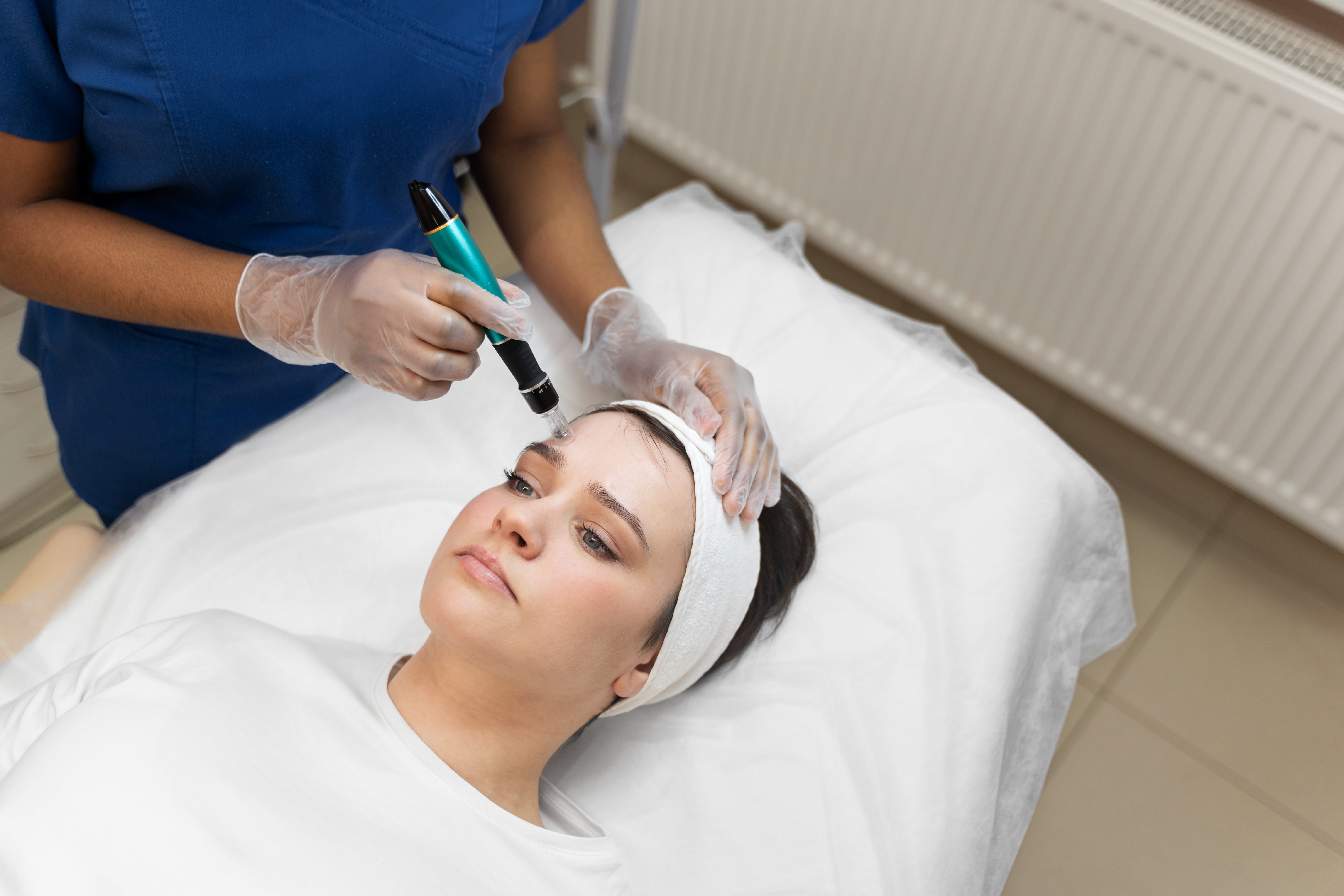
Lasting results usually come from combination therapy. Using combination therapy addresses pigment at different depths.
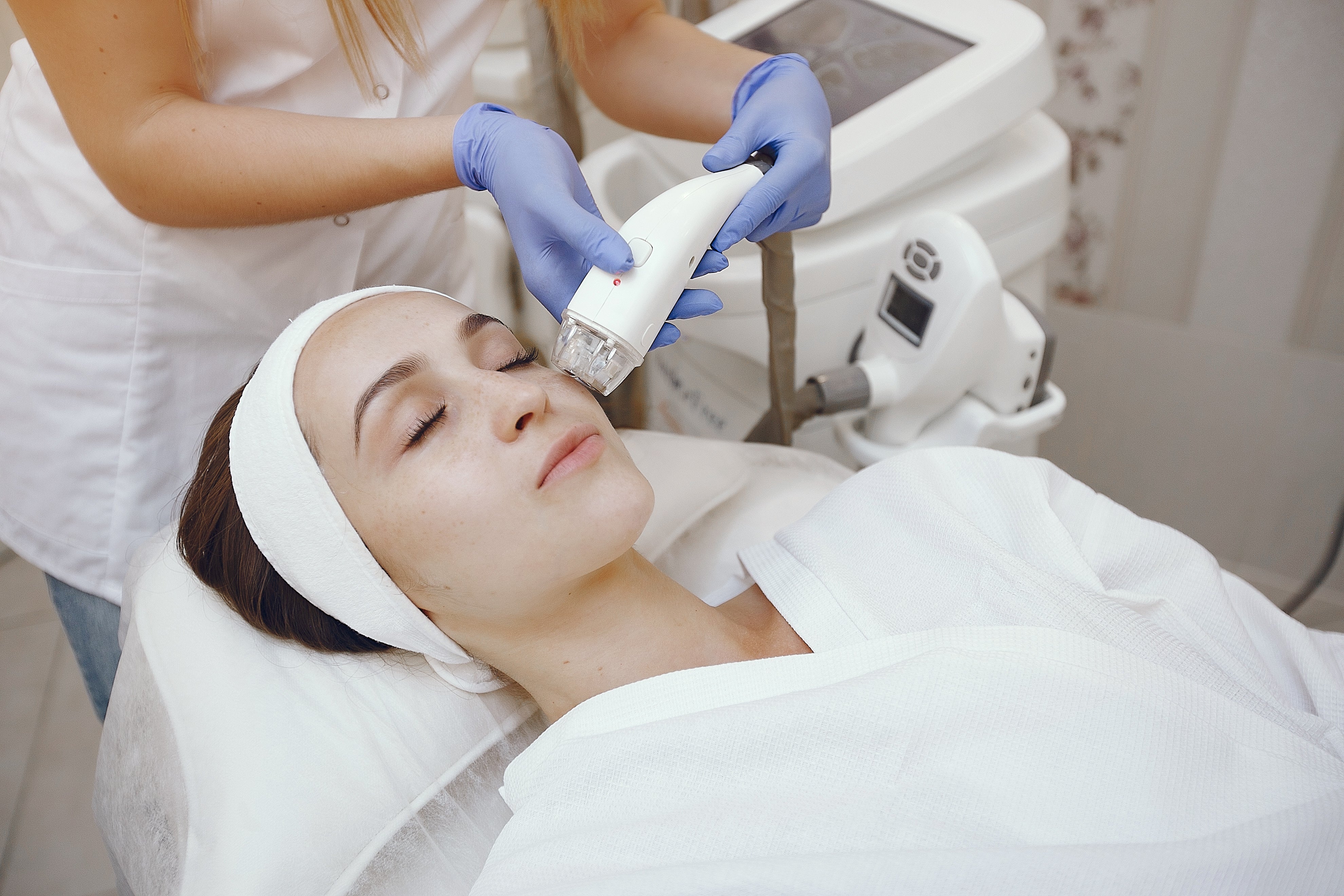
1) Laser toning (low fluence protocols)
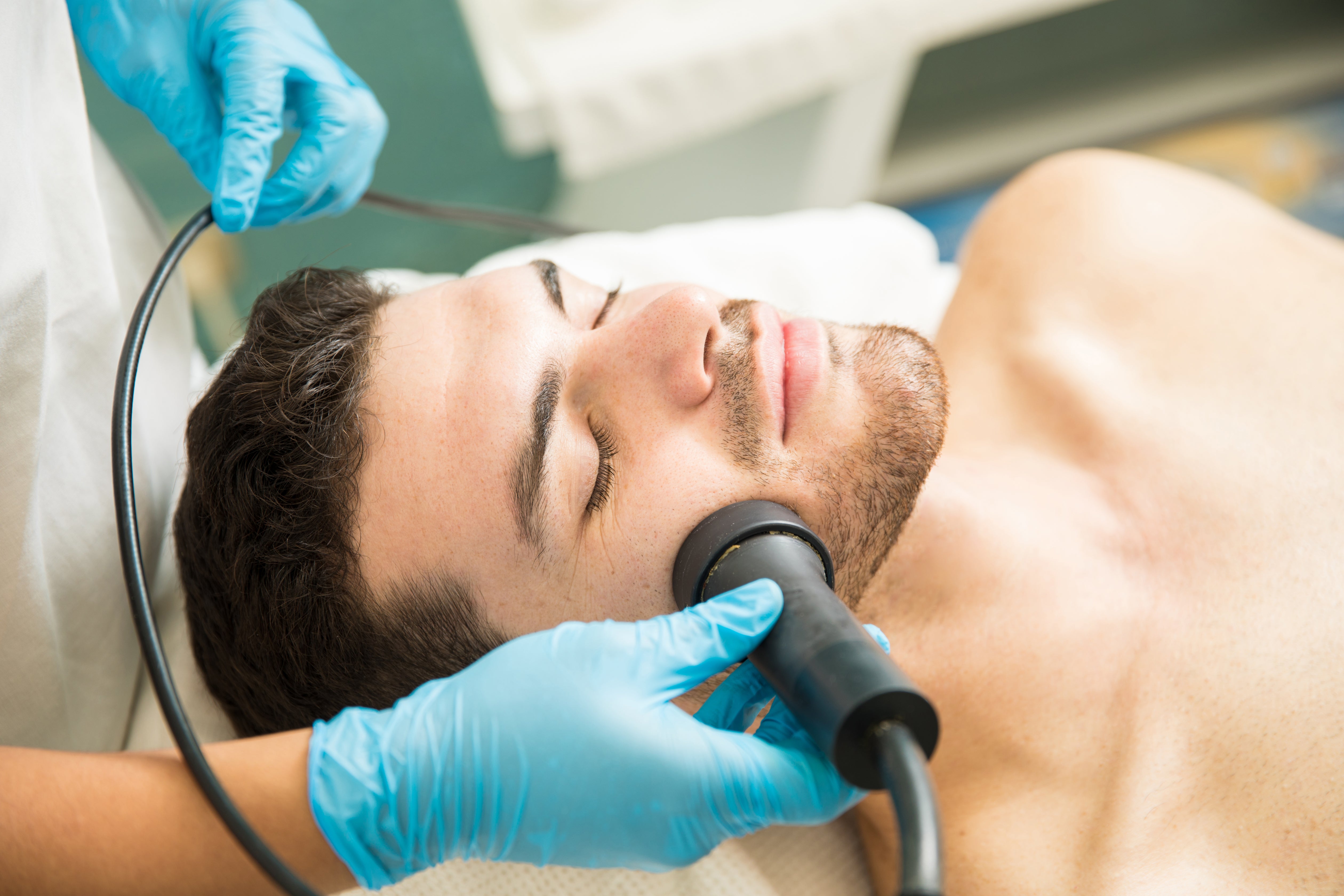
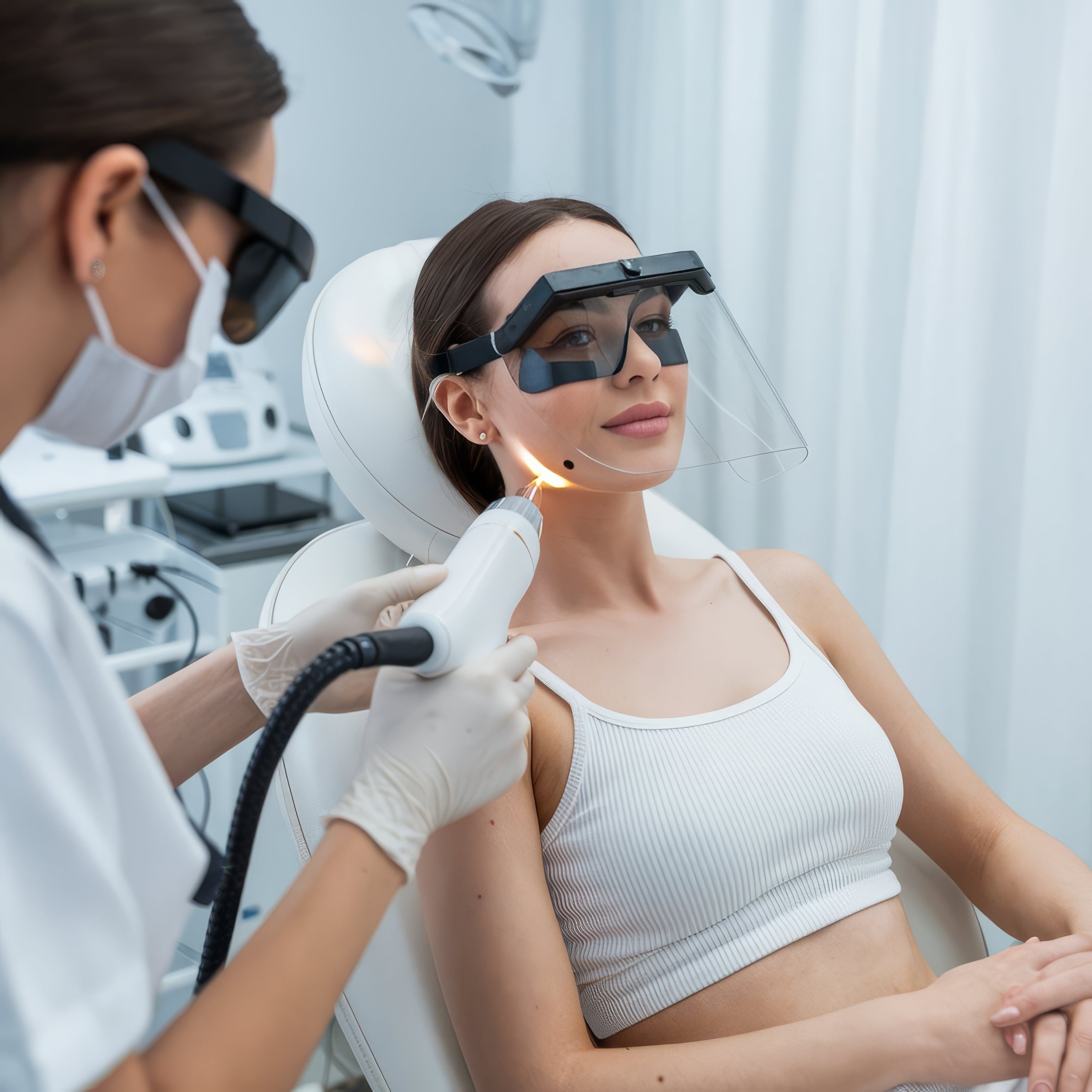
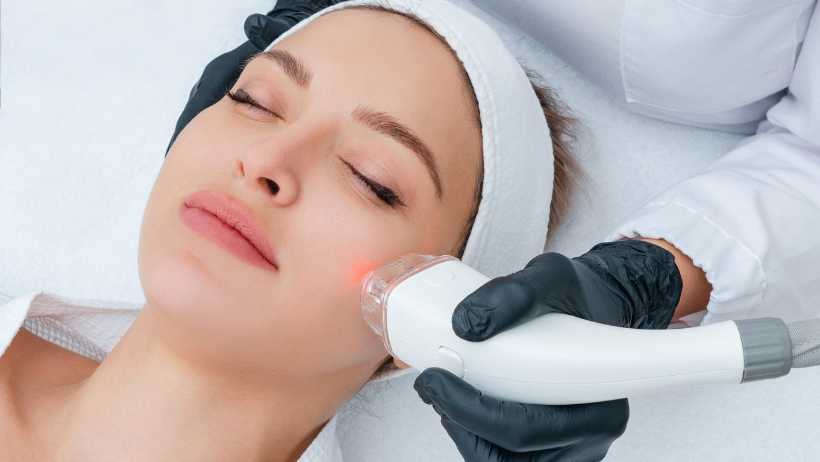
This is used for diffuse tanning. It breaks down pigment clusters gently. Multiple sessions of laser toning (low fluence protocols) are often required. Professionals utilize laser toning (low fluence protocols) for its safety profile.
2) Chemical peels
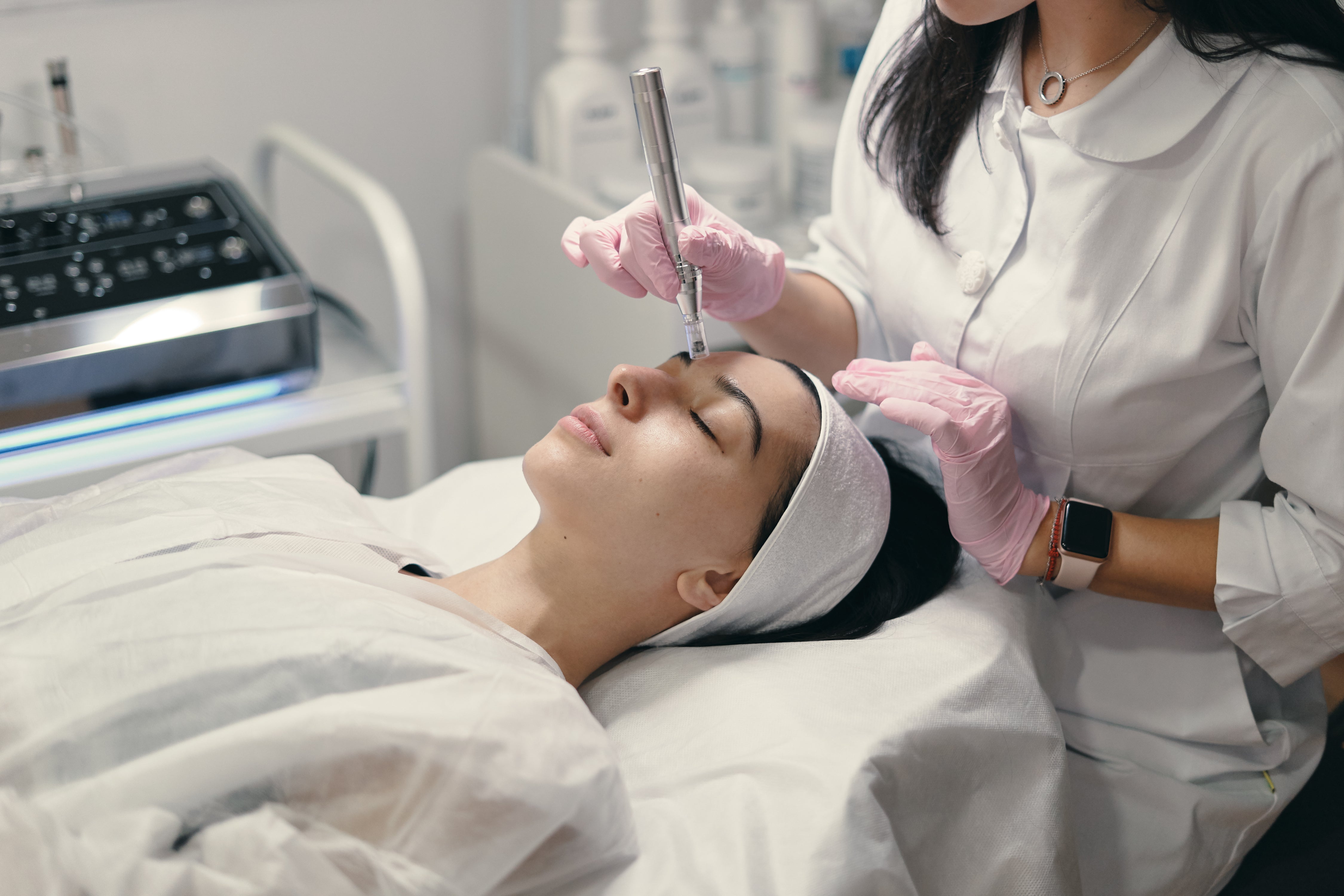
Peels are customized by depth. Chemical peels focus on surface brightness and cell turnover. This helps clear the skin effectively. Advanced chemical peels can address deeper layers of pigment.
Supportive topical therapy
Topical options include Azelaic acid, Vitamin C, and Retinoids. Azelaic acid helps calm inflammation and regular Azelaic acid use clarifies the skin. Vitamin C provides antioxidant protection. Regular Vitamin C use brightens the overall complexion. Retinoids speed up cellular renewal. Strong Retinoids should be used at night only.
Ingredients like Kojic acid or Tranexamic acid are often added. Kojic acid inhibits melanin production while Kojic acid also targets surface spots. Tranexamic acid targets stubborn dark spots. Use Tranexamic acid to prevent pigment recurrence. In specific cases, Hydroquinone is used under strict medical supervision. Hydroquinone is a powerful lightening agent for severe cases.
Aftercare and Maintenance
Daily sunscreen use is non-negotiable. Avoid aggressive physical exfoliation after procedures. Following a prescribed nighttime routine will help sustain the benefits of treatments. Managing Tanned Skin is a lifelong commitment. Tanned Skin can be reversed with patience.
Myths vs Facts
Myth: “A tan is healthy”. Fact: A tan is a sign of UV defense. Myth: “Home remedies remove tan permanently”. Fact: Medical-grade care is needed for deep correction. Tanned Skin requires medical expertise.
References
- World Health Organization: UV radiation guidance
- American Academy of Dermatology: sunscreen usage guidance
- Omi T, et al. clinical data on low-fluence Q-switched Nd:YAG laser toning
✍
Written by: Swaraj Dhar
Co Founder Allodermis
LinkedIn:https://www.linkedin.com/in/swarajdhar/
Reviewed by : Dr Alok Sahoo (AIIMS Delhi)
Updated On : 12 Dec 2025
Clinic: Allodermis Skin Clinic


