










Back Acne: Why It’s Different and How to Treat It Right

Back acne—or bacne—is more common than most people realize, but it often goes ignored until it becomes painful or leaves marks. At Allodermis, we frequently see patients who’ve tried scrubs, home remedies, or harsh soaps—only to end up with worse inflammation or scarring.
Just like facial acne, back acne ranges from blackheads to deep cysts. But the skin on your back behaves differently—so the causes, triggers, and treatment approach must be different too. Understanding what back acne means, and when to see a dermatologist or skin doctor, can help you treat it right from the start.
What Causes Back Acne in the First Place?
At the core of acne—whether on the face or body—is excess sebum (oil) production. On the back, this oil combines with dead skin and sweat to block pores. This environment becomes a breeding ground for Cutibacterium acnes (formerly P. acnes), leading to inflammation and pus-filled lesions [Dreno et al., 2018].
Triggers for back acne include:
- Tight clothing or gym wear that traps sweat
- Friction from backpacks or prolonged sitting
- Skipping showers after workouts
- Use of steroids or protein supplements
- Hot and humid climates
- Poor exfoliation of thick back skin
In some cases, back acne is hormonal—especially in females experiencing simultaneous breakouts on the jawline, chest, or shoulders [Nagler & Orlow, 2014; Poli et al., 2001].
This condition is referred to as truncal acne, and research confirms it is often more persistent than facial acne due to delayed treatment and higher friction exposure [Dreno et al., 2020].
Types of Back Acne: More Than Just a Spot
Back acne may appear as:
- Non-inflammatory lesions: Blackheads and whiteheads (comedones)
- Inflammatory lesions: Red papules, pustules, nodules, and cysts
The thicker skin on your back means breakouts may go unnoticed in early stages, giving them time to worsen. Nodulocystic back acne can cause deeper inflammation and increase the risk of scarring—especially in people with keloid tendencies.
How to Prevent and Manage Back Acne Daily
For mild back acne, a few lifestyle changes and targeted skincare may help:
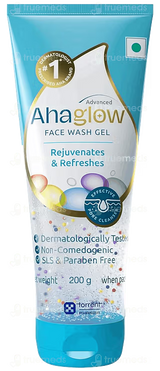
- Use body washes with salicylic acid to exfoliate pores [Bowe & Shalita, 2008]
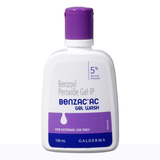
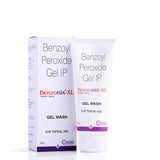
- Rotate with benzoyl peroxide-based soaps to reduce bacteria
- Avoid wearing sweaty clothes for extended periods
- Shower immediately after workouts or sweating
- Choose breathable fabrics and avoid tight-fitting gear
- However, if acne persists for more than a few weeks or becomes painful or infected, it's time to seek professional care from a dermatologist.
How to Get Rid of Back Acne Scars
Back acne often leaves behind dark marks, pigmentation, or keloid scars. The healing process on the back is slower and often less visible to patients, which can delay treatment.
Options for back acne scar treatment include:
- Chemical peels or body peels
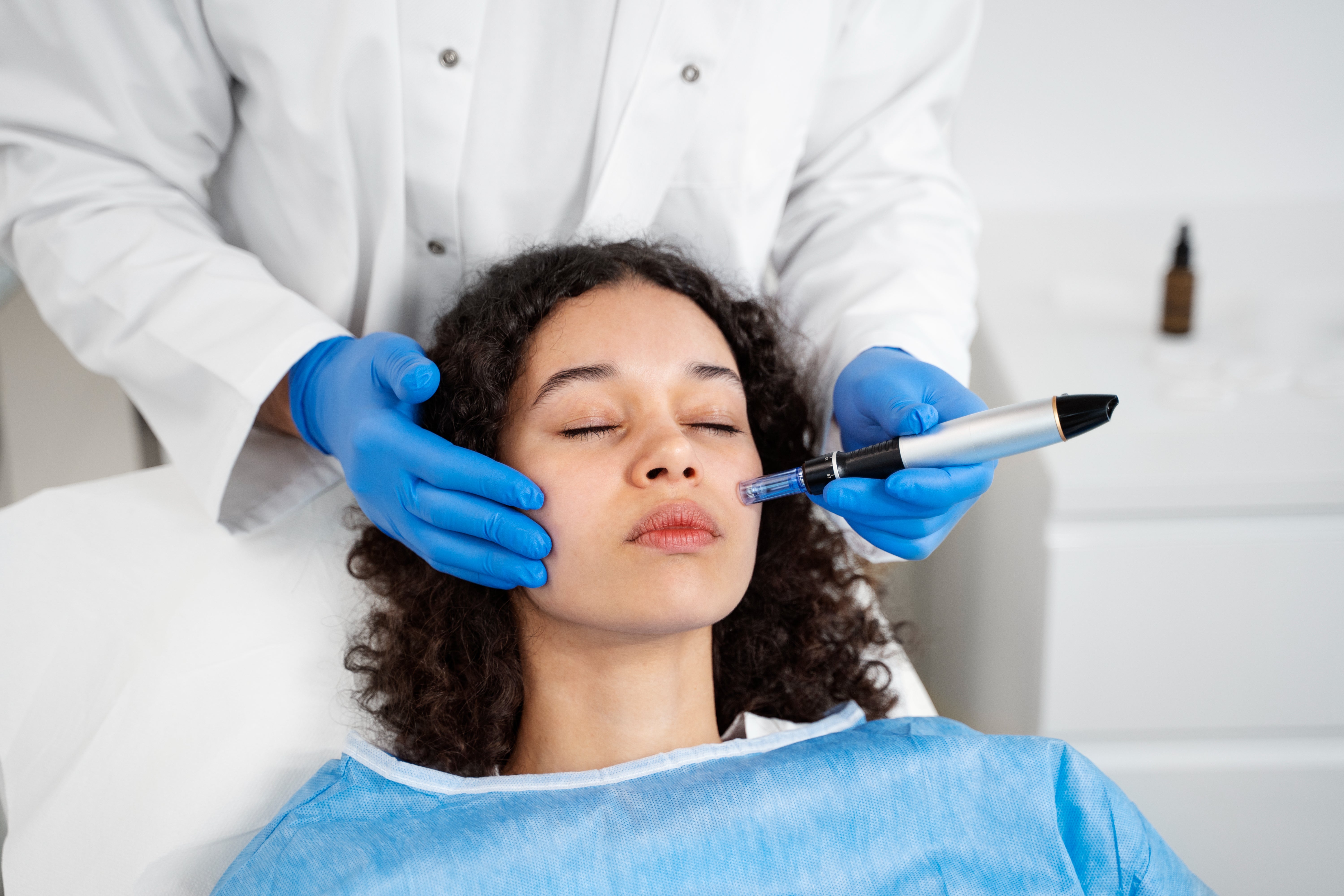
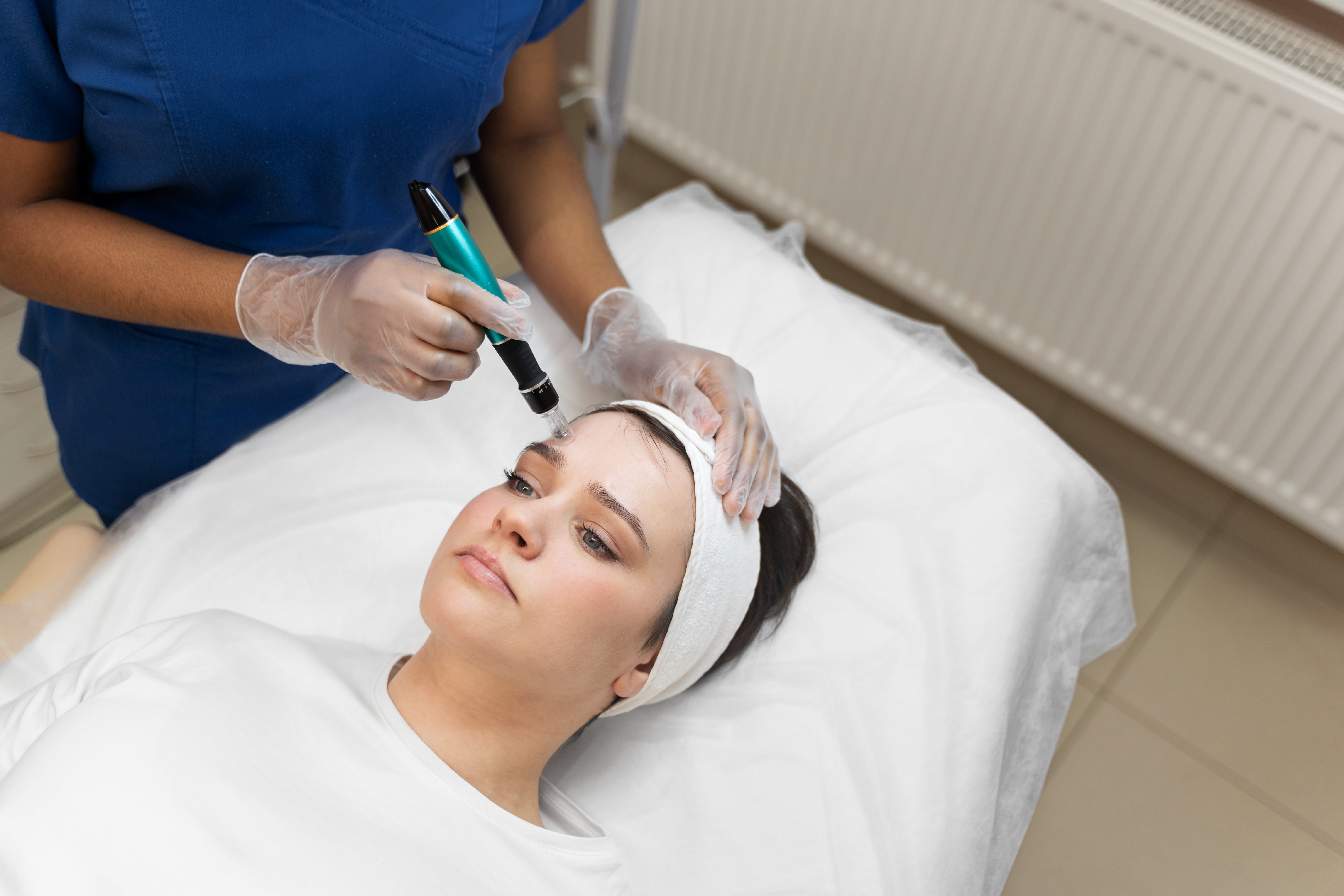
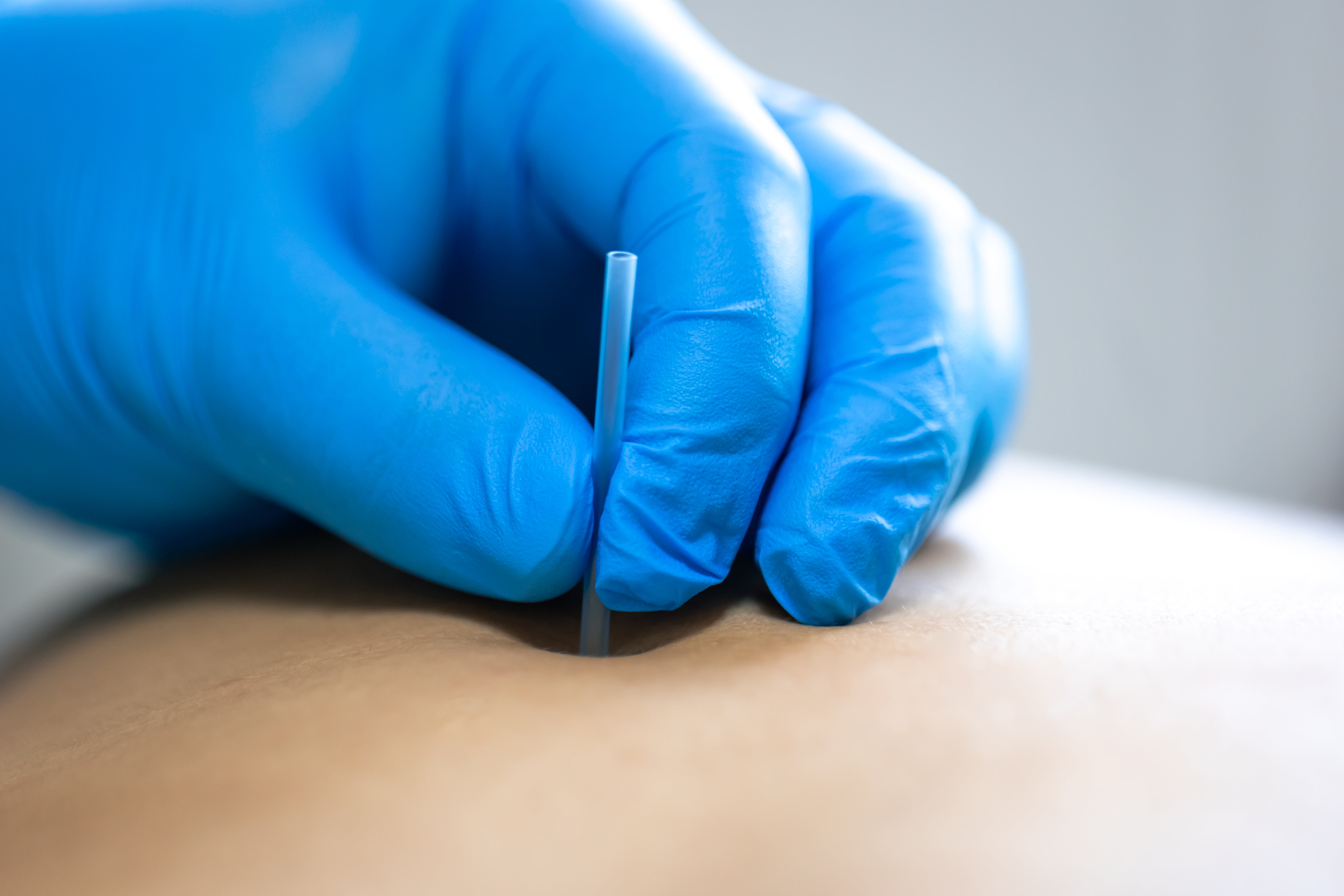
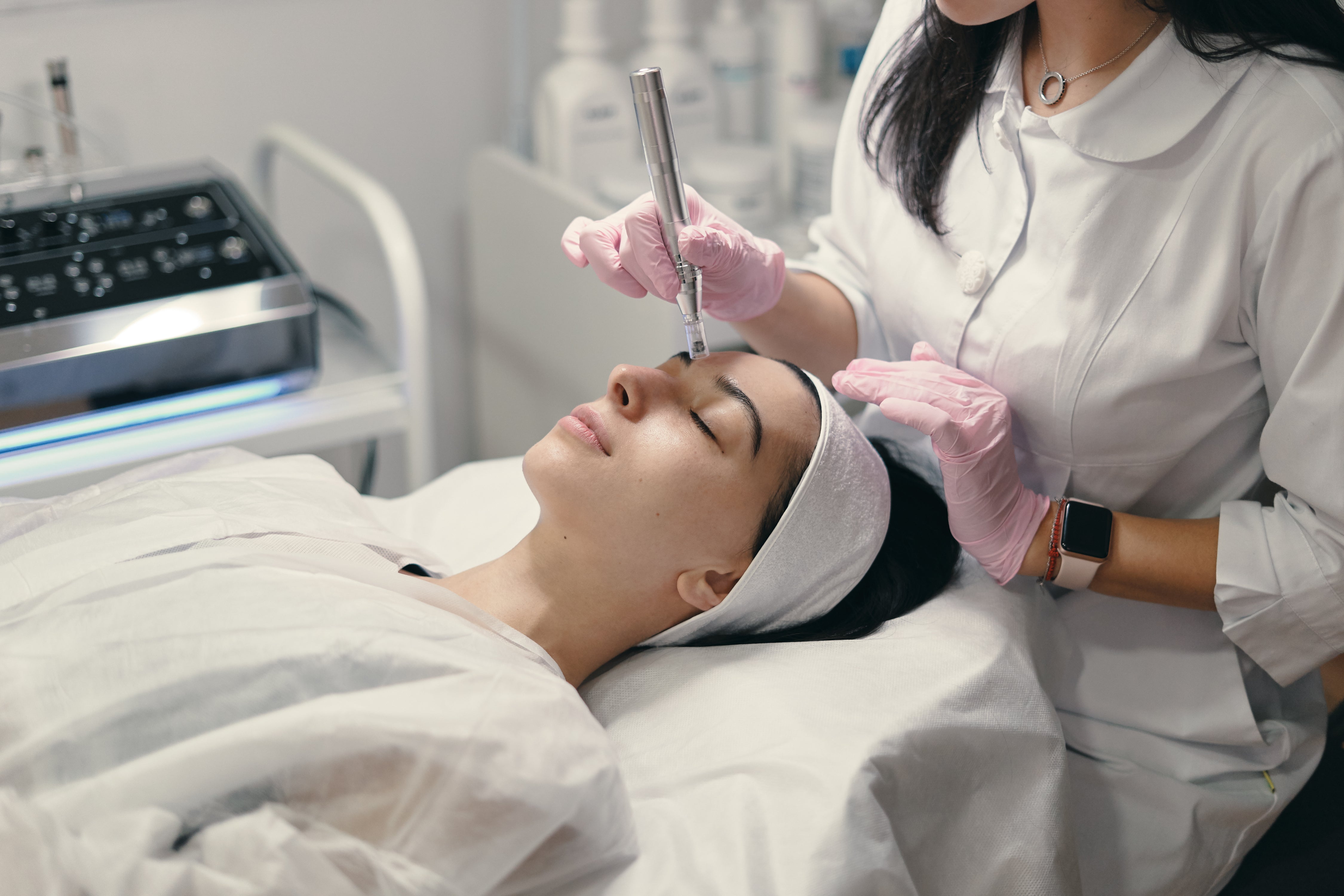
- Microneedling for textural irregularities
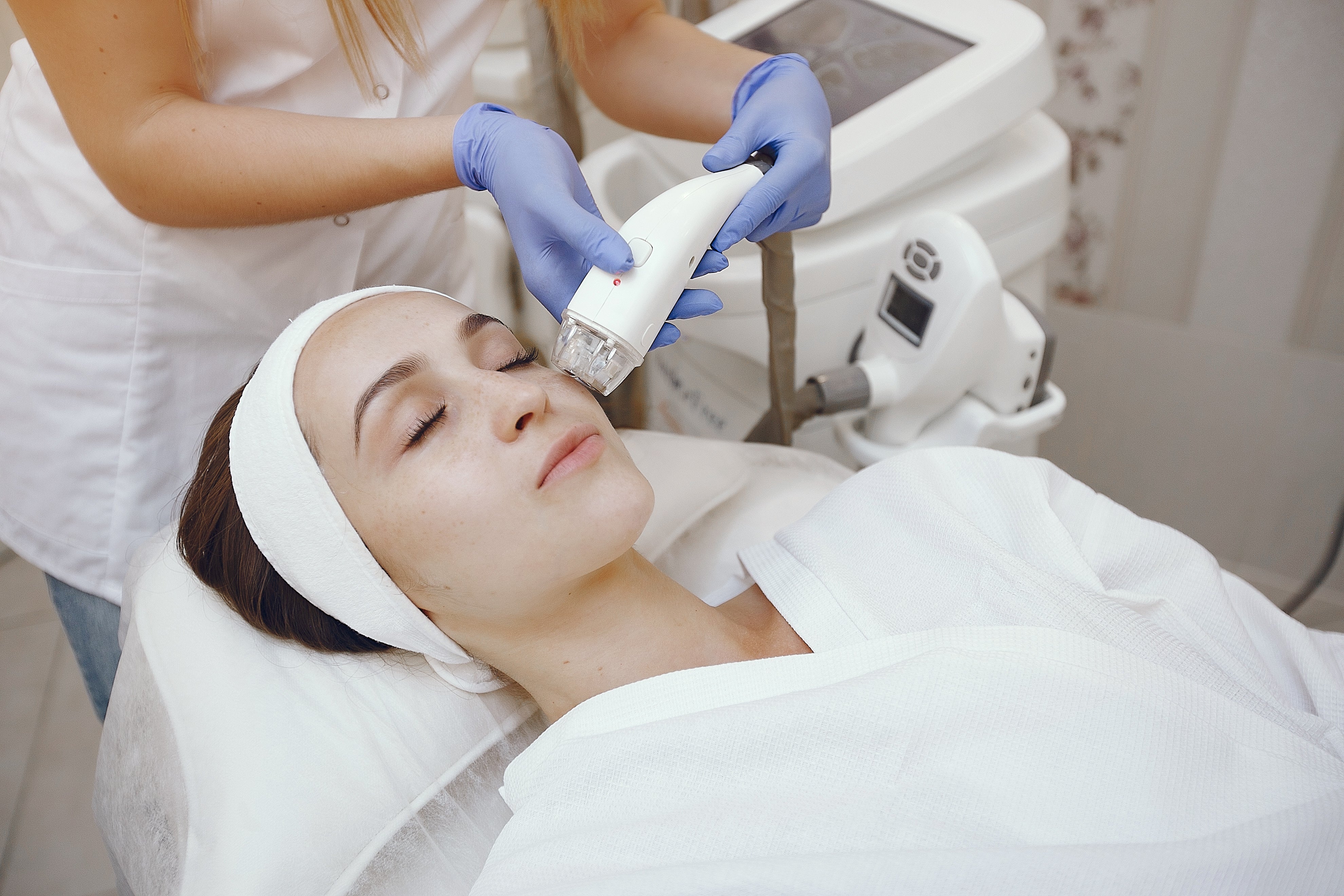
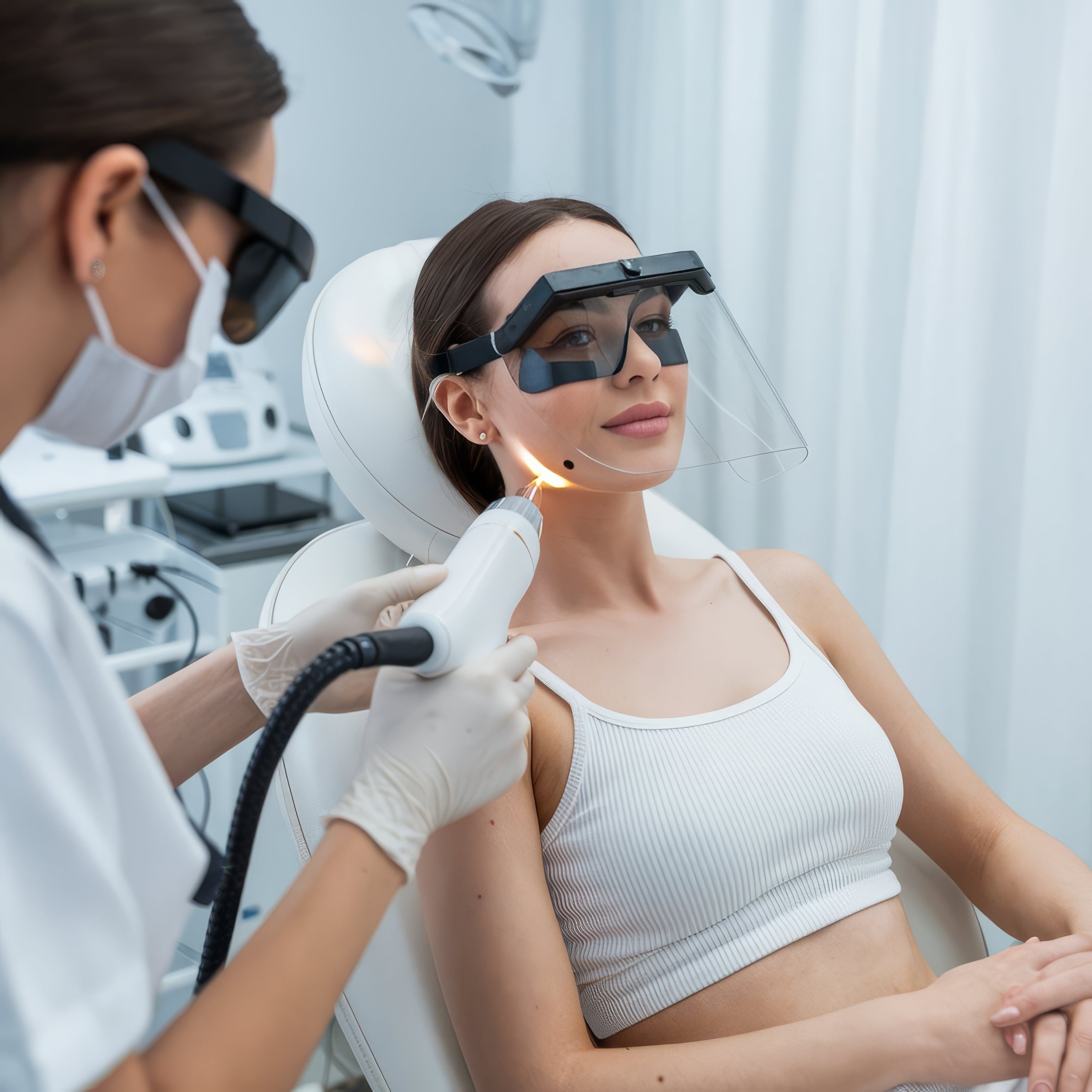
- Q-Switch laser for pigmentation
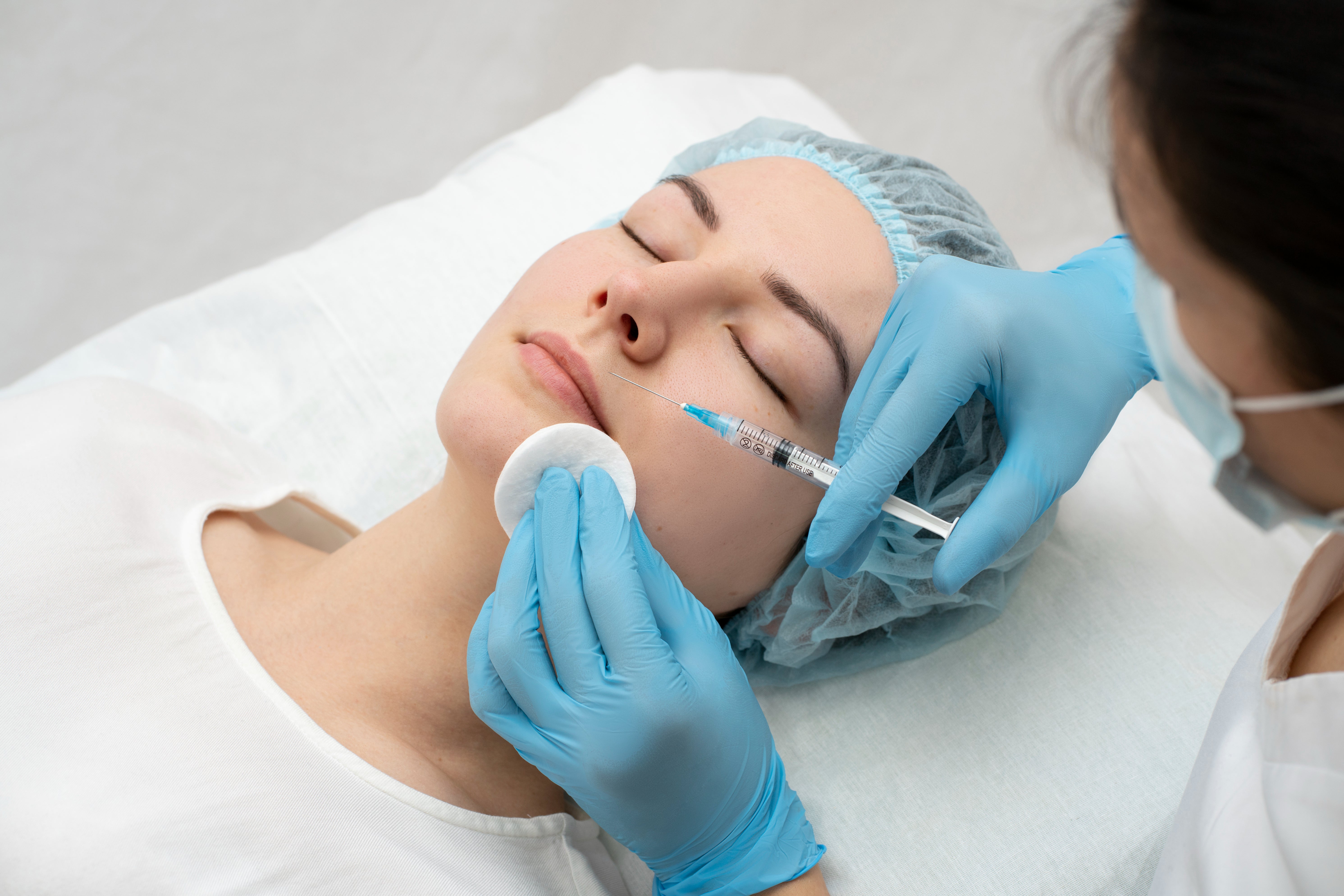
- Steroid injections or cryotherapy for raised scars
The choice depends on the scar type—flat, dark, raised, or indented—and your skin’s healing response [Sardana et al., 2017].
What Dermatologists Recommend for Back Acne Treatment
Treatment depends on severity and progression:
- Mild: Salicylic acid or benzoyl peroxide-based cleansers, exfoliants
- Moderate: Topical retinoids, antibiotic gels, or glycolic acid scrubs
- Severe/nodulocystic: Oral antibiotics, hormonal treatment (for women), or oral retinoids (like isotretinoin)
- Scarring acne: In-clinic procedures like lasers, peels, or injectables
- Back acne is often more chronic than facial acne, with healing taking 4–6 months or longer [Dreno et al., 2020]. That’s why early intervention with the back acne best treatment plan is key.
Don’t Ignore Back Acne—Treat It Early
Left untreated, back acne can leave long-lasting signs:
- Post-inflammatory hyperpigmentation (PIH)
- Keloidal or hypertrophic scars
- Thickened, bumpy texture
If you're wondering how to get rid of back acne scars, the best results come from treating the underlying acne first—and starting scar management early.
If over-the-counter options aren't helping, don’t wait. Book a visit with a skin doctor or dermatologist for a personalized solution.
Your Skin Deserves Expert Care
Back acne isn’t just a cosmetic issue—it reflects deeper skin imbalances, lifestyle factors, or hormonal triggers. A one-size-fits-all approach doesn’t work here.
At Allodermis, we offer dermatologist-led treatment plans tailored to your skin type, acne severity, and scar risk. Whether it’s a few stubborn spots or full truncal acne, we help you treat it at the root—safely and effectively.
Looking for the back acne best treatment? Book your skin consultation with Allodermis today.
Also Read: Retinol Gone Wrong at 20: Why Skincare is Not One-Size-Fits-All
References
-
Dreno, B., et al. (2020). Understanding and Management of Truncal Acne: An Expert Opinion. JEADV, 34(S4), 3–14. https://doi.org/10.1111/jdv.16839
-
Nagler, A.R., Orlow, S.J. (2014). Hormonal Agents in Adolescent Female Acne. J Pediatric Adolescent Gynecology, 27(2), 61–65. https://doi.org/10.1016/j.jpag.2013.11.004
-
Bowe, W.P., Shalita, A.R. (2008). Effective OTC Acne Treatments: A Review. J Clin Aesthetic Dermatol, 1(4), 32–36. https://www.ncbi.nlm.nih.gov/pmc/articles/PMC3016935/
-
Poli, F., Dreno, B., Verschoore, M. (2001). Epidemiology of Female Adult Acne. JEADV, 15(6), 541–545. https://doi.org/10.1046/j.1468-3083.2001.00345.x
-
Dreno, B., et al. (2018). Pathophysiology of Acne. Dermato-Endocrinology, 9(1), e1351570. https://doi.org/10.1080/19381980.2017.1351570
-
Sardana, K., et al. (2017). Management of Acne Vulgaris: Review & Update. Indian J Dermatol, 62(4), 332–340. https://www.ncbi.nlm.nih.gov/pmc/articles/PMC5605214/
Authors & medical review
Swaraj Dhar is a sociopreneur, technologist, and the co-founder of Allodermis.
Every article is fact-checked against current peer-reviewed dermatology literature and Allodermis clinical protocols.
This article was last reviewed and updated on . Published .
Have a skin or hair concern?
Book a free consultation with our AIIMS MD dermatologists. Clinics in Bhubaneswar, Gurgaon, and Delhi NCR.