





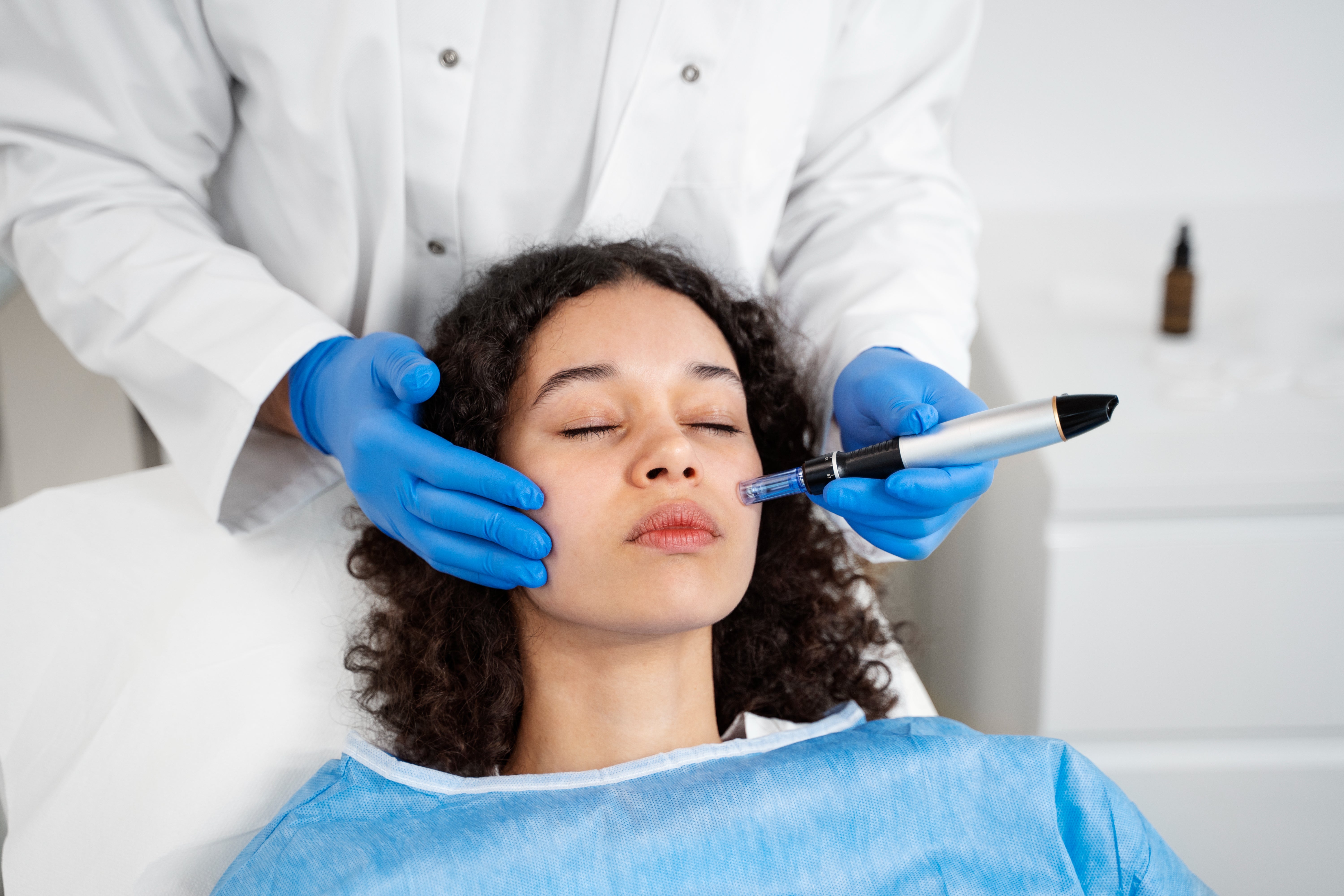
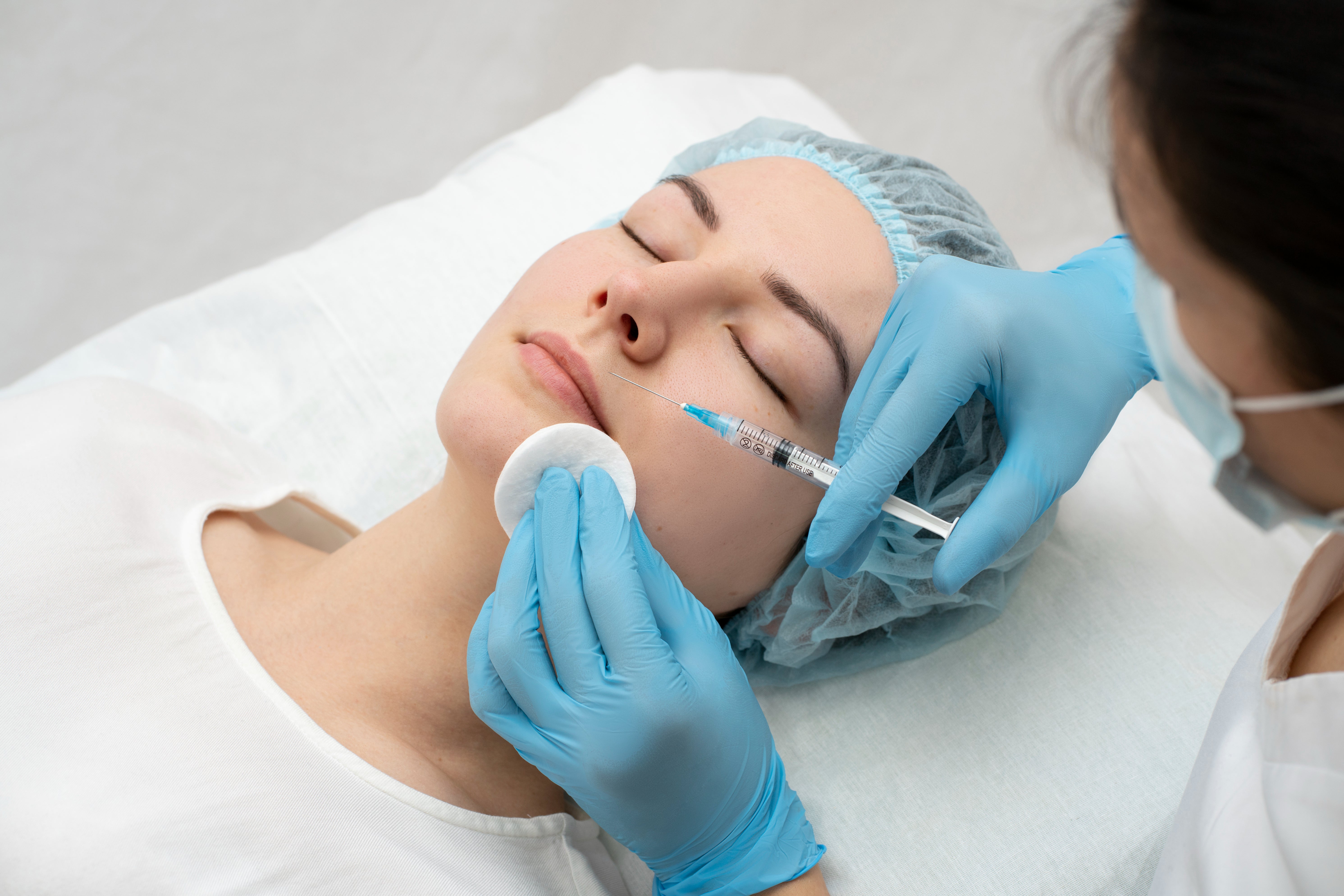
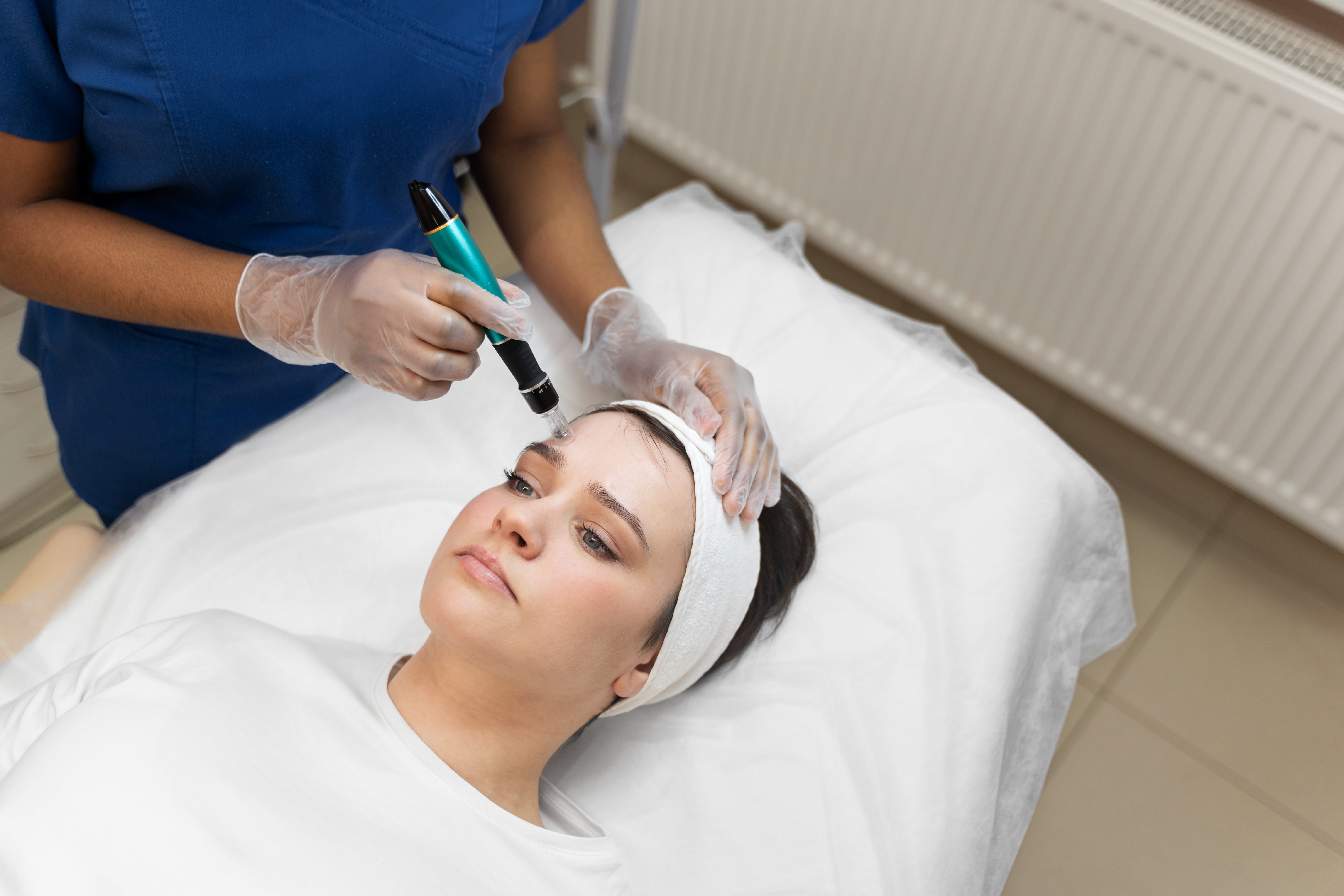








Retinol Gone Wrong at 20: Why Skincare is Not One-Size-Fits-All
Know the Side Effects of Retinol
Should You Use Retinol in Your 20s?
“I’ve been using retinol for the past 5 days because an influencer said it works wonders… but now my skin is red, itchy, and extremely dry.”
This is what a 20-year-old patient recently told our dermatologist at Allodermis. Her face showed visible signs of irritation, such as dry patches, redness, and relentless itching. What went wrong?
Let’s break it down.
Retinol Isn’t for Everyone — and Definitely Not for Every Age
Retinol for skin is one of the most searched skincare routines today, and rightfully so—it’s powerful. But just because it works for someone else doesn’t mean it’s right for you.
It is basically a vitamin A derivative that boosts skin cell turnover, fades pigmentation, and helps reduce fine lines and acne. However, for beginners, especially young skin, using retinol needs caution.
At 20, unless you’re dealing with persistent acne or specific concerns, retinol may not be necessary—and if misused, it can do more harm than good.
Understanding Your Skin Type Is Step One
Skincare is not about following trends; it’s about understanding your unique skin type and skin barrier health. Whether you have dry, oily, combination, or sensitive skin, the wrong product can trigger reactions, especially activities like retinol, AHAs, or vitamin C.
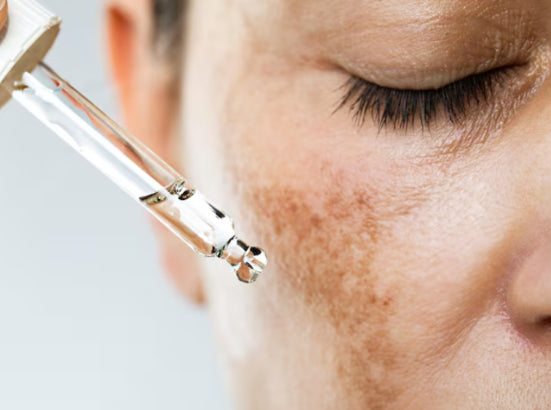
In this patient’s case, she had naturally dry and sensitive skin. Applying retinol without prepping the skin, without a buffer, or without professional guidance led to retinol-induced dermatitis, a very common side effect when retinol is used incorrectly.
The Internet Is Full of Skincare Tips — But Also a Lot of Misinformation
Today, it’s easy to be influenced by beauty trends on Instagram, YouTube, or skincare forums. But what influencers use is often curated for their own skin types, or even sponsored. Following such advice without context can be damaging.
A product that worked wonders for your favourite content creator might leave your skin inflamed, irritated, or worse.
Why You Shouldn’t Experiment With Your Skin
Your skin is your body’s largest organ, so it deserves professional care, not guesswork. Using active ingredients like retinol without medical supervision can lead to:
- Severe dryness and flakiness
- Burning or stinging sensation
- Redness and peeling
- Long-term barrier damage
The worst part? These reactions often push people to try even more products to “fix” the irritation, leading to skin cycling burnout or product overuse—a growing problem dermatologists are seeing today.
When in Doubt About How Often to Use Retinol or When to Apply Retinol — Consult a Dermatologist
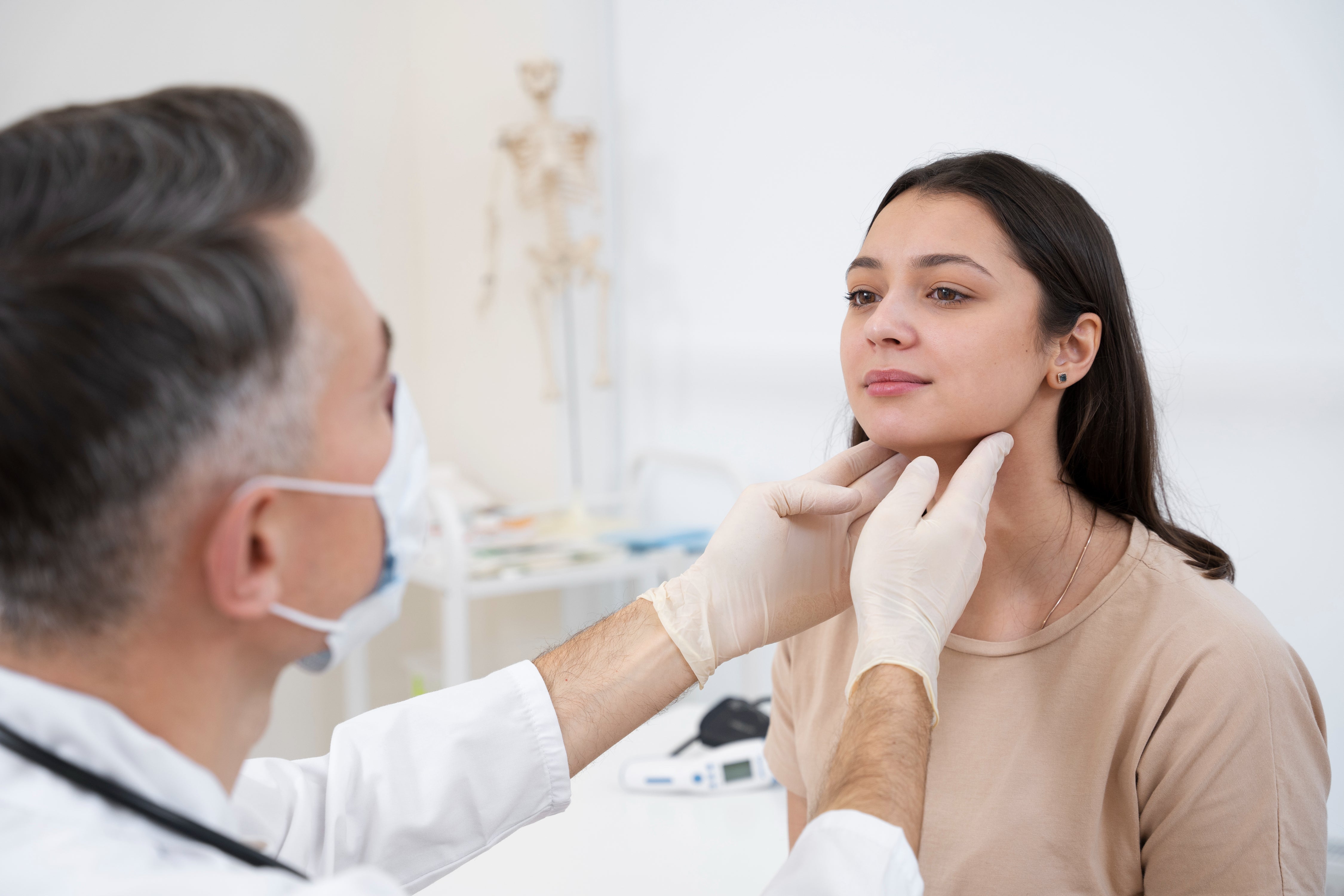
There’s no replacement for professional, personalized skincare. If you’re dealing with dry and itchy skin, wrinkles, acne, sudden redness, or are confused about whether retinol is right for your age, consult a dermatologist.
At Allodermis, we follow a root-cause-based dermatology approach—your lifestyle, skin biology, and concerns are all considered before recommending a treatment. Whether you're 20 or 40, your skincare routine should be tailored to you.
Trust Your Skin, Not the Trends
If we could give every young person one piece of advice:
Please don’t experiment on your skin.
Skincare isn’t one-size-fits-all. Start with the basics, know your skin, and get expert help if you’re unsure.
Your skin deserves more than trial-and-error.
Need Help Building a Safe and Effective Routine?
Book a consultation with our skincare doctors at Allodermis. We’re here to help your skin heal—not just follow trends.
References
-
Mukherjee, S. et al. (2006). Retinoids in the treatment of skin aging: an overview of clinical efficacy and safety. Clinical Interventions in Aging, 1(4), 327–348.
PubMed Link -
Kafi, R. et al. (2007). Improvement of naturally aged skin with vitamin A (retinol). Archives of Dermatology, 143(5), 606–612.
DOI -
Thielitz, A. & Gollnick, H. (2008). Topical retinoids in acne vulgaris: update on efficacy and safety. American Journal of Clinical Dermatology, 9(6), 369–381.
DOI -
Zasada, M., Budzisz, E. (2019). Retinoids: Active molecules influencing skin structure formation in cosmetic and dermatological treatments. Advances in Dermatology and Allergology, 36(4), 392–397.
DOI -
Elias, P.M., Steinhoff, M. (2008). Skin barrier function. Current Problems in Dermatology, 35, 50–60.
DOI -
Cork, M.J. et al. (2009). Epidermal barrier dysfunction in atopic dermatitis. Journal of Investigative Dermatology, 129(8), 1892–1908.
DOI -
Chiang, A. et al. (2020). Social media and dermatology education: Pros and cons of Instagram. Journal of the American Academy of Dermatology, 82(5), 1272–1274.
DOI -
Perry, C., et al. (2022). The impact of influencer marketing on skincare product use: A dermatological review. International Journal of Dermatology, 61(11), 1399–1405.
DOI -
Zeichner, J.A. et al. (2015). A comprehensive approach to topical retinoids in the treatment of acne and photoaging. Journal of Drugs in Dermatology, 14(5), 518–524.
JDD Website - Draelos, Z.D. (2021). Cosmeceuticals and Cosmetic Practice. 3rd ed., Wiley-Blackwell.
Written By: Aseema Mishra (LinkedIn)


