
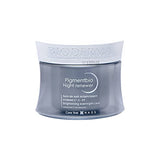




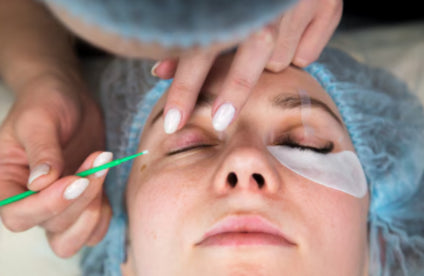
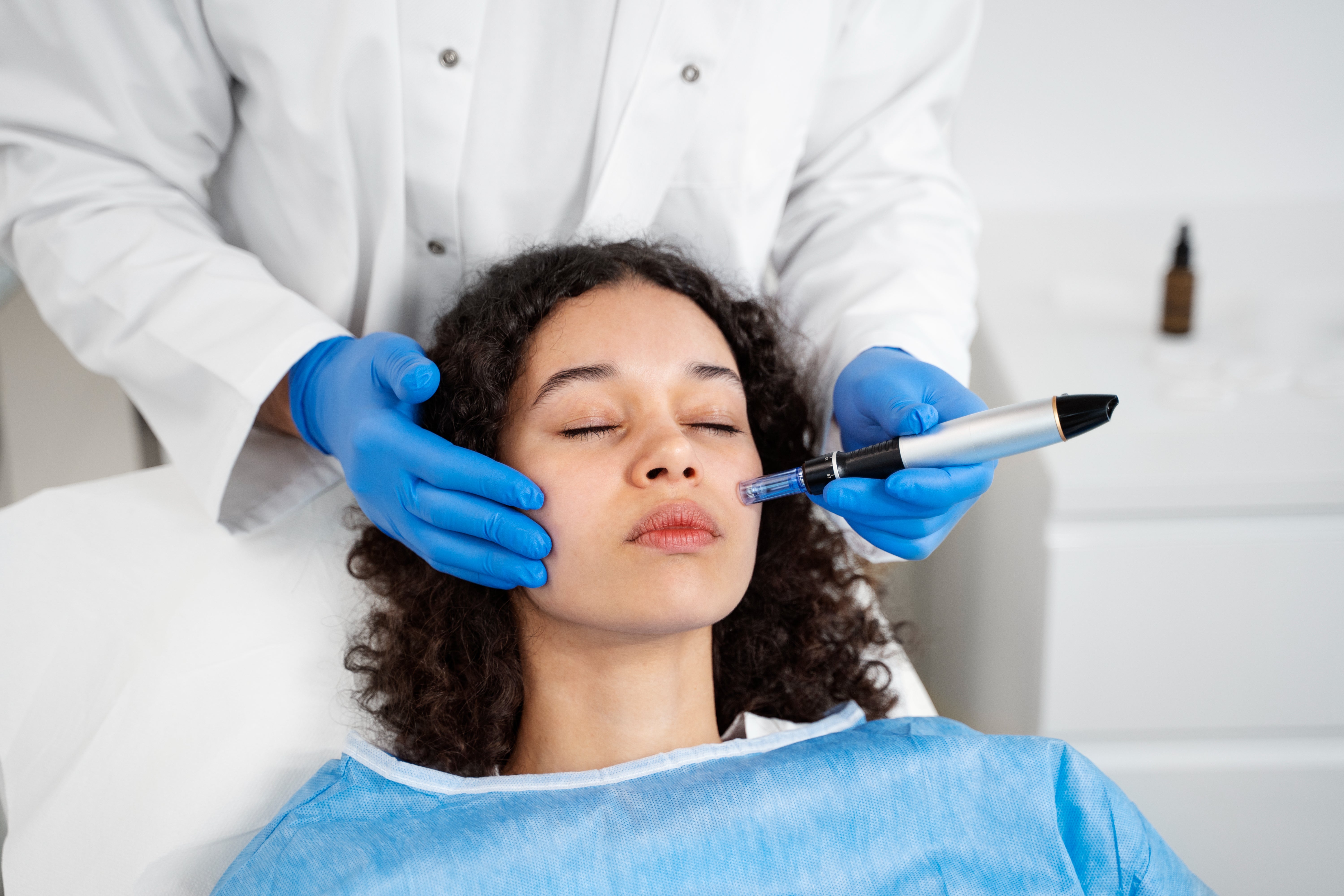
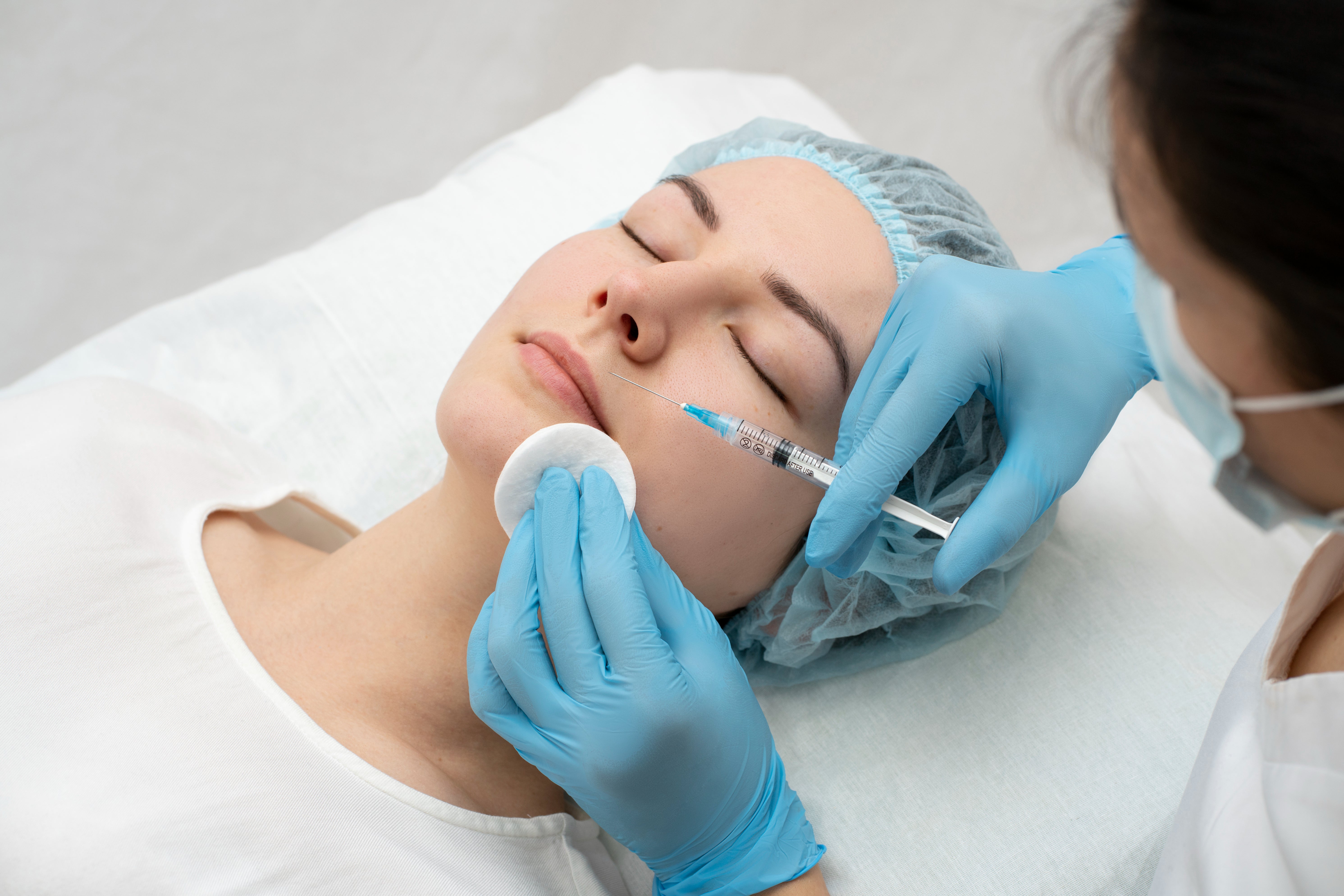
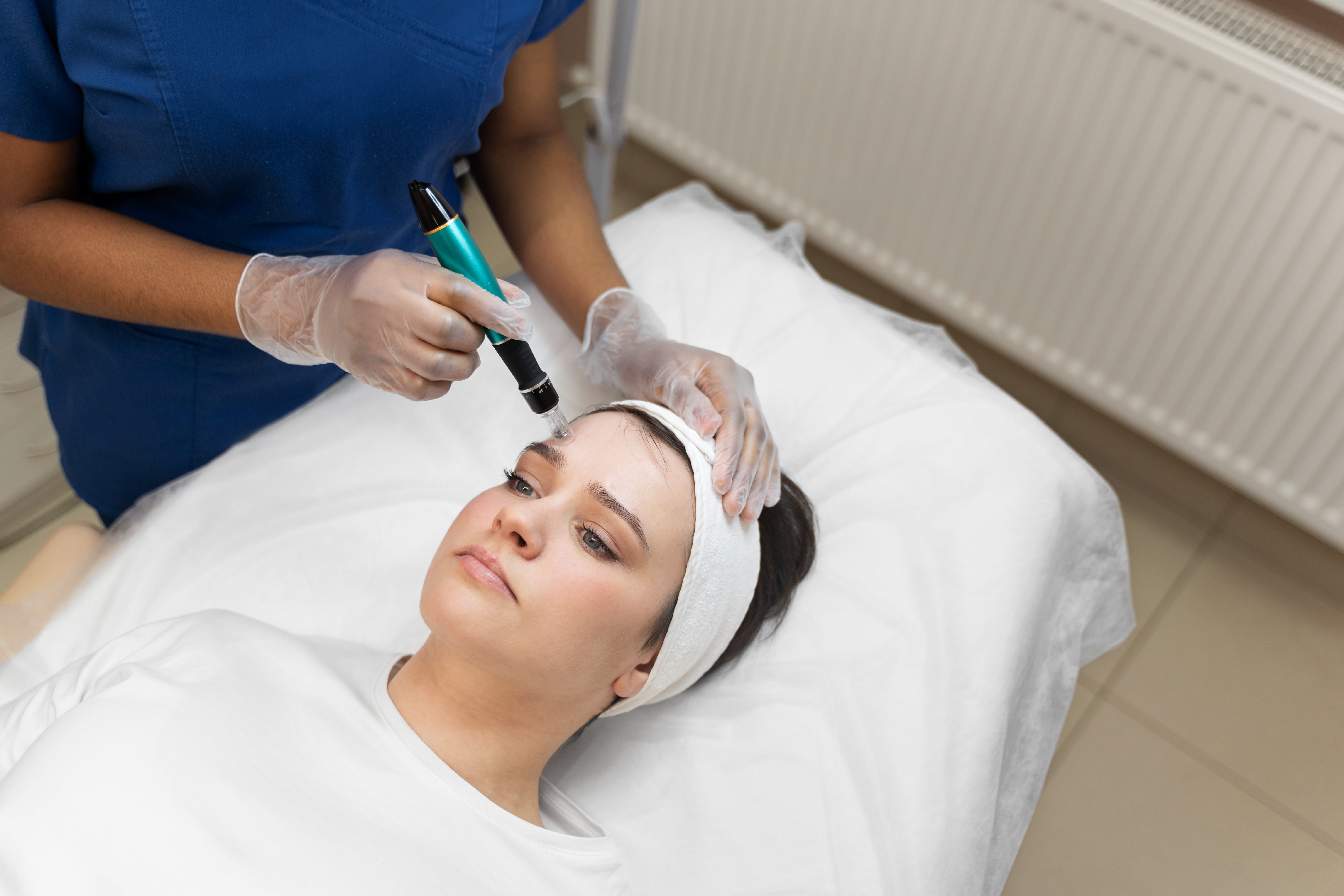
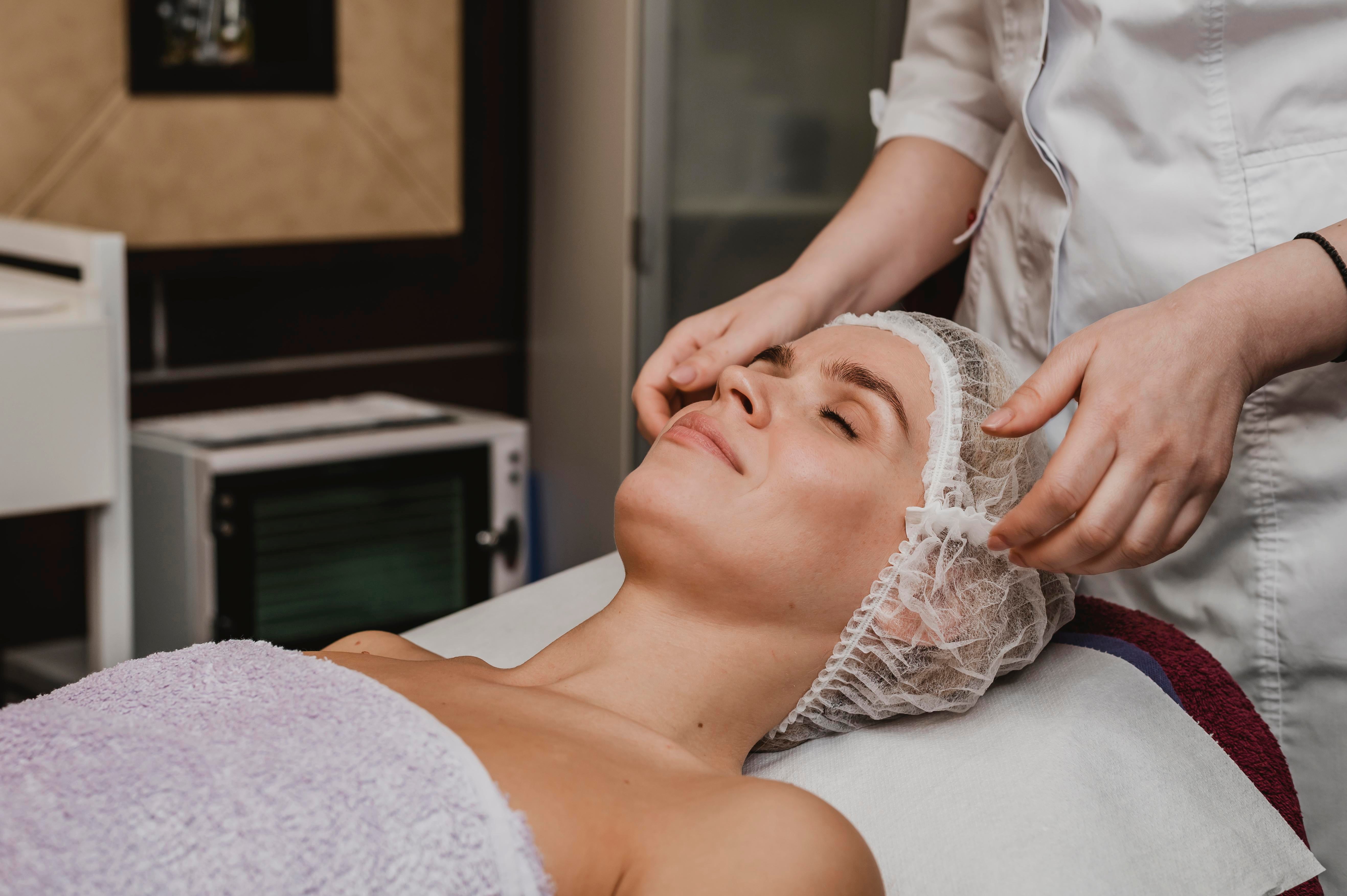
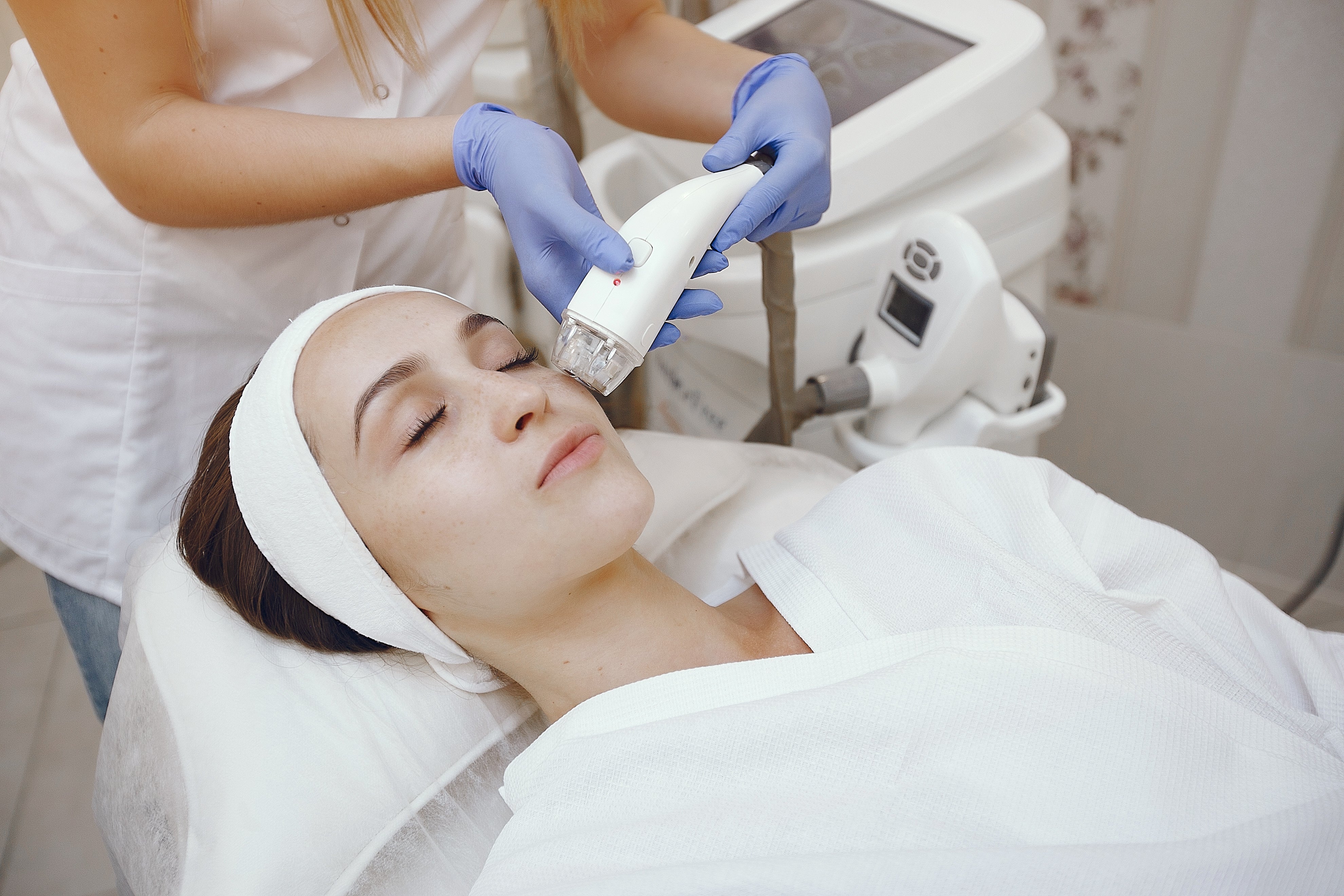
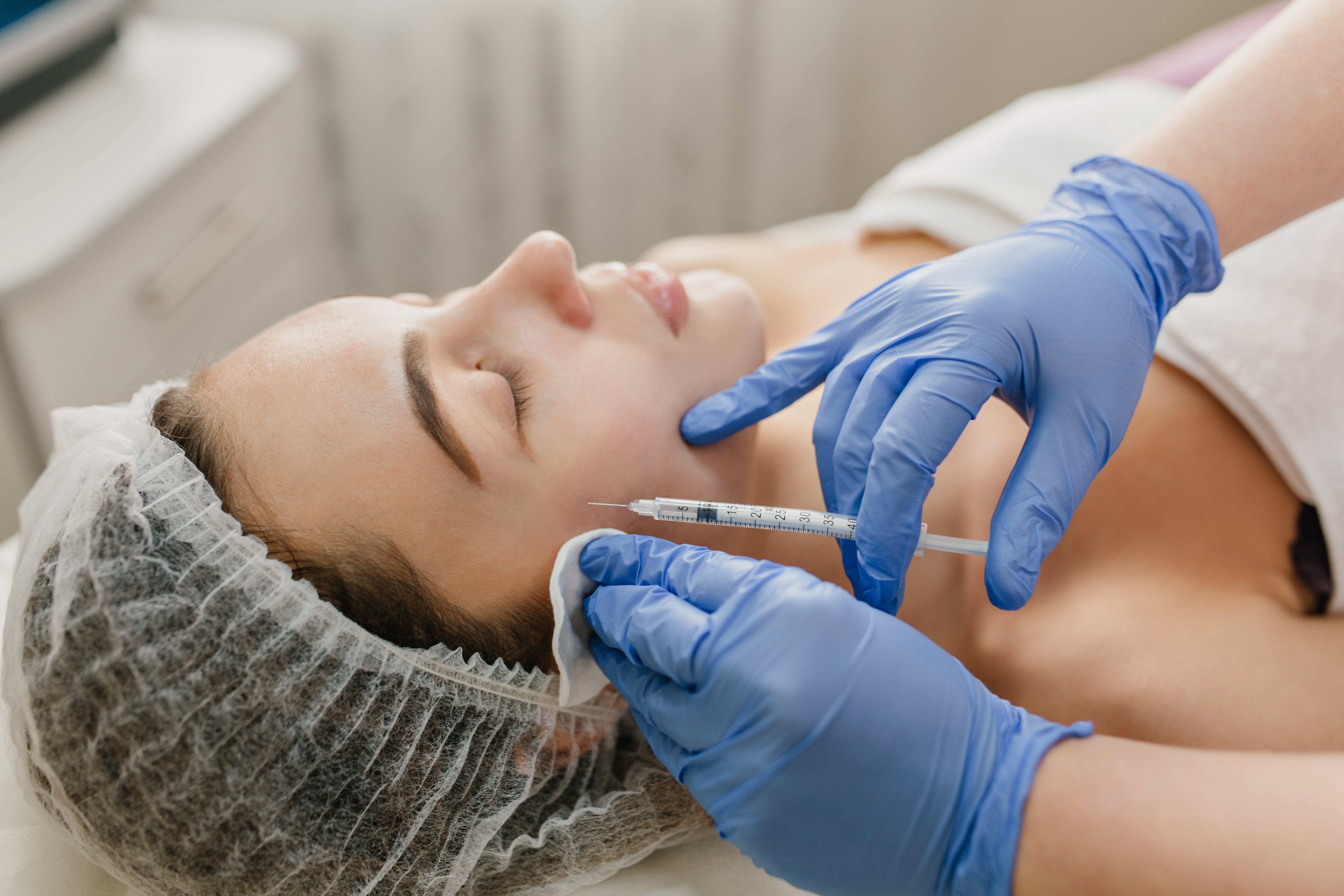
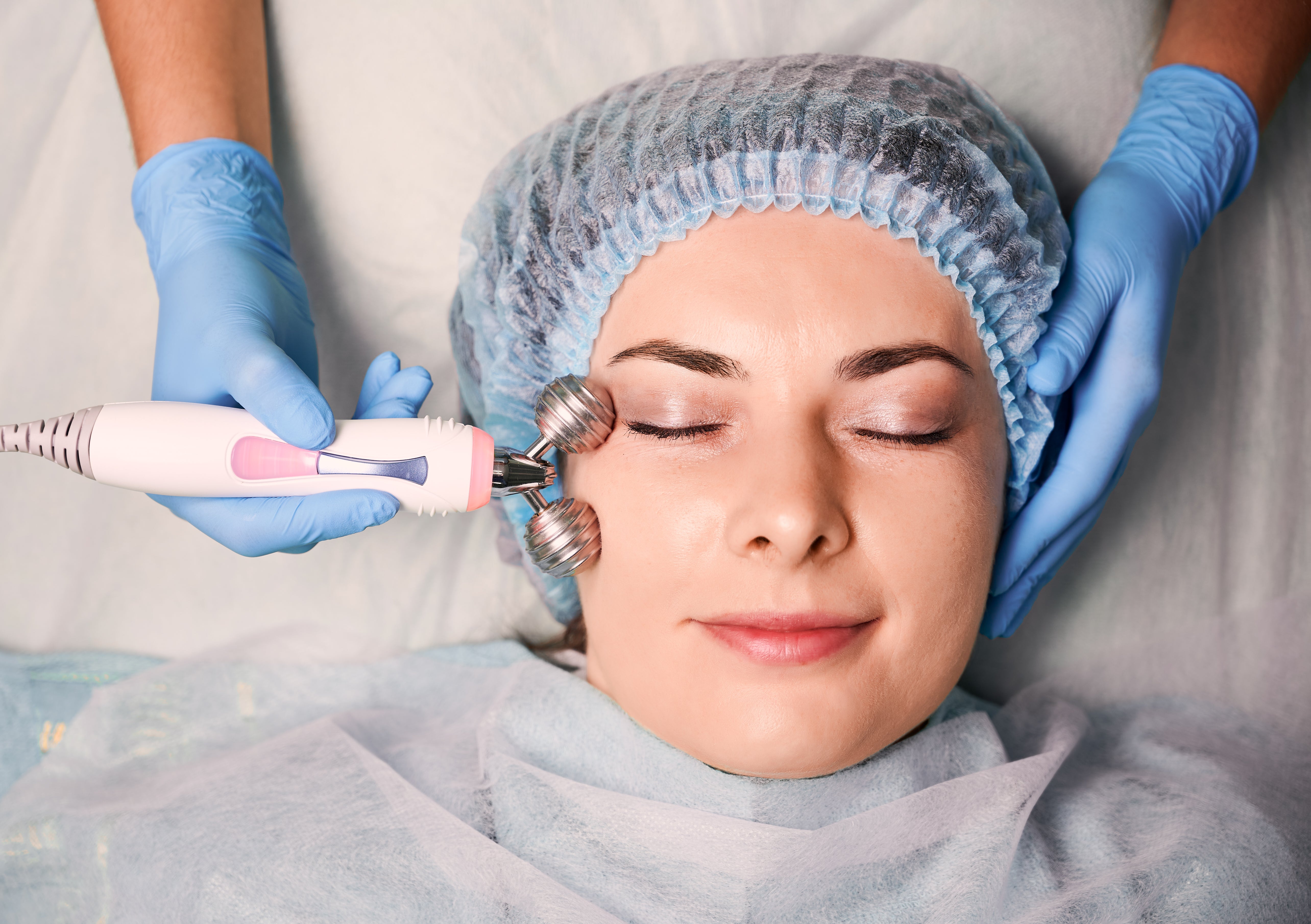
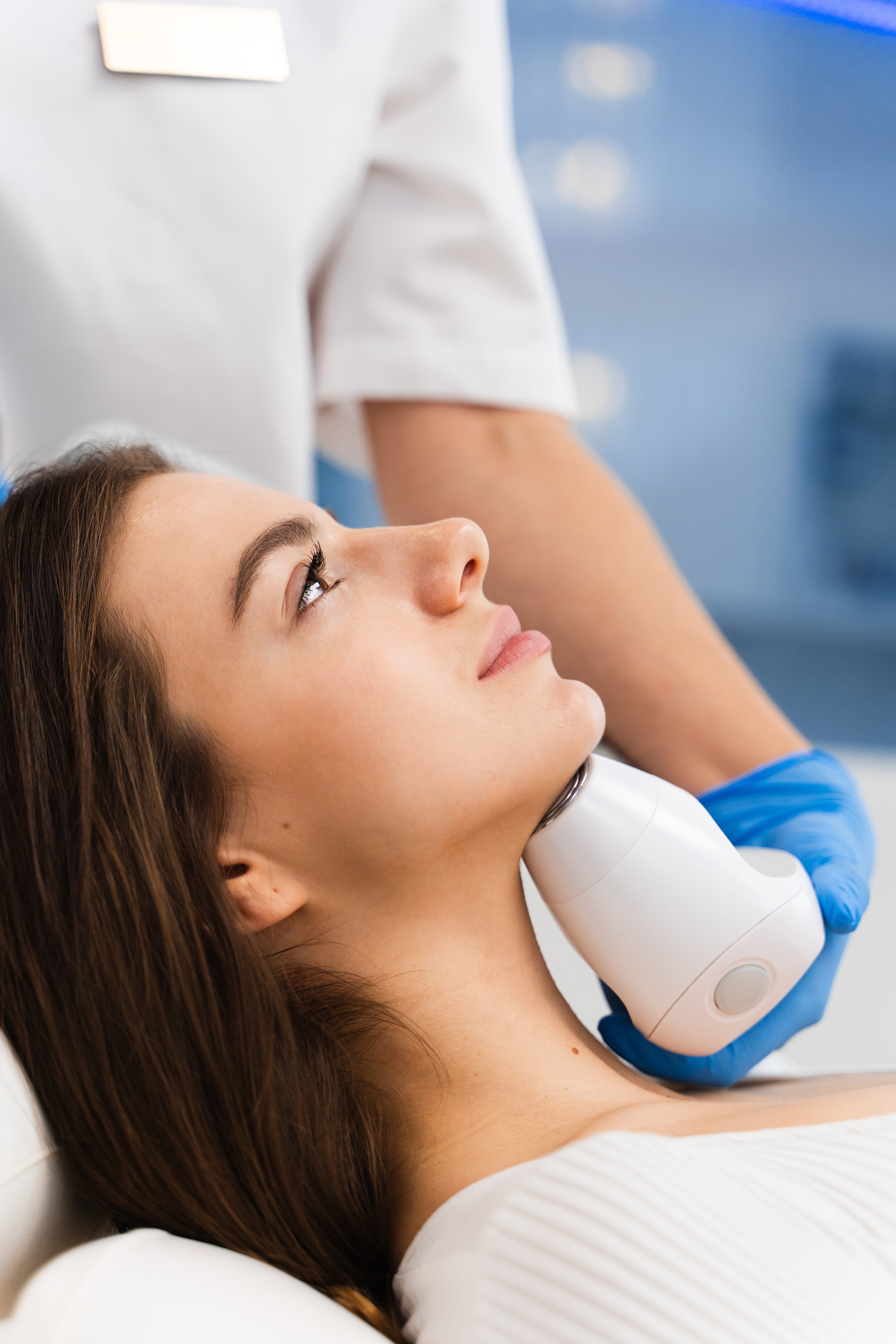
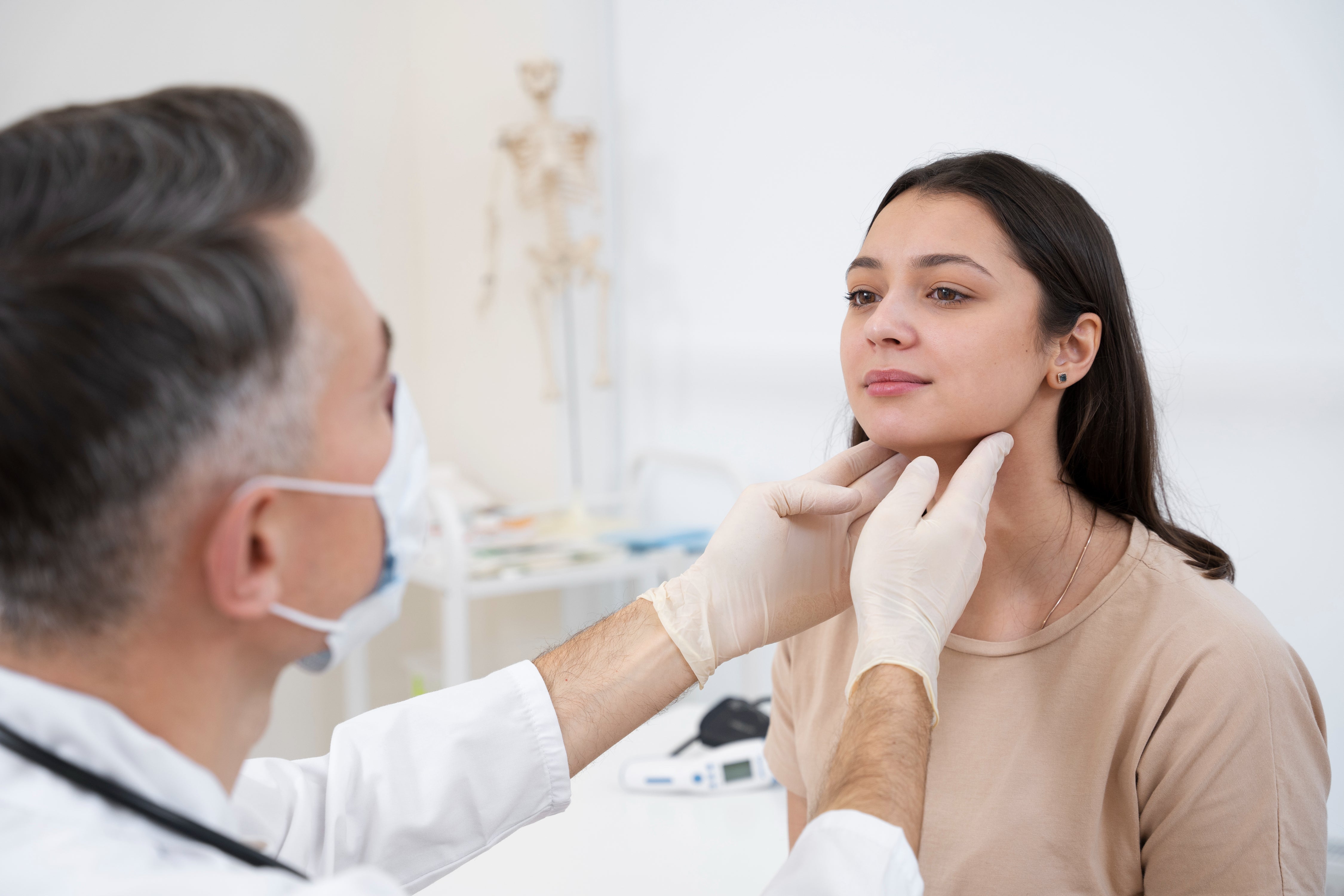


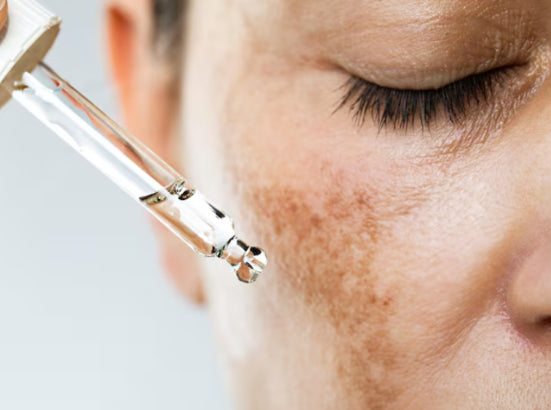
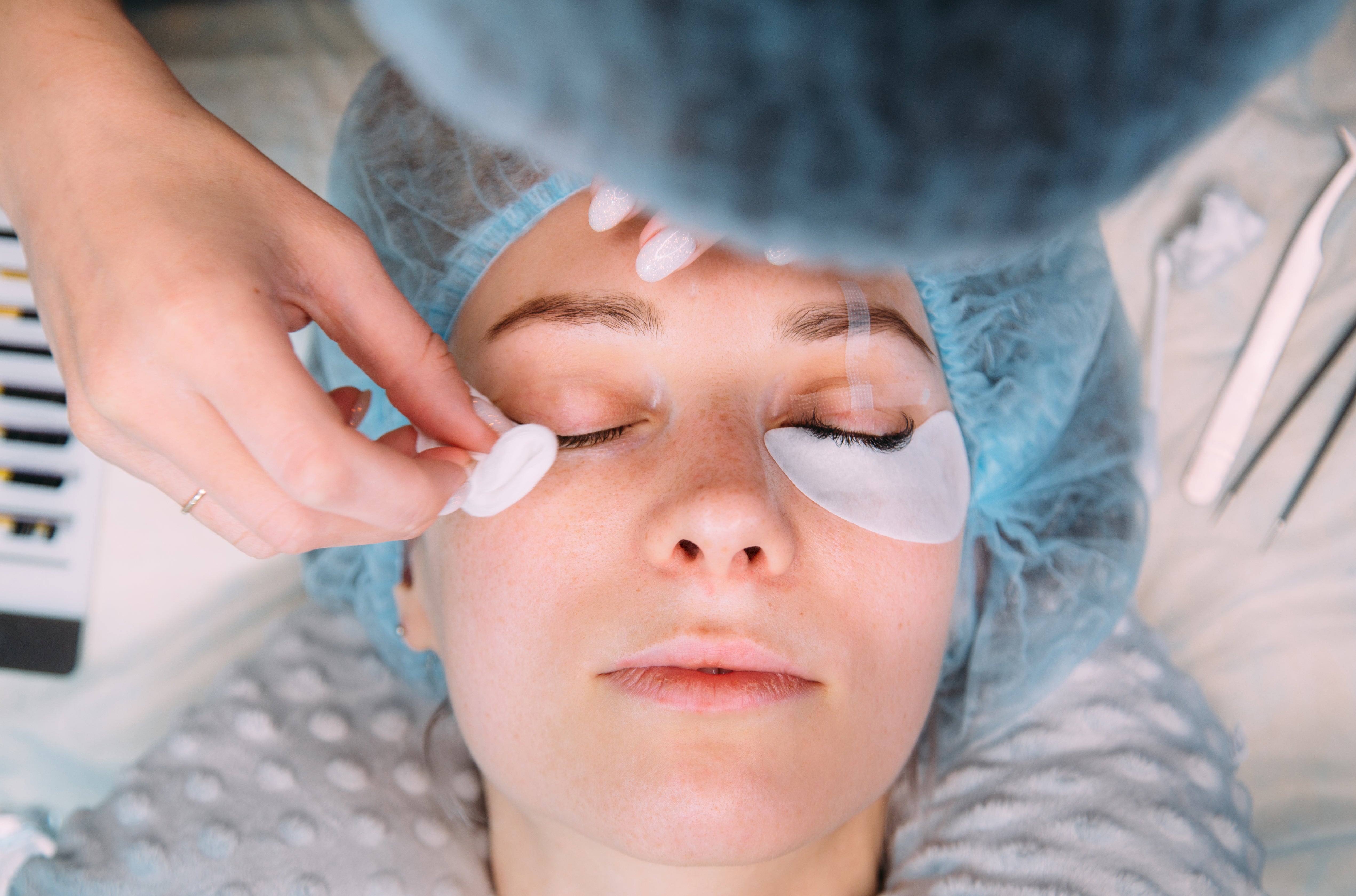
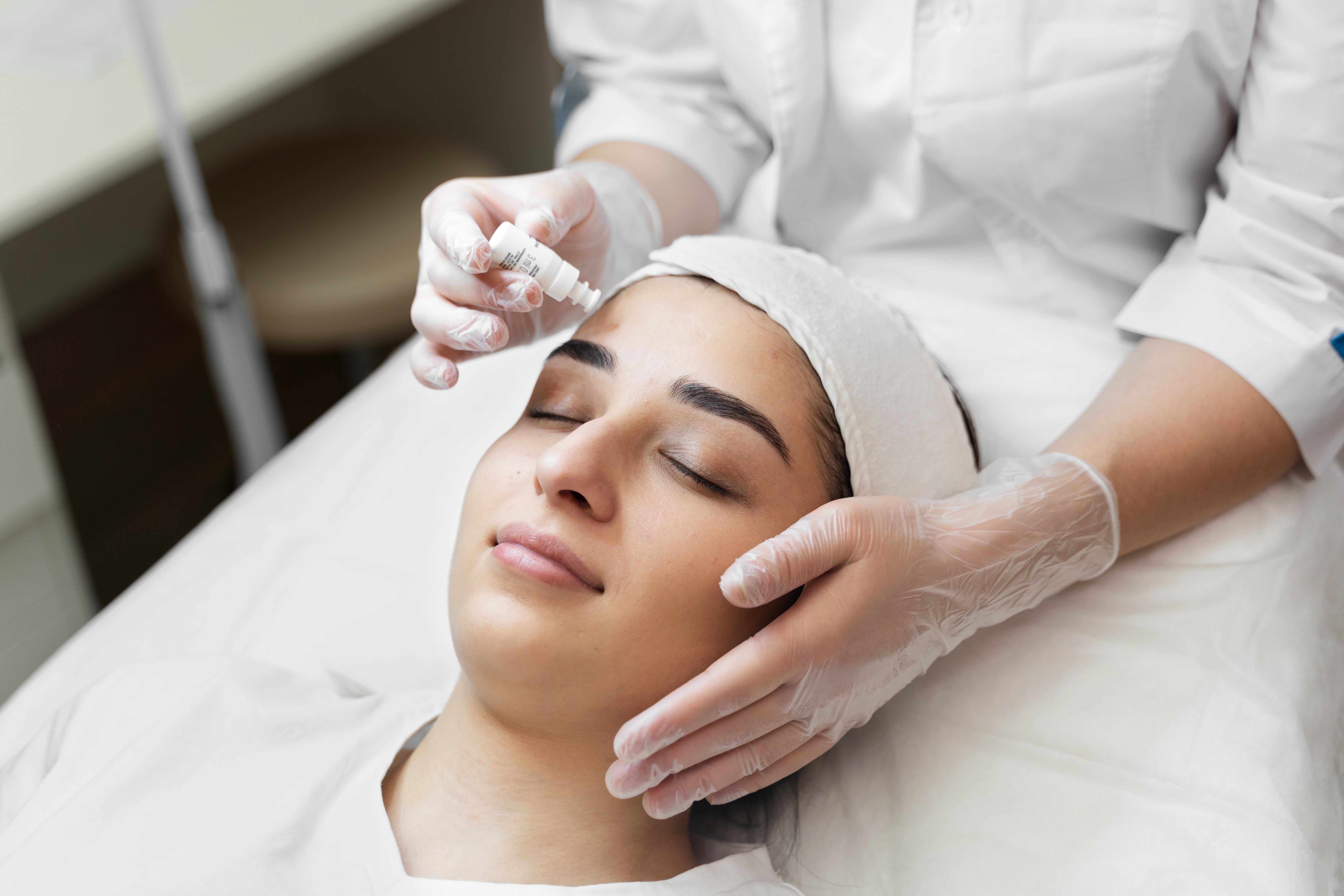
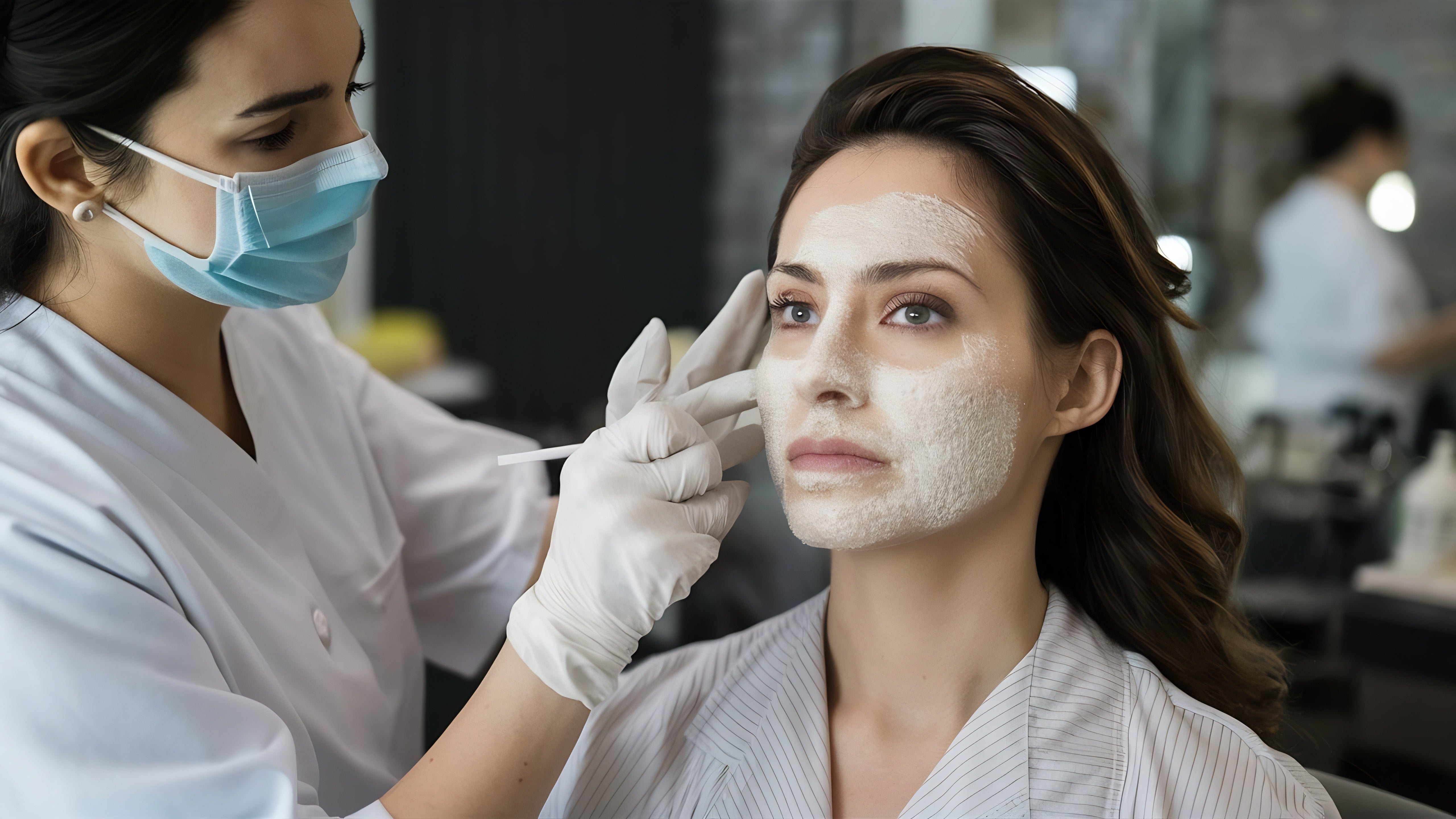
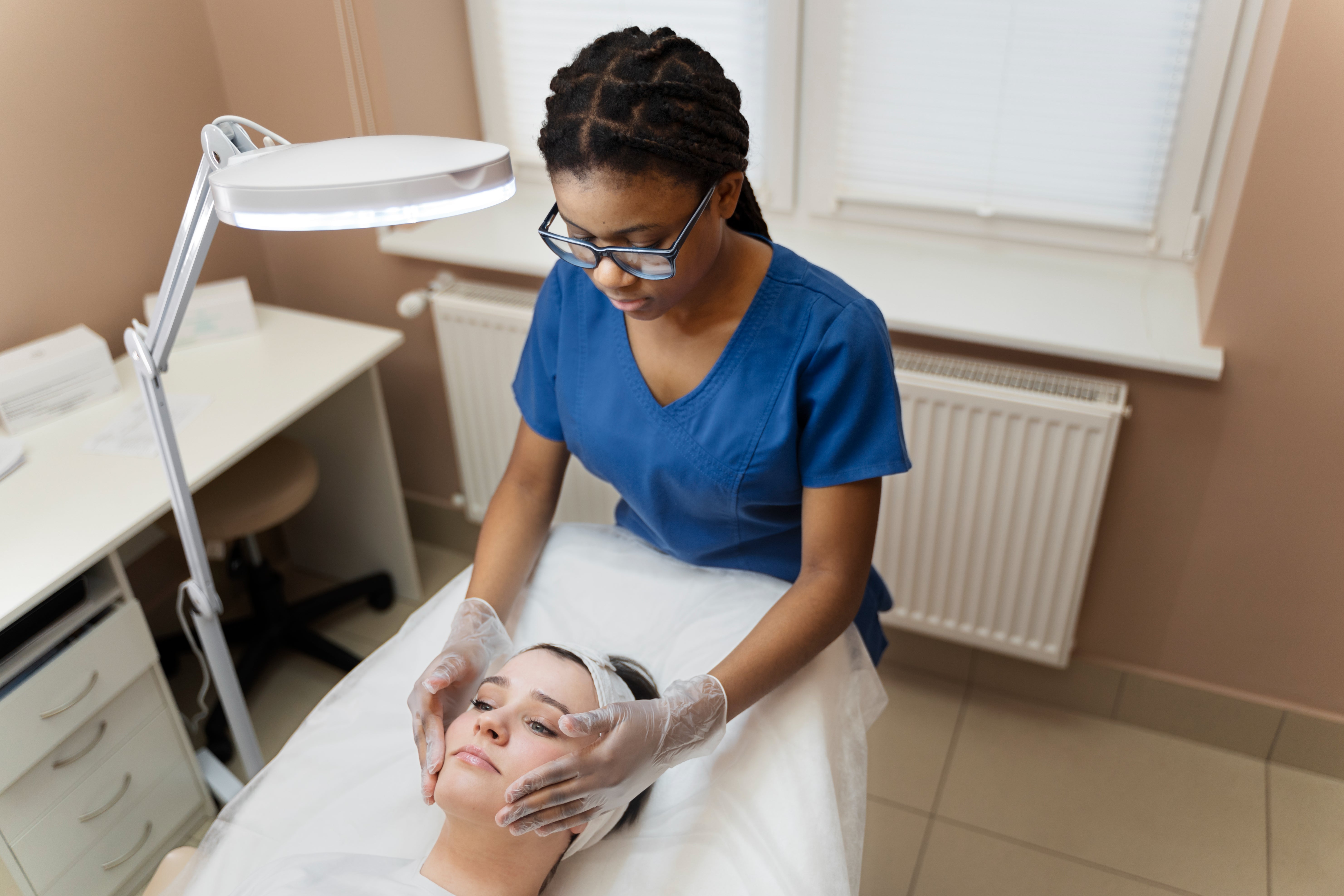




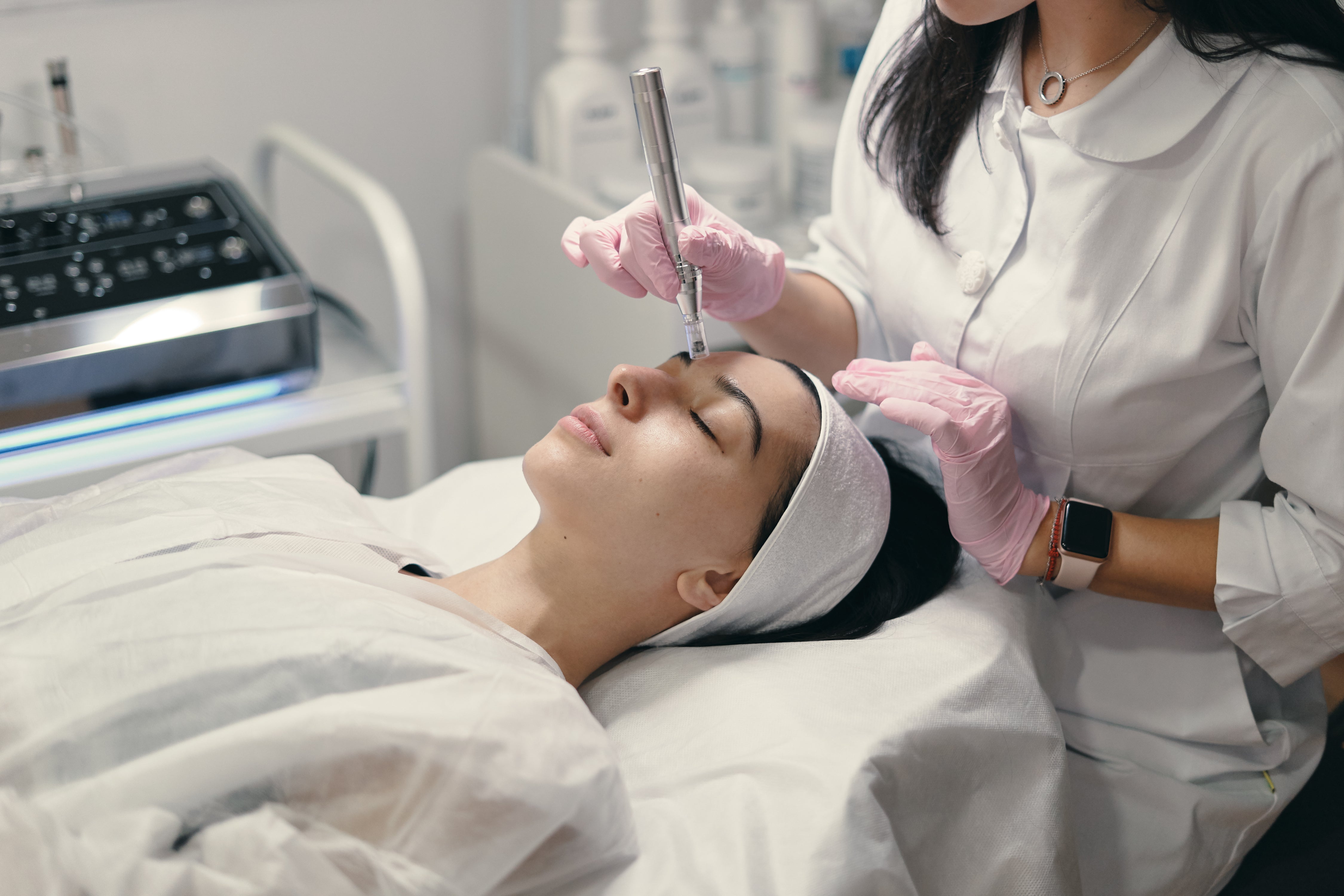


Black Peel is a dermatologist-performed chemical peel commonly used for active acne, comedonal congestion, excess oil, and early inflammatory breakouts. It is based primarily on salicylic acid (BHA) combined with supportive ingredients that help calm inflammation and support skin barrier recovery.
Unlike cosmetic peels done without medical oversight, Black Peel is used as part of a clinical acne management plan, not as a standalone cosmetic fix.
What Is Black Peel?
Black Peel is a professional salicylic acid–based chemical peel designed to penetrate oil-filled pores. Salicylic acid is lipophilic, meaning it dissolves excess sebum and debris inside follicles, making it especially useful for acne-prone skin.
Some proprietary Black Peel formulations may include:
- Antioxidants
- Humectants
- Barrier-supporting agents such as niacinamide
- Select antimicrobial adjuncts used judiciously in dermatology.
The primary therapeutic effect, however, comes from the acid type and concentration, not from traditional or cosmetic additives.
How Black Peel Works (Clinical Mechanism)
Black Peel acts through three main pathways:
1. Pore exfoliation
Salicylic acid loosens dead skin cells and clears follicular blockages, reducing comedones.
2. Anti-inflammatory and antimicrobial action
By reducing Cutibacterium acnes activity and inflammatory mediators, the peel helps calm active breakouts.
3. Barrier and pigment modulation
Supportive ingredients help reduce postinflammatory pigmentation risk and support recovery during healing.
This controlled epidermal injury encourages renewal without serious dermal damage.
Who Is Black Peel Best Suited For?
Black Peel may be helpful for:
- Oily or acne-prone skin
-
Whiteheads and blackheads
-
Mild to moderate inflammatory acne
-
Early postacne pigmentation (PIH)
-
Patients seeking low-downtime acne procedures
It is not appropriate for:
-
Pregnancy or breastfeeding (without specialist clearance)
-
Active skin infections or open wounds
-
Severe cystic acne requires systemic control first.
- Recent isotretinoin use (timing decided by dermatologist)
What to Expect During Treatment
Before the peel
-
Medical consultation and acne assessment
-
Review of skincare, medications, and triggers
-
Patch testing when indicated
During the peel
-
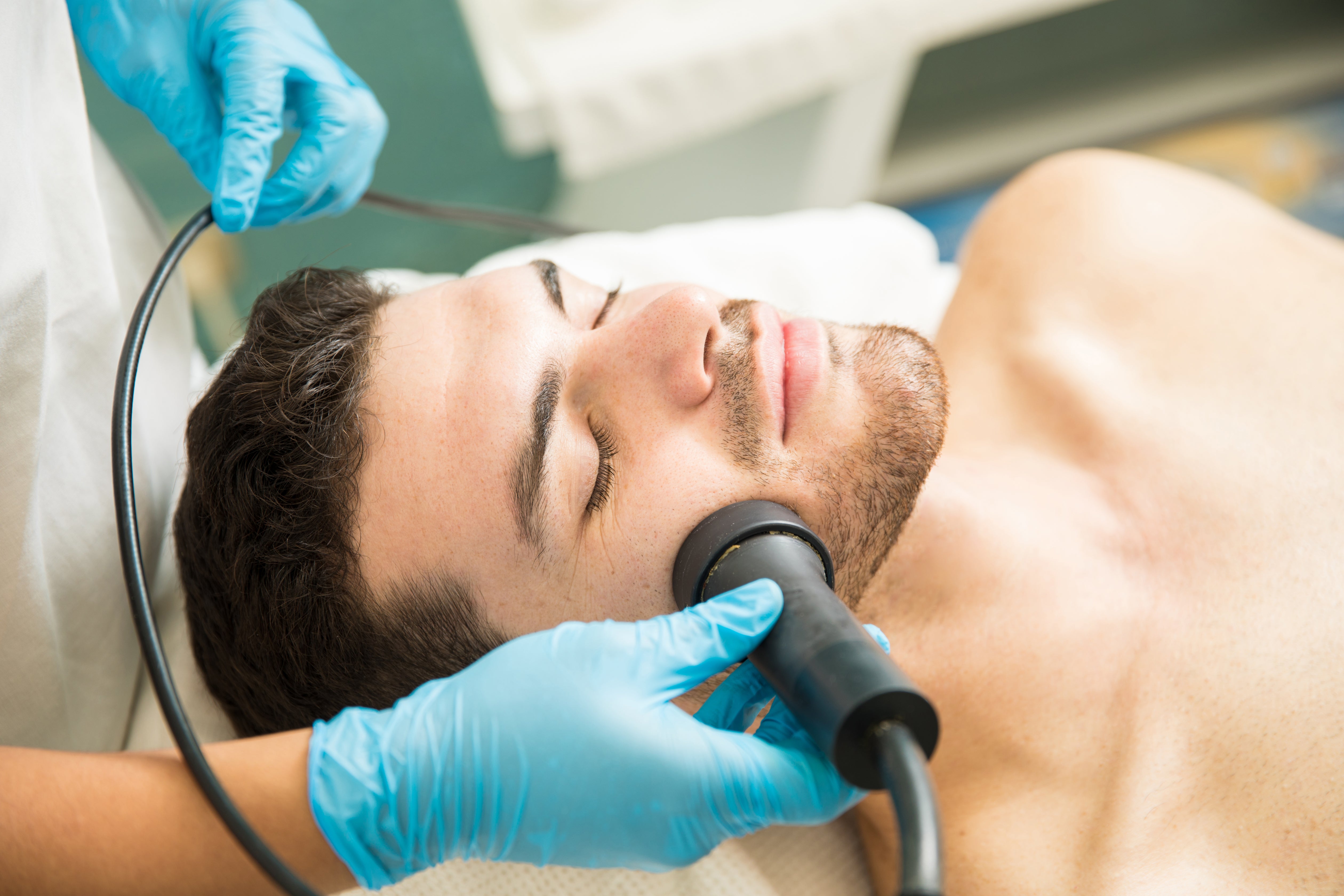
Controlled application with timed exposure
-
Continuous monitoring
-
Neutralisation as per protocol
After the peel
-
Temporary redness or mild flaking
-
Calming and barrier support care
-
Sun protection is essential.
Most people resume routine activities within 48–72 hours.
How Many Sessions Are Usually Needed?
Black Peel is typically performed as a series, not a one-time treatment.
-
Mild acne: 2–3 sessions
-
Moderate acne: 3–6 sessions
Sessions are usually spaced 4–6 weeks apart, depending on skin response.
Expected Results (CaseDependent)
With appropriate patient selection and aftercare, many individuals notice:
-
Reduced oiliness
-
Fewer new breakouts
-
Smoother skin texture
-
Gradual reduction in post-acne marks
Results depend on acne severity, consistency, and whether internal triggers are addressed.
Safety and Side Effects
Common, temporary effects:
-
Redness
-
Mild peeling or crusting
-
Temporary sensitivity
Rare complications such as prolonged pigmentation or irritation are usually linked to improper indication, incorrect technique, or poor postcare, highlighting the importance of dermatologist supervision.
Black Peel is not a cosmetic shortcut. It is a medically supervised chemical peel best used as part of a broader acne management strategy that includes skincare correction, trigger control, and follow-up care.
When appropriately indicated, it offers an effective, low-downtime option for acne-prone skin.


