





Skin Acacdemy
Hormonal Acne: What It Really Is and Why Treating It Needs More Than Just Skincare
Acne that keeps coming back—especially around the jawline, chin, or cheeks—could be more than just a clogged pore issue. It may be hormonal acne, and it behaves very differently from the typical teenage breakouts. At Allodermis, we regularly see patients—especially women in their 20s, 30s, and even 40s—struggling with persistent, painful acne despite trying multiple skincare products. The cause? Hormonal imbalances beneath the skin. Understanding what hormonal acne looks like, what triggers it, and when to see a dermatologist or skin doctor can save your skin—and your confidence. What Is Hormonal Acne? Hormonal acne is triggered by internal hormonal fluctuations—especially androgens like testosterone, which increase oil gland activity and inflammation in the skin. It most commonly affects: Adult women (due to PCOS, stress, periods, or contraceptive changes) Teenagers entering puberty Men with excess androgen levels or high stress You’ll typically see hormonal acne along the jawline, lower cheeks, chin, neck, and sometimes back or chest. The breakouts are often deep, painful, and cystic—and they tend to recur in the same areas. If you're wondering what it looks like, search for verified hormonal acne pictures from dermatology sources. These show clear patterns distinct from bacterial or fungal acne. What Triggers Hormonal Acne? PCOS or hormonal disorders Menstrual cycle fluctuations Stress and cortisol spikes High-glycemic diets and dairy intake Use (or discontinuation) of hormonal birth control Poor sleep or chronic inflammation Understanding the trigger is just as important as treating the breakout. That’s why the best results come from dermatologist-led care that addresses both skin and systemic health. Hormonal Acne Diet: Does Food Really Matter? Yes. While diet alone doesn’t cause hormonal acne, certain foods can aggravate it. Some dietary habits to watch: Reduce refined sugars and high-GI carbs Limit dairy products (especially skim milk) Include omega-3s (flax seeds, walnuts) Add zinc, antioxidants, and fiber to support hormone regulation Adopting a hormonal acne diet won’t replace medication, but it can complement your treatment and reduce flare-ups [Dreno et al., 2018]. Hormonal Acne Treatment Options: What Works Best The best treatment depends on age, hormone levels, acne severity, and overall health. Your dermatologist may recommend: Oral contraceptives (for hormone balancing) Spironolactone (an anti-androgen medication) Retinoids (topical or oral) Anti-inflammatory agents like niacinamide Lifestyle and diet adjustments In-clinic treatments like peels or lasers for persistent pigmentation or scarring If you're tired of trial-and-error products, find a top-rated hormonal acne doctor who can guide you with both lab testing and long-term strategy. When to See a Dermatologist or Skin Doctor If you have any of the following, it’s time to consult a professional: Breakouts around jawline, chin, or neck that worsen with your period Cystic, painful lesions that don’t respond to skincare Irregular periods or facial hair growth (possible PCOS signs) Acne that recurs despite clean diet and hygiene Acne leaving behind dark marks or scars The right hormonal acne treatment begins with understanding the internal cause, not just treating the surface symptoms. Your Skin Is Talking. Let’s Decode It Together. At Allodermis, we specialize in root-cause-based dermatology—and hormonal acne is one of the most common cases we treat. Whether it’s through blood tests, ultrasound screening (for PCOS), or skin microbiome analysis, we ensure no guesswork. Our dermatologists develop evidence-based plans for patients looking for clarity, not confusion. Acne may be on the surface—but its origin often runs deeper. Struggling with stubborn jawline or chin acne? Book a consultation with our skin doctors today and start your personalized journey toward balanced, healthy skin. References: Dreno, B., et al. (2018). Pathophysiology of acne. Dermato-Endocrinology, 9(1), e1351570.https://doi.org/10.1080/19381980.2017.1351570 Zaenglein, A.L., et al. (2016). Guidelines of care for the management of acne vulgaris. Journal of the American Academy of Dermatology, 74(5), 945–973.https://doi.org/10.1016/j.jaad.2015.12.037 Burris, J., et al. (2013). Diet and acne: A review of the evidence. International Journal of Dermatology, 52(7), 794–801.https://doi.org/10.1111/j.1365-4632.2012.05697.x Smith, R.N., et al. (2007). Low glycemic load diet improves symptoms in acne vulgaris. American Journal of Clinical Nutrition, 86(1), 107–115.https://doi.org/10.1093/ajcn/86.1.107
Learn moreTypes of Acne: Why You Need the Right Diagnosis Before the Right Treatment
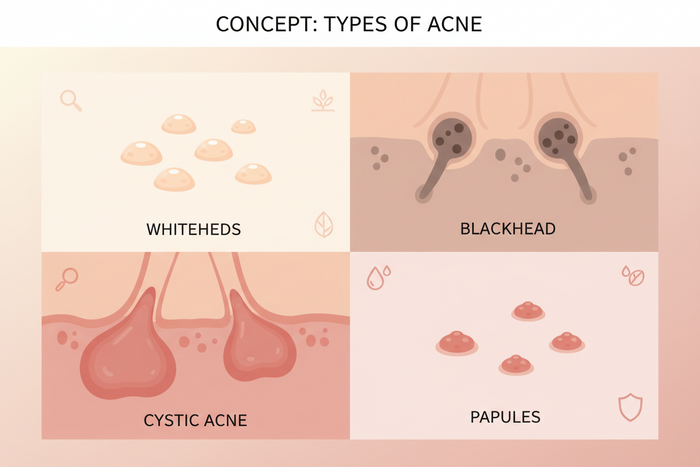
Acne might seem simple from the outside—just pimples on the skin. But as any experienced dermatologist will tell you, it’s not a one-type-fits-all condition. There are multiple types of acne, each with its own causes, severity, and treatment requirements. Understanding which type you have is the first step toward effective treatment—and avoiding unnecessary skin damage. Whether you’re dealing with stubborn blackheads or painful cysts, this guide breaks it down so you know when home care is enough—and when it’s time to see a skin doctor or the best dermatologist for your acne concerns. Why Knowing Your Acne Type Matters Many people reach for popular skincare products without understanding what’s actually happening underneath the skin. That’s why we often see patients at Allodermis who’ve used the wrong products, leading to worsening inflammation, scarring, or irritation. Each acne type behaves differently, and requires a tailored approach. Here's what you need to know: 1. Non-Inflammatory Acne This is the earliest and mildest form of acne—caused by clogged pores without active infection. Blackheads (Open Comedones): Pores are clogged with oil and dead skin but remain open, giving a dark appearance. Whiteheads (Closed Comedones): The pore closes over the buildup, forming a small bump under the skin. Treatment Tips:Topical exfoliants like salicylic acid or adapalene help keep pores clear. But if they persist, visit a dermatologist for a prescription-strength retinoid or comedolytic treatment. 2. Inflammatory Acne This is where the immune system reacts to bacteria and clogged pores, leading to redness, swelling, and sometimes pus. Papules: Small, red bumps—often tender and not pus-filled. Pustules: Similar to papules but filled with pus and more inflamed. Treatment Tips:Use products with benzoyl peroxide or topical antibiotics. Avoid popping these, as they can worsen inflammation or lead to scarring. If it doesn't improve within a few weeks, research and consult the best doctor for acne treatment near you. 3. Nodulocystic Acne (Severe Acne) This is the most intense and potentially scarring form of acne. It includes: Nodules: Hard, painful lumps deep under the skin. Cysts: Large, pus-filled lesions that may rupture and scar. These lesions often require medical-grade treatment and should never be treated with over-the-counter products alone. Treatment Tips:Oral retinoids (like isotretinoin), hormonal therapy (for women), and in-clinic care are usually required. If you notice recurring painful cysts or nodules, book a consultation with the best dermatologist you can find—early intervention here is critical to prevent long-term damage. 4. Fungal Acne (Malassezia Folliculitis) Though not technically "acne," this condition looks very similar—tiny itchy bumps, often on the chest, shoulders, or back. It’s caused by yeast overgrowth, not bacteria. Treatment Tips:Fungal acne doesn’t respond to traditional acne treatments. It needs antifungal shampoos or creams, so getting a proper diagnosis from a skin doctor is essential. When to See a Dermatologist Here are signs it’s time to move from self-care to expert care: Acne hasn’t improved after 4–6 weeks of OTC products You have painful, deep nodules or cysts You're noticing signs of scarring or pigmentation You're unsure which type of acne you have Your acne is affecting your self-esteem or confidence Find the best doctor for acne treatment, who will not only diagnose your acne type but also consider your skin type, lifestyle, and hormonal profile to create a plan that actually works. Your Skin Is Unique—So Should Be Your Treatment At Allodermis, we believe acne isn't just skin-deep. Each breakout tells a story—of hormones, environment, genetics, and lifestyle. That's why we don’t believe in one-size-fits-all skincare. If you're struggling with breakouts and unsure what you're dealing with—comedones, cysts, or something else—our dermatologists will help decode it and offer science-backed solutions. Book your skin consultation with Allodermis today—and let’s treat your acne with clarity, not confusion. Read more: Back Acne: Why It’s Different and How to Treat It Right References: Zaenglein, A.L., et al. (2016). Guidelines of care for the management of acne vulgaris. Journal of the American Academy of Dermatology, 74(5), 945–973.https://doi.org/10.1016/j.jaad.2015.12.037 Dreno, B., et al. (2018). Pathophysiology of acne. Dermato-Endocrinology, 9(1), e1351570.https://doi.org/10.1080/19381980.2017.1351570 Dréno, B., et al. (2020). Understanding and Management of Truncal Acne. JEADV, 34(S4), 3–14.https://doi.org/10.1111/jdv.16839 Nagler, A.R., Orlow, S.J. (2014). Hormonal treatment of acne in adolescent females.https://doi.org/10.1016/j.jpag.2013.11.004
Learn moreBack Acne: Why It’s Different and How to Treat It Right
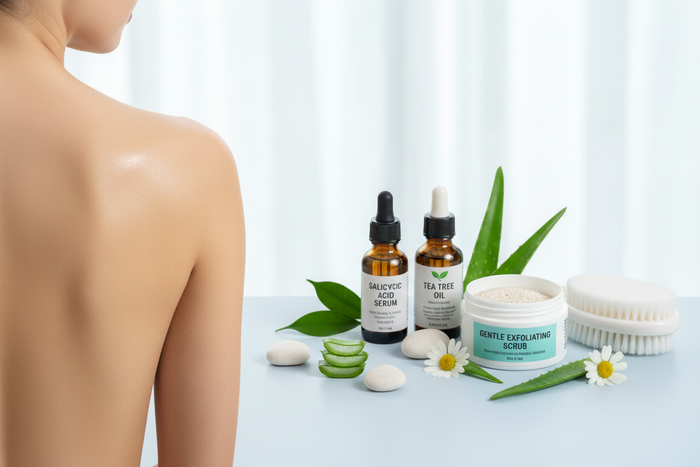
Back acne—or bacne—is more common than most people realize, but it often goes ignored until it becomes painful or leaves marks. At Allodermis, we frequently see patients who’ve tried scrubs, home remedies, or harsh soaps—only to end up with worse inflammation or scarring. Just like facial acne, back acne ranges from blackheads to deep cysts. But the skin on your back behaves differently—so the causes, triggers, and treatment approach must be different too. Understanding what back acne means, and when to see a dermatologist or skin doctor, can help you treat it right from the start. What Causes Back Acne in the First Place? At the core of acne—whether on the face or body—is excess sebum (oil) production. On the back, this oil combines with dead skin and sweat to block pores. This environment becomes a breeding ground for Cutibacterium acnes (formerly P. acnes), leading to inflammation and pus-filled lesions [Dreno et al., 2018]. Triggers for back acne include: Tight clothing or gym wear that traps sweat Friction from backpacks or prolonged sitting Skipping showers after workouts Use of steroids or protein supplements Hot and humid climates Poor exfoliation of thick back skin In some cases, back acne is hormonal—especially in females experiencing simultaneous breakouts on the jawline, chest, or shoulders [Nagler & Orlow, 2014; Poli et al., 2001]. This condition is referred to as truncal acne, and research confirms it is often more persistent than facial acne due to delayed treatment and higher friction exposure [Dreno et al., 2020]. Types of Back Acne: More Than Just a Spot Back acne may appear as: Non-inflammatory lesions: Blackheads and whiteheads (comedones) Inflammatory lesions: Red papules, pustules, nodules, and cysts The thicker skin on your back means breakouts may go unnoticed in early stages, giving them time to worsen. Nodulocystic back acne can cause deeper inflammation and increase the risk of scarring—especially in people with keloid tendencies. How to Prevent and Manage Back Acne Daily For mild back acne, a few lifestyle changes and targeted skincare may help: Use body washes with salicylic acid to exfoliate pores [Bowe & Shalita, 2008] Rotate with benzoyl peroxide-based soaps to reduce bacteria Avoid wearing sweaty clothes for extended periods Shower immediately after workouts or sweating Choose breathable fabrics and avoid tight-fitting gear However, if acne persists for more than a few weeks or becomes painful or infected, it's time to seek professional care from a dermatologist. How to Get Rid of Back Acne Scars Back acne often leaves behind dark marks, pigmentation, or keloid scars. The healing process on the back is slower and often less visible to patients, which can delay treatment. Options for back acne scar treatment include: Chemical peels or body peels Microneedling for textural irregularities Q-Switch laser for pigmentation Steroid injections or cryotherapy for raised scars The choice depends on the scar type—flat, dark, raised, or indented—and your skin’s healing response [Sardana et al., 2017]. What Dermatologists Recommend for Back Acne Treatment Treatment depends on severity and progression: Mild: Salicylic acid or benzoyl peroxide-based cleansers, exfoliants Moderate: Topical retinoids, antibiotic gels, or glycolic acid scrubs Severe/nodulocystic: Oral antibiotics, hormonal treatment (for women), or oral retinoids (like isotretinoin) Scarring acne: In-clinic procedures like lasers, peels, or injectables Back acne is often more chronic than facial acne, with healing taking 4–6 months or longer [Dreno et al., 2020]. That’s why early intervention with the back acne best treatment plan is key. Don’t Ignore Back Acne—Treat It Early Left untreated, back acne can leave long-lasting signs: Post-inflammatory hyperpigmentation (PIH) Keloidal or hypertrophic scars Thickened, bumpy texture If you're wondering how to get rid of back acne scars, the best results come from treating the underlying acne first—and starting scar management early. If over-the-counter options aren't helping, don’t wait. Book a visit with a skin doctor or dermatologist for a personalized solution. Your Skin Deserves Expert Care Back acne isn’t just a cosmetic issue—it reflects deeper skin imbalances, lifestyle factors, or hormonal triggers. A one-size-fits-all approach doesn’t work here. At Allodermis, we offer dermatologist-led treatment plans tailored to your skin type, acne severity, and scar risk. Whether it’s a few stubborn spots or full truncal acne, we help you treat it at the root—safely and effectively. Looking for the back acne best treatment? Book your skin consultation with Allodermis today. Also Read: Retinol Gone Wrong at 20: Why Skincare is Not One-Size-Fits-All References Dreno, B., et al. (2020). Understanding and Management of Truncal Acne: An Expert Opinion. JEADV, 34(S4), 3–14. https://doi.org/10.1111/jdv.16839 Nagler, A.R., Orlow, S.J. (2014). Hormonal Agents in Adolescent Female Acne. J Pediatric Adolescent Gynecology, 27(2), 61–65. https://doi.org/10.1016/j.jpag.2013.11.004 Bowe, W.P., Shalita, A.R. (2008). Effective OTC Acne Treatments: A Review. J Clin Aesthetic Dermatol, 1(4), 32–36. https://www.ncbi.nlm.nih.gov/pmc/articles/PMC3016935/ Poli, F., Dreno, B., Verschoore, M. (2001). Epidemiology of Female Adult Acne. JEADV, 15(6), 541–545. https://doi.org/10.1046/j.1468-3083.2001.00345.x Dreno, B., et al. (2018). Pathophysiology of Acne. Dermato-Endocrinology, 9(1), e1351570. https://doi.org/10.1080/19381980.2017.1351570 Sardana, K., et al. (2017). Management of Acne Vulgaris: Review & Update. Indian J Dermatol, 62(4), 332–340. https://www.ncbi.nlm.nih.gov/pmc/articles/PMC5605214/
Learn moreBlack Peel for Acne: What It Is, How It Works, and Who It’s For
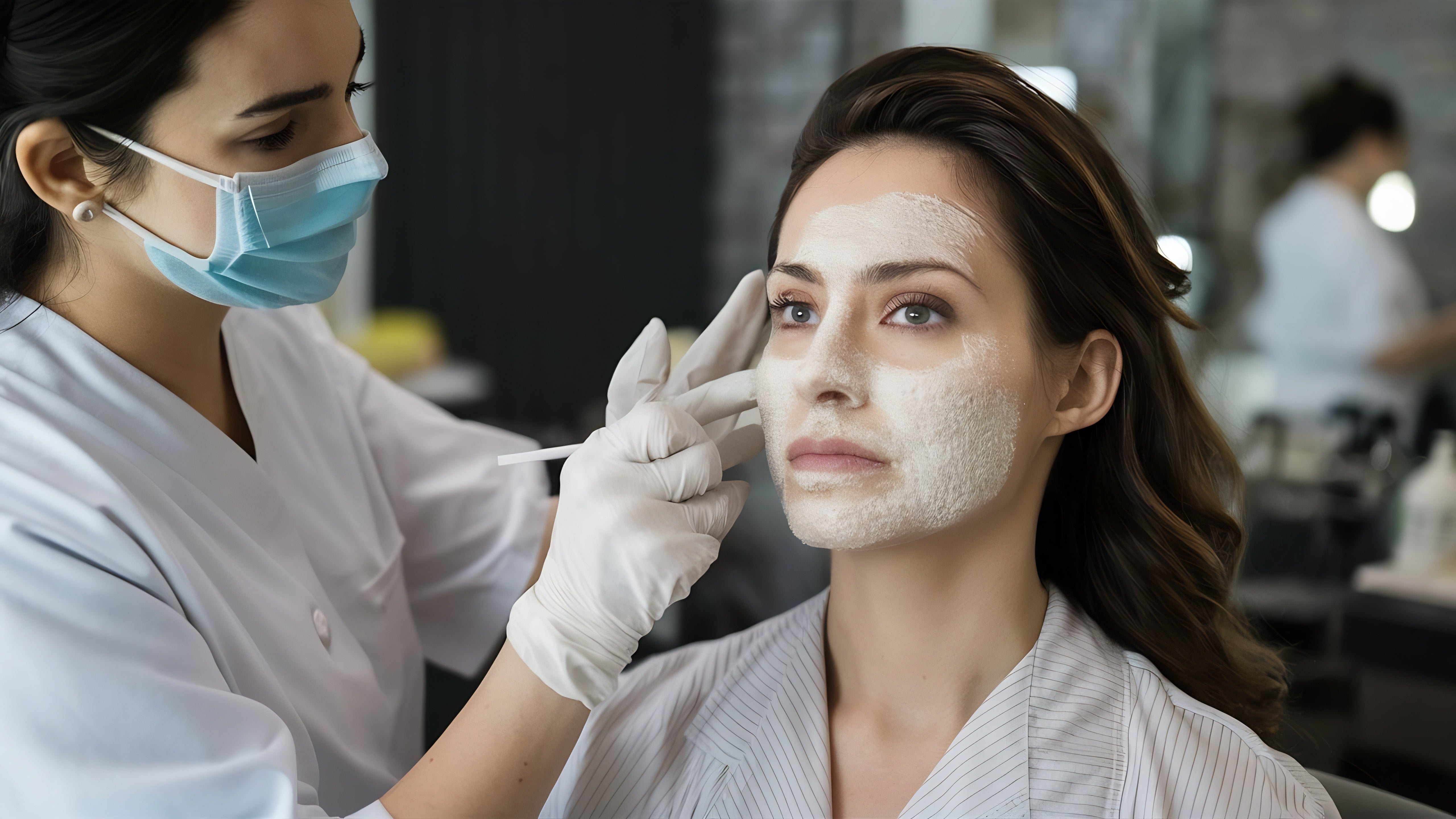
Black Peel is a dermatologist-performed chemical peel commonly used for active acne, comedonal congestion, excess oil, and early inflammatory breakouts. It is based primarily on salicylic acid (BHA) combined with supportive ingredients that help calm inflammation and support skin barrier recovery. Unlike cosmetic peels done without medical oversight, Black Peel is used as part of a clinical acne management plan, not as a standalone cosmetic fix. What Is Black Peel? Black Peel is a professional salicylic acid–based chemical peel designed to penetrate oil-filled pores. Salicylic acid is lipophilic, meaning it dissolves excess sebum and debris inside follicles, making it especially useful for acne-prone skin. Some proprietary Black Peel formulations may include: Antioxidants Humectants Barrier-supporting agents such as niacinamide Select antimicrobial adjuncts used judiciously in dermatology. The primary therapeutic effect, however, comes from the acid type and concentration, not from traditional or cosmetic additives. How Black Peel Works (Clinical Mechanism) Black Peel acts through three main pathways: 1. Pore exfoliation Salicylic acid loosens dead skin cells and clears follicular blockages, reducing comedones. 2. Anti-inflammatory and antimicrobial action By reducing Cutibacterium acnes activity and inflammatory mediators, the peel helps calm active breakouts. 3. Barrier and pigment modulation Supportive ingredients help reduce postinflammatory pigmentation risk and support recovery during healing. This controlled epidermal injury encourages renewal without serious dermal damage. Who Is Black Peel Best Suited For? Black Peel may be helpful for: Oily or acne-prone skin Whiteheads and blackheads Mild to moderate inflammatory acne Early postacne pigmentation (PIH) Patients seeking low-downtime acne procedures It is not appropriate for: Pregnancy or breastfeeding (without specialist clearance) Active skin infections or open wounds Severe cystic acne requires systemic control first. Recent isotretinoin use (timing decided by dermatologist) What to Expect During Treatment Before the peel Medical consultation and acne assessment Review of skincare, medications, and triggers Patch testing when indicated During the peel Controlled application with timed exposure Continuous monitoring Neutralisation as per protocol After the peel Temporary redness or mild flaking Calming and barrier support care Sun protection is essential. Most people resume routine activities within 48–72 hours. How Many Sessions Are Usually Needed? Black Peel is typically performed as a series, not a one-time treatment. Mild acne: 2–3 sessions Moderate acne: 3–6 sessions Sessions are usually spaced 4–6 weeks apart, depending on skin response. Expected Results (CaseDependent) With appropriate patient selection and aftercare, many individuals notice: Reduced oiliness Fewer new breakouts Smoother skin texture Gradual reduction in post-acne marks Results depend on acne severity, consistency, and whether internal triggers are addressed. Safety and Side Effects Common, temporary effects: Redness Mild peeling or crusting Temporary sensitivity Rare complications such as prolonged pigmentation or irritation are usually linked to improper indication, incorrect technique, or poor postcare, highlighting the importance of dermatologist supervision. Black Peel is not a cosmetic shortcut. It is a medically supervised chemical peel best used as part of a broader acne management strategy that includes skincare correction, trigger control, and follow-up care. When appropriately indicated, it offers an effective, low-downtime option for acne-prone skin.
Learn morePimple, Acne, Acne Scars: Understanding the Skin Condition Beyond Breakouts
Acne is one of the most common skin conditions worldwide, yet it is still widely misunderstood. Often dismissed as a cosmetic issue, acne is actually a chronic inflammatory condition influenced by oil production, hormones, skin barrier health, bacteria, inflammation, and lifestyle factors. When acne is not understood or treated correctly, it can progress from temporary breakouts to long-lasting pigmentation and permanent scarring. That’s why a science-based, diagnostic approach matters. What Is Acne, Medically Speaking? Acne develops when several biological processes occur simultaneously: Excess sebum (oil) production Blockage of hair follicles due to dead skin cell buildup Overgrowth of Cutibacterium acnes bacteria Hormonal fluctuations (case dependent) Inflammation and impaired skin barrier Depending on severity and duration, acne can present as: Whiteheads and blackheads Papules and pustules Nodules and cysts Postinflammatory pigmentation Permanent scars (in some cases) Acne is not caused by dirt or poor hygiene. It is a medical condition. The Four Core Biological Mechanisms Behind Acne Follicular hyperkeratinisation Excess dead skin cells clog pores. Sebum overproduction Influenced by genetics, hormones, stress physiology, and individual triggers. Bacterial proliferation Blocked pores create an environment where inflammation can increase. Inflammation and barrier damage Prolonged inflammation raises the risk of marks and scarring. Hormonal Acne: Why It Behaves Differently Hormonal pattern acne often appears as: Deep, painful cysts Jawline or lower face involvement Monthly or stress-linked flare-ups It is commonly seen during puberty, in PCOS, around menstrual cycles, during high-stress periods, or postpregnancy. These patterns usually require medical evaluation rather than topical care. Different Types of Acne and Post-Acne Concerns Noninflammatory acne Whiteheads Blackheads Inflammatory acne Papules Pustules Nodules Cysts Postacne concerns Dark spots (PIH) Red marks (PIE) Uneven texture Scarring Each category requires a different management strategy. Understanding Acne Scars Acne scars form when inflammation damages collagen during healing. Atrophic (depressed) scars Ice pick scars Boxcar scars Rolling scars Hypertrophic or keloid scars Raised, thick scars due to excess collagen No single treatment works for all scars. Correct classification is essential. How Acne and Scars Are Treated Medically Dermatology-led acne care usually involves a combination of: Prescription topical and oral medications Chemical peels (case dependent) Safe comedone extraction Intralesional injections for inflamed cysts Laser or light-based therapies (where appropriate) Microneedling,radiofrequency, subcision, or fractional lasers for scars Targeted techniques such as TCA CROSS for specific scar types Treatment plans are customised based on acne severity, scar type, skin biology, and tolerance. Realistic Timelines for Improvement (Case Dependent) Mild acne: 4–8 weeks Moderate acne: 8–12 weeks Severe or hormonal acne: 3–6 months For scars and marks, visible improvement usually requires multiple sessions and combination therapy. Complete removal is uncommon, but significant improvement is achievable for many individuals. Final Thoughts Clear skin is not achieved through harsh products or shortcuts. It comes from understanding why acne occurs, supporting the skin barrier, managing internal triggers, and using evidence-based treatments consistently. When acne persists, scars, or affects quality of life, professional dermatological guidance can make a meaningful difference.
Learn moreAcne & Pimples: Why They Happen and How Dermatologists Treat Them Effectively
Acne is one of the most common skin conditions, yet also one of the most misunderstood. It’s often treated as a surface-level problem when, in reality, acne is a medical condition influenced by hormones, inflammation, skin barrier health, lifestyle factors, and individual biology. Understanding why acne occurs is the first step toward managing it effectively and preventing longterm damage like pigmentation and scarring. What Actually Causes Acne? Acne develops when multiple internal and external factors interact: Biological contributors Excess oil (sebum) production Blocked hair follicles from oil and dead skin cells Overgrowth of Cutibacterium acnes bacteria Hormonal fluctuations (teenage years, PCOS patterns, stress-related cortisol changes) Chronic skin inflammation Weak or damaged skin barrier Lifestyle & environmental triggers High glycaemic or dairy-heavy diets (person dependent) Chronic stress and poor sleep Inappropriate or comedogenic skincare Pollution, sweat, and humid climates Because these triggers differ from person to person, acne treatment is never one-size-fits-all. Different Types of Acne Need Different Approaches Acne can present in many forms: Whiteheads and blackheads Inflammatory papules and pustules Painful nodules and cysts Body acne on the back, chest, or shoulders Each type behaves differently and requires a customised medical strategy rather than generic products or quick fixes. How Dermatologists Treat Acne Medically Modern dermatology focuses on controlling acne at multiple levels: 1. Medical Topicals & Oral Therapy Used to regulate oil production, prevent clogged pores, reduce bacteria, and calm inflammation. These may include retinoids, antibiotics (short-term), hormonal modulation (when indicated), and barrier-repair formulations. 2. Chemical Peels Dermatologist-formulated peels help unclog pores, reduce oiliness, smooth texture, and accelerate acne resolution. 3. Comedone Extraction Safe, sterile removal of blackheads and whiteheads to reduce congestion. 4. Intralesional Injections Used for large, painful cysts to rapidly reduce inflammation and discomfort. 5. Laser & Light-Based Therapies Helpful for postacne pigmentation and overall skin recovery in selected cases. Why Early Acne Treatment Matters Reduces the risk of permanent acne scars Shortens flare duration Improves skin texture and tone Helps stabilise acne longterm instead of repeated cycles Most people notice visible improvement within weeks, though sustained control requires consistency and follow-up. Is Acne Treatment Permanent? Acne is a chronic condition for many people, especially when hormones are involved. The goal of treatment is longterm control, fewer breakouts, faster healing, and healthier skin—not unrealistic permanent cure claims. When Should You See a Dermatologist? Acne persists beyond a few months. Painful or cystic breakouts Acne leaves dark marks or scars. Adult or hormonal pattern acne Over-the-counter products aren’t helping. Medical guidance ensures safer, more effective outcomes tailored to your skin. Clear skin doesn’t come from chasing pimples—it comes from understanding your skin’s biology and treating acne at its root. With the right diagnosis and a structured plan, acne can be controlled safely and effectively over time.
Learn moreBirthmarks and Moles (Nevi): Causes, Types, Diagnosis; Safe Treatment Options
Where skin is examined, explained, and treated from the biology up. 📞 9717503031 | 🌐 www.allodermis.comAIIMS MD Dermatologists • Evidence-based care • Skintype safe protocols Introduction Birthmarks and moles are extremely common skin findings. While most are harmless, some require medical evaluation, monitoring, or treatment based on their type, location, behaviour, and long-term risk. At Allodermis, birthmarks and moles are never treated cosmetically first. Every lesion is medically evaluated, dermoscopy-guided, and risk-stratified before deciding whether observation, laser, medical therapy, or surgical removal is appropriate. Quick Answers Are birthmarks dangerous?Most birthmarks are harmless. Some require monitoring if they are large, rapidly changing, ulcerating, or associated with deeper vascular or pigment abnormalities. When should a mole be checked urgently?If it shows ABCDE changes:Asymmetry • Border irregularity • Color variation • Diameter increase • Evolving (any change) Can birthmarks or moles be removed safely?Yes—but only after correct diagnosis. Certain lesions require biopsy and histopathology rather than laser treatment. Is laser safe for Indian skin tones?Yes, when skin-type appropriate devices, conservative settings, and strict aftercare are followed. Risk control matters more than aggressive treatment. Do port wine stains return after laser?They often lighten significantly, but gradual redarkening may occur over years, making long-term follow-up important. How early should infantile hemangiomas be treated?High-risk hemangiomas should be evaluated early. Oral propranolol is commonly the first-line treatment when systemic therapy is indicated. What Are Birthmarks and Moles? Birthmarks Birthmarks are developmental skin differences involving blood vessels or pigment cells. They are usually present at birth or appear within early childhood. Moles (Nevi) Moles are localised clusters of melanocytes (pigment-producing cells). Most are benign, but certain changes can signal skin cancer risk and require urgent evaluation. Types of Birthmarks and Moles We Evaluate 1. Vascular Birthmarks Nevus simplex (angel kiss/stork bite): Often fades naturally over time Portwine stain: Flat pink to purple patches that persist and may thicken with age Infantile hemangioma: Grows after birth, then involutes; some require treatment 2. Pigmented Birthmarks and Moles Congenital melanocytic nevus (CMN): Present at birth; melanoma risk depends on size and features Caféaulait macules: Usually benign; multiple lesions may need evaluation Dermal melanocytosis (Mongolian spot): Bluish-grey patches that often fade with age Why Do Birthmarks and Moles Form? Vascular birthmarks develop due tolocalisedd variations in capillary formation during fetal growth. Pigmented birthmarks and moles occur when melanocytes cluster or persist in specific skin layers.Most cases are sporadic and not inherited. The Allodermis Diagnostic Pathway Every patient undergoes a structured medical assessment: History & photo timeline – onset, growth pattern, symptoms, family history Clinical exam with dermoscopy – improves accuracy in pigment and vascular assessment Imaging (when required) – ultrasound or Doppler for deeper vascular lesions Biopsy & histopathology – for suspicious, symptomatic, or changing lesions Risk stratification & plan – observe, treat, or refer based on medical indication Red Flags That Need Urgent Review Seek prompt dermatology evaluation if a lesion: Changes in size, shape, colour, surface, or begins bleeding Develops pain, ulceration, or rapid growth Is a medium, large, or giant congenital melanocytic nevus Appears alongside multiple caféaulait macules or systemic signs in a child Treatment Principles at Allodermis We treat only when appropriate, based on: Medical risk (bleeding, ulceration, functional impairment) Symptoms (itching, irritation, repeated trauma) Cosmetic distress (after informed, shared decision-making) Vascular Lesion Treatments Pulsed Dye Laser (PDL): First-line for portwine stains; multiple sessions required Infantile hemangioma therapy: Oral propranolol when systemic treatment is indicated Targeted procedures: For residual nodules or specific cases Pigmented Birthmarks & Mole Management Pigment lasers: Used selectively with strict criteria Mole removal: Preferred when lesions are suspicious or symptomatic, allowing histopathology ⚠️ We avoid blanket “laser removal for all moles” due to cancer risk considerations. What to Expect From Treatment Multiple sessions may be required, depending on lesion type Strict sun protection is essential Portwine stains may redarken over time Infantile hemangioma treatment requires careful monitoring Frequently Asked Questions Can birthmarks be permanently removed?Some can be significantly reduced. Results depend on depth, type, and biology. When should a mole be removed?If it shows ABCDE changes, symptoms, or clinical atypia, evaluation and biopsy are recommended. Are lasers safe for darker skin tones?Yes, when the correct devices, settings, and intervals are used. Do all childhood birthmarks need treatment?No. Many are simply monitored unless they affect function or carry a medical risk. Why Choose Allodermis? AIIMS MD Dermatologists with diagnosisfirst philosophy Dermoscopy-guided assessment for higher accuracy Indian skin-safe protocols Evidence-led technology and medication use ✍ Written by: Swaraj Dhar Co Founder Allodermis || Sociopreneur || Technologist LinkedIn ID: https://www.linkedin.com/in/swarajdhar/ Reviewed by: Dr Alok Sahoo MBBS, MD Dermatology and Venereology, AIIMS Delhi LinkedIn ID: https://www.linkedin.com/in/dralokderma/
Learn moreDouble Chin Reduction: A Medical, Non-Surgical Guide to Submental Contouring
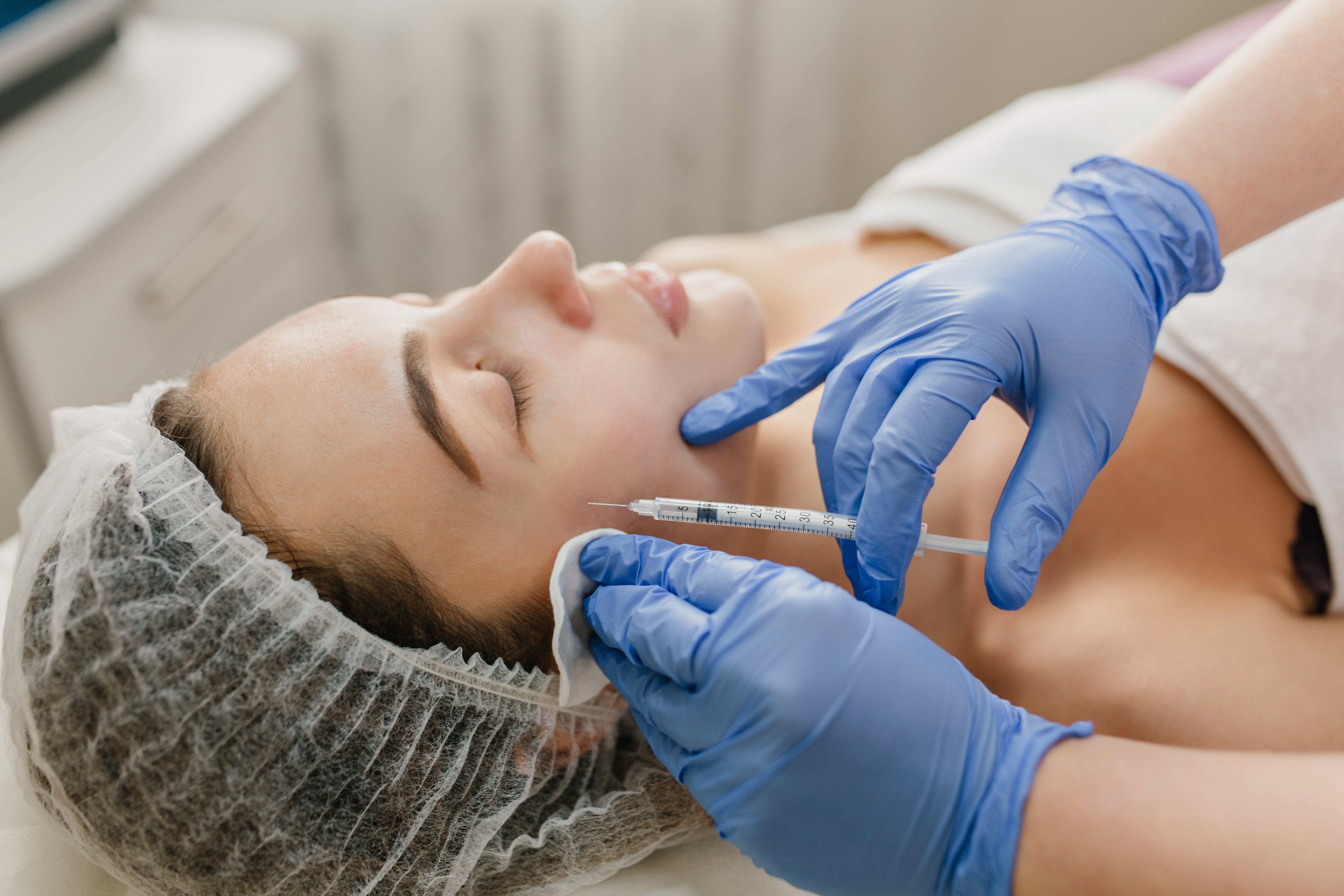
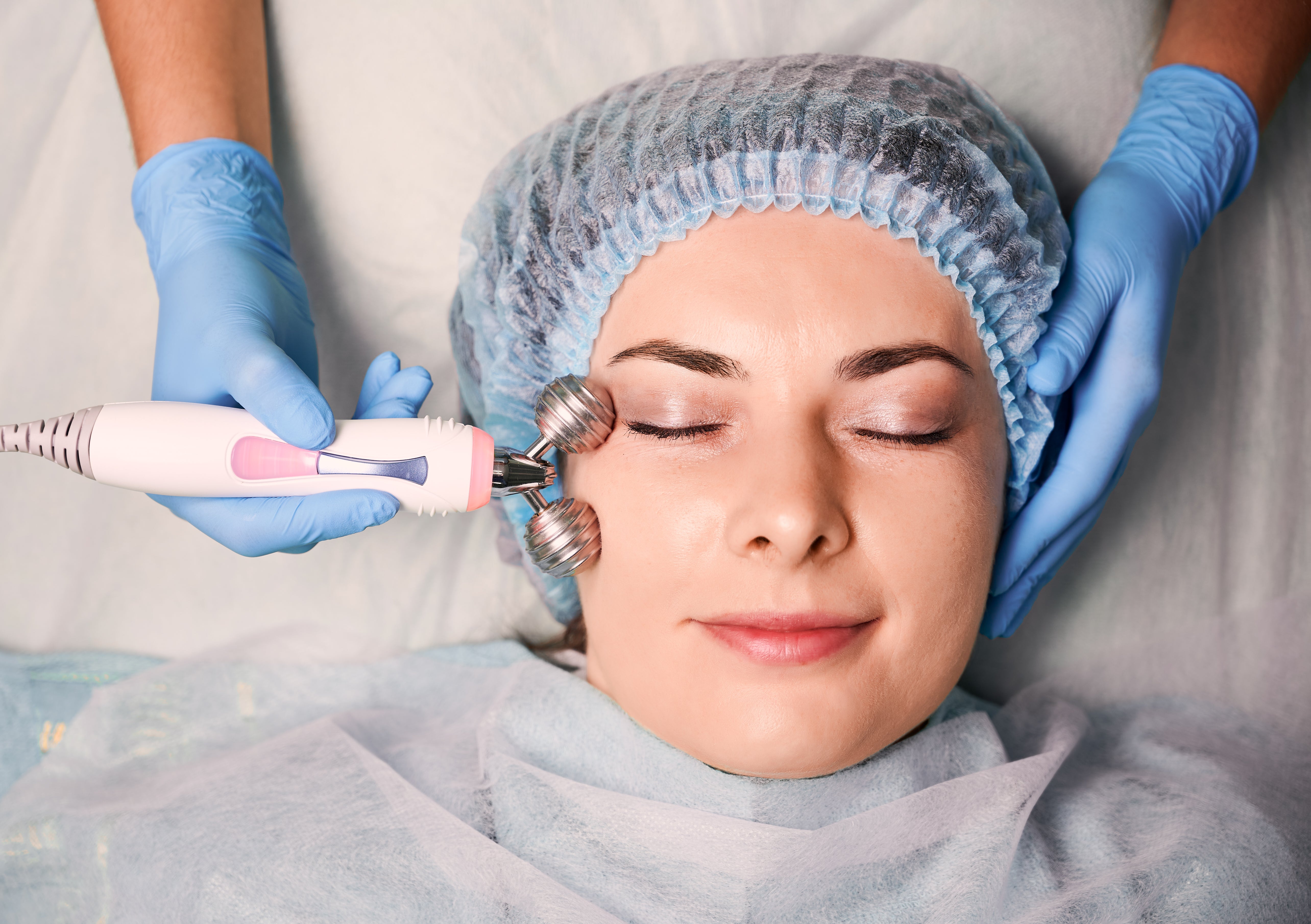
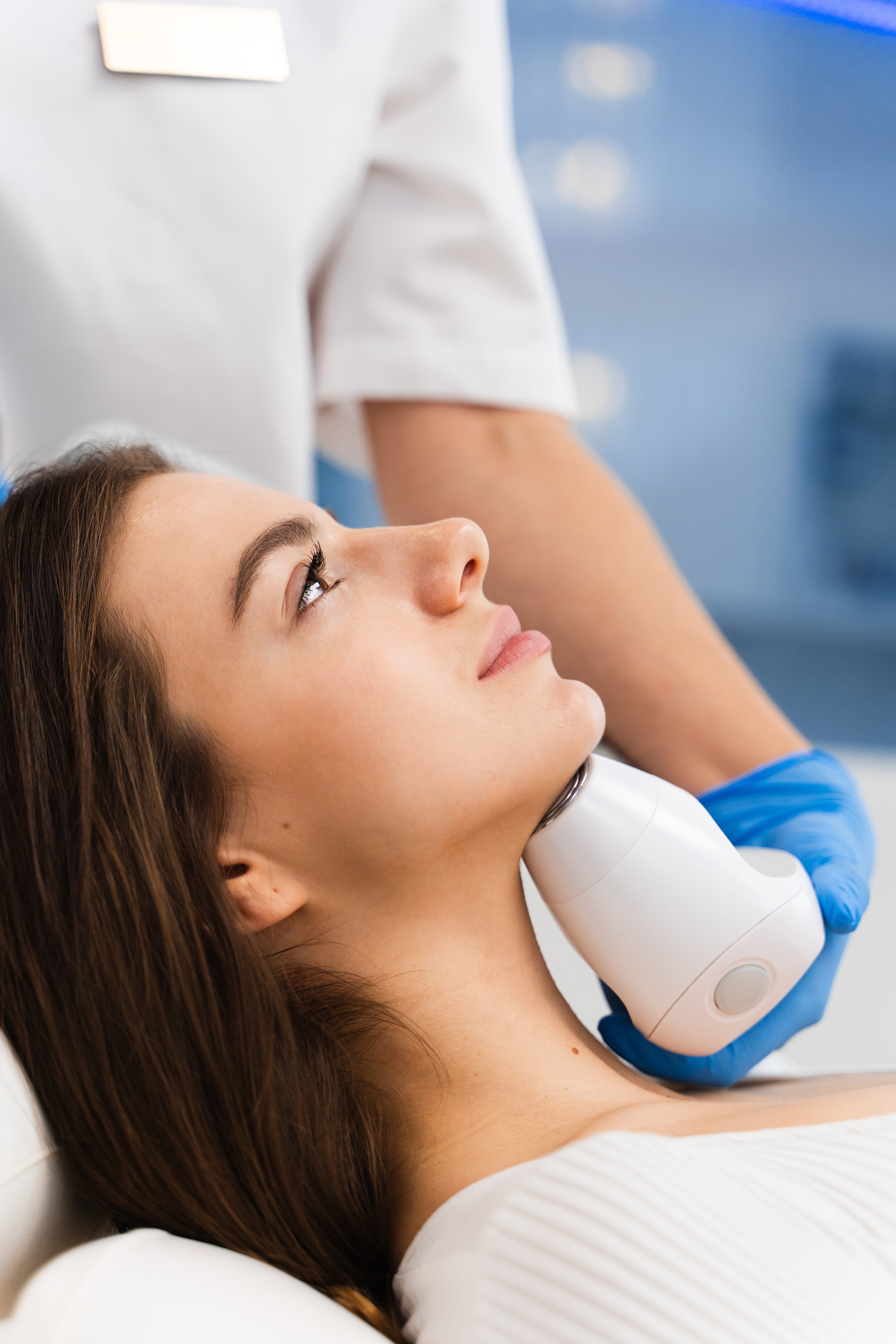
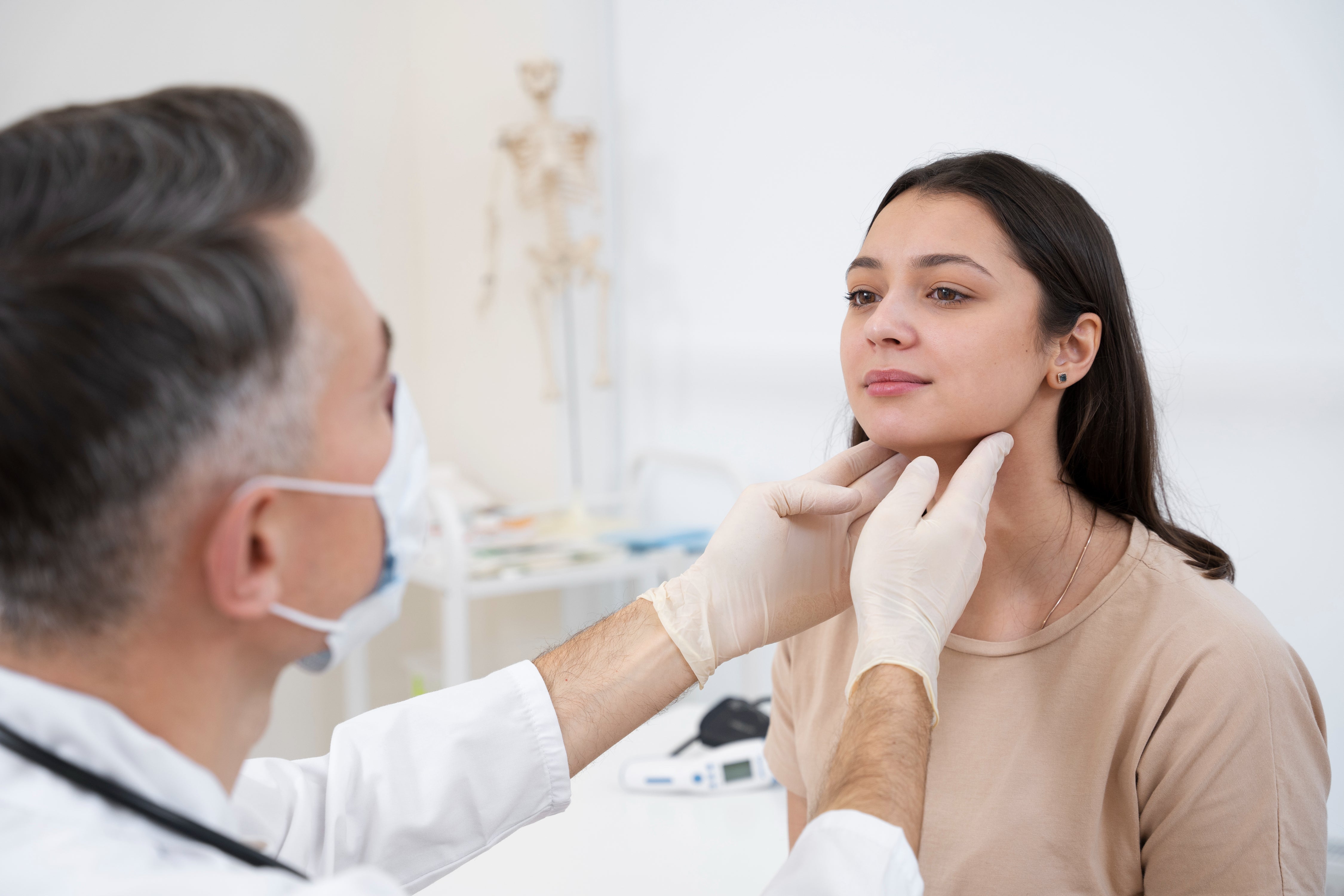
A double chin is often misunderstood as “just excess fat.” In reality, submental fullness can result from a combination of fat accumulation, skin laxity, chin structure, posture, and age-related collagen decline. Modern dermatology treats double chin concerns through anatomy-guided, nonsurgical approaches that aim for natural jawline definition, not aggressive or artificial results. This article explains why double chins form, how dermatologists evaluate them, and which evidence-based treatments work best, particularly for Indian skin. What Is a Double Chin? (Clinical Definition — Snippet Ready) A double chin, medically referred to as submental fullness, is excess tissue beneath the chin caused by one or more of the following: Submental fat accumulation Loose or ageing skin Weak or recessed chin structure Genetic fat distribution Posture-related soft tissue changes It can occur even in people with normal body weight.A clinical survey by the American Society for Dermatologic Surgery reported that over two-thirds of adults feel bothered by fullness under the chin. Why Does a Double Chin Develop? Internal (Biological & Structural) Factors Genetics: inherited fat storage and skin elasticity patterns Ageing: collagen loss leading to sagging Chin structure: a recessed chin exaggerates submental fullness Metabolic patterns: thyroid or insulin resistance case-dependentt) External & Lifestyle Factors Weight gain or rapid weight fluctuations Sedentary lifestyle Poor posture (“tech neck”) High salt intake causes temporary puffiness. Clinical insight: In many individuals, submental fullness is structural rather than wweight-related which is why exercise alone may not fully correct it. Can Exercise Remove a Double Chin? Exercise can help with overall weight and posture, but it cannot selectively remove submental fat or tighten loose skin in most adults. When genetics, skin laxity, or chin structure are involved, medical treatments are often required for visible contour improvement. How Dermatologists Evaluate a Double Chin Before recommending any treatment, dermatologists assess: Fat thickness (pinch test and depth assessment) Skin laxity grade (tightening potential) Chin projection and jawline structure Neck posture and muscle tone Soft tissue fullness patterns Hormonal or metabolic contributors (only if clinically indicated) This evaluation ensures that the right treatment is chosen for the right cause, preventing overtreatment and unnatural outcomes. Who Is an Ideal Candidate for Non-Surgical Double Chin Reduction? You may be suitable if you have: Mild to moderate submental fat Early to moderate skin laxity Good overall health Realistic expectations Nonsurgical options may be limited if: Fat volume is very heavy Skin laxity is severe. In such cases, staged correction or surgical referral may be more appropriate. EvidenceBased NonSurgical Double Chin Treatments Most patients benefit from combination therapy, not a single procedure. High-Intensity Focused Ultrasound (HIFU) Best for: Loose skin with mild fullnessMechanism: Targets deep support layers to stimulate collagen tighteningTimeline: Visible tightening in 6–12 weeksSessions: Usually 1, sometimes a booster Cryolipolysis (Fat Freezing) Best for: Fat-dominant double chin with good skin elasticityMechanism: Gradual reduction of fat cell volumeTimeline: Contour changes over 4–12 weeksDurability: Long-lasting if the weight remains stable Radiofrequency (RF) Skin Tightening Best for: Mild laxity and early jawline softeningMechanism: Controlled dermal heating supports collagen contractionSessions: Typically 3–6Results: Gradual improvement over weeks Microneedling Radiofrequency (MNRF) Best for: Moderate laxity and combined ageing changes Mechanism: Deeper collagen remodeling and skin firming Sessions: Usually 3–5 Timeline: Progressive improvement over 6–16 weeks Injectable Fat Dissolvers (Deoxycholic Acid) Best for: Small, localized fat pocketsMechanism: Breaks down fat cells via microinjectionsSessions: 2–6 (case dependent)Common temporary effects: Swelling, tenderness, bruising Chin Augmentation (Filler-Based) Best for: Weak or recessed chin causing a “double chin illusion.”Mechanism: Improves chin projection and jawline balance.eTimeline: Immediate shape improvement with settling over days How Treatment Plans Are Built (Examples)Fat only fullness: Cryolipolysis or injectables Fat + loose skin: HIFU combined with RF tightening Structural issue: Chin filler with supportive tightening Ageing jawline (40+): MNRF + HIFU + collagensupport protocols Each plan is individualised after a medical assessment. Expected Results (Realistic Outcomes) Patients typically notice: Improved jawline definition Reduced submental fullness Firmer skin under the chin and upper neck Better side profile and photo angles Results vary based on fat thickness, skin laxity, age, and biology. The goal is measurable, natural improvement, not overcorrection. Safety, Risks & Contraindications When performed by trained dermatologists: Side effects are usually mild and temporary Serious complications are uncommon. Temporary effects may include: Redness, warmth, tenderness Swelling or bruising (more common with injectables) Treatments are avoided or modified in: Pregnancy or breastfeeding Active skin infections Certain medical conditions affecting healing PostTreatment Care (General Guidance) Stay well hydrated Avoid massaging the treated area for 24–48 hours. Use sunscreen daily Avoid strenuous exercise for 1–2 days (as advised) Maintain stable body weight. Frequently Asked Questions Are double chin results permanent?Fat reduction can be long-lasting if weight is stable. Skin tightening may need maintenance as ageing continues. Is nonsurgical treatment painful?Most treatments are well tolerated. Temporary warmth, tenderness, or swelling may occur. How many sessions are usually needed?Typically 1–4 sessions, depending on anatomy and treatment choice. At what age is it best for treatment?Most commonly 20–40, but suitability depends on anatomy, not age alone. Effective double chin reduction depends on: Accurate diagnosis Understanding fat, skin, and structure Conservative, evidence-based treatment planning The aim is natural jawline definition and balanced facial contours, not aggressive fat removal. ✍ Written by: Swaraj Dhar Co Founder Allodermis || Sociopreneur || Technologist LinkedIn ID: https://www.linkedin.com/in/swarajdhar/ Reviewed by: Dr Alok Sahoo MBBS, MD Dermatology and Venereology, AIIMS Delhi LinkedIn ID: https://www.linkedin.com/in/dralokderma/
Learn moreAlopecia (Hair Loss): Causes, Types, Diagnosis, and Evidence-Based Treatments
Hair loss is one of the most common medical concerns worldwide, affecting both men and women across age groups. While often perceived as cosmetic, alopecia is a medical condition influenced by genetics, hormones, nutrition, immune activity, scalp health, and stress biology. Understanding the type and cause of hair loss is essential. Treatments that work for one form of alopecia may be ineffective—or harmful—for another. This guide explains alopecia in medically accurate, evidence-basedd terms to help you make informed decisions. How Much Hair Fall Is Normal? Shedding 50 to 100 hairs per day is considered normal and reflects the natural hair growth cycle. You should consider a medical evaluation if you notice: Persistent shedding far beyond normal daily amounts Visible thinning or widening of the hair part Reduced ponytail thickness Patchy hair loss or scalp discomfort Hair Shedding vs Hair Loss: Understanding the Difference Hair Shedding (Telogen Effluvium) Sudden increase in daily hair fall Commonly triggered by illness, stress, surgery, childbirth, or crash dieting. Typically begins 2–3 months after a trigge. Often reversible once the underlying cause is corrected. Hair Loss (Alopecia) Gradual or progressive reduction in hair density Patterned thinning or patchy bald areas Often requires longterm medical management. What Is Alopecia? Alopecia refers to partial or complete loss of hair from the scalp or body. It may present as: Excessive shedding Thinning with reduced density Receding hairline Patchy bald spots Scalp inflammation, itching, or burning Some forms are reversible, while others can become permanent if the diagnosis is delayed. How Common Is Alopecia? Hair loss is extremely common: Affects both men and women Prevalence increases with age. Strongly influenced by genetics and hormonal pattern. The most common type worldwide is androgenetic alopecia (pattern hair loss). Medical Classification of Alopecia NonScarring Alopecia (Follicles Can Recover) Androgenetic Alopecia (AGA) Most common form Gradual follicle miniaturization Men: temples and crown Women: widening the central part Telogen Effluvium (TE) Sudden diffuse shedding Trigger-related and often reversible Alopecia Areata (AA) Patchy hair loss Immunemediated condition Requires dermatologistguided antiinflammatory treatment Traction Alopecia Caused by chronic tension from tight hairstyles TrichotillomaniaHair-pullingg disorder Requires medical and behavioral intervention Scarring Alopecia (Risk of Permanent Loss) Cicatricial Alopecia Inflammatory destruction of hair follicles Can lead to irreversible hair loss Early diagnosis is critical to preserve remaining follicles. RootCause Approach to Hair Loss Hair loss rarely has a single cause. A comprehensive evaluation examines three layers: 1. Internal Drivers Thyroid dysfunction Androgen sensitivity PCOS or perimenopausal patterns Iron, vitamin D, B12, zinc (only if clinically indicated) Immune or inflammatory conditions 2. Scalp & External Factors Dandruff and inflammatory scalp disorders Infections Chemical or heat damage Chronic traction Medication history 3. Structural & Genetic Factors Follicle miniaturization Family history Age-related changes in the hair cycle Warning Signs That Need Early Medical Attention Seek evaluation if you experience: Rapid or excessive daily shedding Wideningthe hair part or thinning the ponytail Crown or temple thinning Patchy bald spots Scalp pain, burning, or scaling Fast progression over weeks Some inflammatory and scarring conditions can become permanent if treatment is delayed. How Alopecia Is Diagnosed 1. Detailed Clinical History Includes: Medical and hormonal history Diet and nutritional patterns Stress and sleep Postpartum or menstrual history Family history Hair care practices 2. Trichoscopy (Scalp Dermoscopy) A noninvasive, high-magnification examination used to assess: Follicle miniaturization Hair shaft variation Scalp inflammation Differentiation between AGA, TE, AA, and traction alopecia 3. Targeted Investigations (Only When Indicated) Iron and ferritin Vitamin D and B12 Thyroid profile Hormonal evaluation Autoimmune markers in selected cases EvidenceBased Treatment Options Treatment depends on the type, severity, and activity of alopecia. Topical Therapies Minoxidil for pattern hair loss and selected shedding patterns Anti-inflammatory scalp solutions when inflammation is present Oral Therapies (Selected Patients) DHT-blocking medications for men with AGA (under supervision) Antiandrogen options for selected women Supplements only when deficiencies are confirmed Platelet-Rich Plasma (PRP) Used as an adjunct in androgenetic alopecia Typically requires 3–6 sessions, depending on respons.eLow-Levelel Laser Therapy (LLLT) May support hair density with consistent use Works best as part of a combined plan Alopecia Areata Injections Intralesional therapy for immunemediated patchy loss Scarring Alopecia Management The primary goal is early inflammation control to prevent permanent follicle loss. Hair Transplant (When Appropriate) Considered only after stabilizing scalp disease Not suitable for all alopecia types Prognosis: What Results Can You Expect? Telogen Effluvium: Often improves once triggers are corrected Androgenetic Alopecia: Manageable long-term with maintenance Scarring Alopecia: Early treatment is essential to prevent permanent loss Hair regrowth is slow. Visible improvement typically begins 8–16 weeks, with continued progress over months. Can Alopecia Be Prevented? Not all hair loss is preventable, but risk can be reduced by: Gentle hair practices Avoiding chronic traction and excessive heatScalp appropriatee hygiene Adequate protein intake Correcting deficiencies only when confirmed Managing stress and sleep Alopecia is not just about hair—it reflects underlying biological processes. Accurate diagnosis, early intervention, and evidence-based treatment significantly improve outcomes and prevent unnecessary therapies. ✍ Written by: Swaraj Dhar Co Founder Allodermis || Sociopreneur || Technologist LinkedIn ID: https://www.linkedin.com/in/swarajdhar/ Reviewed by: Dr Alok Sahoo MBBS, MD Dermatology and Venereology ,AIIMS Delhi LinkedIn ID: https://www.linkedin.com/in/dralokderma/
Learn more