











Updated on: 2026-05-22
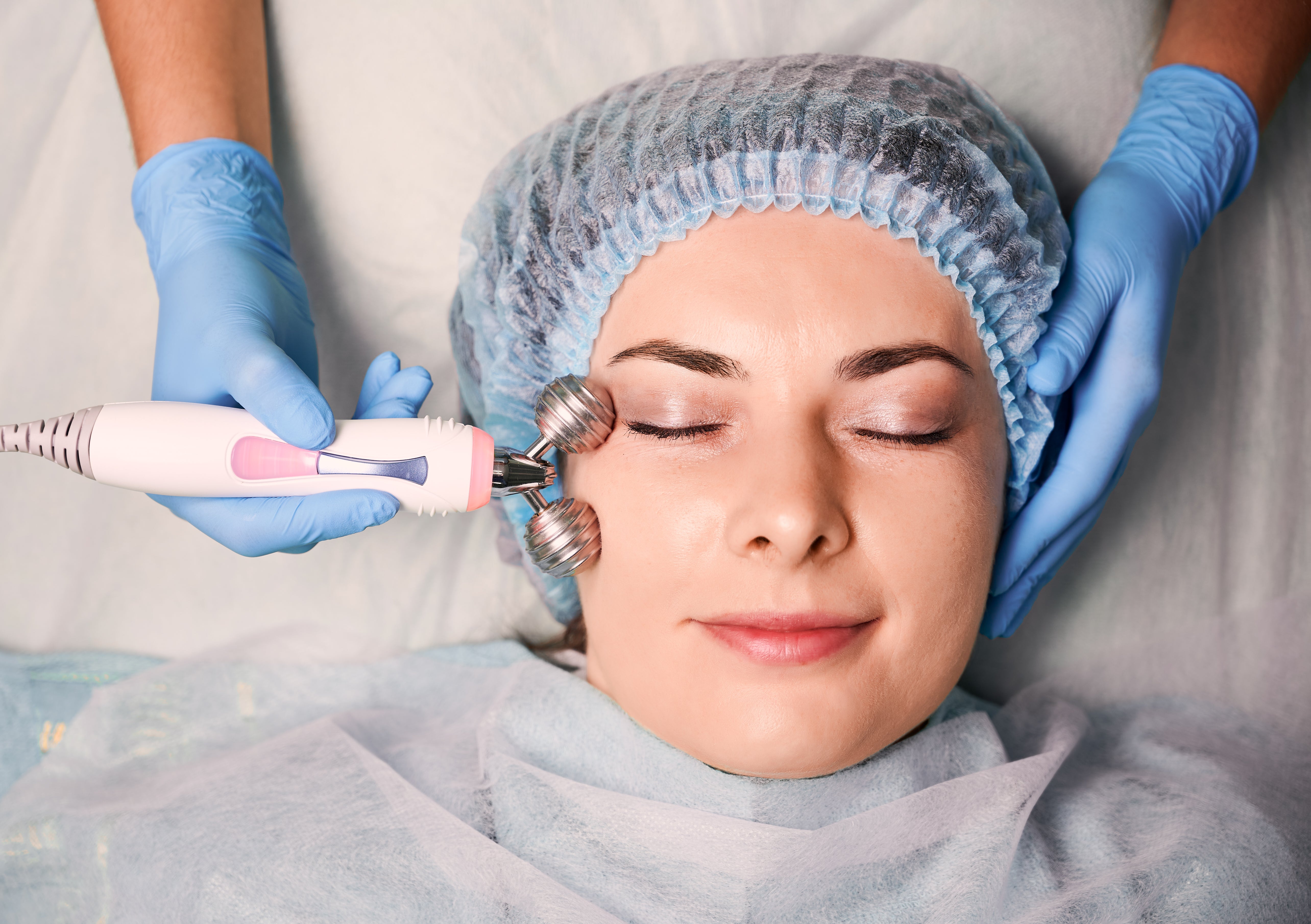
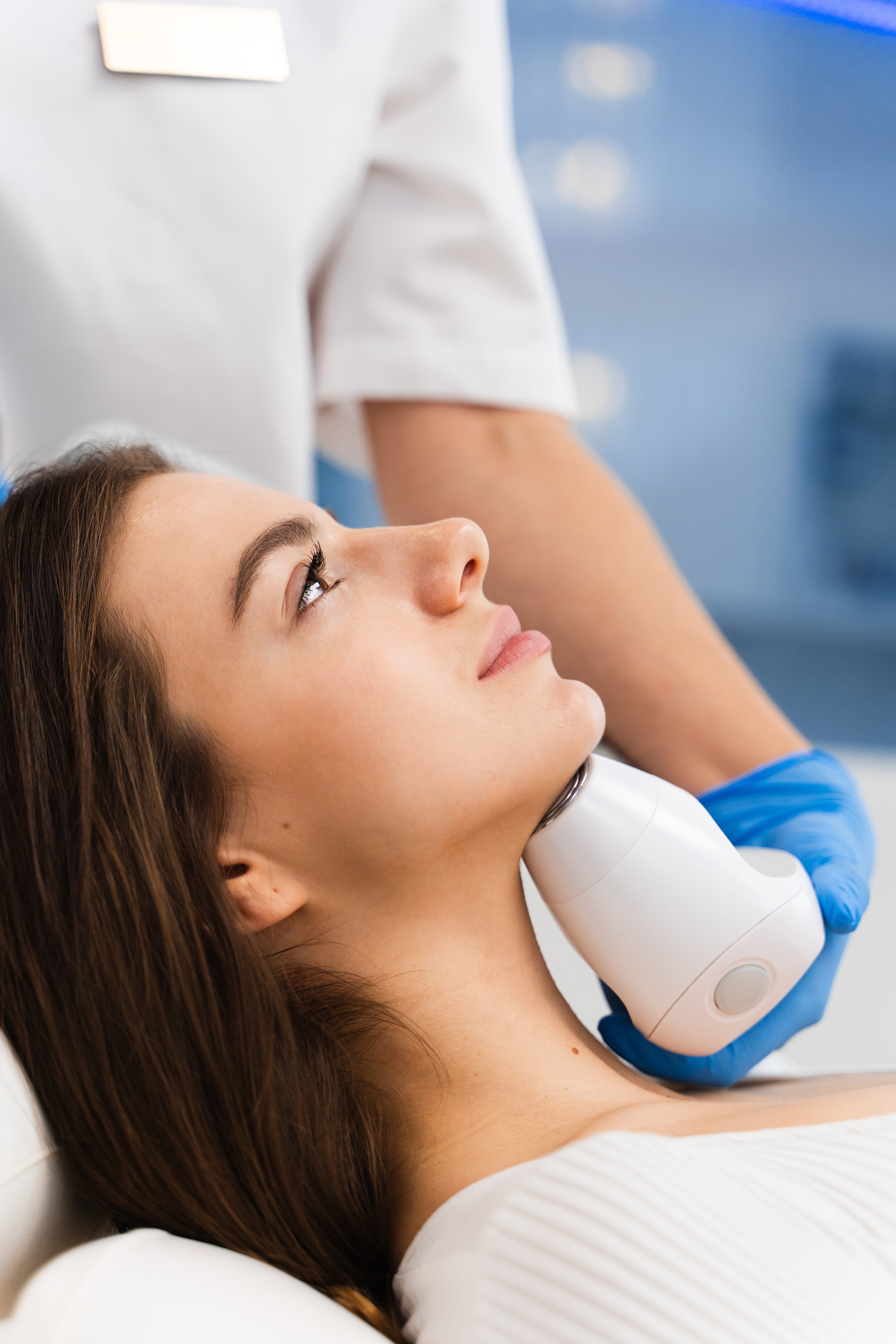
Skin rejuvenation procedures can improve the look and feel of your skin by targeting common concerns such as dullness, uneven tone, and visible texture.
Modern options often combine controlled exfoliation, collagen-supporting techniques, and carefully planned aftercare.
The safest results come from matching a treatment plan to your skin type, goals, and tolerance for downtime.
This guide explains benefits, selection factors, preparation steps, and practical aftercare for a confident decision.
Skin Rejuvenation Procedures: A Practical Guide to Smoother, Clearer-Looking Skin
Skin rejuvenation procedures are professional or clinician-guided options designed to refresh the appearance of the skin. People commonly seek these treatments to address dullness, uneven tone, fine lines, and surface roughness. Because results depend on technique, skin compatibility, and aftercare, a structured plan matters as much as the procedure itself. This article provides a clear, evidence-informed overview to support an informed consultation and consistent daily routines.
Key Benefits
Well-chosen skin rejuvenation procedures can support visible improvement across several skin concerns. Benefits vary by individual and the specific approach, but the overall goals remain consistent.
- Improved skin texture through controlled surface renewal and gentle resurfacing.
- More even-looking tone by reducing the appearance of discoloration and uneven pigmentation.
- Reduced appearance of fine lines as skin quality and structure are supported over time.
- Enhanced radiance from better cell turnover and improved clarity.
- Better product responsiveness after treatment because the skin can absorb supportive skincare more effectively.

Icon set: texture, tone, glow, and fine lines
Step-by-Step Guide
Step 1: Define Your Primary Goal and Skin Profile
Begin by identifying what you want to change most. Examples include brighter-looking skin, reduced look of pores, fewer age-related lines, or improved clarity after blemishes. Next, assess your skin profile: sensitivity level, history of irritation, typical reaction to new products, and current regimen. This step reduces mismatches between treatment choice and real-world skin behavior.
If you have active breakouts, frequent redness, or a history of post-inflammatory marks, discuss timing and treatment sequencing with a qualified professional. Many effective plans combine in-office work with a daily routine that supports barrier health.
Step 2: Learn Your Options Without Overpromising
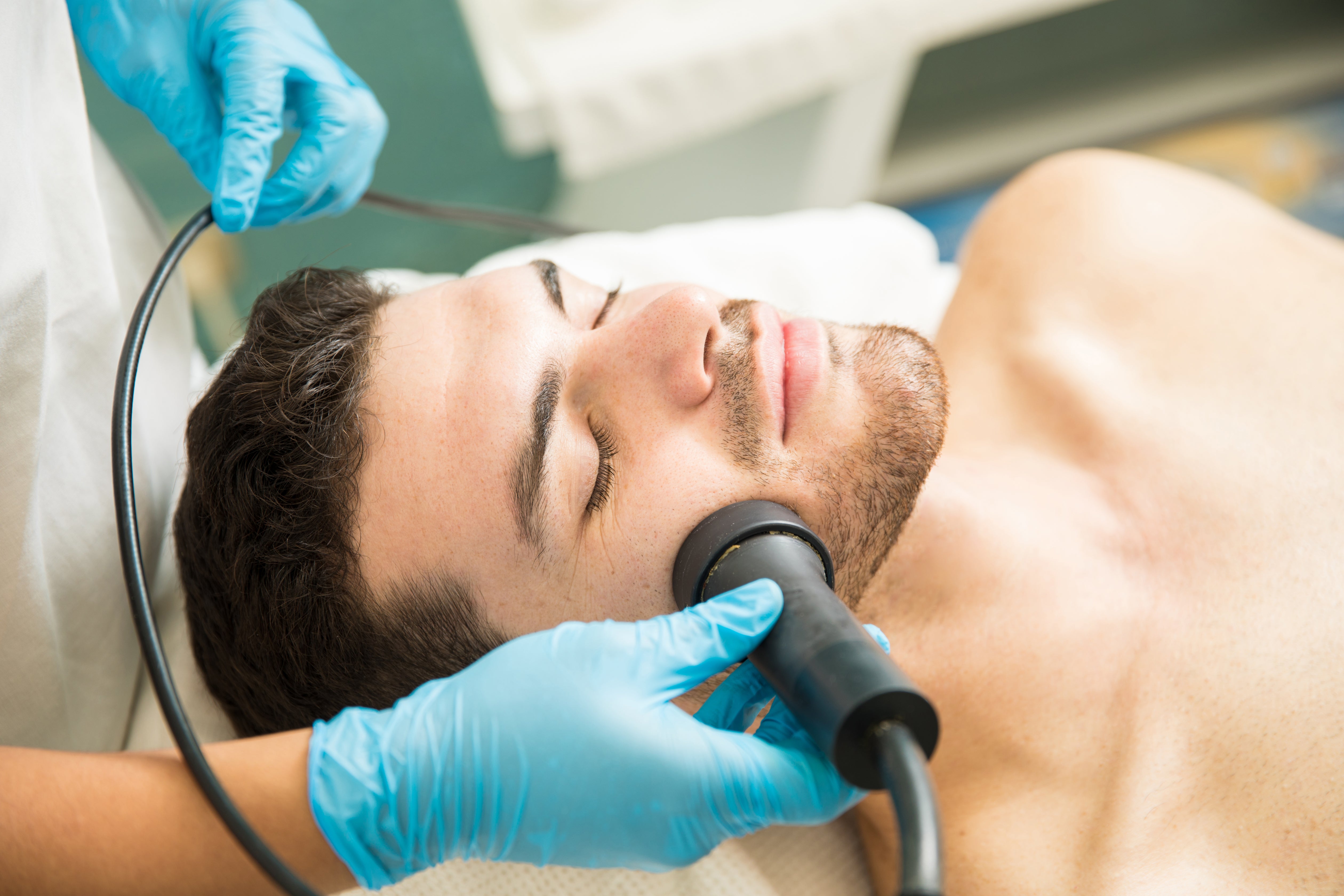
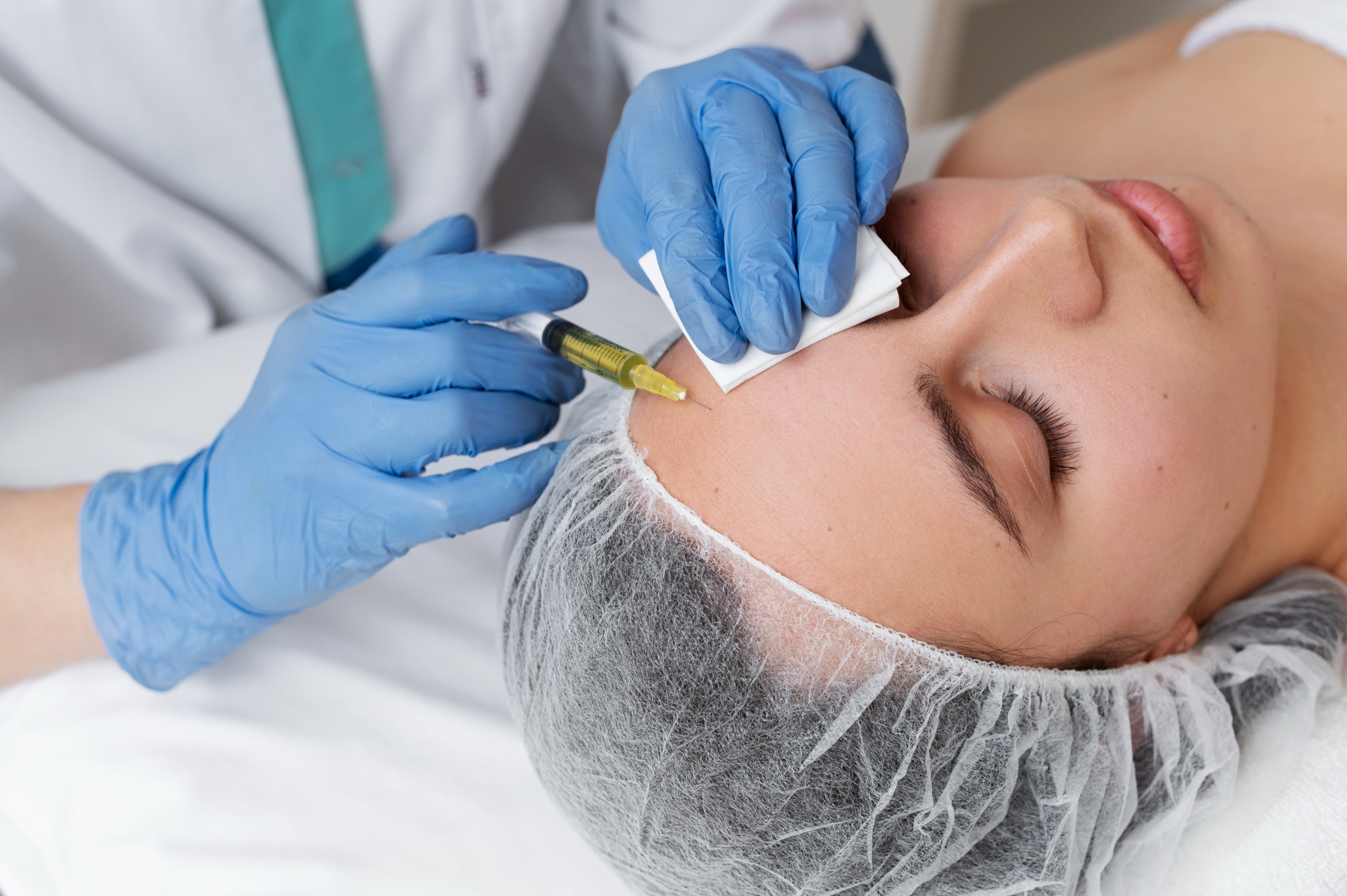
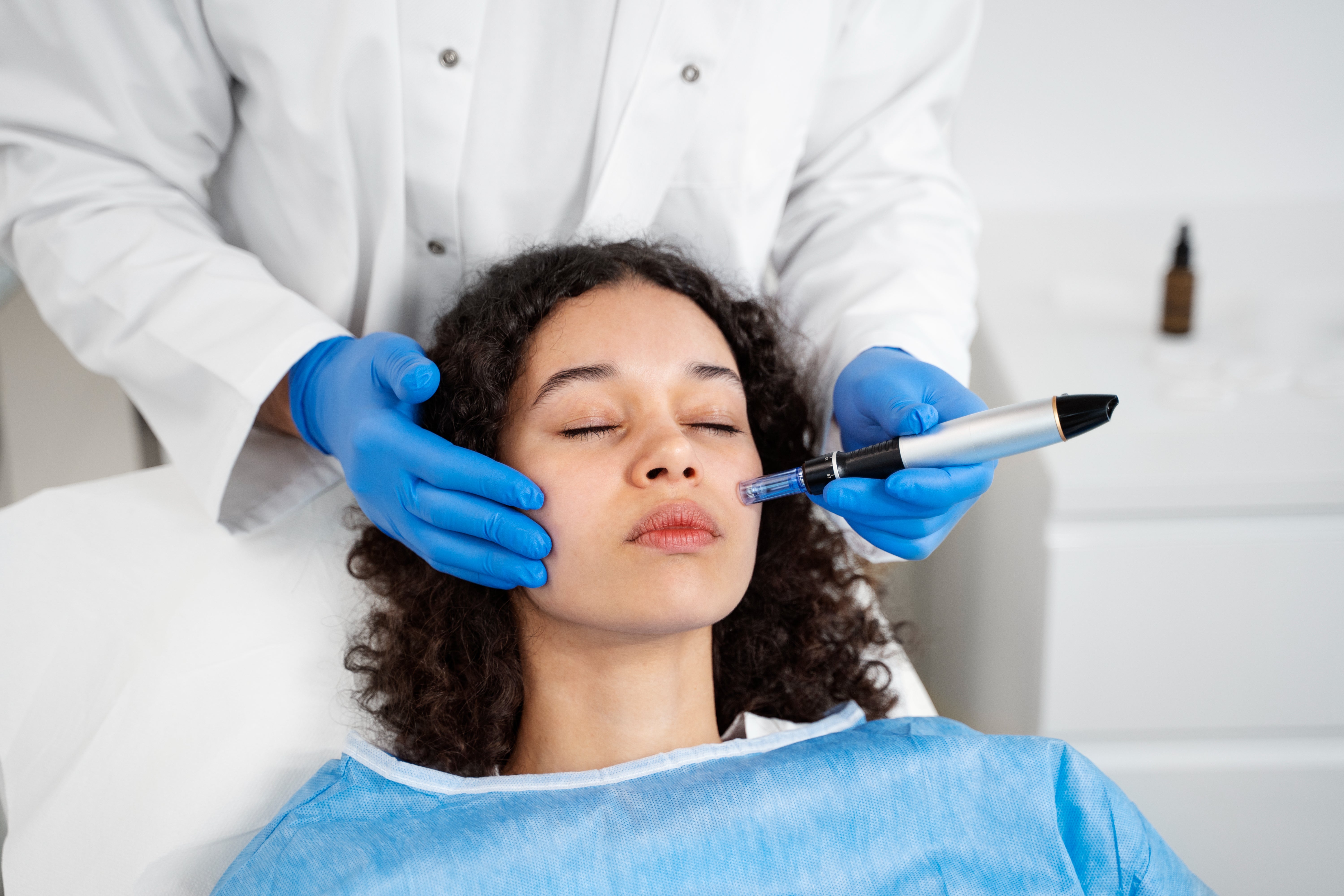
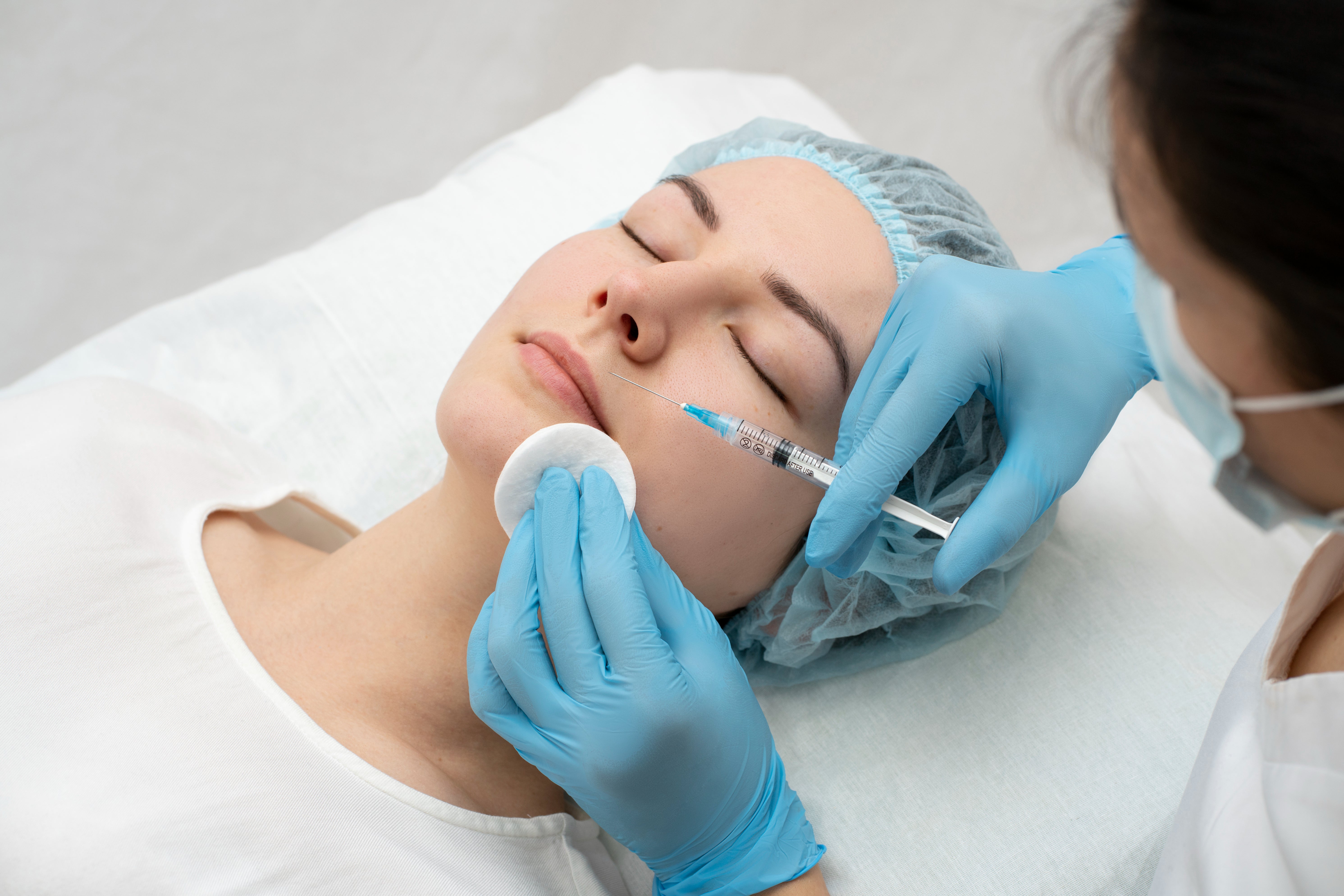
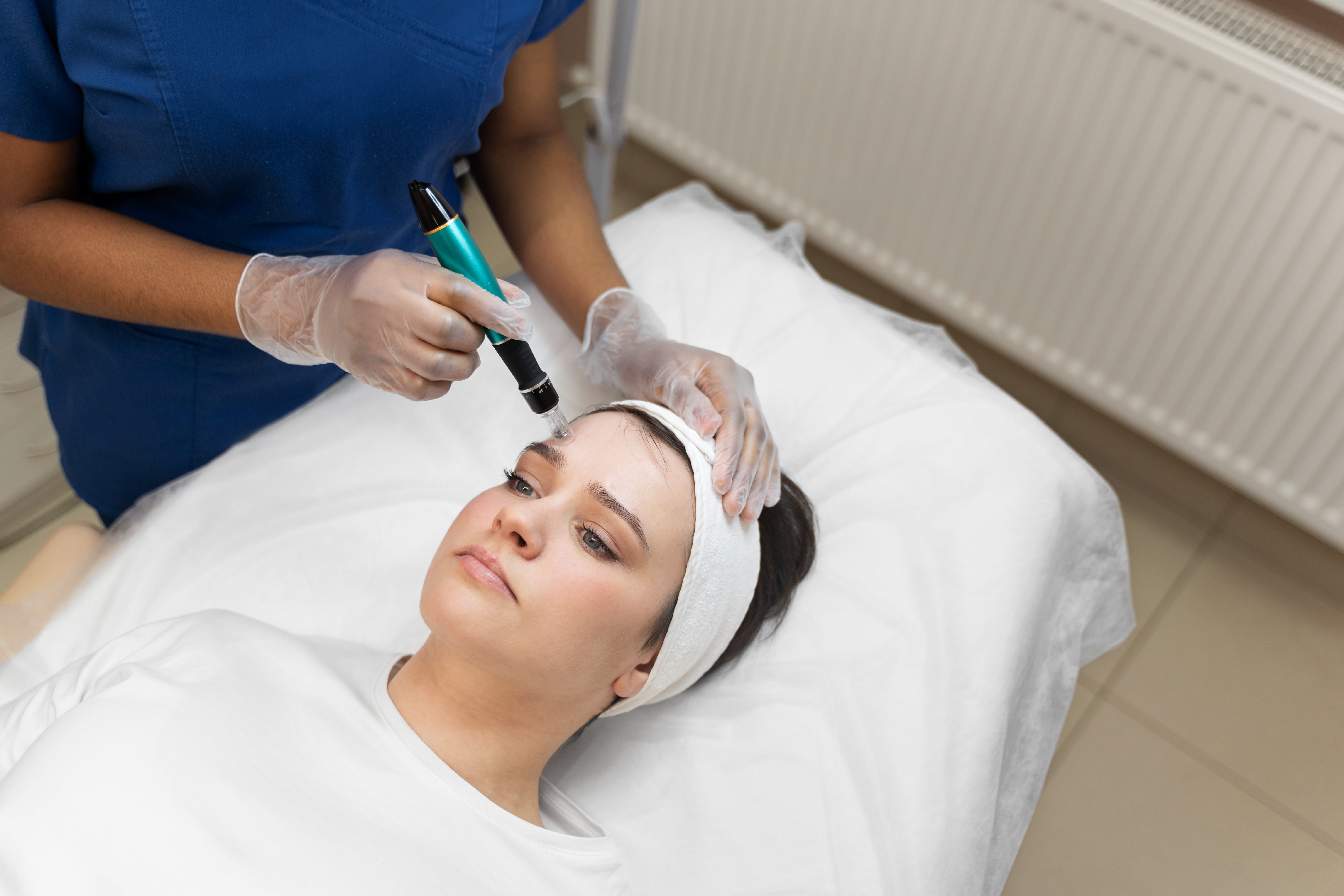
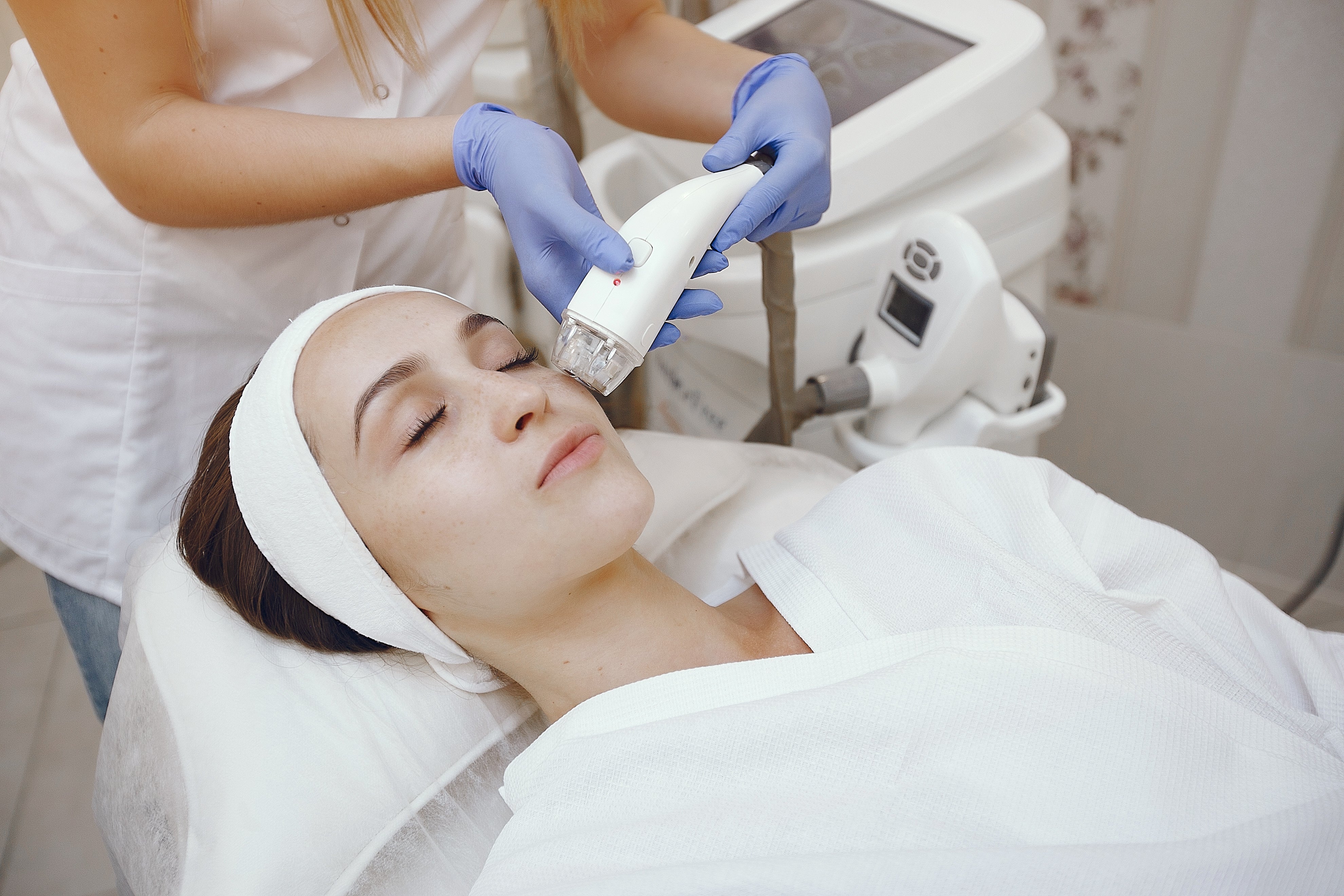
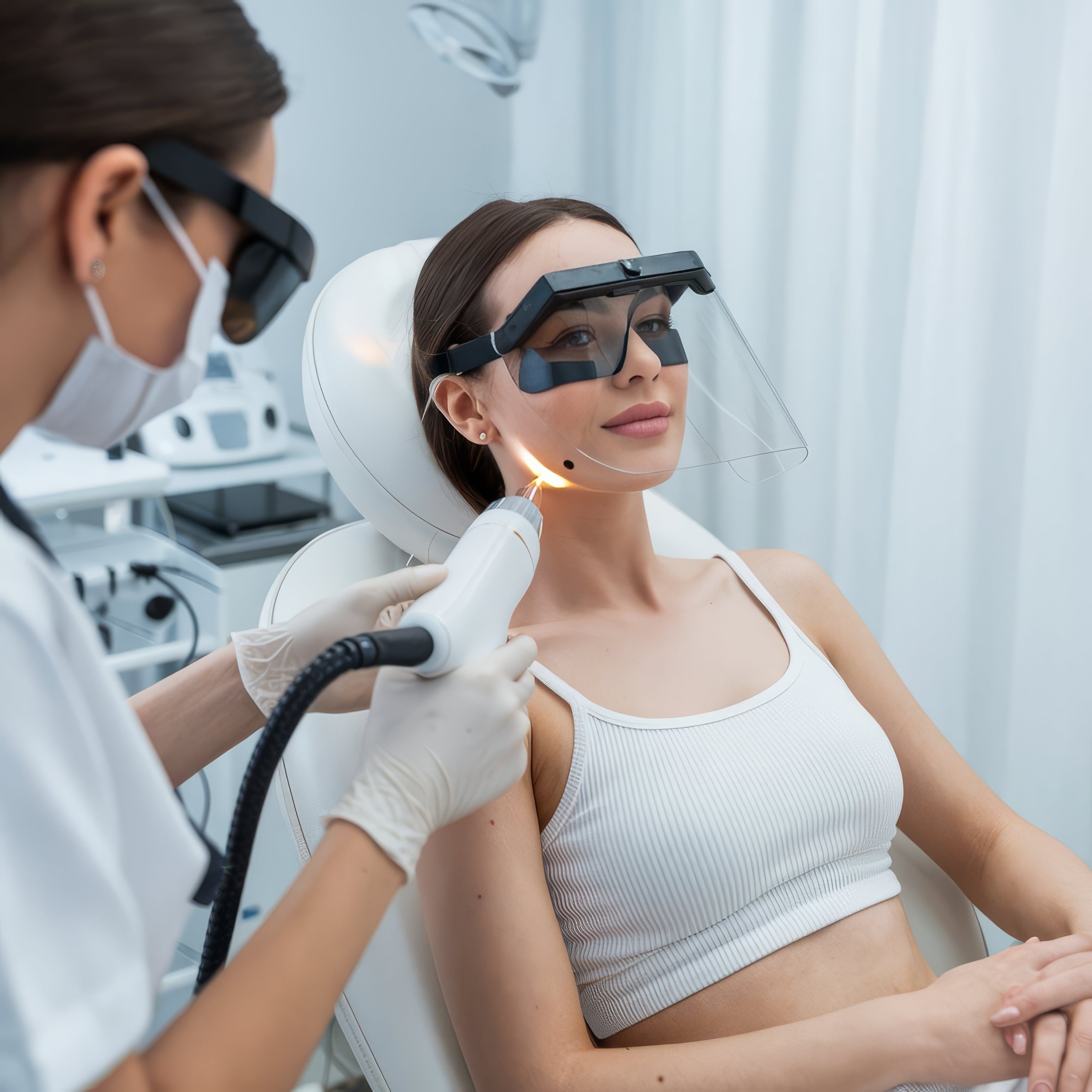
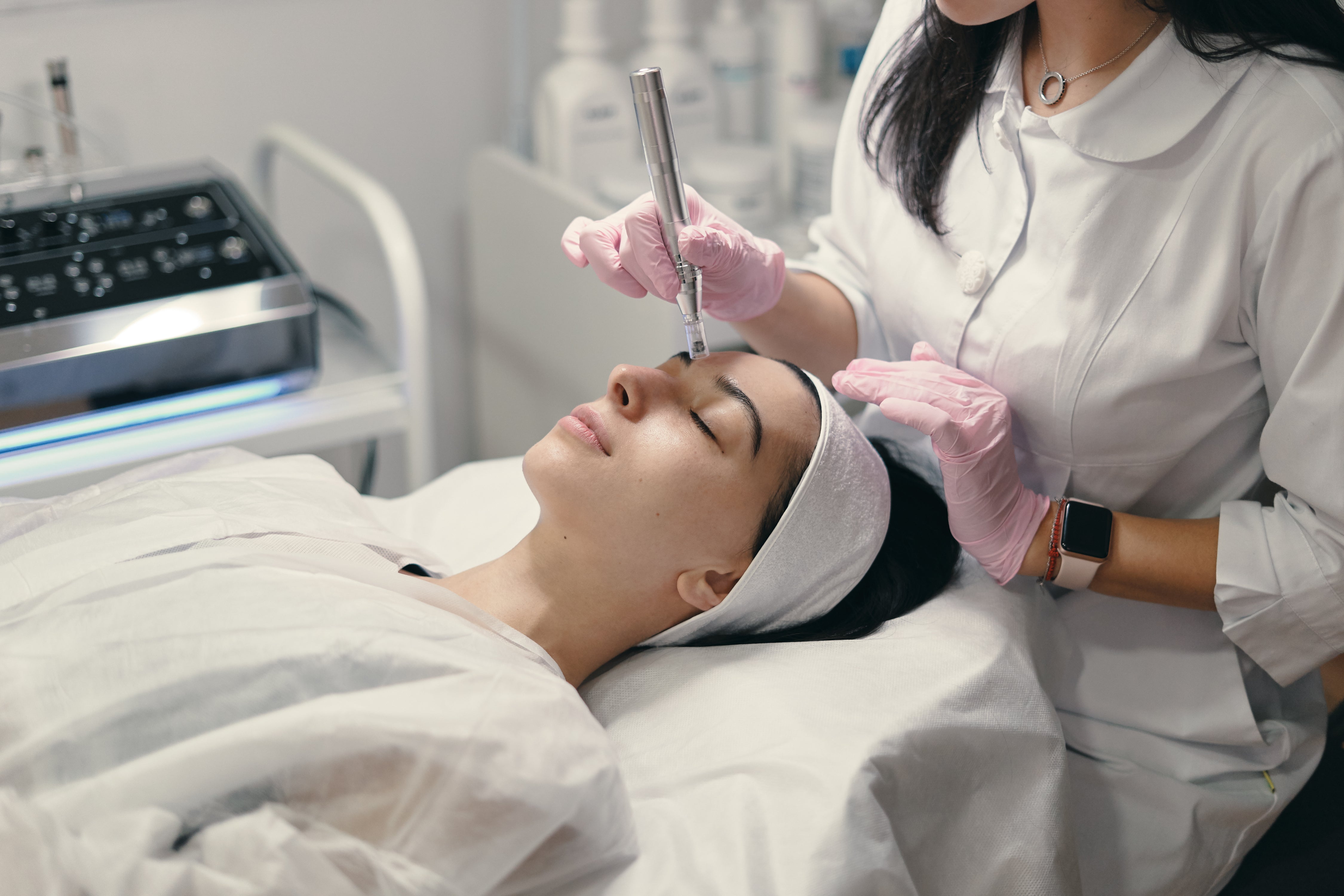
Skin rejuvenation procedures generally fall into categories such as resurfacing methods, controlled exfoliation approaches, and collagen-supporting techniques. Each category targets a different layer of the skin and uses a different mechanism. A credible clinic explains expected outcomes in plain language, outlines potential side effects, and provides clear safety criteria.
Focus on compatibility and realistic goals rather than maximum intensity. Over-treating can increase irritation and slow recovery, which may reduce overall satisfaction.
Step 3: Confirm Safety, Suitability, and Contraindications
Suitability is a key factor. A clinician should evaluate skin type, sun exposure patterns, current skincare, and any previous reactions. Your medical history also matters, particularly if you have a tendency toward abnormal scarring, persistent inflammation, or you are using strong acne medications. Safety screening supports better comfort, steadier recovery, and more predictable results.
If you are unsure about a procedure’s fit, ask about skin testing, conservative settings, and how they adjust plans when the skin becomes sensitive.
Step 4: Prepare Your Skin for Treatment
Preparation commonly includes optimizing barrier function and reducing irritation risk. Many clinicians recommend pausing certain strong exfoliants before the procedure while continuing gentle cleansing and moisturization. The exact instructions depend on the chosen method.
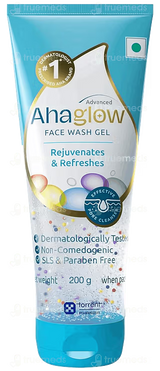
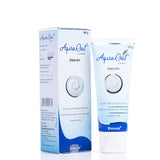
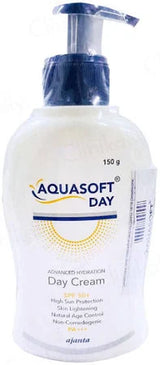
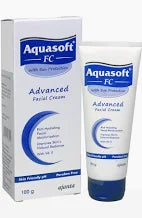
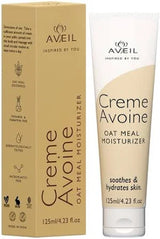
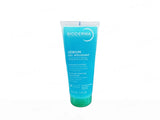
In day-to-day routines, a consistent cleanser and hydrating moisturizer can help your skin tolerate change. Consider using a gentle cleanser such as gentle cleanser and maintaining hydration with a supportive lotion approach, for example hydrating facial lotion, as recommended by your specialist.
Step 5: Choose a Treatment Plan With Clear Aftercare
Aftercare is where consistent improvement often becomes visible. Your plan should include: what to apply, how often to apply it, what to avoid, and how long to follow the modified routine. Sun protection is typically central because ultraviolet exposure can worsen uneven tone and prolong recovery.
For many people, daily sunscreen is not optional during the healing window. A broad-spectrum option such as daily sunscreen can support consistent protection when used as directed. Your clinician should also provide guidance on when to restart specific actives.

Checklist visuals: before, procedure, aftercare, sun shield
Step 6: Use Supportive Skin Care That Matches the Recovery Phase
Supportive skincare should align with your skin’s current condition. During recovery, prioritize calming ingredients and barrier support. After the initial healing period, you may gradually reintroduce targeted actives, such as ingredients that support brightening or oil balance.
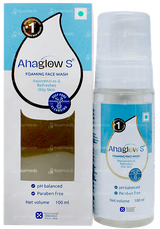
For acne-prone or oily skin, a cleanser designed for oil control may help reduce congestion. You may consider oil control foam wash as part of your routine, especially if your skin tolerates it well. For uneven tone and dullness concerns, a clinician may suggest a carefully chosen brightening approach and a compatible serum plan.
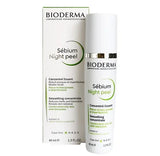
For example, proactive serum may be discussed as part of a structured regimen, depending on individual sensitivity and the chosen procedure. Always introduce products slowly and stop if irritation occurs.
Step 7: Track Outcomes and Adjust the Plan Responsibly
Skin improvement is often gradual. Track changes in brightness, clarity, and texture using consistent lighting and a simple schedule. If you notice persistent redness, swelling beyond expectations, or worsening irritation, contact your clinician promptly.
A responsible follow-up includes adjusting treatment intensity, spacing sessions appropriately, and tailoring home care. This iterative approach supports better long-term satisfaction and helps avoid unnecessary repeat interventions.
Step 8: Maintain Results With Ongoing Habits
Even after excellent in-office work, daily habits protect your investment. Sun protection, gentle cleansing, moisturization, and realistic expectations form the foundation of long-term maintenance. If your skincare plan includes exfoliating or brightening actives, use them at a frequency that supports your barrier rather than overwhelming it.
Also consider lifestyle factors that influence skin quality. Sleep consistency, adequate hydration, and a balanced diet contribute to overall skin resilience. For people with sensitive skin, minimizing unnecessary product changes can reduce flare-ups and support steady improvement.
FAQ Section
How do I choose the right skin rejuvenation procedure for my skin?
Start with your primary concern, such as dullness, uneven tone, or texture. Then match your choice to your skin sensitivity, downtime tolerance, and recovery needs. A qualified clinician can narrow options by evaluating your skin profile, current regimen, and safety factors. The best plan is one that balances goals with realistic outcomes and a clear aftercare method.
What should I avoid before and after treatment?
In general, avoid activities that increase irritation or heat exposure during the recovery phase, and follow your clinician’s instructions on pausing strong exfoliants or actives. After treatment, prioritize gentle cleansing, moisturization, and strict sun protection. If you experience unusual discomfort, persistent swelling, or worsening redness, seek professional guidance rather than continuing the usual routine.
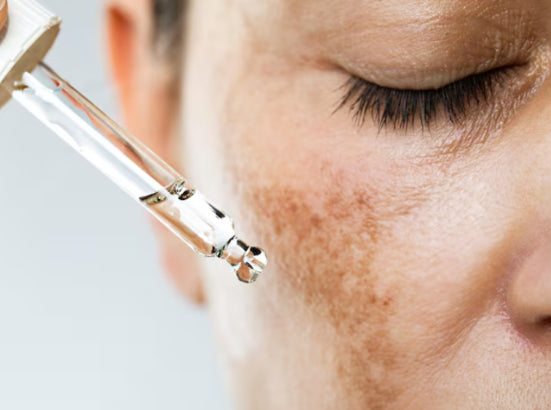
Will skin rejuvenation procedures work for dark spots and uneven tone?
Many skin rejuvenation procedures can help reduce the visible appearance of uneven tone, particularly when paired with consistent sun protection and a carefully chosen skincare regimen. The degree of improvement depends on the cause of discoloration, your skin type, and the procedure selection. A clinician can recommend a plan that considers pigmentation depth, sensitivity, and overall risk.
Summary & Final Thoughts
Skin rejuvenation procedures can support clearer, smoother-looking skin when they are selected thoughtfully and paired with disciplined aftercare. The most reliable results come from matching a method to your goals, preparing the skin responsibly, and maintaining a supportive daily routine with sun protection and barrier-friendly products. If you are planning your next step, consult a qualified professional to design a plan that reflects your skin profile and comfort level. For product support in a routine that emphasizes gentle care and daily protection, explore options at Allodermis.
Disclaimer
This article is for general educational purposes and does not replace medical advice, diagnosis, or treatment. Results vary by individual factors and procedure selection. Consult a qualified clinician for guidance tailored to your skin condition and medical history. Any product references are for convenience and do not imply guaranteed outcomes.
About the Author Section
Author: Allodermis
Bio: Allodermis is an established skincare resource with expertise in dermatology-informed routines, ingredient compatibility, and regimen planning. The team emphasizes evidence-based guidance and practical aftercare frameworks designed to support skin comfort and long-term consistency. For personalized recommendations, seek advice from a qualified professional.


