







































Build Customized Skincare Regimens for Your Skin

Updated on: 2026-06-19
Customized skincare regimens help you choose products and routines that match your skin type, needs, and sensitivity. A well-structured plan improves consistency and reduces common issues like irritation, uneven texture, and barrier disruption. The approach also supports clearer decision-making when new concerns appear. With the right steps, you can build a regimen that is practical, measurable, and sustainable.
Table of Contents
- Introduction: Why Personalized Care Matters
- How to Build Customized Skincare Regimens
- Customize by Skin Type and Skin Concerns
- Ingredient Selection Framework
- Patch Testing and Routine Adjustment
- Common Mistakes to Avoid
- How to Track Progress Without Overreacting
- Next Steps: Make Your Plan Actionable
- FAQ
- Closing Thoughts
- About the Author
Introduction: Why Personalized Care Matters
Customized skincare regimens are built on a simple principle: skin varies, and so should the routine. Two people can share a concern such as dryness or breakouts, yet their triggers, sensitivity levels, and barrier condition may be different. When a routine is generic, the results are often unpredictable. You may experience dryness from over-cleansing, irritation from overly strong actives, or a lack of improvement due to inconsistent use.
A structured plan helps you reduce uncertainty. It also supports a logical product order and a realistic schedule for morning and evening care. Instead of guessing, you assess your skin baseline, select products that match that baseline, and adjust based on what your skin actually tolerates. This method is especially valuable when you are balancing multiple goals, such as hydration, oil control, and gentle brightening.
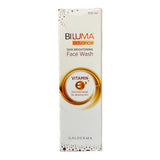
If you want an example of how formulation choices can align with different needs, consider browsing categories on gentle cleansers and non-greasy sun protection. The right cleanser and sunscreen can strengthen your routine foundation before you add targeted steps.
How to Build Customized Skincare Regimens
To build a dependable plan, follow a sequence that prioritizes barrier health, consistent cleansing, and sun protection. Then add targeted actives slowly. The goal is not to add more products, but to add the right products in the right order and frequency.
-
Assess your skin baseline. Note how your skin behaves across a typical week. Pay attention to tightness after washing, visible flaking, shine levels in the T-zone, and how quickly redness appears.
-
Define primary goals. Choose one or two top priorities, such as oil control, hydration, brightening, or acne support. Multiple goals are possible, but starting narrow helps you evaluate results.
-
Choose a gentle cleanser. Look for a cleanser that removes impurities without leaving the skin feeling stripped. If your skin feels tight after cleansing, your regimen likely needs a gentler approach.
-
Use moisturizer appropriate to your texture. Decide between light gel textures and richer creams based on comfort, seasonal changes, and sensitivity.
-
Apply daily sun protection. Sunscreen is a routine requirement for most skin concerns. Use it every morning as the last step in your skincare sequence.
-
Add targeted treatments gradually. Introduce one active at a time. Start at a low frequency, such as every other night, then increase only if your skin remains comfortable.
-
Keep a consistent order. Apply products from thinnest to thickest. Serums typically come before creams. Sunscreen remains the final step in the morning.

Visual guide: cleansing, moisturizing, sunscreen layers
Customize by Skin Type and Skin Concerns
Skin type is a helpful starting point, but skin condition is often more important. A person may be naturally oily yet experience dryness from harsh products. Another person may be naturally dry but become congested due to occlusive habits. Customized skincare regimens account for both.
Oily and acne-prone skin
For oilier skin, the priority is to manage sebum without over-drying. Choose a cleanser that supports a clean feel, then use a moisturizer that does not cause excessive heaviness. Add acne support treatments carefully, especially if you are using exfoliating or antibacterial ingredients.
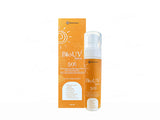
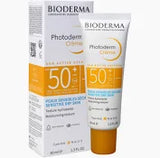
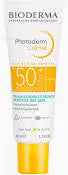
For sun protection that supports acne-prone routines, consider exploring acne UV gel SPF 50. A well-formulated daily sunscreen can help you protect skin while keeping a more comfortable finish.
Dry and sensitive skin
For dryness, the regimen must protect the skin barrier. Focus on gentle cleansing, consistent moisturizing, and avoidance of frequent switching. If you add actives, start slowly and choose formulas designed for sensitive use.
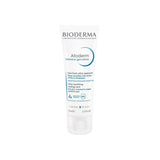
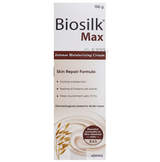
To support hydration, you can explore hydrating lotion. A moisturizer that feels supportive can reduce irritation when you introduce other steps.
Uneven tone and dullness
For uneven tone, the approach must include both brightening support and consistent sun protection. Many brightening routines fail because sunscreen is used inconsistently. If your skin tolerates it, introduce brightening serums and keep the schedule steady.
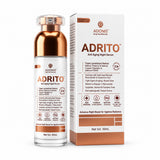
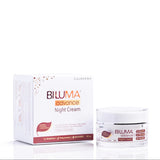
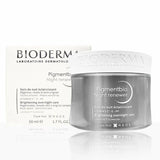
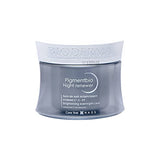
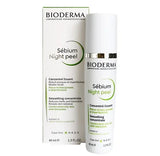
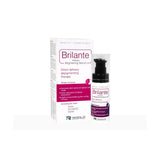
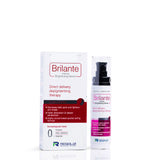
You may find useful options on night brightening care and other targeted serums. The key is to match the formula with your skin tolerance and to change only one variable at a time.
Ingredient Selection Framework
Customized skincare regimens should be ingredient-led, but not ingredient-obsessed. A practical ingredient framework can reduce confusion. Consider four categories: cleansing, hydration and barrier support, targeted treatments, and protective care.
1) Cleansers and comfort
A cleanser should remove daily impurities and support a comfortable barrier. If you experience stinging, redness, or immediate tightness after washing, your cleanser may be too harsh for your current skin state. In many routines, a gentle cleanser is the baseline step that makes everything else work better.
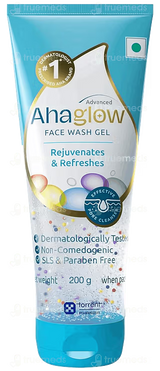
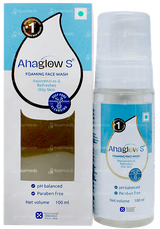
For example, you can review options like gentle cleanser to help stabilize the cleansing stage before you add treatments.
2) Moisturizers and barrier support
Moisturizers reduce transepidermal water loss and support comfort. When your skin barrier is stable, actives tend to feel less irritating. Select a texture that matches your skin’s preference, and keep the formula consistent during your evaluation period.
3) Targeted treatments
Targeted treatments often include actives that address specific concerns, such as dark spots, visible pores, or blemish-related marks. However, a successful regimen usually relies on careful frequency, gradual introduction, and compatible product layering. If you combine multiple strong actives too quickly, you may increase redness and reduce long-term adherence.
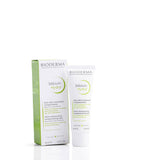
When choosing a treatment, consider whether your skin concern is primarily related to barrier disruption, congestion, or tone. For acne-related concerns and a supportive routine, you may look at acne-focused options such as proactive serum and evaluate tolerance step-by-step.
4) Sun protection and daily consistency
Sunscreen is not an optional step when your goals include uneven tone or visible marks. Even when your skincare targets help, sun exposure can slow visible improvement. For daily use, select a sunscreen texture that you will actually apply consistently.
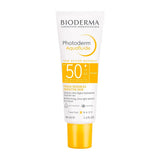
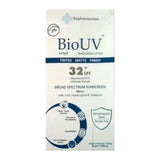
For people who prefer a smoother, proactive feel, consider reviewing daily sunscreen SPF 50 PA. The best sunscreen for customized skincare regimens is the one that fits your routine and comfort needs.

Ingredient categories: cleanser, treatment, moisturizer, sunscreen
Patch Testing and Routine Adjustment
Even when ingredients are widely tolerated, individuals respond differently. Customized skincare regimens should include a structured testing method. The aim is to reduce the chance of widespread irritation and to identify which change caused a reaction.
Patch test approach
Choose a small area, such as along the jawline or behind the ear. Apply the product as you would normally, then observe for signs of redness, burning, swelling, or persistent discomfort. If any of these occur, discontinue use. If you have very sensitive skin, test more than one product individually before combining them.
Introduce one change at a time
When you adjust a regimen, change only one variable. If you add a new cleanser and a new treatment during the same week, you cannot determine which product helped or which caused irritation. One change at a time supports clearer decisions.
Increase frequency based on comfort
Actives often work through gradual skin adaptation. If your skin feels stable, you can slowly increase frequency. If you experience dryness, tightness, or persistent redness, reduce frequency or pause the active until comfort returns.
In practical regimen planning, many people benefit from a “simplify first” approach: keep cleansing and moisturizing consistent while you evaluate a new active. After tolerance is established, you can refine the plan.
Common Mistakes to Avoid
Changing products too often. Frequent switching prevents meaningful evaluation. Consistency is required for both comfort and results.
Skipping sunscreen. Sun exposure can undermine tone-related goals and contribute to new visible discoloration.
Over-cleansing. Stripping the skin barrier can increase dryness, sensitivity, and rebound oiliness.
Stacking strong actives immediately. Combining multiple treatments too quickly often leads to irritation and reduced adherence.
Ignoring moisturizer needs. Even acne-prone skin often benefits from a suitable moisturizer that supports comfort.
Using products that do not match the season. Humidity changes, temperature changes, and indoor heating can shift skin behavior.
How to Track Progress Without Overreacting
Customized skincare regimens improve when you measure outcomes thoughtfully. Instead of reacting to day-to-day variation, track patterns. Use simple, observable markers.
Comfort. Note whether skin feels stable after cleansing and whether you experience stinging during routine steps.
Texture. Observe whether roughness, dryness, or flaking decreases over time.
Breakouts. Track frequency and severity rather than day-to-day fluctuations.
Visible marks and tone. Look for gradual improvement rather than immediate change.
If a concern worsens after introducing a new step, pause the change and return to your previous baseline routine. Your objective is long-term tolerability and consistent use.
Next Steps: Make Your Plan Actionable
If you want to implement customized skincare regimens with less guesswork, start by selecting a reliable cleanser, a suitable moisturizer, and an everyday sunscreen that match your skin’s comfort. Then add one targeted step at a time. This method supports clearer results and stronger adherence.
To refine your lineup, you can explore additional options on the Allodermis website. For cleansing and barrier-friendly starts, visit gentle cleanser options. For daily acne-safe sun routines, review SPF 50 for acne-prone skin. For hydration and comfort, consider rich facial hydrating lotion. For treatment sequencing, you can also compare proactive serum based on your primary concern.
Choose the steps that fit your routine and your tolerance. Once you have a stable foundation, your regimen becomes easier to maintain and easier to evaluate.
FAQ
How long does it take to see results with customized skincare regimens?
Results vary by skin concern, product type, and consistency. Many improvements, such as reduced dryness or improved comfort, can appear earlier when the routine supports barrier health. Tone-related and deep texture changes often require more consistent use and gradual adjustment. The best practice is to track patterns and evaluate one change at a time.
Can I combine a brightening serum with acne support products?
Yes, it is often possible, but the sequence and frequency matter. If you combine treatments, introduce one product first, establish tolerance, then add the second step. Start with lower frequency and focus on comfort. If redness or irritation appears, simplify the routine and reintroduce changes gradually.
What should I do if my skin becomes irritated after changing my routine?
Stop the most recent change and return to your baseline routine using gentle cleansing, supportive moisturizing, and daily sun protection. Avoid adding new actives until skin comfort returns. Consider reducing frequency for future additions and patch test any new products before full use.
Closing Thoughts
Customized skincare regimens are most effective when they are consistent, simple, and tailored to your skin’s actual needs. When you prioritize barrier health, use sun protection daily, and introduce targeted actives gradually, your routine becomes more predictable and easier to sustain. Start with a stable foundation, then refine based on comfort and observed outcomes. Take action now by choosing one improvement to apply to your next routine and follow it consistently.
About the Author
Allodermis develops skincare guidance grounded in dermatology-informed principles and consumer-focused routine design. The team focuses on ingredient compatibility, barrier support, and practical regimen structure for diverse skin types. The expertise spans facial care education, routine sequencing, and sensitivity-aware planning. Thank you for taking the time to build a more deliberate approach; your skin improves when your routine is consistent.
Disclaimer: This article is for general educational purposes and does not provide medical advice. Individual skin needs vary. If you have a skin condition, severe irritation, or persistent symptoms, consult a qualified healthcare professional or dermatologist before making changes to your routine.
Authors & medical review
Swaraj Dhar is a sociopreneur, technologist, and the co-founder of Allodermis.
Every article is fact-checked against current peer-reviewed dermatology literature and Allodermis clinical protocols.
This article was last reviewed and updated on . Published .
Have a skin or hair concern?
Book a free consultation with our AIIMS MD dermatologists. Clinics in Bhubaneswar, Gurgaon, and Delhi NCR.