































































Updated on: 2026-05-21
A dermatologist office in Bhubaneswar can support skin health through careful assessment, evidence-based care, and ongoing guidance. The right clinic helps you choose safe routines for daily cleansing, sun protection, and targeted treatment. Many people struggle because they self-treat, skip follow-ups, or use mismatched products. This guide explains common challenges, compares practical options, and offers clear recommendations for choosing a clinic and building an effective plan.
1. Why Choose a Dermatologist Office in Bhubaneswar
2. What to Expect During Your First Visit
4. Comparison: Clinic Features That Matter
5. How to Build a Skin Care Plan After the Visit
Why Choose a Dermatologist Office in Bhubaneswar
If you are searching for a dermatologist office in Bhubaneswar, you likely want consistent answers and a plan that fits your skin and lifestyle. A specialist clinic matters because skin conditions often have multiple triggers, and the correct approach depends on accurate identification. A structured assessment helps reduce guesswork and supports long-term skin stability.
In addition, many concerns that people treat as separate problems are actually connected. For example, barrier weakness can worsen dryness, sensitivity, and uneven texture. Sun exposure can amplify discoloration. Inflammatory conditions can also change how products feel on the skin. A dermatologist office in Bhubaneswar can connect these patterns and guide you toward an approach that is both practical and safe.
Another advantage is continuity. A clinic can review progress, adjust routines, and address side effects early. This is important because many effective routines require patience and correct product layering. When you use the right plan consistently, outcomes are more predictable.
What to Expect During Your First Visit
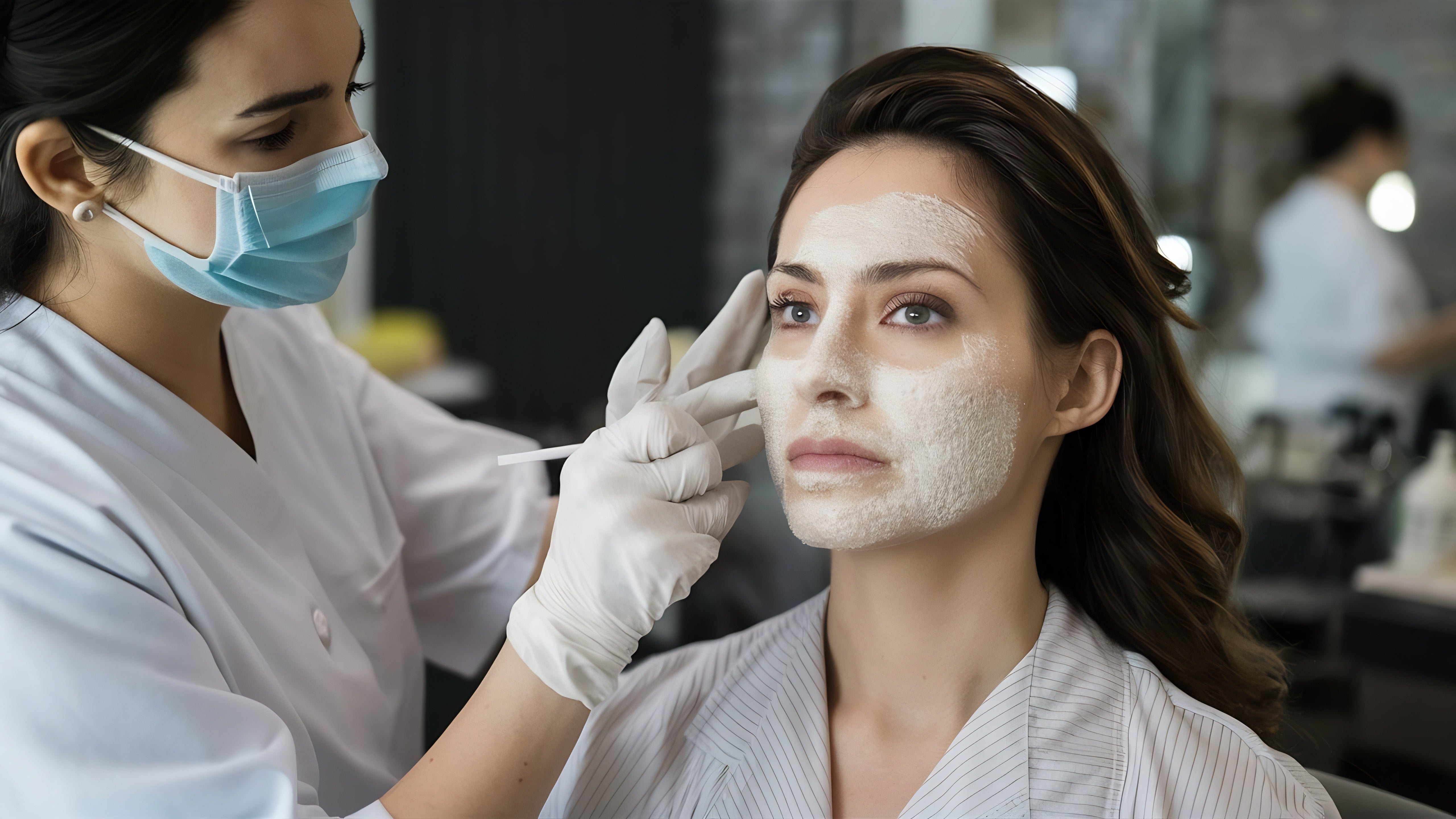
Your first visit should focus on understanding your history, current symptoms, and product use. A qualified dermatologist typically asks about the duration of your concern, changes in routine, skin care habits, and any prior treatments. You may also be asked about acne triggers, hair and scalp symptoms, and how your skin reacts to sun and weather.
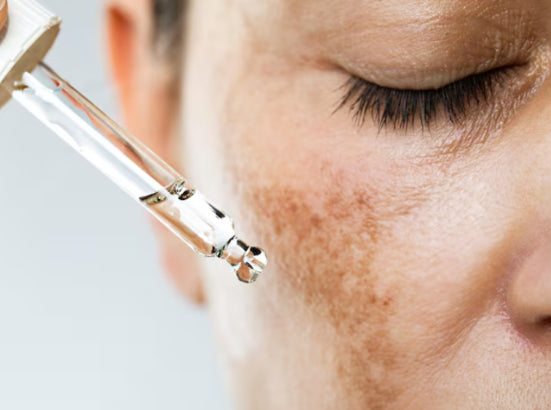
Many clinics use simple diagnostic tools such as dermatoscopic evaluation for specific conditions. If your concern involves pigmentation, a specialist may also examine how it changes across lighting. The goal is not only to label the problem, but also to determine the type and severity.
After assessment, you should receive a clear plan. A good plan often includes a gentle cleanser, appropriate moisturizer, and sun protection steps, plus targeted therapy if needed. It should also include realistic timelines for improvement, along with advice on what to avoid. If the clinic cannot explain the logic behind the plan, it may be a sign that you need a more structured evaluation.

Clinic visit checklist and skin assessment symbols
Common Challenges
Even with a good clinic, skin progress can stall if expectations are unrealistic or if the routine is not aligned with the condition. Below are common challenges and solutions you can discuss with your dermatologist office in Bhubaneswar.
Challenge 1: Self-treatment without diagnosis
Many people begin with random product combinations, hoping to “cover” symptoms. This can irritate the skin and make it harder to identify the true cause. A solution is to request a clear diagnosis and ask which features match your skin condition. When the diagnosis is clear, the plan becomes easier to follow and safer to adjust.
Ask whether your concern is mainly inflammatory, barrier-related, infectious, or pigment-focused. Each category responds differently. Your clinic should also help you decide which steps are essential and which steps are optional.
Challenge 2: Over-cleansing or aggressive exfoliation
Over-cleansing can disrupt the skin barrier and increase sensitivity. Aggressive exfoliation can lead to dryness and visible irritation. A solution is to use a gentle cleanser and limit exfoliation to what your dermatologist recommends. If your skin stings after cleansing, reduce frequency and simplify your routine.
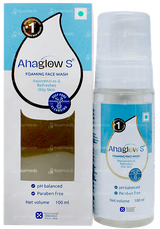
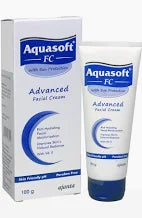
To support barrier-friendly cleansing, you can consider a gentle option such as Gentle cleanser for daily washing. Consistent, low-irritation cleansing is often the foundation of successful treatment.
Challenge 3: Skipping sun protection
Sun exposure is a major factor for pigmentation changes and worsening of uneven tone. Skipping sunscreen also undermines many treatment goals. A dermatologist office in Bhubaneswar can recommend a method that fits your skin type, including texture preferences and sweat tolerance.
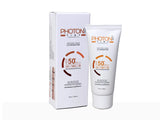
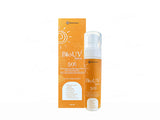
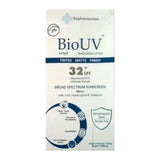
For daily sun protection, consider a product like SPF gel suitable for acne-prone skin or another clinician-approved option. The key is consistent application and adequate coverage, not the brand alone.
Challenge 4: Product incompatibility and layering errors
Some active ingredients can increase irritation when used too soon or combined incorrectly. Layering mistakes often lead to redness, itching, or peeling, which then causes people to stop treatment. A solution is to build the routine step-by-step.
For example, your dermatologist may recommend starting with one active at a time, using moisturizers to support tolerance, and introducing other steps after the skin stabilizes. If you already use multiple serums, bring them to the clinic so the specialist can map out a safe sequence.
Challenge 5: Lack of follow-up and unclear goals
Skin care timelines vary by condition, but progress should still be measurable. Without follow-up, it is difficult to know whether a routine is working or whether adjustments are needed. A solution is to schedule a review and document changes in your skin. When you track triggers such as stress, sleep, and weather, your clinic can refine the plan more effectively.
Comparison: Clinic Features That Matter
Not all dermatology practices operate the same way. Instead of focusing only on proximity, evaluate clinic features that support safe, consistent care. Below is a practical comparison framework.
| Feature | What Good Looks Like | Why It Matters |
|---|---|---|
| Structured assessment | Clear history taking, targeted examination | Supports accurate diagnosis and a rational plan |
| Skin barrier focus | Gentle cleansing and appropriate moisturization | Improves tolerance and reduces flare-ups |
| Sun protection guidance | Recommendation for daily SPF and reapplication advice | Reduces pigment recurrence and worsening |
| Transparent treatment goals | Explains what to expect and what to monitor | Reduces anxiety and supports adherence |
| Follow-up plan | Review schedule and adjustment approach | Improves outcomes and safety |
How to Build a Skin Care Plan After the Visit
After your consultation, your routine should be simple enough to sustain and targeted enough to improve your condition. The best plans usually follow a logical order. First comes gentle cleansing. Next comes moisturizing for barrier support. Then comes sun protection daily. Targeted therapy comes last, based on your dermatologist’s advice.
Step 1: Choose a gentle cleanser and maintain consistency
A mild cleanser helps remove dirt and excess oil without stripping the barrier. If you use actives, cleansing becomes even more important. Look for a cleanser that leaves the skin feeling comfortable rather than tight.
If you want a product direction, you may discuss options such as oil-control foam cleansing if your skin is oily, while still keeping irritation low.
Step 2: Use moisturizer strategically for tolerance
Moisturizer is not only for dryness. It supports barrier function, reduces irritation, and improves product tolerance. For many people, the right moisturizer allows them to continue active treatment without discomfort.
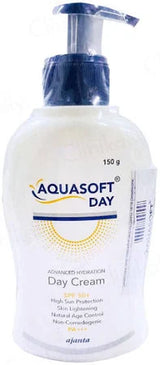
If you need a hydration-focused lotion, you can review hydrating facial lotion with your dermatologist to match your skin needs.
Step 3: Apply sun protection every day
Sunscreen should be part of the plan even when the skin condition seems stable. Consistency reduces the risk of pigmentation worsening and supports longer-term improvement. Ask your dermatologist office about the best SPF format and how to apply it for daily coverage.
For acne-prone or combination skin, a gel texture is often easier to tolerate. For sensitive skin, a gentle formulation may be more appropriate. Regardless of texture, the goal is regular use and adequate amount.
Step 4: Introduce targeted treatments with guidance
Targeted therapy depends on your diagnosis. For acne concerns, you may need a routine designed to reduce inflammation and prevent clogging. For pigmentation, you may need an approach that addresses tone changes safely. For sensitivity and redness, you may need barrier-first support before introducing stronger actives.
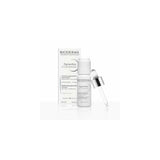
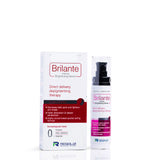
Clinics often recommend a proactive serum or an active ingredient schedule based on tolerance. For example, you may discuss options like proactive serum guidance if it aligns with your dermatologist’s assessment.

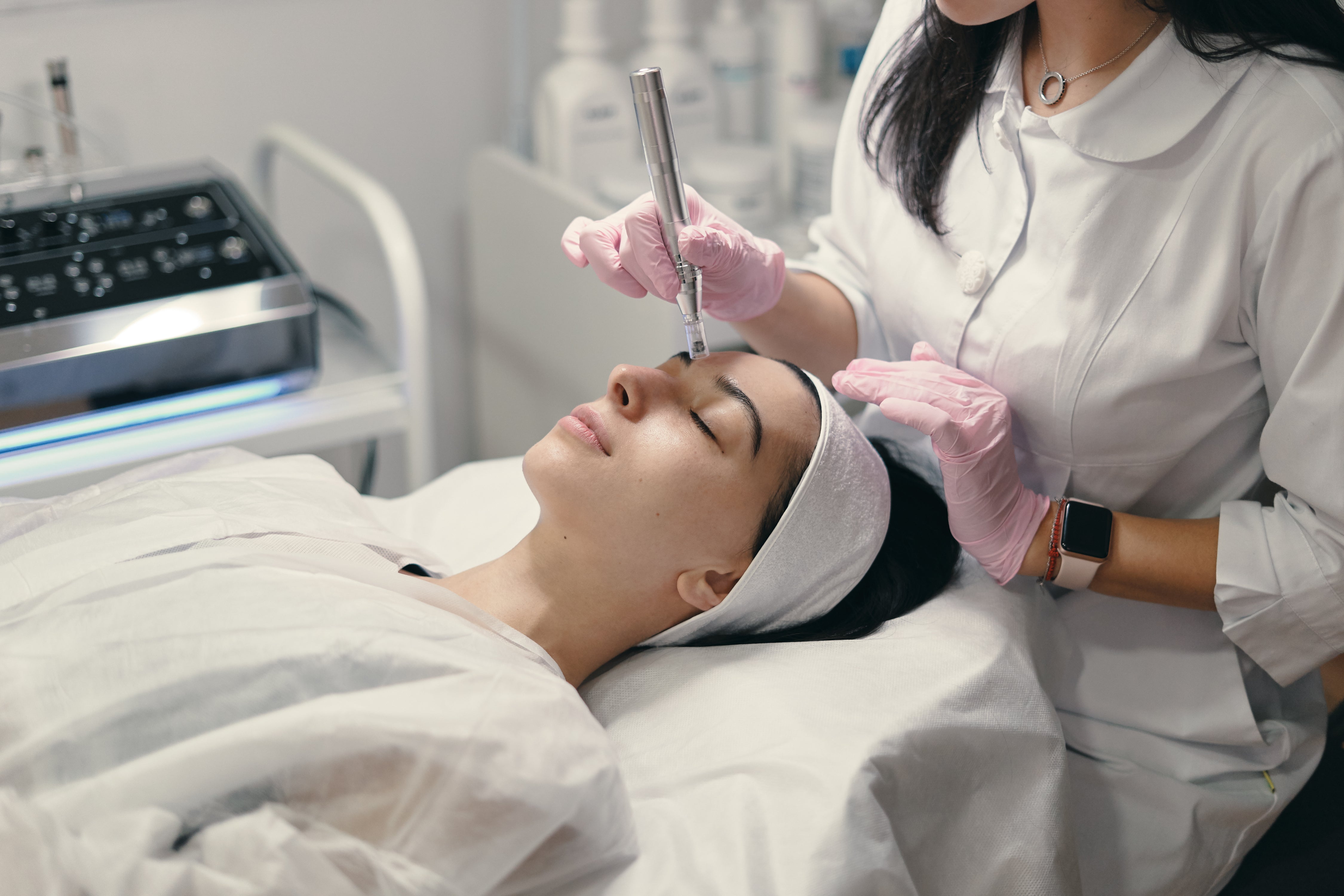
Layering routine steps: cleanse, moisturize, protect
Practical Tips for Ongoing Progress
After the first few weeks, skin can look better, but it may also fluctuate. That does not always mean your routine is failing. Many conditions improve gradually and can show temporary changes during adaptation. Your dermatologist can help you interpret these changes and determine whether to continue, adjust, or pause.
Here are additional, clinician-aligned habits that support outcomes:
Patch-test new additions when your dermatologist recommends it, especially if you have sensitive skin.
Maintain one new change at a time. This helps identify what is helping and what is irritating.
Keep a simple log of redness, dryness, and discomfort. Notes improve follow-up decisions.
Avoid harsh scrubs and frequent wiping that increases irritation.
Hydrate consistently, including through diet and water intake, as part of overall skin comfort.
If your primary concern involves acne marks or uneven tone, ask about a comprehensive approach that includes daily sun protection and targeted treatment. If your concern involves dullness and uneven texture, your dermatologist may recommend gradual actives rather than strong, frequent changes.
Summary & Recommendations
A dermatologist office in Bhubaneswar can provide accurate assessment, a structured treatment plan, and follow-up guidance that improves safety and results. The most common reasons for stalled progress are mismatched routines, over-cleansing, skipping sun protection, and incorrect product layering. By simplifying your routine and following a stepwise plan, you can improve tolerance and support steady improvement.
As recommendations, prioritize a gentle cleanser, a supportive moisturizer, daily sunscreen, and targeted therapy based on diagnosis. Bring your current products to the visit, ask for clear goals, and schedule follow-up to measure progress. If you want product options that align with common routine foundations, you can review clinician-friendly choices on Allodermis cleanser collections and discuss suitable selections with your dermatologist.
Finally, remember that skin care is a process. When you combine correct diagnosis with consistent routine use, results are more likely to be predictable and sustainable.
Q&A Section
How do I choose between multiple dermatologist offices in Bhubaneswar?
Choose based on clinical structure and communication quality. Look for a clinic that performs a thorough history, provides a clear diagnosis, explains why each step is recommended, and offers follow-up guidance. A good sign is a plan that includes gentle cleansing, barrier support, and daily sun protection, with targeted therapy introduced based on your skin needs.
What should I bring to my first appointment?
Bring a list of your current skin care products, including cleansers, moisturizers, sunscreens, and any targeted treatments. If possible, bring the packaging or make a written list with names. Also note when your symptoms started, any triggers you suspect, and any previous treatments you tried. This helps your dermatologist office in Bhubaneswar create a safer, more accurate plan.
Why does my skin feel worse after starting a routine?
Some skin reactions happen during early adaptation, but worsening irritation can also mean an overly aggressive approach or incorrect layering. Common causes include over-cleansing, too-frequent use of active ingredients, or skipping moisturizer. Contact your dermatologist if you experience persistent burning, significant redness, or worsening discomfort. Your plan may need adjustment to protect your skin barrier.
How long does it usually take to see consistent improvement?
Improvement depends on the condition and the correct treatment match. Many routines require consistent use and gradual adjustment. A dermatologist should provide an expectation range and a follow-up schedule. If you do not see changes where expected, a reassessment can help confirm diagnosis and refine the approach.
About the Author Section
Allodermis Editorial Team
Allodermis is a skin health focused brand with expertise in evidence-informed skincare education. The Allodermis Editorial Team supports readers with practical routines, ingredient literacy, and clinic-aligned guidance. This article is written to help you make informed decisions when seeking a dermatologist office in Bhubaneswar. For personalized guidance, consult a qualified skin care professional.
Disclaimer: This article is for general educational purposes only and does not replace professional medical advice, diagnosis, or treatment. Always consult a qualified dermatologist or health care professional for advice tailored to your specific skin condition.


