






















































Hair loss is one of the most common medical concerns worldwide, affecting both men and women across age groups. While often perceived as cosmetic, alopecia is a medical condition influenced by genetics, hormones, nutrition, immune activity, scalp health, and stress biology.
Understanding the type and cause of hair loss is essential. Treatments that work for one form of alopecia may be ineffective—or harmful—for another. This guide explains alopecia in medically accurate, evidence-basedd terms to help you make informed decisions.
How Much Hair Fall Is Normal?
Shedding 50 to 100 hairs per day is considered normal and reflects the natural hair growth cycle.
You should consider a medical evaluation if you notice:
-
Persistent shedding far beyond normal daily amounts
-
Visible thinning or widening of the hair part
-
Reduced ponytail thickness
-
Patchy hair loss or scalp discomfort
Hair Shedding vs Hair Loss: Understanding the Difference
Hair Shedding (Telogen Effluvium)
-
Sudden increase in daily hair fall
-
Commonly triggered by illness, stress, surgery, childbirth, or crash dieting.
-
Typically begins 2–3 months after a trigge.
-
Often reversible once the underlying cause is corrected.
Hair Loss (Alopecia)
-
Gradual or progressive reduction in hair density
-
Patterned thinning or patchy bald areas
-
Often requires longterm medical management.
What Is Alopecia?
Alopecia refers to partial or complete loss of hair from the scalp or body. It may present as:
-
Excessive shedding
-
Thinning with reduced density
-
Receding hairline
-
Patchy bald spots
-
Scalp inflammation, itching, or burning
Some forms are reversible, while others can become permanent if the diagnosis is delayed.
How Common Is Alopecia?
Hair loss is extremely common:
-
Affects both men and women
-
Prevalence increases with age.
-
Strongly influenced by genetics and hormonal pattern.
The most common type worldwide is androgenetic alopecia (pattern hair loss).
Medical Classification of Alopecia
NonScarring Alopecia (Follicles Can Recover)
Androgenetic Alopecia (AGA)
-
Most common form
-
Gradual follicle miniaturization
-
Men: temples and crown
-
Women: widening the central part
Telogen Effluvium (TE)
-
Sudden diffuse shedding
-
Trigger-related and often reversible
Alopecia Areata (AA)
-
Patchy hair loss
-
Immunemediated condition
-
Requires dermatologistguided antiinflammatory treatment
Traction Alopecia
-
Caused by chronic tension from tight hairstyles
TrichotillomaniaHair-pullingg disorder
-
Requires medical and behavioral intervention
Scarring Alopecia (Risk of Permanent Loss)
Cicatricial Alopecia
-
Inflammatory destruction of hair follicles
-
Can lead to irreversible hair loss
-
Early diagnosis is critical to preserve remaining follicles.
RootCause Approach to Hair Loss
Hair loss rarely has a single cause. A comprehensive evaluation examines three layers:
1. Internal Drivers
-
Thyroid dysfunction
-
Androgen sensitivity
-
PCOS or perimenopausal patterns
-
Iron, vitamin D, B12, zinc (only if clinically indicated)
-
Immune or inflammatory conditions
2. Scalp & External Factors
-
Dandruff and inflammatory scalp disorders
-
Infections
-
Chemical or heat damage
-
Chronic traction
-
Medication history
3. Structural & Genetic Factors
-
Follicle miniaturization
-
Family history
-
Age-related changes in the hair cycle
Warning Signs That Need Early Medical Attention
Seek evaluation if you experience:
-
Rapid or excessive daily shedding
-
Wideningthe hair part or thinning the ponytail
-
Crown or temple thinning
-
Patchy bald spots
-
Scalp pain, burning, or scaling
-
Fast progression over weeks
Some inflammatory and scarring conditions can become permanent if treatment is delayed.
How Alopecia Is Diagnosed
1. Detailed Clinical History
Includes:
-
Medical and hormonal history
-
Diet and nutritional patterns
-
Stress and sleep
-
Postpartum or menstrual history
-
Family history
-
Hair care practices
2. Trichoscopy (Scalp Dermoscopy)
A noninvasive, high-magnification examination used to assess:
-
Follicle miniaturization
-
Hair shaft variation
-
Scalp inflammation
-
Differentiation between AGA, TE, AA, and traction alopecia
3. Targeted Investigations (Only When Indicated)
-
Iron and ferritin
-
Vitamin D and B12
-
Thyroid profile
-
Hormonal evaluation
-
Autoimmune markers in selected cases
EvidenceBased Treatment Options
Treatment depends on the type, severity, and activity of alopecia.
Topical Therapies
-
Minoxidil for pattern hair loss and selected shedding patterns
-
Anti-inflammatory scalp solutions when inflammation is present
Oral Therapies (Selected Patients)
-
DHT-blocking medications for men with AGA (under supervision)
-
Antiandrogen options for selected women
-
Supplements only when deficiencies are confirmed
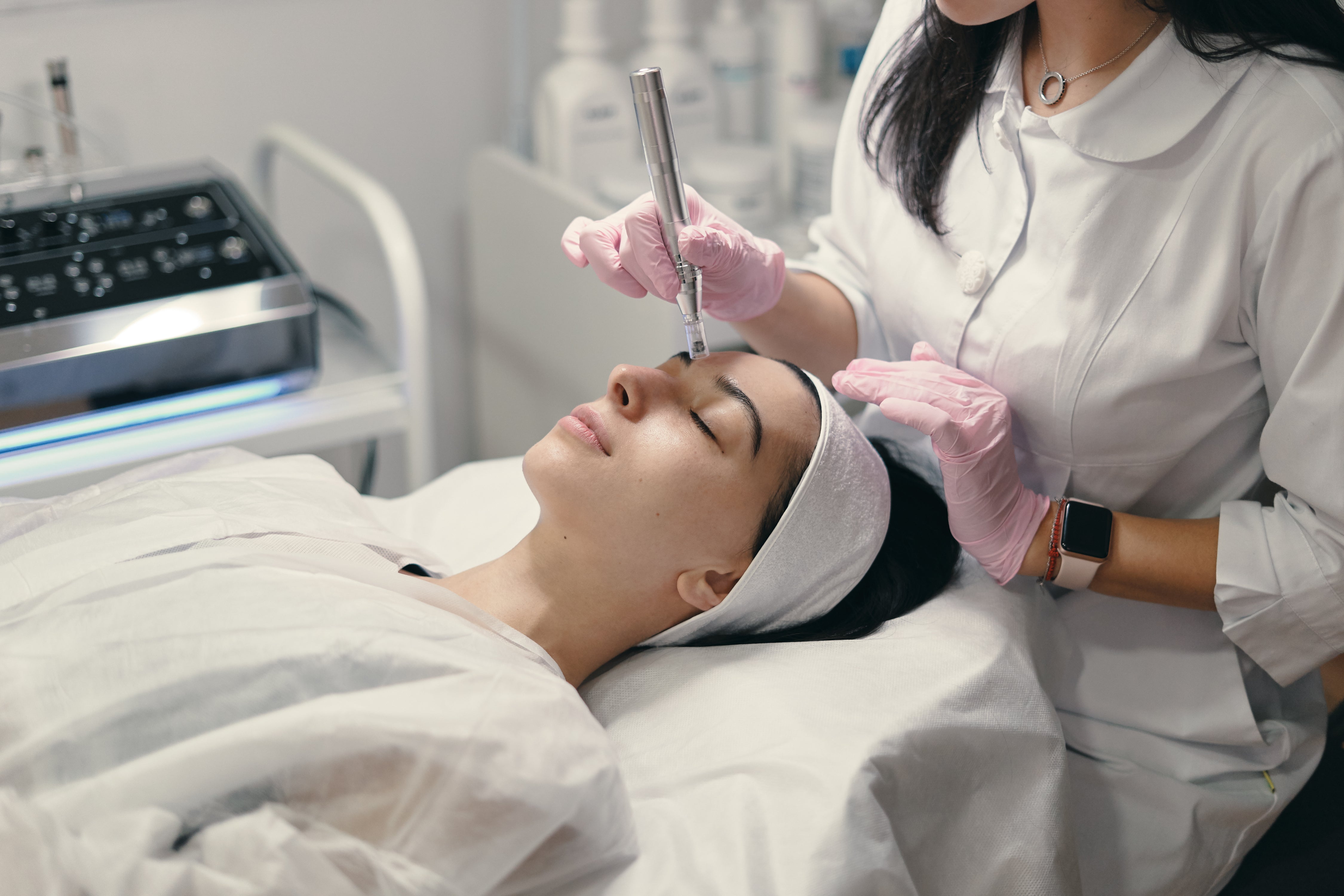
Platelet-Rich Plasma (PRP)
-
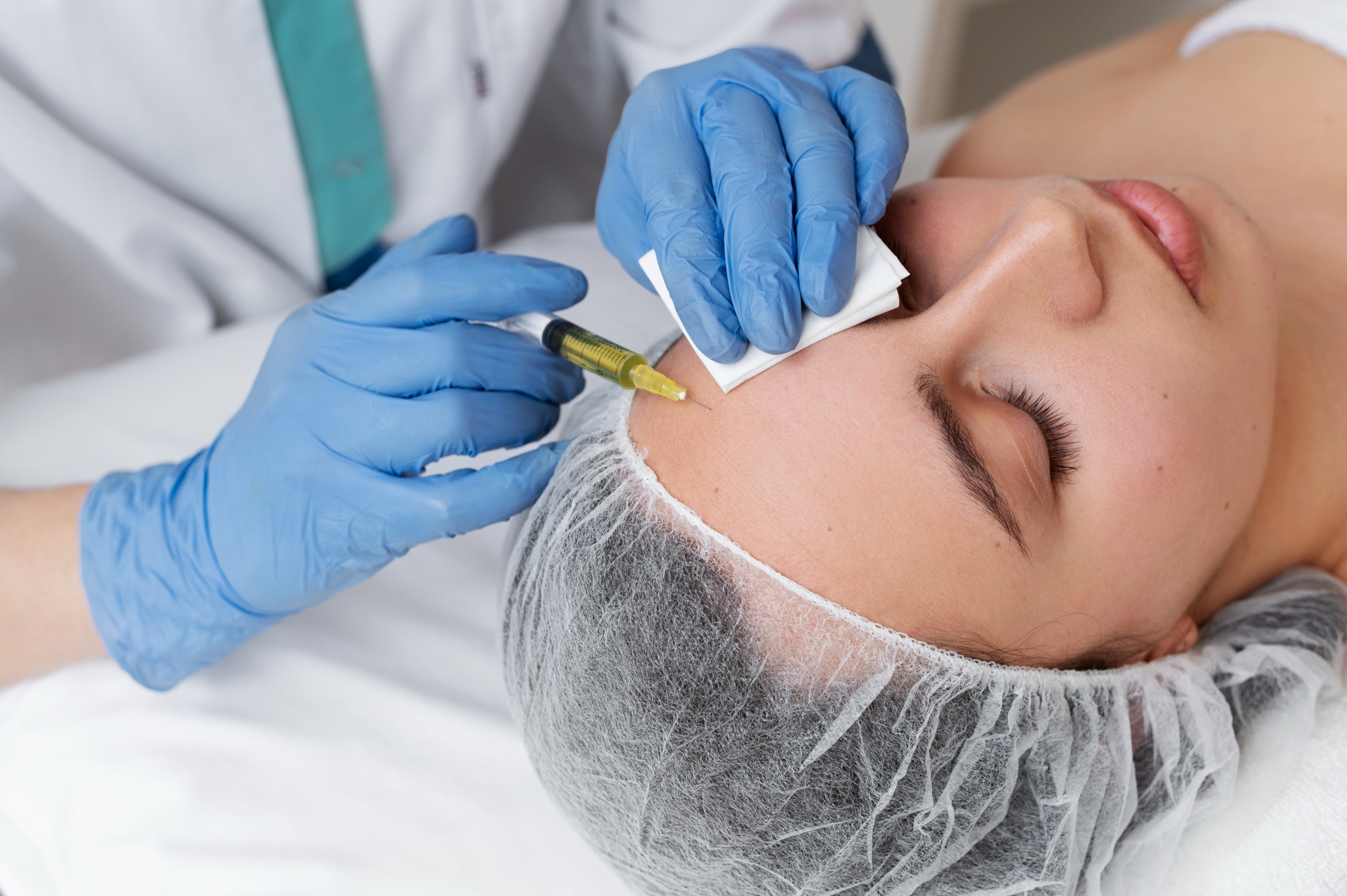
Used as an adjunct in androgenetic alopecia
- Typically requires 3–6 sessions, depending on respons.eLow-Levelel Laser Therapy (LLLT)
-
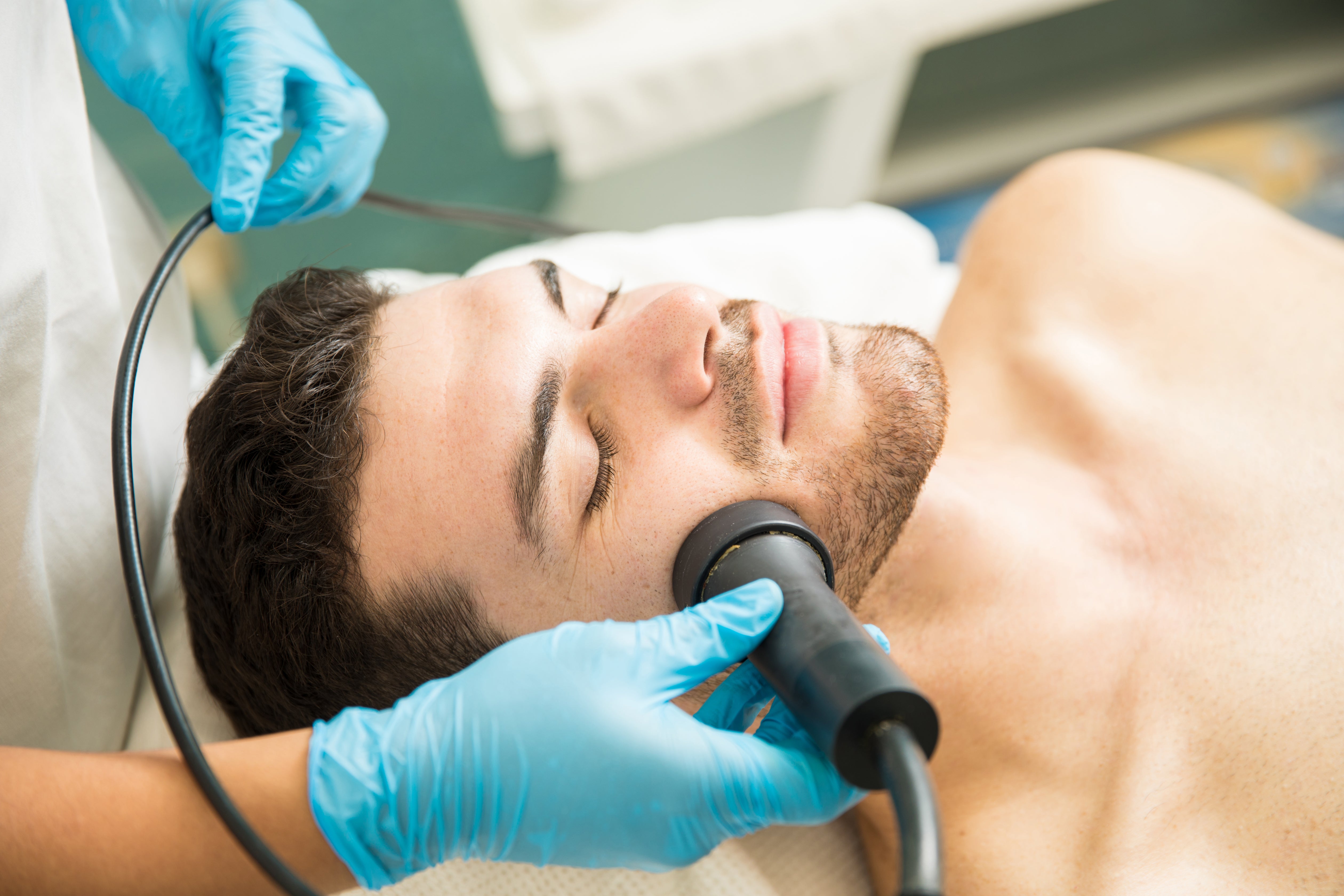
May support hair density with consistent use
-
Works best as part of a combined plan
Alopecia Areata Injections
-
Intralesional therapy for immunemediated patchy loss
Scarring Alopecia Management
-
The primary goal is early inflammation control to prevent permanent follicle loss.
Hair Transplant (When Appropriate)
-
Considered only after stabilizing scalp disease
-
Not suitable for all alopecia types
Prognosis: What Results Can You Expect?
-
Telogen Effluvium: Often improves once triggers are corrected
-
Androgenetic Alopecia: Manageable long-term with maintenance
-
Scarring Alopecia: Early treatment is essential to prevent permanent loss
Hair regrowth is slow. Visible improvement typically begins 8–16 weeks, with continued progress over months.
Can Alopecia Be Prevented?
Not all hair loss is preventable, but risk can be reduced by:
-
Gentle hair practices
-
Avoiding chronic traction and excessive heat
Scalp appropriatee hygiene
-
Adequate protein intake
-
Correcting deficiencies only when confirmed
-
Managing stress and sleep
Alopecia is not just about hair—it reflects underlying biological processes. Accurate diagnosis, early intervention, and evidence-based treatment significantly improve outcomes and prevent unnecessary therapies.
✍
Written by: Swaraj Dhar
Co Founder Allodermis || Sociopreneur || Technologist
LinkedIn ID: https://www.linkedin.com/in/swarajdhar/
Reviewed by: Dr Alok Sahoo
MBBS, MD Dermatology and Venereology ,AIIMS Delhi
LinkedIn ID: https://www.linkedin.com/in/dralokderma/


