















Wrinkles are a biological marker of skin ageing, not merely a cosmetic concern.
Effective wrinkle treatment requires understanding skin structure, muscle activity, volume loss, and cumulative photodamage, rather than relying on single procedures or cosmetic trends.
This guide explains how advanced wrinkle treatments work, who benefits most, and how dermatologists design safe, natural, long-term outcomes, particularly for Indian skin types.
What Are Wrinkles? (Clinical Definition — Snippet Optimised)
Wrinkles are visible lines, folds, or creases in the skin caused by progressive loss of collagen, elastin, structural support, and repeated muscle movement.
They are classified as:
- Dynamic wrinkles – appear with facial expression
- Static wrinkles – visible even at rest
This distinction determines the choice of treatment.
Why Do Wrinkles Form? (Skin Biology Explained)
Wrinkles develop due to structural and functional skin ageing, involving:
- Decline in collagen and elastin
- Thinning of the epidermis
- Repetitive facial muscle contraction
- Loss of subcutaneous fat and bone volume
- Accumulated ultraviolet (UV) damage
Factors That Accelerate Wrinkling
Intrinsic (biological) ageing
- Genetics
- Hormonal changes
- Reduced skin cell turnover
Extrinsic (accelerated ageing)
- Chronic sun exposure (the primary cause in Indian skin)
- Air pollution and oxidative stress
- Smoking and alcohol
- Poor sleep and high-glycaemic diets
- Chronic psychological stress
Key clinical insight:
Wrinkle treatment is effective only when skin biology, tissue support, and lifestyle factors are addressed together.
When Should Wrinkle Treatment Begin?
Wrinkle treatment is need-based, not age-based.
|
Age range |
Clinical focus |
|
20s |
Prevention, photoprotection, and early expression lines |
|
30s |
Muscle modulation, collagen stimulation |
|
40s–50s |
Volume restoration, lifting, resurfacing |
|
50s+ |
Staged rejuvenation, structural correction |
Early intervention delays bigger ageing changes.
How Dermatologists Clinically Evaluate Wrinkles
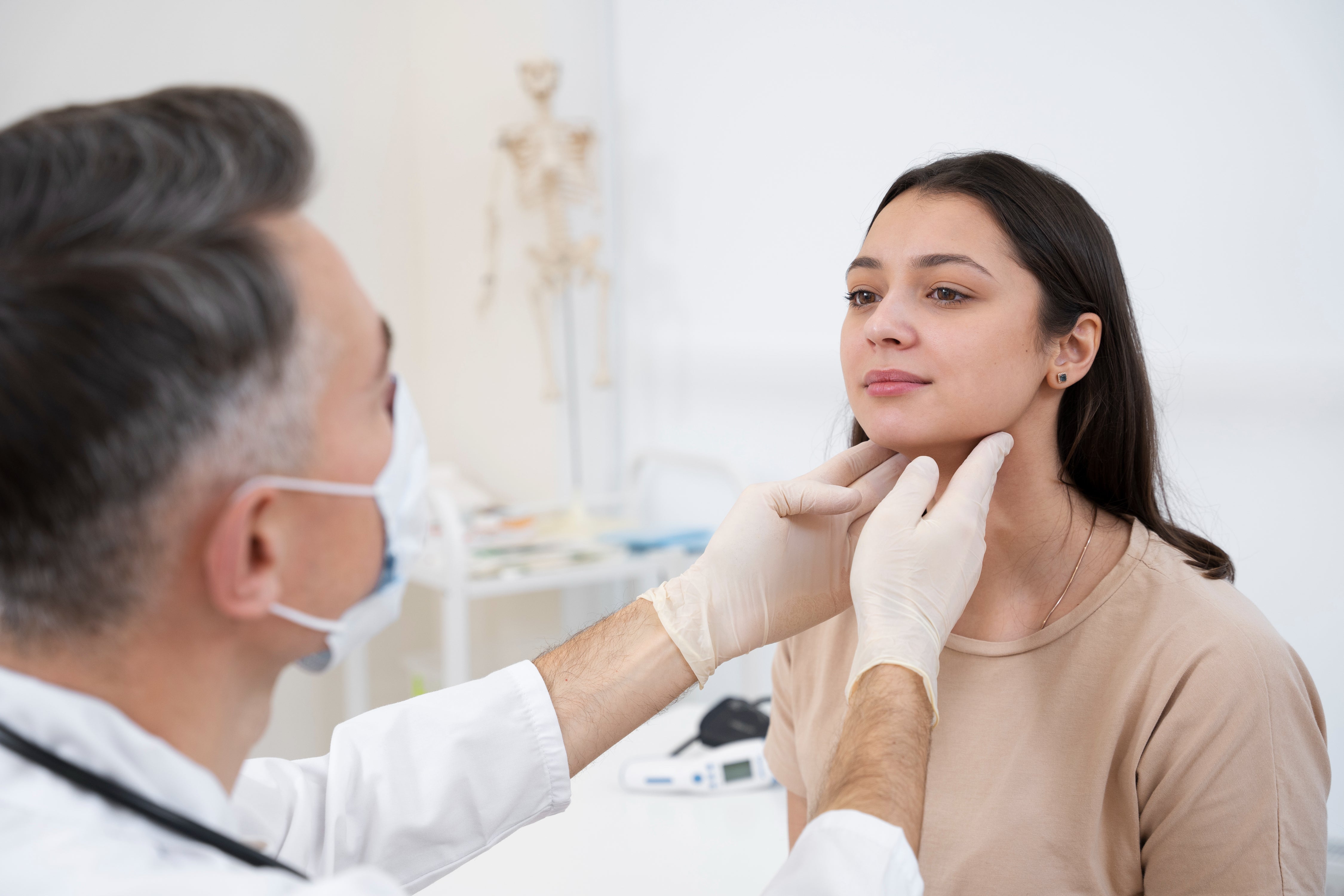
Before recommending treatment, dermatologists assess:
-
Medical and lifestyle history
Sun exposure, sleep, smoking, nutrition, medications, and prior procedures -
Facial analysis
Dynamic vs static lines, skin laxity, texture, volume loss -
Skin quality assessment
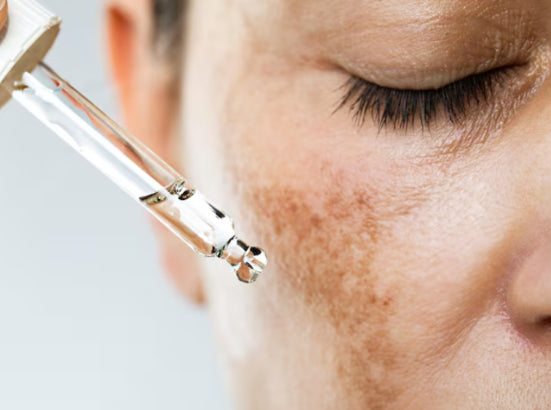
Pigmentation, photodamage, barrier integrity -
Systemic contributors (when indicated)
Thyroid dysfunction, nutritional deficiencies
This diagnostic approach ensures natural outcomes and long-term safety.
Advanced Wrinkle Treatment Options (Evidence-Based)
Most patients achieve the best results through combination therapy, tailored to anatomy and skin type.
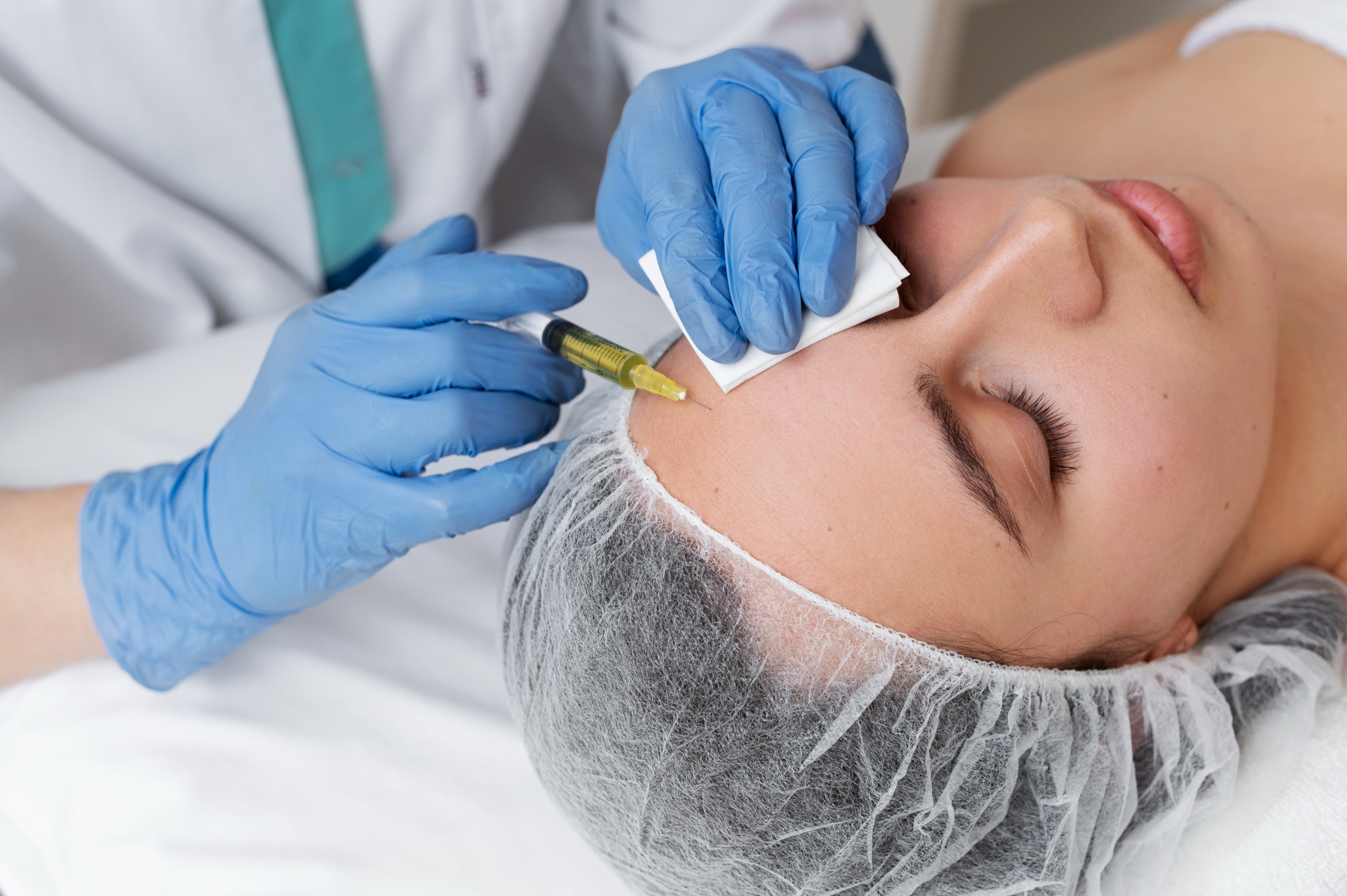
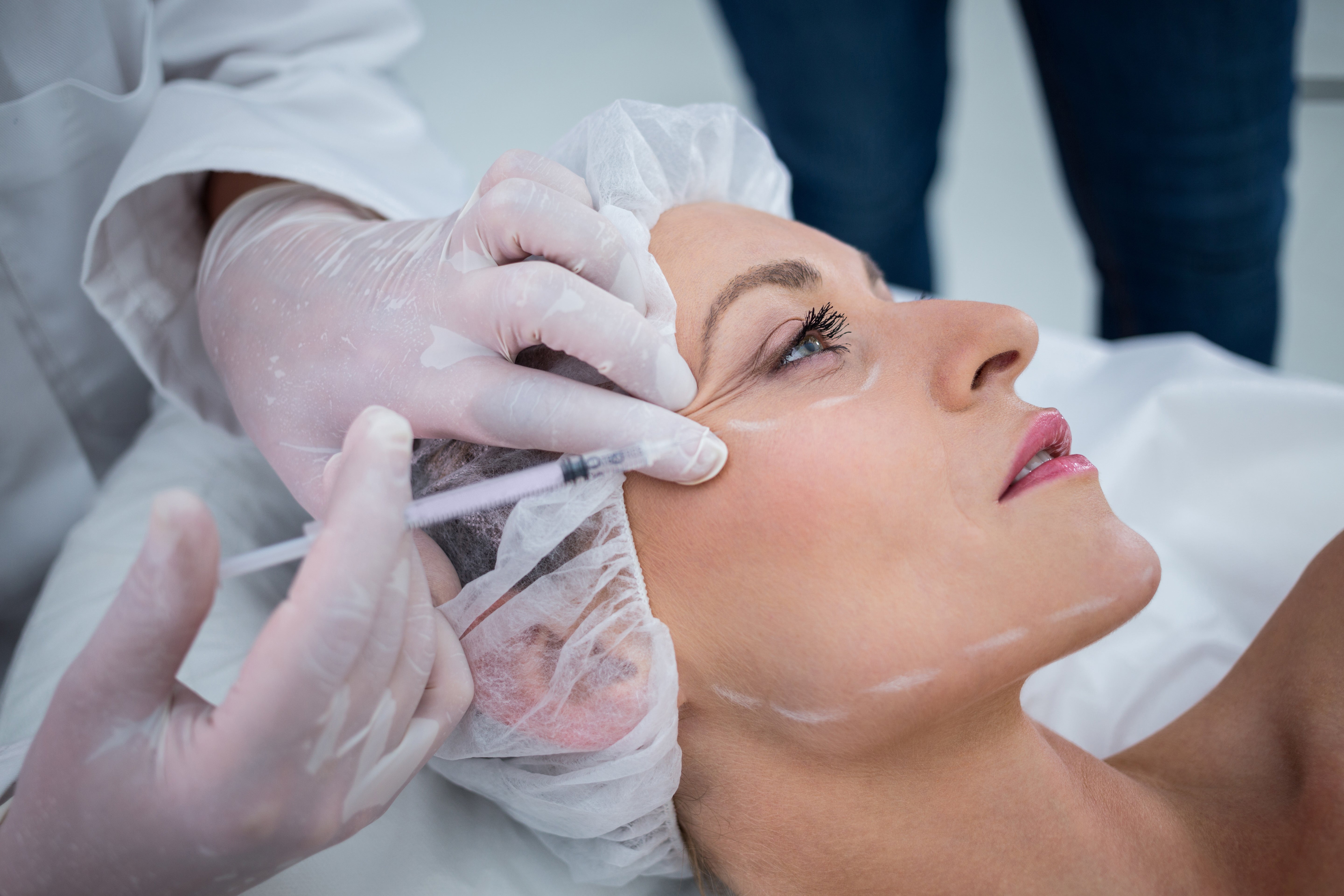
Botulinum Toxin (Dynamic Wrinkles)
Indications: Forehead lines, frown lines, crow’s feet, neck bands
Mechanism: Blocks acetylcholine at neuromuscular junctions
Onset: 3–14 days
Duration: 3–6 months
✔ Conservative dosing preserves facial expression.
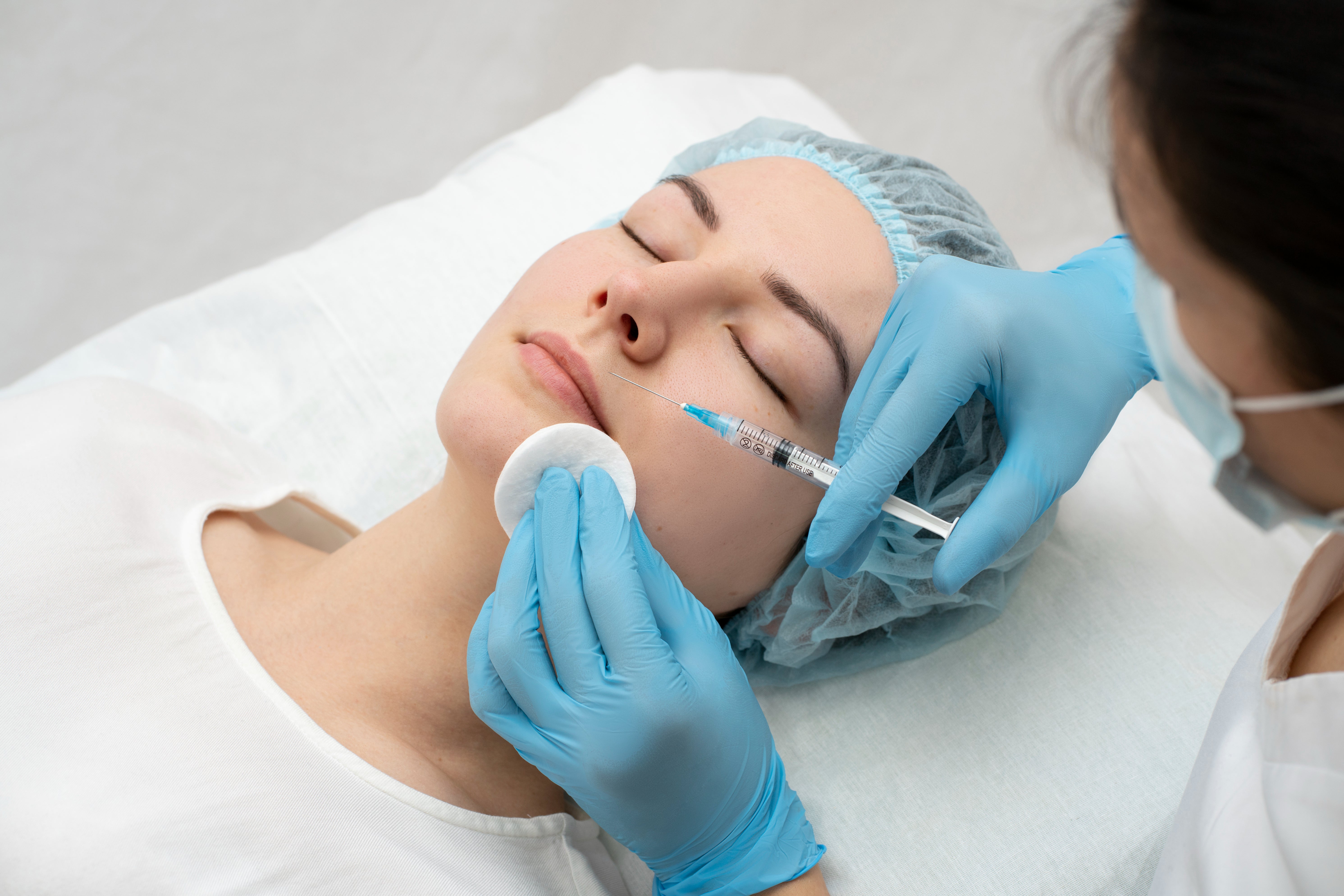
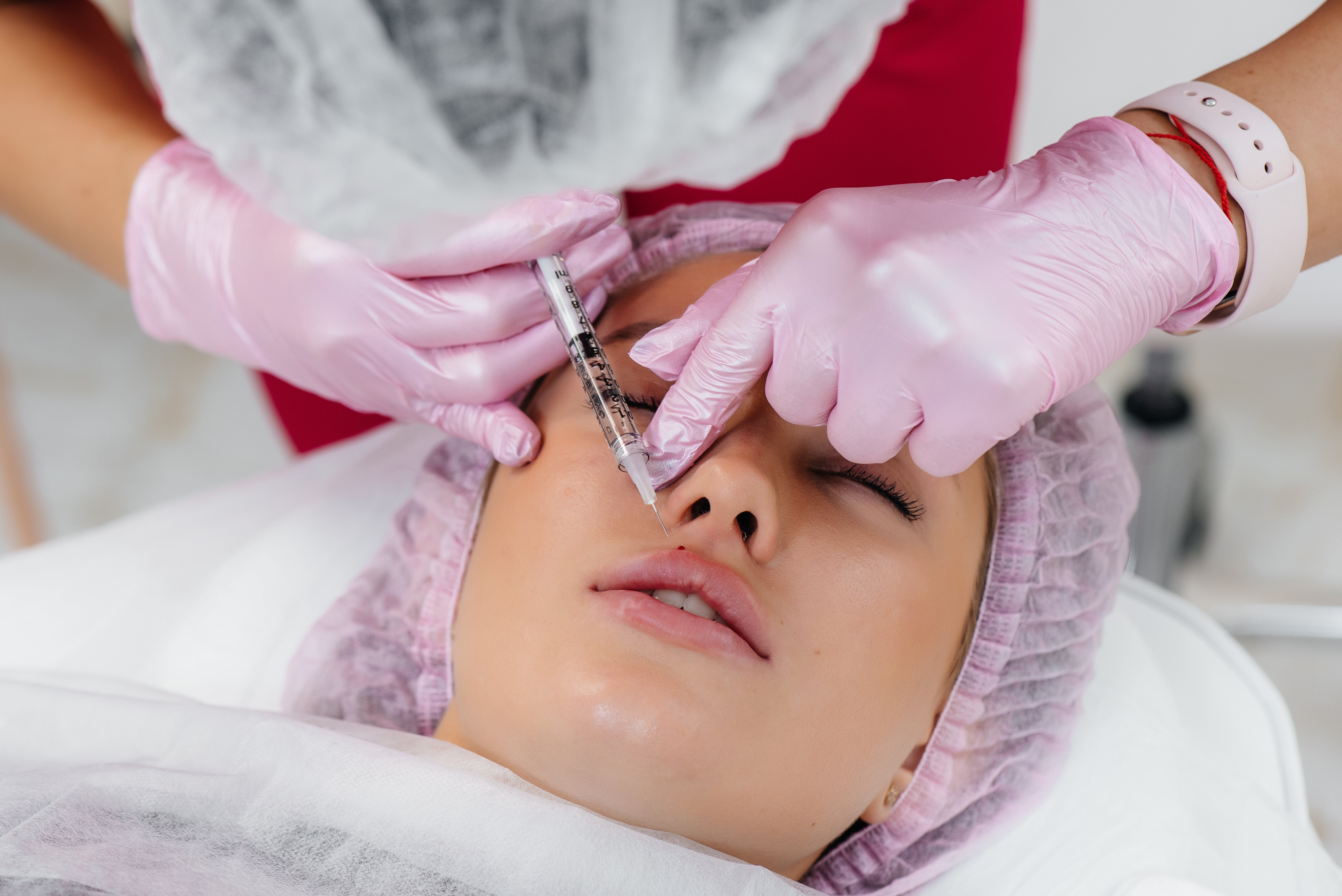
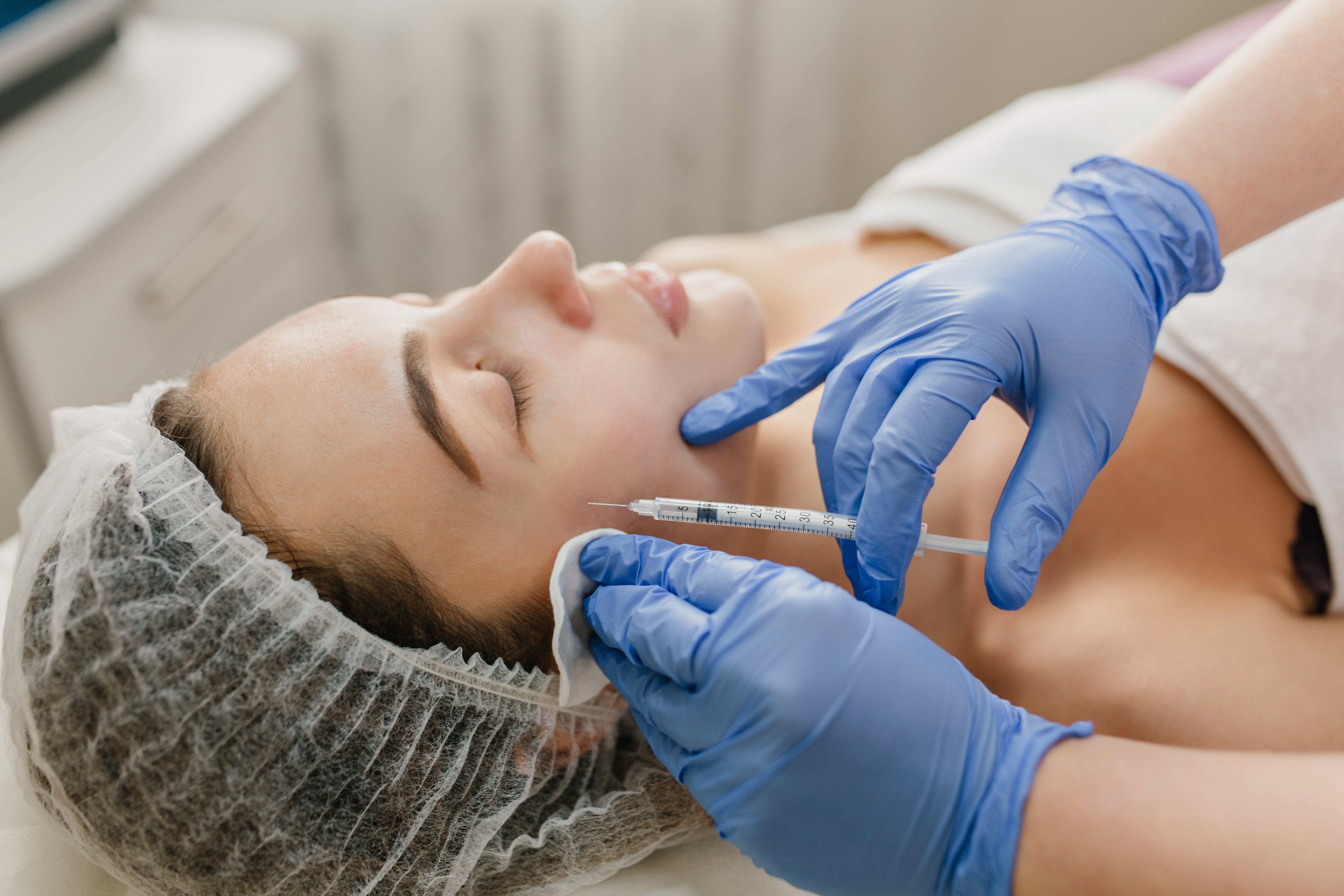
Hyaluronic Acid Fillers (Volume Loss)
Indications: Cheeks, tear troughs, nasolabial folds, marionette lines, jawline
Mechanism: Restores volume and stimulates neocollagenesis
Duration: 9–18 months
✔ Reversible and safe when injected anatomically.
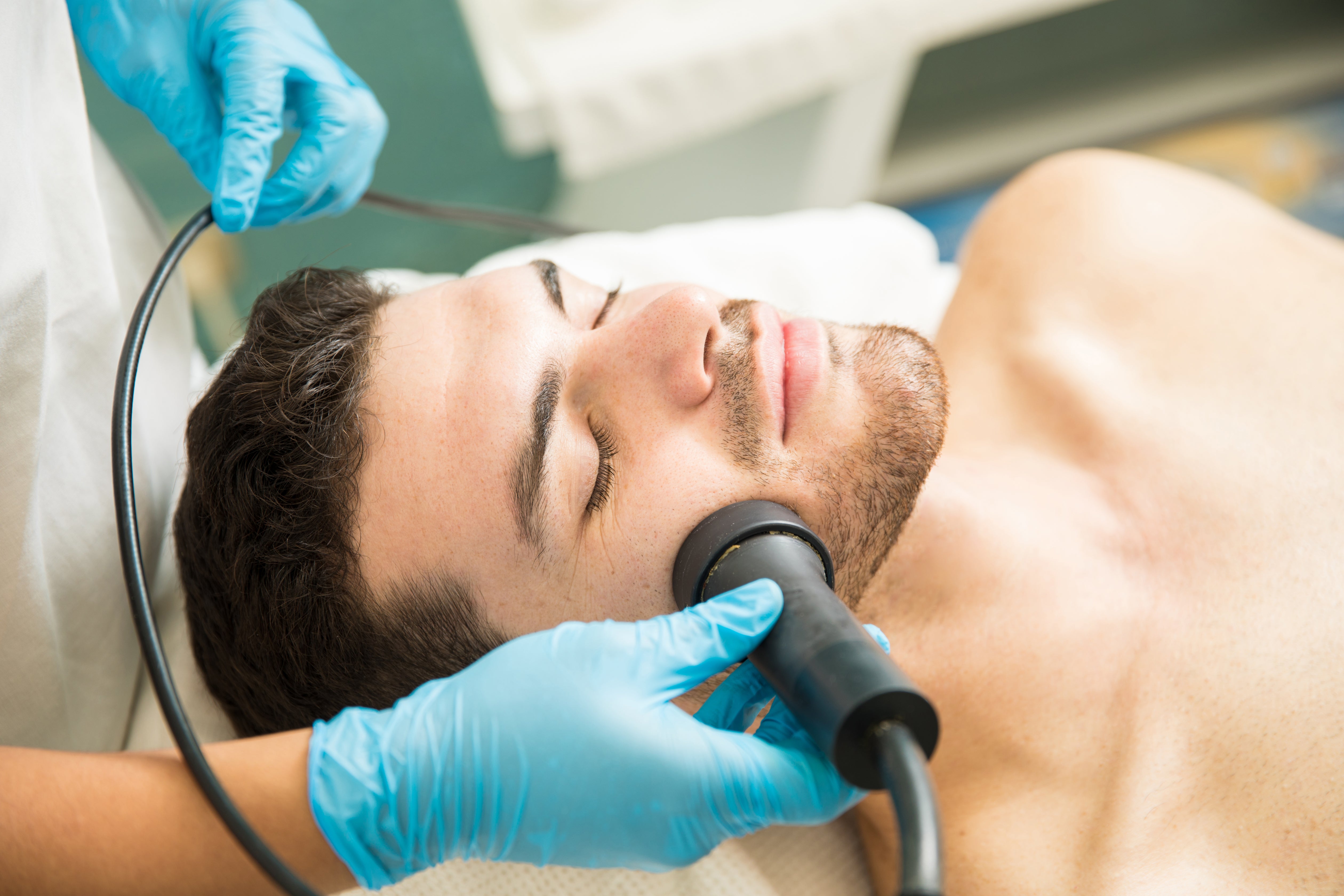
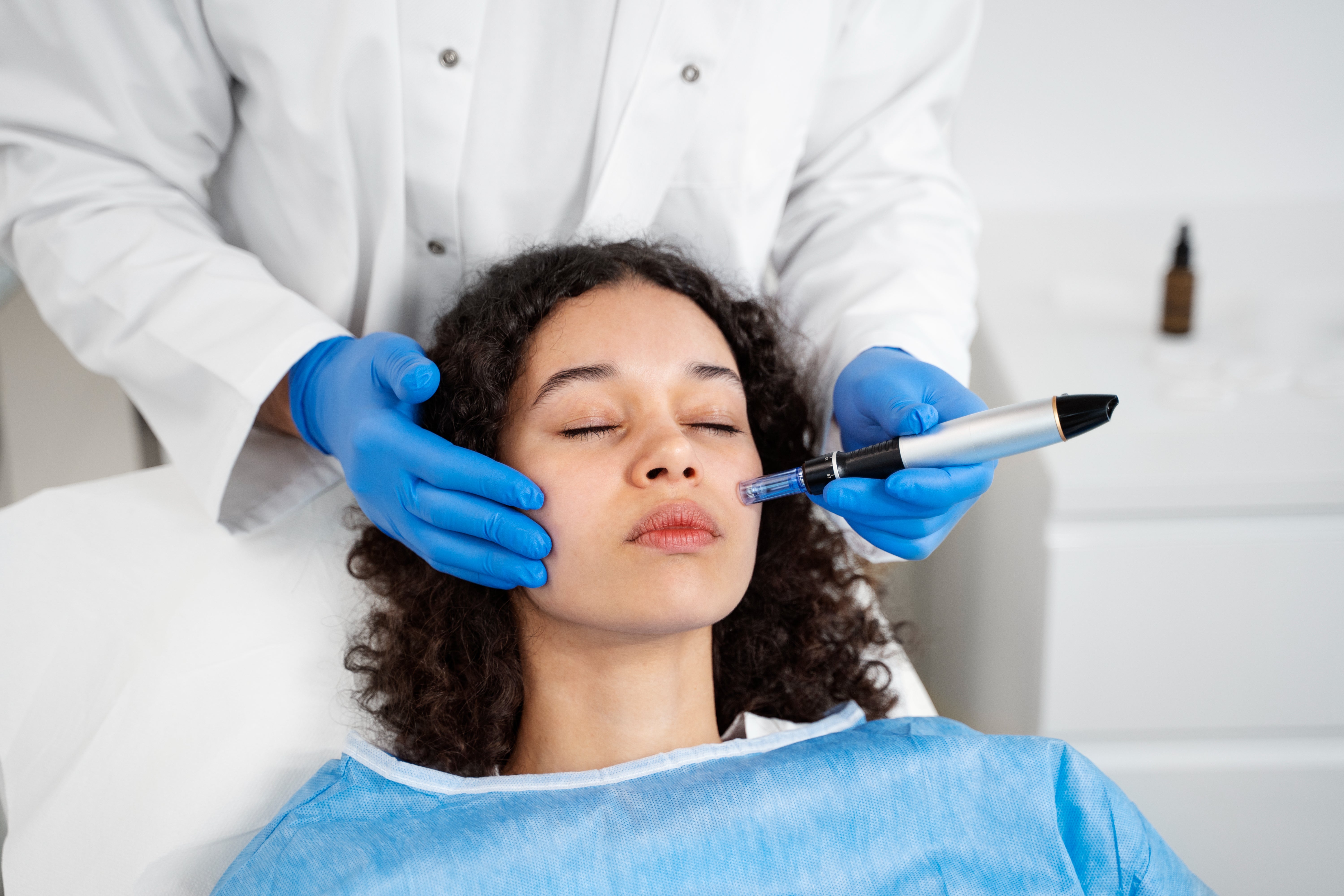
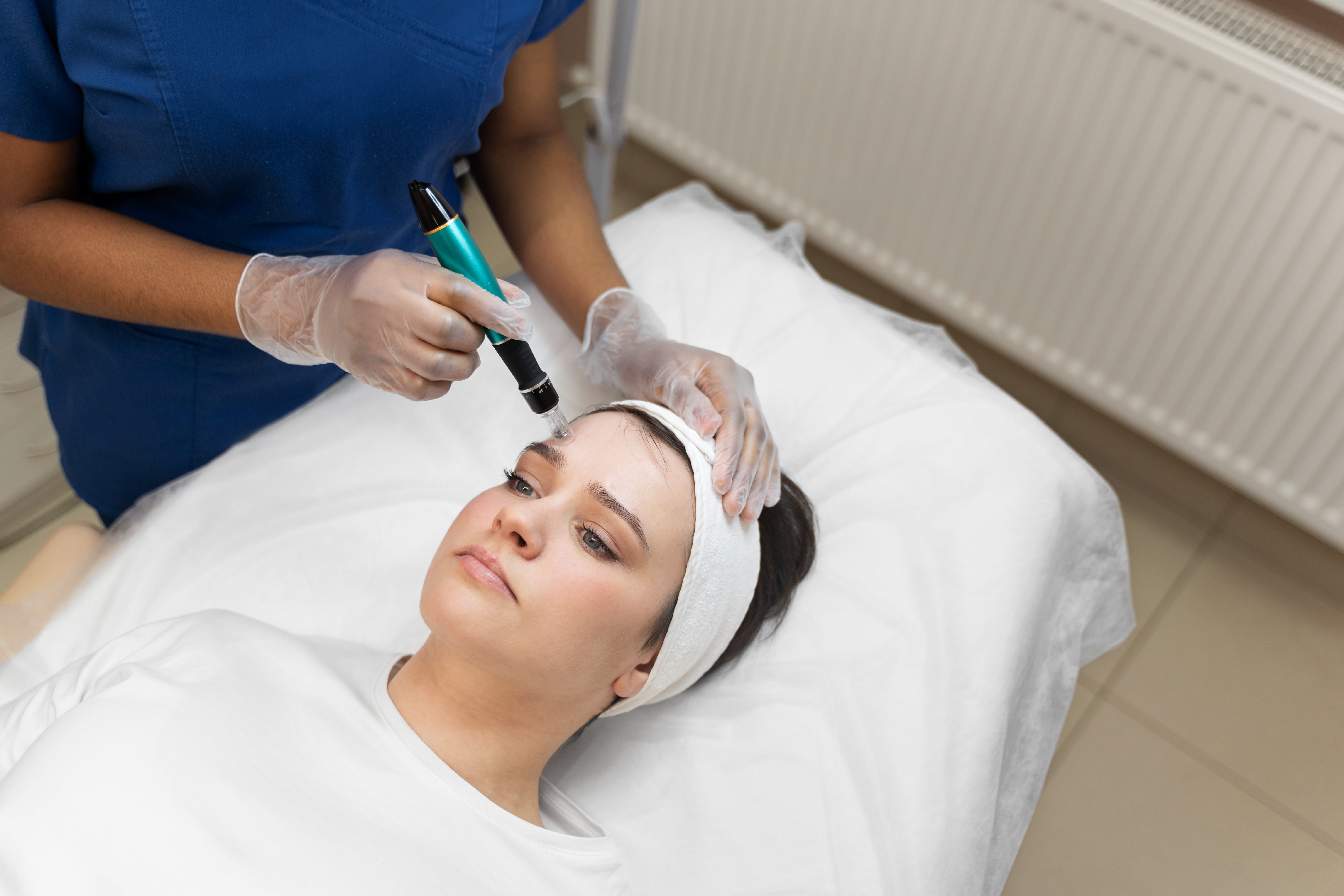
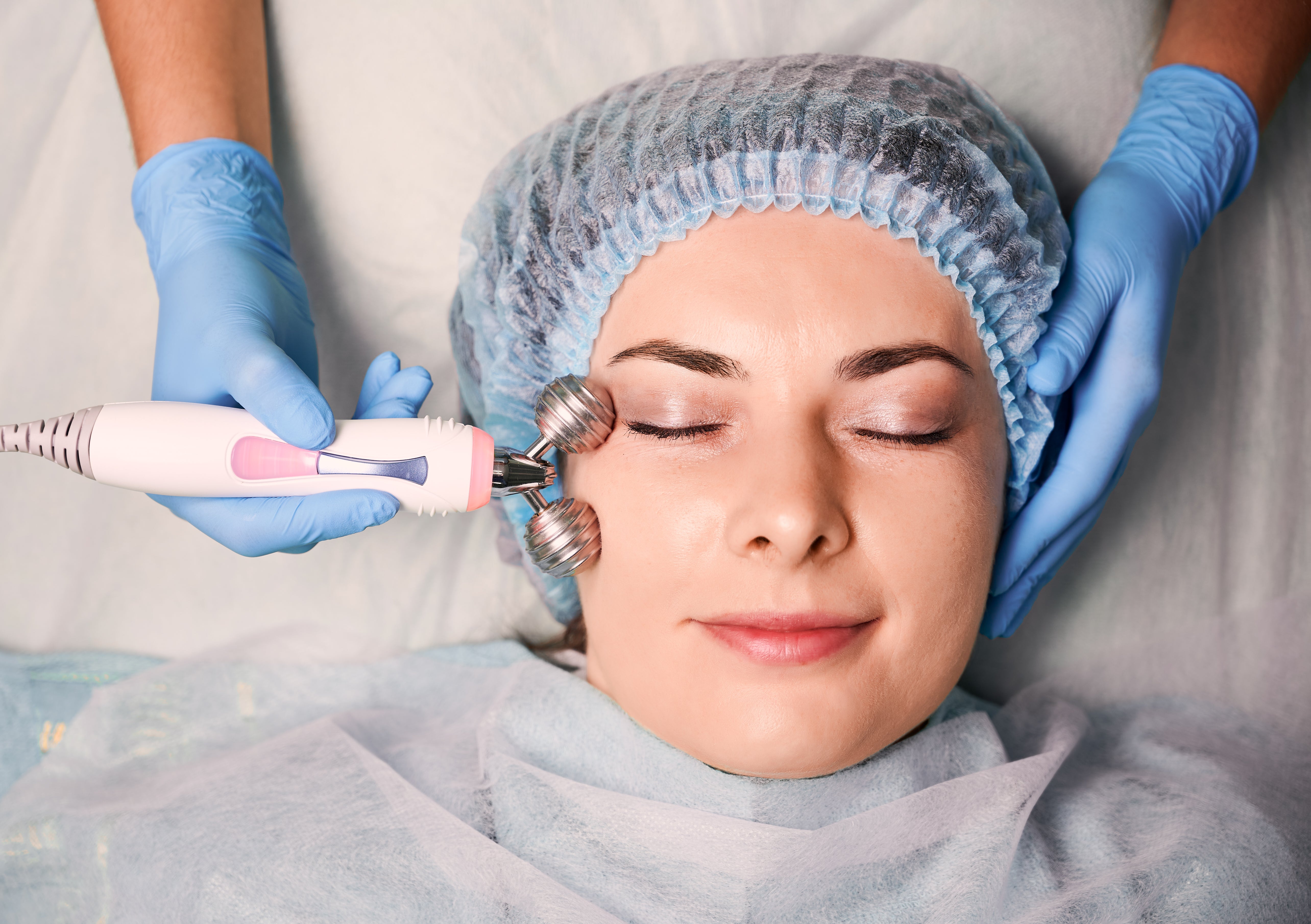
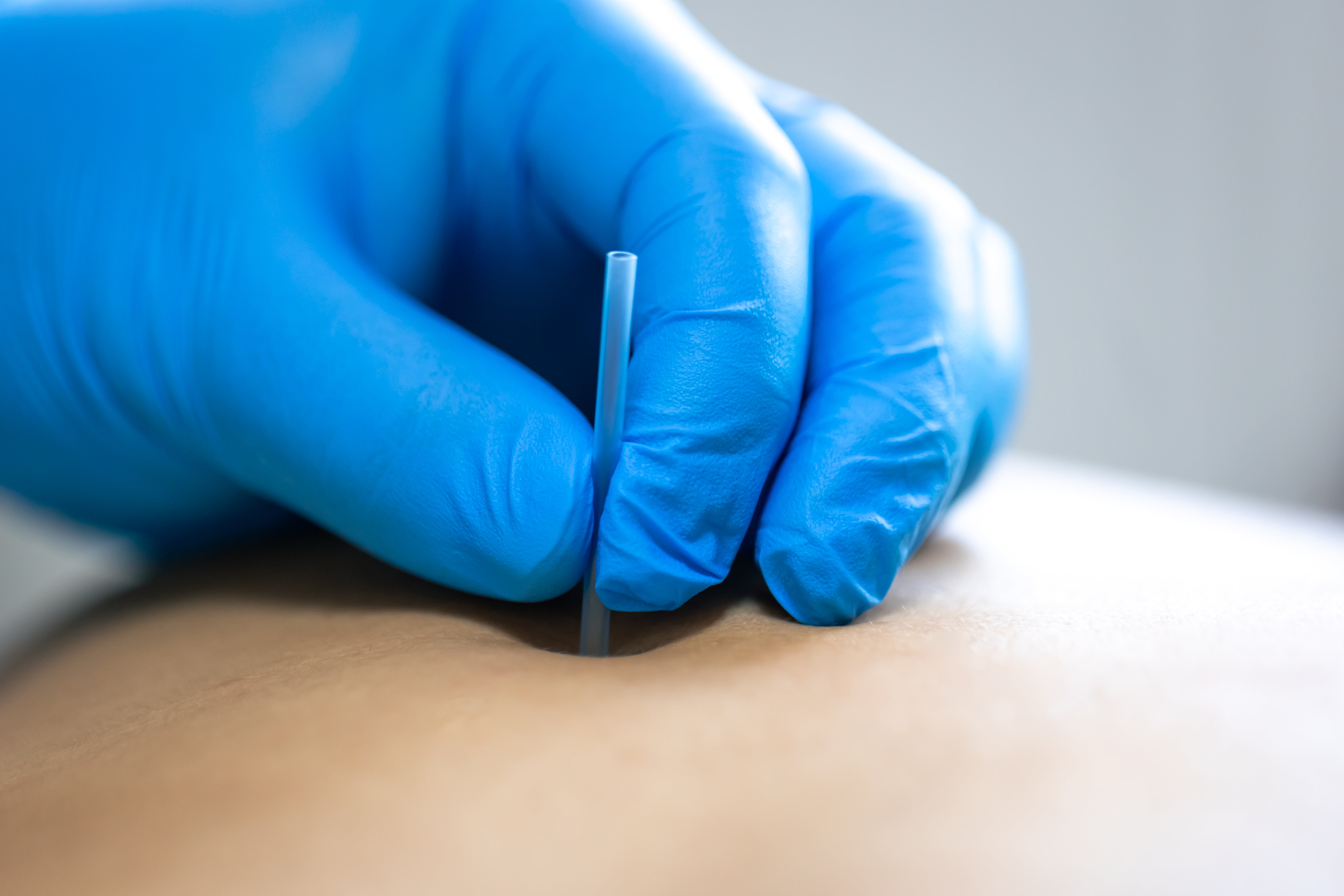
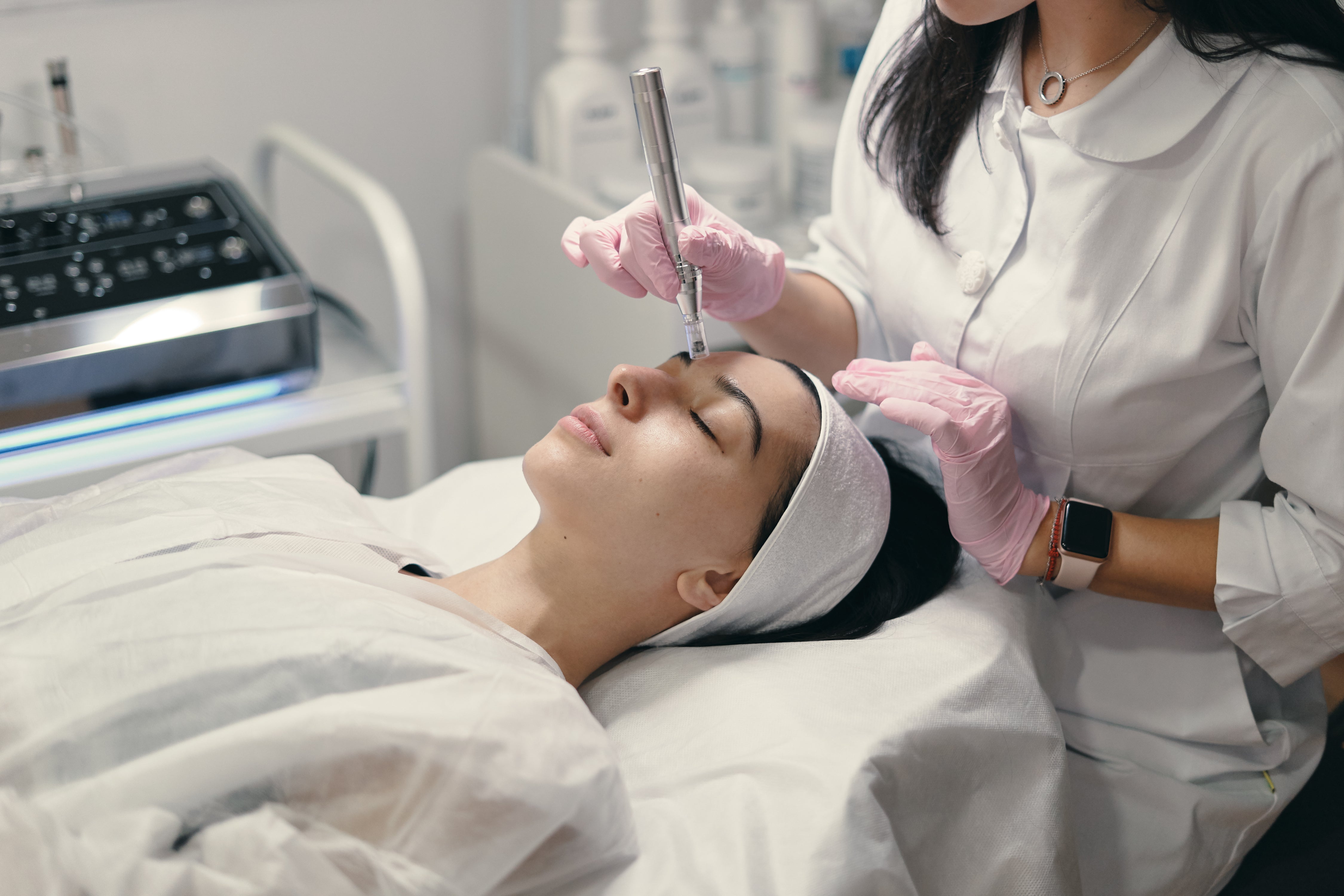
Microneedling Radiofrequency (MNRF)
Indications: Fine lines, enlarged pores, mild laxity, uneven texture
Mechanism: Dermal RF energy induces collagen remodeling
Downtime: Minimal (1–3 days)
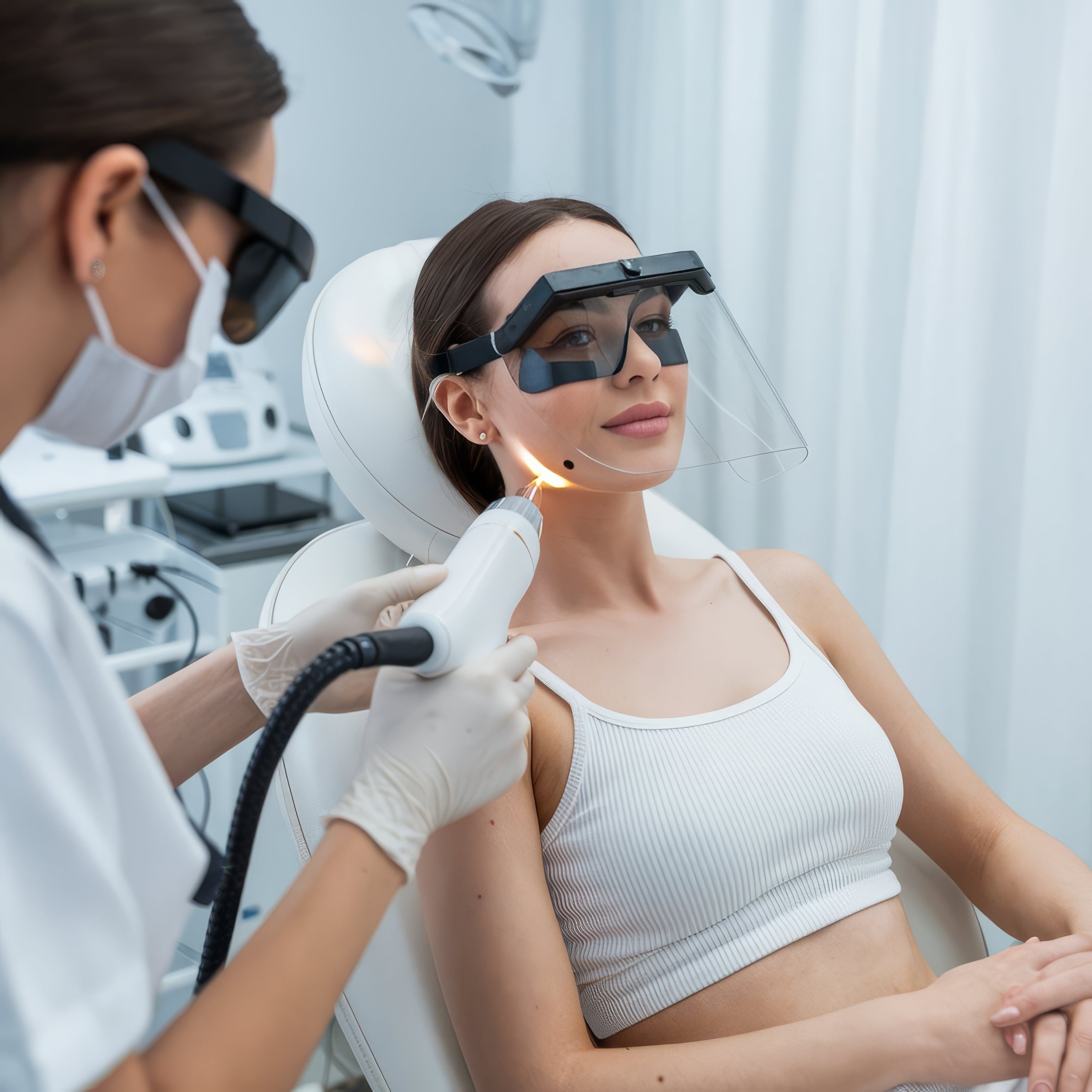
Fractional Laser Resurfacing (CO₂ / Er:YAG)
Indications: Deep wrinkles, severe photodamage, atrophic scars
Mechanism: Controlled ablative resurfacing triggers collagen repair
Downtime: Planned and supervised
✔ Effective for Indian skin with appropriate parameters.
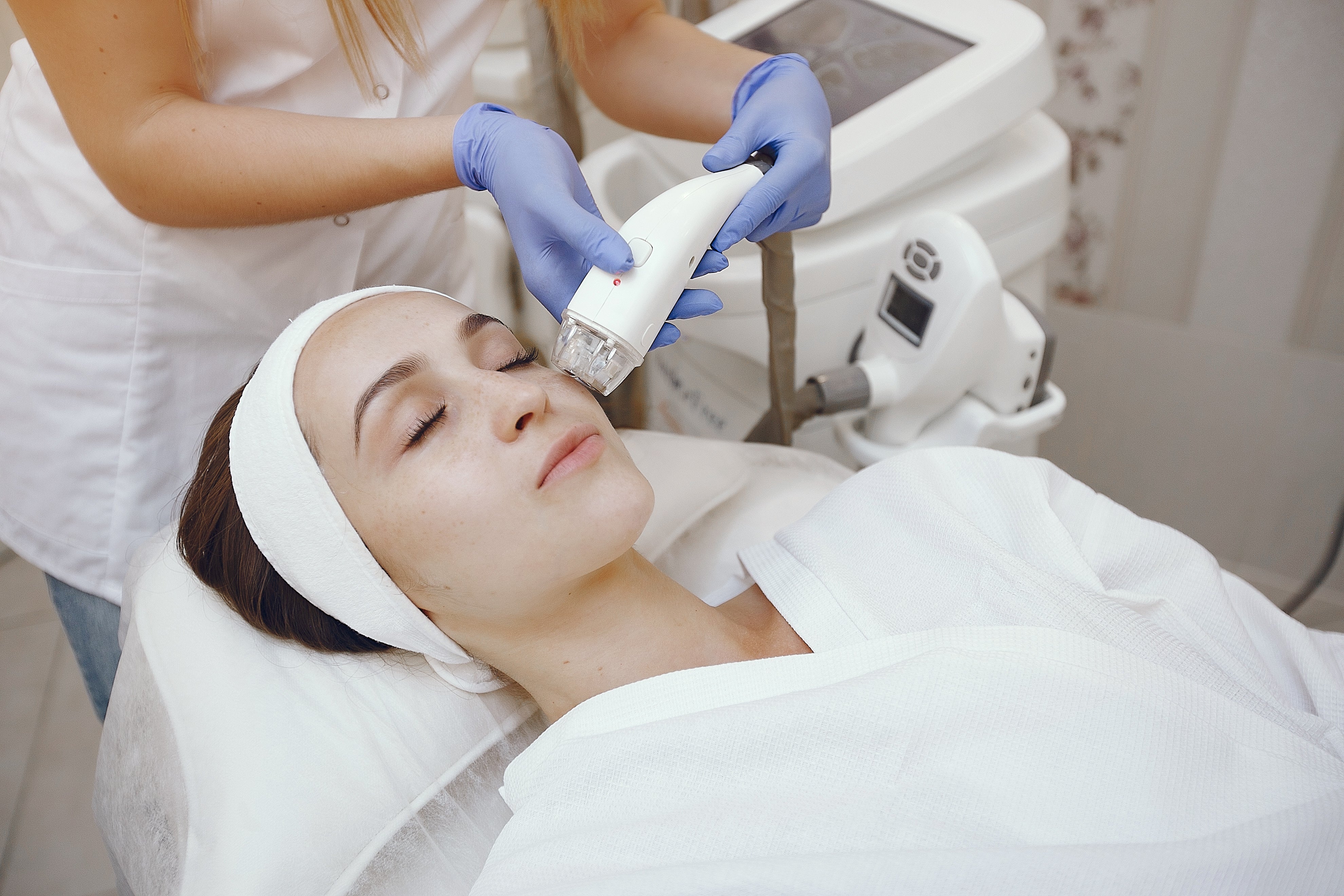
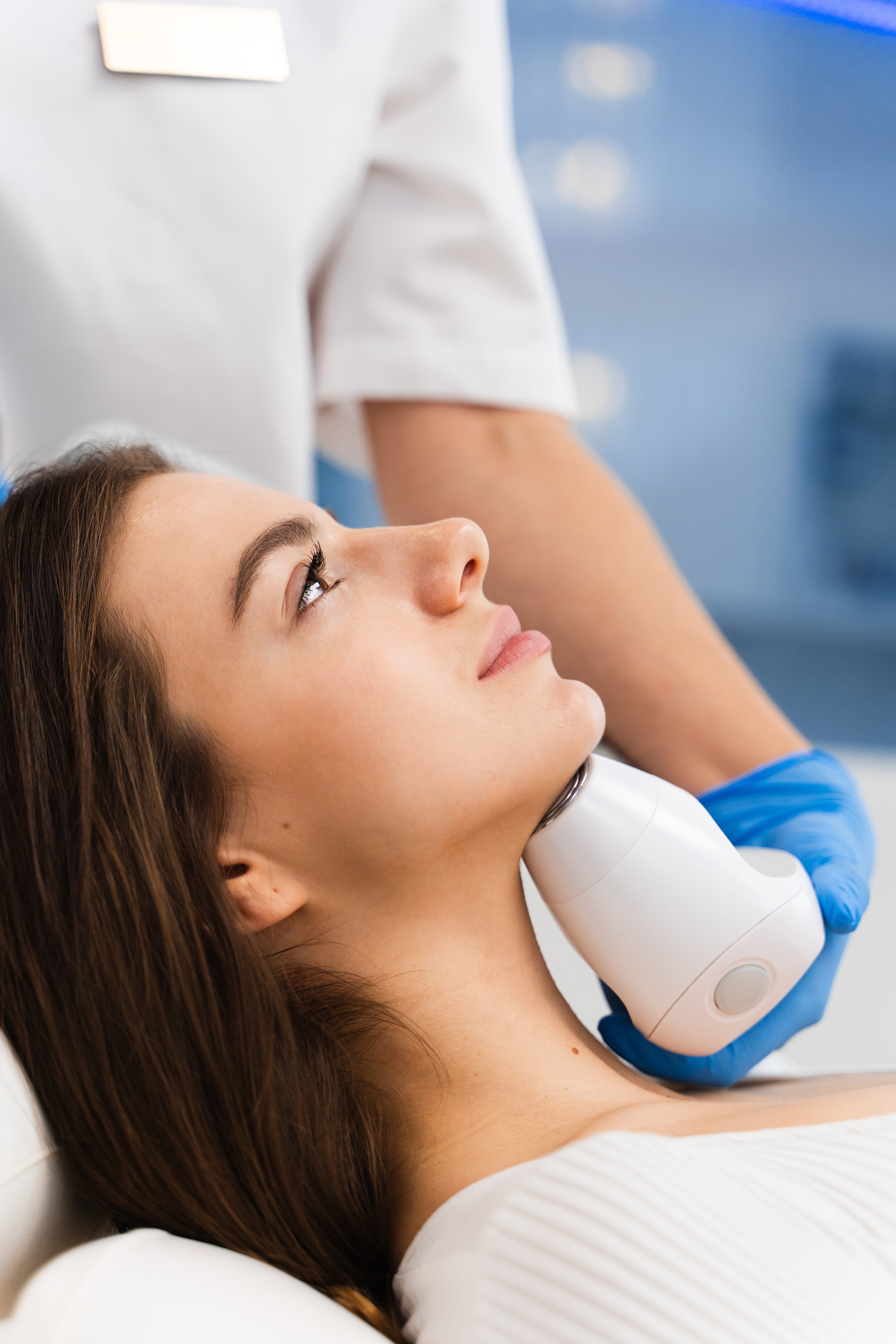
High-Intensity Focused Ultrasound (HIFU)
Indications: Jawline sagging, mild midface laxity
Mechanism: Targets the SMAS layer for nonsurgical lifting
Results: Progressive tightening over 2–6 months
BioRemodelling Therapies
Includes:
- Profhilo
- Platelet-Rich Plasma (PRP)
- PDRN
- Growth factor treatments
Indications: Crepey skin, dehydration, early ageing
Outcome: Improved hydration, elasticity, and skin quality
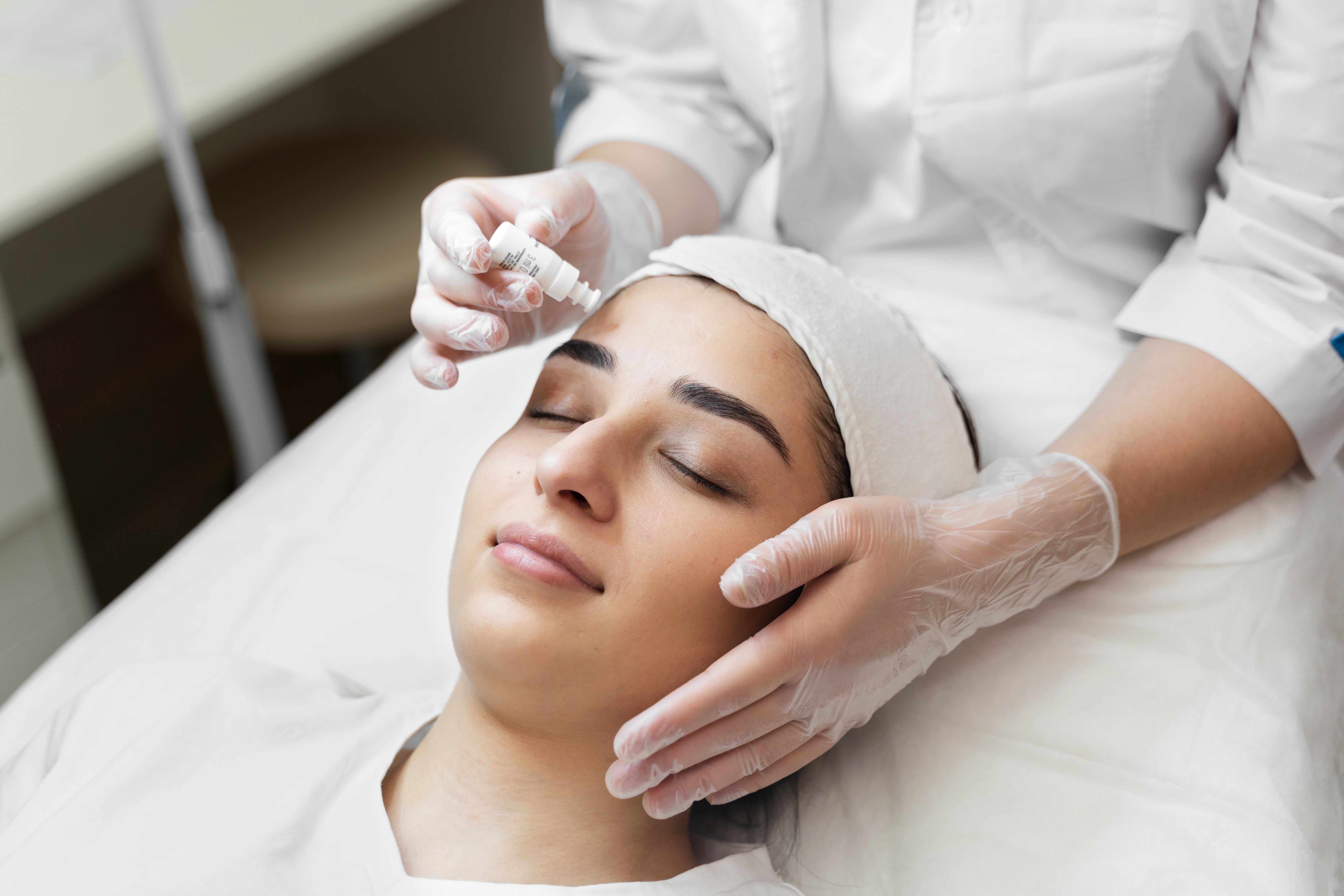
Medical Skincare (Foundational)
Daily treatment is essential for sustained results:
- Retinoids
- Vitamin C and antioxidants
- Broadspectrum sunscreen
- Barrier repair moisturisers
Procedures without skincare deliver short-lived outcomes.
Expected Results Timeline
|
Timeline |
Expected changes |
|
Immediate |
Improved hydration, subtle lift |
|
2–8 weeks |
Smoother texture, softened lines |
|
3–6 months |
Collagen remodeling, firmness |
|
Long term |
Slowed ageing with maintenance |
Wrinkle treatment is a continuous care strategy, not a one-time fix.
Safety, Risks & Contraindications
When performed by trained dermatologists:
- Side effects are usually mild (redness, swelling, bruising)
- Serious complications are rare.
Contraindications include:
- Pregnancy
- Active skin infections
- Uncontrolled systemic illness
- Certain anticoagulant medications
Expert anatomical knowledge and emergency preparedness are critical for injectables.
Frequently Asked Questions
Do wrinkle treatments make the face look unnatural?
No. Natural outcomes depend on conservative dosing and correct technique.
Are wrinkle treatments safe for Indian skin?
Yes. With skintype–specific protocols and experienced dermatologists.
When should Botox or fillers be started?
Based on wrinkle type and facial ageing pattern, not age alone.
Can wrinkles be permanently removed?
Ageing continues, but progression can be significantly slowed.
Advanced wrinkle treatment works best when it is:
- Medically guided
- Personalised
- Conservative
- Root cause focused
The goal is healthy, rested, natural-looking skin at every age — not artificial youthfulness.
✍
Written by: Swaraj Dhar
Co Founder Allodermis || Sociopreneur || Technologist
LinkedIn ID: https://www.linkedin.com/in/swarajdhar/
Reviewed by: Dr Alok Sahoo
MBBS, MD Dermatology and Venereology, AIIMS Delhi
LinkedIn ID: https://www.linkedin.com/in/dralokderma/


