





















A double chin is often misunderstood as “just excess fat.” In reality, submental fullness can result from a combination of fat accumulation, skin laxity, chin structure, posture, and age-related collagen decline.
Modern dermatology treats double chin concerns through anatomy-guided, nonsurgical approaches that aim for natural jawline definition, not aggressive or artificial results. This article explains why double chins form, how dermatologists evaluate them, and which evidence-based treatments work best, particularly for Indian skin.
What Is a Double Chin? (Clinical Definition — Snippet Ready)
A double chin, medically referred to as submental fullness, is excess tissue beneath the chin caused by one or more of the following:
- Submental fat accumulation
- Loose or ageing skin
- Weak or recessed chin structure
- Genetic fat distribution
- Posture-related soft tissue changes
It can occur even in people with normal body weight.
A clinical survey by the American Society for Dermatologic Surgery reported that over two-thirds of adults feel bothered by fullness under the chin.
Why Does a Double Chin Develop?
Internal (Biological & Structural) Factors
-
Genetics: inherited fat storage and skin elasticity patterns
-
Ageing: collagen loss leading to sagging
-
Chin structure: a recessed chin exaggerates submental fullness
-
Metabolic patterns: thyroid or insulin resistance case-dependentt)
External & Lifestyle Factors
-
Weight gain or rapid weight fluctuations
-
Sedentary lifestyle
-
Poor posture (“tech neck”)
-
High salt intake causes temporary puffiness.
Clinical insight:
In many individuals, submental fullness is structural rather than wweight-related which is why exercise alone may not fully correct it.
Can Exercise Remove a Double Chin?
Exercise can help with overall weight and posture, but it cannot selectively remove submental fat or tighten loose skin in most adults. When genetics, skin laxity, or chin structure are involved, medical treatments are often required for visible contour improvement.
How Dermatologists Evaluate a Double Chin
Before recommending any treatment, dermatologists assess:
-
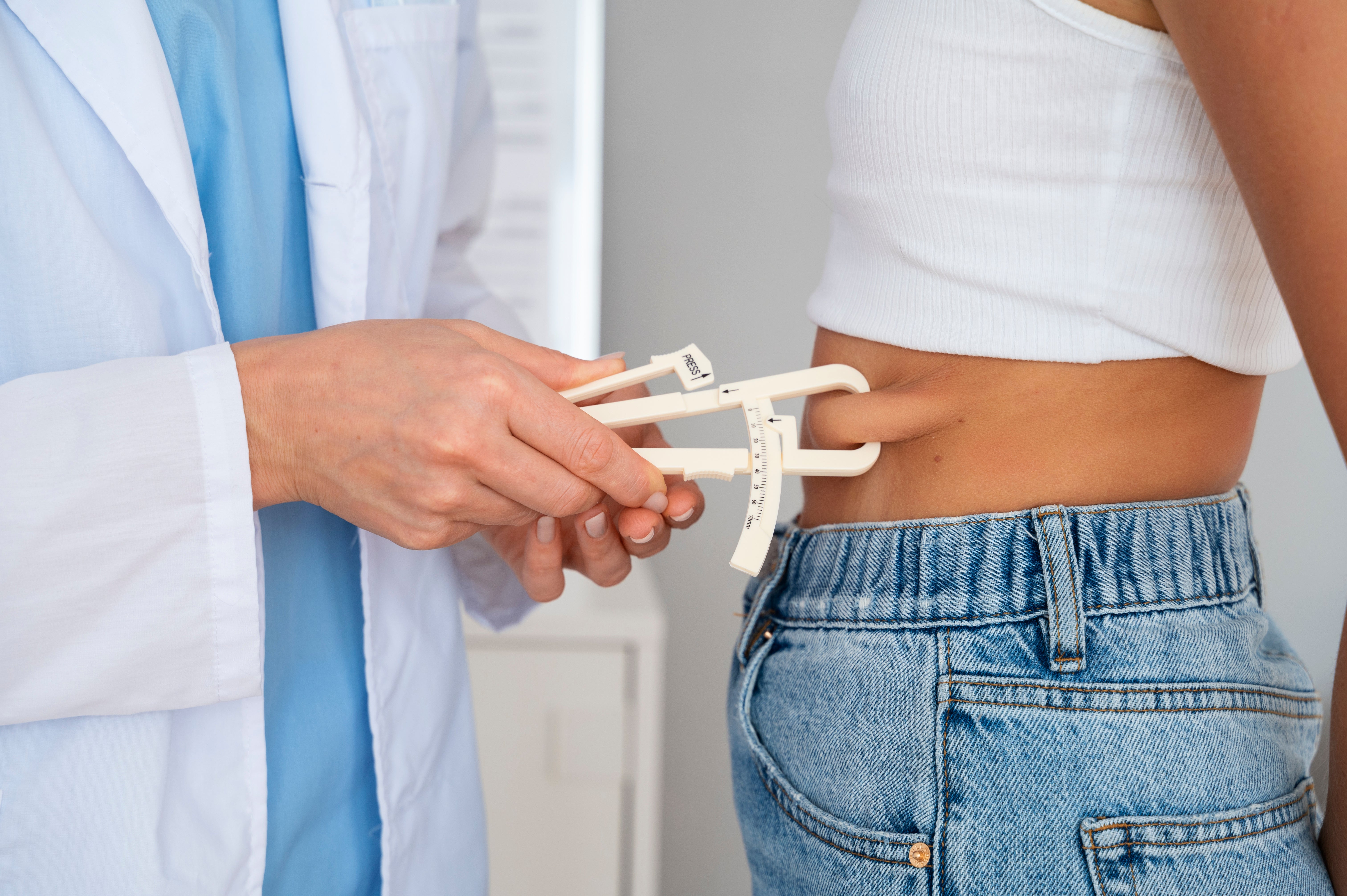
Fat thickness (pinch test and depth assessment)
-
Skin laxity grade (tightening potential)
-
Chin projection and jawline structure
-
Neck posture and muscle tone
-
Soft tissue fullness patterns
-
Hormonal or metabolic contributors (only if clinically indicated)
This evaluation ensures that the right treatment is chosen for the right cause, preventing overtreatment and unnatural outcomes.
Who Is an Ideal Candidate for Non-Surgical Double Chin Reduction?
You may be suitable if you have:
-
Mild to moderate submental fat
-
Early to moderate skin laxity
-
Good overall health
-
Realistic expectations
Nonsurgical options may be limited if:
-
Fat volume is very heavy
-
Skin laxity is severe.
In such cases, staged correction or surgical referral may be more appropriate.
EvidenceBased NonSurgical Double Chin Treatments
Most patients benefit from combination therapy, not a single procedure.
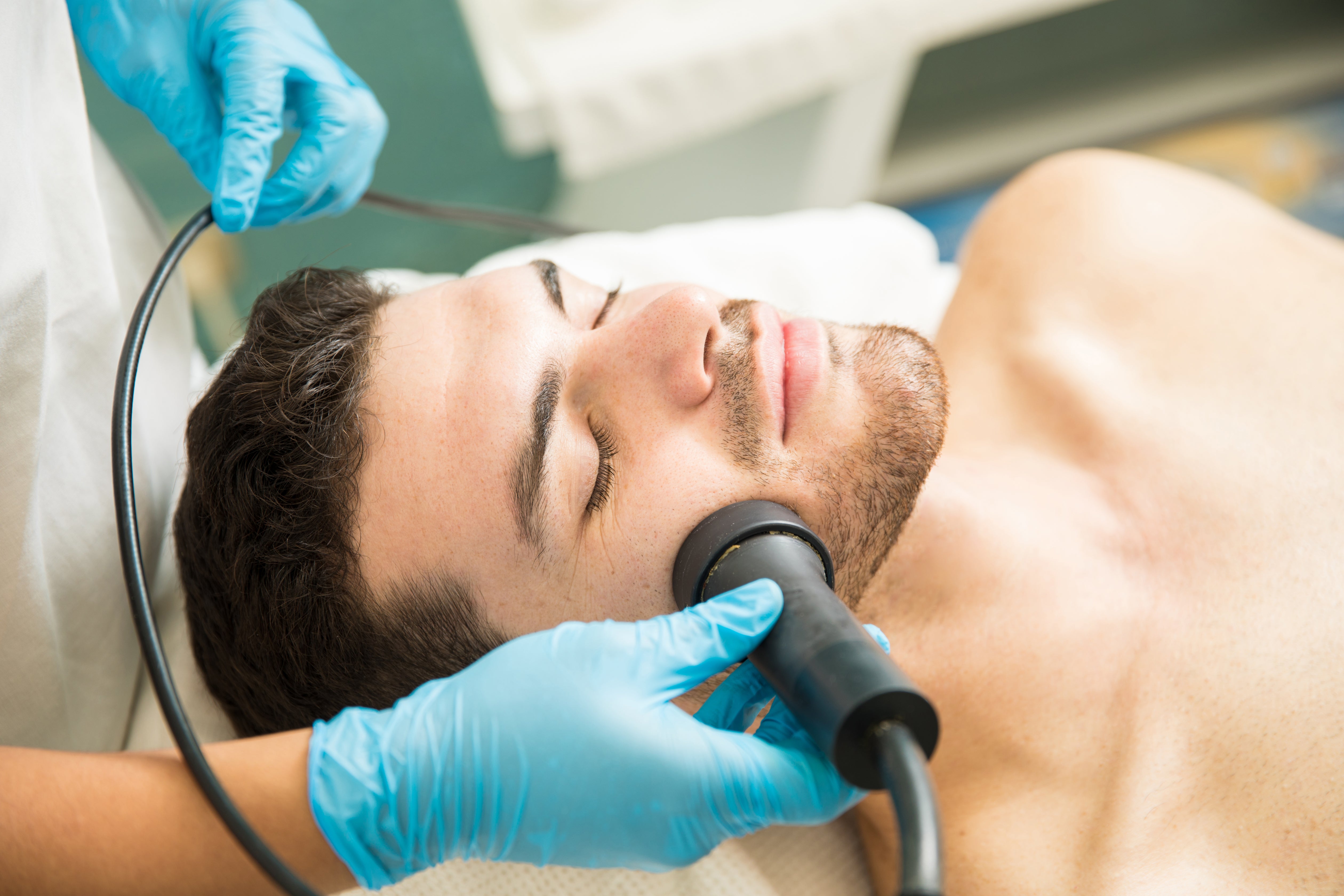
High-Intensity Focused Ultrasound (HIFU)
Best for: Loose skin with mild fullness
Mechanism: Targets deep support layers to stimulate collagen tightening
Timeline: Visible tightening in 6–12 weeks
Sessions: Usually 1, sometimes a booster
Cryolipolysis (Fat Freezing)
Best for: Fat-dominant double chin with good skin elasticity
Mechanism: Gradual reduction of fat cell volume
Timeline: Contour changes over 4–12 weeks
Durability: Long-lasting if the weight remains stable
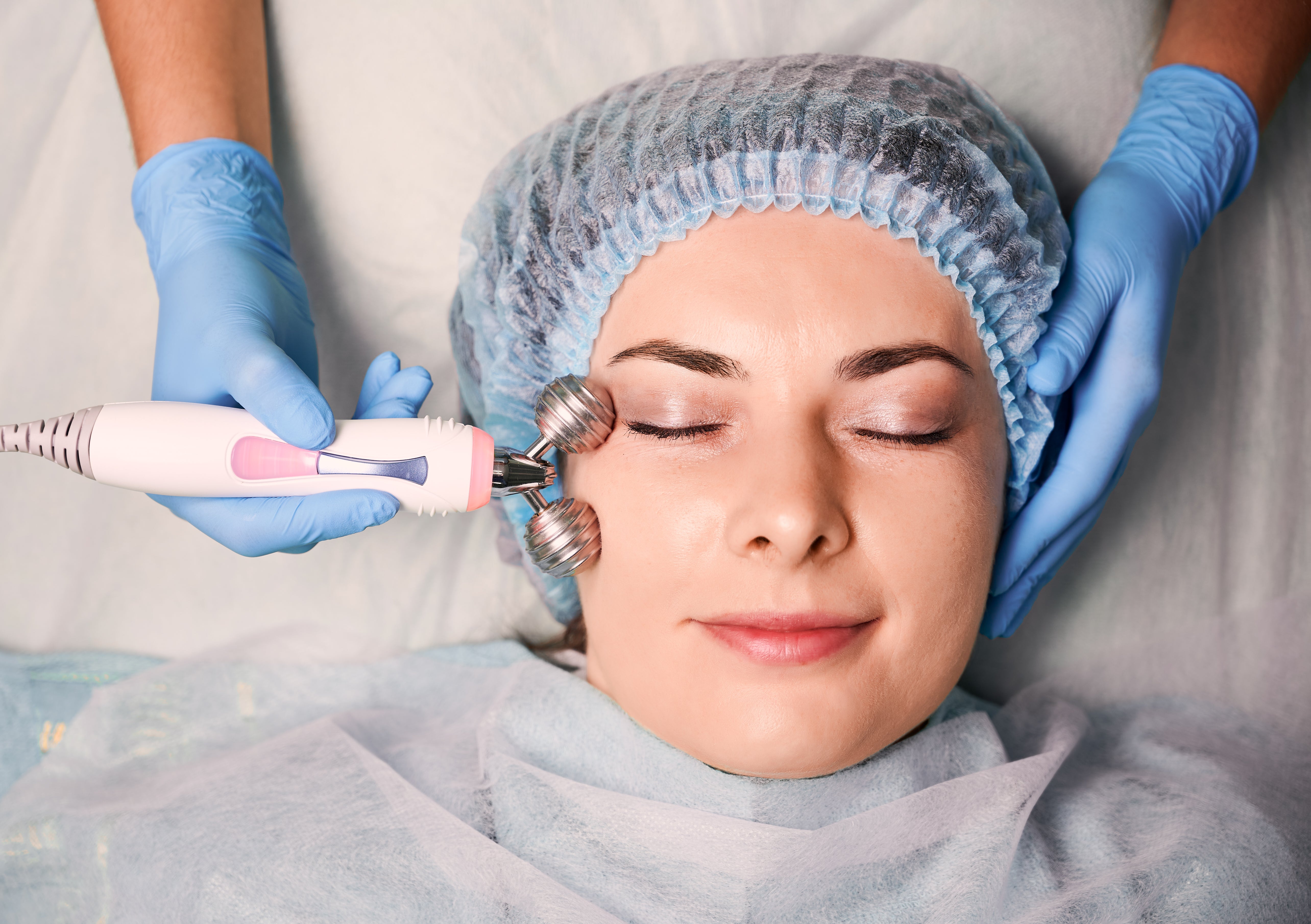
Radiofrequency (RF) Skin Tightening
Best for: Mild laxity and early jawline softening
Mechanism: Controlled dermal heating supports collagen contraction
Sessions: Typically 3–6
Results: Gradual improvement over weeks
Microneedling Radiofrequency (MNRF)
Best for: Moderate laxity and combined ageing changes
Mechanism: Deeper collagen remodeling and skin firming
Sessions: Usually 3–5
Timeline: Progressive improvement over 6–16 weeks
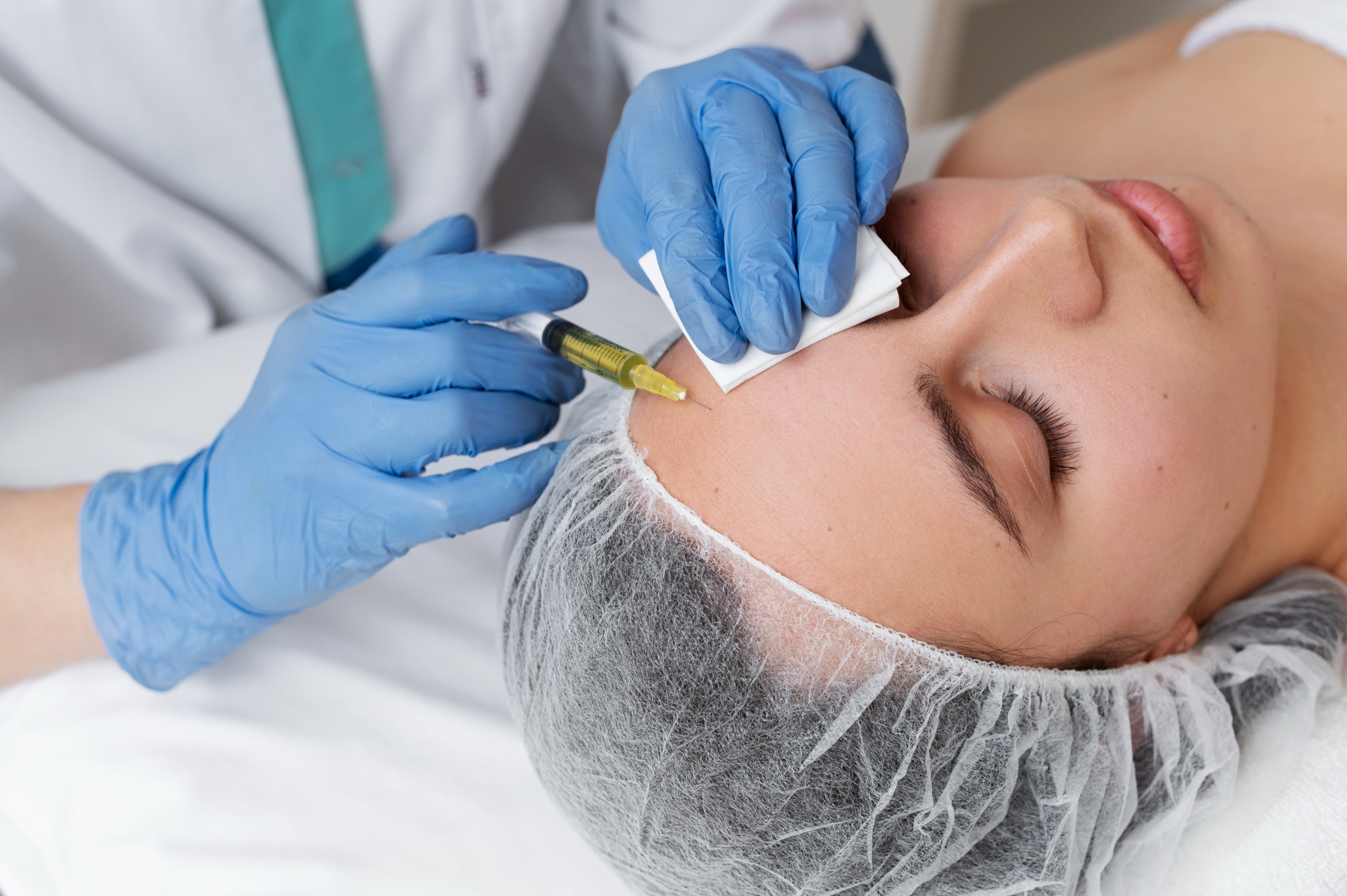
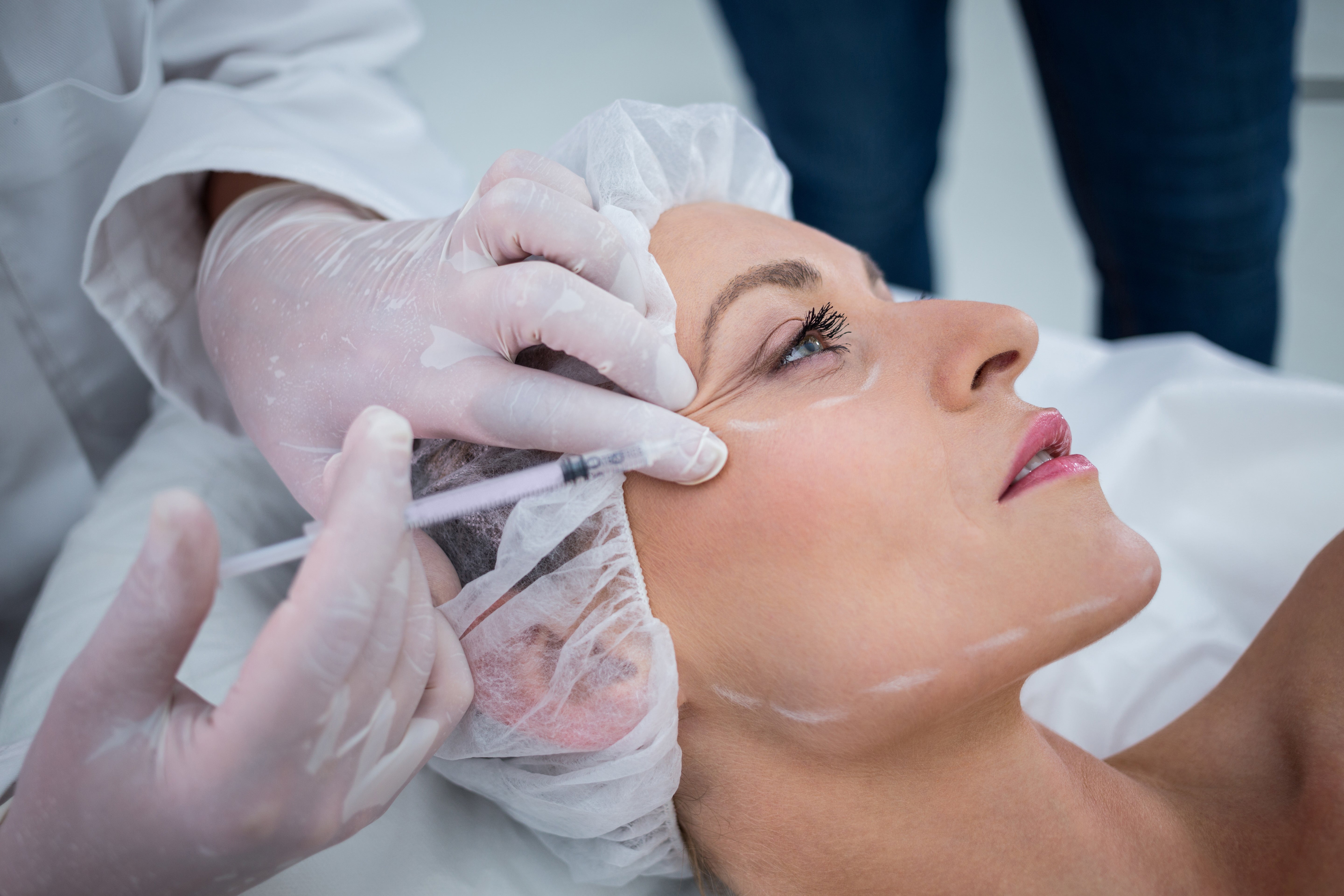
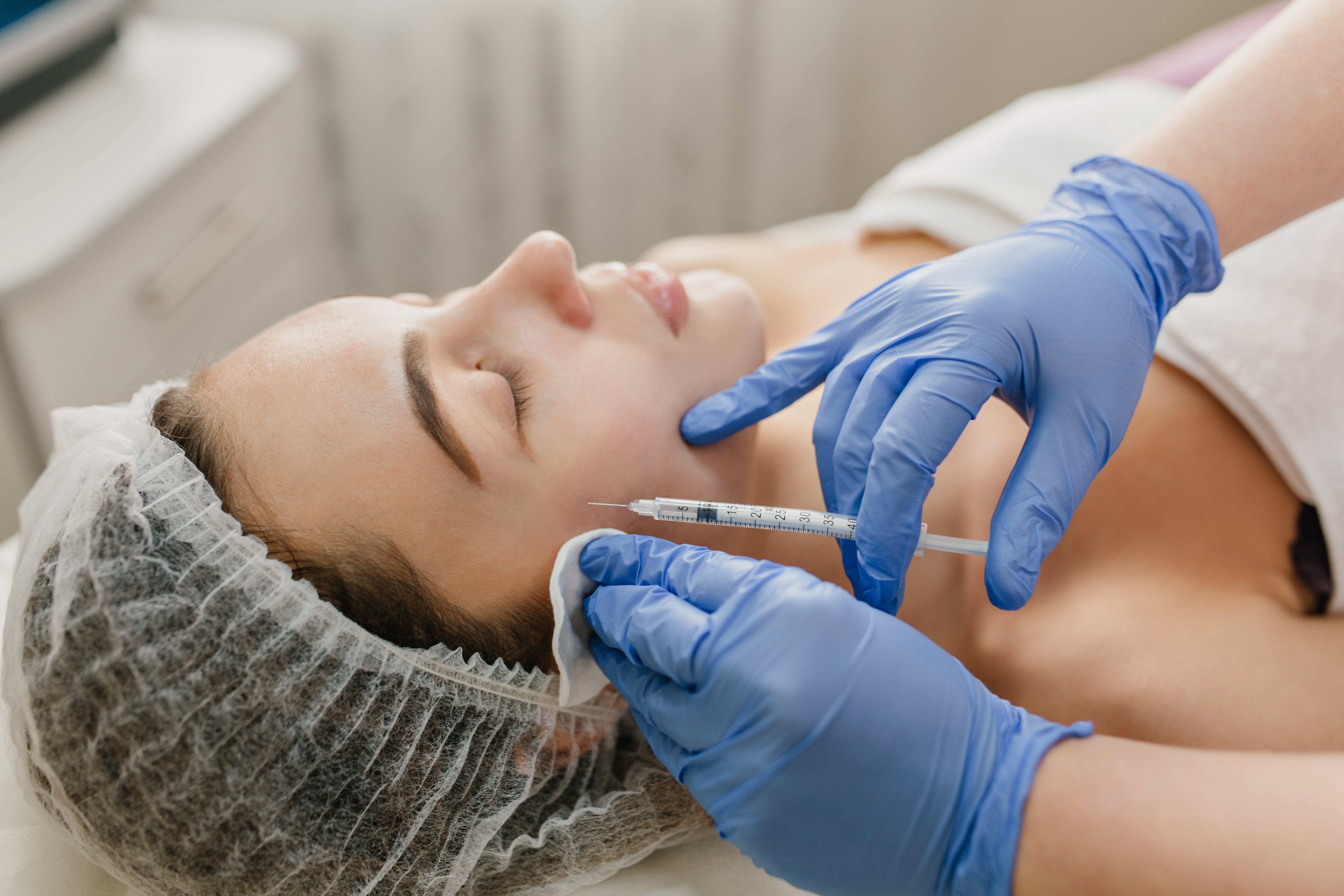
Injectable Fat Dissolvers (Deoxycholic Acid)
Best for: Small, localized fat pockets
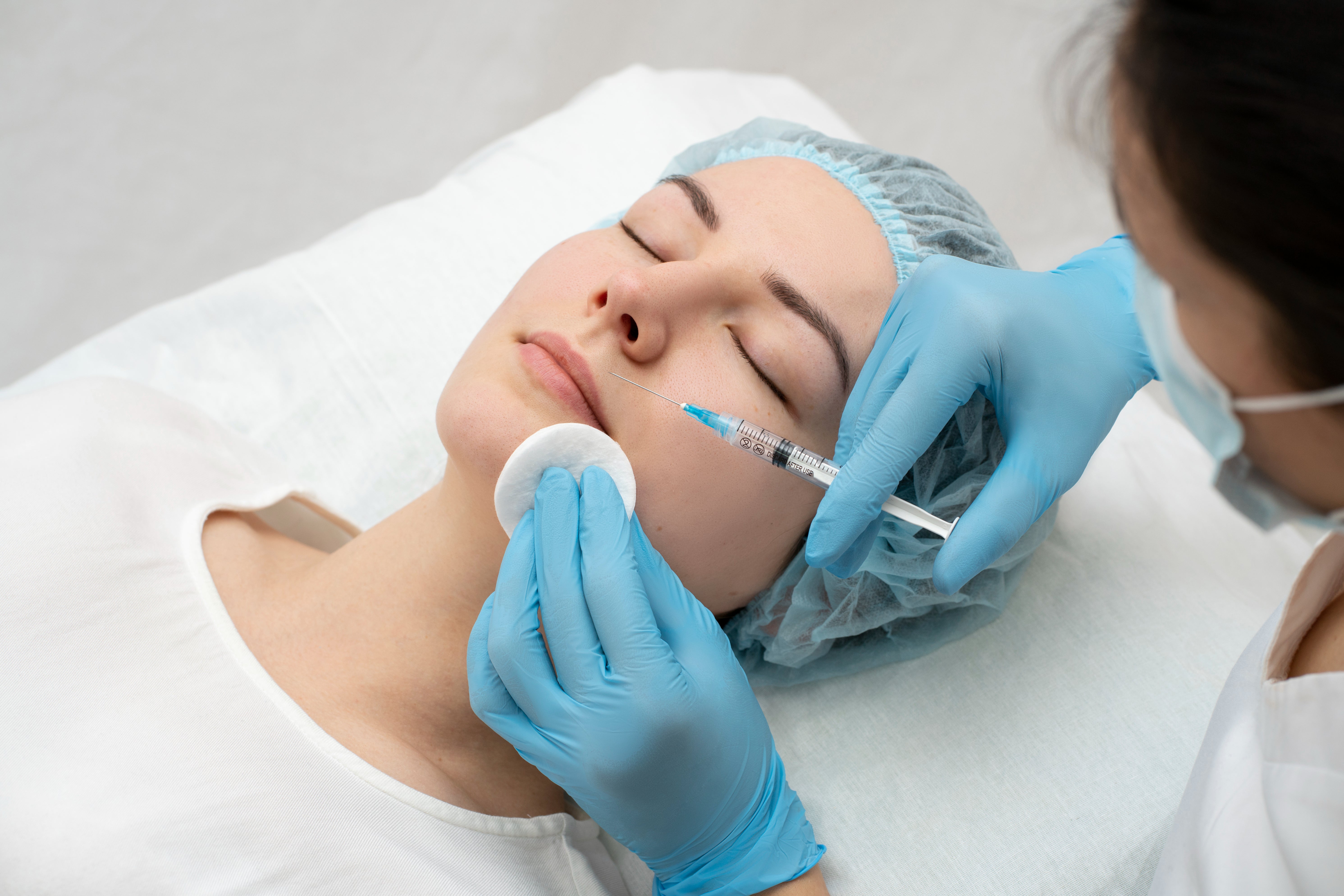
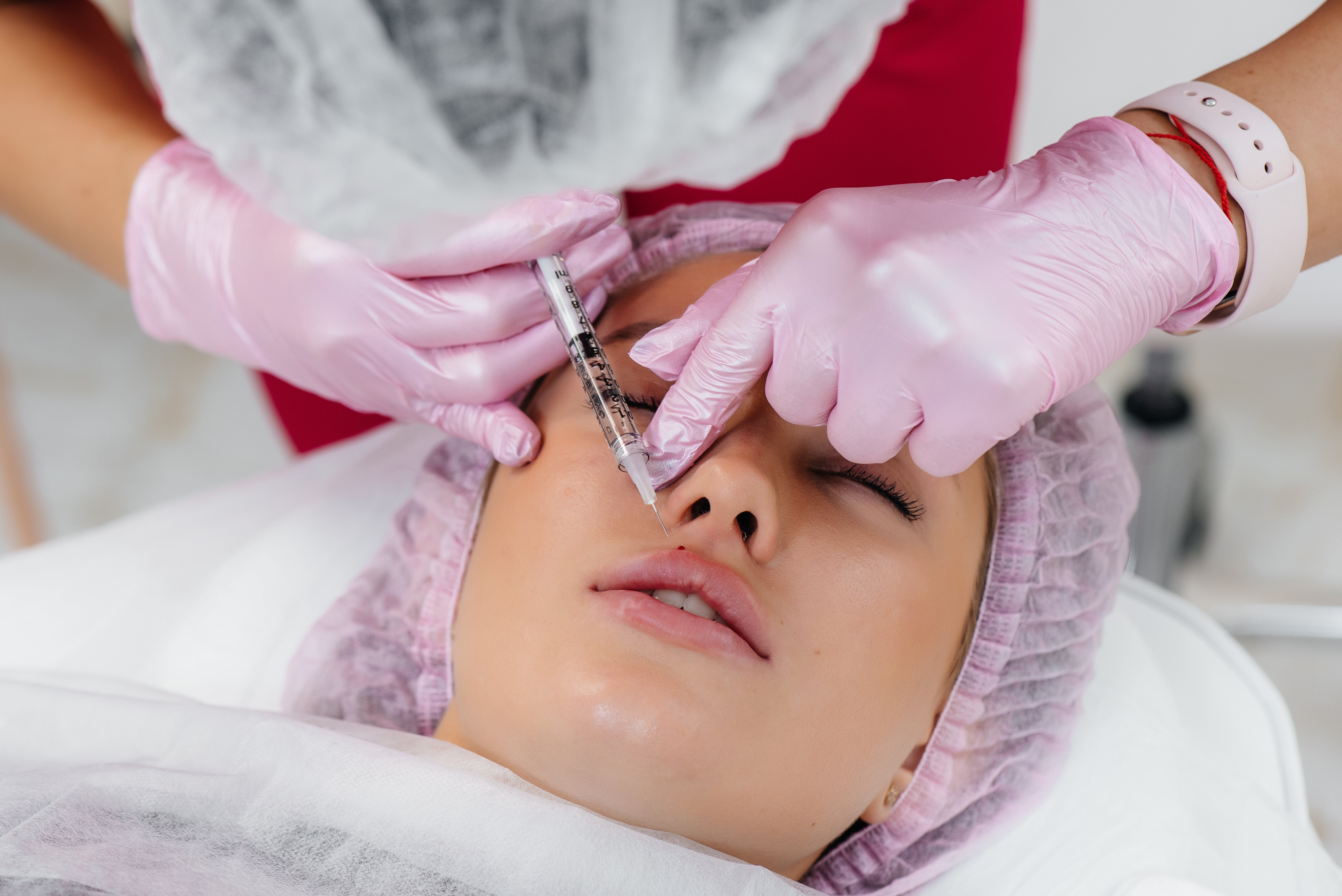
Mechanism: Breaks down fat cells via microinjections
Sessions: 2–6 (case dependent)
Common temporary effects: Swelling, tenderness, bruising
Chin Augmentation (Filler-Based)
Best for: Weak or recessed chin causing a “double chin illusion.”
Mechanism: Improves chin projection and jawline balance.e
Timeline: Immediate shape improvement with settling over days
How Treatment Plans Are Built (Examples)Fat only fullness: Cryolipolysis or injectables
- Fat + loose skin: HIFU combined with RF tightening
- Structural issue: Chin filler with supportive tightening
- Ageing jawline (40+): MNRF + HIFU + collagensupport protocols
Each plan is individualised after a medical assessment.
Expected Results (Realistic Outcomes)
Patients typically notice:
- Improved jawline definition
- Reduced submental fullness
- Firmer skin under the chin and upper neck
- Better side profile and photo angles
Results vary based on fat thickness, skin laxity, age, and biology. The goal is measurable, natural improvement, not overcorrection.
Safety, Risks & Contraindications
When performed by trained dermatologists:
- Side effects are usually mild and temporary
- Serious complications are uncommon.
Temporary effects may include:
- Redness, warmth, tenderness
- Swelling or bruising (more common with injectables)
Treatments are avoided or modified in:
- Pregnancy or breastfeeding
- Active skin infections
- Certain medical conditions affecting healing
PostTreatment Care (General Guidance)
- Stay well hydrated
- Avoid massaging the treated area for 24–48 hours.
- Use sunscreen daily
- Avoid strenuous exercise for 1–2 days (as advised)
- Maintain stable body weight.
Frequently Asked Questions
Are double chin results permanent?
Fat reduction can be long-lasting if weight is stable. Skin tightening may need maintenance as ageing continues.
Is nonsurgical treatment painful?
Most treatments are well tolerated. Temporary warmth, tenderness, or swelling may occur.
How many sessions are usually needed?
Typically 1–4 sessions, depending on anatomy and treatment choice.
At what age is it best for treatment?
Most commonly 20–40, but suitability depends on anatomy, not age alone.
Effective double chin reduction depends on:
- Accurate diagnosis
- Understanding fat, skin, and structure
- Conservative, evidence-based treatment planning
The aim is natural jawline definition and balanced facial contours, not aggressive fat removal.
✍
Written by: Swaraj Dhar
Co Founder Allodermis || Sociopreneur || Technologist
LinkedIn ID: https://www.linkedin.com/in/swarajdhar/
Reviewed by: Dr Alok Sahoo
MBBS, MD Dermatology and Venereology, AIIMS Delhi
LinkedIn ID: https://www.linkedin.com/in/dralokderma/


