




















Facial Treatments for Aging: What Actually Works

Updated on: 2026-05-24
Facial treatments for aging can improve the look of skin texture, tone, and firmness.
However, results depend on choosing methods that match your skin needs and tolerances.
A balanced plan typically combines professional options with a consistent home routine.
When you evaluate options carefully, you can reduce common risks such as irritation, uneven pigmentation, and rebound dryness.
Table of Contents
Introduction
Facial treatments for aging are designed to address visible signs that commonly appear with time, including dullness, loss of definition, uneven tone, and fine lines. Many people begin with facials because they can be structured, guided, and adapted to skin type. Still, not every facial method is ideal for every concern, and not every skin reacts the same way. A thoughtful approach helps you match the treatment style to your goals while protecting your skin barrier.
In this guide, you will learn how to evaluate facial treatments for aging in a practical way. You will also see how to pair in-clinic options with supportive home care, including cleansing, hydration, and daily sun protection. The purpose is not to promise instant change. The purpose is to help you build a consistent plan that respects skin biology and long-term outcomes.
How-To Steps
-
List your top concerns. Choose up to three: texture, pigmentation, firmness, or hydration.
-
Assess your skin type and sensitivity. Note whether your skin feels tight, looks shiny, or reacts to new products.
-
Identify your triggers. Common examples include harsh cleansing, skipped sunscreen, and over-exfoliation.
-
Select a facial category that targets your concerns. Consider exfoliation for texture, brightening for uneven tone, or firming support through hydration and collagen-supporting routines.
-
Request a patch test when appropriate. This step reduces the chance of irritation from active ingredients.
-
Build a simple home regimen before and after your appointment. Focus on gentle cleansing, targeted hydration, and consistent sunscreen.
-
Track outcomes for several weeks. Use consistent lighting and avoid frequent changes to your routine.
-
Adjust based on tolerance. If skin feels dry or reactive, prioritize barrier support and simplify actives.
Professional Facial Treatments for Aging
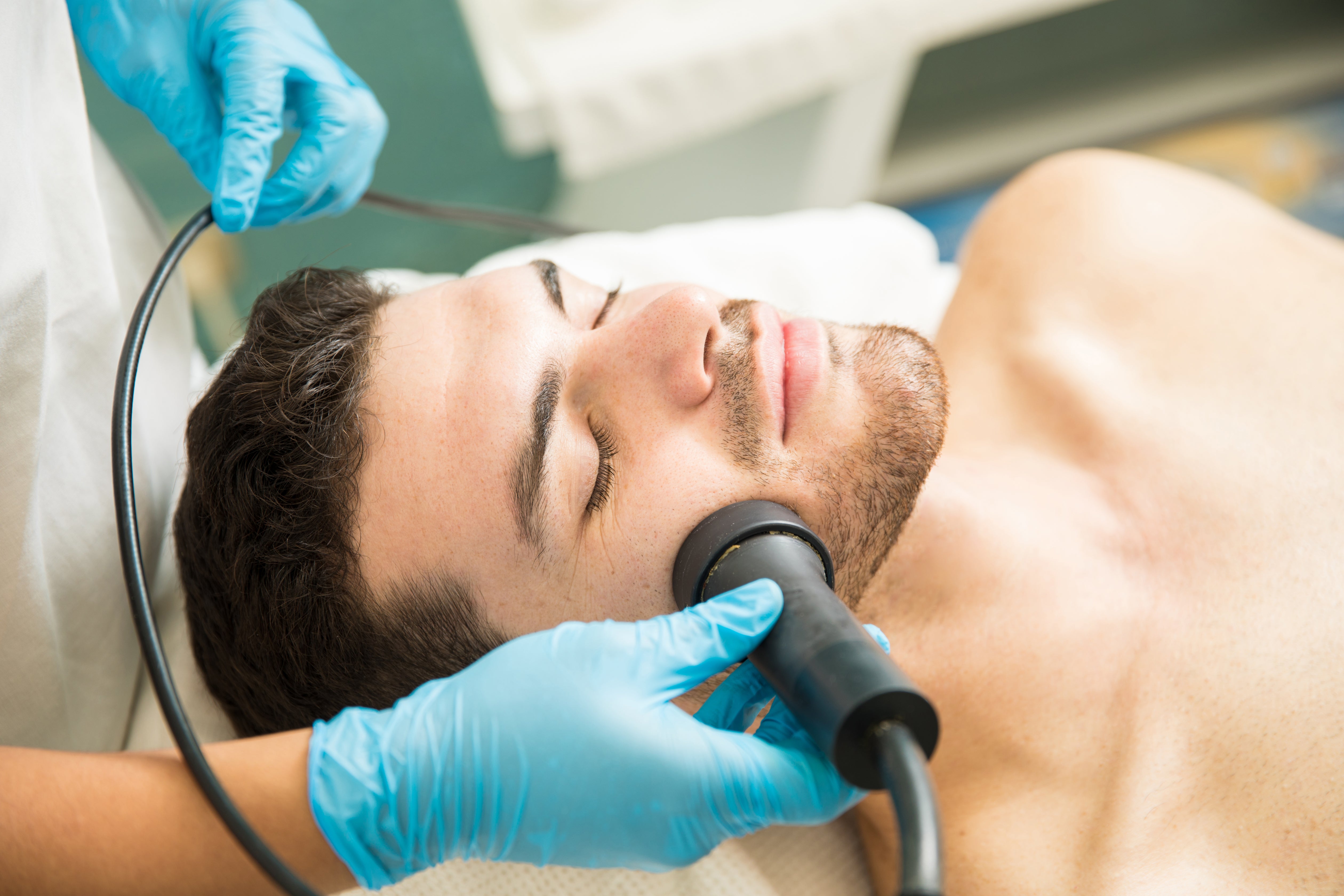
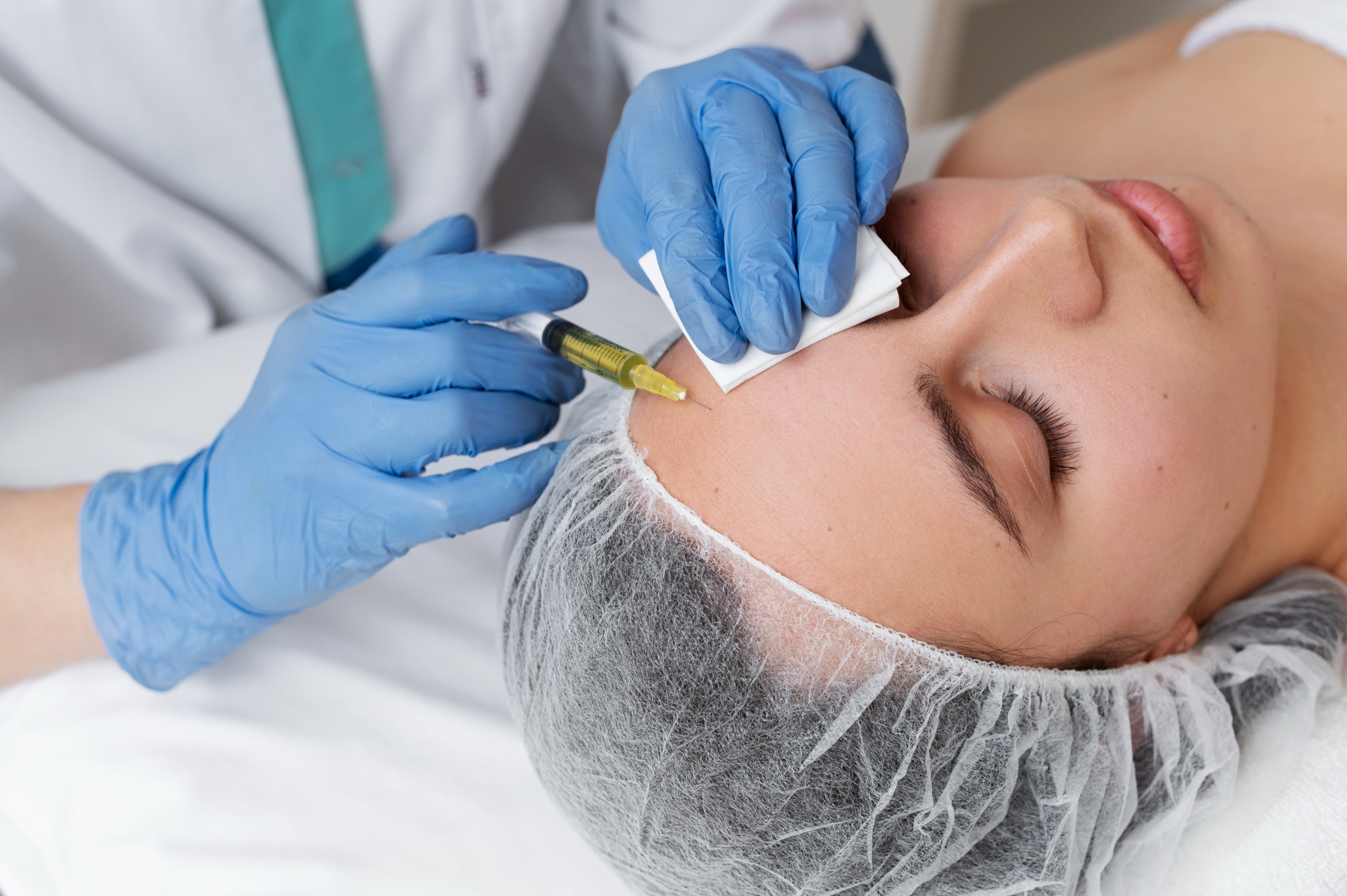
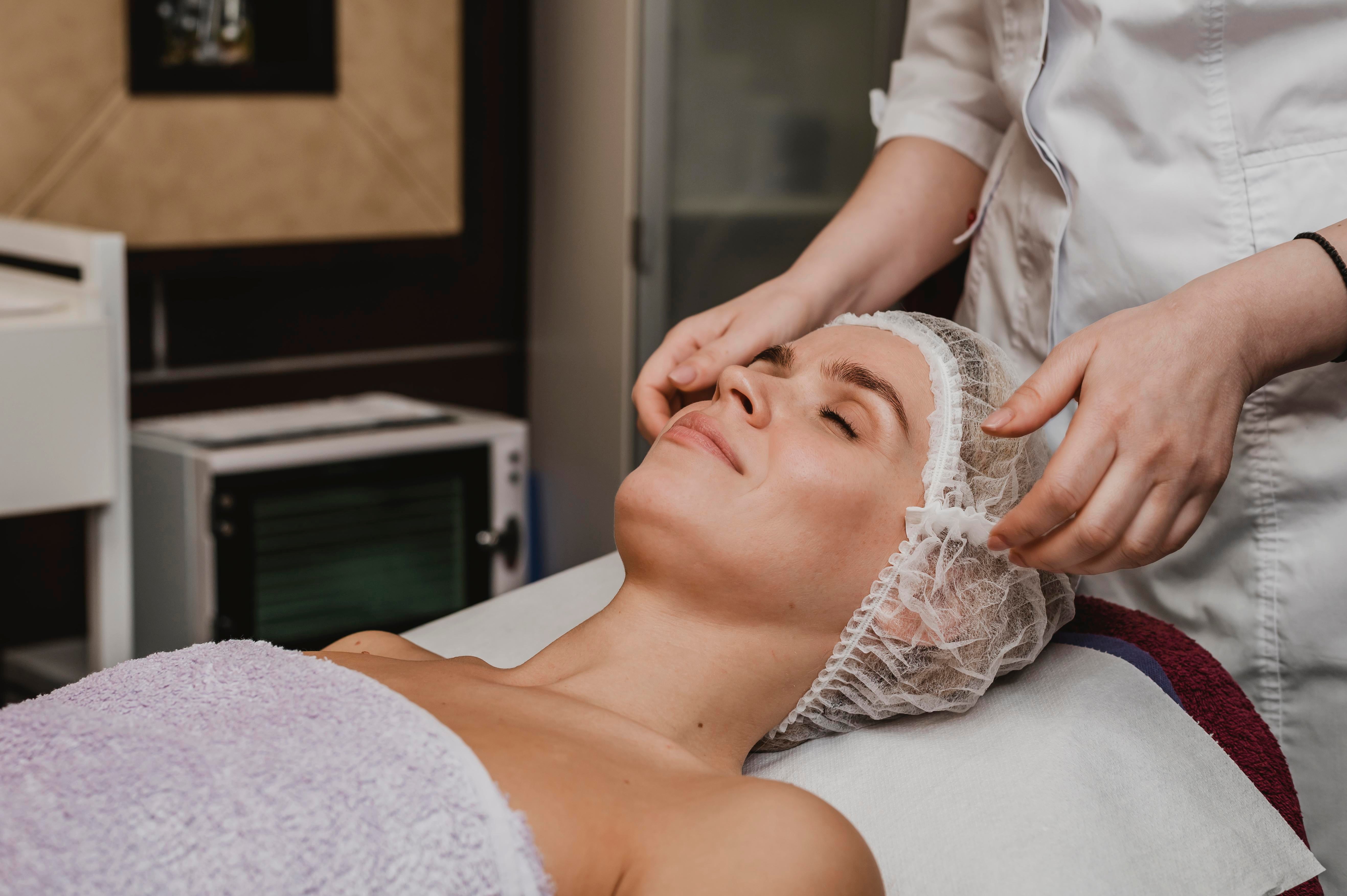
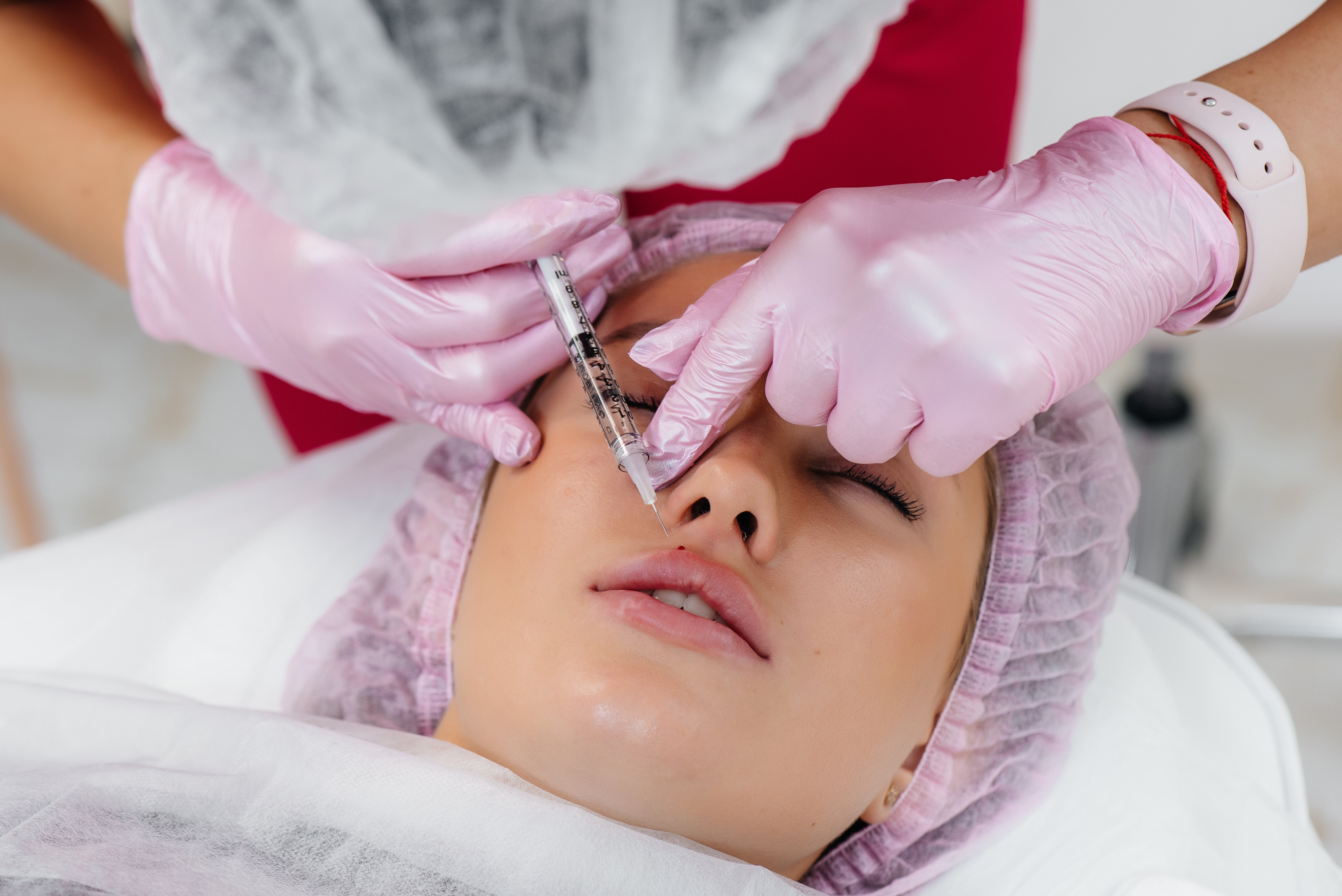
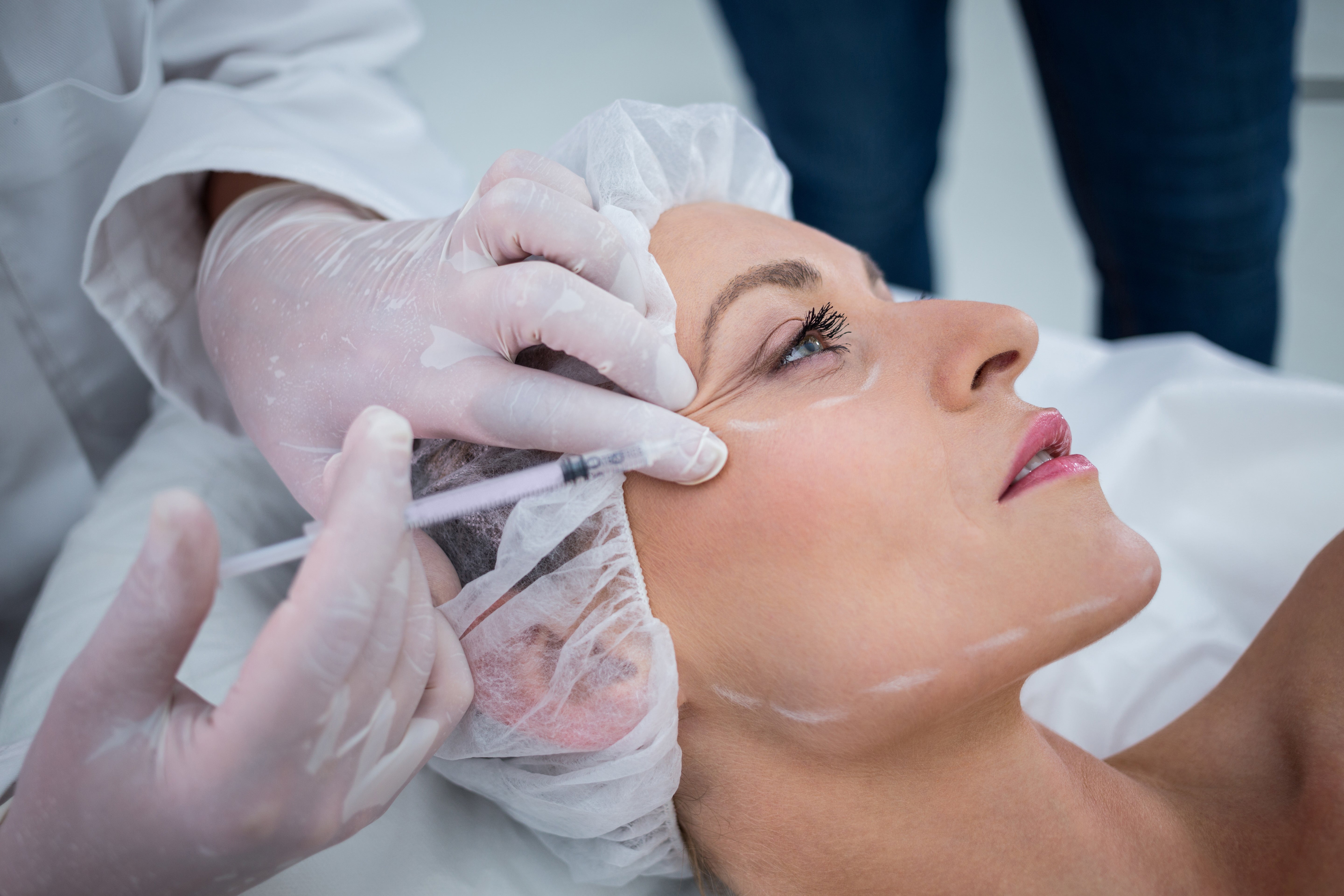
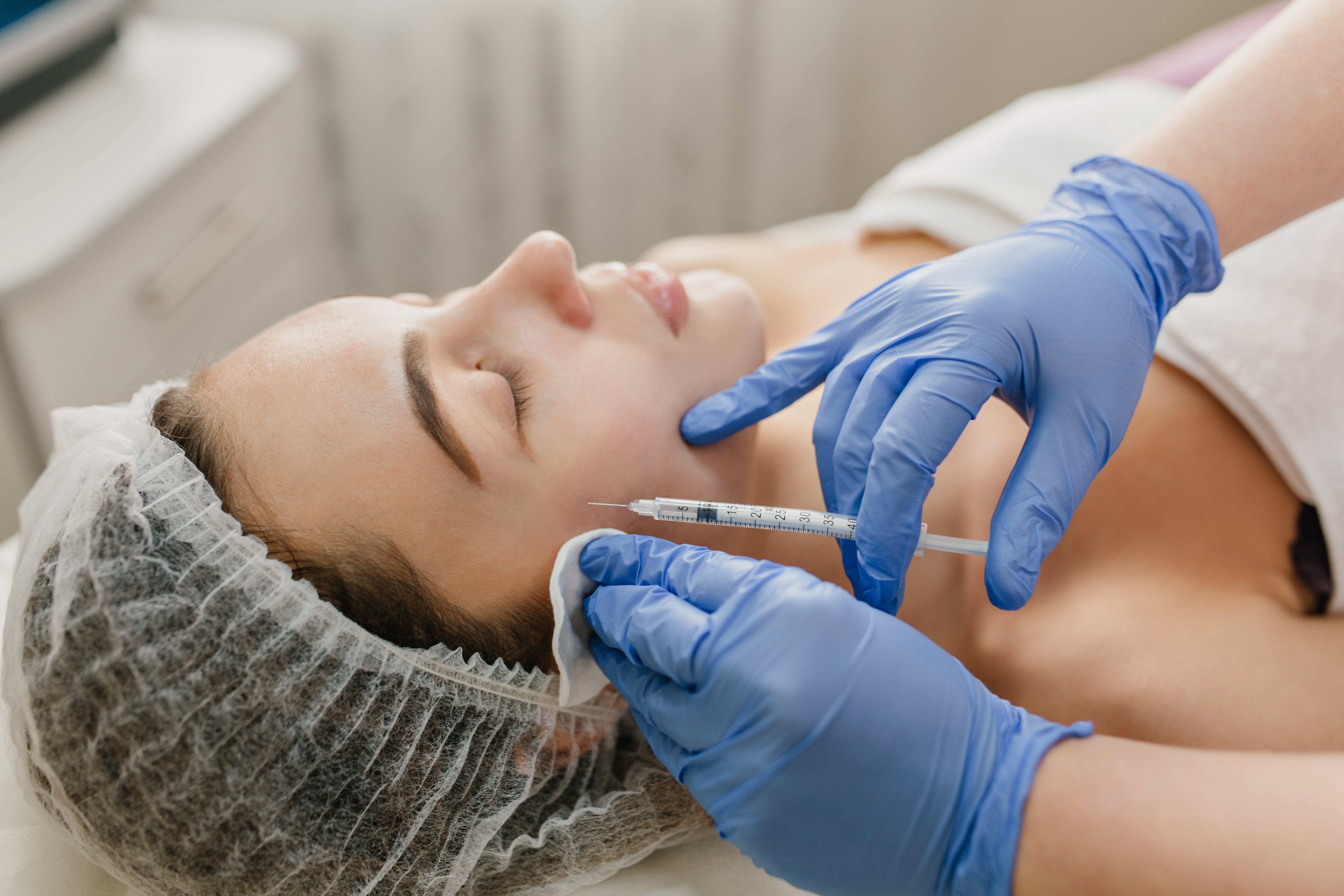
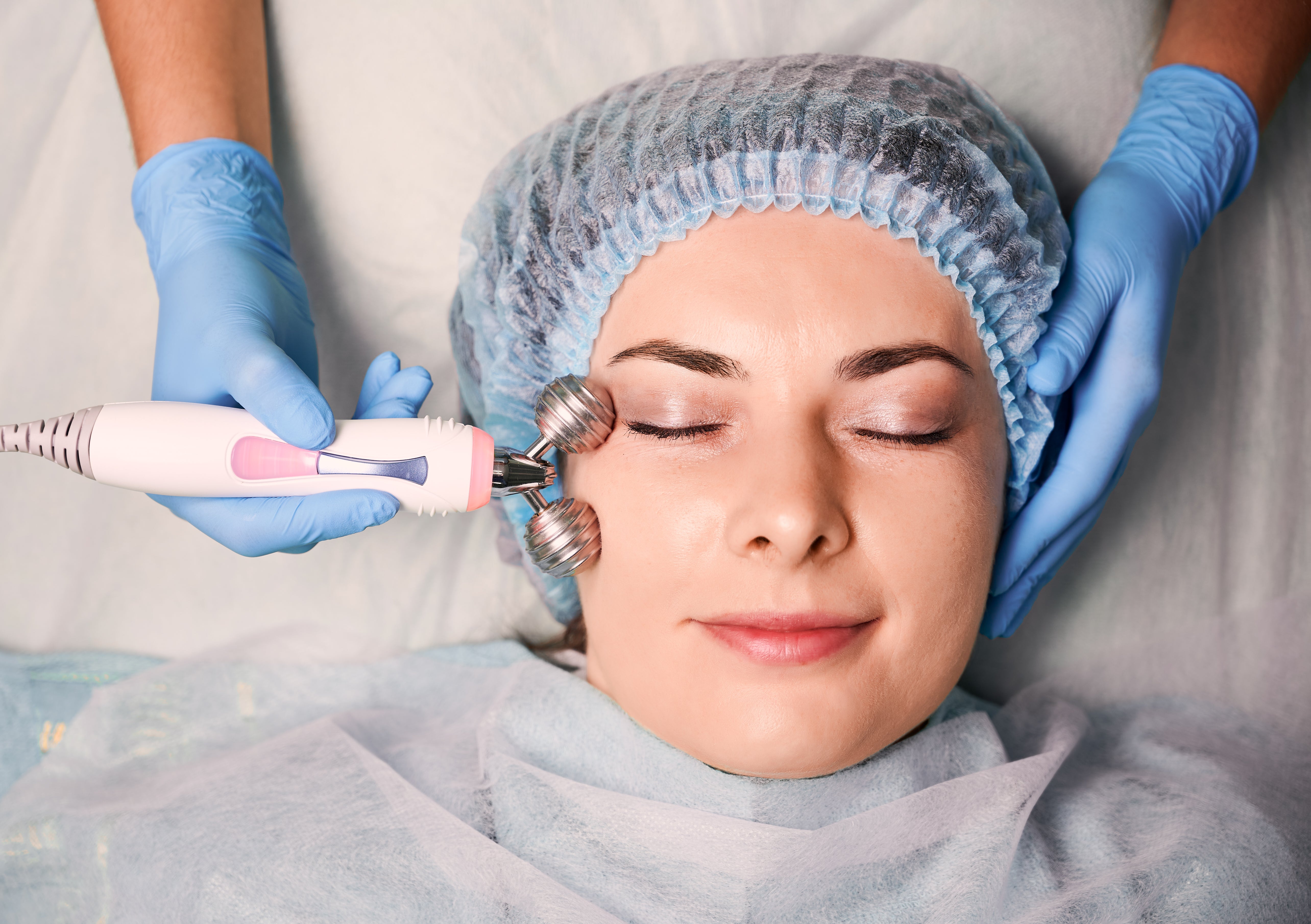
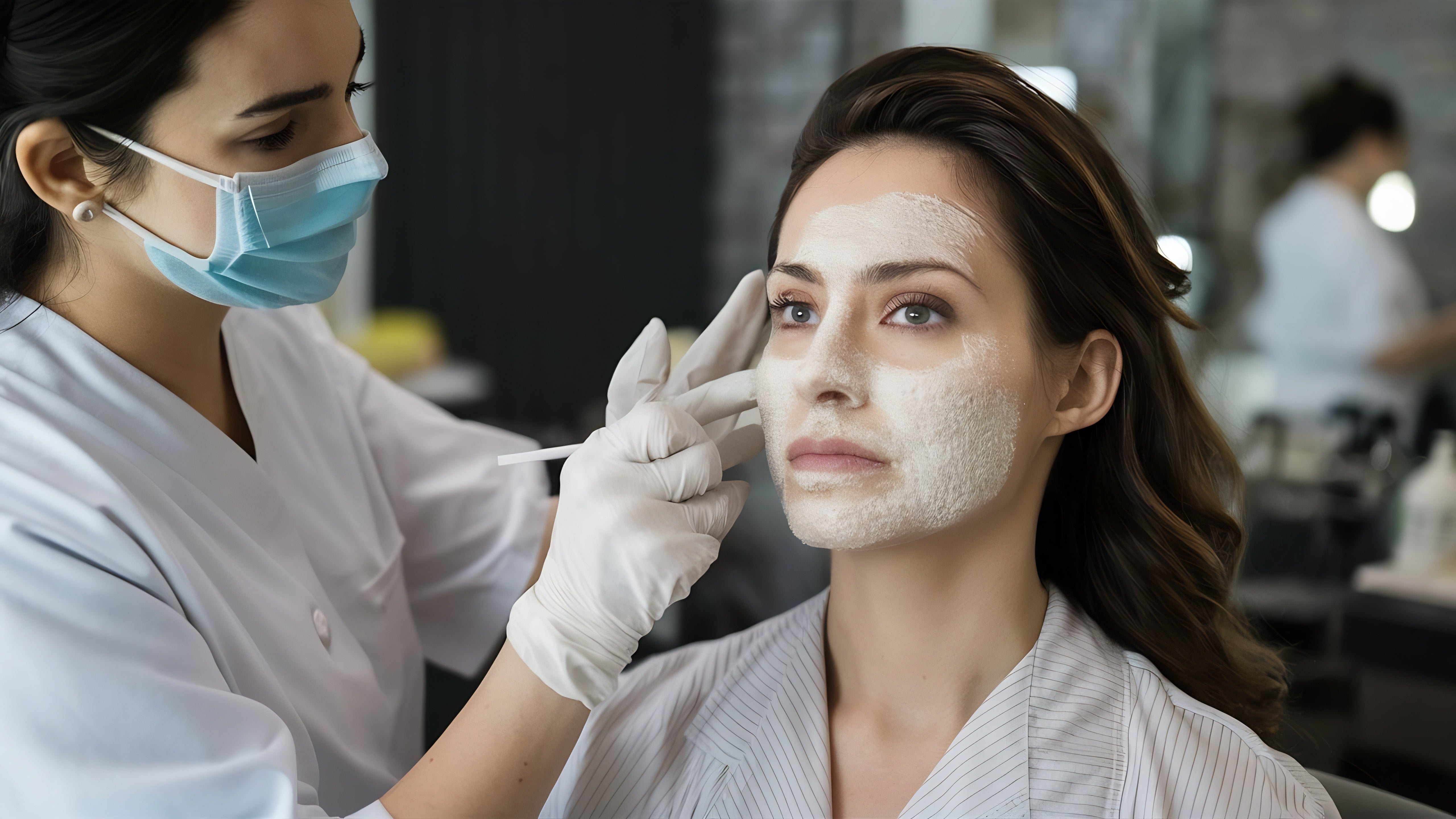
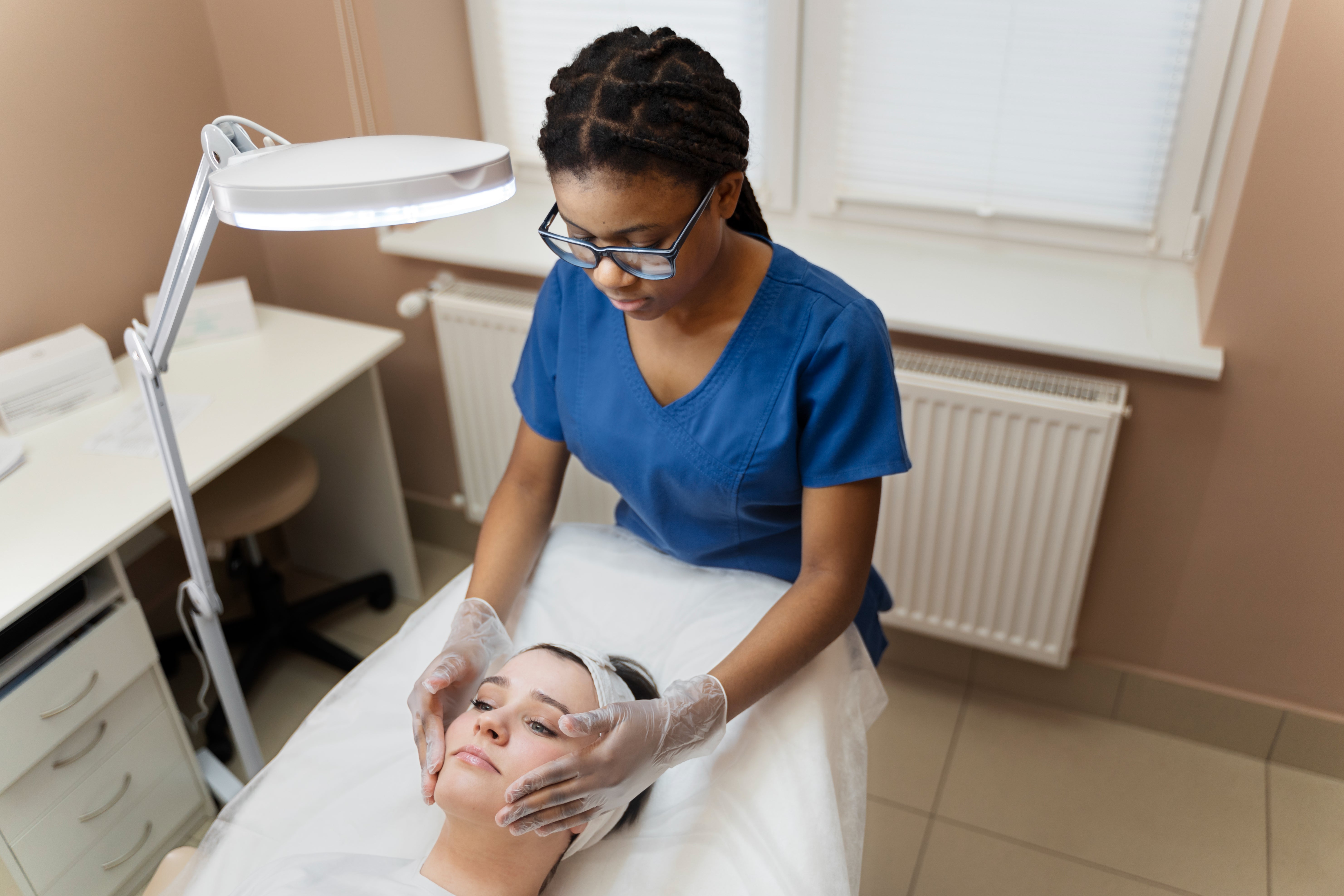
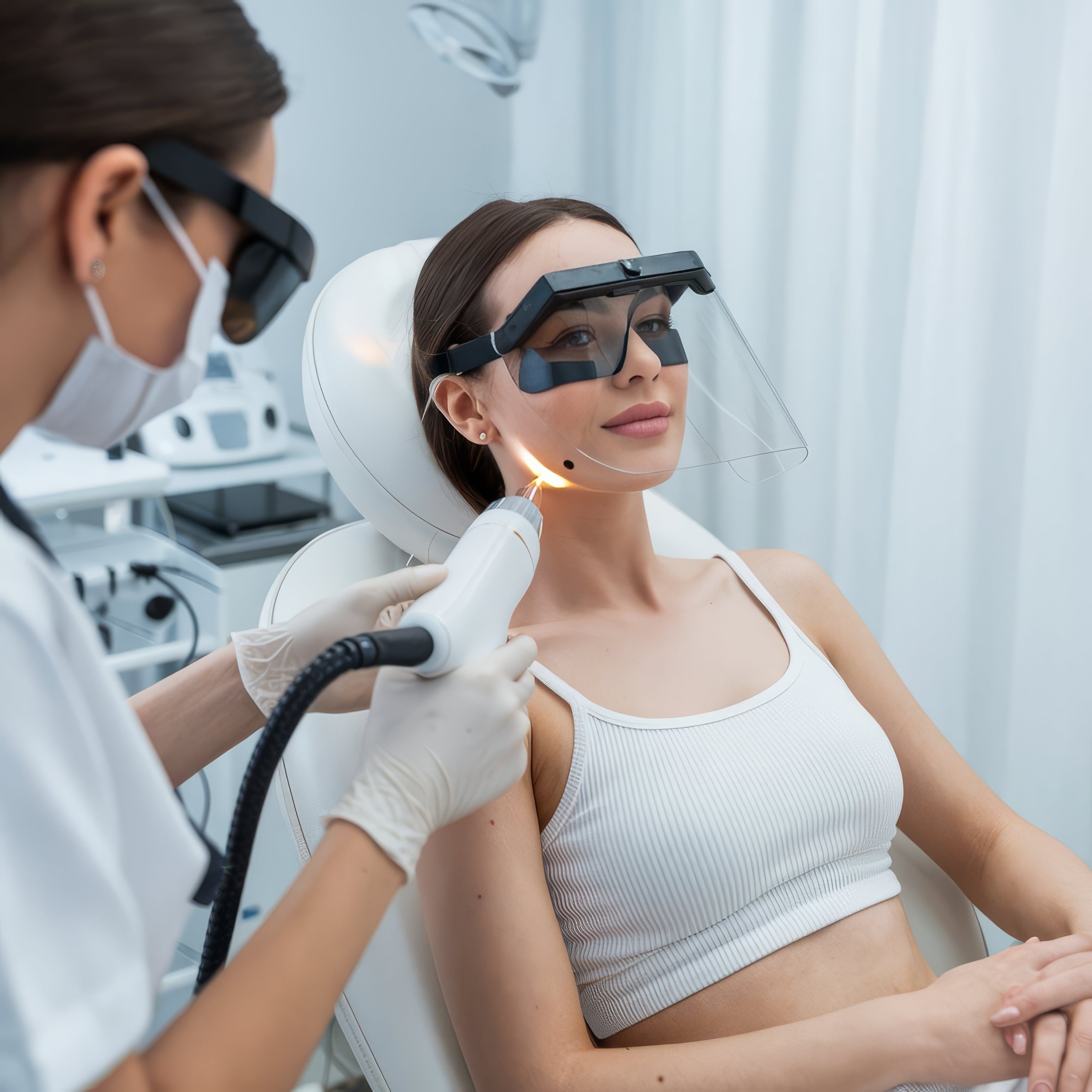
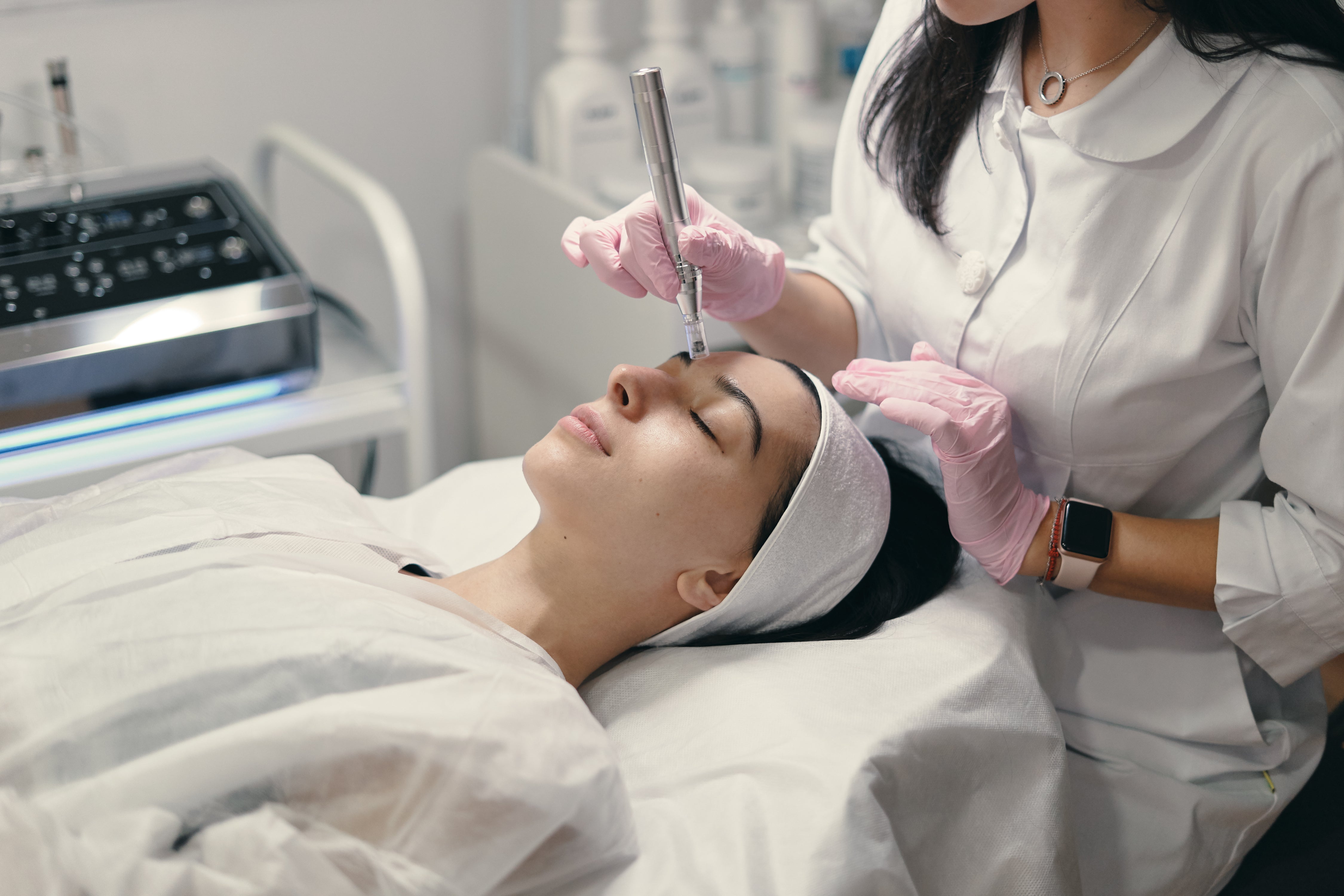
Professional facials vary in technique and intensity. Some emphasize exfoliation and surface renewal, while others focus on hydration, massage, and targeted actives. Many clinics also offer structured protocols that combine steps such as cleansing, preparation, exfoliation, soothing masks, and finishers designed to support barrier recovery.
1) Gentle exfoliation for smoother texture
Texture concerns often include roughness, dullness, or the look of enlarged pores. A facial that uses controlled exfoliation can help refine the look of the surface. The best choice depends on skin sensitivity. For reactive skin, you may prefer lower-intensity exfoliation and longer recovery support. For resilient skin, carefully scheduled exfoliation can help skin appear more even.
2) Brightening support for uneven tone
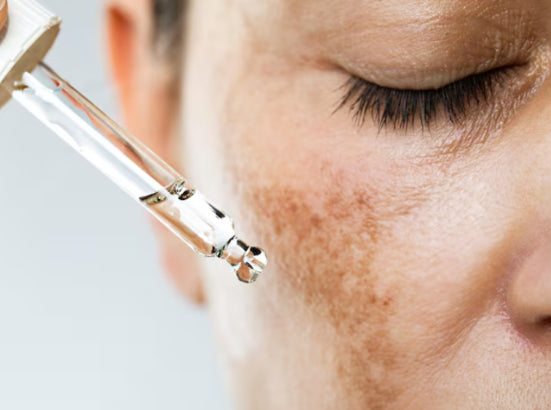
Uneven tone can appear as dark spots, post-acne marks, or generalized dullness. Brightening-focused facials typically include steps that help reduce the visual contrast between areas. Consistent sun protection remains essential because pigment problems commonly worsen with ultraviolet exposure. When brightening facials are paired with daily sunscreen, the overall progress often becomes more stable.
3) Hydration-driven firmness support
When skin feels dehydrated, it can look less firm and more creased. Facial treatments that emphasize hydration and barrier support can improve the look of plumpness. While hydration is not identical to structural change, well-hydrated skin often appears smoother and more resilient. This is why moisturizing facials and replenishing serums are frequently included in aging-focused plans.
4) Soothing and recovery when skin is sensitive
Some aging concerns are paired with compromised comfort, such as stinging, flaking, or redness. In these cases, a facial strategy that prioritizes calming steps may be appropriate. Soothing masks, gentle cleansing, and reduced exfoliation can support recovery. A stable barrier can make later actives more tolerable.

Home Support for Aging-Focused Facials
Home care determines how well your skin maintains the benefits of a facial. A facial can improve the look of skin in the short term, but your daily routine controls long-term consistency. Build your plan around four fundamentals: gentle cleansing, hydration, targeted treatment, and sun protection.
Cleanse with low irritation
Over-cleansing can strip natural lipids and increase dryness. Choose a gentle cleanser that removes sunscreen and impurities without leaving the skin tight. If you cleanse in the morning, use a small amount and avoid hot water. If you wear heavy sunscreen or makeup, double cleansing may be appropriate, but it should still remain gentle.
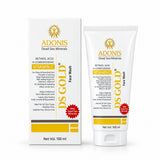
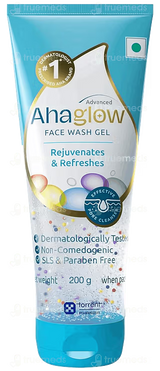
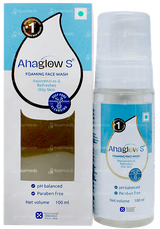
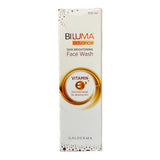
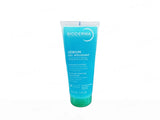
For a low-irritation approach, consider a gentle cleanser such as Gentle Cleanser.
Hydrate and reinforce comfort
Hydration is often the most immediate support for facial treatments for aging. Look for moisturizing products that help skin feel flexible and smooth. If your skin is dry, a richer lotion or cream may perform better. If your skin is oily, a lightweight hydrator can reduce tightness without heavy residue.
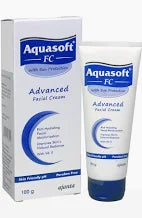
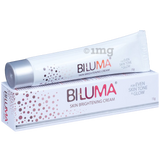
To support a balanced hydration routine, you may explore Hydrating Lotion.
Add targeted actives carefully
Targeted actives can improve specific concerns such as pigmentation or dullness. Still, facial treatments for aging work best when your home routine and in-clinic steps do not conflict. If your facial includes exfoliation, consider spacing strong home exfoliants so your skin is not overloaded. If you are new to actives, begin slowly and increase frequency only after you confirm tolerance.
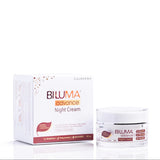
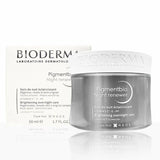
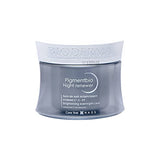
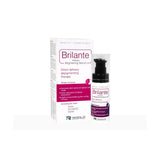
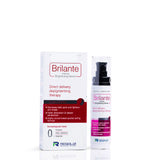
For brightening-focused support, you may consider Night Brightening Support.
Support clarity if acne and aging overlap
Some adults experience both uneven tone and acne breakouts. In these situations, a facial plan should address inflammation without aggravating dryness. A consistent routine that includes gentle cleansing and daytime protection can help. If your acne care plan is already established, coordinate your facial timing so you do not irritate skin during peak sensitivity periods.
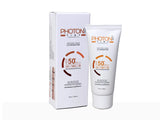
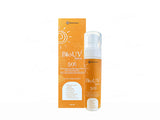
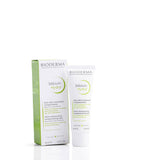
For daytime clarity support, consider SPF 50 Acne UV Gel.
Sunscreen as the Foundation
Sunscreen is the most important daily step for aging-focused skincare. Even if you choose high-quality facial treatments, ultraviolet exposure can counteract progress by increasing oxidative stress and pigment formation. A consistent sunscreen routine helps protect the benefits of brightening and surface renewal.
Many people underuse sunscreen or apply it too late. A simple practice can improve consistency: apply sunscreen as the last step of your morning routine, then reapply if you are outdoors for extended periods. Choose a formula that fits your skin type to support long-term compliance.
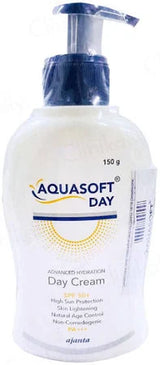
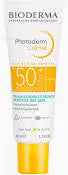
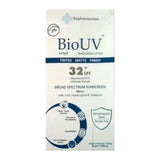
If you prefer a light texture with strong protection, consider Sunscreen Cream SPF.
Visual Guide: Early to Mid Process
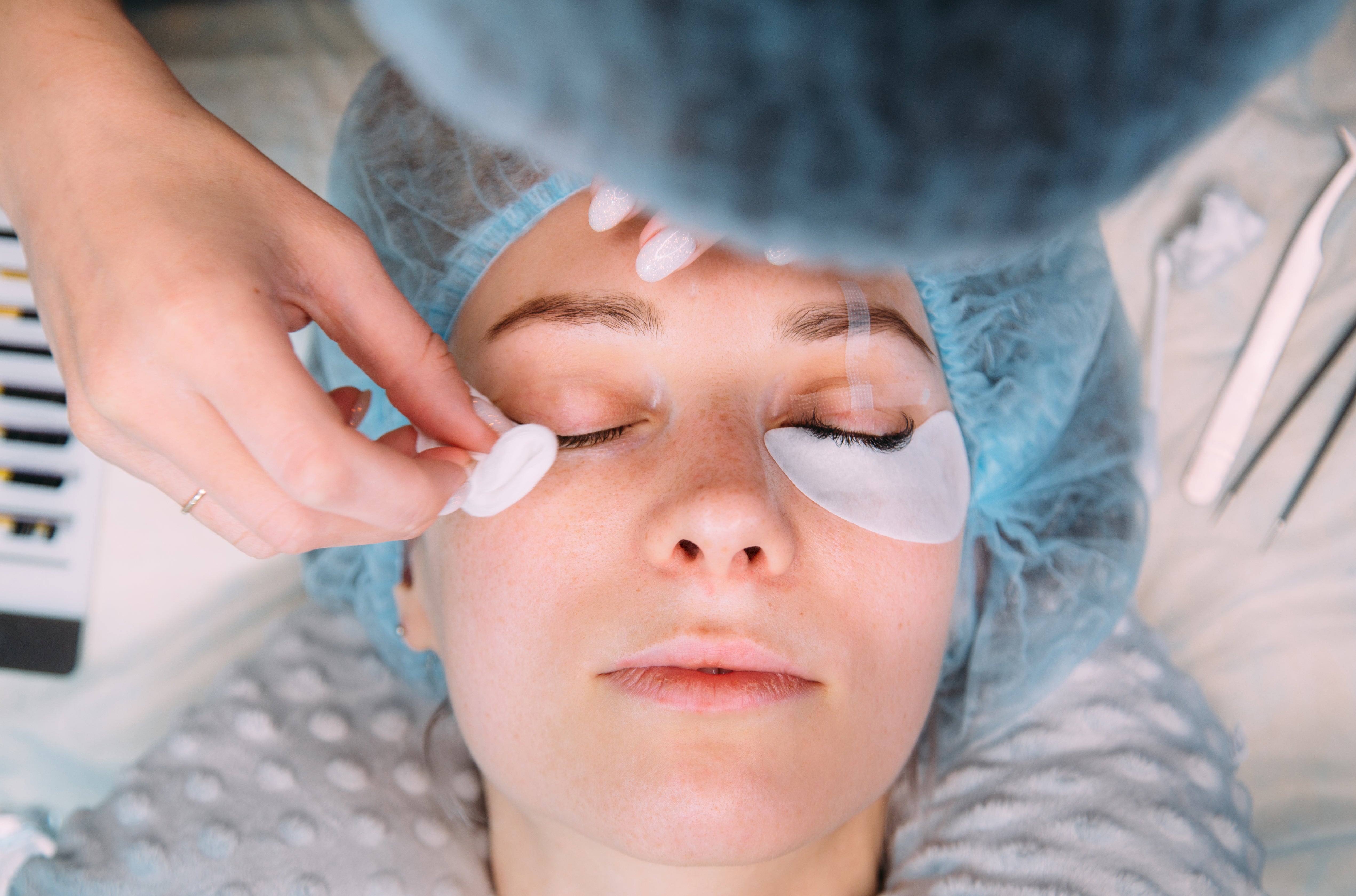
The early stage of a facial plan is often about creating a clean baseline and supporting comfort. The goal is not to overwhelm the skin. It is to reduce friction, reduce irritation risk, and improve how skin reflects light.
In practical terms, this means you should prioritize gentle cleansing, careful hydration, and a measured approach to exfoliation. It also means that your home products should align with your facial schedule. When skin feels stable, subsequent steps such as brightening or texture refinement become easier to tolerate.
Clinic-to-home rhythm: cleanse, hydrate, calm, protect
How to Choose the Right Treatment Plan
Choosing facial treatments for aging is more about fit than about fashion. A suitable plan should match your skin concerns, your lifestyle, and your tolerance level. Use the checklist below to evaluate a clinic or facial service.
Evaluate the customization quality
Look for a plan that considers your skin type, sensitivity, and current routine. A personalized consultation should identify whether your main concern is texture, uneven tone, dehydration, or loss of definition. It should also address barriers such as frequent irritation or active breakouts.
Confirm the ingredient logic
Ask how the facial steps are selected. A clear explanation helps you understand whether the routine includes exfoliation, brightening support, and barrier recovery. If your skin is easily irritated, a clinician should be able to scale down intensity and emphasize soothing steps.
Review timing and spacing
Facials are not a one-time fix. Many people progress best with consistent scheduling and gradual escalation of actives. When you start with strong exfoliation too quickly, skin can become dry and react. A balanced plan often uses spacing that allows the skin barrier to recover.
Plan for post-facial behavior
The days after a facial matter. Avoid harsh scrubs and reduce additional exfoliation if your facial included resurfacing steps. Keep your routine simple and focus on hydration and sunscreen. If your skin feels sensitive, prioritize calming moisturizers and gentle cleansing.
Consider combination strategies
Some skin goals require combined approaches. For example, uneven tone may require brightening support plus UV protection. Texture may require exfoliation plus hydration. When these are coordinated, facial treatments for aging can provide more coherent improvements across multiple concerns.
Visual Guide: Middle to Later Process
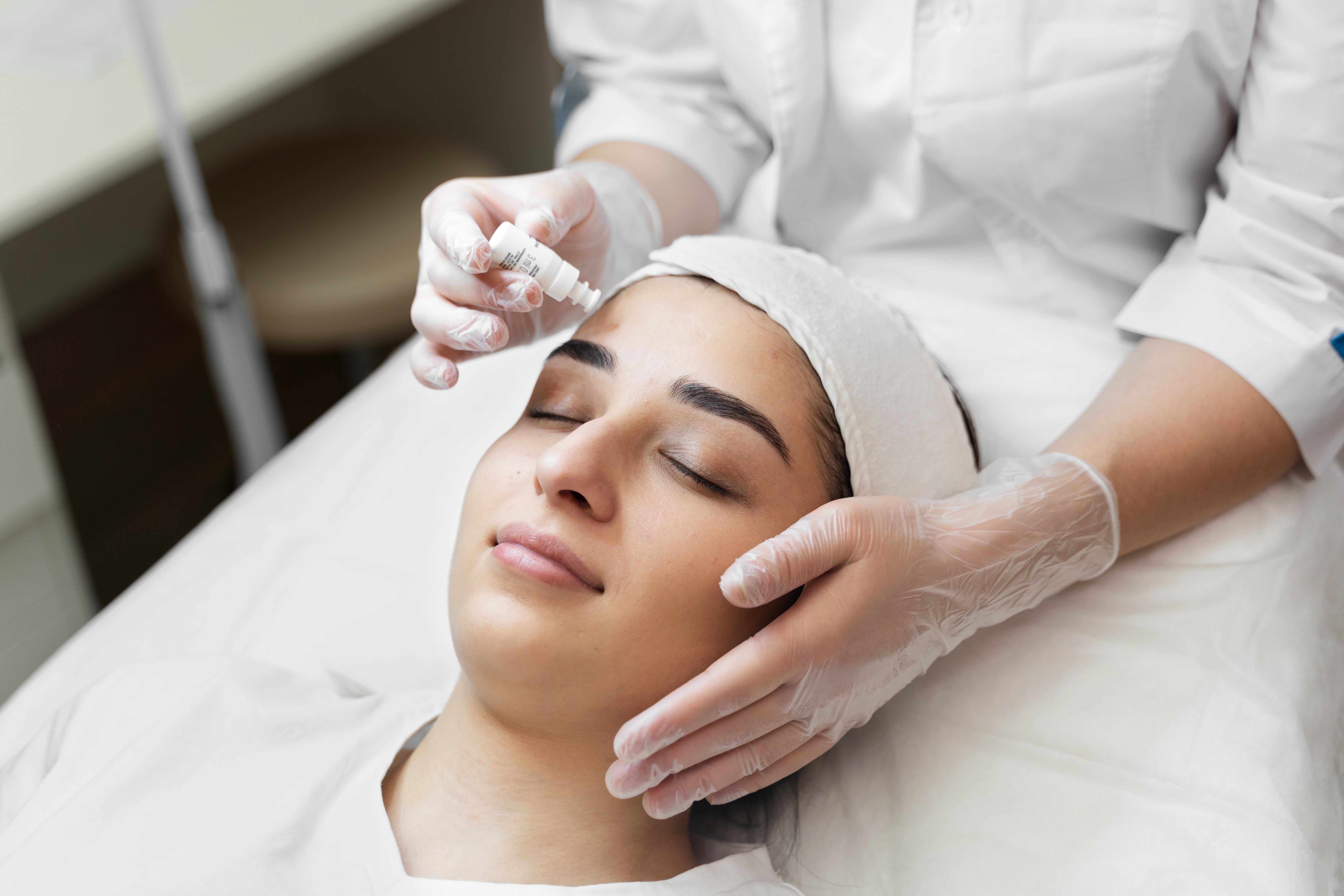
As you progress, your routine typically shifts from baseline comfort to targeted refinement. At this stage, you may increase consistency with sunscreen, strengthen hydration, and add carefully chosen actives. Progress is often visible through more uniform tone, fewer rough patches, and improved smoothness.
Later-stage planning also emphasizes prevention. This includes maintaining a gentle cleanse, preserving barrier function, and ensuring that brightening steps do not outpace your skin tolerance.
FAQ
What are facial treatments for aging best suited for?
Facial treatments for aging are commonly used to improve the visible look of texture, uneven tone, dehydration-related fine lines, and overall radiance. The best match depends on your skin type and priorities, such as brightening, smoothing, or recovery support.
How often should I get facials for aging-related concerns?
Frequency depends on treatment intensity and your skin tolerance. Many people benefit from scheduled sessions that allow recovery time, along with a stable home routine. A clinician can recommend spacing based on whether your facial includes exfoliation, brightening actives, or barrier-support steps.
Can I combine professional facials with home actives?
Yes, but the combination should be coordinated. If your facial uses resurfacing methods, you may need to reduce or pause other strong home exfoliants temporarily. When your skin feels comfortable, you can reintroduce actives gradually while maintaining daily sunscreen.
What should I do if my skin feels irritated after a facial?
Reduce active ingredients and focus on gentle cleansing and barrier-support hydration. Use sunscreen consistently and avoid further exfoliation until discomfort subsides. If irritation is severe or persistent, seek professional guidance.
Closing Thoughts
Facial treatments for aging can be an effective component of a long-term skincare plan when they are selected with care. Begin by clarifying your primary concerns, choose a treatment approach that matches your skin tolerance, and support the results with gentle cleansing, hydration, and daily sunscreen. With consistent habits and measured adjustments, your skin can look more even, feel more comfortable, and maintain a healthier glow over time. Take the next step by scheduling a consultation and building a routine that supports both your facial sessions and your everyday life.
About the Author Section
Allodermis is an established skincare brand with a focus on dermatologist-aligned routines and ingredient-focused guidance. Our topic expertise supports aging care foundations such as barrier protection, sun safety, and well-tolerated skincare structure. For additional guidance, review product selections on the brand site and align them with your skin goals. Thank you for choosing evidence-minded skincare planning, and we encourage you to act on a consistent plan rather than seeking quick fixes.
Authors & medical review
Swaraj Dhar is a sociopreneur, technologist, and the co-founder of Allodermis.
Every article is fact-checked against current peer-reviewed dermatology literature and Allodermis clinical protocols.
This article was last reviewed and updated on . Published .
Have a skin or hair concern?
Book a free consultation with our AIIMS MD dermatologists. Clinics in Bhubaneswar, Gurgaon, and Delhi NCR.