
































How Dermatologists Specialize in Acne Care

Updated on: 2026-05-26
Dermatologists specializing in acne can translate a complex skin problem into a practical plan. They evaluate triggers, skin type, and acne patterns to reduce flare ups and support long term skin health. The most effective routines often combine evidence based topicals, appropriate cleansing, and sunscreen. This guide explains common myths, what a specialist may assess, and how to build a steady, skin friendly approach.
3. Why Dermatologists Specializing in Acne Matter
4. What a Specialist Typically Assesses
5. Building an Evidence Based Acne Routine
6. Protecting the Skin Barrier During Treatment
Myths vs. Facts
- Myth: Acne is only caused by poor hygiene. Fact: Genetics, hormones, inflammation, and comedone formation often play a larger role than cleansing frequency.
- Myth: Strong products cure acne immediately. Fact: Many acne treatments work gradually by changing how skin cells shed and how inflammation develops.
- Myth: Oily skin cannot use moisturizers. Fact: Lightweight, non comedogenic moisturizers support tolerance, which helps people stay consistent.
- Myth: Sun exposure always improves acne. Fact: Ultraviolet light can worsen discoloration and increase irritation risk, so sunscreen is generally important.
- Myth: If you stop treatment once acne calms, the problem will not return. Fact: Many people benefit from maintenance routines to reduce recurrence.
Personal Experience
I once saw how quickly acne guidance can get distorted by quick fixes. A routine that seemed helpful for a week later caused redness and tightness. The next step was not more harshness. It was structure: a consistent cleanser, a targeted active, and sunscreen as a daily anchor. That change improved skin comfort and made it easier to continue the plan long enough to see steady progress. This mirrors what many dermatologists specializing in acne emphasize: patience, tolerance, and a plan that matches your skin behavior.
Why Dermatologists Specializing in Acne Matter
Dermatologists specializing in acne bring clinical pattern recognition and treatment planning that goes beyond general skincare advice. Acne is not one single condition. It includes different subtypes, including comedonal acne, inflammatory papules, pustules, nodules, and cystic patterns. Each pattern may require a different balance of anti inflammatory care, comedone control, and sometimes systemic treatment.
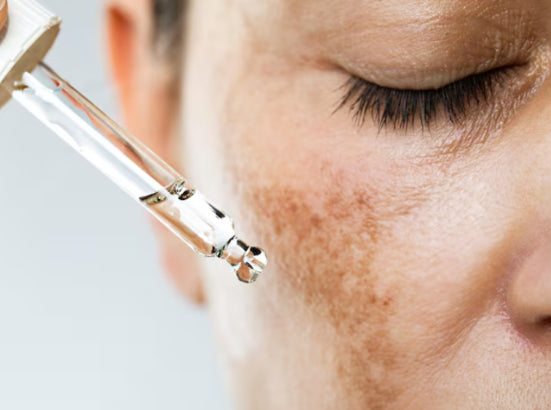
Specialists also help when your goals extend past visible breakouts. Many patients want clearer skin with fewer marks and less scarring. Acne can leave post inflammatory hyperpigmentation and textural changes, which are influenced by timing, inflammation level, and product tolerance. A specialist can adjust the plan to minimize irritation, because irritation often increases the chance of prolonged redness or uneven tone.
Another advantage is risk management. Dermatology care typically considers your medical background, current medications, pregnancy or planning considerations, and realistic time frames for change. That approach supports safety and continuity.

Checklist icons for acne evaluation and tailored care
What a Specialist Typically Assesses
A thorough assessment can make treatment feel more precise. Dermatologists often start with a focused history and then connect it to skin findings. You can expect questions about the onset, frequency, and distribution of breakouts. They may ask about skincare habits, hair products, shaving friction, and any occlusive behaviors that can contribute to clogged pores.
1) Acne pattern and subtype
The distribution across the face, jawline, chest, back, or scalp can suggest different drivers. Comedones may point toward blockage of follicles. Inflammatory lesions suggest a stronger inflammatory component. Severe, painful, deep lesions can indicate a need for escalation beyond basic topicals.
2) Trigger and lifestyle factors
Common triggers include stress, certain hair or skin products, friction from masks or straps, and sometimes diet patterns that influence inflammation in susceptible individuals. A specialist tries to identify which factors are likely in your case, rather than treating everything at once.
3) Skin sensitivity and barrier tolerance
Many acne treatments can cause dryness or irritation, especially in the first phase. An expert may evaluate whether your routine already includes potentially irritating ingredients, or whether your barrier needs support before adding stronger actives. This is one reason dermatologists specializing in acne often advise a stepwise approach.
4) Scar risk and pigmentation risk
When acne is frequent and inflamed, the risk of scarring increases. When post acne marks appear, sunscreen and gentle consistency become part of the long term strategy. Dermatology care can also address how to proceed when marks fade slowly or recur.
Building an Evidence Based Acne Routine
A consistent routine is often the most important factor. Acne care generally follows a structure: cleanse gently, treat strategically, moisturize for tolerance, and protect with sunscreen. The details matter, including how often you cleanse and how you introduce active ingredients.
Cleansing: gentle and predictable
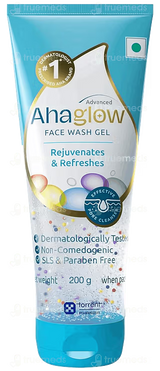
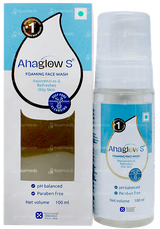
Over washing can worsen irritation. Under cleansing can leave residues that contribute to clogged pores. A balanced cleanser helps prepare the skin for treatment without stripping. If you want a gentle option, consider exploring products like Gentle cleanser options from Allodermis. For acne prone skin, the goal is to remove excess oil without compromising comfort.
Targeted treatment: focus on the acne driver
Many acne regimens use a combination of ingredients that reduce comedones, inflammation, and bacterial load. Dermatologists may recommend topical therapies such as retinoid based treatments, benzoyl peroxide combinations, or salicylic acid for comedonal acne. The specialist may also consider whether you need a preventive approach for early lesions.
Hydration: support tolerance, not heaviness
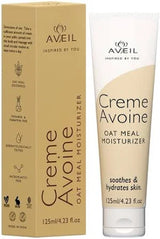
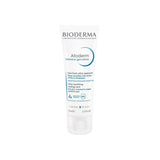
Acne care frequently fails when dryness leads to skipping treatments. Lightweight hydration supports continued use of actives. For a supportive lotion approach, you may review Acne friendly hydration ideas from Allodermis. Look for a texture that feels comfortable and does not trigger additional breakouts for your skin.
Sunscreen: an everyday requirement
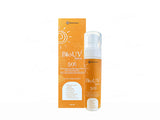
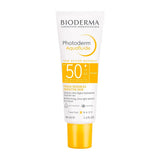
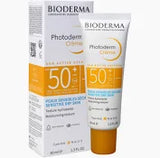
Even if acne is the main concern, ultraviolet exposure can worsen post acne marks and increase irritation sensitivity. A broad spectrum sunscreen can be a stabilizing routine step. If you want an acne aware sunscreen pathway, consider acne UV gel sunscreen from Allodermis. Using sunscreen consistently also helps prevent uneven tone during treatment.

Daily routine timeline with cleanse, treat, moisturize, protect
Protecting the Skin Barrier During Treatment
One of the most practical insights from dermatologists specializing in acne is that treatment success depends on tolerance. A damaged barrier can increase burning, scaling, and redness. When irritation rises, people often overcorrect by stopping actives or switching to multiple products at once. That cycle delays clarity.
Barrier support typically includes gentle cleansing, strategic moisturizing, and reducing exposure to additional irritants. If your regimen feels too aggressive, a clinician may adjust frequency, switch to a less irritating option, or pair treatment with a soothing moisturizer.
Practical strategies for tolerance
- Introduce one change at a time: This helps you identify what causes irritation and reduces the risk of abandoning a helpful ingredient.
- Use moisturizers consistently: Hydration can reduce dryness without adding heavy occlusion for many skin types.
- Keep the routine simple: When acne is active, complicated layering often increases irritation.
- Choose sunscreen that feels compatible: A sunscreen that you actually tolerate supports adherence.
Example of a stepwise approach
A dermatologist might begin with cleansing and hydration, then introduce a targeted treatment slowly. After skin tolerance improves, the plan can be intensified if needed. The sequence is individualized based on how your skin reacts and how severe your acne pattern is.
When to Seek Professional Care
Professional assessment is especially valuable when acne is persistent, painful, or leaving marks. If you experience deep nodules, cystic lesions, or scarring changes, the most responsible option is to schedule a dermatology visit. Early guidance can reduce the likelihood of long term consequences.
Seek care when your current routine leads to frequent irritation, when breakouts return quickly after improvement, or when you develop significant discoloration. Dermatologists specializing in acne can also evaluate whether a different condition is masquerading as acne, such as folliculitis or irritation from product buildup.
Signals that warrant a dermatology visit
- Frequent inflammatory breakouts that feel tender or deep.
- Signs of scarring, such as pits, dents, or persistent texture changes.
- Marks that remain long after lesions resolve.
- Inability to maintain a routine due to burning, peeling, or persistent redness.
What to bring to your appointment
Bring a list of your current skincare products and how you use them. Include cleansing times, active ingredients, and any recent changes. Many dermatologists find it easier to optimize when they can see the full routine rather than only the newest product.
Final Thoughts & Takeaways
Clear acne guidance is built on accuracy and consistency. Dermatologists specializing in acne help you match treatment to your acne subtype, skin sensitivity, and long term goals. Myths about quick fixes are common, yet evidence based routines typically work through gradual, controlled changes.
If you want a practical direction, focus on gentle cleansing, a targeted treatment plan introduced step by step, supportive moisturizing, and daily sunscreen. When acne is severe, persistent, or scarring is a concern, professional care can shorten the trial and error phase and reduce avoidable irritation.
If you would like to build your routine around skin comfort, you can explore curated skincare options on oil control cleanser ideas and review sunscreen options such as SPF protection options from Allodermis. For acne prone skin, consistency and tolerance matter as much as the ingredients themselves.
Q&A Section
How do dermatologists specializing in acne determine the right treatment intensity?
They typically evaluate acne subtype, inflammation level, distribution, and your skin tolerance. They also consider how your current routine responds, including dryness and redness patterns. Based on these factors, they may start with a stepwise plan and then adjust frequency or add targeted therapies if needed.
Can an acne routine work if my skin feels sensitive to active ingredients?
Yes. Many acne regimens are designed for tolerance, using lower frequencies at first and pairing actives with supportive hydration. A specialist can help you choose the right balance and reduce irritation triggers, which often improves adherence and outcomes.
Is sunscreen truly necessary when the main concern is breakouts?
For many people, yes. Acne treatments can increase sensitivity, and ultraviolet exposure can worsen post acne marks. Daily sunscreen supports both prevention of discoloration and comfort while you treat ongoing acne.
What is the most common reason people stop acne treatment too early?
Skin irritation and the expectation of immediate results. Acne improvement is usually gradual, and initial dryness or redness can occur. Dermatologists commonly address this by adjusting schedules, simplifying routines, and supporting the skin barrier.
About the Author Section
Allodermis Skin Care Expertise
Allodermis is a skincare resource focused on dermatology aligned routines and practical product guidance. Our team emphasizes skin barrier support, ingredient compatibility, and evidence informed approaches for acne care. We encourage readers to work with qualified clinicians, especially for persistent or painful acne. For tailored support and a carefully curated routine, explore Allodermis guidance and product selection at Allodermis.
Disclaimer: This article is for educational purposes only and does not replace professional medical advice, diagnosis, or treatment. Consult a qualified healthcare professional or dermatologist for guidance tailored to your specific condition, especially if you experience severe acne, scarring, or persistent irritation.
Authors & medical review
Swaraj Dhar is a sociopreneur, technologist, and the co-founder of Allodermis.
Every article is fact-checked against current peer-reviewed dermatology literature and Allodermis clinical protocols.
This article was last reviewed and updated on . Published .
Have a skin or hair concern?
Book a free consultation with our AIIMS MD dermatologists. Clinics in Bhubaneswar, Gurgaon, and Delhi NCR.