





































Personalized Skincare Routines: Build Your Best Plan

Updated on: 2026-05-26
A personalized skincare routines approach aligns your products with your skin’s needs, not generic trends.
Start by identifying your skin type, barrier status, and sensitivities, then build a routine with clear roles for cleansing, hydration, treatment, and protection.
Consistency and gentle adjustment are more effective than frequent product swapping.
Track how your skin responds over time, and refine the routine to reduce irritation and improve texture and comfort.
Table of Contents
Product Spotlight: Hydration That Supports a Personalized Plan
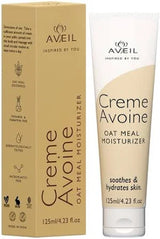
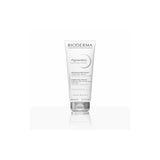
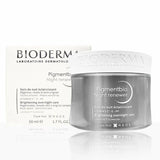
Personalized skincare routines begin with a strong foundation. When your barrier is comfortable, your treatments can work more effectively. For most people, a gentle, hydrating facial lotion helps the skin stay flexible and reduces the urge to over-strip with aggressive cleansing.
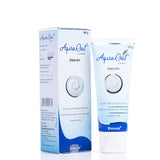
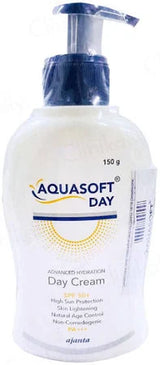
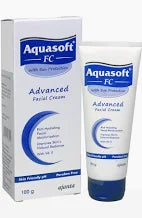
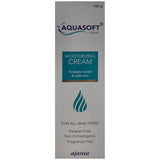
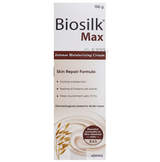
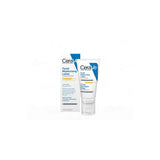
One option worth considering is a rich facial hydrator designed for everyday use. The goal is not to “add more” but to add the right level of moisture for your current skin state. Look for formulas that feel smooth on the skin, rinse cleanly, and do not leave a heavy film. When hydration is consistent, skin often shows less tightness, fewer rough patches, and improved makeup wear.
To support an individualized routine, pair hydration with your cleansing choice and then adjust your treatment intensity. If your skin is easily reactive, prioritize comfort first and layer actives later with a slower ramp-up.
Hydration layers shown with droplet icons
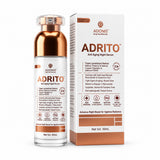
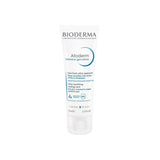
For an example of a lotion style that can fit a barrier-first workflow, you may review rich facial hydrating lotion. While every routine is individual, a dependable moisturizer can be the anchor that stabilizes your entire regimen.
Personalized Skincare Routines: Step-by-Step How-To
Personalized skincare routines work best when they are built as a system. Each step should have a purpose, and your routine should match your skin’s current needs. The most reliable results come from a simple structure, careful product selection, and gradual changes.
1) Start with a skin needs check
Assess your skin type and behavior across seasons. Note whether your skin feels oily, dry, sensitive, or balanced. Pay attention to common signals such as flaking, redness, stinging after cleansing, clogged pores, or uneven texture. Also consider external triggers like frequent mask use, harsh weather, or new hair products that touch the face.
2) Choose a cleanser that matches your comfort level
Your cleanser should remove daily buildup without leaving the skin tight. If your skin is easily irritated, a gentle cleanser often prevents barrier stress. If your skin is acne-prone, cleansing may need to be slightly more targeted, but it still must feel gentle.
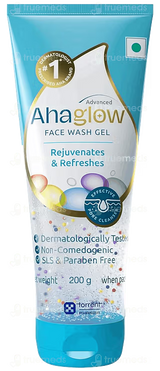
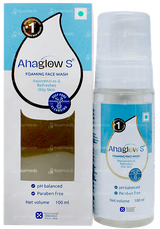
For a mild approach, you may explore gentle cleanser. For acne-prone skin and a structured routine, you can also evaluate options such as foaming face wash, then adjust based on how your skin reacts over one to two weeks.
3) Hydrate with a predictable baseline
Hydration is not just moisture; it is comfort. A consistent moisturizer reduces the chance that your skin will overreact to active ingredients. Apply it after cleansing while the skin still feels slightly damp. This simple timing can support smoother layering.
If you need sun protection support later, choose moisturizers that layer well under sunscreen and do not pill.
4) Add one targeted treatment at a time
When building personalized skincare routines, actives should be introduced carefully. Select one treatment category based on your primary goal, such as clearer pores, brighter tone, or firmer feel. Then use it consistently for long enough to evaluate results.
Examples of treatment goals and product types you can consider include:
- For redness-prone concerns, prioritize calming and barrier-friendly steps first.
- For visible breakouts, consider acne-focused ingredients and avoid stacking multiple strong products at once.
- For dullness or uneven tone, consider brightening options that fit your skin’s sensitivity level.
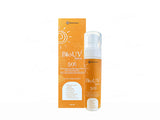
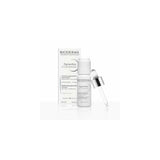
For acne-focused routines, you can review acne UV gel SPF as part of a daily protection plan, but remember that treatment and sunscreen are different jobs. For targeted serum layering, consider evaluating proactive serum when your skin is ready for an additional step.
5) Include daily sun protection as a non-negotiable step
Sun exposure affects pigmentation, texture, and overall skin tone. A sunscreen that fits your skin type helps make adherence easier. Choose a formula that feels comfortable, does not sting, and works under your makeup or daily routine.
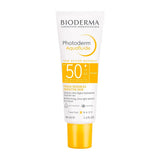
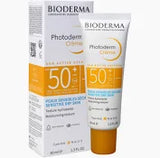
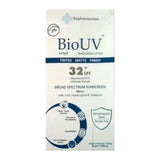
For SPF options that support oily or acne-prone needs, you may consider SPF for acne-prone skin. For broader daily comfort, you can also review daily sunscreen cream and select based on texture preference.
6) Build routines for morning and night with clear roles
Many people succeed by keeping morning routines shorter and night routines more treatment-focused. Morning often includes cleansing (or rinsing), hydration, and sunscreen. Night often includes cleansing, treatments, and moisturization.
If you use strong actives, keep the rest of the routine simple. Do not add multiple new products on the same day.
7) Adjust slowly and use simple tracking
Your skin gives feedback. Track changes in comfort, oiliness, breakouts, and texture. If you introduce a new product, evaluate over a reasonable period before making additional changes. If irritation occurs, reduce frequency and simplify the routine until comfort returns.
Routine checklist with timeline markers for gradual change
8) Create a routine that fits real life
Personalization includes lifestyle. If your mornings are rushed, use fewer steps that you will actually follow. If your evenings are consistent, add your treatment step at night. The best routine is the one your skin tolerates and your schedule supports.
Common routine patterns that match many skin goals
Below are examples of how a personalized plan can be structured. These are general templates, not one-size prescriptions. Adjust based on sensitivity and response.
- Barrier-first routine: gentle cleansing, moisturizer, and daily sun protection; add treatments only after comfort stabilizes.
- Breakout-aware routine: cleansing suited to acne-prone skin, targeted treatment, and consistent sunscreen; avoid over-cleansing.
- Tone-support routine: hydration, a brightening serum introduced slowly, and daily SPF to support long-term even appearance.
Personal Experience: How I Learned to Stop Chasing “Perfect”
Many people assume that better results come from trying more products. I learned the opposite through trial and structure. At one point, my skin became reactive after I changed multiple items at once. My cleanser felt slightly too strong, my moisturizer did not layer smoothly, and I added a brightening treatment too quickly.
Instead of escalating, I simplified. I returned to a gentle cleanser, chose a consistent hydrator, and reintroduced one active ingredient at a time with a slower schedule. The change was not instant, but the difference in comfort was noticeable. My skin stopped feeling tight after cleansing, and my routine felt more predictable.
That experience reinforced a key principle of personalized skincare routines: skin improvement is often a result of stable habits and measured adjustments, not constant novelty.
Summary & Recommendations
Personalized skincare routines are built on clarity. Identify your skin needs, choose steps that feel comfortable, and give each product a defined role. Use targeted treatments with patience, and protect your skin daily with a sunscreen that supports adherence.
To create a routine you can maintain, follow these recommendations:
- Start with a gentle cleanser and a reliable moisturizer to support barrier comfort.
- Introduce one treatment step at a time and adjust frequency based on skin response.
- Use daily sun protection consistently to support tone and texture goals.
- Track changes in comfort and appearance, and simplify if irritation occurs.
If you want a practical way to begin, review a cleanser option like gentle cleanser, then build outward with hydration and SPF.
Q&A Section
How do I know my skin is ready for a treatment step?
Your skin is usually ready when it feels calm and consistent. If your face stings after cleansing, looks persistently red, or feels very tight, prioritize comfort first. Once your skin maintains stable hydration and reduced sensitivity, introduce one treatment ingredient category at a time.
Can I combine multiple actives in one routine?
Combination is possible, but it increases the chance of irritation. A safer approach is to keep the routine simple and start with one active. After your skin tolerates it well, you can decide whether to add a second category. If your skin shows dryness, burning, or sudden breakouts, reduce complexity and return to a baseline routine.
What should I do if my routine stops working?
First, review changes in your environment and habits. Seasonal shifts, stress, or new hair products can affect skin behavior. Next, check for over-cleansing, inconsistent sunscreen use, or too many new products. Simplify to a stable cleanser and moisturizer, then reintroduce treatments gradually to re-establish tolerance and results.
How often should I change products in a personalized routine?
Changes should be deliberate. Introduce one new item, observe skin response, and only then make further adjustments. Frequent swapping can prevent your skin from settling and makes it difficult to identify what is helping or irritating.
About the Author Section
Allodermis Skin Care Editorial Team
The Allodermis editorial team focuses on practical skin care guidance grounded in ingredient awareness and routine design. Our expertise includes barrier-first strategies, product layering, and consumer-friendly formulation education. We aim to help readers build sustainable habits through clear steps and objective recommendations. Thank you for reading and investing in skin comfort with a personalized approach.
Disclaimer: This article is for educational purposes only and does not provide medical advice. Individual results vary based on skin type, tolerance, and underlying conditions. If you experience persistent irritation or concerns, consider consulting a qualified healthcare professional.
Authors & medical review
Swaraj Dhar is a sociopreneur, technologist, and the co-founder of Allodermis.
Every article is fact-checked against current peer-reviewed dermatology literature and Allodermis clinical protocols.
This article was last reviewed and updated on . Published .
Have a skin or hair concern?
Book a free consultation with our AIIMS MD dermatologists. Clinics in Bhubaneswar, Gurgaon, and Delhi NCR.