






























How to Remove Sun Tan From Your Face: A Dermatologist's 4-Week Home Plan

Quick answer: To remove sun tan from your face, stop further tanning with SPF 50 every day, exfoliate gently 2–3 times a week, and use a brightening serum or cream at night. Most facial tan fades noticeably in 3–4 weeks with this routine. Avoid lemon, bleach and harsh scrubs, which irritate skin and can darken it further.
A weekend at the beach, a month of two-wheeler commutes or one long wedding season outdoors, and suddenly your face is two shades darker than your neck. The good news: a sun tan is temporary. Your skin renews itself roughly every 4–6 weeks, and tan fades as stained cells shed. The bad news: if you keep getting sun, or treat your skin harshly, a simple tan can turn into stubborn pigmentation. This plan shows you how to remove tan from your face safely, week by week.
Why does tan form on the face?
Tanning is your skin's defence against ultraviolet (UV) light. When UV rays hit the skin, pigment cells produce more melanin to absorb them.
- UVA rays cause an immediate greyish-brown darkening within hours. They pass through clouds and car windows and are present all year.
- UVB rays cause the delayed, deeper tan that appears 2–3 days later and lasts for weeks. They also cause sunburn.
- Visible light and heat can deepen pigmentation in brown skin, which is why tan and melasma worsen in Indian summers even with some sunscreen.
The face tans faster than most areas because it is always exposed, and it is the area people most often under-protect: too little sunscreen, applied once, and never reapplied.
How long does a tan last without treatment?
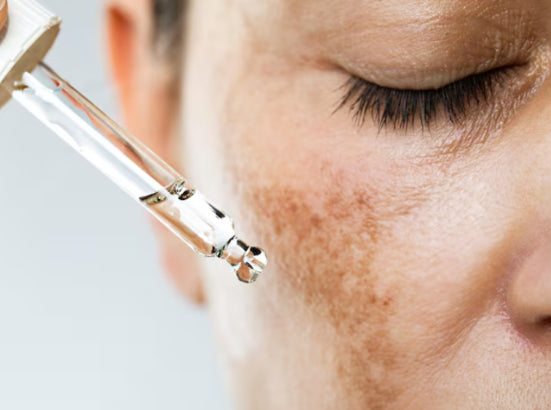
A light tan usually fades on its own in 2–4 weeks once you stop the sun exposure. A deeper tan can take 6–8 weeks or longer. Tan does not "become permanent" in a single summer, but repeated tanning over years leads to sun spots, uneven tone and melasma, which are much slower to treat.
The 4-week plan to remove tan from your face
This plan is designed for normal to oily Indian skin. If your skin is dry or sensitive, use the gentler options noted in each step.
Week 1: Protect and calm
The single most important step is to stop the tan getting deeper. Without this, nothing else works.
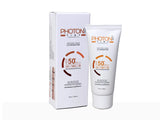
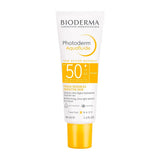
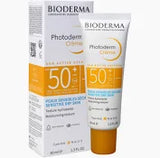
- Morning: gentle cleanser, light moisturiser, then SPF 50 PA++++. Use about two finger-lengths for the face and neck. Good options: Aclaris Photon 360 Hydra SPF 50+ for normal to dry skin, or Photoderm Aquafluide SPF 50+ for oily skin.
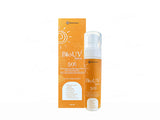
- Reapply every 2–3 hours outdoors. A spray such as Bio UV 50 SPF Spray makes reapplying over makeup easy.
- Night: cleanse and moisturise only. If your skin feels hot or tight after sun, use a soothing barrier cream such as Cerafly Lity Barrier Boost.
- Add: a cap or umbrella between 11 am and 3 pm.
Buy Aclaris Photon 360 SPF 50+ for daily tan protection → · The one product Week 1 cannot skip
Week 2: Start gentle exfoliation
Tanned cells sit on the surface, so gentle exfoliation speeds up their shedding.
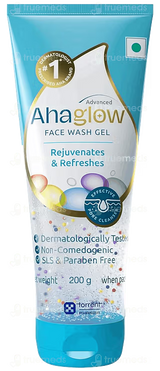
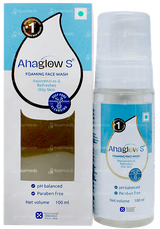
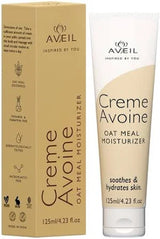
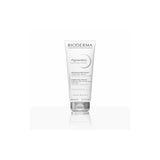
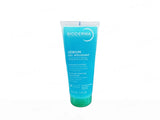
- Switch your cleanser to an exfoliating brightening cleanser, such as Bioderma Pigmentbio Foaming Cream (citric acid, microbeads and azelaic acid) or Ahaglow Advanced Face Wash Gel for oily skin.
- Leave it on for 45–60 seconds before rinsing.
- Twice a week, use Pigmentbio Foaming Cream as a 5-minute mask.
- Dry or sensitive skin: use the exfoliating cleanser at night only.
Buy Pigmentbio Foaming Cream, the Week 2 exfoliating wash → · Gently sheds tanned cells; works on face and body
Weeks 3–4: Add a brightening treatment at night
Now add one leave-on brightening product to lighten remaining tan and prevent new pigment.
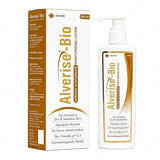
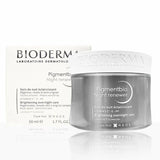
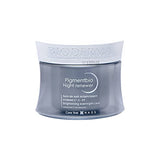
- For tan plus acne marks or patches: Brilante Intense Brightening Serum (4-n-butylresorcinol, alpha arbutin, liquorice).
- For tan on melasma-prone skin: Tyrodin Cream (tranexamic acid, kojic acid, arbutin).
- Apply a thin layer to the whole face at night, after cleansing and before moisturiser.
- Keep up sunscreen and reapplication every day, including cloudy and monsoon days.
By the end of week 4, most people see a clearly more even tone. Continue the routine for another 4 weeks if some tan remains, then reduce exfoliation to twice a week for maintenance.
The 4-week plan at a glance
|
Week |
Morning |
Night |
Extra |
|---|---|---|---|
|
1 |
Cleanser, moisturiser, SPF 50 (reapply) |
Cleanser, barrier moisturiser |
Hat or umbrella midday |
|
2 |
Exfoliating cleanser, moisturiser, SPF 50 |
Exfoliating cleanser, moisturiser |
5-minute cleanser mask twice a week |
|
3–4 |
Exfoliating cleanser, SPF 50 |
Cleanser, brightening serum or cream, moisturiser |
Weekly photo in the same light |
|
5+ |
Maintain |
Brightening serum 3–5 nights a week |
Exfoliate twice a week |
Get the complete 4-week de-tan kit → SPF 50+ sunscreen · Exfoliating wash · Brightening serum · SPF spray for reapplying
Home remedies for tan: which help and which harm
Searches for a home remedy for skin tanning are hugely popular. Some kitchen ingredients are harmless and mildly soothing; others irritate skin and can make pigmentation worse.
|
Remedy |
Verdict |
Why |
|---|---|---|
|
Aloe vera gel |
Helpful for soothing |
Calms sun-heated skin; patch-test fresh gel first |
|
Plain curd (yogurt) |
Mildly helpful |
Contains a little lactic acid; gentle and cooling |
|
Besan (gram flour) pack |
Okay occasionally |
Mild physical exfoliation; don't rub hard |
|
Tomato pulp |
Low evidence |
Unlikely to harm but unlikely to do much |
|
Lemon juice |
Avoid |
Highly acidic and can cause irritation and phototoxic darkening |
|
Baking soda, toothpaste |
Avoid |
Disrupt skin pH and barrier |
|
Bleach creams |
Avoid |
Irritate skin and can hide, not treat, tan |
|
Harsh walnut or sugar scrubs |
Avoid |
Micro-tears and inflammation lead to more pigment |
The safest "home remedy" for tan is still the boring one: sunscreen every day and patience.
What is the best cream to remove sun tan?
There is no single best cream to remove sun tan, because tan responds to a combination of protection, exfoliation and brightening. Look for:
- SPF 50 PA++++ sunscreen (non-negotiable)
- A gentle exfoliant such as citric, lactic or glycolic acid in a cleanser
- A melanin blocker such as arbutin, kojic acid, butylresorcinol, niacinamide or tranexamic acid
- No steroids, no mercury, no "instant fairness" claims
Our guide to pigmentation creams compared [Blog 2, when live] goes deeper on choosing a night cream.
Mistakes that keep tan from fading
- Applying sunscreen once in the morning and never again.
- Using too little sunscreen (most people use a third of the amount needed).
- Skipping sunscreen indoors near windows or in cars.
- Exfoliating every day with scrubs and acids together.
- Switching products every week instead of giving one routine 4 weeks.
When home care isn't enough
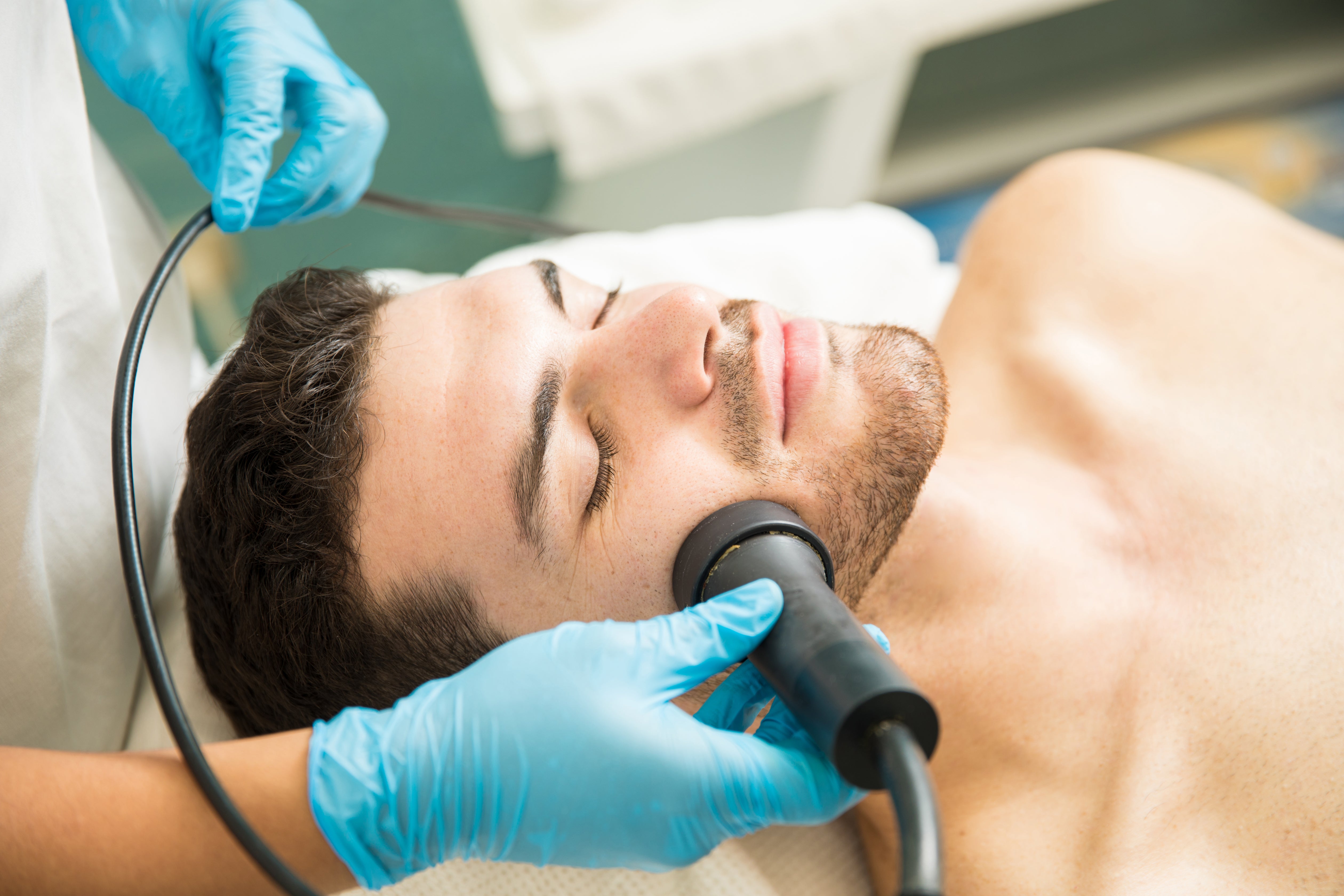
If your tan has not improved after 6–8 weeks, if it is patchy rather than even, or if you have brown patches on both cheeks, you may have pigmentation or melasma rather than a simple tan. In-clinic options such as de-tan medifacials, chemical peels and laser toning remove tan faster and more evenly. Read about our face and body tan removal treatments, or, if you are near Bhubaneswar, our guide to sun tan removal in Infocity and Patia. Allodermis also sees patients in Delhi. Not sure what you have? Start with a free AI Skin Analysis.
Tan on your hands, arms and feet behaves differently from facial tan. Our guide to removing tan from hands and body [Blog 5, when live] covers it.
Frequently asked questions
How long does it take to remove tan from the face? A light tan fades in 2–4 weeks with daily SPF and gentle exfoliation. A deep tan can take 6–8 weeks.
Does sunscreen remove tan? Sunscreen does not remove existing tan, but it stops new tan forming, which lets your natural skin renewal fade the old tan. Without it, no tan-removal product works.
Is lemon safe for removing tan? No. Lemon juice is very acidic and can irritate skin and cause darker patches when exposed to sun. Use a gentle exfoliating cleanser instead.
Can sun tan become permanent? A single tan is not permanent. Years of repeated tanning, however, cause sun spots and uneven pigmentation that are much harder to treat.
Which cream is best to remove sun tan? Use SPF 50 by day and a steroid-free brightening serum or cream at night, with ingredients such as arbutin, kojic acid, butylresorcinol, niacinamide or tranexamic acid.
The bottom line
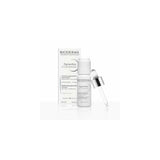
Removing tan from your face is mostly about stopping new tan and letting your skin renew. Protect daily with Aclaris Photon SPF 50+, exfoliate gently with Pigmentbio Foaming Cream, add a brightening serum at night, and give it four weeks. If the tan stays, book a consultation.
References (verify before publishing): add 2–3 sources: a review on UVA/UVB and visible light in pigmentation of darker skin types, and a sunscreen application-amount study.
Authors & medical review
Swaraj Dhar is a sociopreneur, technologist, and the co-founder of Allodermis.
Every article is fact-checked against current peer-reviewed dermatology literature and Allodermis clinical protocols.
This article was last reviewed and updated on . Published .
Have a skin or hair concern?
Book a free consultation with our AIIMS MD dermatologists. Clinics in Bhubaneswar, Gurgaon, and Delhi NCR.