





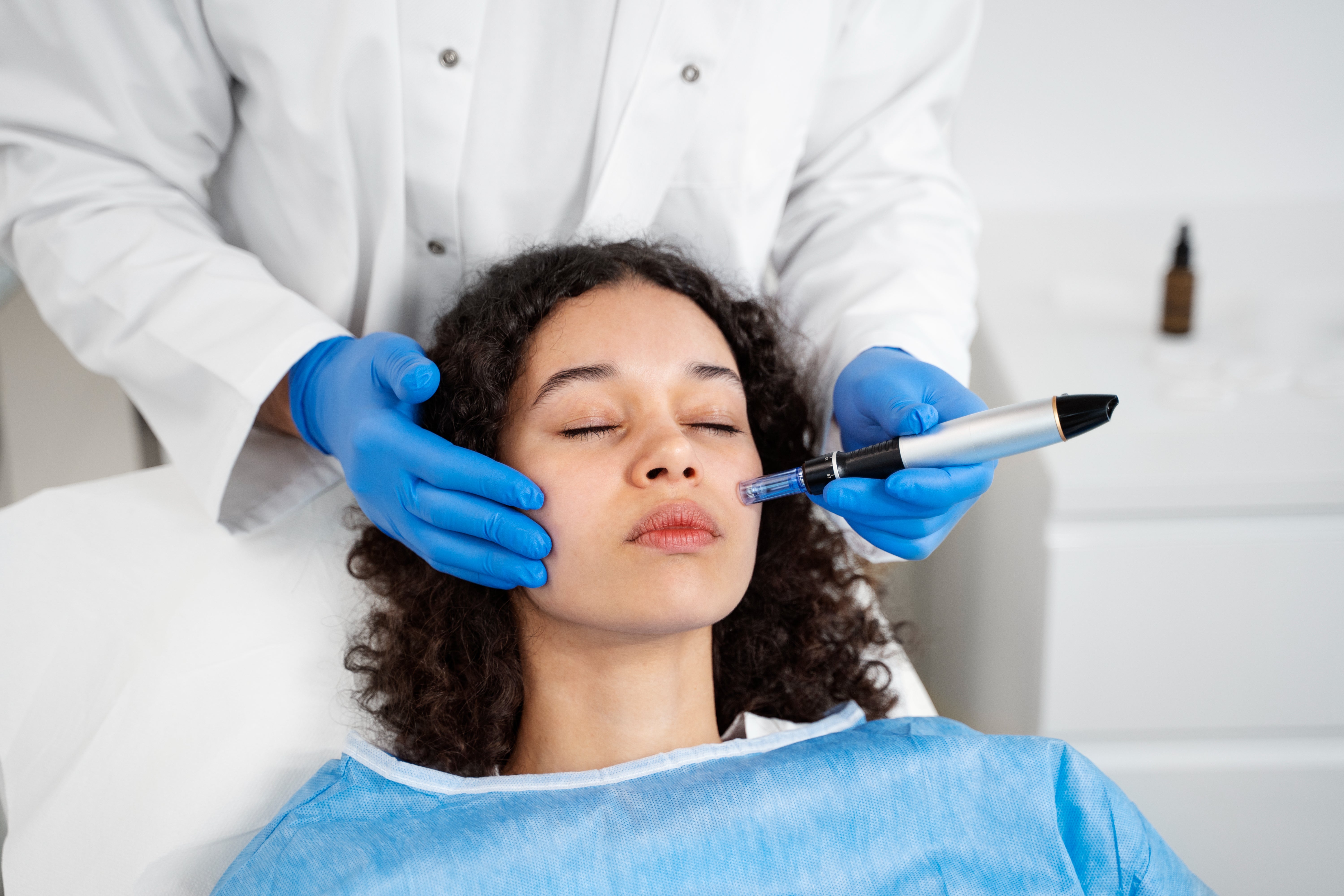
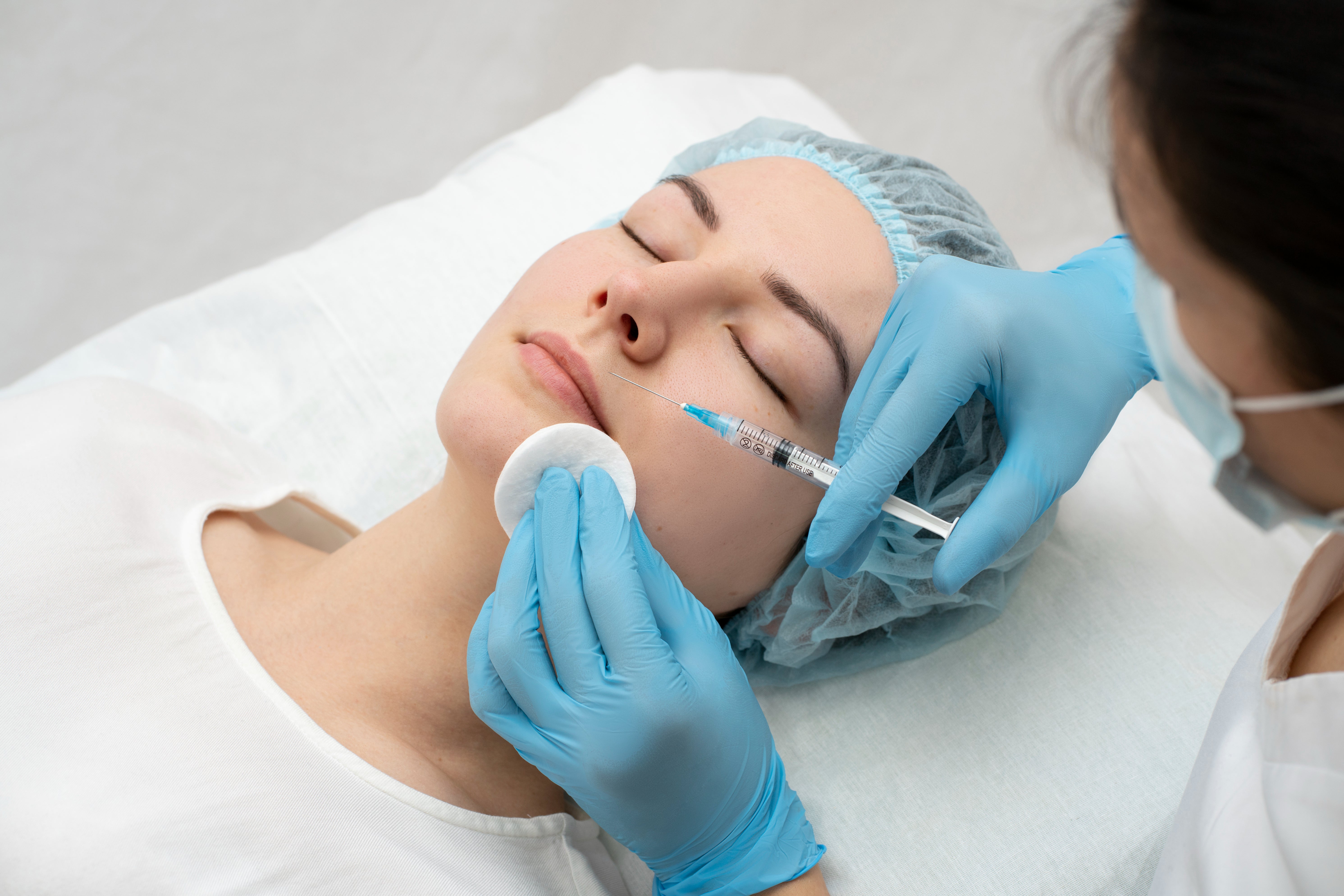
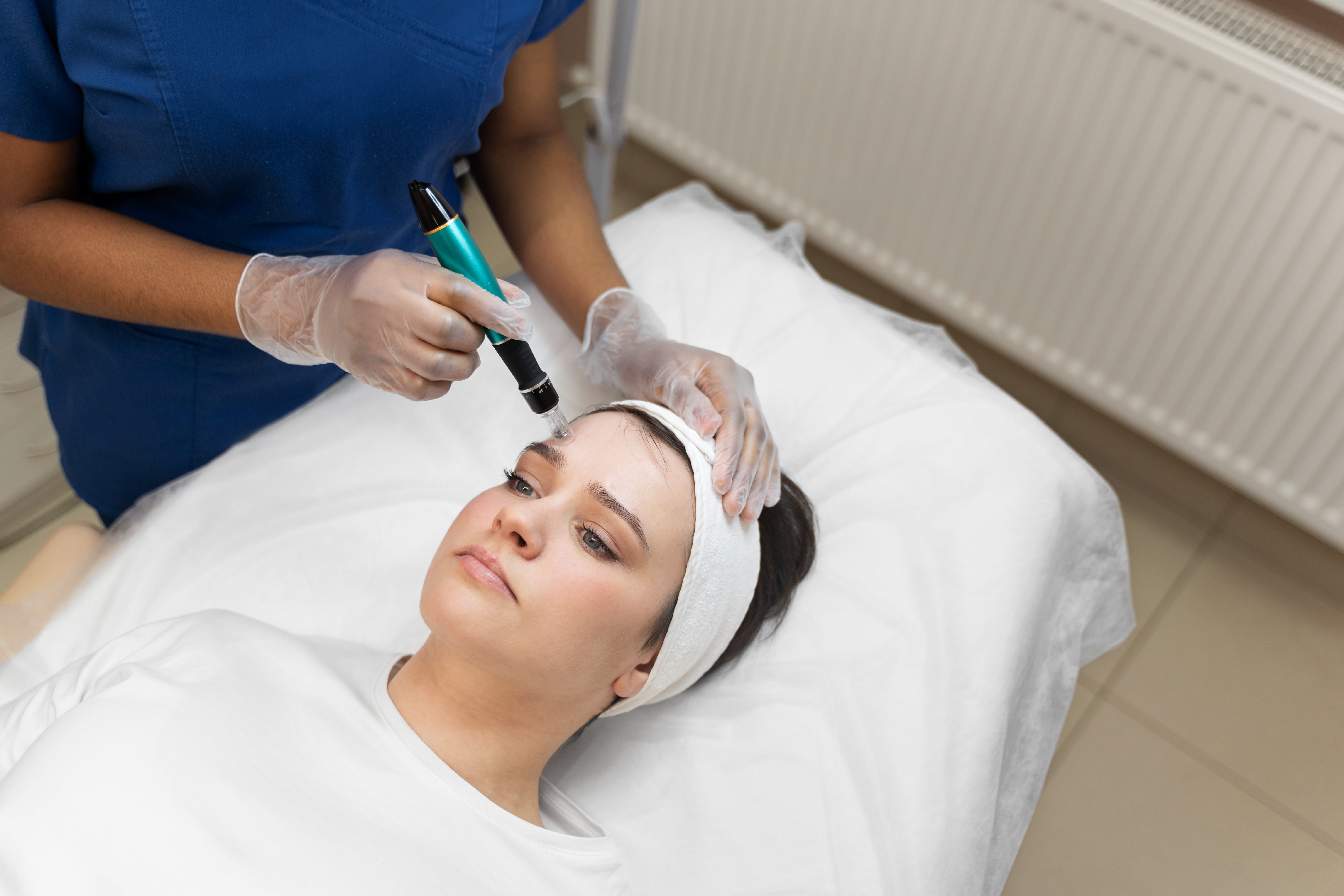
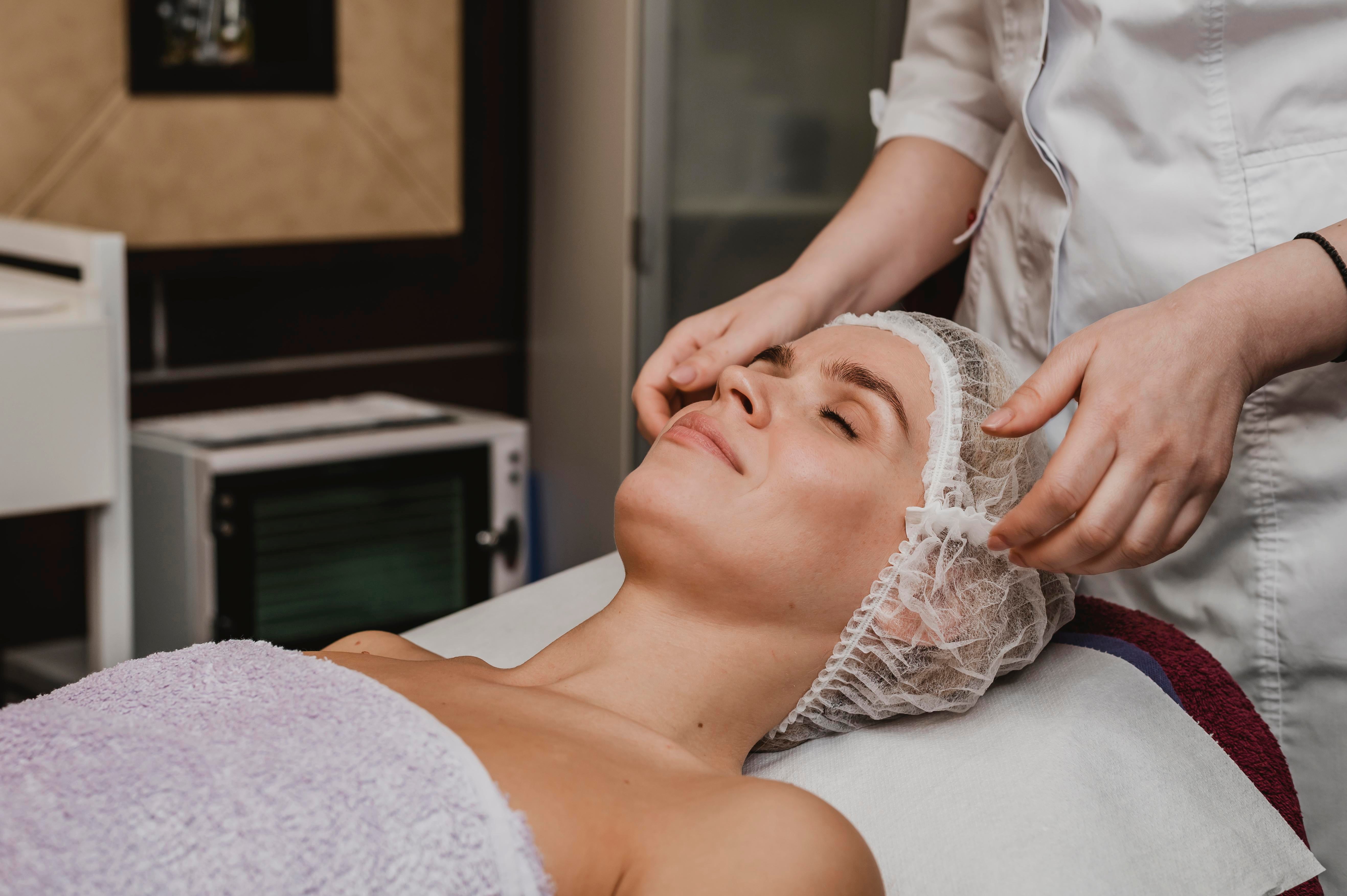







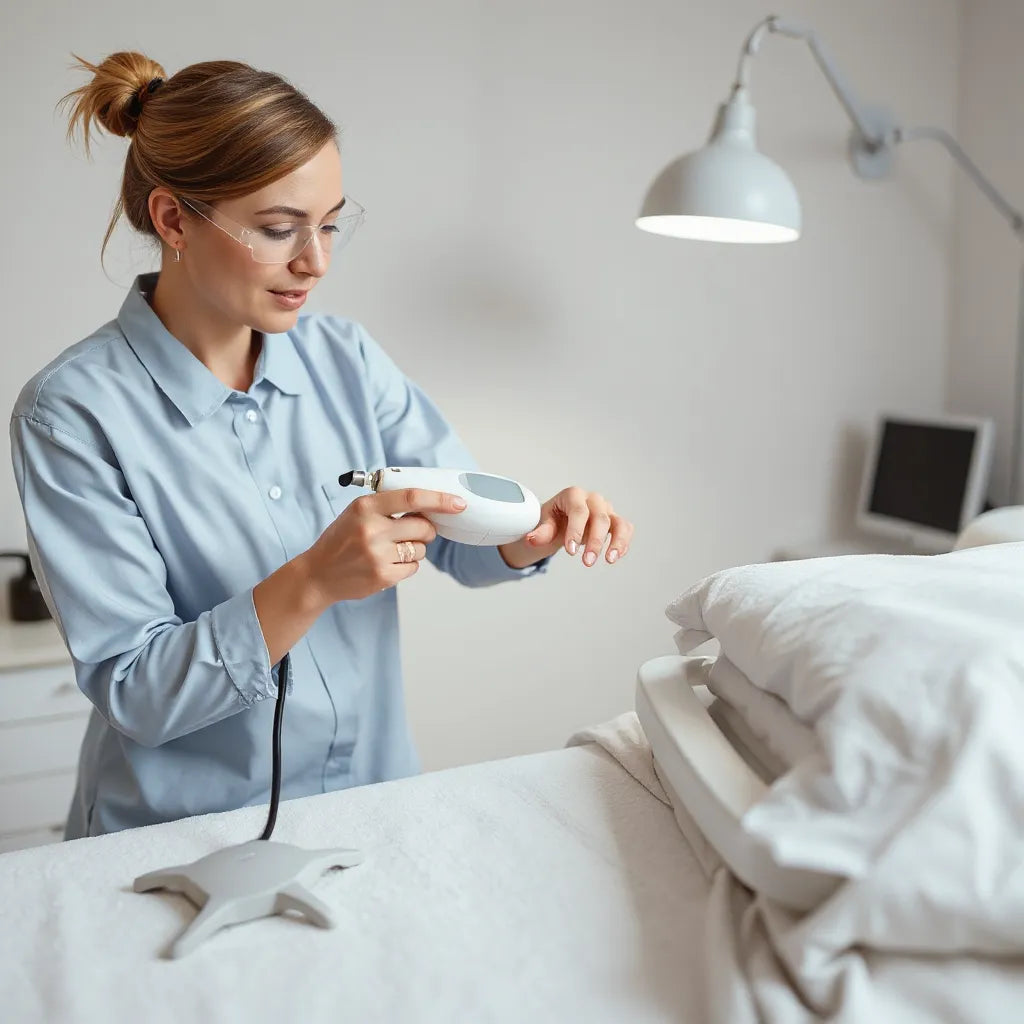
Choosing laser hair removal services can simplify daily grooming while improving long-term skin comfort. This guide explains how laser technology works, what to expect during treatment, and which evaluation steps help you choose a qualified provider. You will also learn how to prepare skin, plan sessions, and manage common concerns such as sensitivity and aftercare. With the right clinic standards and realistic expectations, you can make a confident decision for smoother, more consistent results.
Updated on: 2026-05-16
Laser hair removal services use focused light to reduce unwanted hair growth over time. A high-quality consultation helps confirm suitability based on skin tone, hair color, and treatment area. Proper preparation and consistent aftercare support skin comfort and reduce the risk of irritation. You can use the checklist and step-by-step guide below to evaluate clinics, understand session planning, and make informed choices for your needs.
Table of Contents
Buyer’s Checklist for Laser Hair Removal Services
Before you book any session, use a structured checklist. This reduces the risk of poor fit, inconsistent technique, and avoidable skin irritation. The goal is to verify clinical competence, safety standards, and a treatment plan that matches your hair and skin characteristics.
- Qualifications and training: Confirm who will perform the procedure, their laser safety training, and their experience with your treatment area.
- Device transparency: Ask what laser platform is used, what settings are typically used, and how adjustments are made for different skin tones and hair types.
- Skin and hair assessment: Expect a documented evaluation of skin tone, hair thickness, and hair color. A good provider will not rely on a single quick estimate.
- Patch testing process: Look for a defined approach to test settings on your skin when appropriate, especially for sensitive skin or darker skin tones.
- Hygiene and protective measures: Ensure proper sanitation, clean disposables when needed, and consistent eye protection for you and staff.
- Realistic expectations: A reputable clinic explains that hair reduction is progressive and varies by individual growth patterns and hair characteristics.
- Session planning: Ask how often sessions occur and how progress is tracked. A flexible schedule based on response is a positive sign.
- Aftercare guidance: Confirm what products and routines are recommended post-treatment, including sun avoidance and skin soothing steps.
- Risk handling: Verify how the clinic addresses side effects such as temporary redness, dryness, or mild tenderness.
- Clear pricing: Evaluate total cost, package structure, and what is included. Avoid confusing terms that obscure session count or treatment boundaries.
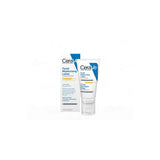
For skin comfort during and after treatments, a gentle cleanser and barrier-supporting moisturizer can be helpful. If your routine is frequently disrupted by irritation, consider a mild option such as Cetaphil Gentle Cleanser to support a calmer post-routine baseline.

Clinic checklist visuals: shield, chart, safety icons
Step-by-Step Guide to Your First Appointment
A structured approach helps you feel prepared and reduces the chance of avoidable discomfort. Each step below is designed to support safety, effective energy delivery, and smooth recovery.
-
Prepare for the consultation: Share your skin history and any prior hair removal methods used recently. Include details about tanning, sun exposure, and whether you have any active skin conditions.
-
Verify suitability: The provider should review your skin tone and hair type to confirm device fit. You should also discuss realistic outcomes for the selected area.
-
Review pre-treatment instructions: Most clinics will advise avoiding sun exposure before sessions and pausing certain hair removal techniques that reduce visible hair in the targeted area.
-
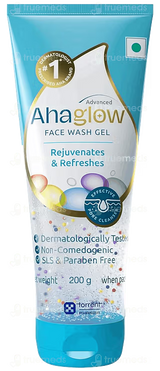
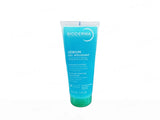
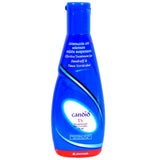
Plan your skin routine: Use a simple, non-irritating routine. Many individuals benefit from gentle cleansing and consistent hydration. If you are currently dealing with excess oil or buildup, a product designed for daily cleansing may support skin stability, such as Cetaphil Oil Control Foam Wash.
-
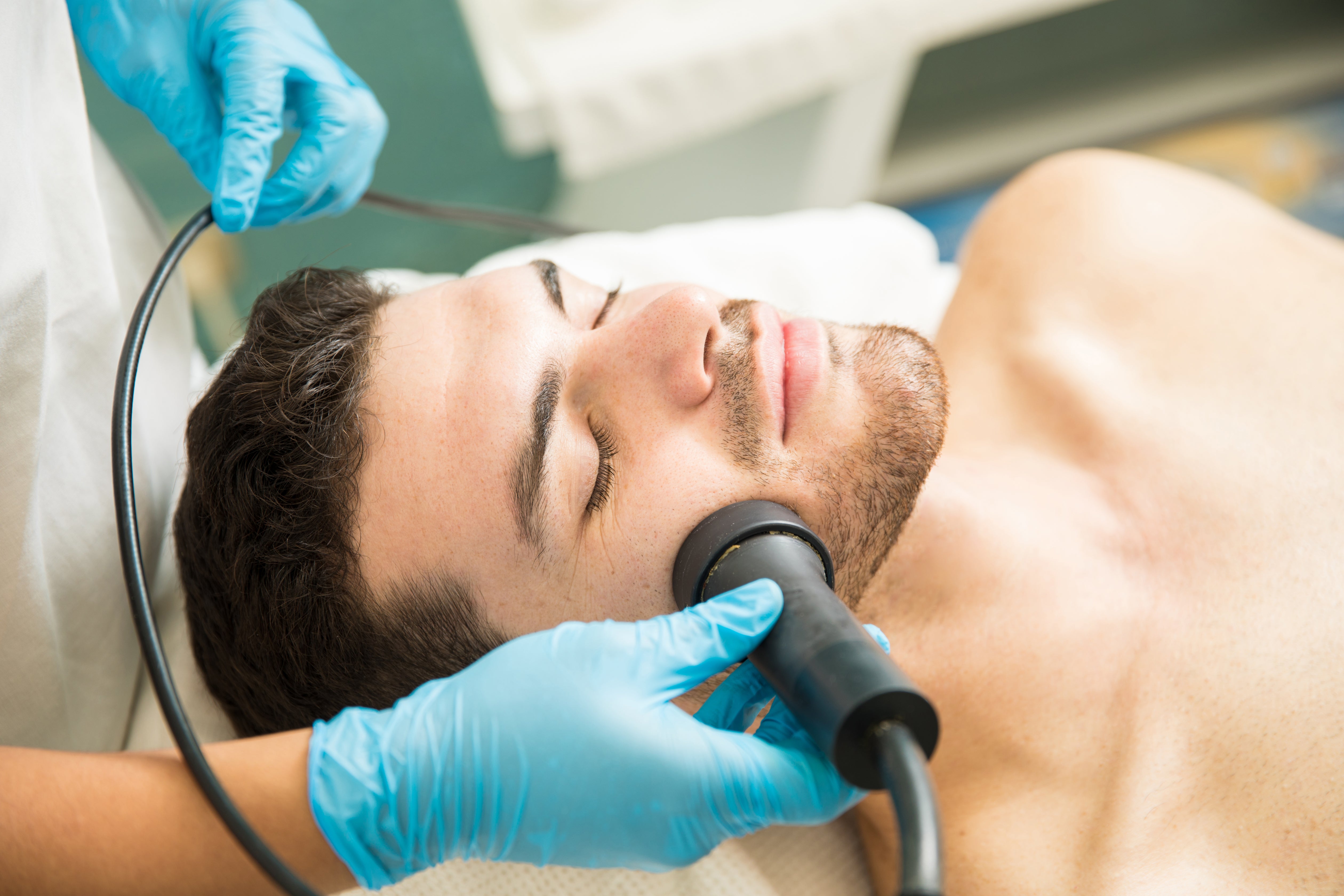
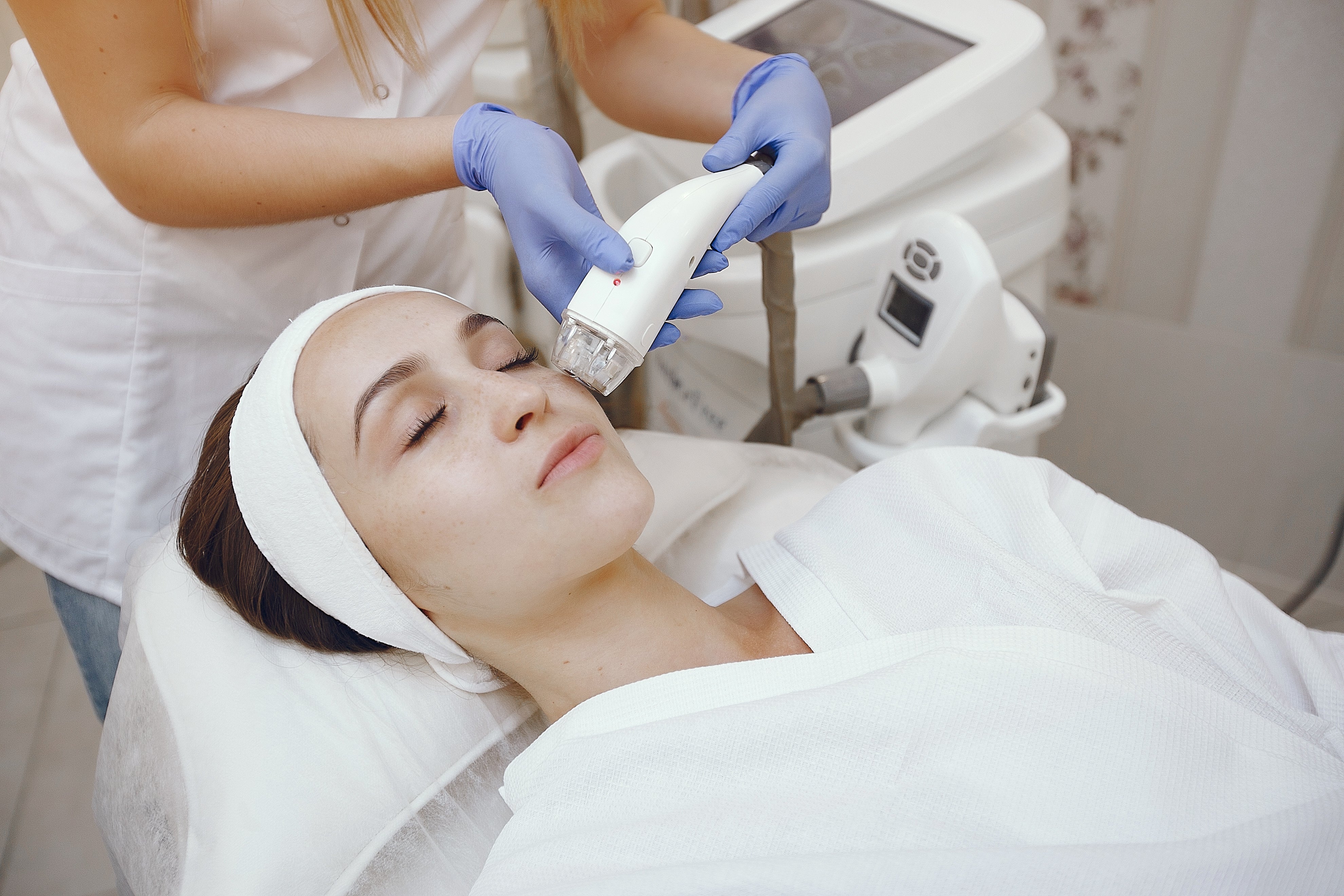
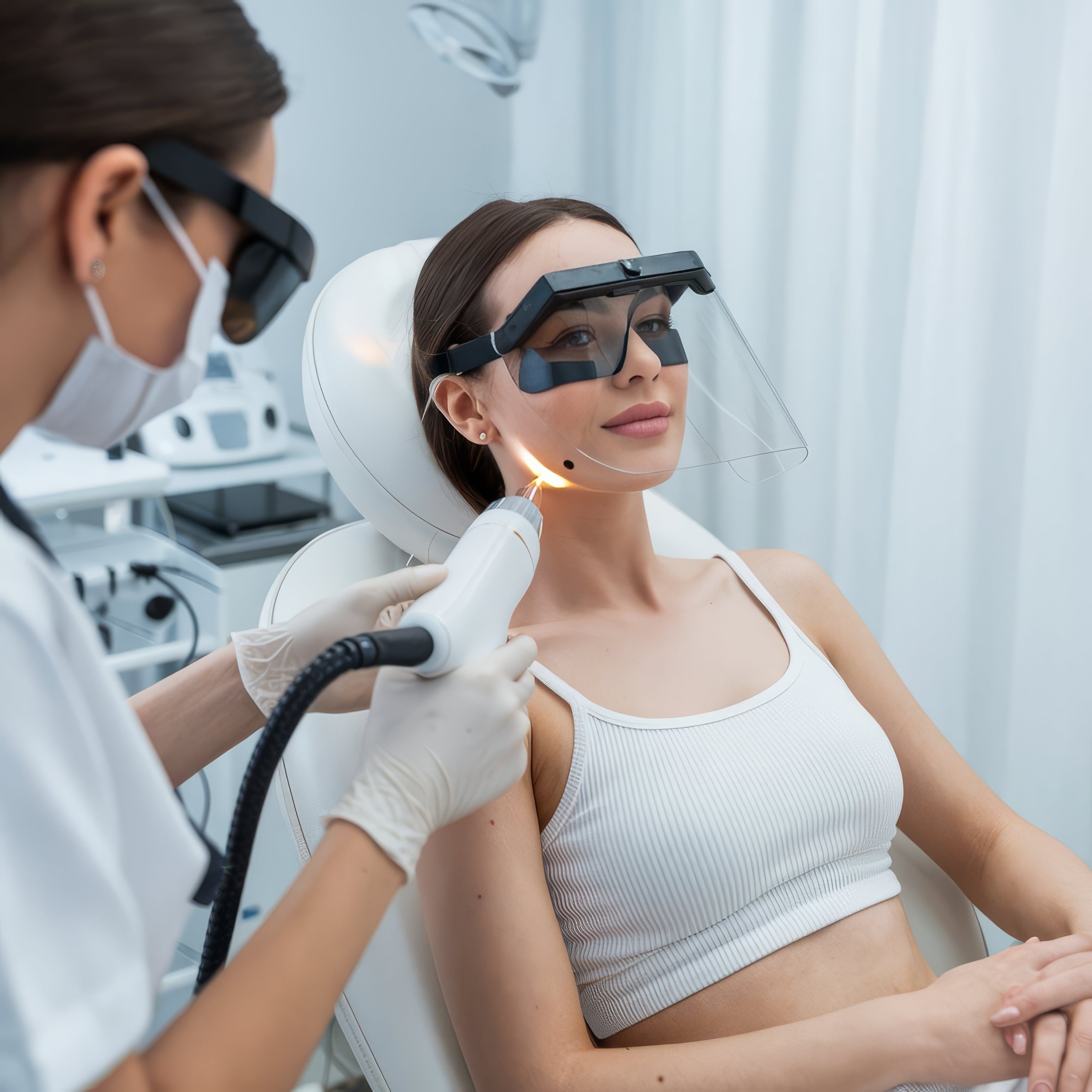
Expect protective measures: During the session, protective eyewear and careful shielding should be used. The practitioner should apply the correct contact method and ensure even coverage across the treatment zone.
-
Assess comfort during the session: Most people describe the sensation as brief heat or snapping at the skin. A well-managed session includes cooling strategies and pauses if needed.
-
Confirm the immediate aftercare plan: The clinic should provide clear guidance on washing, moisturizing, and sun protection. You should know what symptoms are normal and what symptoms require follow-up.
-
Track response between sessions: Over time, treated hair may shed gradually. You can take photos in consistent lighting to track changes without overreacting to short-term variation.
-
Schedule and adjust: Subsequent sessions should be based on your progress and comfort. If you have dryness or sensitivity, the clinic may adjust settings and focus on barrier support.
-
Maintain sun safety: Sun exposure can increase the chance of hyperpigmentation after treatments. A broad-spectrum sunscreen is typically recommended by clinics, and it should be reapplied as directed.
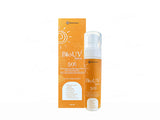
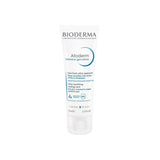
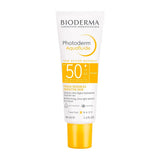
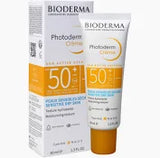
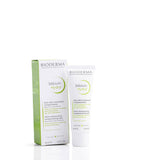
Some skin concerns overlap with broader facial care needs. If you commonly experience acne-related irritation alongside dryness, you can consider a calm, consistent skincare approach. For example, Acne UV Gel SPF 50 is designed for sun protection while supporting daily skincare structure.

Aftercare routine visuals: moisturizer, sun shield, calm skin icons
FAQ about Laser Hair Removal Services
How many sessions are typically required?
Most people need multiple sessions to reduce hair growth over time. The number depends on your hair growth cycle, hair thickness, and how your skin responds to the device settings. A provider should explain a session plan and describe how adjustments are made after you see your early response.
Is laser hair removal suitable for all skin tones and hair colors?
Laser performance varies based on skin tone and hair characteristics. Clinics evaluate suitability during consultation. You should ask how the provider selects appropriate settings and whether they can safely treat your skin type. A careful assessment is a sign of quality rather than a sign of uncertainty.
What should I do if I experience redness or mild irritation after a session?
Temporary redness and mild tenderness can occur. Follow your clinic’s aftercare instructions first. In general, you should use gentle cleansing, avoid heat exposure, and apply recommended soothing products. If symptoms worsen, persist beyond expected recovery, or you notice unusual reactions, contact the clinic promptly for guidance.
Can I use skincare products like serums and moisturizers during treatment cycles?
In most cases, skincare can continue, but it should be adapted for comfort. Many clinics prefer simple routines with minimal irritation during the immediate post-session period. If you use active ingredients, ask your provider when to restart them and how to avoid increasing sensitivity.
Closing Thoughts & CTA
Laser hair removal services can be a practical option for long-term hair reduction when delivered by a qualified clinic with a transparent process. Your best outcomes come from a thorough consultation, careful session planning, and consistent aftercare. If you are preparing for your routine upgrade, start with skin-friendly daily care and reliable sun protection.
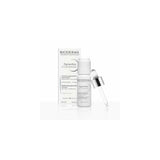
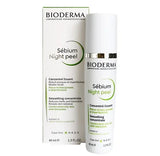
To build a gentle baseline around your appointment schedule, explore curated skincare items from Cetaphil Gentle Cleanser, Acne UV Gel SPF 50, and AZE Proactive Serum to support a calmer, more consistent routine. If you want to proceed confidently, book a consultation and ask the clinic to walk you through device fit, session structure, and aftercare expectations.
Disclaimer: This article is for general informational purposes only and does not replace professional medical advice, diagnosis, or treatment. Results vary by individual. Always follow the instructions provided by your licensed healthcare professional or laser treatment provider.
About the Author Section
Allodermis is a skincare-focused brand, and this content is supported by expertise in dermatology-informed routines and consumer education. The author specializes in evaluating skin comfort, barrier care, and evidence-aligned skincare practices. The team focuses on helping readers understand treatment preparation, aftercare planning, and safe, consistent daily routines. Thank you for reading, and we encourage you to choose a qualified clinic and maintain a simple, skin-friendly approach throughout your journey.


