


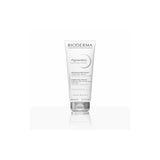
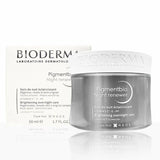
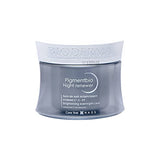
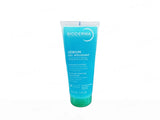
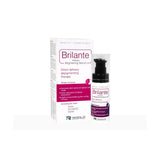
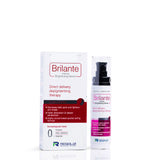








































Dermatologist-recommended products can simplify skin care decisions and support healthier-looking skin. Many people search for reliable routines, but they often feel overwhelmed by claims, ingredients, and skin types. This guide explains how to choose products that align with common dermatology principles, how to build a simple regimen, and what to expect when you introduce new formulas. You will also find practical buying steps, frequent questions, and a framework for creating consistency without guesswork.
Updated on: 2026-05-16
Dermatologist-recommended products help you choose skin care with clearer criteria. A strong routine usually starts with gentle cleansing, proper hydration, and sun protection. When you buy, focus on ingredient compatibility, skin sensitivity, and realistic expectations. When you use products consistently, you can evaluate results more accurately and avoid unnecessary irritation.
Table of Contents
Buyer’s Checklist
Choosing dermatologist-recommended products works best when you evaluate them against your skin needs, lifestyle, and tolerance for new ingredients. Use the checklist below to reduce trial-and-error and to prioritize formulas that fit into a stable routine.
Identify your primary concern: dryness, oiliness, uneven tone, texture, sensitivity, or clogged pores. Select products that support that goal rather than trying to fix everything at once.
Match your skin type and sensitivity level: If your skin is reactive, prioritize gentle cleansers and soothing moisturizers. For oil control, look for lightweight, non-greasy textures.
Check the cleanser role: A facial cleanser should remove oil and debris without leaving skin tight. Consider cleanser options that support barrier comfort.
Confirm moisturizer compatibility: Choose a moisturizer that feels comfortable after washing and does not increase stinging. Hydration supports a more even appearance.
Use daily sun protection: Broad-spectrum sunscreen is a core step in most routines. Consistency is more important than occasional use.
Review active ingredients with care: If a product contains acids, retinoids, or strong brightening complexes, introduce it slowly. Look for clear directions on how to apply.
Look for sensible packaging and dosing: Pumps and tubes often help keep formulas fresh. If you can measure amounts, you may apply more consistently.
Assess your routine complexity: A simple routine is easier to follow. Choose fewer products that complement each other rather than stacking many steps.
Plan for adaptation: Even well-tolerated formulas can require adjustment. Keep notes on comfort, texture, and appearance over time.
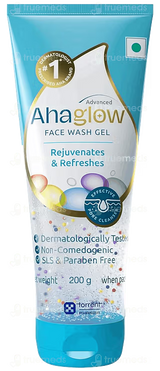
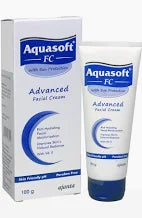
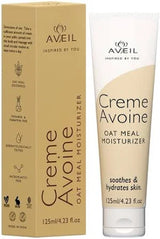
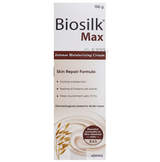
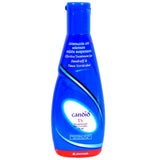
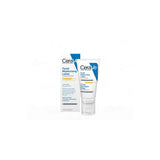
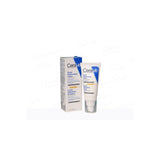
If you want structured choices for cleansing and hydration, you can compare options such as a gentle cleanser or a hydration-focused lotion. For example, you may review gentle cleansing or a hydrating lotion like facial hydration lotion to build a baseline routine.

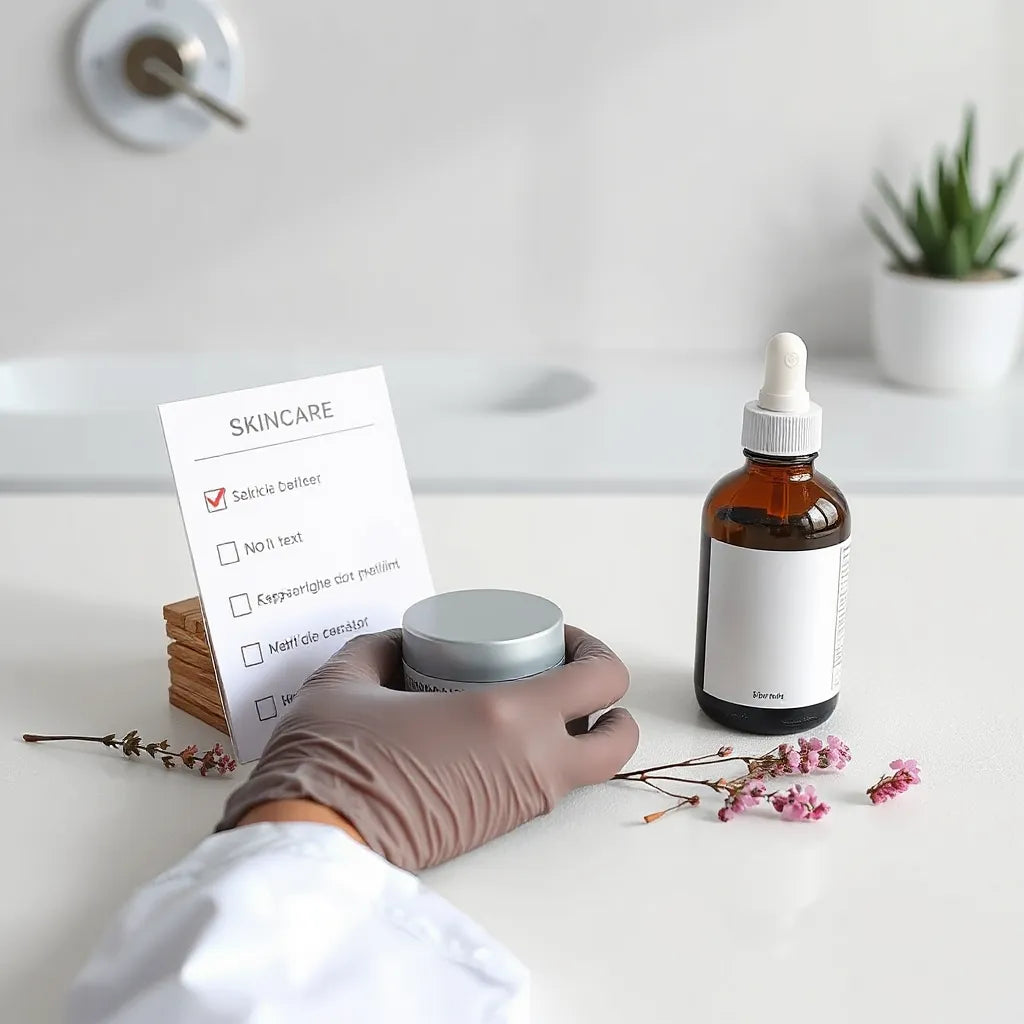
Checklist icons for cleanser, moisturizer, and sunscreen
Step-by-Step Guide
The most reliable way to adopt dermatologist-recommended products is to build a routine in stages. This method supports skin comfort and improves your ability to interpret results.
-
Step 1: Start with cleansing once daily, then adjust if needed. Use lukewarm water and massage gently for a short period. Avoid prolonged scrubbing. If you wear heavy makeup or sunscreen, cleanse with care and do not rush.
-
Step 2: Add hydration right after cleansing. Apply moisturizer while skin is comfortable and slightly damp. Hydration helps reduce dryness, which can make skin look calmer and more uniform.
-
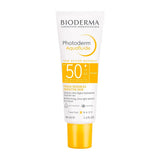
Step 3: Choose a sunscreen that fits your day. Use broad-spectrum protection during the daytime. If you dislike texture, you may select a lightweight gel or a formula designed for daily wear.
-
Step 4: Introduce one active at a time. If you are targeting acne-prone areas, uneven tone, or visible texture, add a single targeted product. Use it gradually based on your skin tolerance.
-
Step 5: Keep an evaluation window. Skin can change slowly. Focus on comfort, reduced irritation, and stable appearance rather than short-term fluctuations.
-
Step 6: Maintain consistency for the rest of your routine. Do not replace multiple products at once. If a formula does not agree with you, adjust that specific step first.
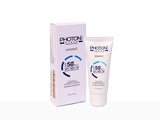
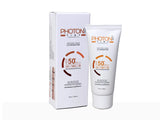
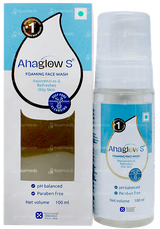
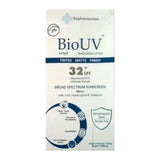
When you are shopping, you can align each step with a product type. For acne-prone or oily skin, a foaming wash can support daily cleansing, such as oil control foam wash. If you prefer acne-focused sun care, you can review acne UV gel sunscreen.
How to build a balanced routine by concern
Different skin goals require different step emphasis. The key is to keep foundational steps stable while you target one issue at a time.
For dryness and barrier comfort: prioritize gentle cleansing and a moisturizer that feels soothing. Avoid frequent harsh exfoliation.
For oil control and shine management: choose lightweight cleansers and moisturizers. Keep sunscreen consistent to prevent rebound dryness.
For uneven tone and dullness: use sun protection daily and introduce one brightening or pigment-supporting step gradually.
For texture and clogged pores: select a targeted treatment and use it with care, while keeping cleanser and moisturizer consistent.
For sensitivity: simplify the routine and choose fewer actives. Patch testing can help you understand tolerance.

Routine timeline with cleansing, hydration, and sun icons
Where internal consistency matters most
Dermatology-informed routines often succeed because they reduce variables. When you apply one change at a time, you learn what supports your skin rather than reacting to multiple new products. A consistent cleanser prevents over-stripping. Steady hydration supports comfort. Daily sunscreen reduces preventable stress from environmental exposure.
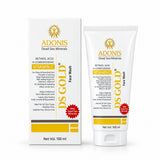
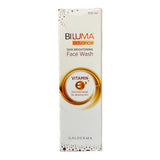
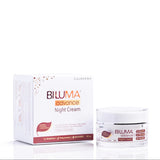
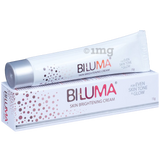
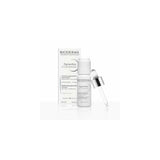
If you want additional options for brightening and pigment support, you may compare targeted serums such as night pigment renewer or explore a brightening serum like brightening serum. For more general skin brightening routines, a gentle face wash for daily use can help, such as foaming face wash.
What to avoid during your first adoption phase
To stay aligned with the typical principles of dermatologist-guided care, avoid stacking multiple strong actives at once. It increases the chance of irritation and makes it harder to understand which product caused a reaction. Also, avoid changing your entire routine frequently. If you use a new cleanser and a new moisturizer and a new treatment on the same day, you will not know what influenced your skin most.
If you already use medical-grade skincare under professional guidance, maintain those core steps. Then consider adding supportive products carefully. Your priority should be comfort, adherence, and gradual improvement.
FAQ
What makes dermatologist-recommended products different from generic skincare?
Dermatologist-recommended products are typically selected based on how well they fit common skin needs such as barrier support, gentle cleansing, and daily sun protection. This selection approach often emphasizes tolerability, predictable use, and clear instructions. Individual skin responses still vary, so compatibility matters.
How many products should I use in a simple daily routine?
A stable routine often uses three core steps: cleansing, moisturizing, and sun protection during the day. If you have a specific concern, you can add one targeted product while keeping the rest consistent. Using fewer steps can improve adherence and reduce the chance of irritation from overlapping actives.
How do I know whether a moisturizer or cleanser is working for my skin?
Look for comfort after application. If your skin feels tight, itchy, or stings, the formula may not suit your tolerance level. Over time, you may notice improved hydration, less visible dryness, and a calmer skin texture. It can help to change only one product at a time so you can evaluate results accurately.
Can I use targeted treatments and sunscreen together every day?
In many routines, sunscreen is used daily and targeted treatments are applied according to label instructions. The key is compatibility and gradual introduction of actives. If irritation occurs, reduce frequency and prioritize gentle cleansing and hydration while you reassess the treatment step.
Closing Thoughts & CTA
Choosing dermatologist-recommended products is most effective when you evaluate skin needs first, keep your routine simple, and introduce changes gradually. When your cleanser, moisturizer, and sunscreen work together, your targeted steps can perform more reliably. If you would like to refine your routine, start with a gentle foundation and then choose one treatment based on your primary concern.
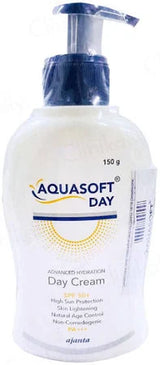
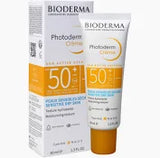
Explore curated options at Allodermis skin care and select products that support a consistent daily regimen. If you want acne-supportive cleansing, consider oil control foam wash. For daytime protection, review daily sunscreen cream as part of your standard routine.
Disclaimer: This article is for general educational purposes and does not replace professional medical advice, diagnosis, or treatment. Individual results vary. If you have persistent irritation, worsening skin conditions, or medical concerns, consult a qualified dermatologist.
About the Author Section
Allodermis is supported by skincare expertise focused on ingredient awareness and routine design. The author team emphasizes dermatologist-informed principles such as gentle cleansing, hydration support, and daily sun protection. Their guidance prioritizes consistency, tolerability, and evidence-aligned skincare education. For tailored help, readers are encouraged to consult a qualified professional.


