






































Updated on: 2026-05-16
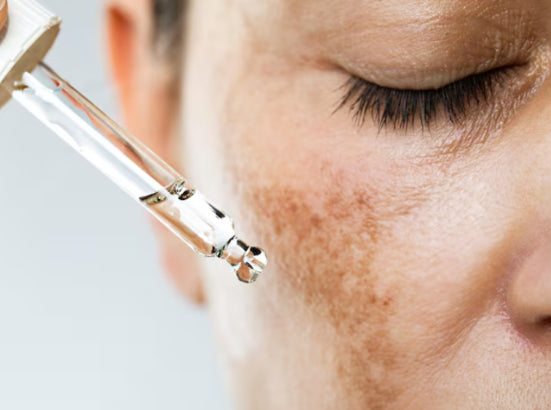
Choosing effective pigmentation treatment solutions requires more than a single product choice. It starts with correct identification of the cause and type of discoloration. A structured routine can support more even tone by combining gentle cleansing, sun protection, and targeted actives. This guide explains how to evaluate options, plan a safe regimen, and track progress with realistic expectations.
Buyer’s Checklist
Before you buy pigmentation treatment solutions, align your purchase decision with your skin needs and your routine style. Pigmentation is a broad category that can include sun-related dark spots, post-inflammatory marks, and uneven tone linked to hormonal or environmental triggers. A thoughtful selection process improves consistency and helps you avoid mismatched ingredients.
- Identify your pigmentation pattern: Note whether the issue is from sun exposure, irritation, acne healing, or general uneven tone.
- Choose a routine-ready format: Consider cleansers for preparation, serums for targeted care, and sunscreen for daily maintenance.
- Prioritize daily sun protection: Look for a reliable UV filter designed for everyday wear.
- Prefer well-tolerated base care: Gentle cleansing and hydration support skin barrier function and reduce unnecessary irritation.
- Select actives with complementary roles: Combine ingredients for exfoliation, brightening, and antioxidant support rather than relying on one step only.
- Check sensitivity and compatibility: If you have reactive skin, favor simpler ingredient lists and introduce one active at a time.
- Review finish and comfort: Textures should match your climate and daily habits to improve adherence.
- Plan for long-term consistency: Discoloration management benefits from a routine that you can sustain.

Checklist icons showing triggers, care steps, and UV focus
Step-by-Step Guide
This step-by-step guide focuses on practical decisions that support pigmentation management. It uses routine logic that many dermatology-informed regimens follow: cleanse gently, prepare the skin, apply targeted ingredients, and protect daily with UV filters. You will also find internal product links to help you explore categories on Allodermis.
Step 1: Build a gentle cleansing baseline
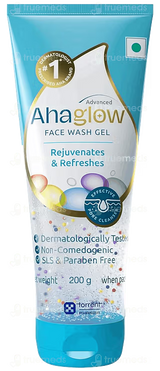
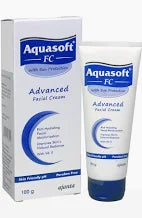
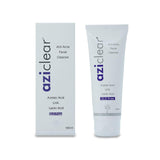
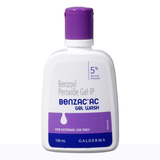
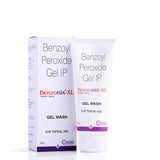
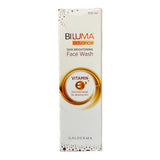
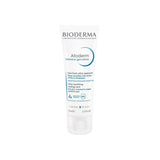
Start with a cleanser that removes debris without over-stripping. A calm skin surface supports even application of actives. For daytime routines, a gentle facial wash can reduce residue and help you maintain comfort.
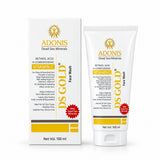
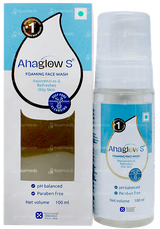
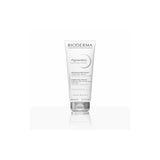
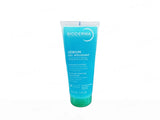
Explore options such as gentle facial cleanser for a baseline approach, and consider foaming face wash if your routine benefits from a slightly deeper cleanse.
Step 2: Add hydration to support barrier comfort
Hydration matters because many brightening actives work best when the skin barrier is stable. If your skin feels tight after washing, prioritize soothing moisture before increasing intensity.
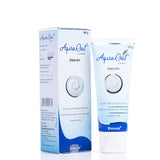
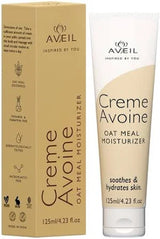
You can consider a hydrating lotion such as facial hydrating lotion to support daily comfort.
Step 3: Use targeted brightening actives strategically
Pigmentation is not one problem with one solution. Targeted care often includes antioxidants, skin-smoothing exfoliation, and pigment-supporting approaches. Serums are a common choice because they allow more precise layering.
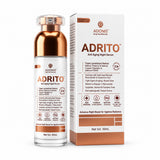
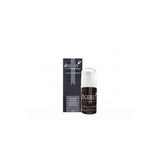
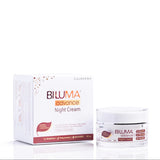
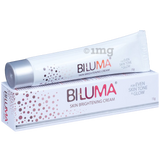
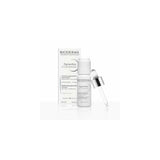
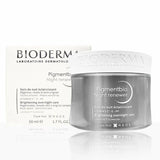
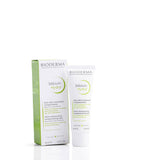
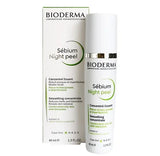
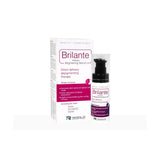
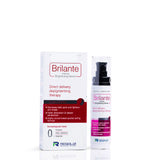
Examples of categories that may fit many routines include vitamin C options, proactive brightening formulas, and specialized serums designed for visible discoloration. On Allodermis, you can review brightening serum and proactive serum for how different formulas are positioned within a brightening routine.
Step 4: Choose a sunscreen that you will actually use
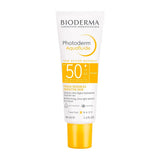
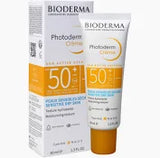
Sun protection is central to pigmentation control. Even when you use effective actives, UV exposure can reduce progress or contribute to new darkening. Select a sunscreen that matches your daily conditions and feels comfortable enough for consistent use.
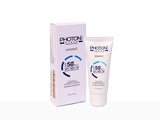
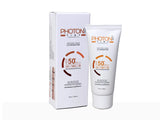
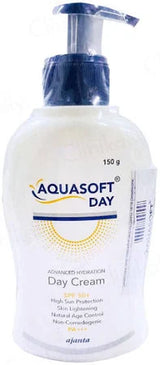
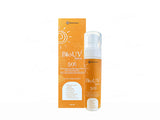
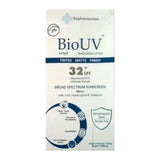
Consider reviewing options such as UV gel sunscreen for lightweight wear, or sunscreen cream if you prefer a richer feel.

Layers diagram: cleanse, serum, moisturizer, sunscreen steps
Step 5: Plan a simple morning and evening rhythm
A balanced regimen reduces confusion and helps you evaluate what works. A common structure is as follows:
- Morning: Cleanse gently, apply a hydrating layer if needed, use a targeted serum if it suits your formula, and finish with sunscreen.
- Evening: Cleanse, apply targeted care or a brightening serum, and add a moisturizer for comfort.
Adjust frequency based on your skin response. If irritation occurs, simplify your routine and reduce the number of active steps. Consistency often matters more than frequency.
Step 6: Introduce changes gradually
When you evaluate pigmentation treatment solutions, add one change at a time. This helps you recognize whether a formula improves tone, increases sensitivity, or requires further barrier support. Gradual introduction is especially useful when combining exfoliating or vitamin-rich ingredients.
Step 7: Track progress with objective notes
Progress with discoloration management tends to be subtle. Use consistent lighting and take periodic notes to observe changes in uneven tone. Track things such as comfort, dryness, and whether marks look less prominent.
Also monitor your triggers. If you notice flare-ups after sun exposure or after irritation events, adjust your protection habits and cleansing choices.
FAQ
What are pigmentation treatment solutions, and how do I choose the right category?
Pigmentation treatment solutions are routine approaches designed to support more even skin tone. They typically include gentle cleansing, daily UV protection, and targeted actives such as vitamin C–based options, antioxidant-supporting serums, and ingredient strategies that help reduce the appearance of dark spots. Choosing the right category depends on your discoloration pattern and your skin sensitivity.
Can I combine brightening ingredients with sunscreen without causing irritation?
Many routines combine targeted brighteners with sunscreen safely when introduced gradually and supported by hydration. Begin with a simple base routine, use sunscreen consistently, and add one active step at a time. If your skin feels dry or reactive, prioritize moisturizing and reduce active intensity until comfort returns.
How should I evaluate whether a pigmentation routine is working?
Evaluate changes using consistent lighting and periodic notes. Focus on overall tone uniformity and whether marks appear less noticeable. Also track skin comfort, because irritation can worsen the look of pigmentation. If you experience persistent irritation, simplify your routine and reassess product compatibility.
Are natural supplements or oral products part of pigmentation support?
Oral nutrition can complement a skincare routine, but results vary by individual factors and overall diet. If you consider supplements, choose products from reputable sources and follow the label instructions. Maintain a skincare foundation of gentle cleansing and consistent sun protection, since UV exposure is a major driver of uneven tone.
Closing Thoughts & CTA
Effective pigmentation treatment solutions are built on consistency, smart ingredient pairing, and daily UV defense. When you use a routine that you can maintain, you improve your ability to observe meaningful changes in tone and texture over time.
Explore curated options on Allodermis to help you design your routine, such as proactive brightening care, UV gel sunscreen, and gentle cleansing support. If you want a structured plan, start with the baseline steps and add targeted care one change at a time.
Disclaimer: This article is for informational purposes only and does not constitute medical advice. Results vary based on individual skin conditions and adherence to a routine. For persistent discoloration, irritation, or uncertainty about causes, consult a qualified healthcare professional.
About the Author
Allodermis is an ecommerce and skincare-focused brand with expertise in product discovery, ingredient education, and routine planning. The author team supports shoppers by translating dermatology-informed concepts into practical buying guidance. The focus includes barrier-friendly routines, sun protection strategy, and ingredient compatibility for visible uneven tone.
Thank you for reading. Use this guide to create a consistent approach to pigmentation management.


