




































UV Protection Skincare: Simple Routine for Daily Safety

Updated on: 2026-05-25
UV exposure can accelerate visible skin aging and increase the risk of uneven tone. UV protection skincare helps reduce photoaging by lowering the impact of ultraviolet rays. A strong routine combines daily broad-spectrum sunscreen, compatible moisturizers, and careful reapplication habits. The right product choice depends on skin type, texture preferences, and your daily sun exposure pattern.
Table of Contents
1. Common Challenges
2. Comparison of Approaches
3. How to Build UV Protection Skincare
4. How to Apply Sunscreen Correctly
5. Ingredients and Formulas to Look For
6. Common Mistakes That Reduce Effectiveness
7. Summary & Recommendations
8. Q&A
UV protection skincare is a practical, everyday step for healthier-looking skin. Sun exposure is not limited to beach days; it occurs during commutes, errands, and office hours near windows. When ultraviolet radiation repeatedly hits the skin, it can contribute to dark spots, rough texture, and loss of firmness. With a consistent routine, you can reduce these effects and support a more even, resilient complexion.
Common Challenges
Many people want UV protection skincare, yet several barriers prevent consistent results. The most frequent issues are discomfort, poor compatibility, and uncertainty about what to choose. Each challenge has a clear solution when you adjust product texture, application method, and routine order.
1) Sunscreen feels heavy or causes shine
Some formulas can appear glossy or feel sticky, especially on warm days. The solution is to select lightweight textures such as gel, lotion, or fluid formats. You can also pair sunscreen with a thin moisturizer that supports comfort without adding excess slip. If you prefer a matte finish, consider a formula designed for oil control while still providing broad-spectrum coverage.
2) Sunscreen irritates sensitive skin
When irritation occurs, it is often linked to fragrance, high levels of certain active filters, or application friction. Use gentle cleansing before skincare and keep the rest of the routine minimal. A calming cleanser and a simple, non-aggressive moisturizer can reduce baseline irritation. If you experience redness or stinging, switch to a skin-friendly option and introduce it gradually.
3) Makeup interferes with reapplication
Reapplication is essential for ongoing protection, but thick makeup can make touch-ups difficult. A practical approach is to use a sunscreen with a finish that works under makeup, then reapply using a method that suits your day. For example, you can use a compatible sunscreen texture that layers smoothly rather than requiring full removal.
Layering shields: sunscreen, moisturizer, and gentle care icons
Comparison Section
UV protection skincare can be approached through different products and habits. The most effective routines typically use sunscreen as the foundation, then add supportive skin care. The table below summarizes common options and where they fit.
| Approach | Best For | Pros | Potential Limitations |
|---|---|---|---|
| Daily broad-spectrum sunscreen | All-day baseline protection | Directly targets UVA and UVB exposure | Must be applied in sufficient quantity |
| Moisturizer + sunscreen layering | Comfort and barrier support | Helps reduce tightness and irritation | Thick layers may affect how sunscreen spreads |
| Antioxidant-supportive skincare | Commuters and outdoor time | Supports skin resilience and visible tone | Does not replace sunscreen coverage |
| Sun-protective lifestyle habits | High-exposure days | Reduces direct UV hit | Cannot replace sunscreen for complete coverage |
In practice, the strongest plan is a layered routine with sunscreen at the core, plus barrier-friendly care that improves tolerance and daily consistency.
How to Build UV Protection Skincare
A reliable UV protection skincare routine is simple, repeatable, and compatible with your skin type. Start with your existing base routine and adjust it for sun exposure. Then focus on consistency: daily application, correct quantity, and timely reapplication.
Step 1: Use a gentle cleanser
Begin with a cleanser that supports comfort and does not strip your skin. If your skin barrier is unsettled, sunscreen can feel less pleasant and may lead to poor adherence. A gentle cleanse in the morning can remove overnight residue without increasing dryness.
Consider using a gentle cleanser such as Cetaphil Gentle Cleanser for daily support.
Step 2: Apply a moisturizer that matches your skin needs
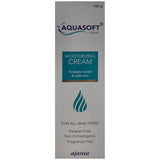
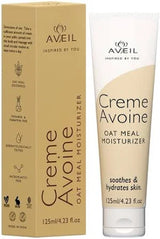
Moisturizer reduces tightness and helps sunscreen spread evenly. Choose a formula that matches your finish preferences. If your skin is oily, choose a lighter lotion. If your skin is dry, select a more nourishing cream or barrier-supportive texture.
You can explore a hydrating option like Excela Rich Facial Hydrating Lotion to support comfort before sunscreen.
Step 3: Use broad-spectrum sunscreen as the final step
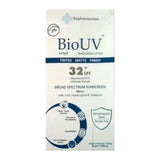
Sunscreen should be the last step in your morning routine so it forms a protective layer. Look for broad-spectrum coverage that addresses both UVA and UVB rays. If you use makeup, allow sunscreen to settle for a short period before applying foundation or concealer to improve wear.
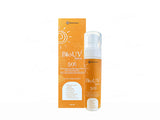
For daily UV protection skincare, you may consider IPCA Acne UV Gel SPF 50 if you prefer a lighter feel.
Step 4: Add targeted skin care when appropriate
Even with consistent sunscreen, additional products can support tone and texture goals. For example, antioxidants and brightening ingredients can complement daily protection. If you use active ingredients, ensure they do not irritate your skin barrier and always keep sunscreen as the anchor.
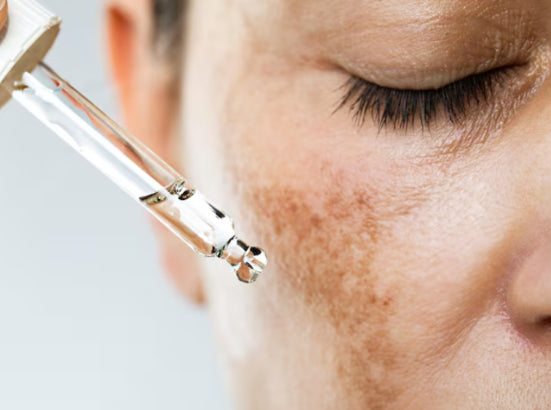
One example of a supportive routine component is Azelaic acid serum, which many users incorporate for visible clarity while maintaining sunscreen as the non-negotiable step.
Daily routine timeline: cleanse, moisturize, shield, reapply
How to Apply Sunscreen Correctly
Correct application is a major factor in UV protection skincare performance. Under-application is one of the most common reasons people feel their sunscreen is not working. A consistent quantity and even coverage provide the most reliable barrier.
Use adequate quantity
Apply enough sunscreen to cover the entire face and neck area. Include ears and the hairline when possible. The goal is uniform coverage, not streaky thin patches. If you use a moisturizer, wait briefly so sunscreen does not move around.
Apply before sun exposure
For many sunscreen types, applying before heading outside helps ensure an even protective film. If you know you will be outdoors, plan your routine to include sunscreen prior to leaving.
Reapply according to your exposure
Reapplication is required when sun exposure continues, particularly during prolonged outdoor activity. If you sweat or wipe your face with towels, you should consider reapplying as well. When reapplication feels inconvenient, focus on simplifying your routine so the habit remains realistic.
Choose a finish that matches your day
If your routine includes makeup, select a sunscreen texture that blends without pilling. If you have acne-prone skin, consider a non-comedogenic gel or oil-control format. The best sunscreen is the one you will apply consistently.
If you prefer a formula designed for comfortable coverage, you can also consider Fixderma Shadow Sunscreen Cream to support daily wear.
Ingredients and Formulas to Look For
While sunscreen actives vary, the key concept is that UV protection skincare should include broad-spectrum UV filters. Beyond actives, supportive ingredients can improve texture and tolerance. Pay attention to how your skin responds to specific formulations.
Broad-spectrum UV filters
Look for broad-spectrum labeling that signals UVA and UVB coverage. This helps address both immediate sunburn risk and longer-term photoaging contributors.
Hydrators and barrier-supporting agents
Hydration ingredients such as glycerin, panthenol, and similar moisturizers can support comfort. When sunscreen is paired with proper hydration, you often see better wear and less dryness.
Antioxidant support
Antioxidants are frequently used to help skin manage environmental stress. They are not a substitute for sunscreen, but they can complement your overall routine. Many users include vitamin C derivatives or other antioxidant systems during the day.
If you seek an antioxidant-forward approach, you may explore liposomal vitamin C serum as part of a daytime routine while keeping sunscreen as the final step.
Oil control and shine management
For those with oily skin, oil-control formulas can improve finish and reduce the need for blotting. Blotting can remove product, so it is better to choose a sunscreen that stays comfortable throughout the day.
For oil-prone skin needs, you may review I Shield Sunscreen Cream SPF 50 PA for daily coverage.
Compatibility with actives
If you use exfoliating acids or retinoids, be careful about irritation. Irritated skin is less likely to tolerate sunscreen well. Maintain a simple base routine, then introduce actives slowly while keeping sunscreen consistent.
Common Mistakes That Reduce Effectiveness
Even the best products cannot perform if routines are inconsistent. The following pitfalls commonly weaken UV protection skincare results.
Mistake 1: Using sunscreen only when the sky is bright
UV rays can reach the skin on cloudy days. A daily habit supports consistent protection and reduces the chance of missing exposure. Build sunscreen into your morning workflow regardless of weather.
Mistake 2: Applying sunscreen too late
When sunscreen is applied after you are already outside, coverage may be uneven or insufficient. Apply before exposure so the protective layer is established.
Mistake 3: Not covering high-exposure areas
Areas such as ears, neck, and the hairline are often neglected. Incomplete coverage can lead to uneven tone and faster visible damage in those zones.
Mistake 4: Overloading the face with too many layers
Excessive layers can reduce sunscreen adhesion or cause pilling under makeup. Choose a moisturizer that works well under sunscreen and keep the morning routine streamlined.
Mistake 5: Assuming skincare actives replace sunscreen
Brightening serums and exfoliating treatments may support tone, but they do not replace UV filters. The correct order is sunscreen as the foundation, then supportive products based on your goals and tolerance.
Mistake 6: Not reapplying during prolonged outdoor time
Long exposure and skin contact with water, sweat, or friction can reduce the protective film. If your routine requires reapplication, plan it in a way that suits your lifestyle and minimizes disruption.
Summary & Recommendations
UV protection skincare is most effective when sunscreen is applied daily with correct quantity and supported by a barrier-friendly routine. Begin with a gentle cleanse, use a moisturizer that matches your skin type, and finish with broad-spectrum sunscreen. Choose textures you can tolerate under your normal conditions, including makeup or time outdoors.
For a dependable starting point, consider using a gentle cleanser and a compatible moisturizer, then select a broad-spectrum sunscreen designed for comfortable wear. If you want a simple, effective plan, review options such as Cetaphil Gentle Cleanser, Excela Rich Facial Hydrating Lotion, and IPCA Acne UV Gel SPF 50. Consistency will provide the clearest long-term benefit.
Call to Action: Build your UV protection skincare routine today by selecting a sunscreen you enjoy wearing, pairing it with a compatible moisturizer, and committing to daily application. If you already use sunscreen, refine your habit by improving coverage and reapplication during longer outdoor exposure.
Q&A Section
How can I tell whether my sunscreen offers real UV protection skincare coverage?
Look for broad-spectrum labeling that indicates UVA and UVB coverage. Also confirm that the sunscreen is appropriate for daily use and that you can apply enough product without discomfort. If you notice frequent irritation or streaking that prevents even coverage, choose a more compatible formula and focus on correct application.
Is a moisturizer with SPF enough for UV protection skincare?
Many moisturizers with added SPF may provide some protection, but they are often not applied in the same sufficient quantity as dedicated sunscreen. For reliable coverage, use a broad-spectrum sunscreen designed to be used as the final step. If your routine relies on SPF moisturizers, evaluate whether you can apply enough product consistently across the face and neck.
What should I do if my sunscreen causes pilling under makeup?
Pilling often occurs when the skin is too dry, when layers are incompatible, or when sunscreen has not settled before makeup. Apply a thin moisturizer, allow brief setting time, and then apply makeup gently. If pilling persists, switch to a sunscreen texture that layers smoothly and is designed for daily wear.
How often should I reapply sunscreen for UV protection skincare?
Reapplication should match your exposure conditions. For shorter indoor days, daily application may be sufficient. For prolonged outdoor time, it is important to reapply during continued sun exposure, especially after sweating, towel drying, or friction that reduces the protective film.
About the Author Section
Allodermis Editorial Team
The Allodermis editorial team focuses on skincare education, ingredient literacy, and routine planning for everyday skin health. With expertise in dermatology-informed guidance and product selection, the team supports readers with practical, evidence-based content. The aim is to help you build an effective UV protection skincare habit that fits your lifestyle. Thank you for reading and taking a thoughtful approach to skin care.
Disclaimer: This article is for educational purposes only and does not replace professional medical advice. Individual skin needs vary, and results depend on consistent routine use and correct application. If you have a medical condition or experience persistent irritation, consult a qualified healthcare professional.
Authors & medical review
Swaraj Dhar is a sociopreneur, technologist, and the co-founder of Allodermis.
Every article is fact-checked against current peer-reviewed dermatology literature and Allodermis clinical protocols.
This article was last reviewed and updated on . Published .
Have a skin or hair concern?
Book a free consultation with our AIIMS MD dermatologists. Clinics in Bhubaneswar, Gurgaon, and Delhi NCR.