





















Updated on: 2026-05-17
PRP hair restoration has become a widely discussed option for people seeking improved scalp coverage and hair density.
This guide explains how PRP works, what the evidence suggests, and how to evaluate a clinic’s process with a safety-first mindset.
You will also find common myths, practical expectations for results, and questions to ask before starting treatment.
Use this information to make informed decisions and align your plan with your scalp health goals.
PRP Hair Restoration: What It Is and How It Works
PRP hair restoration is a non-surgical approach that uses a concentration of platelets derived from the patient’s own blood. The central concept is to introduce growth factor signals into the scalp microenvironment, aiming to support the hair cycle and improve overall hair quality.
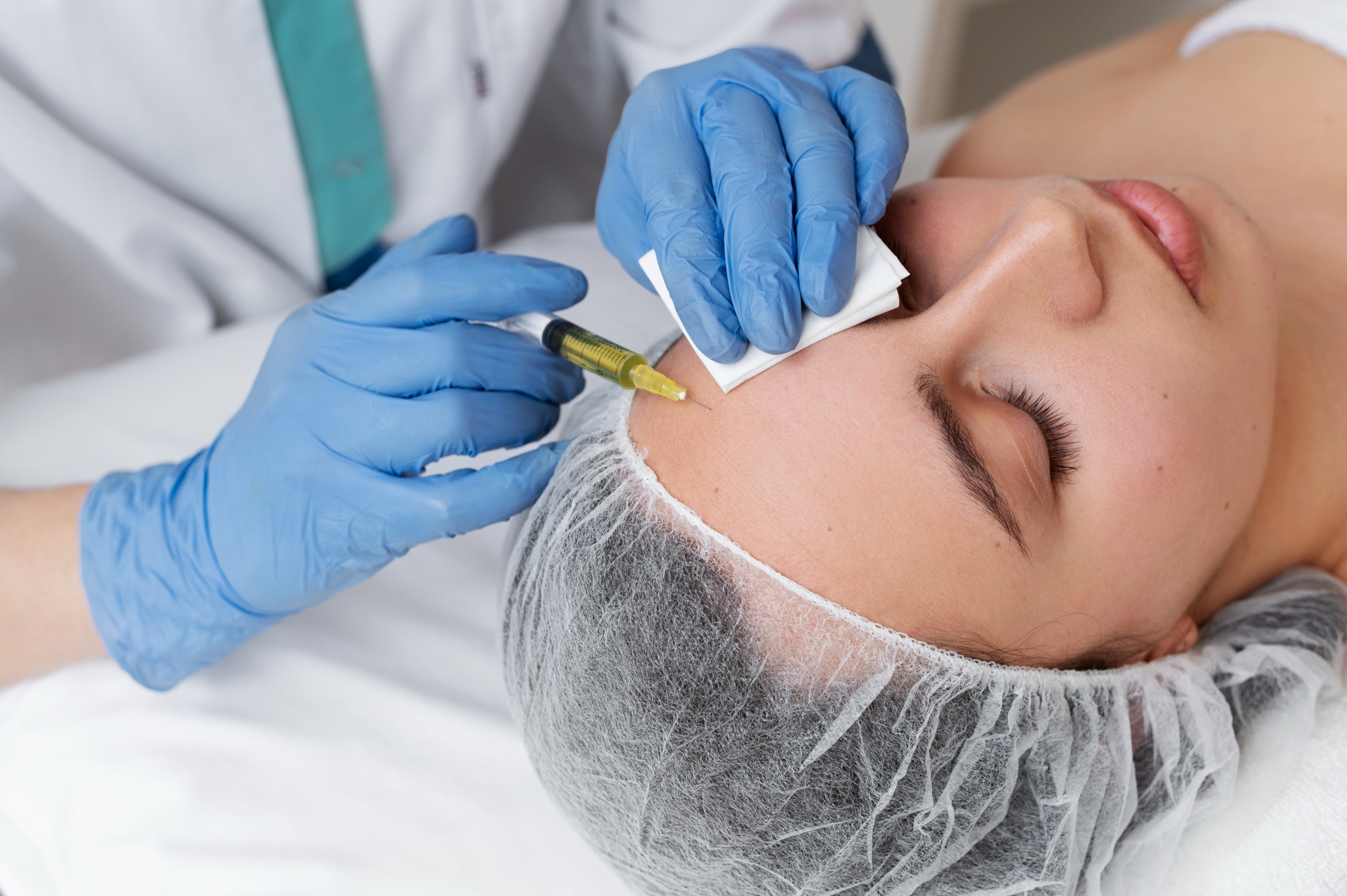
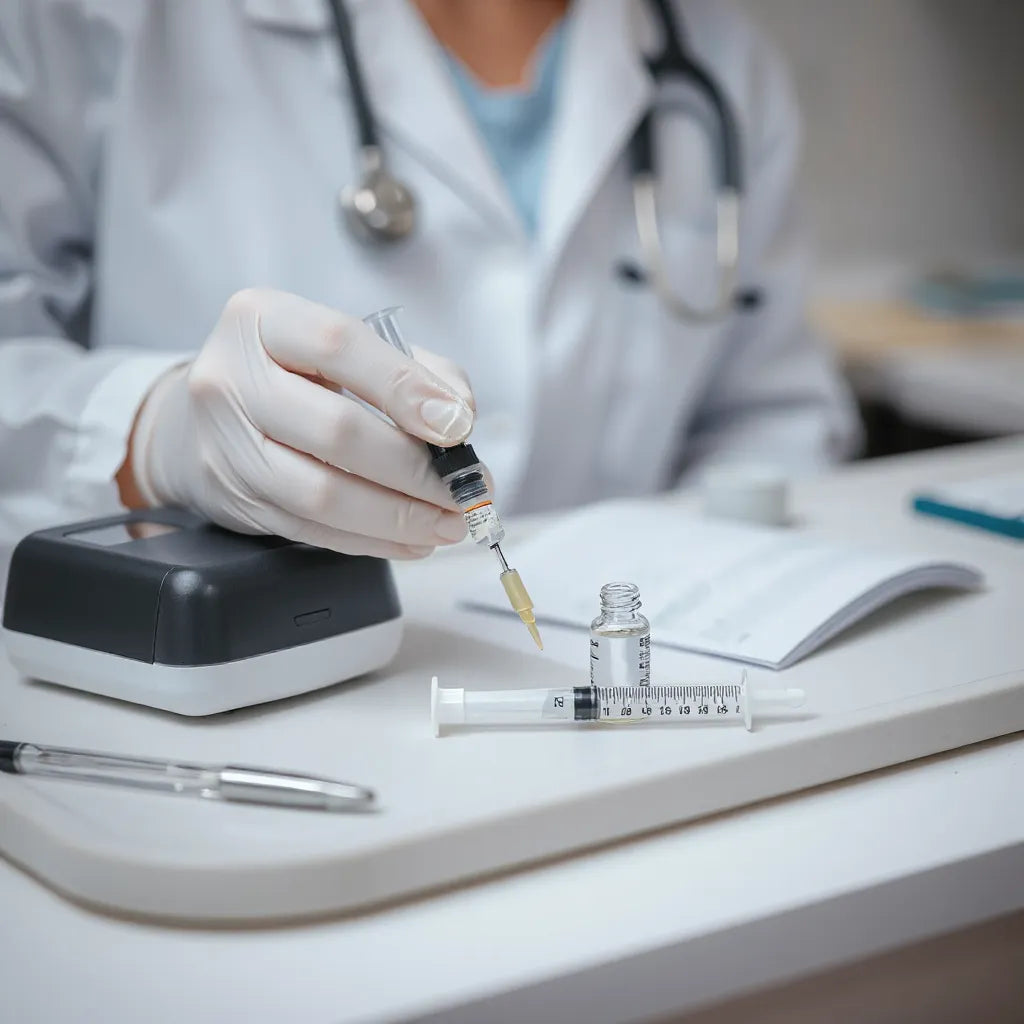
In practical terms, PRP preparation involves drawing blood, processing it to separate the platelet-rich fraction, and then applying it to the scalp. Some clinics use injections, while others use a combination of application methods. The goal is consistent: deliver platelet-derived signaling to areas where hair growth has become thinner.
It is important to frame PRP hair restoration as part of scalp management rather than a single “instant” fix. Hair density changes typically require time because the hair cycle operates on its own schedule. For many people, the most realistic outcome is gradual improvement in thickness and coverage, supported by ongoing scalp care and evidence-based follow-up.
Before choosing PRP treatment, evaluate three fundamentals: clinician training, protocol consistency, and scalp assessment. A detailed baseline exam helps identify patterns of shedding, miniaturization, inflammation, and triggers that may influence results. A well-run clinic should also explain risks, downtime expectations, and how they will measure progress.
Myths vs. Facts
- Myth: PRP hair restoration works the same for everyone. Fact: Outcomes vary based on hair loss pattern, severity, scalp health, and adherence to the plan.
- Myth: Results are immediate. Fact: Visible changes usually develop gradually as hair cycles progress.
- Myth: More injections always mean better results. Fact: Treatment density and spacing should be individualized to anatomy and hair loss distribution.
- Myth: PRP is risk-free. Fact: It is generally low risk when performed by trained clinicians with sterile technique, yet side effects can occur.
- Myth: Any clinic can offer PRP with the same quality. Fact: Centrifugation, handling, and application standards influence the final platelet fraction and consistency.
Personal Experience
When people explore PRP hair restoration, they often begin with a familiar pattern: noticing a change in density, monitoring shedding, and comparing photos over time. In one common scenario, a person may shift from steady daily hair loss awareness to visible scalp show-through at certain angles. That moment often prompts a search for a solution that feels both targeted and conservative.
In my view, the most valuable early step is not deciding on a treatment immediately. It is to document the baseline. Many patients benefit from consistent lighting, the same hairstyle, and the same distance when taking scalp photos. They also benefit from tracking whether shedding is active or has already stabilized. A clear baseline improves the quality of later comparisons and reduces emotional decision-making.
Equally important is building a supportive scalp routine during the treatment phase. Scalp irritation, dryness, or inflammation can undermine comfort and make it harder to stay consistent. That is why a gentle cleanser and a well-tolerated daily skincare routine can be meaningful adjuncts to a hair-focused plan.

Scalp mapping with focus zones and session steps
Who May Benefit and Who Should Be Cautious
PRP hair restoration may be considered by people who want a non-surgical option for thinning hair. However, it is not the correct choice for every scalp condition. The best candidates typically have clear hair loss distribution, stable overall health, and realistic expectations about gradual improvement.
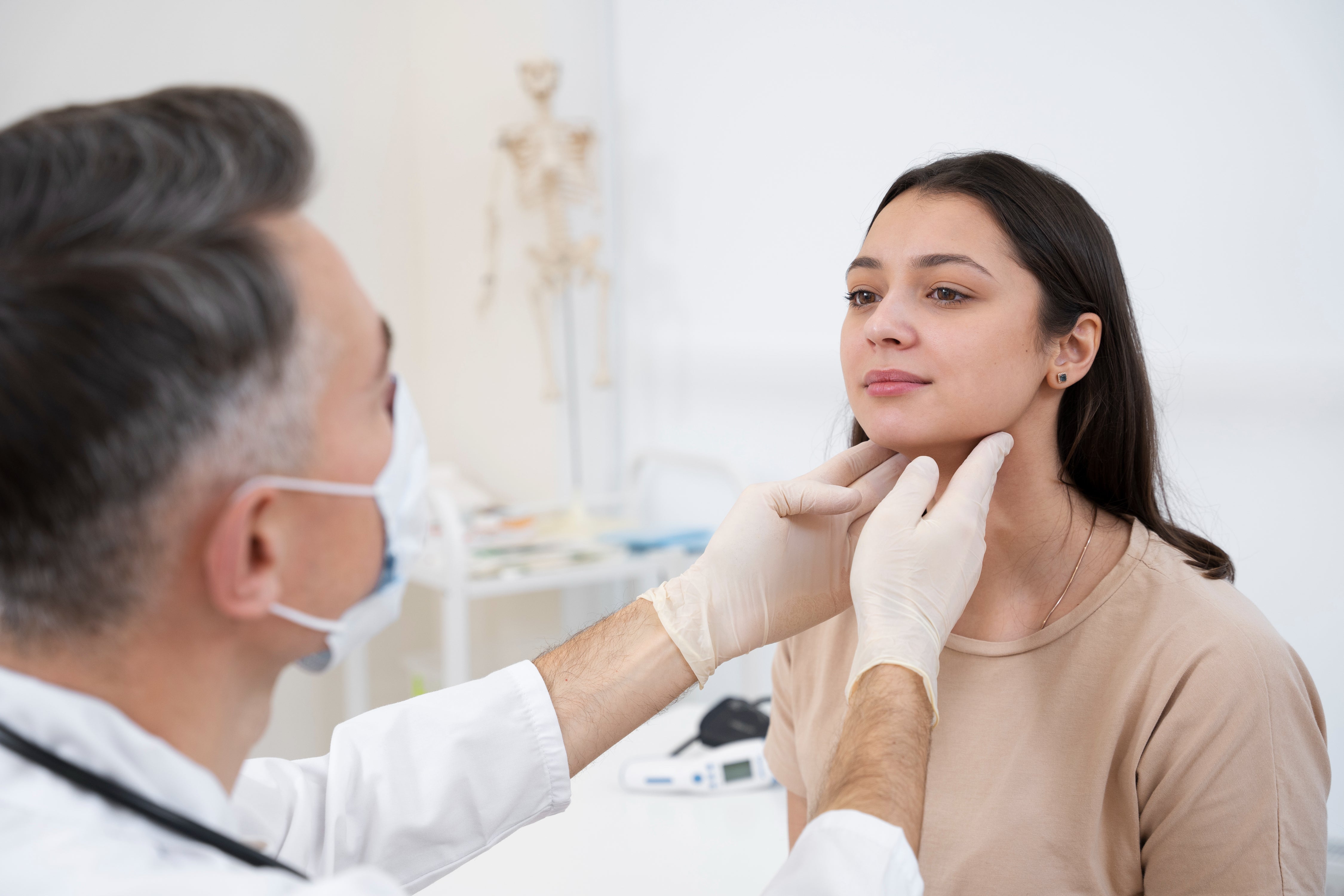
Clinically, thinning can come from multiple drivers. Some are related to genetics and hair cycling patterns, while others connect to inflammation, dermatitis, or shedding conditions. For that reason, a proper scalp evaluation matters. A clinician should look for signs of scalp inflammation, visible scale, itch, or tenderness. If those factors are present, the plan may begin with calming the scalp and addressing irritation before introducing PRP.
There are also situations where PRP may require additional caution or alternative approaches. If a person has active infection at the time of treatment, uncontrolled bleeding disorders, or a condition that affects blood handling, PRP may not be appropriate. Pregnancy and certain medication profiles may also influence the timing of treatment, so the clinician should review medical history carefully.
If your scalp is prone to sensitivity, discuss how the clinic minimizes irritation and how they manage post-procedure care. A safety-first clinic should emphasize sterile handling and clear aftercare instructions.
Procedure and Session Expectations
A typical PRP hair restoration plan includes multiple sessions rather than a one-time treatment. Many clinics schedule an initial series followed by maintenance, based on how the scalp responds over time. The exact timing varies by protocol, but the core principle is that the hair cycle needs time to reflect changes.
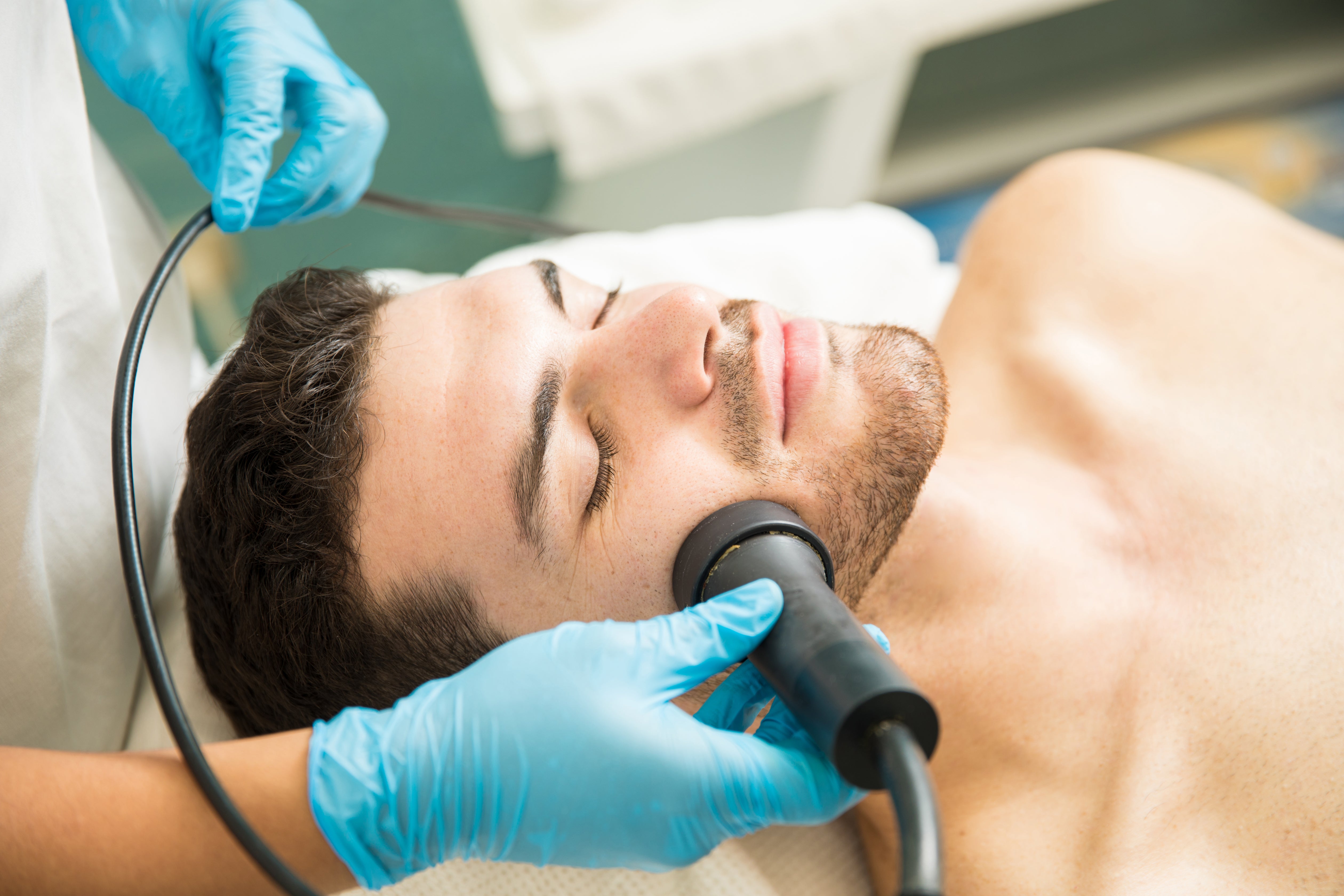
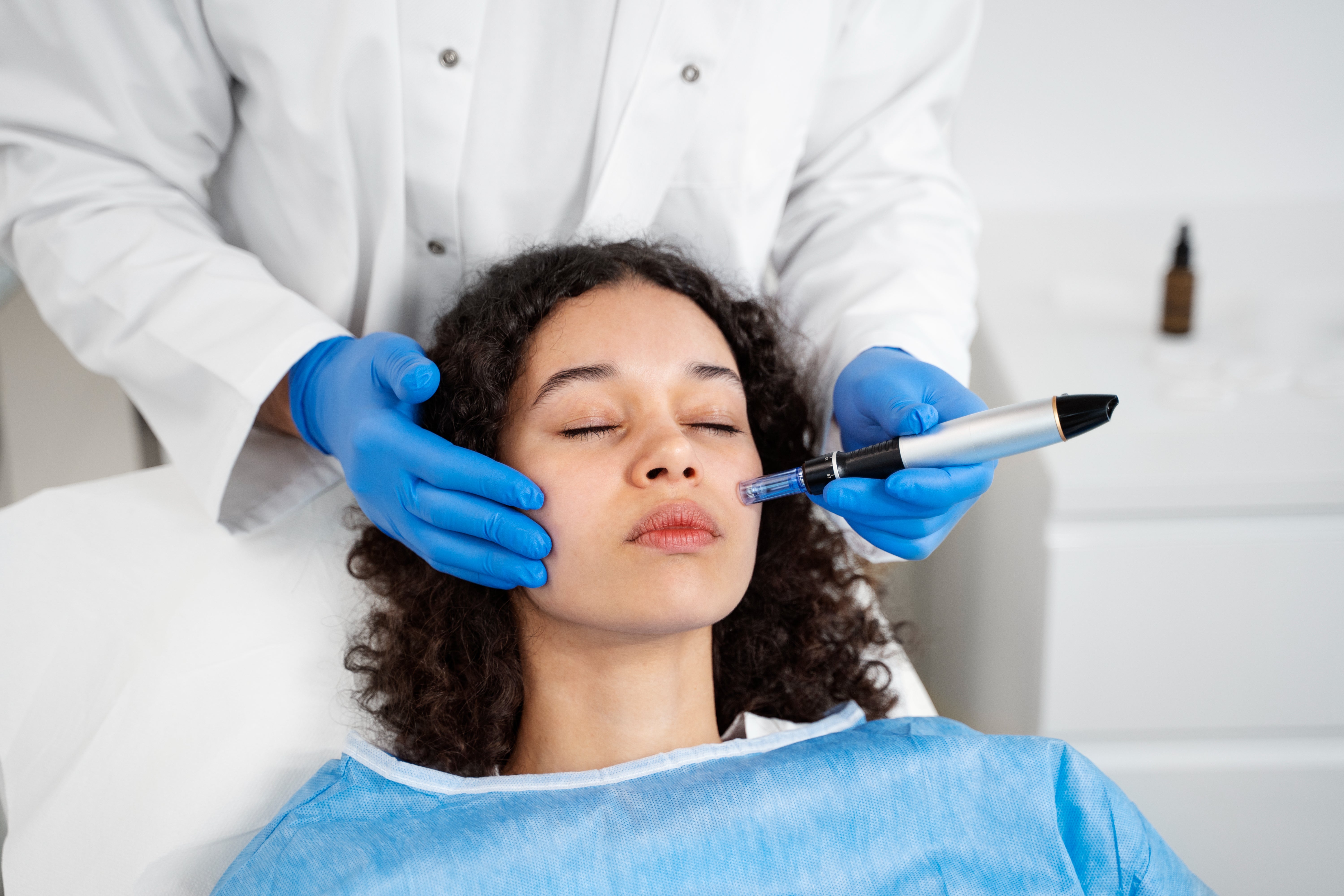
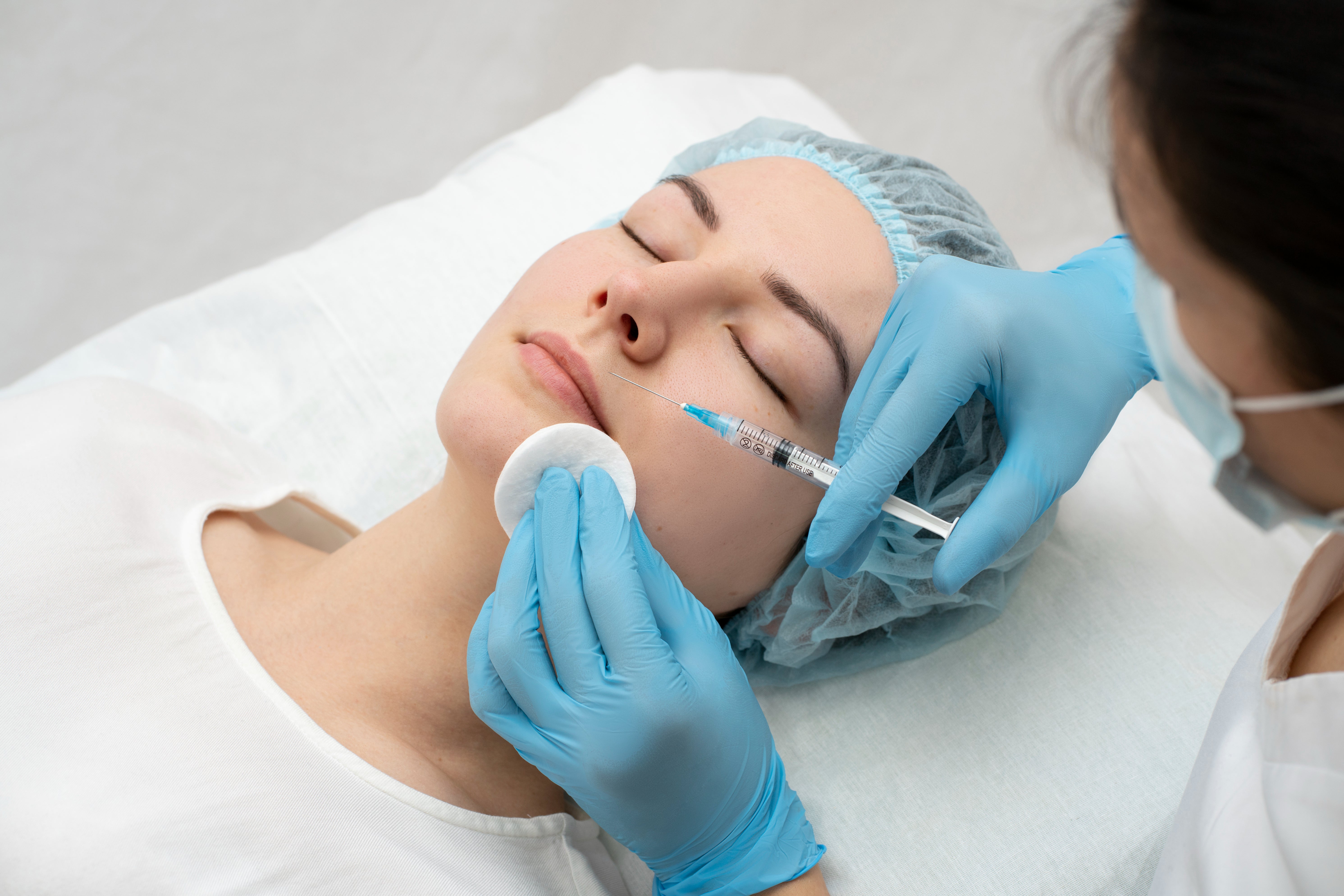
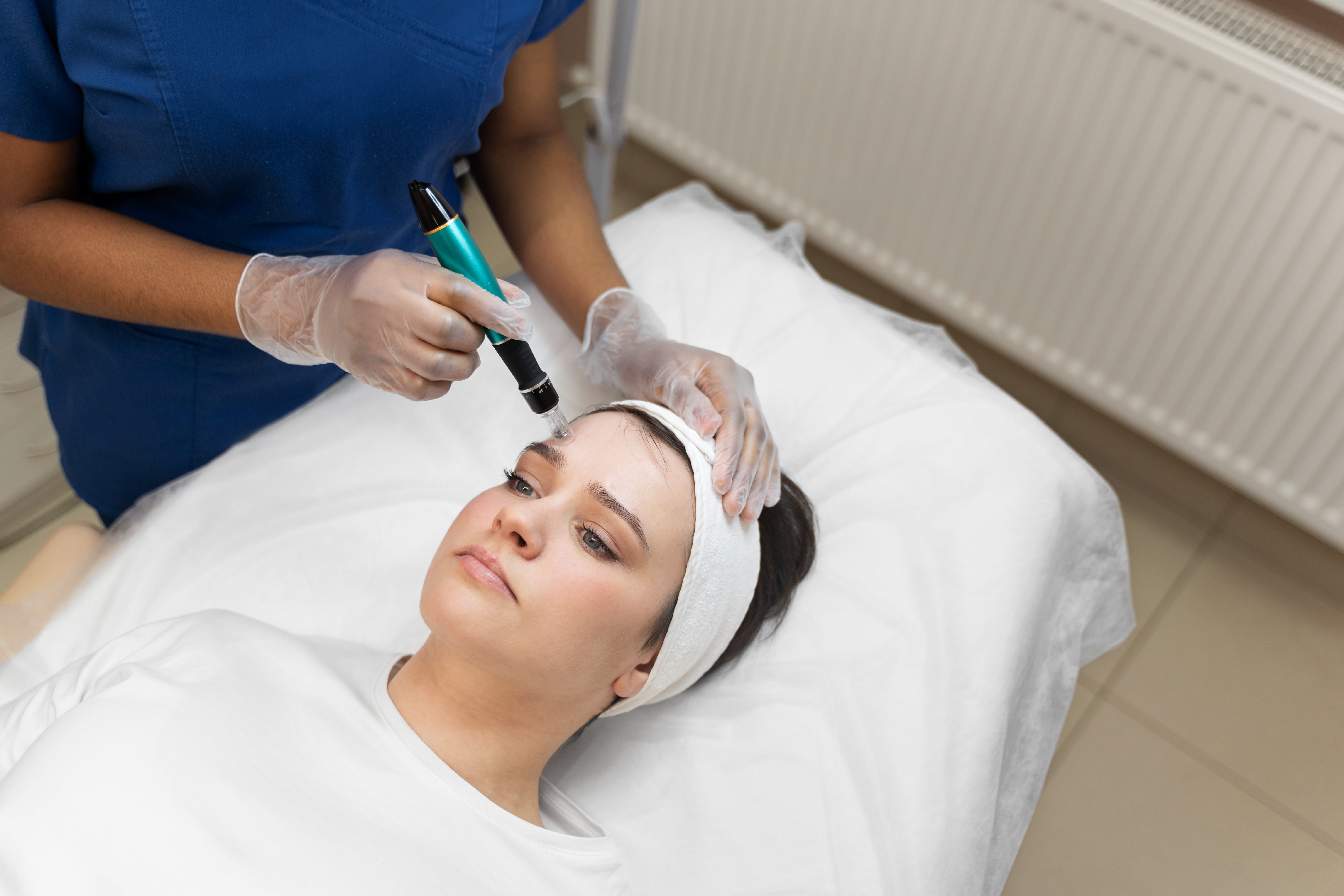
During a session, the clinic usually performs a scalp assessment, reviews the treatment area, and prepares the platelet-rich fraction. Application may include micro-injections into targeted zones. Some protocols also use surface application methods. Your clinician should explain what they are using and why it matches your pattern of thinning.
It is reasonable to expect mild discomfort during application and temporary redness afterward. Swelling can occur in some cases, especially when injection techniques are used. Most side effects are short-lived when the procedure is performed with appropriate technique and hygiene.
Do not rely on marketing claims alone. Ask about the platelet preparation steps, what quality checks are used, and how the clinic ensures consistent processing. Also ask how they document progress, including photo protocols and objective measures such as hair counts or scalp coverage scales, where available.
How Clinics Commonly Structure a PRP Session
To make an informed decision, look for clarity. A good clinic describes each phase: assessment, preparation, application, and aftercare. You should also receive guidance on which products are safe to use immediately after treatment.
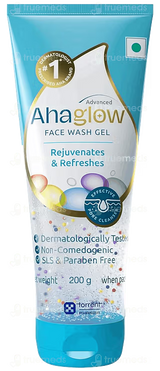
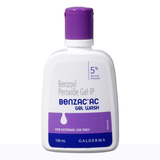
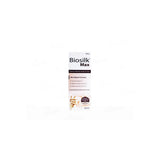
If you have oily or sensitive scalp concerns, a gentle cleanser can support comfort during the treatment window. For example, you may consider a clinician-recommended approach using a mild daily wash such as gentle cleanser to help maintain a balanced scalp environment without harsh stripping.

Progress photos in fixed lighting and labeled intervals
Aftercare and Scalp Care Support
After PRP treatment, aftercare helps maintain comfort and consistency. The first rule is to follow the clinic instructions precisely. Avoid aggressive scalp manipulation in the early period. Also avoid styling habits that increase friction or pressure on treated areas.
Scalp hygiene is an essential foundation. During the treatment series, choose products that minimize irritation and support barrier health. If you notice increased oiliness, you may need a routine that cleans without drying. If you notice flaking or itch, you may benefit from a plan that targets scalp comfort rather than simply adding more products.
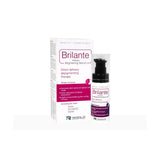
For people who want to refine their overall skincare strategy, it may be helpful to focus on ingredients that are compatible with sensitive skin. For example, some individuals choose a calming, fragrance-considered routine. While hair restoration is not skincare alone, the scalp is skin, and comfort matters for adherence.
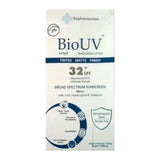
In the broader routine, you may also consider a sunscreen strategy for exposed scalp areas when outdoors. Sun exposure can worsen irritation and can make post-procedure redness feel more noticeable. A practical option is to discuss a suitable daily sunscreen product with your clinician. If you prefer a gentle formulation, you may explore a category-compatible product such as daily SPF protection to support overall scalp comfort when applicable.
In addition, if dandruff-like flaking or irritation occurs, address it early. Many people delay scalp comfort measures and then struggle to stay consistent with PRP sessions. An organized plan improves the experience and helps you focus on the actual treatment timeline.
Final Thoughts & Takeaways
PRP hair restoration is a structured, non-surgical option that aims to support the hair cycle using platelet-derived growth factor signals. The most meaningful results typically come from careful candidate selection, consistent protocols, and a scalp-support routine that reduces irritation.
Before you commit, evaluate the clinic’s process and ask direct questions about preparation, injection or application methods, and how progress is measured. Understand the realistic timeline: gradual improvement is more likely than immediate, dramatic change.
Finally, treat PRP as one component of a complete hair and scalp strategy. When combined with sensible scalp care and proper follow-up, PRP can be a practical option for people who want a conservative approach.
If you are considering a consultation, prepare by bringing baseline photos, noting shedding patterns, and listing any scalp symptoms such as itch, tenderness, or flaking. A clear starting point supports better decision-making and more reliable comparisons over time.
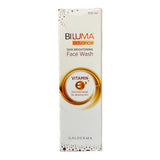
CTA: If you want to build a supportive routine around your hair restoration plan, consider reviewing your current cleanser and scalp-care products. You can also explore skincare support options through trusted retailers such as oil-control foam wash when appropriate for your scalp type.
Q: How many sessions are typically needed for PRP hair restoration?
A: Many clinics plan a series of sessions rather than a single treatment. The exact number and interval depend on your pattern of thinning, scalp condition, and the protocol used by the clinician. A structured plan also helps you assess response more reliably.
Q: Does PRP hair restoration require medication changes?
A: Not necessarily. However, your clinician should review your full medical history and current medications because blood handling, bleeding risk, and scalp sensitivity can influence timing and safety. If you are already using hair loss medications, discuss how they fit into the overall plan.
Q: What side effects can occur after PRP treatment?
A: Common short-term effects include temporary redness, mild swelling, tenderness, or sensitivity at treated sites. These effects usually resolve within a brief period when the procedure is performed using sterile technique and appropriate aftercare guidance.
Q: How should I measure progress for PRP hair restoration?
A: Use consistent photo conditions such as the same lighting, angle, and distance. Also track changes in coverage and perceived density over time. If your clinic offers objective measurements, request a clear plan for how they document results across follow-up visits.
About the Author Section
Allodermis supports evidence-informed beauty and skin health education with a focus on routine selection, ingredient compatibility, and safety-minded guidance. The author team specializes in dermatology-aligned content strategy and helps readers understand how to pair professional procedures with everyday scalp care. A thoughtful approach and realistic expectations are key to decision-making. Thank you for reading, and may your next steps be clear and confident.
Disclaimer: This article provides general educational information and does not constitute medical advice. Individual suitability for PRP hair restoration depends on personal health factors, scalp evaluation, and clinician assessment. Consult a qualified healthcare professional before starting any treatment, especially if you have bleeding disorders, active scalp infection, or other medical conditions.


